

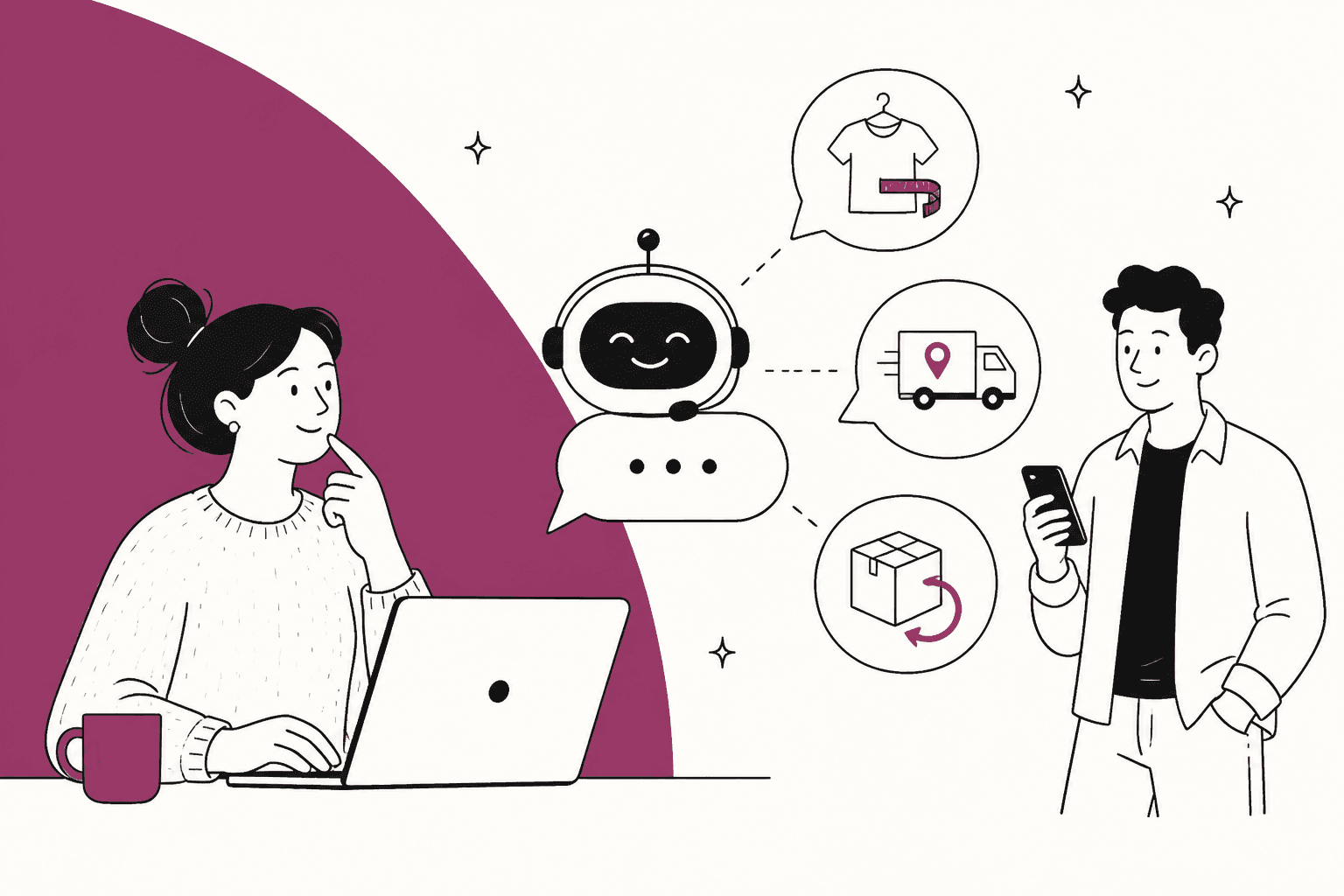
AI can answer fashion sizing, tracking and returns-policy questions, act on simple order edits and return links, and should hand refunds and exceptions to a person. Use the AI inside your helpdesk, plus a returns platform for the portal. If you run Gorgias or Zendesk, an AI teammate like eesel can answer from your size guides and policies. With the eesel CLI, a coding agent can upload those files and test answers before anything goes live.
Why do fashion brands drown in the same three messages?
I build integrations at eesel, including the Gorgias and Shopify ones, and a fashion inbox looks the same every time. "What size should I get?", "where is my order?", and "how do I return this?" Most of it has a fixed answer or a fixed next step, and a small team types it out ticket by ticket.
A multi-brand ecommerce operator told eesel its queue was 500+ tickets a day of repetitive refund, unsubscribe and order-tracking queries. Fashion adds a twist: sizing. It is the one question where a wrong answer causes the next ticket, because the wrong size comes back as a return. That is why this post splits the work into what AI can answer, what it can act on, and what needs a person, as covered in AI for customer service more broadly.
What can AI answer, act on, and leave to a person?
Think of three lanes. In the first, the AI answers from information you have already published. In the second, it reads or changes something in your store or returns tool, which needs a connection. In the third, a person decides.
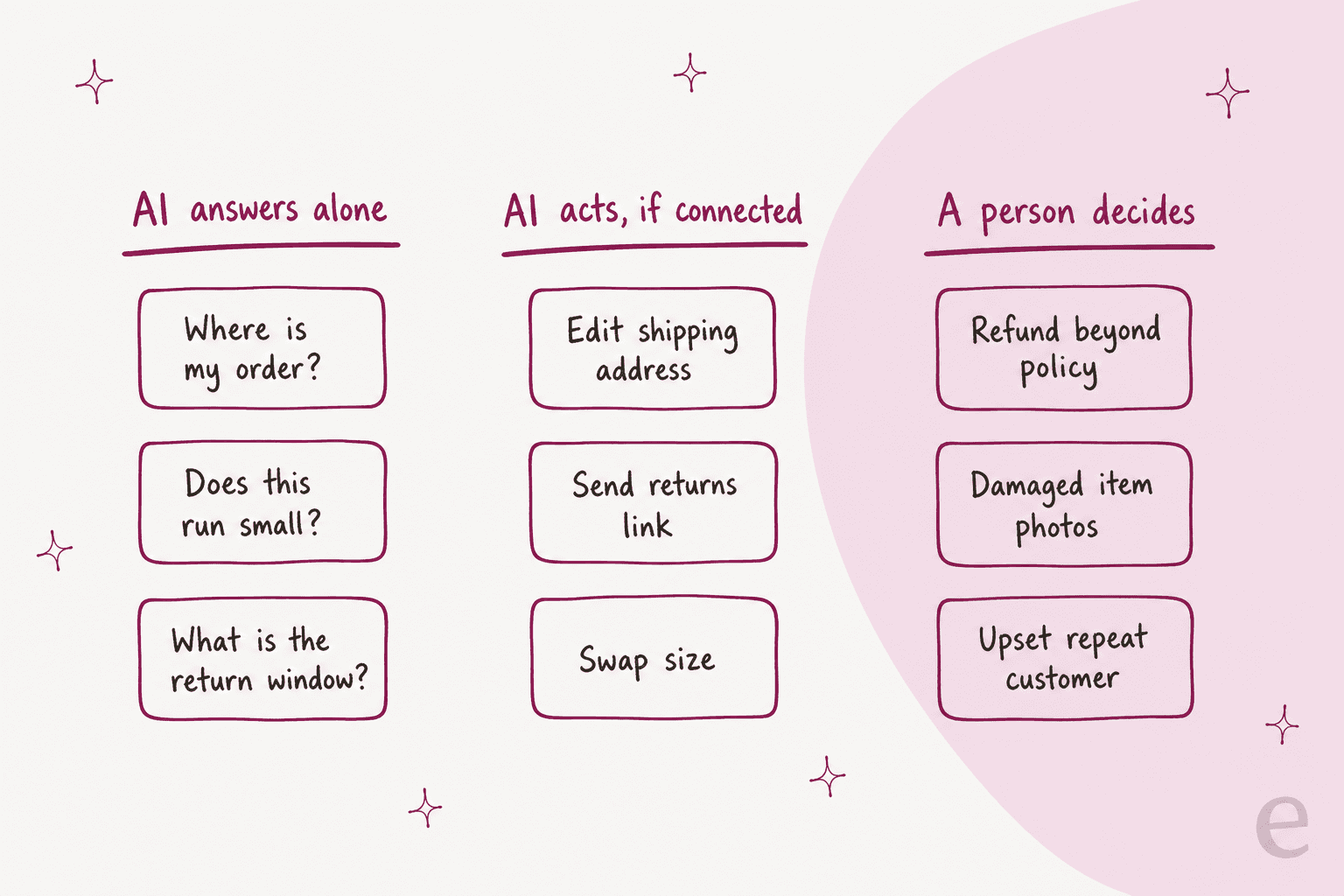
Anything a shopper could answer by reading your site is safe to automate; anything that moves money or involves judgment needs a person. A deflection setup pays back fastest in lane one. Lane two is where tools differ, and lane three should be written down as hard handoff rules.
How does AI answer "what size should I get?" without guessing?
Sizing is the question I would be most careful with. An AI that sounds sure and is wrong turns a pleasant chat into a return label. The fix is to make it answer only from real data.
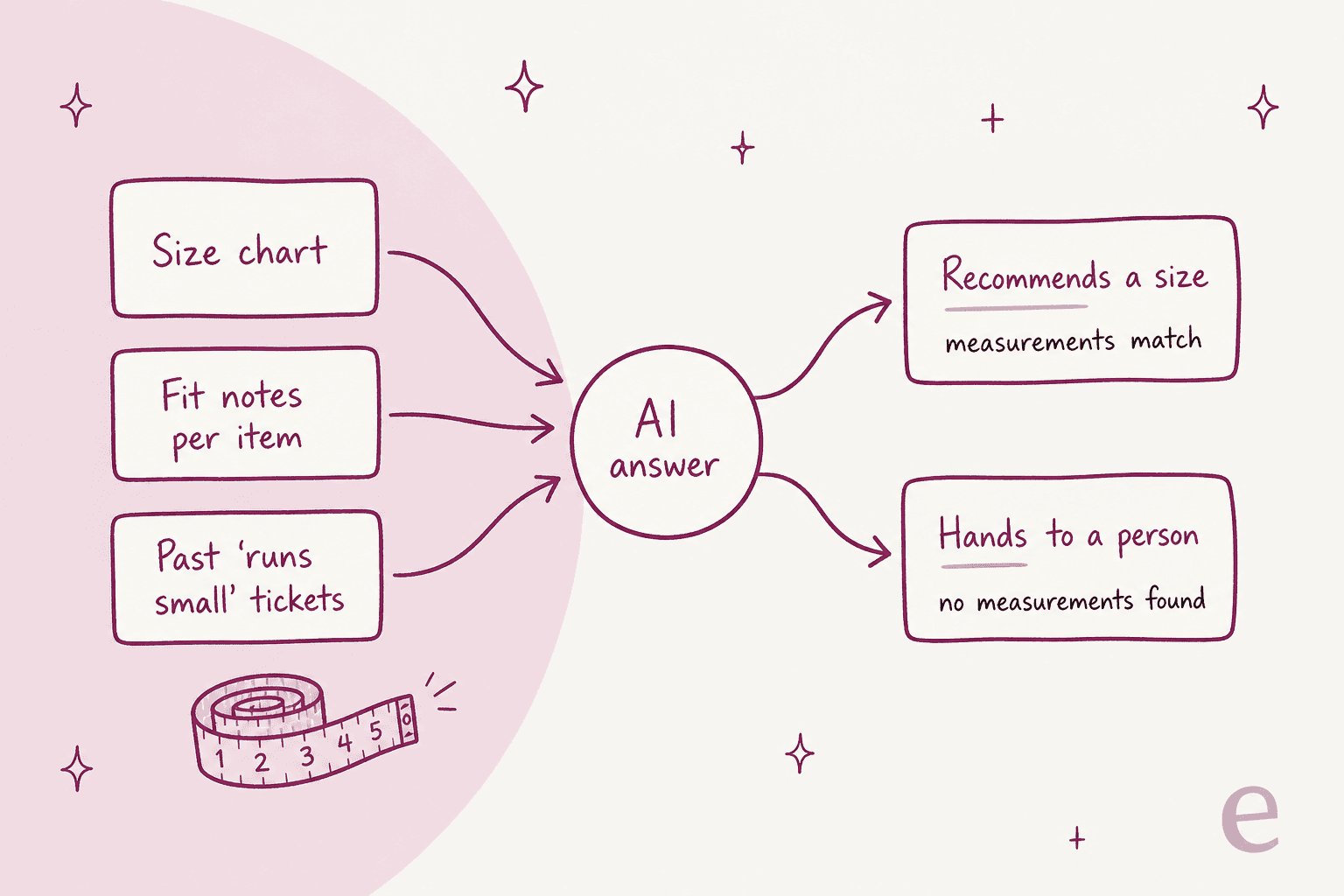
- Give it the size chart per product, not a generic one. Brands often have different charts for denim and knitwear.
- Add fit notes. "Runs small, size up" or "model is 178 cm in a M" is what shoppers actually ask about.
- Feed it past replies about fit, because your team already knows which items run small.
- Make "I cannot find measurements" a handoff, never a guess. This is the core of hallucination prevention.
In one eesel trial on a real ecommerce inbox, drafts for returns and refunds were useful 93.8% of the time and product questions 100%, but the factual error rate was still 7%. That is why I test sizing answers before they reach a shopper. A good AI knowledge base is the base of all of it.
Should a chatbot or a returns portal handle returns?
Both, and they do different jobs. A returns platform automates the process: eligibility, labels, exchanges and refunds. A chat agent automates the conversation around it: explaining the policy, answering "can I swap for a size up?", and sending the right link.
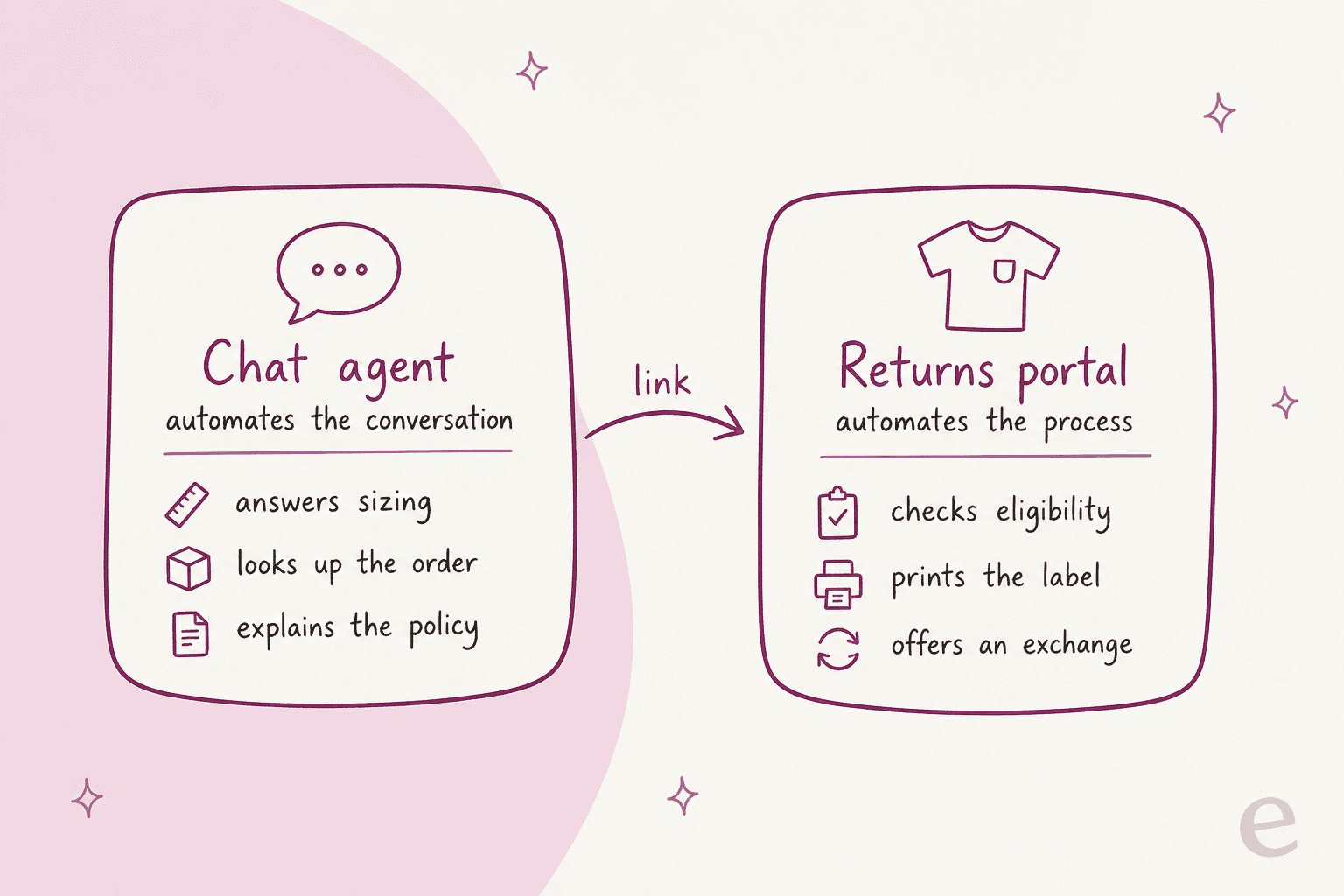
If you have no portal, the chat agent ends up collecting a return reason and order number for a person, which is slower. If you have a portal and no chat agent, shoppers still write in to ask whether they can return at all. See how to automate returns and the best AI for returns for more.
What are the four ways to add AI to a fashion store?
Pick the one that matches where your messages already land. Tap your situation to see how I would start.
Where do your shopper messages land?
Pick the closest match.
Helpdesk-native AI: Gorgias and Zendesk
Gorgias lists AI Agent on every plan, with the Basic plan at $77 a month billed annually ($90 monthly) for 300 tickets and 30 automated interactions, then $1.50 per automated interaction past the limit. Its docs describe Shopify actions: cancel an order that is still unfulfilled, edit the shipping address, remove an item, replace an item (for a different size or color) and reship for free. If a replacement costs more, it hands the ticket to your team to collect the difference.
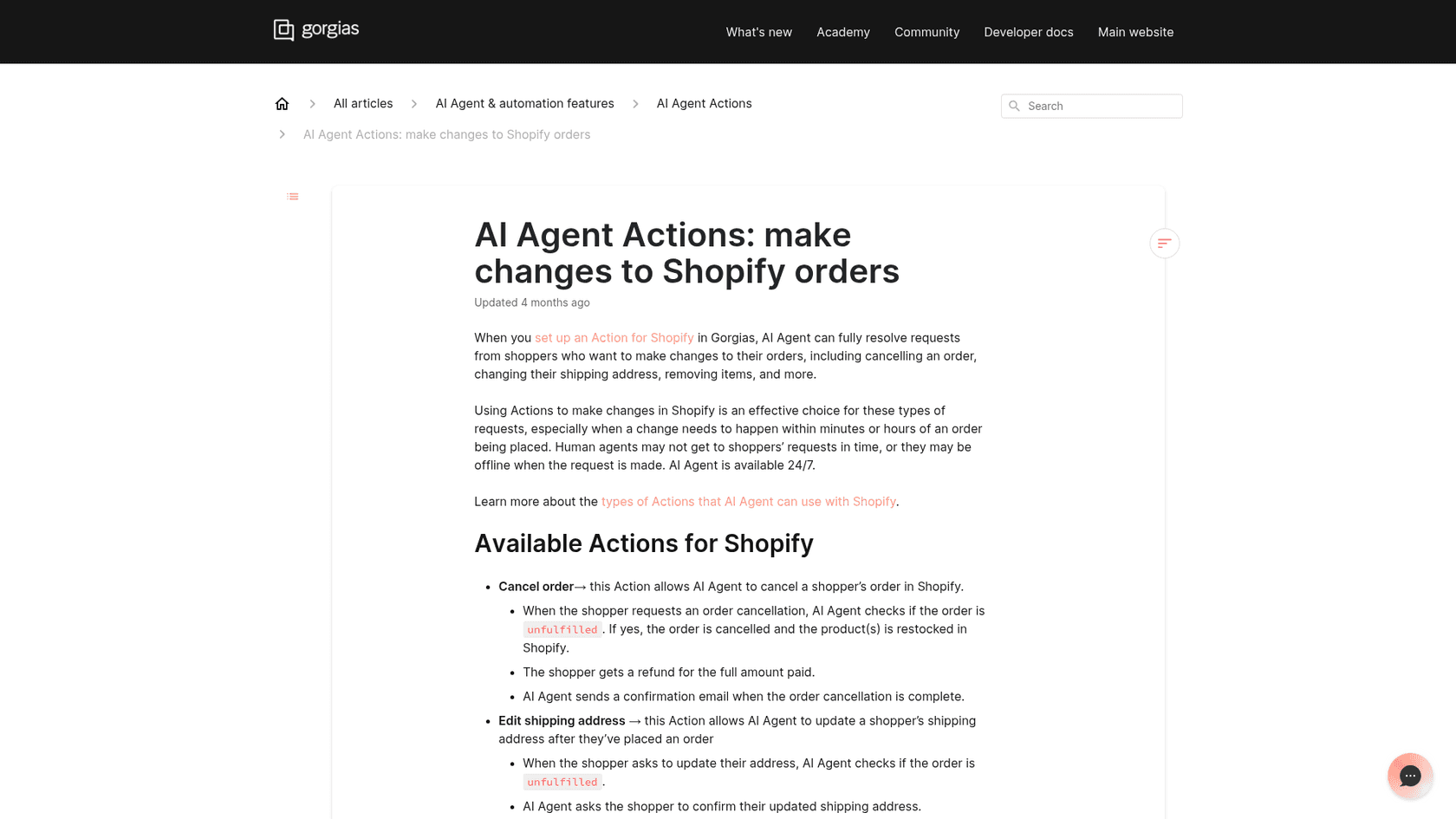
It can also send a Loop Returns portal link and report return shipping status, if you connect Loop with Order and Return API scopes. See Gorgias AI for Shopify.
Zendesk includes AI agents in every Suite and Support plan, billed per automated resolution: $1.50 committed or $2.00 pay-as-you-go, after a per-agent monthly allowance. Its AI agents page lists social, web, mobile, voice and email channels and 80 languages. See Zendesk pricing.
Chat-first: Tidio Lyro
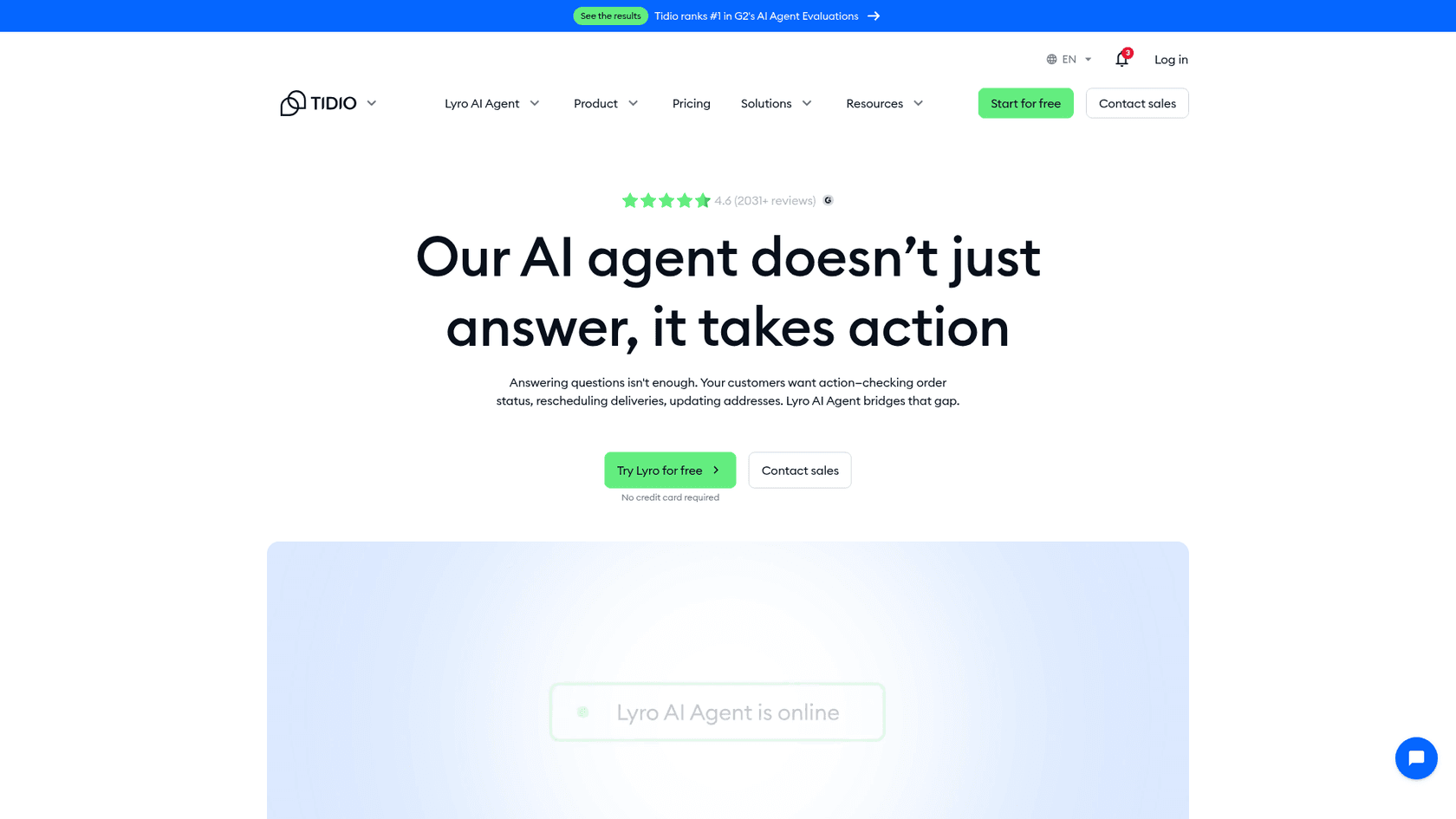
Tidio's Lyro comes with 50 free conversations, then starts from $0.50 per conversation. Its Smart Actions page lists real-time order status checks, changes to delivery details on unfulfilled orders, and starting a return with a label. Tidio says customers average a 75% resolution rate, which is a vendor claim, so test your own. Compare with Gorgias vs Tidio.
Returns platforms: Loop and AfterShip
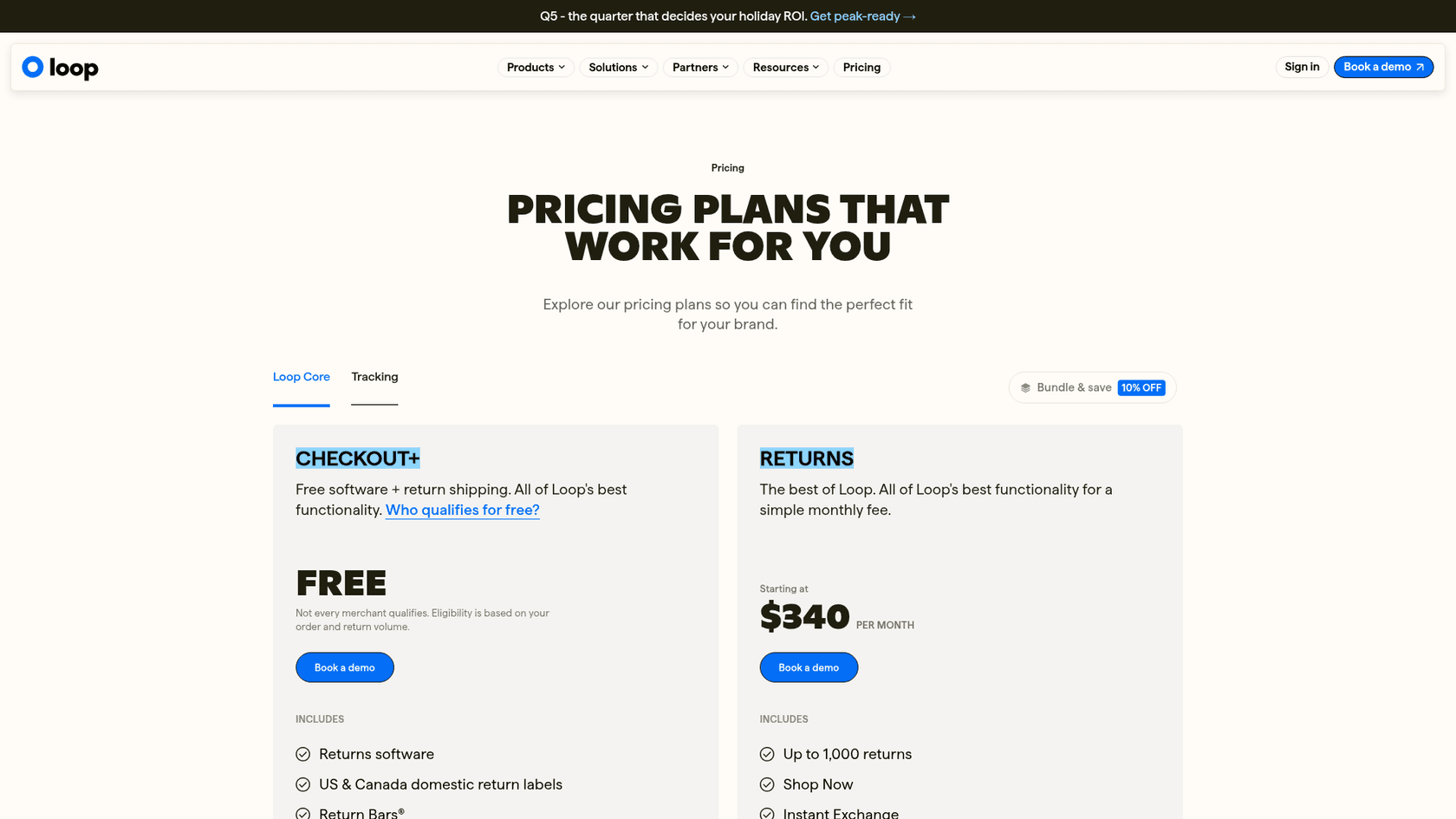
Loop is Shopify-first, with returns from $340 a month for up to 1,000 returns, a free Checkout+ option for merchants who qualify, and exchange tools including Instant Exchange and Shop Now. Loop says Shopify brands often go live in 15 to 45 days.
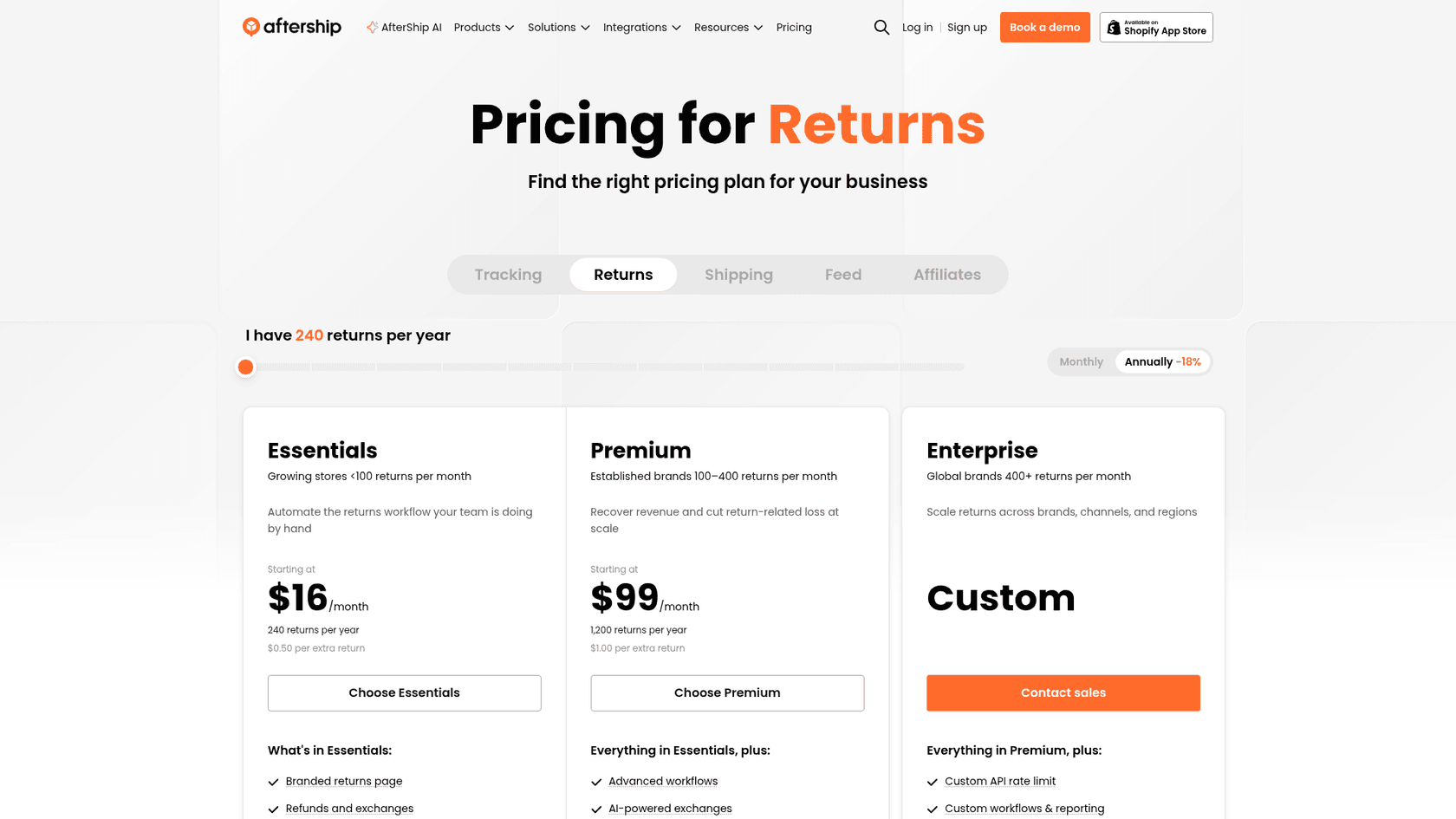
AfterShip Returns starts at $16 a month on annual billing for 240 returns a year. Premium from $99 adds AI-powered exchanges, fraud prevention for wardrobing and serial returners, and integrations with Gorgias and Zendesk.
| Option | Best at | Acts on orders? | Starting price signal |
|---|---|---|---|
| Gorgias AI Agent | Shopify order edits, Loop actions | Yes, with actions set up | $1.50 per interaction past limit |
| Zendesk AI agents | Multichannel at scale | Via configured actions | $1.50 or $2.00 per resolution |
| Tidio Lyro | Website chat | Order status, address, returns | From $0.50 per conversation |
| Loop Returns | Exchange-first returns | Runs the return process | From $340 a month |
| AfterShip Returns | Rules, fraud, exchanges | Runs the return process | From $16 a month annual |
| eesel | AI on the helpdesk you run | Reads orders, hands refunds on | From $299 for 500 credits |
All prices are from each vendor's own pages as of November 2026.
Where does eesel fit for a fashion brand?
eesel is an AI teammate you hire for a job, and here that job is the AI helpdesk teammate. It joins the helpdesk you already run, like Gorgias or Zendesk, and works the queue beside your team. It learns from your help center, macros and past tickets, checks the order in Shopify, and answers sizing, WISMO and policy questions. Refunds and exceptions I would keep with people.
A real example from my notes is Question Beauty, a cosmetics brand on Gorgias and Shopify. In one month eesel handled about 990 tickets, sent about 960 replies, looked up about 290 Shopify orders and closed about 280 tickets without a person. Refunds, returns and complaints go to a person with a note. It is not apparel, and I have no published fashion story yet, but the setup is the same.
On the returns side, ClutchLoop sends returns to its portal and answers product questions directly, replying itself to 180 of 230 Gorgias tickets in a month. If you want a person to read every draft first, STIL Classics has eesel prepare about 320 Gorgias tickets a month as drafts.
Pricing is on the eesel pricing page: a 7-day trial with 100 credits, then plans from $299 for 500 credits, where a ticket or chat is one credit. For the channels, see AI WhatsApp support for ecommerce and multilingual support.
How do you roll it out without upsetting shoppers?
My order is tracking and policy first, sizing next, exchanges and refunds last.
- Write the policy page. Return window, final-sale items, exchange rules.
- Load sizing data. Size charts and fit notes per product.
- List hard handoffs. Damaged items, refunds beyond policy, repeat complainers.
- Replay old tickets. Run 50 to 100 through the AI and read each answer. A simulation test catches wrong sizes early.
- Start with drafts, then let safe categories send themselves.
- Score it with a pilot scorecard before peak season.
Someone with admin access still approves the helpdesk connection, and uploaded files are not "ready" until tested. For security questions, see my security review checklist.
Try eesel in your fashion helpdesk
If your sizing, tracking and returns messages land in Gorgias or Zendesk, eesel works like a new support hire: it learns your size guides and policies, answers the repeatable messages and hands refunds to your team. Start with the free trial on drafts and replay last month's tickets first.
Try eesel free for 7 days, or read about AI for tier-1 deflection first.
Frequently Asked Questions
What is the best AI for fashion brands?
It depends on where your messages land. If you already run Gorgias or Zendesk, start with the AI inside it or add an AI helpdesk agent on top. If most of your volume is returns, a returns platform plus a chat agent is the stronger pair. See the best AI for ecommerce support for a wider list.
Can AI answer sizing questions accurately?
Yes, but only from real data: your size chart, per-item fit notes and past replies about fit. If the AI cannot find the measurements, it should hand the question to a person. Use hallucination prevention rules so it never guesses a size.
Can AI handle returns and exchanges for an online clothing store?
It can explain the policy, check eligibility and send the shopper to the returns portal. Some AI agents can also start an exchange through a connected returns tool. Refunds outside policy should go to a person. Read can AI handle refunds and returns for the split.
How do I automate WISMO for a fashion brand?
Connect the AI to your store so it can read the real order and tracking status instead of quoting a policy. Then set a delay threshold for when a late parcel goes to a person. This is the core of WISMO automation and AI order tracking.
How much does AI customer support cost for a small fashion brand?
Prices vary by model. Gorgias lists AI Agent at $1.50 per automated interaction past the plan limit, Zendesk $1.50 committed or $2.00 pay-as-you-go per automated resolution, and Tidio's Lyro from $0.50 per conversation. eesel is a flat monthly plan from $299 for 500 credits. Compare with your cost per resolution.
Should the AI chatbot or a returns portal handle returns?
Both, for different jobs. The returns portal runs the process: eligibility, labels, exchanges. The chat agent handles the conversation around it and links to the portal. The order status and returns chatbot guide covers the handoff.
Can AI answer shoppers on WhatsApp, Instagram and chat?
Yes, if the tool covers those channels. Gorgias treats chat and social messages as tickets, so an agent working in the queue covers them too. See how to automate WhatsApp support and set up an Instagram chatbot.
How do I test an AI before it talks to shoppers?
Replay a month of old tickets and read every answer, especially sizing and refund ones. A simulation test and a pilot scorecard show where it is safe to switch on.