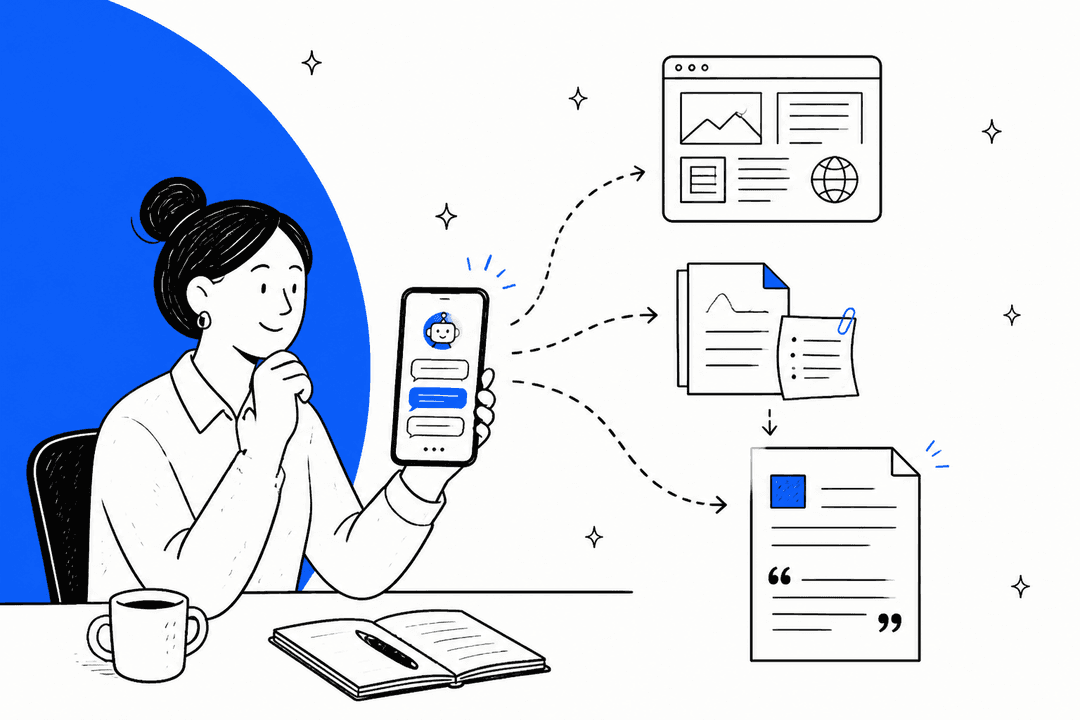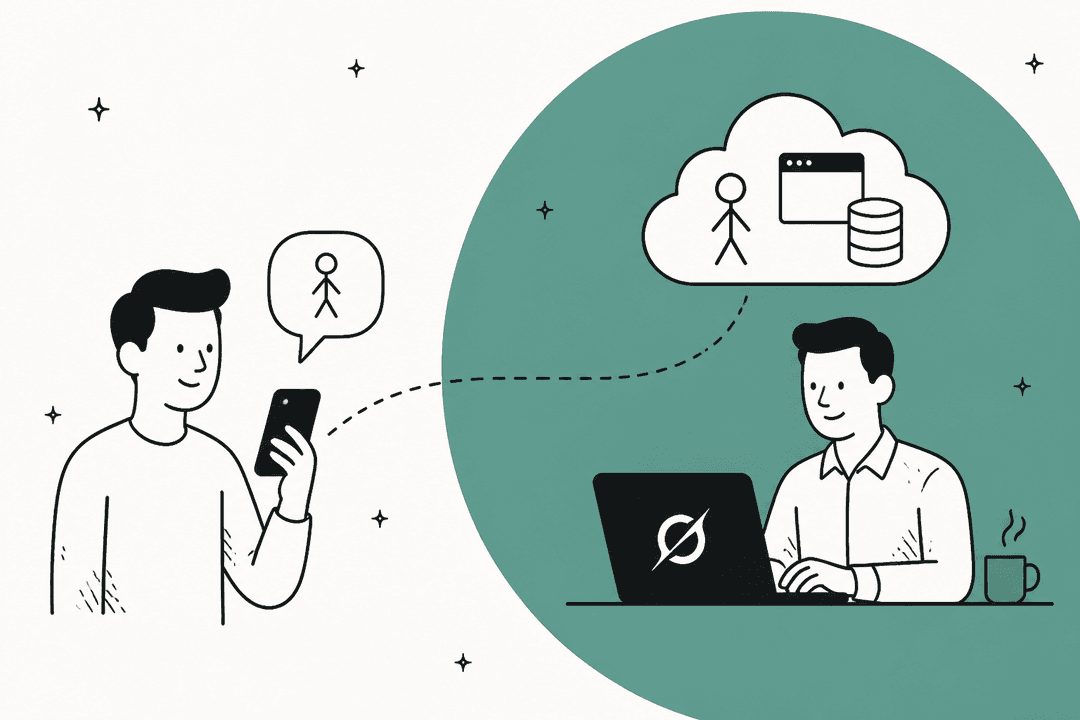


Why I'm comparing these two
I work the eesel support queue every day, so I look at personal agents from the other side of the inbox. More and more of the messages I read are written by someone's assistant, not by the person.
That makes approvals the part I care about most. eesel has run AI on live support queues for years, and the lesson I keep relearning is that "approve or reject" is too blunt. One Freshdesk customer handling about 200 to 250 tickets a month told us the binary flow forced copy-paste workarounds, because they needed to edit a draft before it went out. A good agent lets you step in at the right moment, not only before or after.
On Hacker News, the two products came up together from the first day Muse launched:
"Instinct exists with the same features. It is quite good. I was thinking they were gonna get acquired by meta 100%, but looks like meta has a competitor."

Same features, maybe. Same controls, no. That is what this comparison is about.
Instinct vs Meta Muse at a glance
| Instinct | Meta Muse | |
|---|---|---|
| Maker | Spear Street Technology, Inc. d/b/a Instinct | Meta |
| Launched | Public launch post Aug 26, 2026 | Sep 8, 2026 |
| How you use it | Text or call it; sign in with your phone number | Muse app on iOS, Android and Mac, muse.ai, or inside WhatsApp |
| Where it works | Your email, messages, screen, location and accounts | Its own cloud computer and browser, plus the connectors you add |
| Access | Invite-only early access | US and Canada, 18+ |
| Price | No published price | Free with a weekly limit, $20/month, $100/month |
| Approvals | Safeguards "may" exist; connections between Instincts need approval | Asks before write actions by default; "Always ask" mode; enforced outside the model |
| Can you watch it work? | Not documented | Yes, its browser and an activity log |
| Allowed use | Personal use only | No personal-use clause; small-business skills offered |
| Calls businesses | Yes, through Instinct Concierge | Experimental, to businesses with public numbers |
| Liability cap | Greater of $100 or 6 months of fees | Greater of $250 or 12 months of fees |
Sources for every row are linked in the sections below.
What is Instinct?
Instinct calls itself "a personal assistant that understands what you're working on and what's important to you." The pitch is that "there are no new interfaces": you text or call it, and it "can use a phone and computer in the same way that humans do" (instinct.com). The homepage examples are personal: disputing a bill, sending birthday gifts, ordering groceries, booking a doctor.
The founder, Noah Shinn, was an early Sierra employee and first author of the Reflexion paper on self-correcting agents. Instinct ships quickly, and the last two weeks alone added a lot:
- Group chats on October 5. An Instinct joins the thread and works for the whole group, and your friends don't need Instinct to take part (Noah Shinn, X).
- Flights, rebuilt on October 7, after more than 20% of users had Instinct help with their flights last month. It now handles booking plus lost bags and cancelled flights (Noah Shinn, X).
- Customer service partnerships with Sierra and Decagon, also on October 7. When your Instinct reaches a business on those platforms, "the agents will be able to work together to solve your problem" without a phone call (Noah Shinn, X).
Earlier releases added Stripe Link cards, a Shopify checkout partnership, a credential Vault and Instinct Concierge for phone calls. My Instinct AI review covers those in detail.
What is Meta Muse?
Meta Muse is Meta's personal AI agent, launched September 8, 2026 and powered by Muse Spark 1.3. You chat with it "using the Muse app on mobile, Mac, or directly in WhatsApp" (muse.ai). It runs on its own isolated cloud computer with a browser, keeps working after you close the app, and comes back when it needs approval.
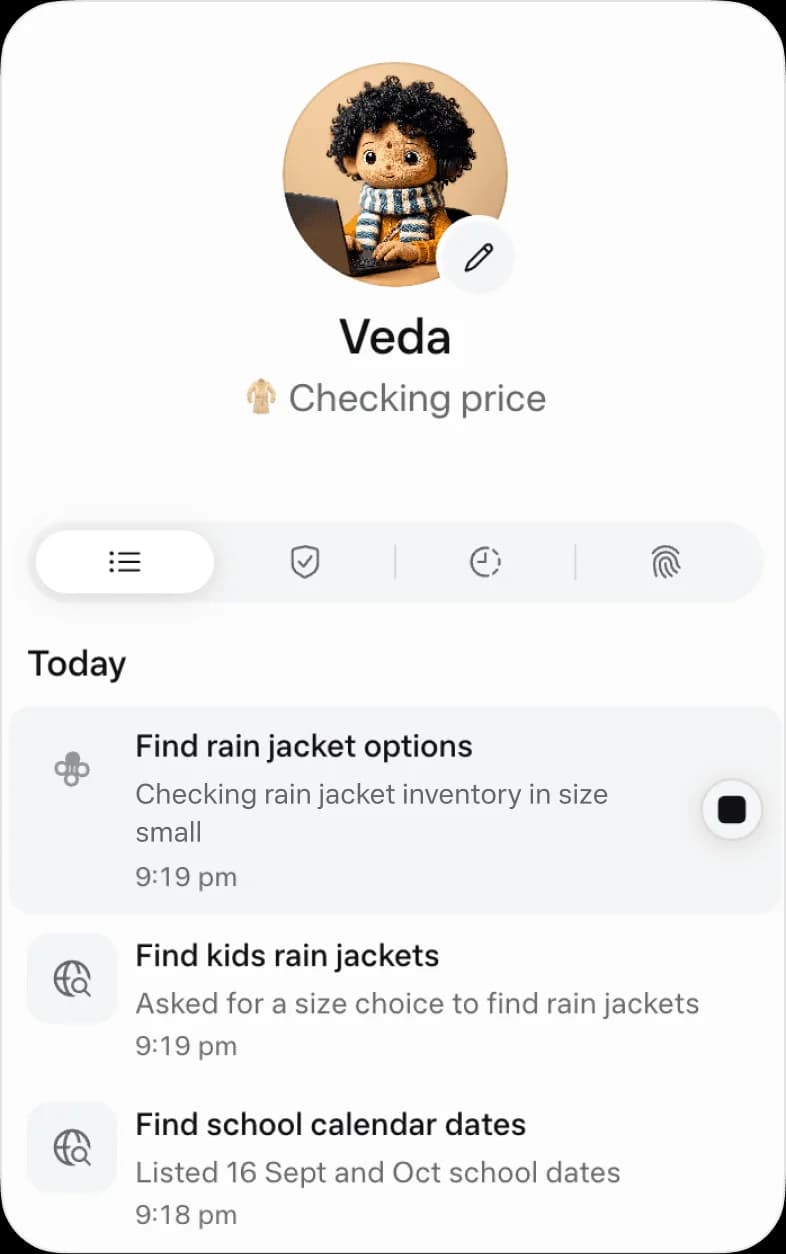
Muse connects to Gmail, Google Calendar, Facebook, Instagram, Threads, Apple Health and more, and Meta's small-business push adds connectors such as Shopify, Slack, Notion, Stripe and QuickBooks (Muse for Small Business). If a service is missing, Muse can build a custom connector from its API, though Meta warns it "doesn't review custom connectors or how they use your information" (Muse Help Center).
I went through the launch and the architecture in my Meta Muse review, and the business side in Meta Muse for small business.
How they differ: acting as you vs working where you can watch
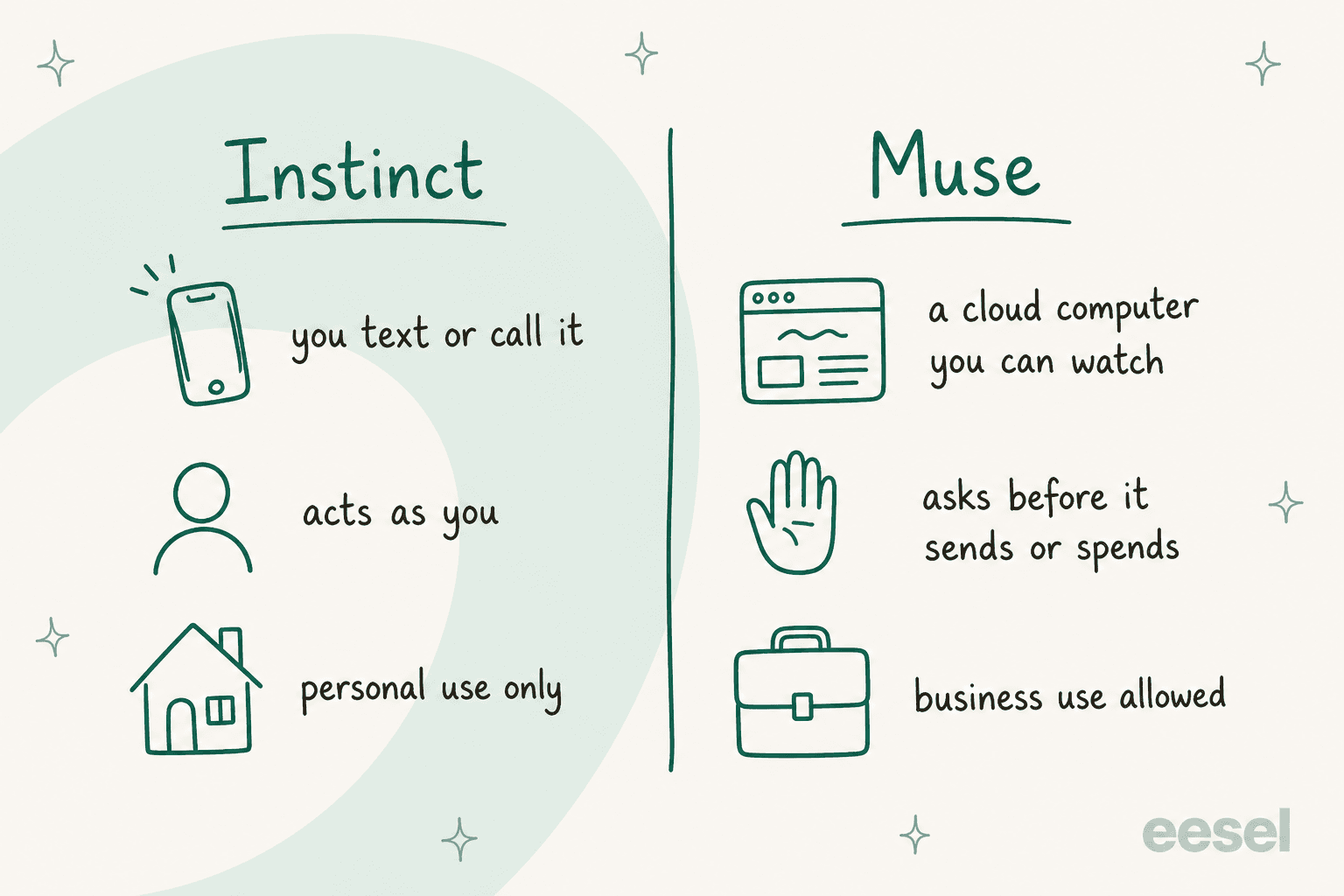
Instinct is built to be you. You "authorize the Services to take Actions on your behalf as the Services may deem are responsive to your Input," and you appoint it "as your agent to enter into agreements, commitments or transactions on your behalf." Those agreements are "binding on you as if entered into directly by you" (Instinct Terms). For purchases, the terms say "you, not us, are making such purchase." The design goal is an assistant that gets things done without asking you a lot of questions.
Muse is built to be watched. Its help center splits actions into read and write. With the default "Ask for some actions" setting, Muse "will ask for permission before every write action and important read actions," and "Always ask" makes it check before anything at all (Muse Help Center). You can answer with Allow once, Allow for this task, Allow for this site, Always allow or Deny. And Meta notes that "many of these approval checks are enforced outside the AI model," so a confused or tricked agent can't approve itself (Muse privacy and security).
The browser is the other practical gap. Muse lets you see its browser and take over. An Instinct user who kept hitting bot checks asked about exactly this:
"There's a few things I want my instinct agent to do on my behalf but it keeps getting bot detected or needs a human to log in once. Grokbot and and muse.ai let you see the agents browser and you can take it over to perform actions. Is there anything comparable in instinct?"

So the short version:
- Instinct is a person-shaped assistant on your phone, using your accounts, cards and voice.
- Muse is an assistant on a remote desk you can look over, with a permission slip for each kind of action.
Who asks before acting?
This matters more than any feature list, so here is what each one documents.
Muse. Its homepage promises you can "approve actions your agent takes on your behalf before they happen, like sending emails and making purchases," and "see a complete audit trail" (muse.ai). Purchases go through Link by Stripe with a one-time card, and you approve each one.
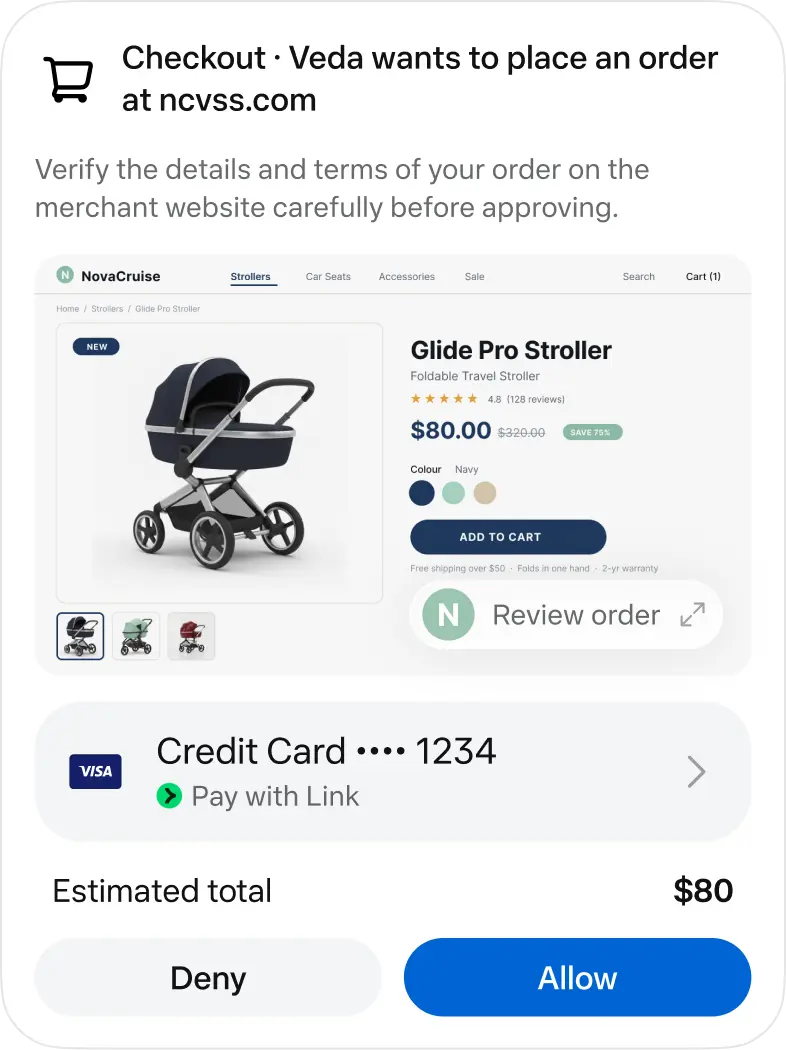
Approvals still depend on what you've allowed. Once you choose "Always allow" for a connector, Muse can act there without asking again. That's how a real mistake happened on Facebook Marketplace, reported in a seller community:
"It accepted a lowball offer, arranged for the buyer to meet up and confirmed he was home, but didn't tell him about the arrangement. The buyer was left waiting there with several messages unanswered and eventually gave up, and left a bad review."
Instinct. The terms say Instinct "may implement safeguards, confirmation requirements, or other controls," with no promise they'll catch every error (Instinct Terms). Where Instinct does spell out permissions, they're specific and good. In group chats, "your personal Instinct asks before connecting with the group's Instinct," and if someone new joins, "all pending replies from your Instinct are held until you grant it permission" (Noah Shinn, X). Outside those cases, you set the limits by telling it, such as "always check with me before you buy anything."
My read as someone who reviews AI replies for a living: Muse gives you the settings, Instinct gives you a conversation. Settings are easier to trust because they don't depend on the agent remembering what you said.
Pricing: free and invite-only vs a free tier plus two plans
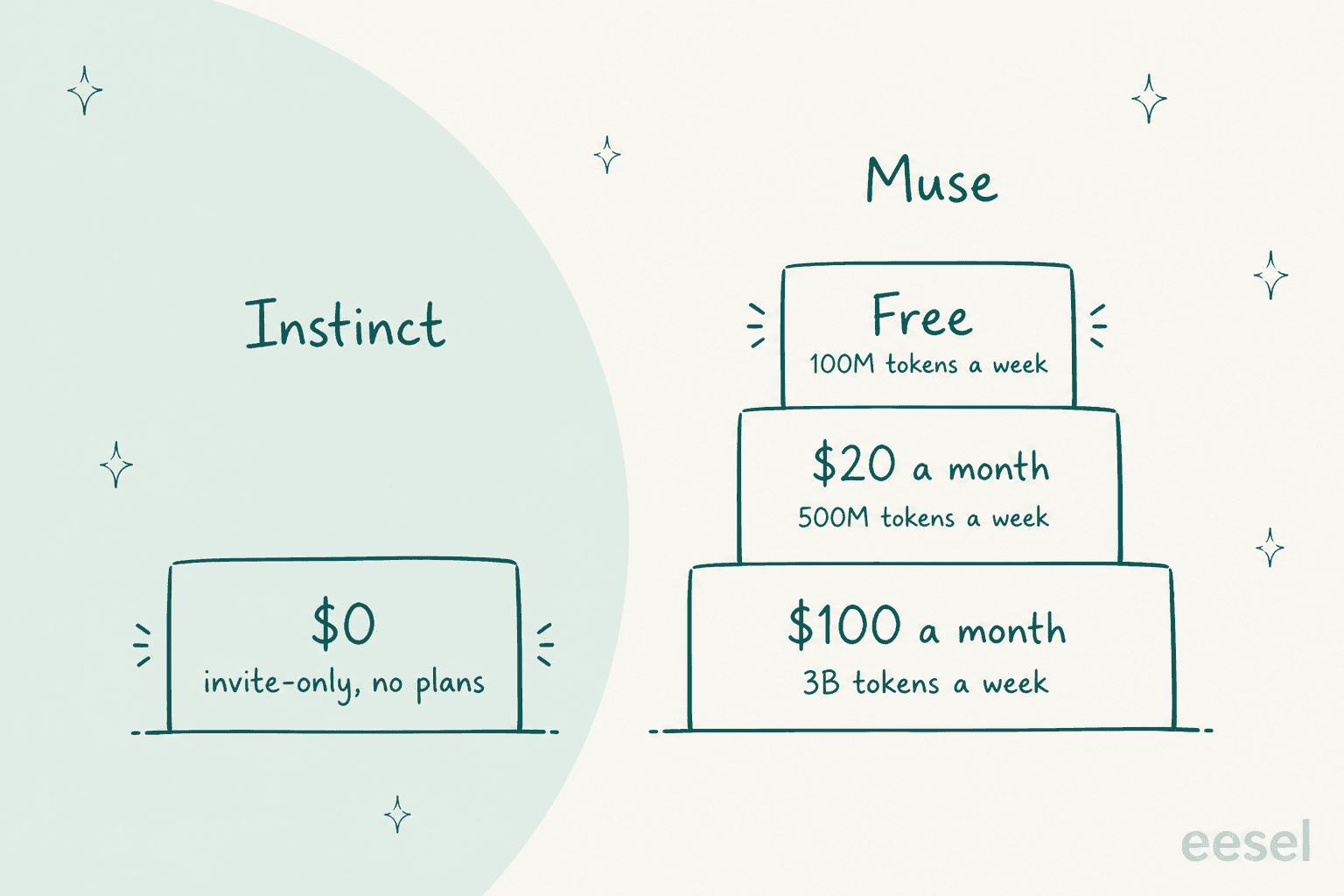
| Instinct | Meta Muse | |
|---|---|---|
| Free option | Free while invite-only | Free up to 100M tokens a week |
| Paid plans | None published | Power $20/month (500M tokens a week), Maximum $100/month (3B tokens a week) |
| Team plan | None; personal use only | None; plans are per Meta account |
| How usage is counted | Not published | Weekly token allowance that refreshes |
| Hidden cost | You pay for what it buys; liability cap $100 | Running out mid-week; liability cap $250 |
Muse's plans are on Meta's subscriptions help page, which also says "Muse and Muse subscriptions are in limited testing." The 100M free tokens a week comes from Mark Zuckerberg's own launch post (Mark Zuckerberg, X). My Meta Muse pricing post explains what a token budget means in practice.
Instinct's plan is different: free to you, with money made on purchases. After interviewing the founder, Patrick O'Shaughnessy wrote that "Instinct plans to take a cut of what users buy" and that Noah's "personal goal is to keep Instinct free for everyone for life" (Patrick O'Shaughnessy, X). My Instinct AI pricing post goes through it.
So the honest version: Muse costs $0 to $100 a month depending on how much work you give it. Instinct costs $0, and the thing to watch is what it spends.
Privacy and data
| Instinct | Meta Muse | |
|---|---|---|
| Model training | On by default; opt out at app.instinct.com/settings | Opt out in Settings under Data Controls |
| Ads | Not applicable | Meta says Muse data isn't shared with its ad systems |
| Credentials | Vault, never used for training | Secure Credentials Store; the model never sees passwords |
| After you disconnect | Disconnecting doesn't delete what was collected | Earlier info "might still remain in Muse's memories" |
| Memory you can edit | Not documented | A MEMORY.md file you can read and change |
| Who runs it | A venture-backed startup | Meta |
Sources: Instinct's privacy policy and terms, plus Meta's Muse Supplemental Terms and the Muse Help Center pages linked above.
On paper, Muse documents more. In practice, the decision for most people is about the company, not the table. The most-repeated reaction to Muse's launch was this one:
"Agreed. Love the idea and the polish. Hate the owners"
And the case for Instinct, from the same thread, was the mirror image: that "by not being associated with Meta it'd be really appealing just on that front" (Anon1096, Hacker News).
What users say about each
Muse gets credit for being open about how it works. One commenter who doesn't like Meta still found the setup "impressively transparent":
"You have access to its System Files right in the GUI, which surprised me. You can look at the AGENTS.md and other harness files it uses as well as some shell scripts, bash files, cronjob folder etc."
Instinct gets credit for just getting things done:
"I use Instinct and I'm very happy with it so far. It has booked some restaurants for me, replied to some personal admin-related emails, and updates my progressive workout spreadsheet when i go to the gym. No real complaints so far."
The trade-off shows in both directions. Instinct users ask for more visibility, like the bot-check thread above. Muse users and bystanders run into what happens when an agent with broad permissions talks to strangers, like the Marketplace case. Neither company publishes a task accuracy number.
My read: Instinct is ahead on reach, because it calls, books flights, joins group chats and now talks directly to companies' support agents. Muse is ahead on control, because you can watch it, set permission levels per app and read its memory.
Which one should you pick?
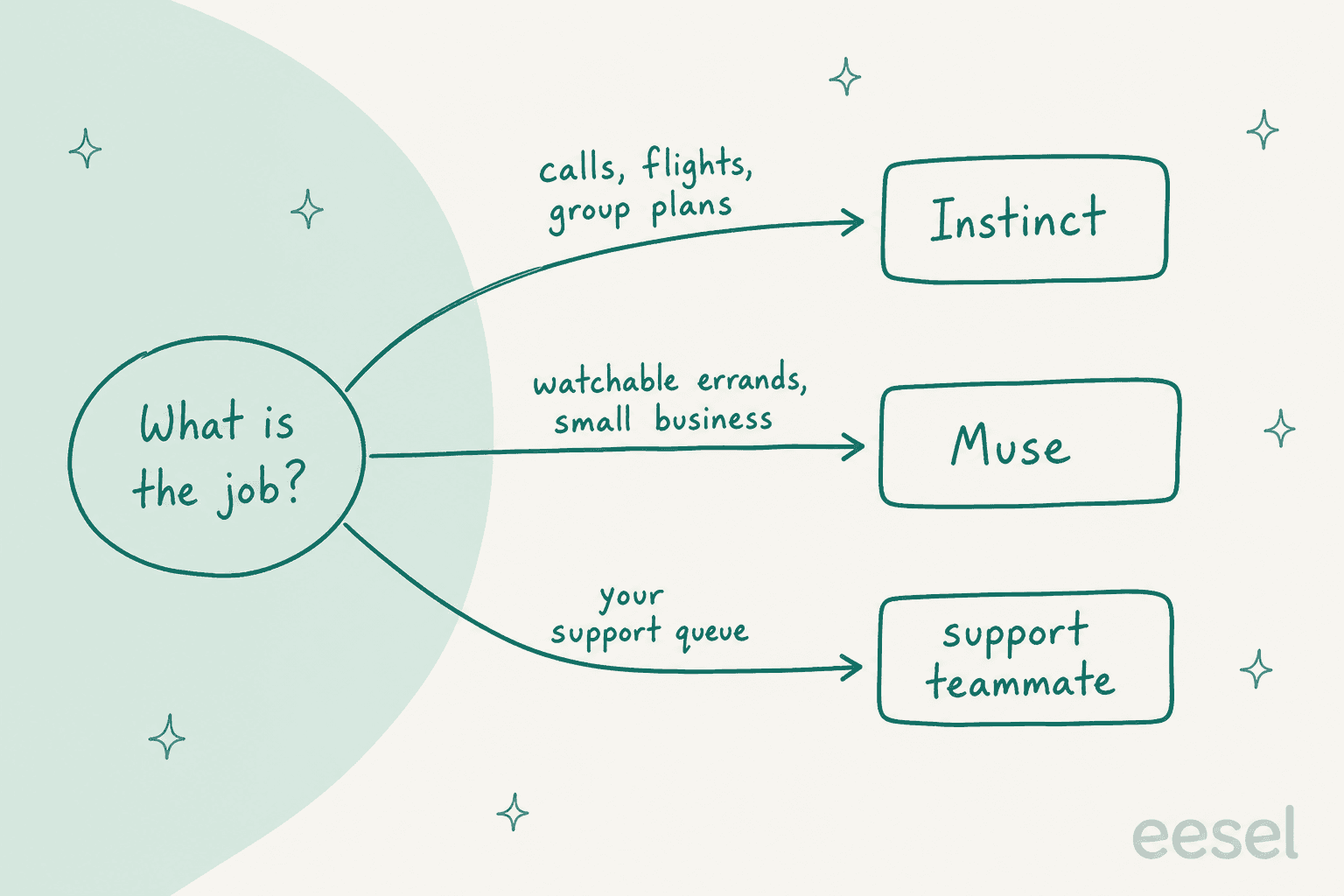
Pick Instinct if you want something that feels like a sharp human assistant: chase a refund by phone, rebook a cancelled flight, plan a trip in the group chat. You'll need an invite. Switch training off in settings and tell it to check with you before any purchase.
Pick Muse if you want to see the work and approve it. It also fits if you run a small business on Meta's apps, since its terms allow business use and it connects to Shopify, Stripe and QuickBooks. Start on "Always ask" and only move a connector to "Always allow" once you trust it there. My Meta Muse for sales post covers the business limits.
Look elsewhere if neither trade-off suits you. Grok Bot is the work-focused option, ChatGPT Work is the closest general assistant, and OpenClaw suits people who want to self-host.
My Instinct AI vs Grok Bot and Instinct AI vs Hermes Agent posts cover two other matchups, and the best AI agents roundup has the wider field.
What this means for your support team
Here is the part I think most comparisons miss. Both agents are pointed at businesses. Instinct Concierge calls them, Instinct now hands problems to companies' AI agents on Sierra and Decagon, and Muse is "experimenting with the ability for Muse to make phone calls on your behalf to businesses whose phone numbers are publicly available" (Muse Help Center).
So if you run a support queue, the question isn't which one to use. It's how to answer them well. The tickets look different: they're polite, very specific, sent at odd hours, and they expect a firm answer the agent can report back. Decagon's side of this is its personal agent gateway, and my guide to Instinct AI for customer support covers handling these tickets in any helpdesk.
Neither agent can work your queue for you, either. Instinct's terms allow "personal use only." Muse is one person's agent, with no team plan, no admin controls and no way to test replies on last month's tickets.
That gap is what eesel is for. eesel is an AI teammate platform where you hire ready-to-work teammates for specific jobs. The AI helpdesk teammate joins Zendesk, Freshdesk, Gorgias and the other helpdesks you already use. It learns from your help center and the replies your team has already sent, and you run it against historical tickets to see how it would have answered before it touches a live one. When a customer's personal agent writes in asking for a refund status, your teammate answers from your real policy, in seconds, and hands anything unusual to a person.
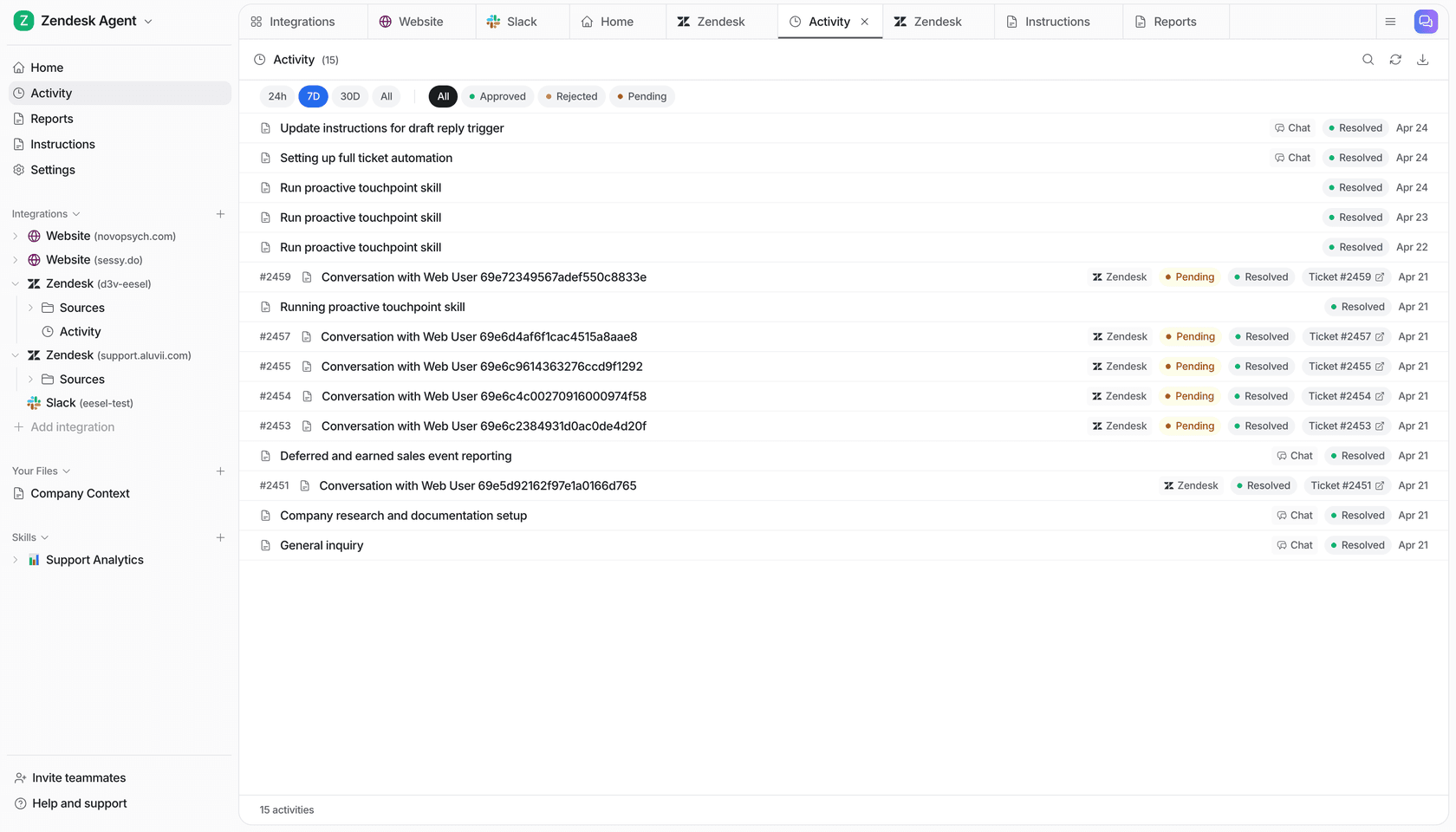
The controls that Muse users like, and that Instinct users ask for, are there too. The activity view logs every action against its ticket, and approvals let you hold certain replies for a human. If your team works from a terminal or with coding agents, the same teammate is reachable through the eesel CLI: eesel approvals list shows what's waiting on a person, eesel activity lists what the agent did, and write commands take --dry-run so you can see the exact call before anything is sent. Claude Code, Codex or Cursor can drive it the way a person would. My post on AI agent CLIs explains why that matters.
Try eesel
Instinct and Muse are good errand runners for your own life, and they're already sending messages to companies like yours. If you want those messages answered well, eesel's AI helpdesk teammate plugs into your helpdesk in minutes, answers from your docs and past tickets, and shows you every reply on old tickets before it goes live. There's a free plan to start. Try eesel.
Frequently Asked Questions
What is the difference between Instinct AI and Meta Muse?
Is Instinct AI or Meta Muse cheaper?
Which is safer, Instinct AI or Meta Muse?
Can I use Instinct AI or Meta Muse for work?
Is Instinct AI available outside the US?
Can Instinct AI or Meta Muse contact customer service for me?
Should I pick Instinct AI vs Meta Muse for a support team?


Article by
Riellvriany Indriawan
Riell is a designer and writer at eesel AI with about two years of experience researching CX platforms, AI chatbots, and helpdesk software. She combines her design background with a sharp eye for how these tools actually look and feel in practice — making her comparisons unusually visual and user-focused.