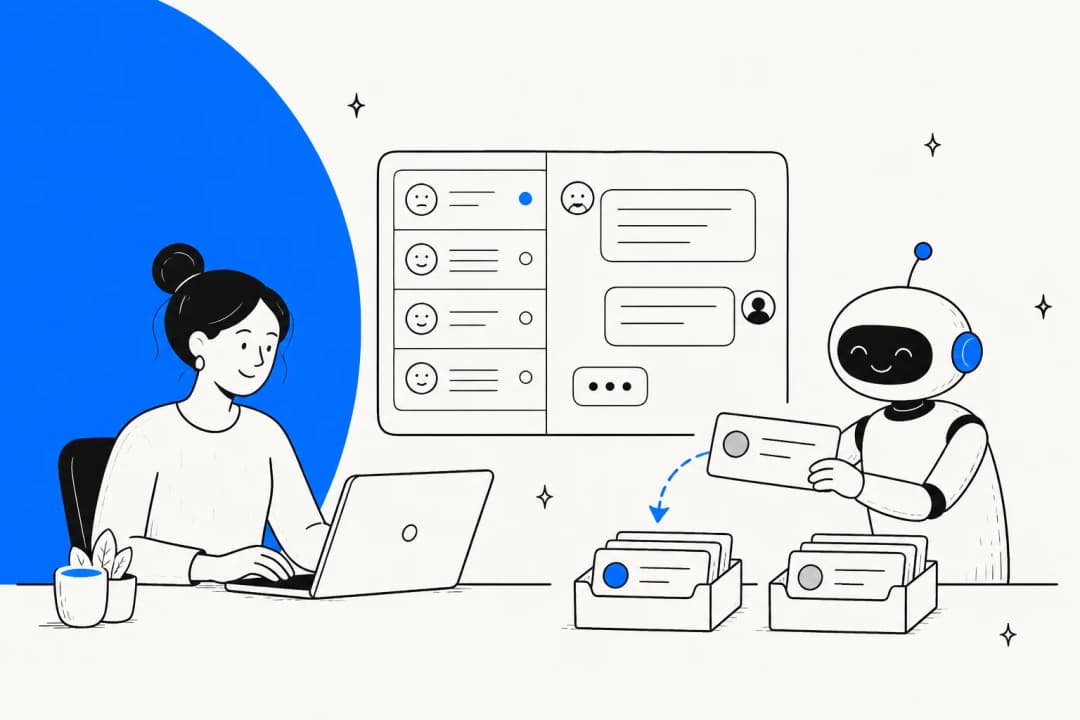


Why follow-ups are where support breaks
I work eesel's support queue every day, and the tickets that hurt are rarely the hard ones. They're the ones where somebody stopped following up. eesel's own customer notes have a case I still think about: a German art-events company running two Zendesk brands had a trial producing ten out of ten usable draft replies, and it expired silently with no follow-up from eesel's side. Another account closed with three unanswered follow-ups in its history. Nothing was broken except the chase.
So when a personal agent shows up promising to handle follow-ups for you, I look at it from both seats: the person sending follow-ups, and the team receiving them.
Instinct is a personal AI assistant you text or call, from Spear Street Technology, founded by Noah Shinn. It's still invite-only. The homepage describes "a personal assistant that understands what you're working on and what's important to you," with "no new interfaces."
The examples on that page are all personal: a bill dispute, groceries, a doctor's appointment. That tells you which side of the follow-up Instinct was built for.
Can Instinct chase your own clients?
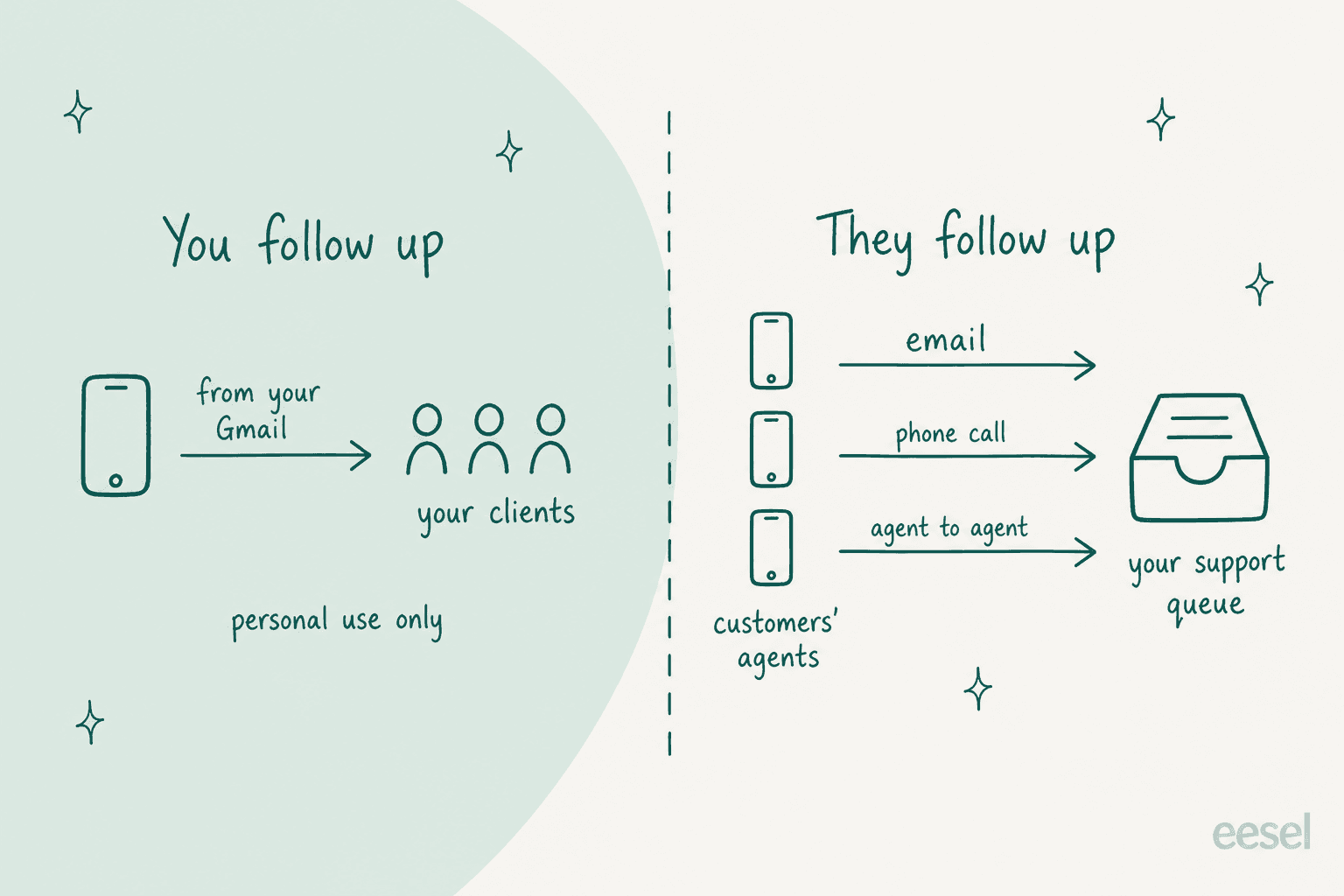
It can, within limits. Instinct reads connected Google services, and its privacy policy lists them: Google Calendar, Gmail, Drive, Docs, Sheets, Slides and Tasks. That's enough to watch a thread, notice nobody replied, and write the nudge.
Users describe exactly that. One LinkedIn user says they use it to "filter my email, block spam, schedule calls, send follow ups" (Arzoo Arora, LinkedIn). Lionel Sim, a solo founder who runs five assistants, gives Instinct the follow-up seat specifically:
"It reminds me of outstanding tasks, follows up on loose ends and keeps working in the background while I focus on something else. As a solo founder, that changes how my whole week feels."

The moment that won him over was a follow-up he hadn't thought of yet: Instinct reminded him "to give the other side a heads up" before he realized he was running late. A Reddit user who has used it for two months calls this pattern an "event with a follow-up": tell it once what should happen when something arrives, and it runs (u/maxobes, Reddit).
Here's what I'd hand it, and what I wouldn't.
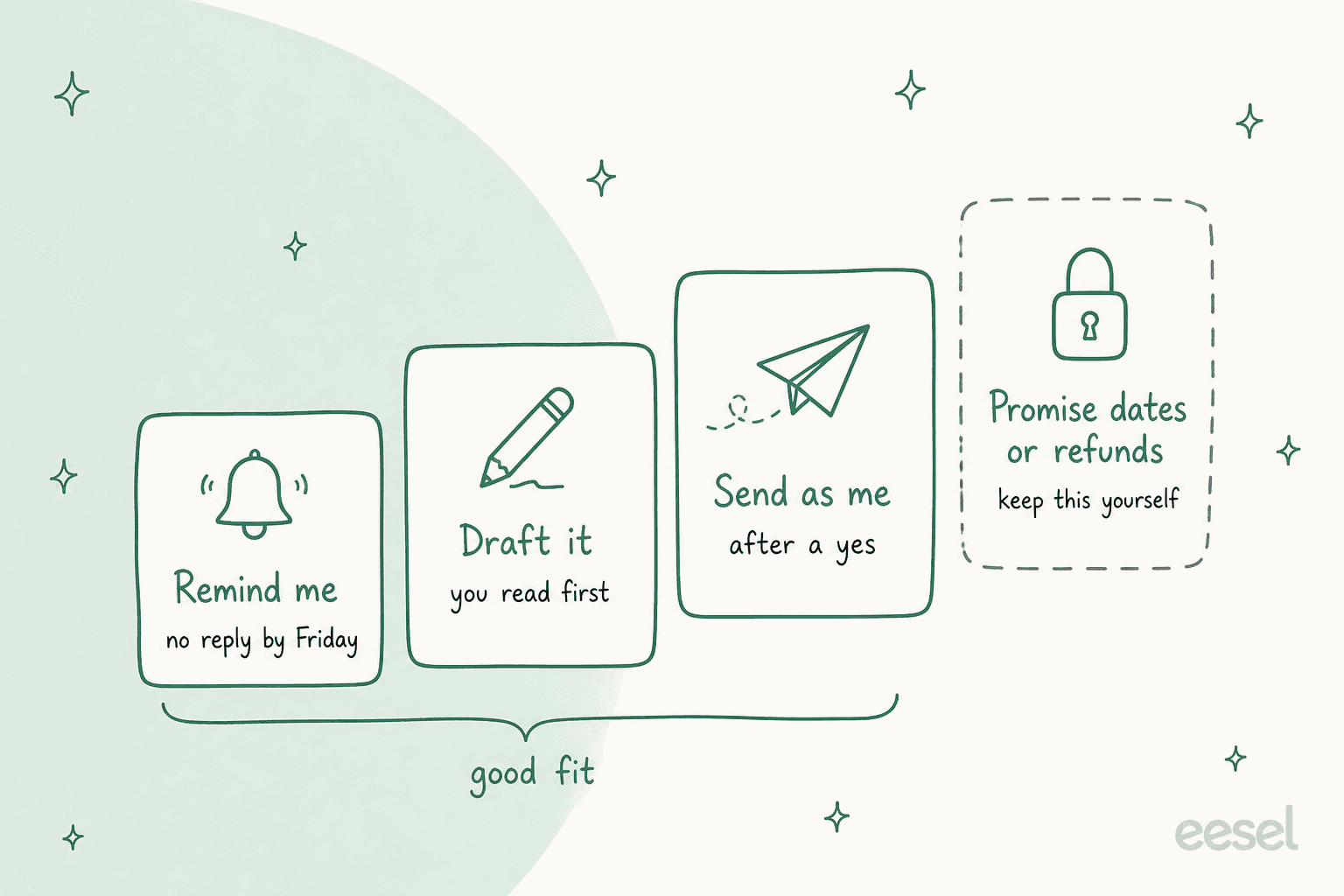
Remind me. "If the Hartley proposal has no reply by Friday, tell me." Instinct watches your Gmail and nudges you. Nothing goes out. This is the safest and most useful job.
Draft it. Ask for the chase email as a draft you read before it goes. It knows the thread, so the draft has the context.
Send as me, after a yes. Fine for a polite nudge. Make the yes explicit, because the Terms of Service appoint Instinct "as your agent," and any agreement it makes is "binding on you as if entered into directly by you."
Keep promises to yourself. A new delivery date, a discount, a refund: that's a commitment, and the terms put the consequences on you.
Where it stops for a business
Instinct is not a follow-up system for a company, for three reasons I re-checked on October 7, 2026.
- The license is personal. The terms, still the version last revised August 26, permit use "for your personal use only" and say you may not let anyone else use your account. A shared Instinct for a sales or success team isn't on offer.
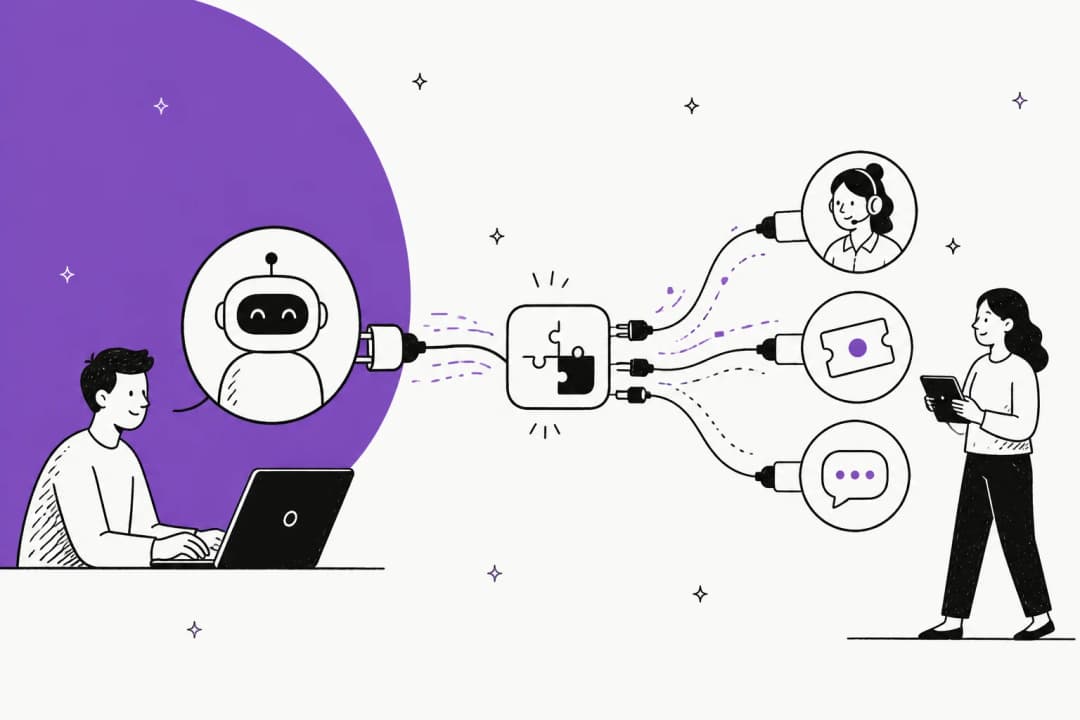
- There's no CRM or helpdesk connector. The only work tools Instinct names are Google's. No HubSpot, no Salesforce, no Zendesk, no Freshdesk. It can't see who's overdue across your customer list, only what's in your inbox.
- There are no cadences. Users build follow-ups one at a time in conversation. There's no sequence builder, no audit log for a manager, and agents have stalled mid-task with an error that reads "Some actions may already have completed" (r/AI_Agents). For a single client chase that's annoying. For 200 open tickets it's a problem.
| Follow-up job | Instinct fit | Better home |
|---|---|---|
| "Remind me if X hasn't replied" | Strong, in your own Gmail | Instinct or Gmail nudges |
| Drafting a one-off client chase | Good | Instinct, Orchid or Town |
| Sales follow-up sequences | None | Your CRM's sequences |
| Pending-ticket reminders | None | Zendesk automations, Freshdesk reminders |
| No-reply follow-ups on tickets | None | Gorgias no-reply rules or an AI helpdesk agent |
| Post-resolution CSAT follow-up | None | AI CSAT tools in the helpdesk |
Your customers' Instincts are following up with you
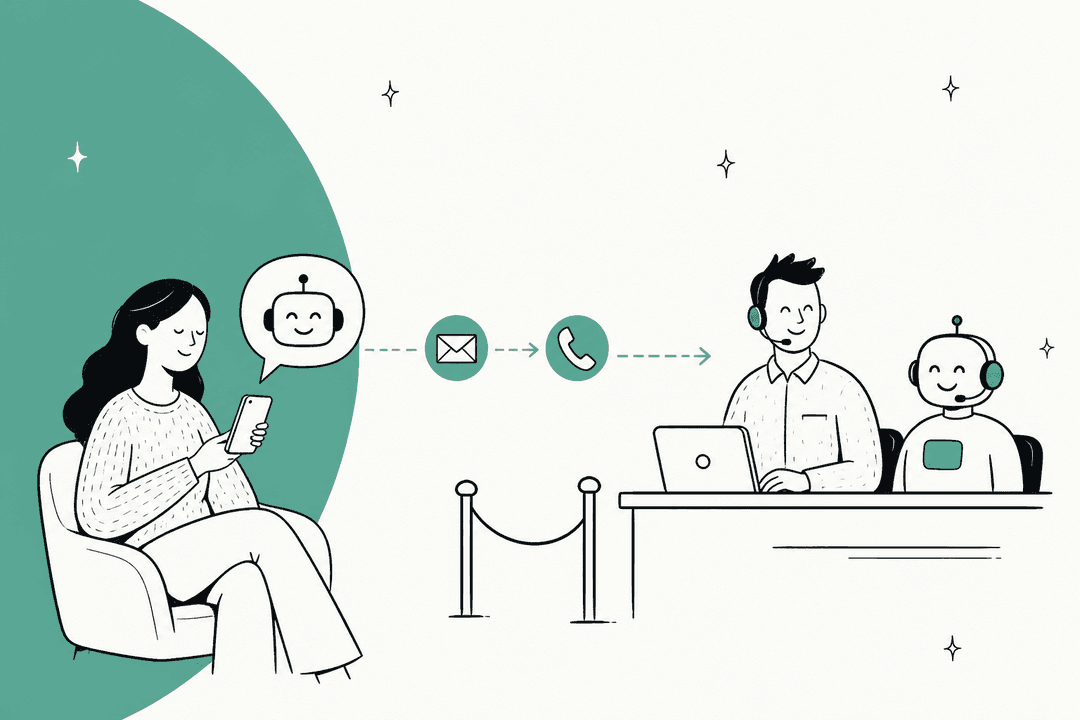
This is the half most support teams haven't planned for. Instinct got its own email address on September 8, and Noah Shinn's launch thread described the use case plainly: forward an order confirmation and Instinct "can contact support, provide the order details, ask whether you'd prefer a refund or replacement, and bring you the return label." Those emails come from addresses on mail.instinct.com.
Users took it straight to customer service. A viral prompt had Instinct audit a full Amazon order history for short refunds and price drops, then "get on chat with amazon and file the claims." One user's report:
"I asked Instinct to go through all my Amazon purchases and get me refunds. And it worked perfectly. [...] And instinct works with support to get you refunded the difference. I was a hater. But I'm blown away now. Didn't have to intervene once."
Another found a refund short by $3 from 2025, and Instinct came back with a $10 goodwill refund (Sachin Seth, X). Read that from the support side: someone on a support team made a goodwill call in response to an agent's follow-up. That's a policy decision, made under pressure, for a $3 gap.
Then on September 16 came Concierge, which lets early-access users have Instinct "make phone calls" and get "that cable bill sorted out." And on October 7, Shinn announced the step that matters most for support teams:
"When your Instinct connects with participating businesses on @SierraPlatform and @DecagonAI, the agents will be able to work together to solve your problem with speed, reliability, and safety without making a phone call."
The listed jobs are the bread and butter of any queue: home wifi troubleshooting, "when a delayed package will arrive," "why your bill is higher than last month," and confusing return or cancellation policies. If your business runs a Sierra or Decagon agent, follow-ups may soon be agent talking to agent. If it doesn't, they arrive as email and calls. Either way, the follow-up never gets tired.
What changes when the chaser never gives up
Contact-center people have started saying this out loud. Business Insider's Emily Stewart wrote about the other end of these calls, including "a credit card agent who constantly gets accused of being AI but can't ask a customer if it's AI back" (Emily Stewart, LinkedIn). The cost side is the part I'd plan around:
"AI agents reduce the cost of complaints/requests to ~ zero. Anything free is consumed at much higher rates, so we should expect the total volume of this category to explode."
Three practical effects for a support team:
- Follow-up volume goes up. A human gives up after the second "just checking in." An agent asked to "chase until it's resolved" doesn't. Every ticket you leave pending without a reply-by time becomes a repeat contact.
- Inconsistency gets found. An agent that gets a goodwill credit once will ask again, on the next order, for the next user. If two agents on your team answer the same refund request differently, the gap gets exploited faster.
- Disputes move elsewhere. When the follow-up fails, the next stop is the card issuer. Liz Hoffman's reaction to an Instinct user's lost $300 was that "credit card companies are comically unprepared" (Liz Hoffman, X). If you handle chargeback inquiries, expect more.
None of this means agent follow-ups are bad. Most are legitimate customers who would have chased you anyway, just less often. The fix is the same one that works for people.
A support playbook for agent follow-ups
This is the setup I'd put in place this quarter. Most of it takes an afternoon in your helpdesk's admin settings.
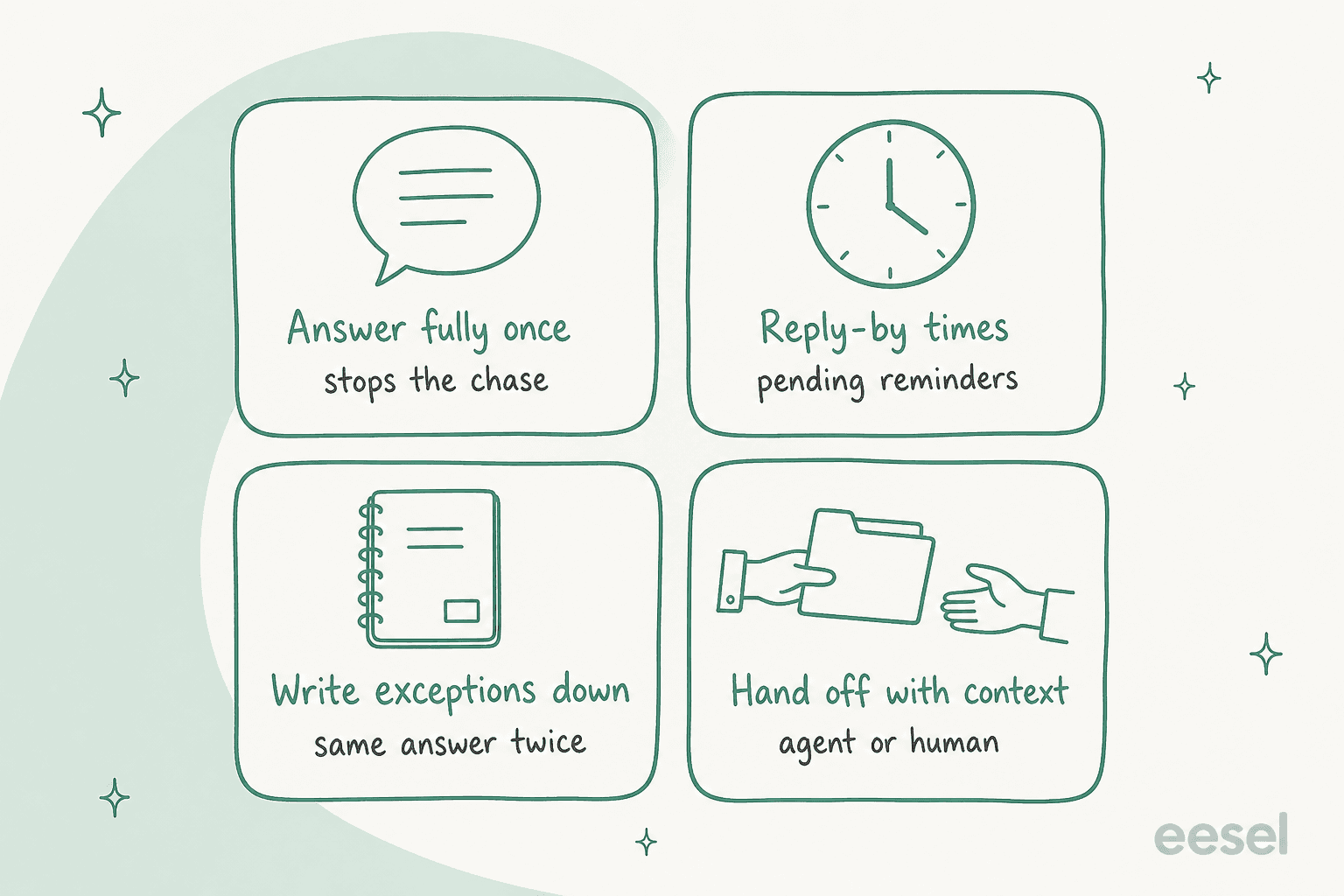
- Answer completely the first time. Most follow-ups exist because the first reply was partial: no tracking link, no refund amount, no date. A reply that includes the order status, the next step and when it happens leaves the agent nothing to chase. AI macros that pull order data in help here.
- Put reply-by times on pending tickets. If you're waiting on a warehouse or a billing team, a time-based reminder keeps your side from going quiet. Zendesk can remind after 24 hours and Freshdesk can pause SLAs on pending.
- Write your exceptions down. Goodwill credits, price adjustments and late-delivery refunds need a written rule, so the answer to an agent is the same on Tuesday as on Friday. A refund macro template is a good place to start.
- Tag agent senders. A simple rule that tags emails from
mail.instinct.comlets you report on how many follow-ups come from agents, and route them if needed. - Hand off with context. When a human has to step in, the ticket should already say what the agent asked, what you answered and what's still open. Nobody should have to read the whole thread to pick it up.
Where eesel fits on your side of the queue
Instinct works for one person. Your queue needs something that works for every customer, follows your policies, and leaves a record.
That's the job eesel's AI helpdesk teammate is hired for. It joins your existing queue in Zendesk, Freshdesk, Gorgias or a shared Gmail inbox, learns from your past tickets, help center and macros, and drafts or sends replies. On email it drafts, sends and follows up from your own inbox, so customers who went quiet get a nudge without an agent setting a reminder.
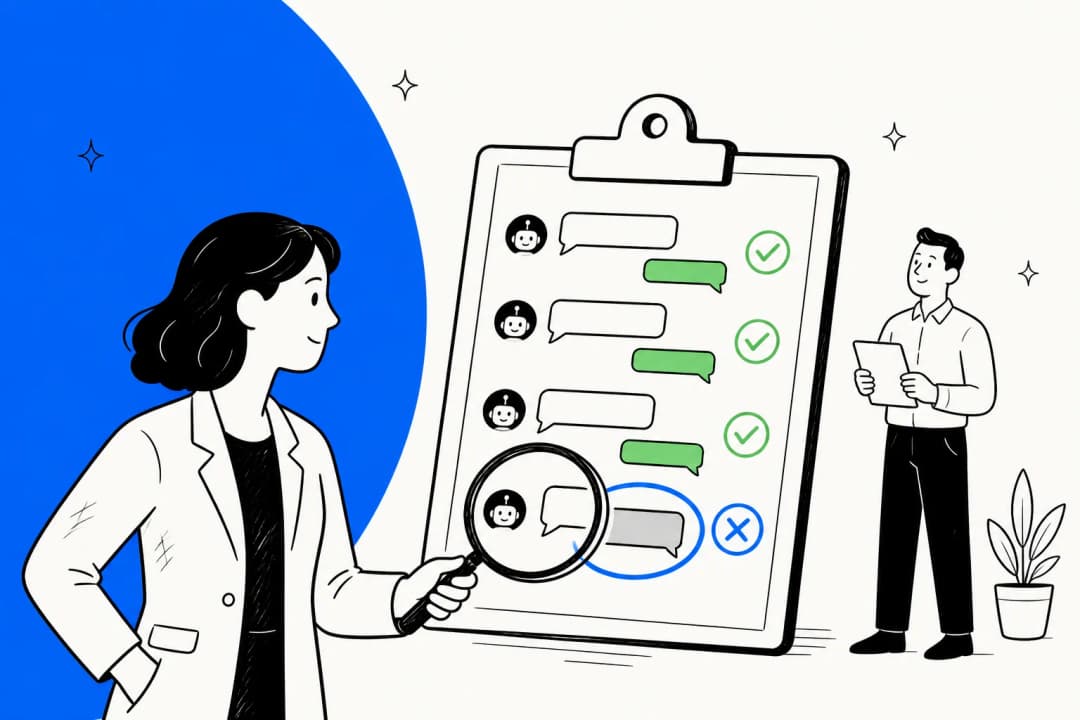
I've watched confident-sounding AI give wrong answers on live queues, which is why every eesel rollout runs against your historical tickets first, so you see what it would have said before it says anything to a customer. After that, every reply lands in a log you can audit. When the follow-up comes from a customer's agent, that's the difference between a consistent answer and a $3 gap turning into a $10 credit.
If you're weighing personal agents for your own admin, Instinct vs Grok Bot compares two of them, and the Instinct for email guide covers inbox setup. For the queue itself, the best AI support agents roundup is where I'd start.
Try eesel for your support follow-ups
Let Instinct remind you about your own client chases. For the follow-ups landing in your support queue, from people and their agents alike, eesel gives you an AI helpdesk teammate that plugs into Zendesk, Freshdesk, Gorgias or Gmail in minutes, answers from your own past tickets, and follows up on quiet tickets so nothing sits waiting. Try eesel free, or read what an AI teammate looks like in practice first.
Frequently Asked Questions
Can Instinct AI send customer follow-ups for my business?
How does Instinct AI follow up with customer support?
Is Instinct AI good for client follow-ups as a freelancer?
How should my support team handle follow-ups from AI agents?
Does Instinct AI cost anything for follow-ups?
What are the best Instinct AI alternatives for customer follow-ups?


Article by
Riellvriany Indriawan
Riell is a designer and writer at eesel AI with about two years of experience researching CX platforms, AI chatbots, and helpdesk software. She combines her design background with a sharp eye for how these tools actually look and feel in practice — making her comparisons unusually visual and user-focused.