8 folk AI assistant alternatives for work email and teams (2026)

Rama Adi

Katelin Teen
Last edited October 6, 2026

Why do people leave folk?
Folk is made by Nozomio, Inc., which says it raised a $6.2M seed led by CRV. Folk's beta launched on May 11, 2026. It is a young product, and the reasons to leave are mostly about fit rather than quality. Here are the four I found in its own pricing, privacy and terms pages:
- No audit statement. Folk's privacy policy says it never trains AI models on your data and gives each user a private cloud computer. It does not state SOC 2, ISO 27001 or HIPAA. In eesel's own sales calls, a missing SOC 2 report is a recurring reason US mid-market deals stall. Ours is underway, not finished, so I am not pointing a finger.
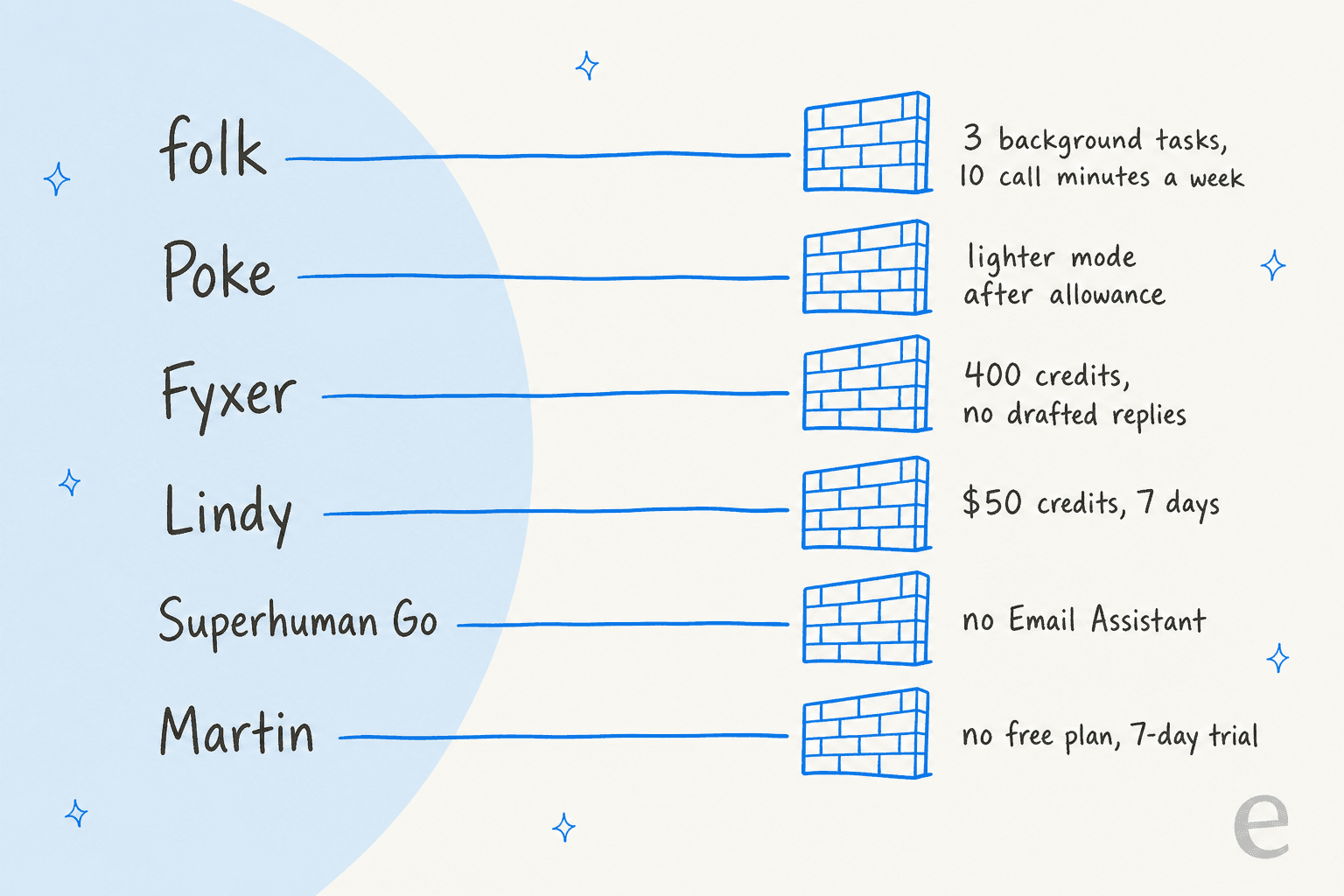
- Free plan walls. The free plan allows "3 things running in the background" and 10 minutes of phone calls a week. Pro at $9.99 a month removes the cap on background tasks and adds 120 call minutes a month.
- A life assistant first. Folk's use cases page leans on habits, gym check-ins, wake-up calls, dating and school. Email is one use case among many.
- One person, no team layer. I found no team plan, shared inbox or admin controls on its pricing page or terms. The terms also let Nozomio "change, pause, limit, or discontinue" features, including integrations and channels, and cap its liability at 12 months of fees.
One early reply to the founder's launch post asked the question most switchers are really asking:
"What are the things that can be achieved by folk but cannot be done by OpenClaw or Hermes? If there are a few useful things, I will consider to switch"
None of these is a flaw if you want a free assistant for your own Gmail. They matter when the email is work email, when you share a mailbox, or when you want a vendor to hand your security team a PDF.
What does folk do well?
Fair is fair, because a few of folk's choices are better than most alternatives. Folk's email page says "You approve; folk sends," and its FAQ confirms it does not send without permission. The privacy policy lets you pick read-only Google access, so folk can see mail but never send, edit or delete. And it works with Gmail and Outlook for $0.
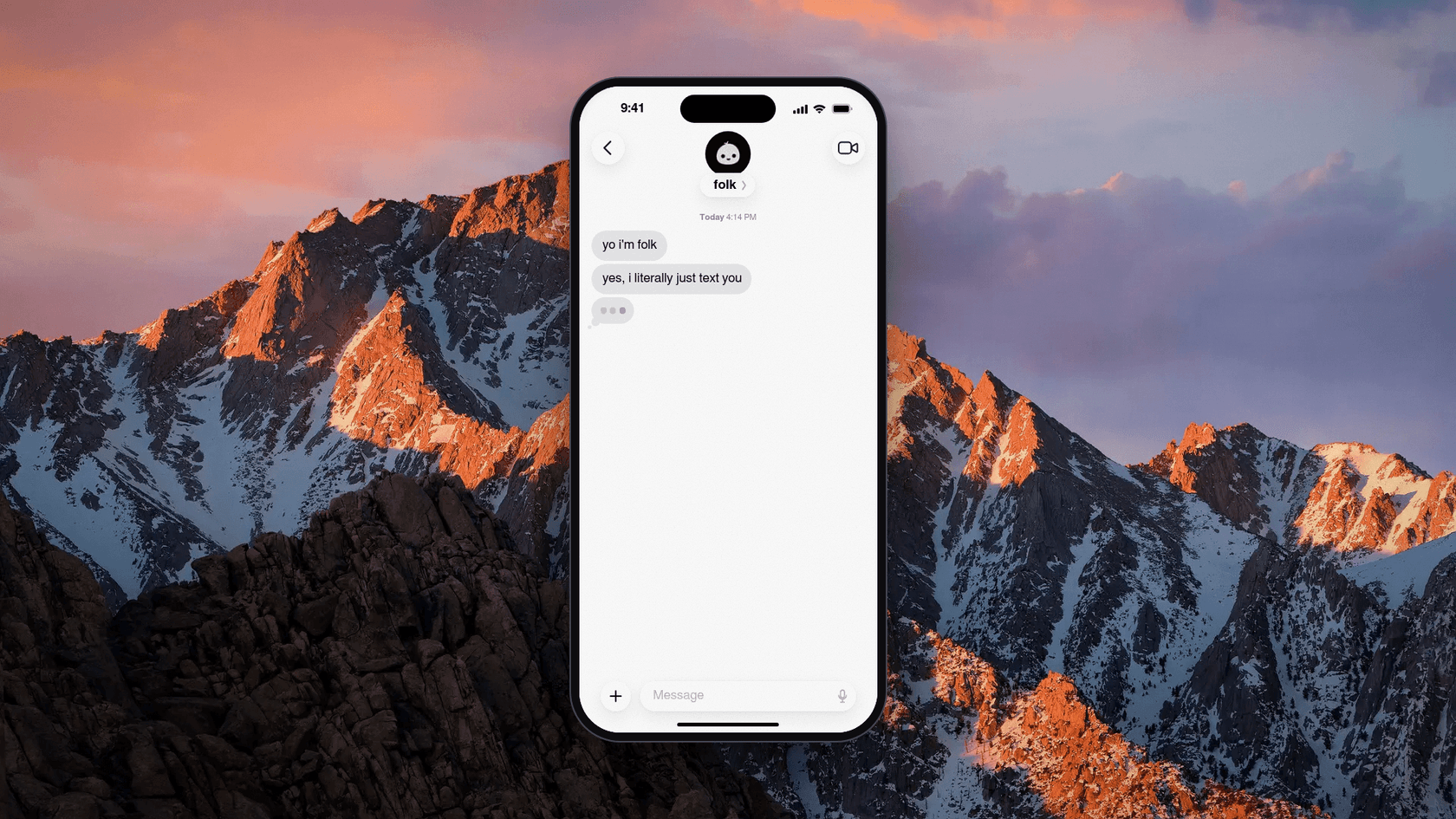
If those are your priorities, stay. If you want a compliance paper trail, a shared inbox or fewer limits, keep reading.
How I picked the alternatives
I started from the tools folk names or sits next to: Poke, which folk lists on its own compare pages, and Orchid, which the same shoppers weigh against it. Then I added inbox-native tools that fix the work-email gaps. Each one had to clear four bars:
- It drafts or triages email, not just chats.
- It publishes a data policy, so I can say whether it trains on your mail.
- It shows a price on a public page.
- You can use it today. Instinct is still invite-only, so I left it out.
Calendar-only tools such as AI scheduling assistants did not make the cut either. I also skipped general chatbots like ChatGPT agents, since the job here is your inbox and calendar, and this primer on AI agents vs chatbots explains that line. My earlier Orchid AI alternatives roundup asked "which texting assistant?" This one asks "which is safe and right for work?"
Folk alternatives at a glance
| Tool | Best for | Channels | Email providers | Drafts need approval | Free plan | Cheapest paid | Trains on your data | Audit stated | Team plan |
|---|---|---|---|---|---|---|---|---|---|
| folk (baseline) | Free personal use | iMessage, Telegram, WhatsApp | Gmail, Outlook | Yes | Yes, permanent | $9.99/mo or $99.99/yr | Never | Not stated | Not found |
| Lindy | Texting + SOC 2 | iMessage, SMS, Slack, web | Gmail, Outlook | Yes | $50 credits, 7 days | $29.99/user/mo | Never | SOC 2 Type II | Yes |
| Fyxer | Never sends | Gmail, Outlook, Slack, Teams | Gmail, Outlook | Never sends | Yes, no drafts | $37/mo annual | Not third-party models | SOC 2 II, ISO 27001, HIPAA | Yes ($64 annual) |
| Superhuman | Email-heavy teams | Mac, Windows, iOS, Android, Slack | Gmail, Outlook | Drafts wait in inbox | Go only | $12/mo annual (Go Pro) | AI providers barred | Not found | Yes |
| Gemini | Staying in Google | Gmail panel, Gemini app | Gmail only | Confirms first | App only | $4.99/mo | Not for Workspace data | Not covered | Workspace |
| Poke | Free, many apps | iMessage, WhatsApp, Telegram | Gmail, Outlook | Not stated | Yes, permanent | $19/mo | Yes, unless Maximum Privacy | Not found | Not found |
| Martin | Calls + Slack | Call, SMS, WhatsApp, email, Slack | Gmail, Outlook | Not stated | No, 7-day trial | $21/mo annual | Not stated | Not found | Business tab |
| Orchid | Gmail founders | iMessage, SMS | Gmail | Yes, by default | No | $29.99/mo | May train a personal model | Not found | Not found |
| eesel | Customer email | Helpdesk, Slack, chat, email | Helpdesk inboxes | Yes, approvals view | 100 credits | $299/mo (500 credits) | Never on customer data | SOC 2 II underway | Unlimited seats |
Prices are from each vendor's public pricing page on October 7, 2026, and the table uses the cheapest plan that works on email. Two things stand out. Only Lindy and Fyxer print an audit report I could verify, and the cheapest paid plan is not always the cheapest way to get drafted replies.
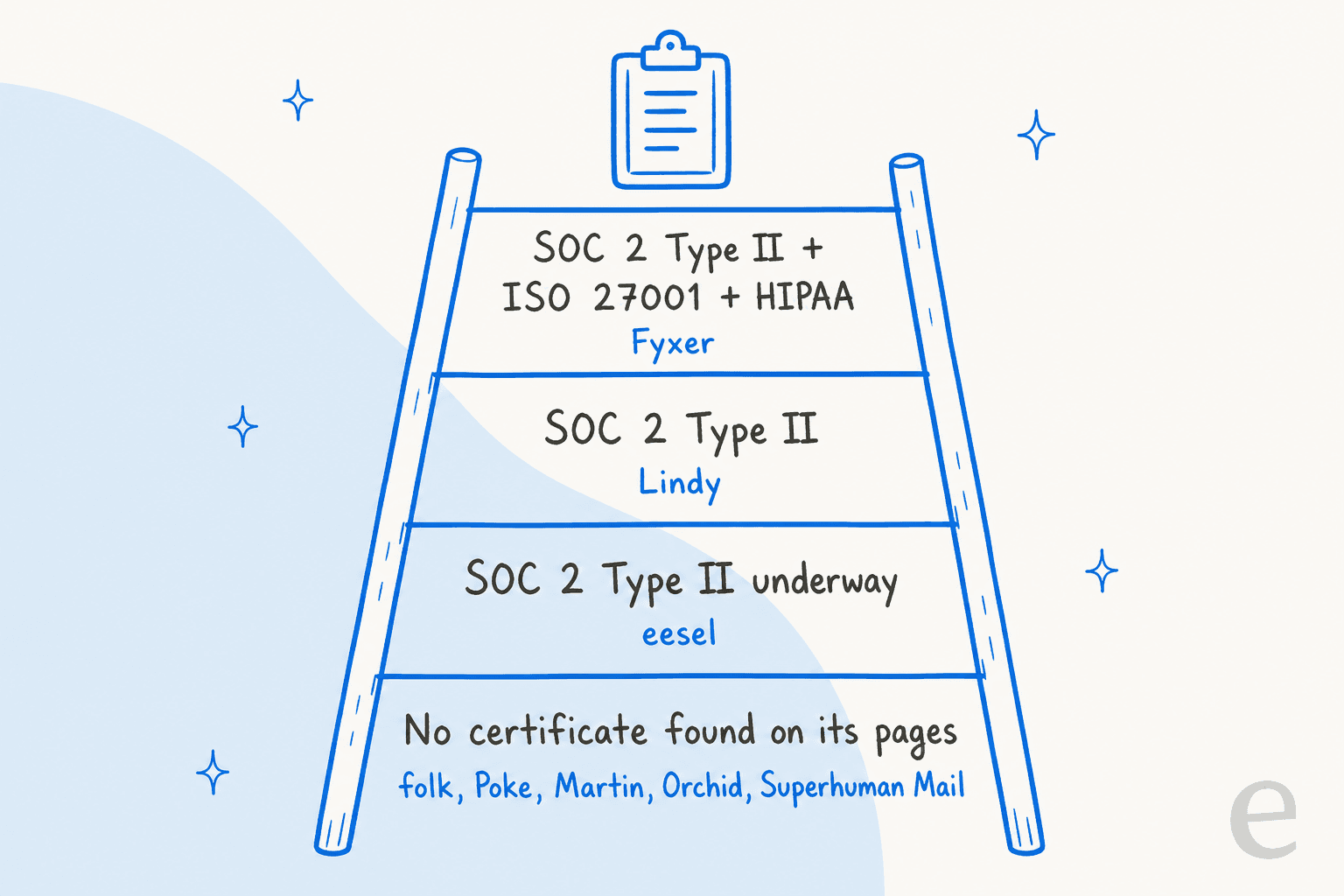
"No certificate found" is not the same as "not secure." It means the vendor's own pages I read did not state one, which is what a security reviewer will find too.
Which folk alternative fits you?
Pick the reason you are leaving and the widget shows where I would go.
Why are you leaving folk?
Pick the one that matters most.
Choose a reason above.
1. Lindy
Best for: people who like folk's texting feel but need SOC 2 and a team option.
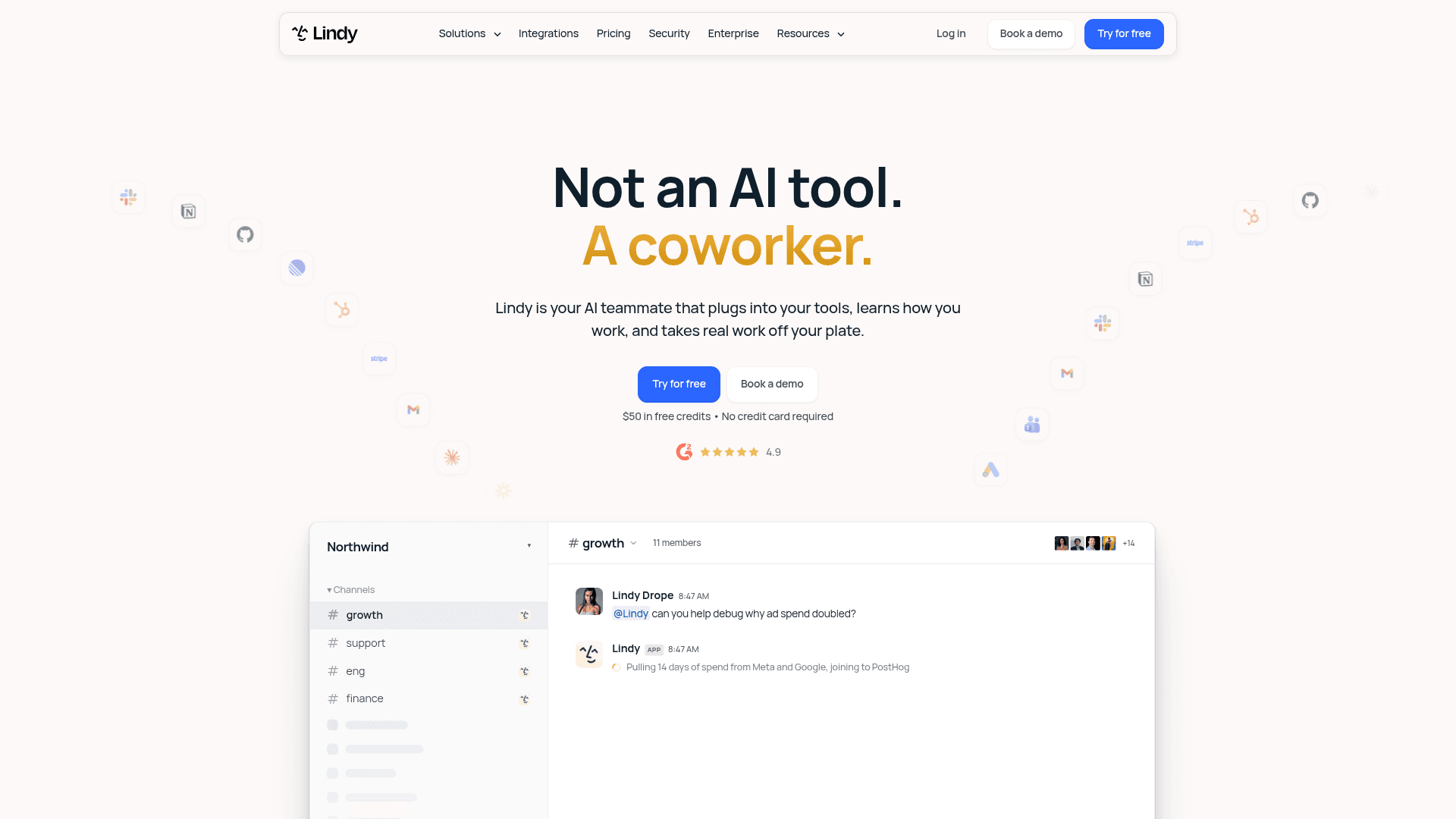
Lindy describes itself as "your AI teammate that plugs into your tools," in the same family as the AI teammates I track, and the closest thing it has to folk is its iMessage and SMS channel, which needs no app. Connect Google or Microsoft and it triages the inbox, writes drafts into your drafts folder and texts you about time-sensitive mail. Its docs say "Nothing goes out without your approval." My Lindy overview covers the agent-builder side that sits underneath.
Pros
- States SOC 2 Type II, GDPR and HIPAA on its own docs, and says data is never used to train models.
- Gmail and Outlook, plus a Slack version for shared work.
Cons
- Billed per active user, with monthly credits that do not roll over.
- HIPAA with a signed BAA is Enterprise only.
Pricing: Free gives $50 in credits for 7 days. Team starts at $29.99 per user a month for 3,000 credits, with top-ups at $10 per 1,000 credits.
The credit meter is the sore spot in public reviews:
"I managed to kill my months credits (3000) in one day!"

Verdict: my first pick if you want folk with an audit report. Watch the credits for the first week before you roll it out.
2. Fyxer
Best for: anyone who wants AI in the inbox that never sends a thing.
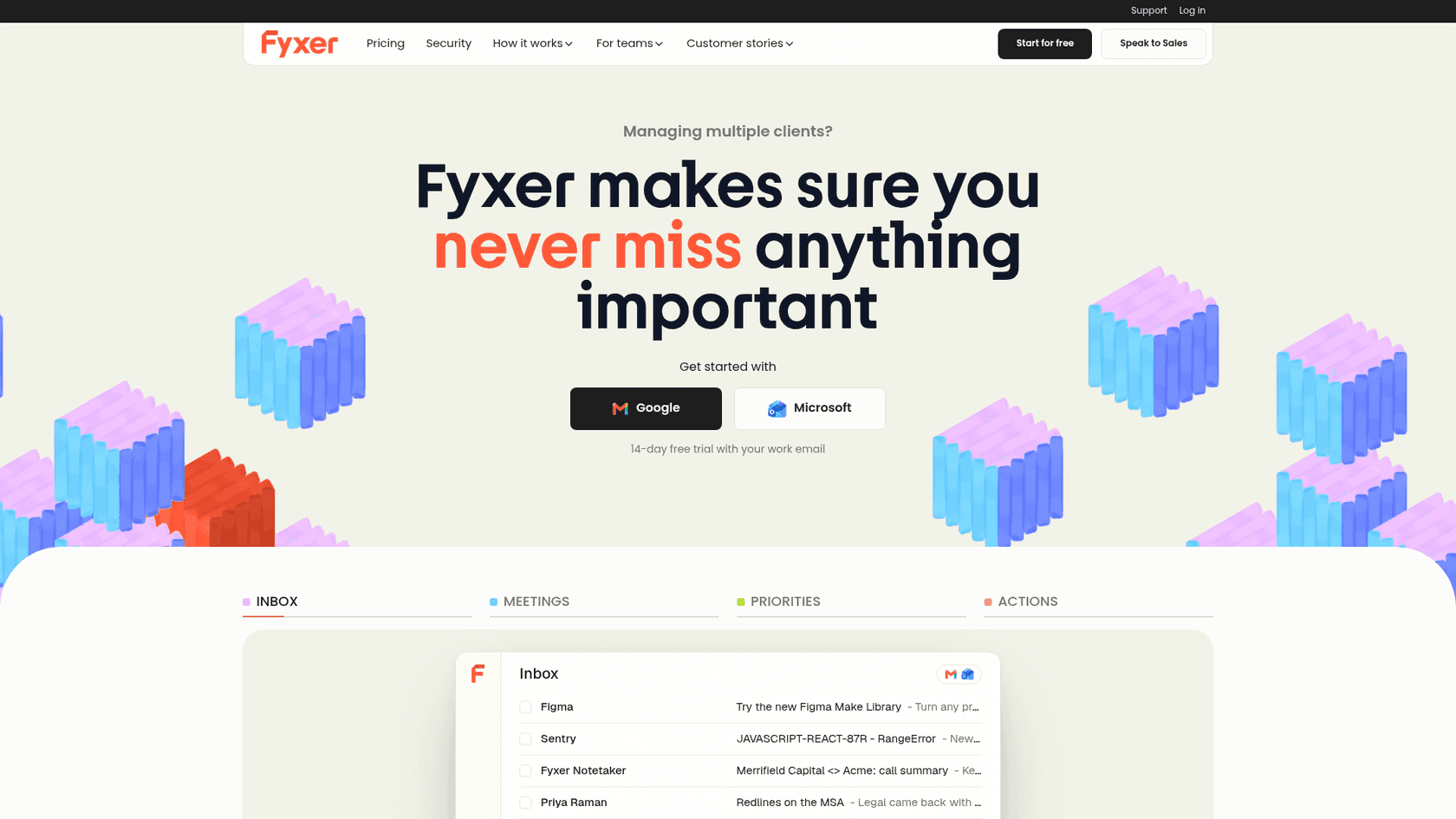
Fyxer works inside Gmail or Outlook rather than over text. It labels every email, drafts replies in your tone on paid plans and takes meeting notes. Its security page is blunt: "Fyxer will never send an email on your behalf." That is the opposite end of the spectrum from a text-and-approve assistant, and some teams will prefer it. I priced it out in my Fyxer AI pricing breakdown, and the Fyxer reviews roundup has more user voice.
Pros
- The fullest audit set here: SOC 2 Type II, ISO 27001, HIPAA and GDPR.
- Team plan with pooled credits, plus SSO and audit log on Enterprise.
Cons
- No iMessage, SMS or WhatsApp channel.
- Free plan has no drafted replies and no inbox sorting.
Pricing: Free gives 400 credits a month. Pro is $37 per person a month billed annually ($49 monthly), Team is $64 annual ($99 monthly), Enterprise is custom.
"I love the note taking for meetings. It has been much harder than expected to adjust to the email process."
Verdict: pick it when "the AI never sends" is a hard rule. Skip it if you want to text your assistant.
3. Superhuman
Best for: teams that live in email all day and want AI drafts inside a fast client.
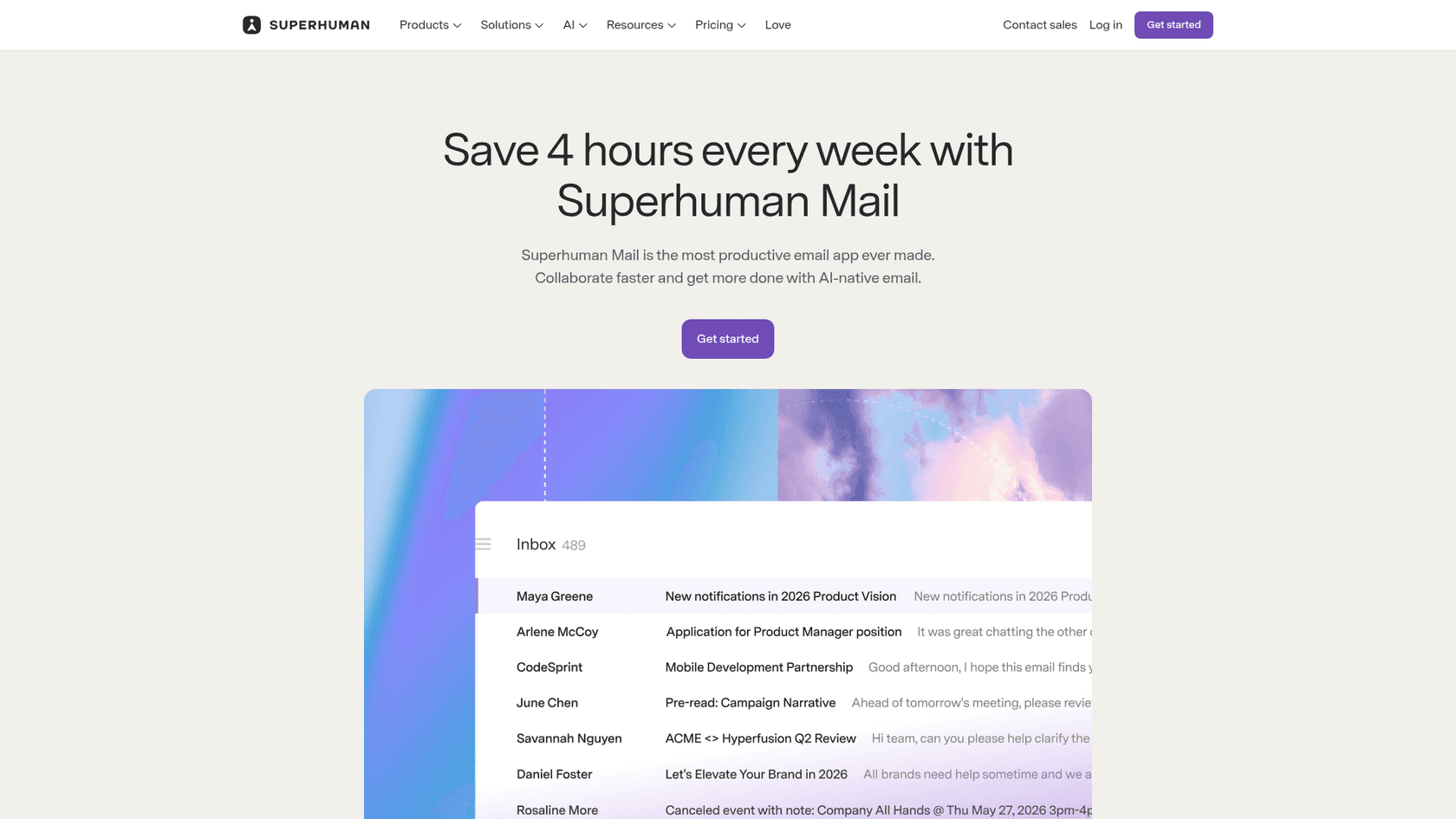
Superhuman Mail is an email app for Gmail and Outlook, and the parent company (formerly Grammarly) now also sells Superhuman Go, a cross-app agent. On the Business plan, Auto Drafts writes follow-ups and replies in your voice and leaves them in your inbox. Business also adds CRM syncing, which pairs with a HubSpot AI email assistant setup. The Mail AI page says it contractually prohibits AI providers from training on your data.
Pros
- Team billing, shared admin and CRM integrations on Business.
- Drafts sync to Gmail or Outlook, so they wait for you.
Cons
- Auto Drafts needs the $33 Business plan.
- I found no SOC 2 statement for Mail on the pages I read.
Pricing: Starter is $25 per member a month and Business $33, both billed annually. Go Pro is $12 a month annual or $15 monthly.
"The AI auto-respond feature also needs work. Drafting and rewriting emails with AI works well, but auto-respond only seems to look at the most recent message in a thread rather than the full context of the conversation."

Verdict: the best fit for a sales or founder team that already pays for a fast email client. Not a texting assistant at all.
4. Gemini in Gmail
Best for: people who already pay for Google and want zero new vendors.
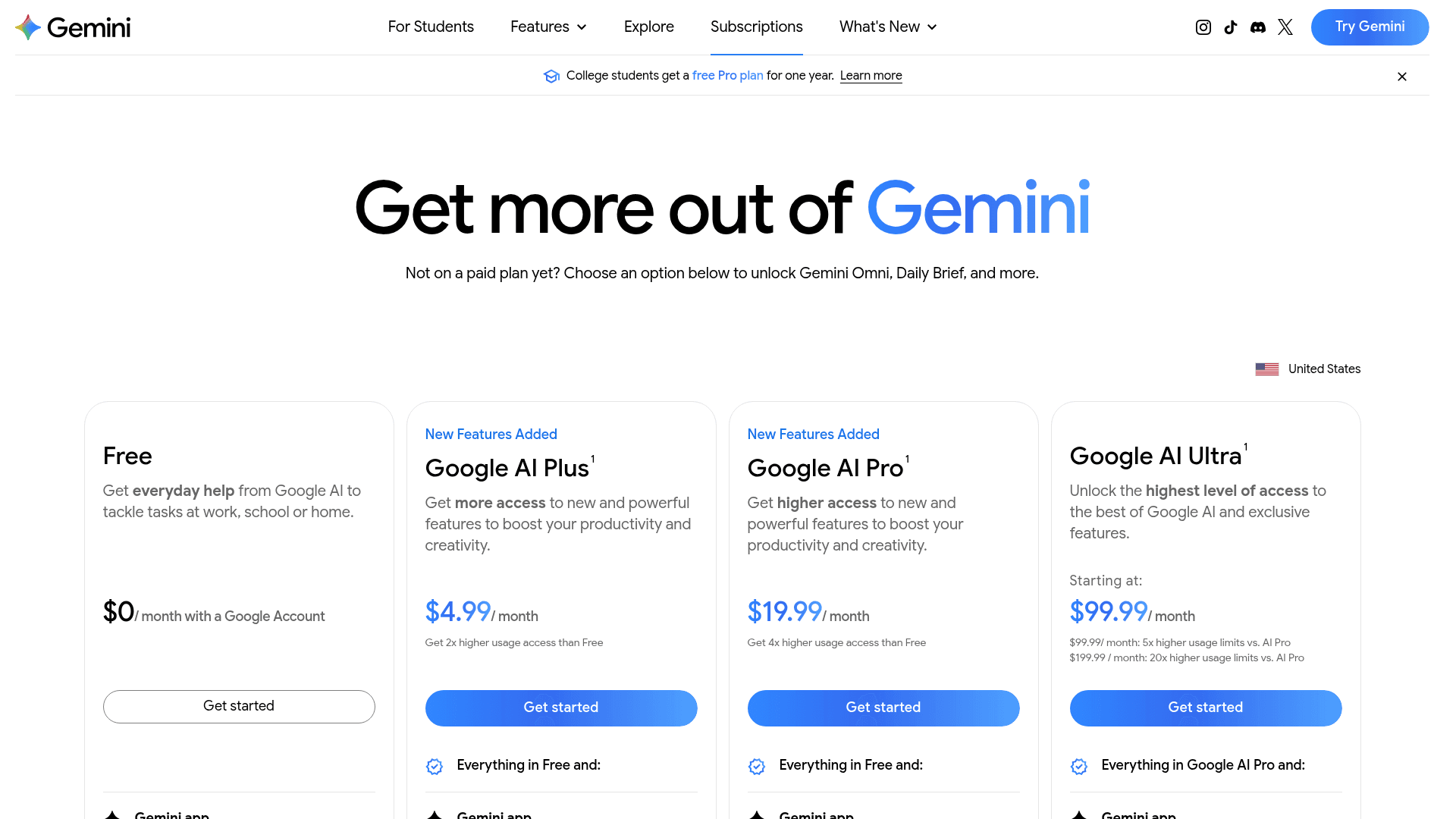
Gemini in Gmail summarizes threads, drafts and refines replies, finds meeting times and creates calendar events from a side panel. Google's help page is clear on control: your emails are "never deleted, archived, labeled, or marked read or unread" until you confirm. It needs an eligible Google Workspace or Google AI plan. If Gmail itself is the problem, my Gmail alternatives list is the place to start. My guide to Gemini for Google Workspace goes further, and Gemini pricing lists the tiers.
Pros
- Google says it does not use Workspace content to train Gemini, and there is no third-party vendor to review.
- Confirmation before inbox changes and a 60-second undo.
Cons
- Gmail and Google Calendar only, with no Outlook and no texting channel.
- Daily Brief is limited to US personal accounts, in English.
Pricing: the Gemini app is free. Google AI Plus is $4.99 a month, AI Pro $19.99, and Gmail features need an eligible plan.
Verdict: the lowest-friction move for a Gmail-only person. If your mail is Outlook, skip it.
5. Poke
Best for: a free plan with more apps and automations than folk.
Poke is the closest twin to folk: a personal agent you text over iMessage, WhatsApp or Telegram, with Gmail and Outlook support and Recipes for automations. If you would rather run a self-hosted agent, my Hermes Agent review and Claude Cowork review show the other end of that range. Cognition announced it is acquiring the company, and says users can keep using Poke as before.
Pros
- A permanent free plan that connects email and calendar.
- Many app integrations and MCP for custom ones.
Cons
- Its privacy notice says it uses data to train models unless you pick Maximum Privacy.
- Poke's pages do not state an approval-before-send default, so test it with a throwaway inbox first.
Pricing: Free, Pro and Ultra cost $0, $19 and $199 a month. On Free it keeps helping in a lighter mode after the allowance.
"Just had the most surreal onboarding experience from Poke by @interaction ... this thing is extremely impressive. Feels like the actual AI assistant I have been waiting years for."
Verdict: pick it for a free upgrade in features, not in privacy. If privacy is why you are leaving folk, it is a step back.
6. Martin
Best for: people who want to call or Slack their assistant, and have it text others.
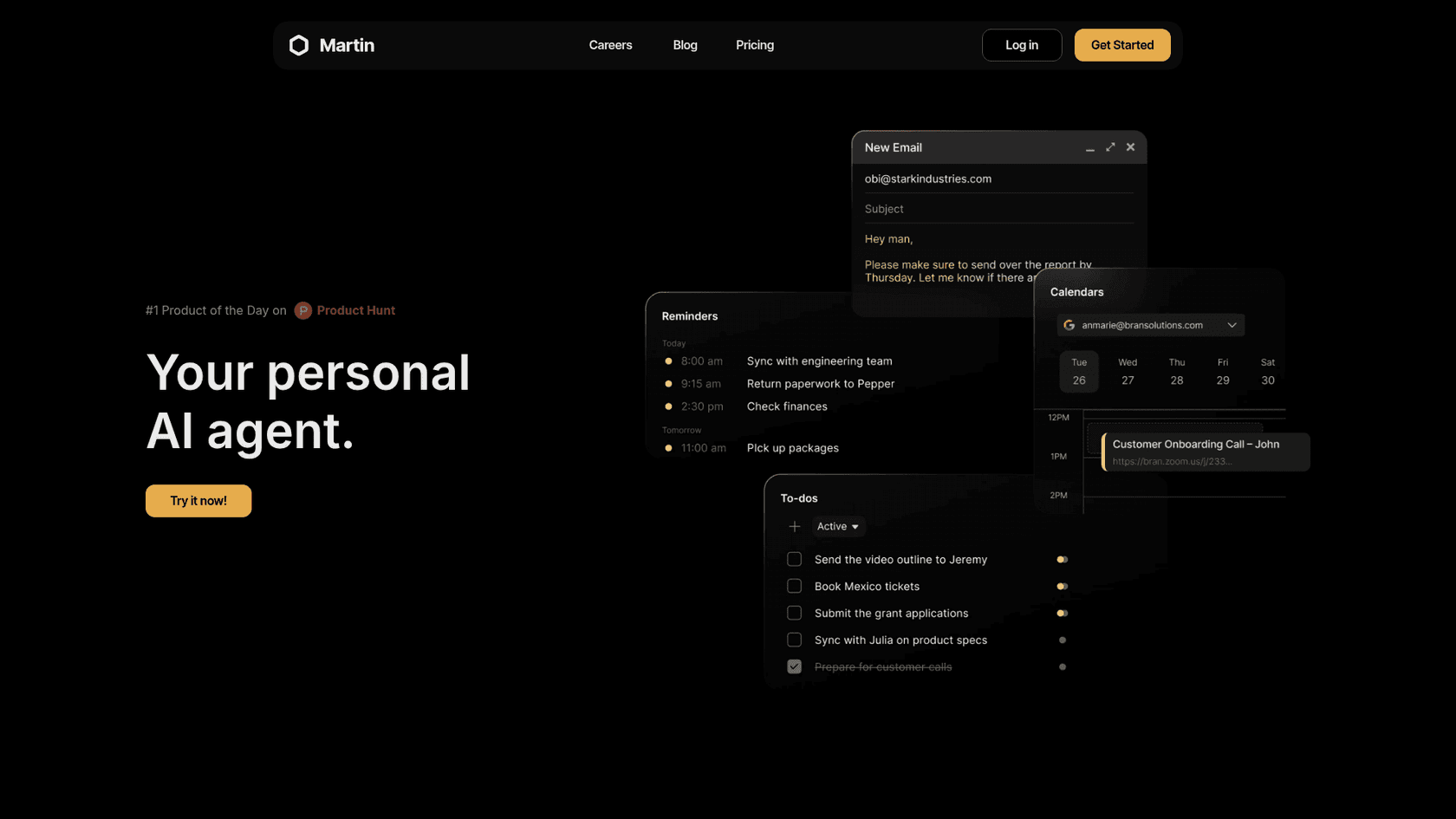
Martin, a Y Combinator S23 company, is reachable by phone, SMS, WhatsApp, email and Slack. It connects up to five Gmail and five Outlook accounts and supports Google, Apple and Outlook calendars. Think of it as a classic AI virtual assistant with a phone number. Background tasks such as email triage and proactive drafts are Pro only.
Pros
- Several accounts and calendar types in one assistant.
- Voice and Slack, which folk's pages do not show.
Cons
- I could not find a privacy, terms or security page on its site (they returned 404s), so training and retention are unstated.
- On Hacker News the founders said in 2024 that they had no SOC 2 yet and were planning one. I did not find a newer statement.
Pricing: Basic is $21 a month billed yearly ($35 monthly) and Pro $30 ($49 monthly), with a 7-day trial and no free plan.
"I want this, but very concerned about the security and privacy - you're talking about getting my most personal of personals (email, calendar, messages, phone calls)."

Verdict: a fit for call-and-text people on Pro. For compliance, look at Lindy or Fyxer first.
7. Orchid
Best for: a Gmail-only founder who wants a polished iMessage assistant for a flat fee.
Orchid is an iMessage and SMS assistant that triages Gmail, drafts replies and preps meetings. Its FAQ says replies stay as drafts until you hit send, and that Orchid works with Gmail and Google Calendar today. Its rival Instinct works similarly but is invite-only. I wrote it up in my Orchid AI review, and the client follow-ups guide shows a real use.
Pros
- Drafts wait for your send, and calendar holds need your approval.
- No per-email meter on the flat plan.
Cons
- No Outlook, and no free tier.
- Its privacy policy says it may train a personal model on your data, "Only yours."
Pricing: from $29.99 a month, flat, per its pricing explainer, with a 30-day money-back guarantee.
"Orchid's off-putting launch video... It's strange to me to position your product as enabling its users to care less about people and be more alienated from their loved ones."
Verdict: a step up in polish and a step sideways on privacy. It costs three times what folk Pro does.
The free plans are where these tools differ most, so here is where each one stops:
8. eesel
Best for: customer email arriving in a shared support inbox or helpdesk, not your own inbox.
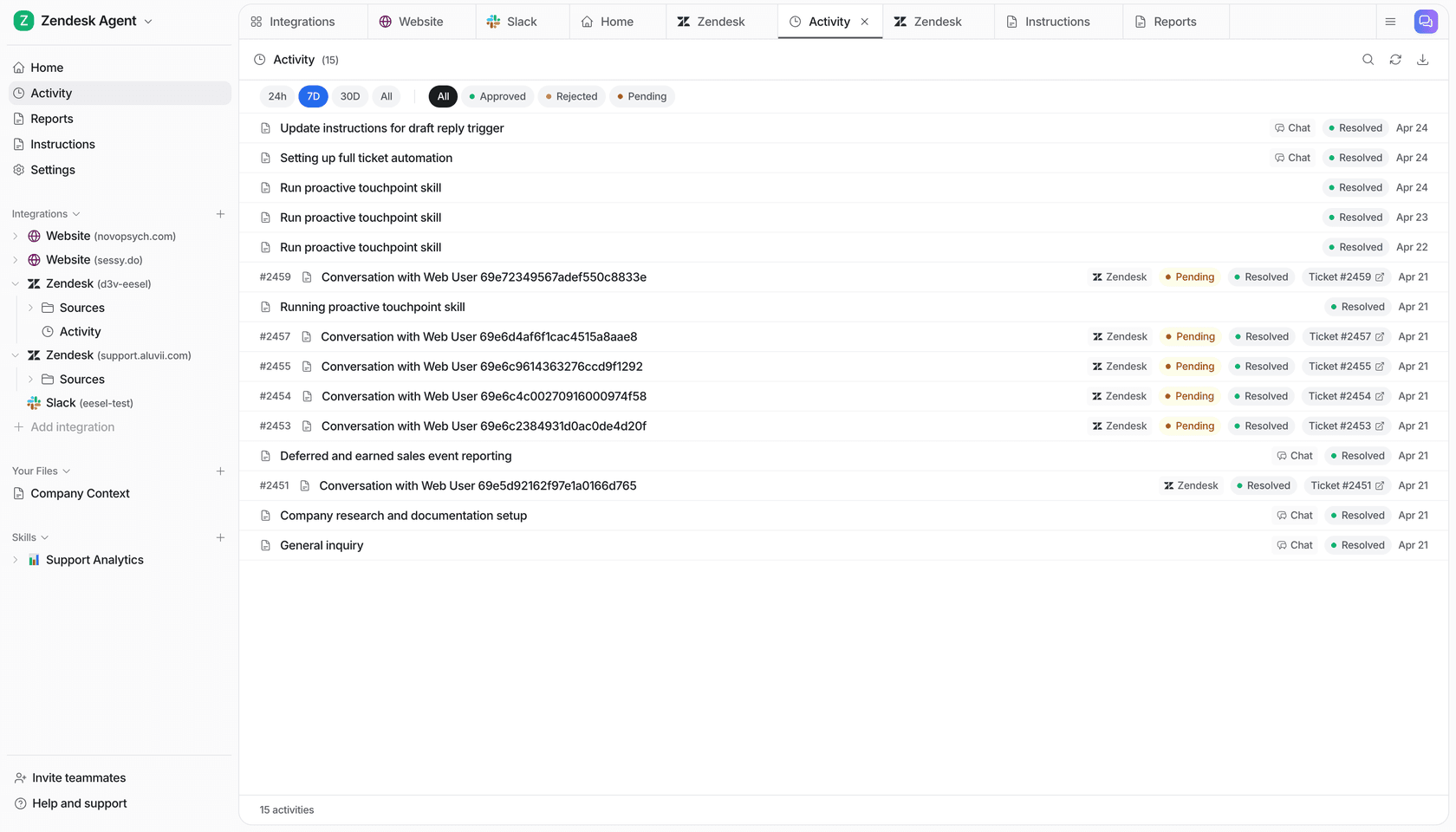
I build integrations at eesel, so I will be plain about fit. eesel is not a personal assistant: it has no iMessage channel, no errands and no life memory. It is an AI teammate platform, and the teammate that matters to a folk reader is the AI helpdesk teammate. It joins the queue your team already works, in Zendesk, Freshdesk or Gorgias, and drafts replies from your help center and past tickets. Its pricing page lists helpdesk, Slack, chat bubble, email and extension channels.
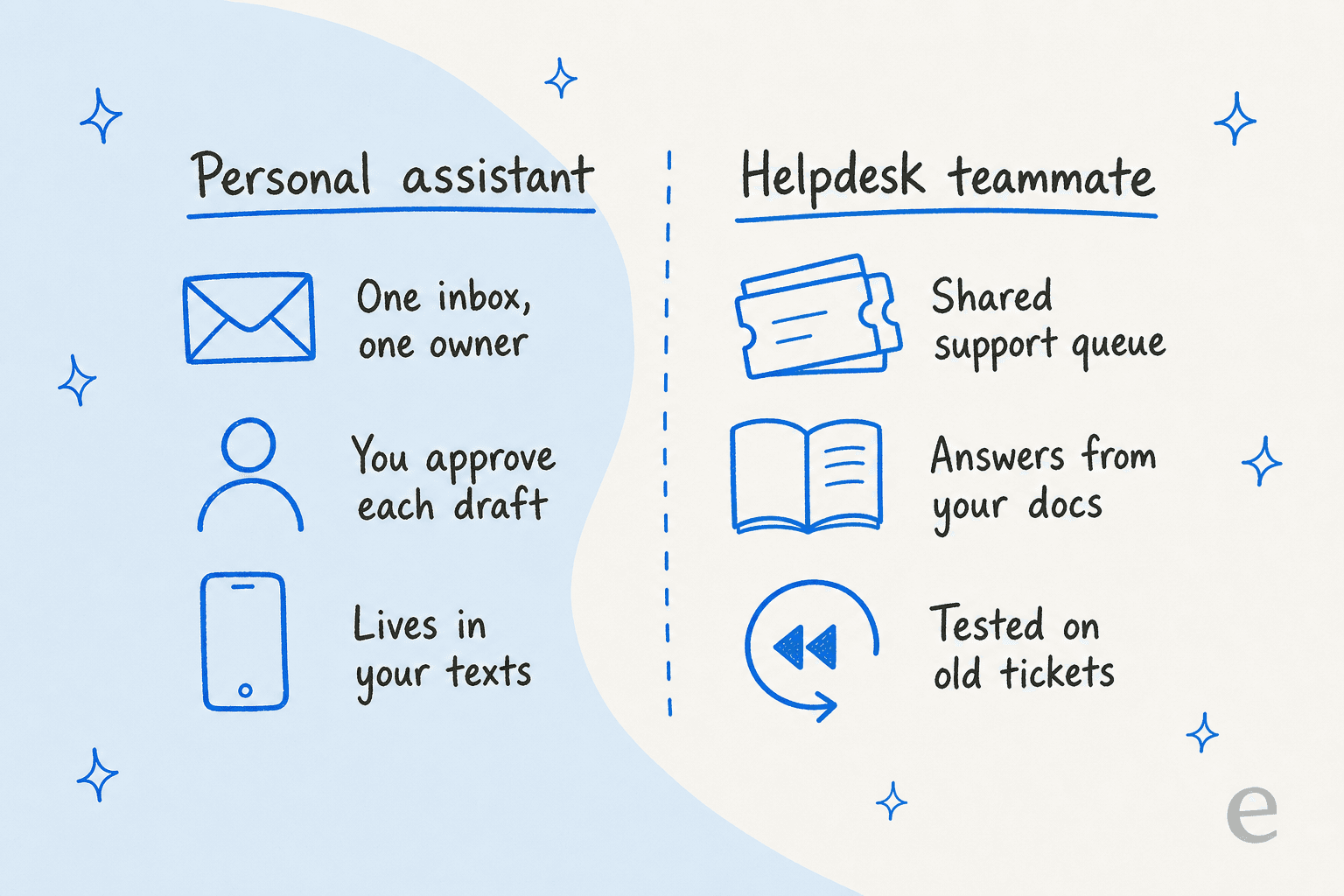
The difference shows when volume is the problem. A personal assistant makes one person faster, and you are the filter for every draft. A teammate in a shared inbox has to be right on tickets nobody will re-read, which is why eesel tests every rollout on historical tickets first.
If you are comparing tools for that job, see best shared inbox software and the email help desk software guide. For the triage side, how to automate ticket triage goes deeper.
Pros
- A ticket or chat is 1 credit however long it runs, with unlimited agents and seats.
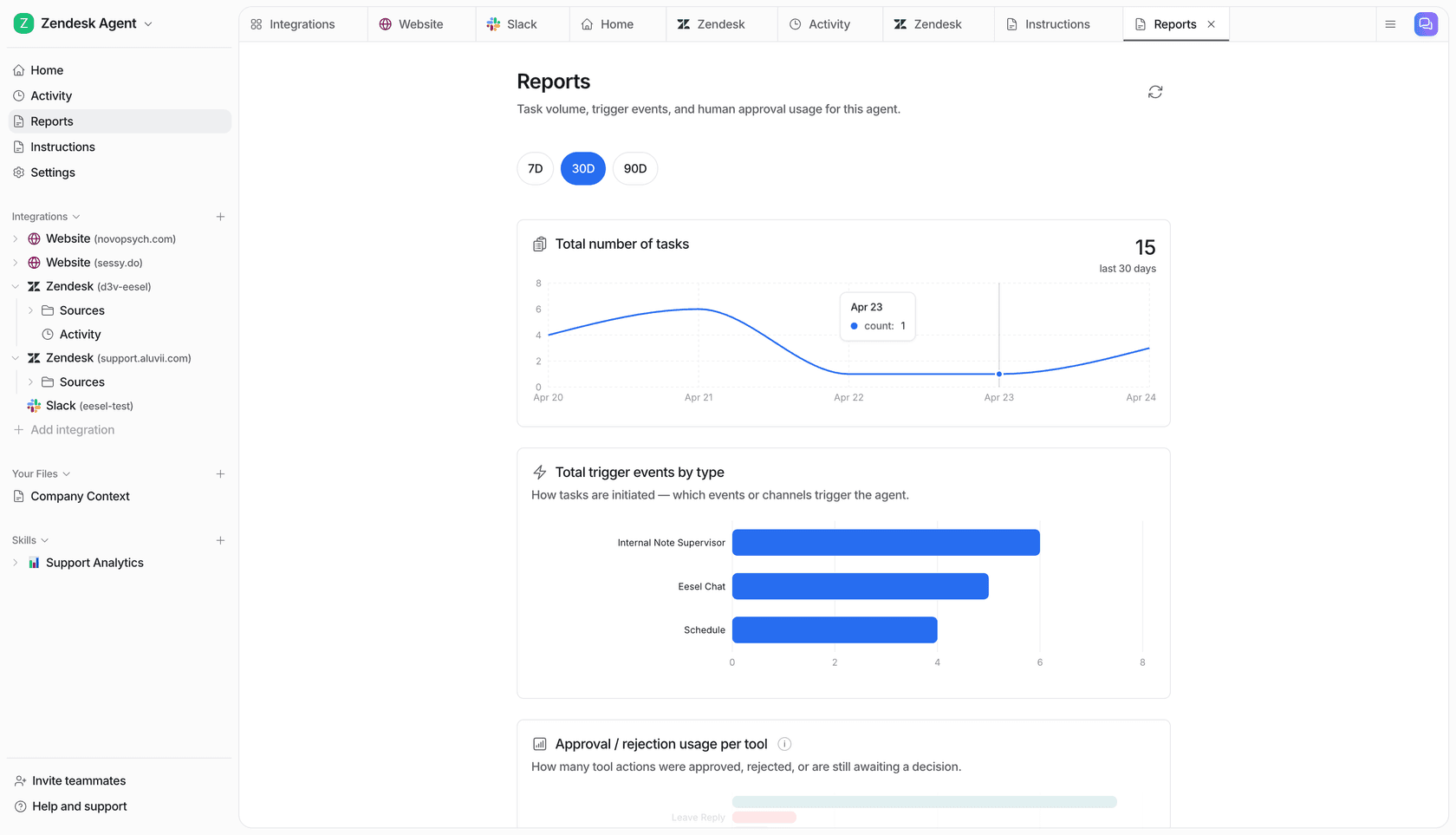
- Approved, Rejected and Pending views, EU or US data residency and no training on customer data.
Cons
- Not a personal assistant, and starting at $299 a month it costs far more than folk.
- SOC 2 Type II is underway, not yet issued; HIPAA with a BAA is Enterprise only.
Pricing: the free plan gives 100 credits with every feature and integration. Teammate plans run from $299 a month for 500 credits to $1,749 for 5,000, billed as fixed credit batches, with extra credits at $0.80 each if you turn on overage.
Verdict: pick it only when the inbox is customers. For your own mail, any other tool above is a better and cheaper fit.
Which one would I pick?
If you only read one line: Lindy for the texting feel with an audit report, Fyxer if the AI must never send, Superhuman for teams, and eesel when the inbox belongs to customers. If you are leaving only because of the free plan limits, Poke is the other free option, but check its training setting first.
For the bigger picture, see best AI teammates. Whatever you pick, connect a throwaway inbox for a week. Read every draft, count the ones you would have sent unedited, and check the vendor's data page against your own policy. That small test tells you more than any feature list, mine included. If you need more options, my best AI assistants roundup and the AI email assistants guide cover the wider field, and this note on automating your inbox with AI triage shows the same draft-first habit applied to a team.
Try eesel for customer email
If your folk search started because customer questions are piling up in a shared address, eesel's AI helpdesk teammate answers them from your docs inside the helpdesk you already use. My AI customer support guide explains the setup. You can start free with 100 credits, read real drafts before paying, and keep a person approving each reply.
Frequently Asked Questions
What is the best folk AI assistant alternative?
Is there a free alternative to folk?
Which folk alternatives state a SOC 2 report?
How much do folk alternatives cost?
Does folk work with Outlook, and which alternatives do?
Is folk safe to use with work email?
Can a folk alternative answer customer emails for my business?
Is folk the same as folk.app?


Article by
Rama Adi
Rama is a software engineer at eesel AI with two years of experience writing about B2B SaaS, AI tools, and customer support technology. Based in Bali, Indonesia, he brings a developer's perspective to product comparisons — cutting through marketing copy to what the integrations and APIs actually do.