


Same question, two answers: who assembles the AI? That's the real split between Cassidy and n8n. Cassidy hands you a finished knowledge base, agents already sitting on top of it. n8n gives you a canvas instead, plus 19 chat model nodes, and you wire the rest. Nobody on your team wants to think about chunk size? Go Cassidy. Somebody does, and wants to own the logic? Then it's n8n.
Nobody really says this part out loud: only one of them will tell you the price. n8n publishes $20, $50 and $800 tiers, plus its overage rate. Cassidy's pricing page, on the other hand, contains zero dollar figures. Credits move with token volume and model choice there, and a premium model burns roughly 5x what a standard one does. One bill you can forecast. The other, you find out about later, after the call.
For support work specifically, there's a thing both of them skip and I have to flag it. I build AI agents at eesel, and I've spent enough time inside real support queues to know this: deciding whether to send a reply is the hard part, writing it is the easy bit. Every Cassidy support template ends at a draft, and n8n gives you an agent node with no confidence gate at all. Buying either one, if tickets closing without a human is the goal, gets you a starting point and not much more. eesel is one fixed monthly price from $299 for 500 credits (1 credit per ticket or chat), simulates on your ticket history before going live, then answers only what it's confident about. That's the gap this whole comparison keeps circling back to.
What Cassidy actually is
Cassidy is an AI agent and workflow platform built for document-heavy companies, and the fastest way to understand it, honestly, is through the trigger picker. You start from an event, then chain steps that reason over your documents after that.
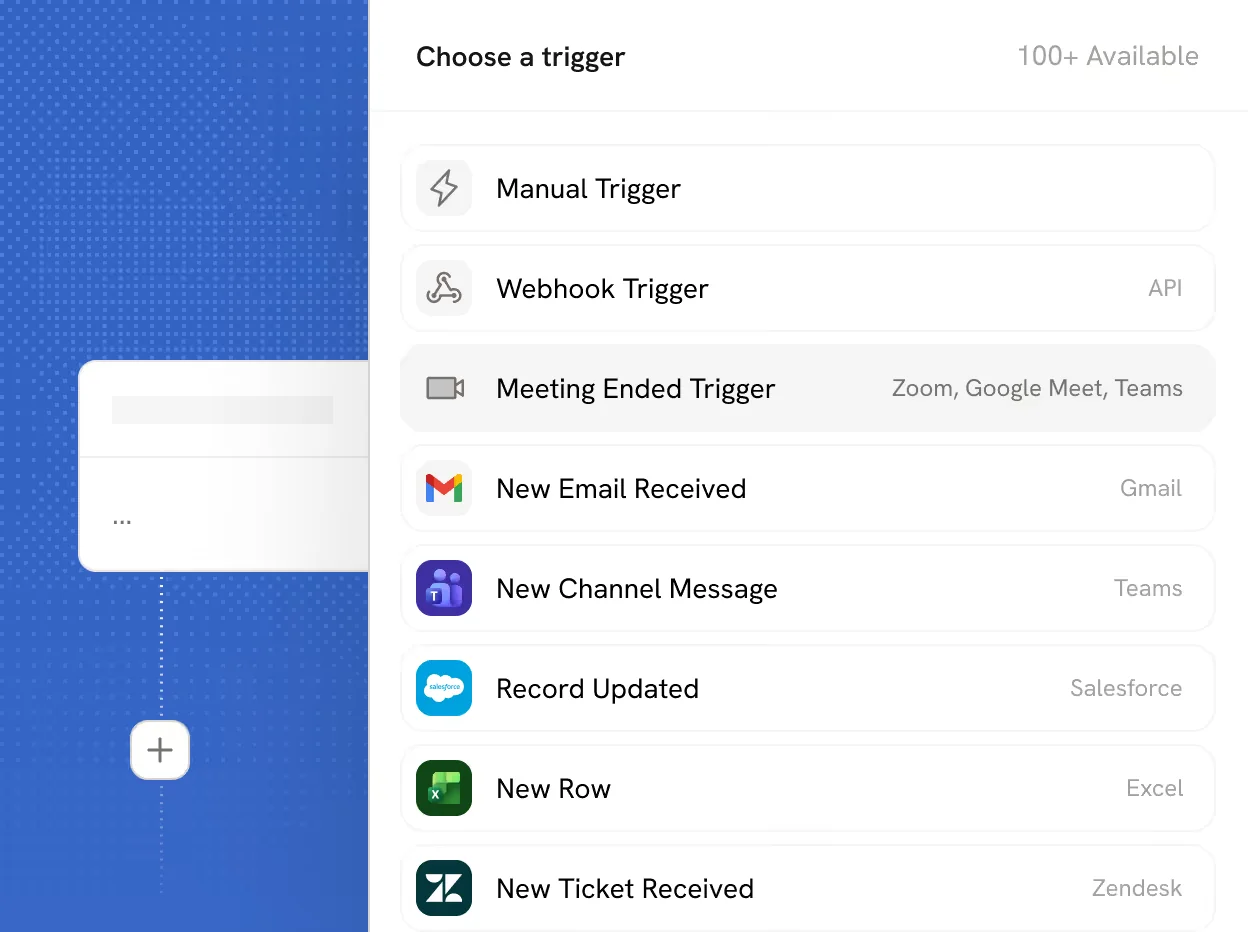
Four products make up the platform. Knowledge Base and Meetings form the context layer, then Agents and Workflows form the automation layer on top of that. The Workflows page describes them as multi-step automations that "combine triggers, AI reasoning, and actions across your tools," with 100+ pre-built actions and 100+ templates included. Model choice happens per step, across 30+ options, and every output cites where it came from.
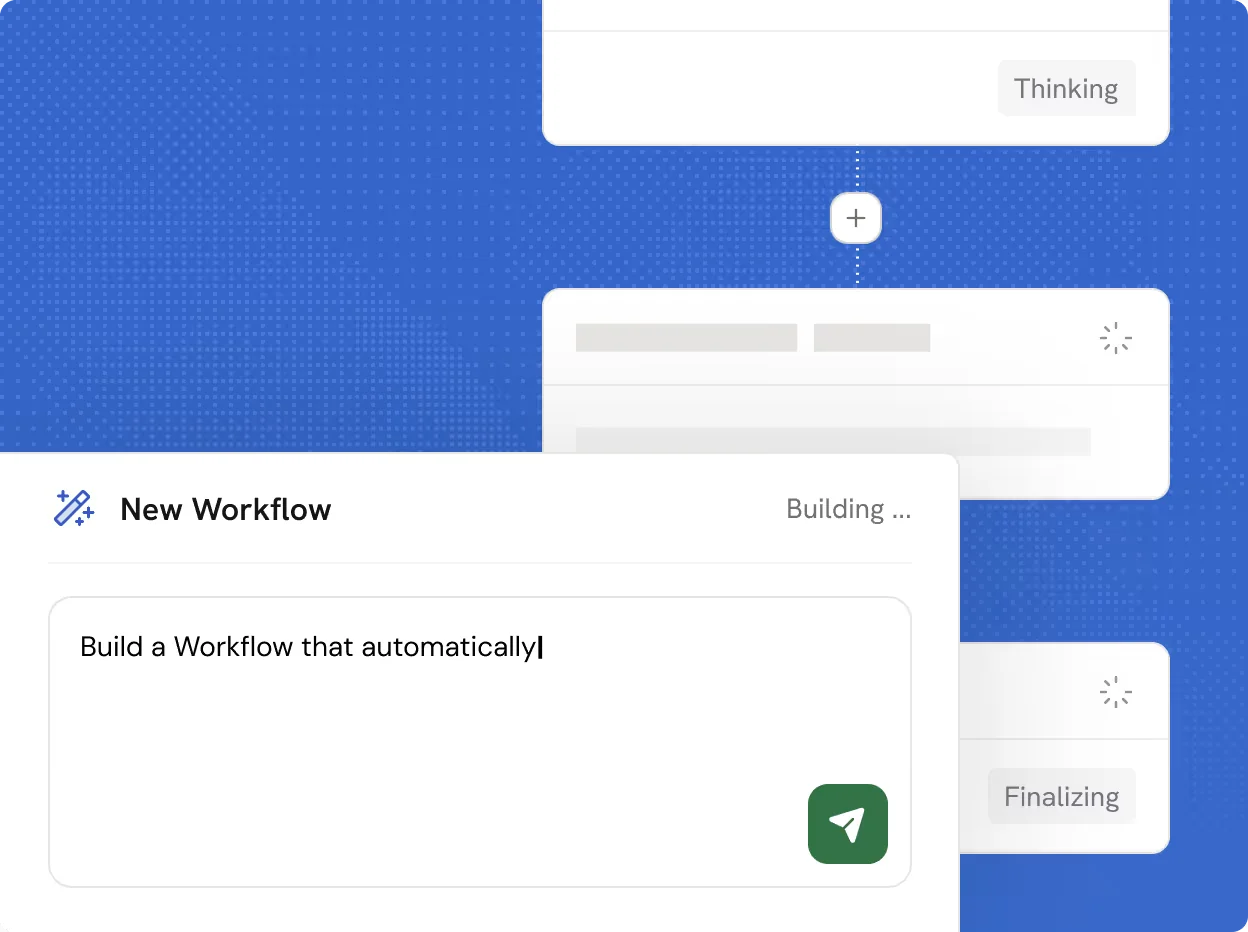
You don't really draw the workflow, you ask for it instead. The build surface is called Workflow Copilot, and it moves through named stages while assembling your steps.
The company is small, but well funded: founded 2023 in NYC, around 25 people, with a $10M Series A led by HOF Capital in September 2025. Its CTO described it on Hacker News as a platform for "non-technical knowledge workers," which is the most honest one-line positioning either vendor has written, if you ask me.
Worth to flag before you get too excited about support: Cassidy names no helpdesk anywhere in its support material. No Zendesk, no Freshdesk, no Gorgias, no Help Scout, none of them. Support is just 1 of 12 solution categories, and the deployment surfaces it advertises are Slack and Teams, plus browser extensions. It sits beside your helpdesk, not inside it.
What n8n actually is
n8n is a source-available workflow automation platform built for technical teams, and honestly, it looks exactly like what it is.
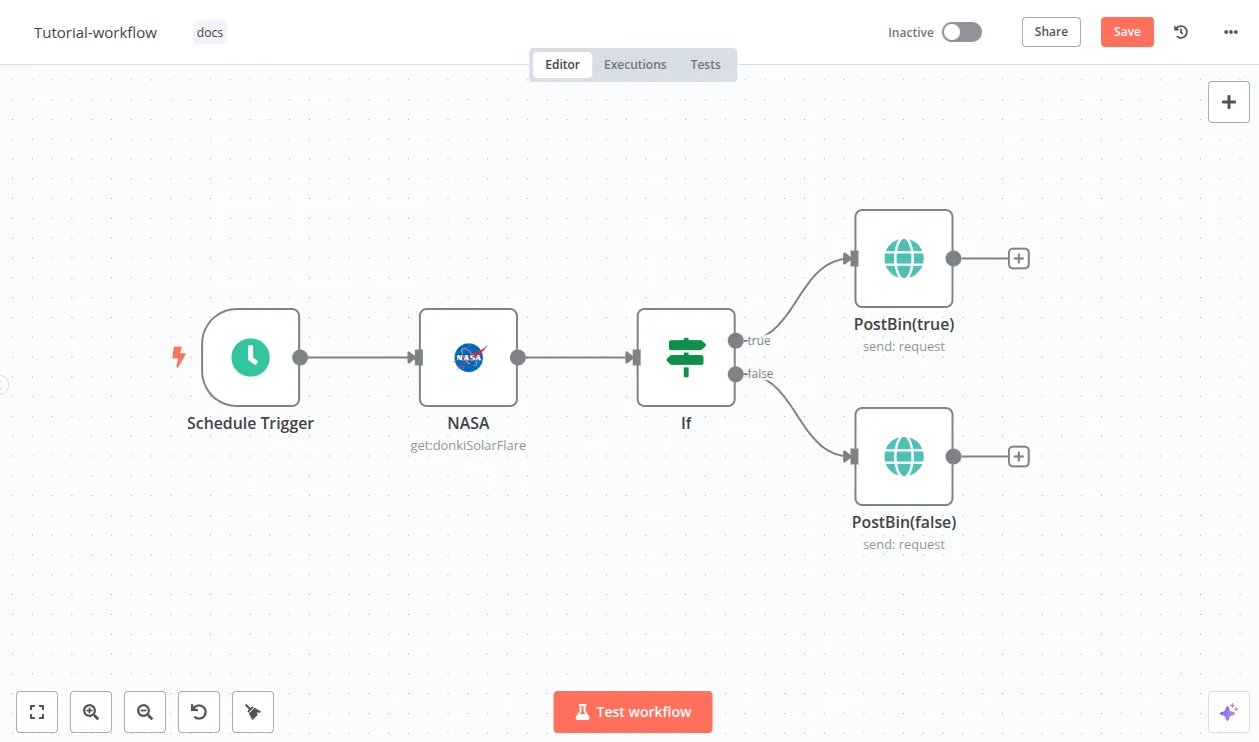
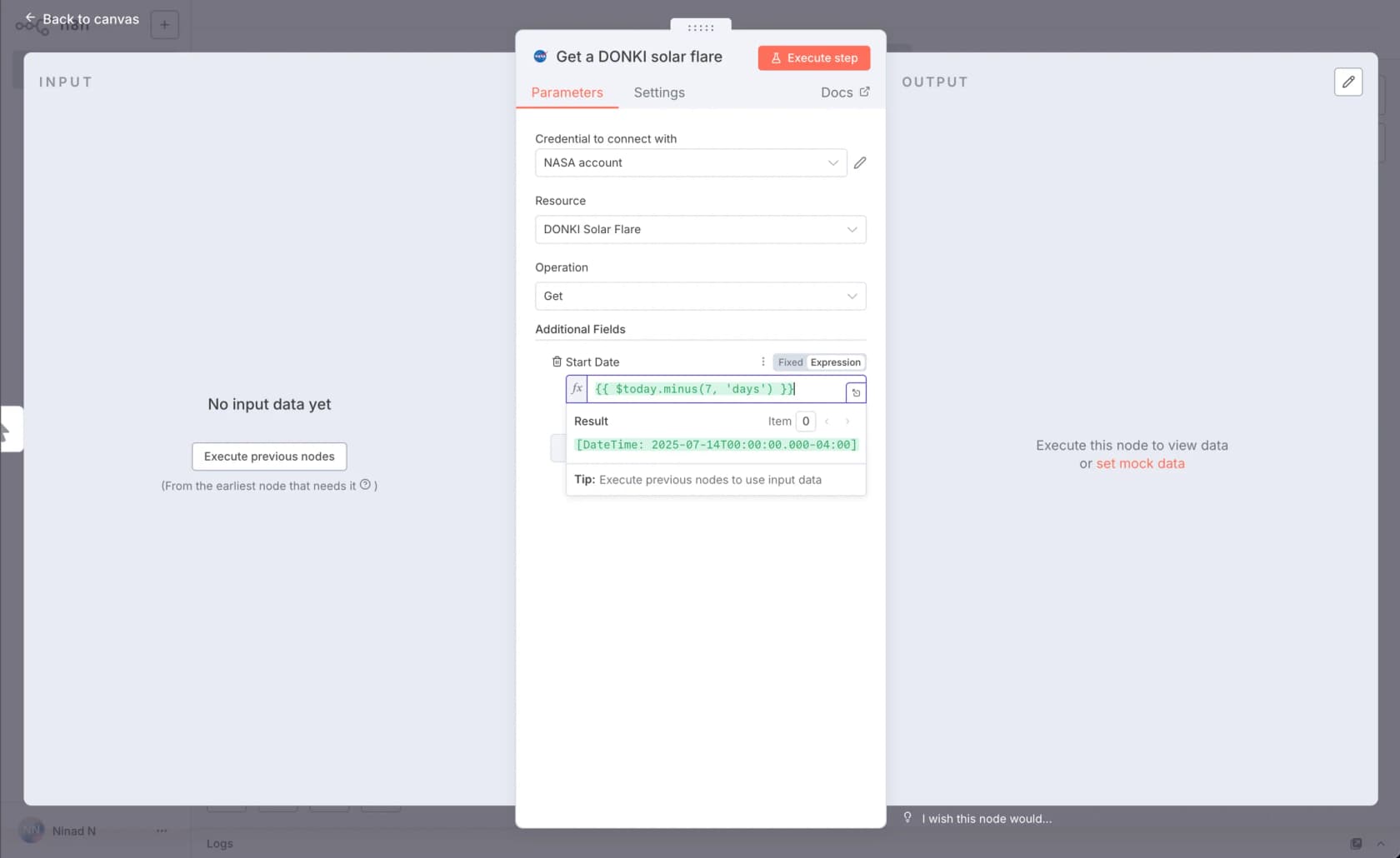
Nodes on a canvas, an executions log, a test button, that's the surface. Open any node and you get credentials, resources, operations, and an expression editor with a live result preview attached.
The scale here is a whole different order of magnitude compared to Cassidy. n8n raised a $180M Series C in October 2025 at a $2.5bn valuation, then took a strategic investment from SAP in May 2026 that pushed the valuation to $5.2bn. The GitHub repo sits at 198,139 stars, and n8n reports 1.8M monthly active builders on top of that. Vodafone, for its part, credits its n8n security workflows with saving £2.2 million.
Self-hosting is a real option, and n8n is unusually honest about what it actually costs you. Its own Docker install page says self-hosting is "for expert users. Mistakes can lead to data loss, security issues, and downtime." At any real volume, queue mode means Postgres 13+, Redis, a worker pool, a webhook tier and a load balancer, plus S3 for attachments, since queue mode can't store binary data on the filesystem. Two things surprise people here: S3 storage and workflow sharing are both excluded from the free Community edition, so only the creator can open a workflow, and even self-hosted instances phone home to a Cloudflare-hosted license server that the docs tell you to allowlist by the full Cloudflare IP range.
n8n calls itself "low-code," not no-code, and says plainly it's "designed for technical teams." Which is basically a company deciding not to fight for Cassidy's buyer at all.
The comparison table Cassidy publishes, checked line by line
Cassidy runs a head-to-head page against n8n, whose one-liner is "Cassidy builds intelligence. n8n builds workflows." It's undated too, which turns out to matter a lot, because several rows describe a version of n8n that stopped existing a while back.
I went through it row by row, against n8n's current docs. Here's what actually survives.
| Cassidy's claim about n8n | Does it hold in 2026? | What I actually found |
|---|---|---|
| "Built-in AI: no, requires external AI integration" | No | n8n's own repo blurb reads "native AI capabilities," and AI credits are metered on every cloud plan, from 2,300/mo on Starter up to 13,700 on Pro |
| "Knowledge Base: no, must stitch content sources manually" | Yes | The one row Cassidy earns outright. n8n gives you vector store nodes, not a permissioned document library |
| "n8n follows a rule-based model" | No | The AI Agent Tool node runs multi-agent orchestration with an orchestrator directing other agents |
| "Somewhat technical" for non-tech teams | Partly | Fair about the canvas, stale as a blanket claim. The AI Workflow Builder builds workflows from natural language, "including node selection, placement, and configuration" |
| "Limited user-level permissions" | No | Admin, Editor and Viewer roles are standard, with SAML SSO and LDAP on the $800 Business plan |
| "It assumes users understand JSON, scripting, and error handling" | Mostly yes | Look at the expression editor above and tell me that is a business-user surface |
Four of the nine rows do not hold up, and the one that does is the knowledge base. Which is the interesting part honestly, because that single surviving row is the whole real difference between these two products. Cassidy didn't need the other eight, not really.
There's one more asymmetry the table quietly creates, too. Cassidy award itself the security and governance win here, citing SOC 2 Type II and granular permissions, and gives n8n a flat cross. Fine. But n8n publishes its full price list on a public page, while Cassidy publishes no dollar figure anywhere. If your question is "which of these can I evaluate before booking a sales call," the table points you the wrong direction.
Pricing: one publishes a number, one does not
This is where the comparison stops being close, honestly, so let me put both models side by side first, before anything else.
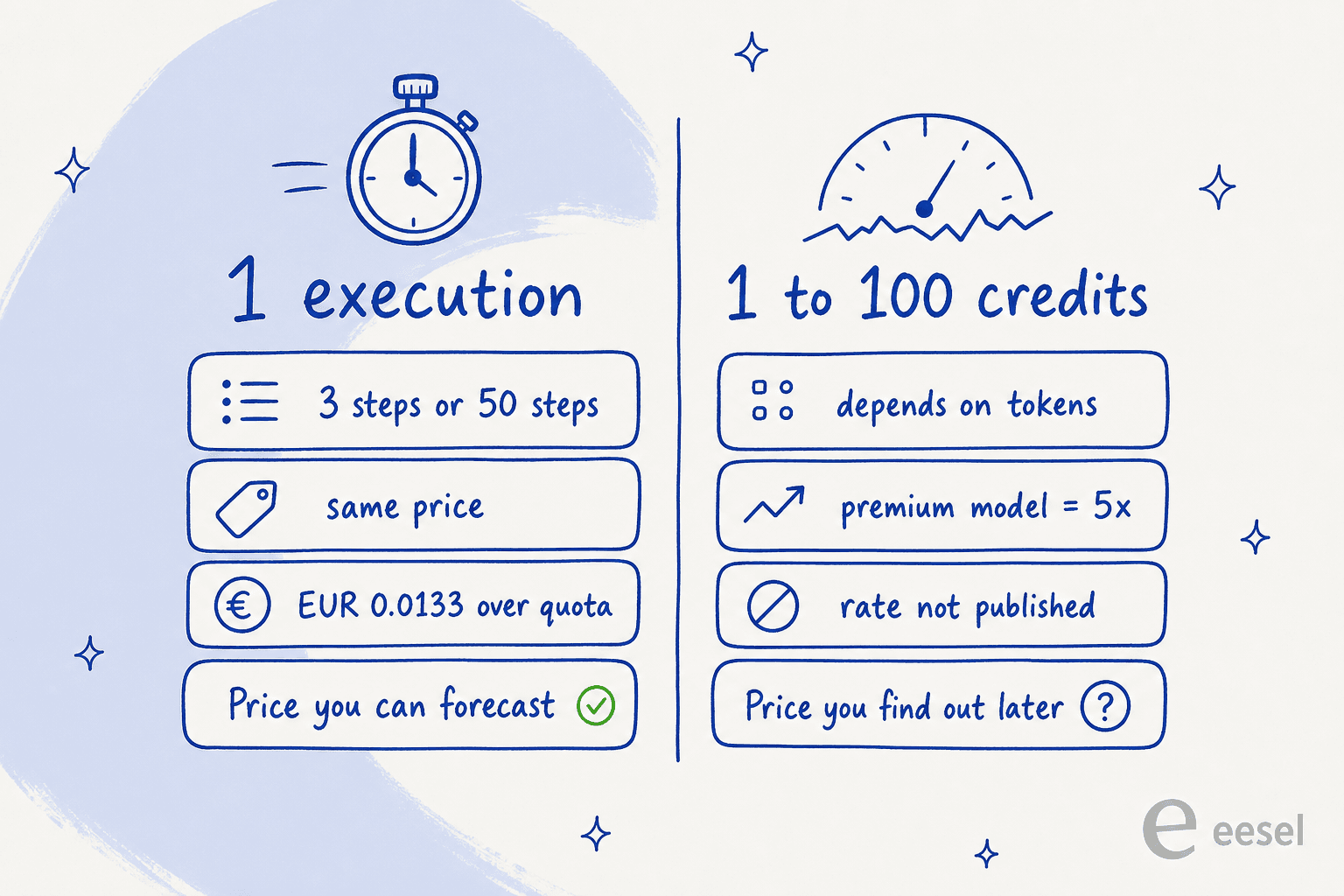
n8n bills per execution
One execution is one full workflow run, that's the unit. Three steps or fifty, same price, and that's basically the entire pitch. The pricing page is explicit about this: "It doesn't matter how many steps are in the workflow or how much data it processes, it's still a single execution."
| Plan | Price (annual) | Executions/mo | Concurrent | Hosting | Notable limits |
|---|---|---|---|---|---|
| Community | Free | Unmetered, your infra | Your infra | Self-hosted | Bring your own API keys |
| Starter | $20/mo | 2,500 | 5 | n8n cloud | 1 project, 2,300 AI credits |
| Pro | $50/mo | 10,000 | 20 | n8n cloud | 3 projects, up to 13,700 AI credits |
| Business | $800/mo | 40,000 | Scaling | Self-hosted | SSO, SAML, LDAP, Git version control |
| Enterprise | Contact sales | Custom | 200+ | Either | Log streaming, external secret store, SLA |
Overage is published too, which is rare in this space: €4,000 per extra 300,000 executions on the Business plan, invoiced 45 days later if you don't upgrade by then. That works out to roughly €0.0133 an execution. Workflows just keep running when you blow past the quota, rather than stopping dead on you.
The catch, though, is what counts as an execution. This is maybe the sharpest thing anyone has said about n8n pricing, and it come from a paying customer:
"That's great if you're just doing traditional automations, but think about things like the chatbot trigger or MCP server trigger. Every single user interaction counts as an execution. Even something as simple as a polling workflow, need to do something once per minute? There's a workflow that now costs $1000 per month to run."

Read that again, but with a support hat on this time. In a conversation, every customer message is an execution. A ten-turn chat means ten billable runs, not one ticket total. That's the single most important thing on this whole page if you're pricing n8n for a support queue.
The enterprise numbers here are real, and they come from buyers, not from n8n itself. One evaluator at a 100+ employee company reported being quoted "well over seven figures" for unlimited executions, and 20k for 600k annual executions. A customer who actually signed confirmed the same tier math: "I just bought a license at 600k executions for 20k€ ... 2 Mio executions cost 50k€."
Cassidy bills per credit, and will not say what a credit costs
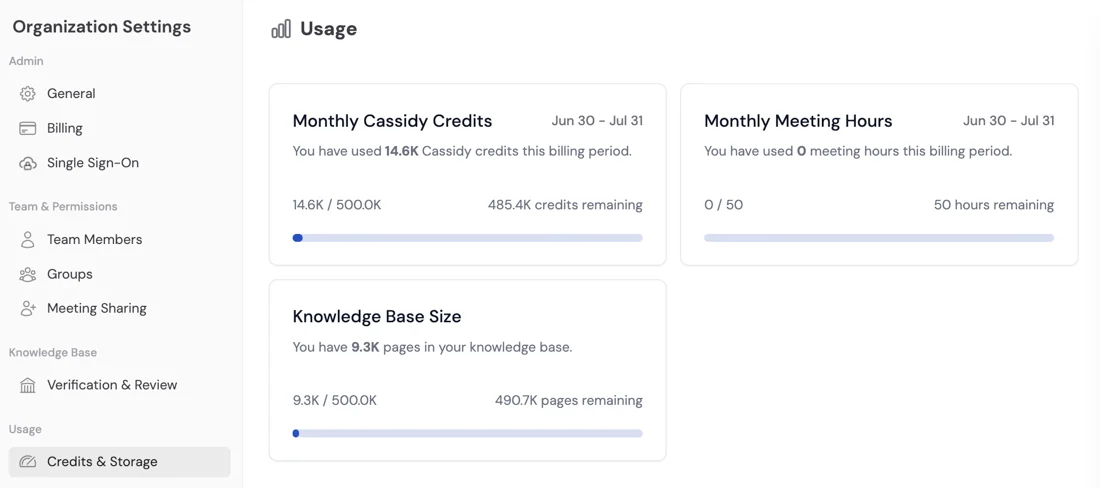
Cassidy's pricing page publishes no monthly price, no annual price, no seat rate, and no credit rate either. Starter is free, with 3 seats, 5 agents, 5 workflows and 10,000 credits included. Business is just "custom" on every quantitative row. Enterprise, meanwhile, is not even a column, it only appears in the FAQ.
| Plan | Price | Seats | Agents | Workflows | Credits | Sync |
|---|---|---|---|---|---|---|
| Starter | Free | 3 | 5 | 5 | 10K/mo | Every 24 hours |
| Business | Not published | Custom | Custom | Custom | Custom | Instant |
| Enterprise | Not published | Custom | Custom | Custom | Custom, rollover negotiable | Real time |
A credit is not a task, it's derived from token volume instead, and scaled by model on top of that. Cassidy's credits article gives the only concrete ranges that exist: agent chats run 1 to 30 credits, workflows 1 to 100, and premium models consume roughly 5x what standard ones do. Do the arithmetic on the free tier, and 10,000 credits works out to about 100 heavy workflow runs a month.
A few things make this harder to budget than it first looks. Credits do not roll over, unless you negotiate that into an Enterprise contract specifically. The marketing FAQ promises "You'll never be interrupted," while the product docs say AI features go "temporarily unavailable until credits are replenished," which is a contradiction if you read both pages back to back. And then there's Cassidy's own advice for controlling spend, which is to limit how much knowledge base context each interaction pulls in, meaning the mechanism that makes answers accurate is the mechanism that makes them expensive.
You can see the actual shape of it in the usage dashboard, which is honestly the only place real allowance numbers appear at all.
One more thing worth naming here, because it's Cassidy's own CEO making the argument. Justin Fineberg posted on X that AI should be priced against the headcount it displaces, rather than a seat licence, then conceded the buyer's side of it in that same post: "the number comes in much higher than anyone on the finance side expected." He's right on both counts, honestly. Strange thing to say though, while running a pricing page with no numbers on it at all.
Who assembles the retrieval layer
Here's the row Cassidy actually earned, drawn out properly this time, because it's the real decision underneath all of this.
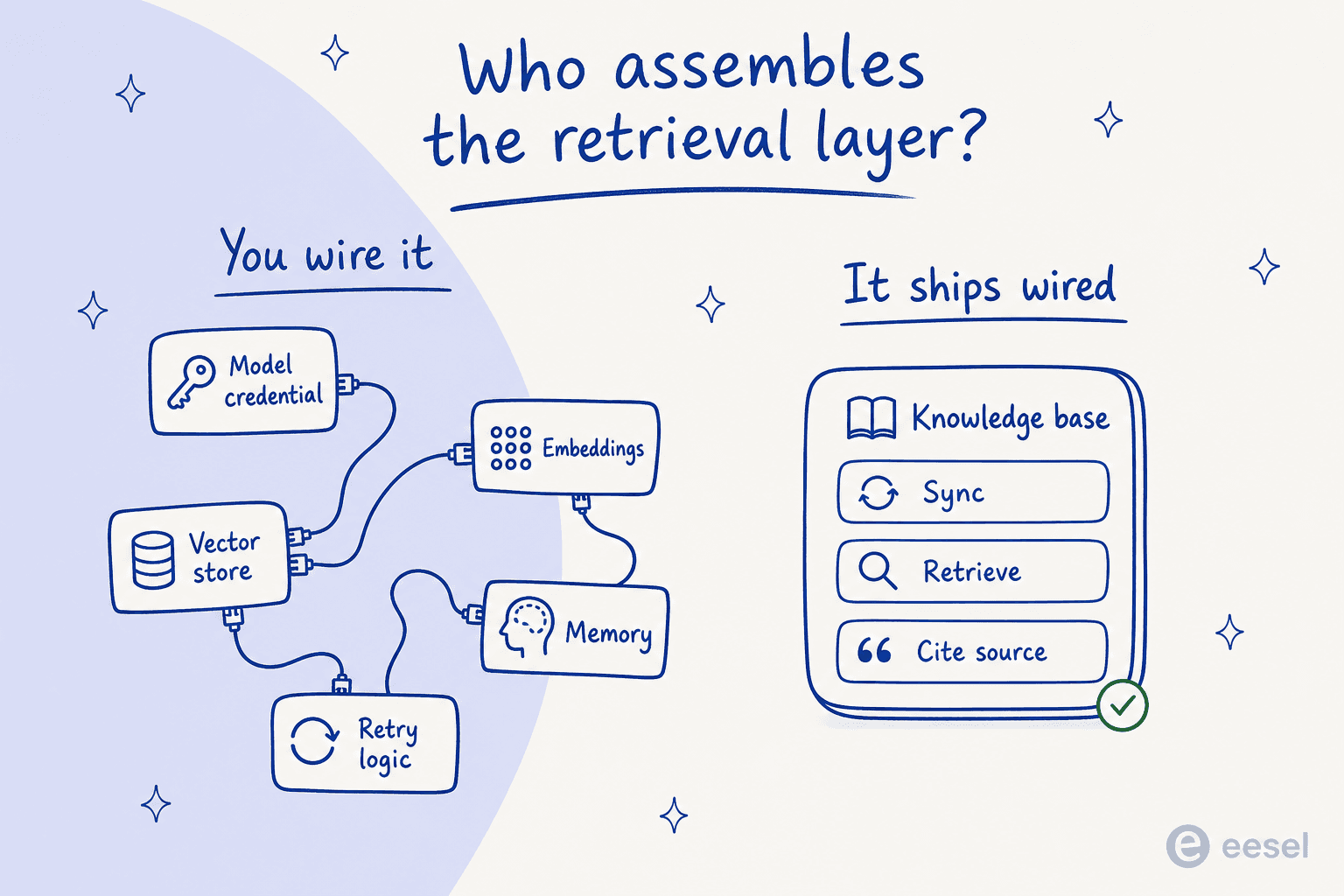
n8n's AI Agent node is inert until you connect things to it, it does nothing on its own. The docs are blunt about this: you must connect at least one tool sub-node, and there's a separate error state that exists purely for forgetting the chat model. Since version 1.82.0 there's exactly one agent type, the Tools Agent, and underneath it is LangChain, right down to the node's internal name even.
Grounding that agent in your knowledge base is a build you do, not a setting you flip. n8n has no "point it at your help center" option. Per the RAG guide, inserting data means a vector store node in insert mode, an embedding sub-node, a data loader, and a text splitter, with a chunk size and overlap that you pick yourself. Then you add the vector store again as a tool, write a description telling the agent when to use it, then attach the same embedding model on top. Mismatch it, and retrieval quietly gets worse, without ever throwing an error.
The parts bin is large: 13 vector store nodes, 12 embedding nodes, 19 chat model nodes, of which only five are officially supported for the agent. Memory has seven backends, plus one line in the docs that should stop any support team cold: memory does not persist between sessions. If you want a customer's history to survive from one contact to the next, that's a Redis or Postgres instance you stand up and maintain yourself.
Counted properly, standing up one support agent in n8n means placing and configuring a trigger, the agent node, a chat model plus credential, a tool per capability with a hand-written description, memory, embeddings, a vector store, a data loader plus splitter, an output parser, a human review step, and an evaluation harness too. Eleven components in total, four to six credential objects, before even a single ticket gets answered.
The agent loops too, that's another thing. n8n's own docs note it "runs multiple times" per execution, capped by a Max Iterations option defaulting to 10. So one single user message can turn into ten model round-trips on your API key, and n8n does not cap that spend for you at all.
None of this is a criticism exactly, to be clear. It's the product working as designed, and the flexibility is kind of the whole point here. Builders love it for exactly that reason:
"I've moved everything from a paid power automate to a free self hosted n8n and it's been 100x easier to use too."
But be clear-eyed about it, the assembly cost is real, and it never fully goes away either. It just comes back again, every time an API changes.
Which one fits your situation
Pick whichever row sounds most like you.
Where both of them stop
This is the part I care about most, honestly, because it's the part I actually work on.
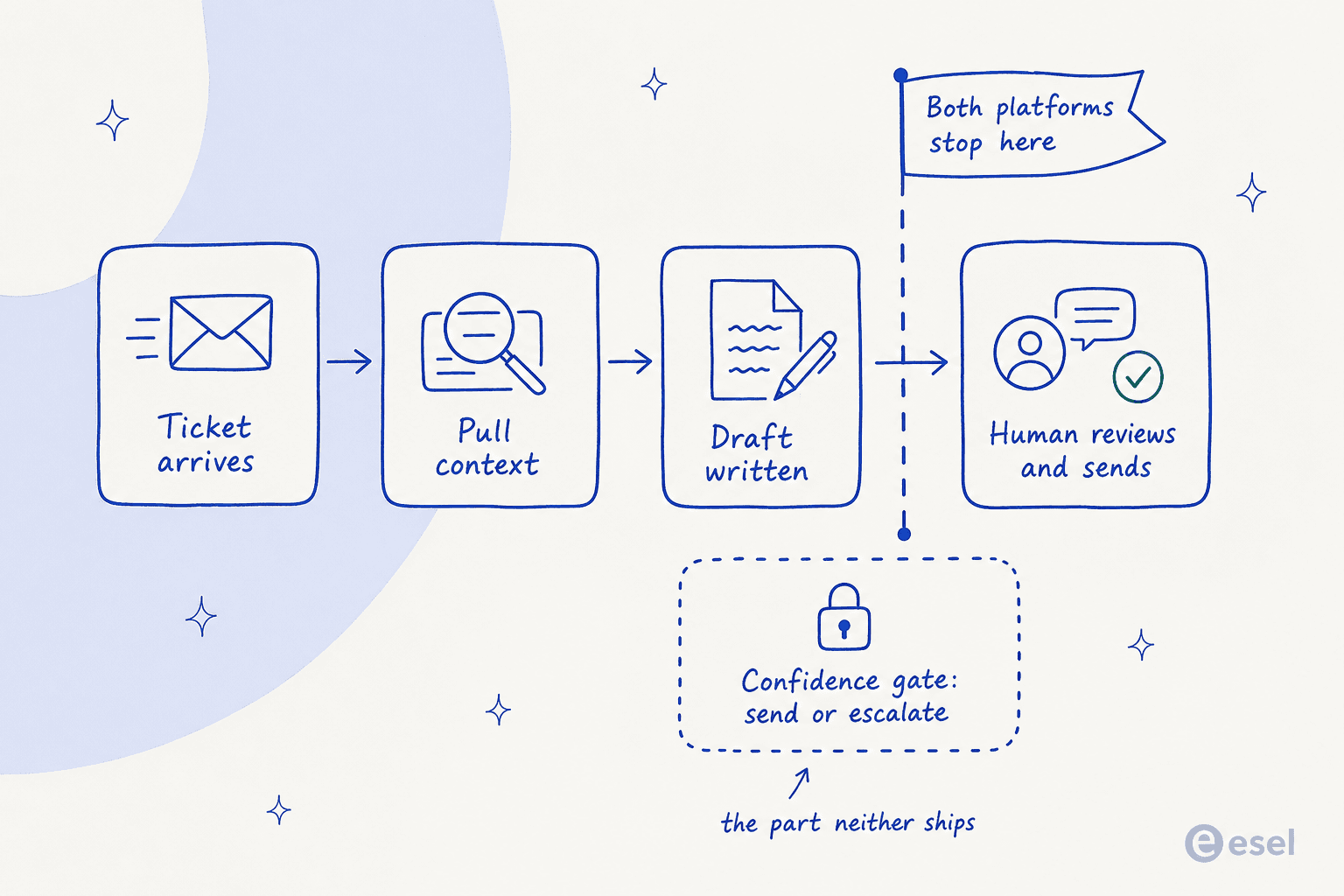
Cassidy's flagship support template is the Customer Support Auto-Responder, and its own description is precise about the ceiling here: it "pulls ticket and email details, searches a Knowledge Base, and generates on-brand reply drafts." The Ticket Context Enricher gives summaries to agents, not customers. The cross-site FAQ says "auto-draft," not auto-send, notably. No resolution rate and no deflection percentage show up anywhere, and no confidence threshold either, in any of Cassidy's support material.
You can see it right there in the product, actually. The step is literally named "Draft Reply Message."
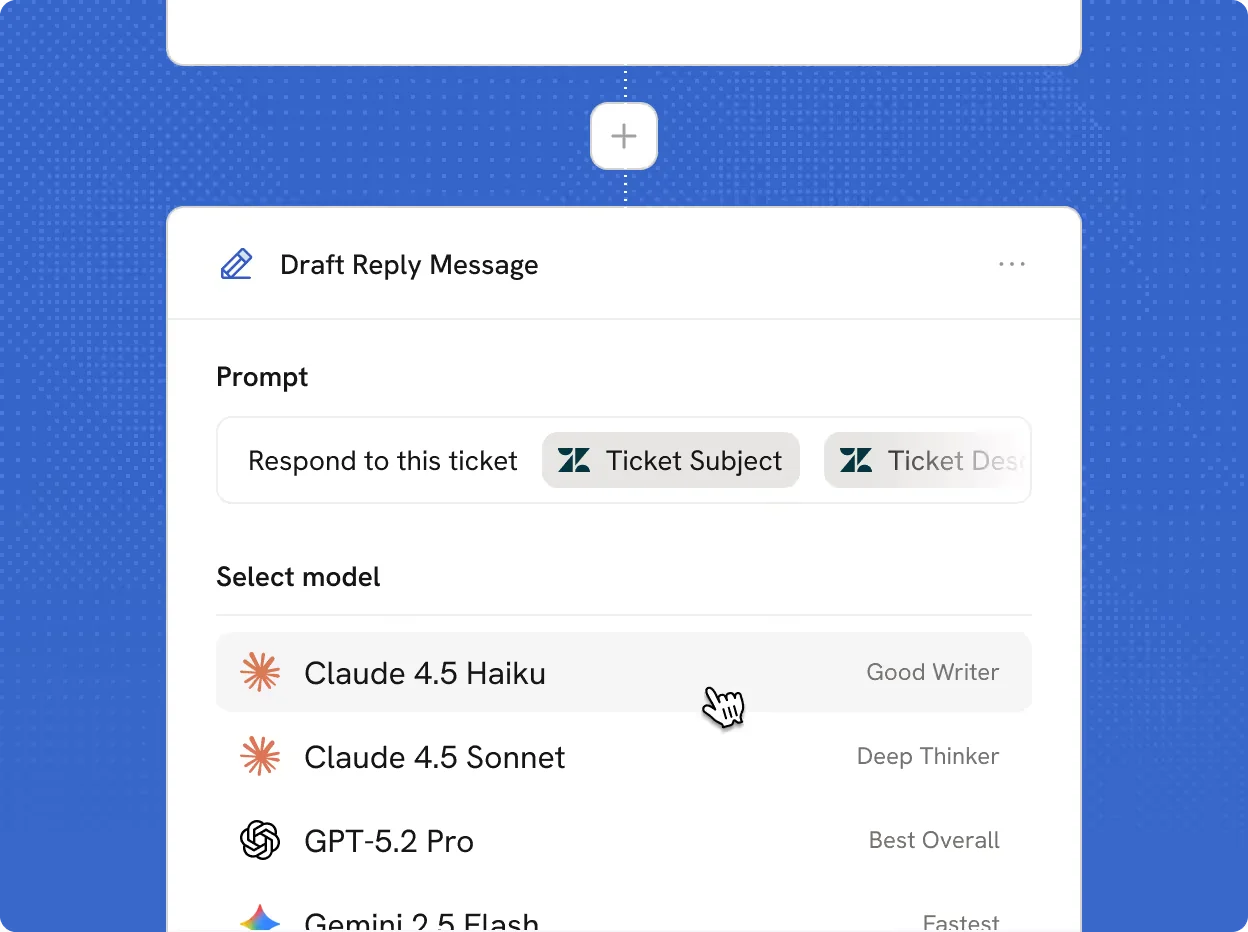
n8n's limit is more concrete, and honestly I did not expect it to be this stark. The Zendesk node ships 23 operations across 4 resources, and not one of them posts a reply to a customer. No add comment, no macros, no Help Center articles, no ticket search, none of it. It can create, read, update and delete ticket records, that's about it. The documented workaround is n8n's answer to basically every gap: use the HTTP Request node and call the REST API yourself. Which is hand-written Zendesk API calls, sitting in the middle of what's supposed to be a no-code comparison.
It gets sharper per helpdesk, too. Freshdesk is 10 operations, with no reply verb either. Help Scout is the only one of the three that can actually add a message to a live conversation, through its Thread resource. And there's no Gorgias node at all, so a Shopify-heavy ecommerce team ends up building the whole integration out of HTTP Request nodes.
One trap worth to know about, before you point an agent at a live queue: the Zendesk node's Update Ticket operation replaces the entire tag list rather than appending to it. An agent adding just one tag wipes every routing and SLA tag on that ticket, unless you build fetch, merge and update yourself.
n8n doesn't pretend otherwise, to its credit. Its human review feature pauses on risky tool calls across nine approval channels, its own AI page says "Autopilot is for planes, not production AI," and the worked example in its evaluation docs is a workflow that assigns category and priority to support tickets. Classification, not resolution, is the ceiling there. Builders in the community reach that same conclusion on their own, with one recommending you "use the AI only for classification + priority tagging, not for generating user-facing answers."
Both positions are defensible, honestly. They're just not what a support lead is actually shopping for, and that mismatch shows up as an objection I hear all the time. A CX lead at a DTC supplements brand, running about 7,000 Gorgias tickets a month, put it better than I ever could:
"The AI will never be able to answer 100% of the questions, but if it tries and just answers 'sorry I don't know this,' I cannot go and check all my 7,000 tickets to see if the AI actually made a good answer. I need an AI who is only handling the tickets that it's confident to handle and all the other ones, leave them alone."
That's a confidence gate, and it's the one piece neither platform ships. A draft queue doesn't solve it either, because reviewing 7,000 drafts ends up being the same job as writing 7,000 replies yourself.
What practitioners actually say
The most useful outside voice on this whole matchup isn't from either vendor, actually. Brett Bouchard, a self-described non-coder running an AI build cohort, compared them directly:
"We've been using Cassidy in Build Lab, and it has been relatively easy to pick up and has user-friendly features for builders and businesses. But many in our cohort are using n8n, for its functionality and technical options."

That's the whole trade, in one sentence, from someone with no stake in either one.
A marketer on Reddit who's used both landed on the sensible version of that same point, and add the part most comparison posts skip over:
"All of these tools like Zapier, Cassidy, n8n, Lindy, Relay, make etc. have great templates already available - I encourage everyone to browse before reinventing the wheel. Also before selecting a tool review UX and costs - not all of these are built and priced the same, some are much easier to use for non technical folks and some are much more expensive than others."
The single highest-reach take on n8n that I found isn't about pricing at all, it's about the learning curve instead, and it landed with 3,813 likes:
"n8n's learning curve is brutal.
I've lost count of how many smart business owners I've seen:
Get excited about n8n" -- Tom, X
The same post names why, too, and it's maybe the most useful sentence in this whole debate: n8n is "all created by developers who've been building workflows for years," so when the tutorial says configure your HTTP request node, "if you don't know what those words mean, you're stuck." That's Cassidy's entire market right there, described by an n8n educator no less.
On the n8n side, the loudest thread from the last year is about the shift to per-execution billing on self-hosted plans, and the objection there is structural, not really about the amount:
"I get unlimited executions on the free Community tier, but if I pay for the Business plan… I don't? Someone explain this to me from n8n please....."
And on agent quality, the critique gets specific enough to be worth acting on. One builder found n8n agents "very bad at tool selection, remembering context, and following prompts," and the most technical reply explained why: n8n leans on LangChain for structured output, instead of the model providers' own structured output functions, so "you're basically saying 'pretty please master LLM, output in my JSON schema'."
Reliability at volume is the complaint that the 4.7 average kind of hides, and it's worth reading before you put a support queue on n8n Cloud:
"We use the cloud version, and I really dislike the RAM exhaustion when multiple workflows run. Also, the fact that they never clarify how much RAM your instance has. Also, customer service is only available via email, and 99% of the time, they blame you for the issues the workspace has."

Cassidy's community is much quieter, which is its own kind of signal. 5 reviews on G2 against n8n's 4.7 out of 5 from 294, no Capterra presence, no Trustpilot, and beyond that no Hacker News discussion either, aside from the company's own hiring posts. For a company whose pricing page claims 20,000+ teams, that's a pretty thin public footprint. Treat both the praise and the absence of criticism accordingly, I'd say.
The head-to-head, stripped of both pitches
| Cassidy | n8n | |
|---|---|---|
| What it is | Packaged AI assistant layer | Orchestration runtime you deploy |
| Billing unit | AI credits, token-derived | Workflow executions |
| Published price | None | $20 / $50 / $800 |
| Overage rate | Not published | €4,000 per 300K executions |
| Free tier | 3 seats, 5 workflows, 10K credits | Community Edition, unmetered |
| Self-hosting | No | Yes, first-class |
| Retrieval | Knowledge Base, built in | Assemble from 13 vector stores |
| Memory across sessions | Managed | Bring Redis or Postgres |
| Models | 30+, per step | 19 nodes, 5 agent-supported, bring your own key |
| Integrations | Advanced ones are paid-only | 1,000+ nodes |
| Helpdesk reply operation | None, drafts only | None in the Zendesk node |
| Support ceiling | Reply drafts | Classification and tool calls |
| Scale | ~25 staff, $13.7M raised | $5.2bn valuation, 1.8M builders |
| Best for | Non-technical teams, document work | Technical teams, custom logic |
The honest summary here: n8n means you own the logic and the infrastructure, and you pay in engineering time for it; Cassidy means you own neither, and you pay a price you can't even see until you talk to sales. Both are reasonable trades, in their own way. Neither one is a support product, though.
Try eesel for support tickets
If you landed here because your support queue is the thing you actually want automated, I'd look at a third option honestly, and I say that as someone who builds it for a living.

eesel plugs into Zendesk, Freshdesk, Gorgias and the rest in just a few minutes, reads your existing help center and past tickets without any migration needed, then does the thing this whole post has been circling around: runs against your historical tickets first, so you get to see what it would've said before it says anything to an actual customer. It answers only what it's confident about, and escalates the rest, which is the control that DTC lead above was asking for. Pricing starts at $299 a month for 500 credits (1 credit per ticket or chat), no seat fees, no platform fee, and there is a free plan with 100 credits, no card needed.
We built it that way because we've watched confident-sounding bots quietly give wrong answers before, and one customer put the build-versus-buy call pretty plainly: an engineering lead at a Bitcoin-ATM hardware company, running a 300+ article knowledge base, told us they "could try to write our own LLM application but we didn't want to invest our time into that. We wanted something that we would not have to maintain."
If you want the canvas, take n8n. Want the document layer instead? Take Cassidy. And if you actually want tickets closed, try eesel.