


The best Gemini 4 Carbon alternative for most teams is Gemini 4 Argon, the model Carbon is built on: it is on the API today at the same $2/$10 introductory price, and it made up answers 4% of the time against Carbon's 11% on Artificial Analysis. Carbon itself is gated to cyber defenders through Google's Fairwind Program, with no date for everyone else.
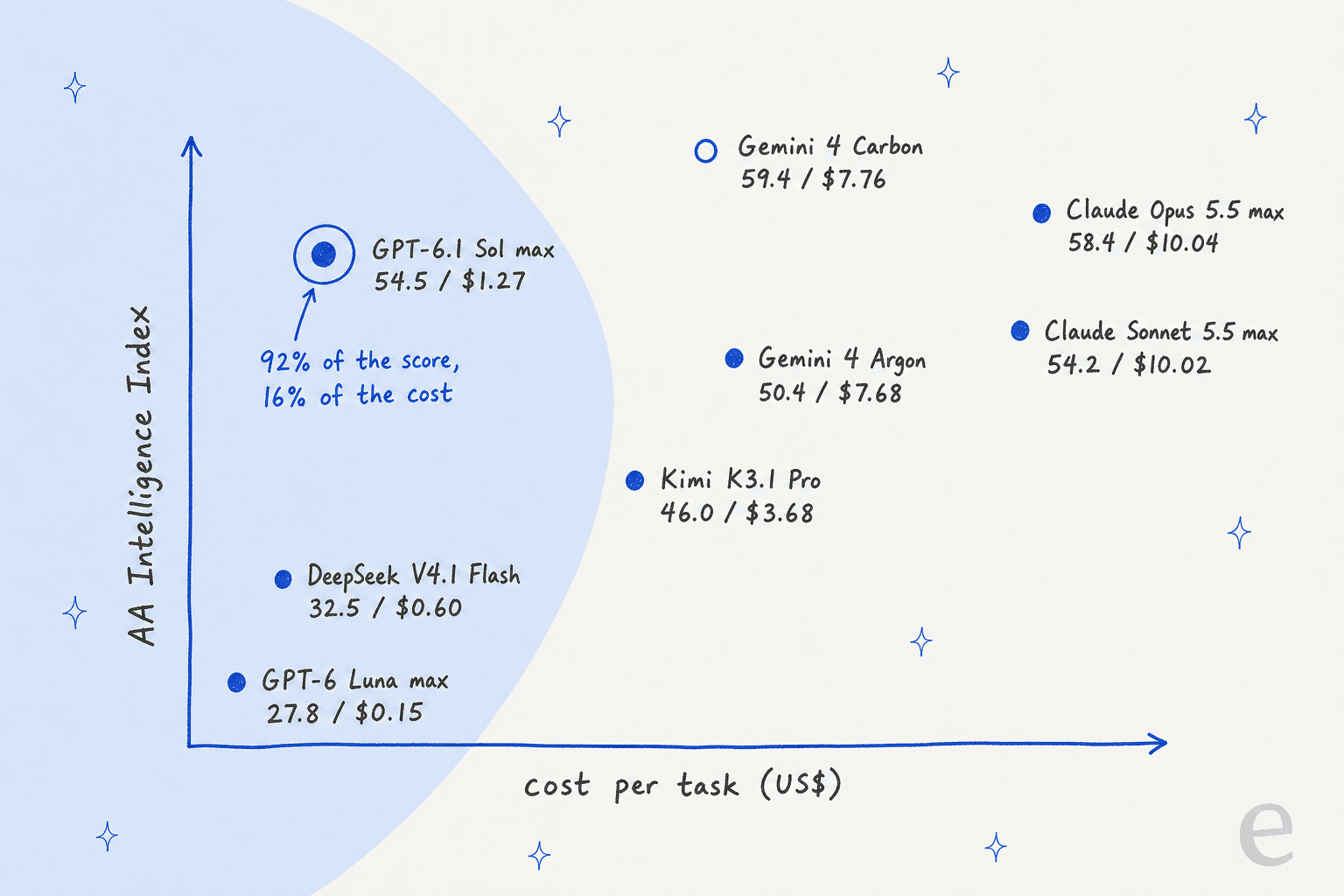
If you wanted Carbon for its score, GPT-6.1 Sol at max effort gets 92% of Carbon's index score for 16% of the cost per task ($1.27 vs $7.76). Claude Opus 5.5 is the closest on raw score (58.4) but the priciest per task. Kimi K3.1 Pro, DeepSeek V4.1 Flash and GPT-6 Luna cover long context, open weights and cheap triage.
If you were eyeing Carbon for a support agent, the model matters less than what it reads. I build the integrations behind eesel, where an AI helpdesk teammate answers from your help center and past tickets on any of these models; SamCart runs one agent on Freshdesk tickets and another on its website chat, answering from 280 help articles.
Why are people looking for Gemini 4 Carbon alternatives?
Because almost nobody can use it. Google announced Gemini 4 Carbon on 28 October 2026 and said that "starting this week" it goes to a subset of cyber defenders, then gradually to more trusted partners, with developers, businesses and consumers listed under "coming soon". There is no date for that last group.
The gate runs through the Fairwind Program, which Google describes as early access for high-priority defenders "like governments, healthcare providers, and telecommunications services". It works with over 650 partners and runs background checks on organizations that apply. If you run a support team or a SaaS product, that is not you, at least not for now.
It's a bit of shame, because the Carbon is strong. It leads the Artificial Analysis Intelligence Index at 59.4, beats Argon on every one of the 17 rows in Google's own benchmark table, and launches at Argon's price: $2 per million input tokens and $10 per million output, then $4/$20 after the introductory period. I went through all of it in my Gemini 4 Carbon explainer.
The Hacker News thread on the launch (735 points) had the mood about right:
"I can't tell if they're withholding access to manufacture some sense of scarcity but the delays are really prolonged."

The precedent from Argon helps, a little. Argon was announced on 30 September and released on 13 October, about two weeks later, as one Hacker News commenter pointed out. But Argon was never gated to a security program, so I would not plan a product launch around Carbon following the same clock.
How I picked these alternatives
I started from the place where a buyer would start. I asked ChatGPT, in a fresh chat, for the best alternatives for an AI support agent now that Carbon is cyber-only. It shortlisted GPT-6.1 Sol, Gemini 4 Argon, Claude Sonnet 5.5 and GPT-6 Luna, and suggested a two-model setup where a cheap model triages and a stronger one takes the hard cases. All four made this list, also that routing idea is what shapes the last section.
Then I added the models which competes with Carbon on its own benchmarks, and I checked every price on the vendor's own pricing page on 29 October 2026. The scoring data comes from Artificial Analysis, which ran Carbon, Argon and the rest through the same index at list price. I pulled three numbers for each model:
- Intelligence Index v5.0, the headline score Carbon tops.
- Cost per task, what one index task actually cost at list price, including all the reasoning tokens. This is the number that tell you if a cheap price card is cheap in the practice.
- Hallucination rate on AA-Omniscience: how often the model gives a wrong answer when it should have said it did not know. For anything that faces customers, this one is the one I care the most about.
eesel has spent years putting AI agents on live support queues, and we have watched confident-sounding bots quietly give wrong answers. That is why every eesel rollout now runs against a team's historical tickets before it answers a real customer, and why the hallucination column gets as much weight here as the headline score.
Gemini 4 Carbon alternatives at a glance
Here is whole list in one table. Prices are standard API rates per million tokens on 29 October 2026. AA numbers are at each model's highest effort setting unless noted, at list price.
| Model | Can you use it today? | Input / output (per 1M) | Cached input | AA Index v5.0 | AA cost per task | Made-up answer rate | Context window | Open weights | Best for |
|---|---|---|---|---|---|---|---|---|---|
| Gemini 4 Carbon (reference) | Cyber defenders only | $2 / $10 intro, then $4 / $20 | 95% off input | 59.4 | $7.76 | 11% | 1M | No | Security and coding, if you get in |
| Gemini 4 Argon | Yes, Gemini API | $2 / $10 to Nov 30, then $4 / $20 | $0.10, then $0.20 | 50.4 | $7.68 | 4% | 1,048,576 | No | Fewest made-up answers |
| GPT-6.1 Sol | Yes, OpenAI API | $2 / $10 | $0.10 | 54.5 | $1.27 | 52% | 1,050,000 | No | Best score per dollar |
| Claude Opus 5.5 | Yes, Claude API | $4 / $20 | $0.20 | 58.4 | $10.04 | 50% | 1M | No | Closest raw score |
| Claude Sonnet 5.5 | Yes, Claude API | $2 / $10 | $0.10 | 54.2 | $10.02 | 43% | 1M | No | Writing quality, tool use |
| Kimi K3.1 Pro | Yes, Kimi API | $2 / $10 | $0.20 | 46.0 | $3.68 | 37% | 1,048,576 | Not yet | Long context, agent work |
| DeepSeek V4.1 Flash | Yes, DeepSeek API | $0.15 / $0.60 off-peak, $0.30 / $1.20 peak | $0.003 off-peak | 32.5 | $0.60 | 64% | 1M | Yes | Self-hosting, lowest bill |
| GPT-6 Luna | Yes, OpenAI API | $0.10 / $0.50 | $0.01 | 27.8 | $0.15 | 79% | 1,050,000 | No | Cheap triage and routing |
There is two things that jump out. First, five of these models share Carbon's $2/$10 price card, so the token price does not separate them. The cost per task does, because it captures how many tokens each model burns thinking. Second, the made-up answer column runs from 4% to 79%, which is far bigger spread than what the index scores show.
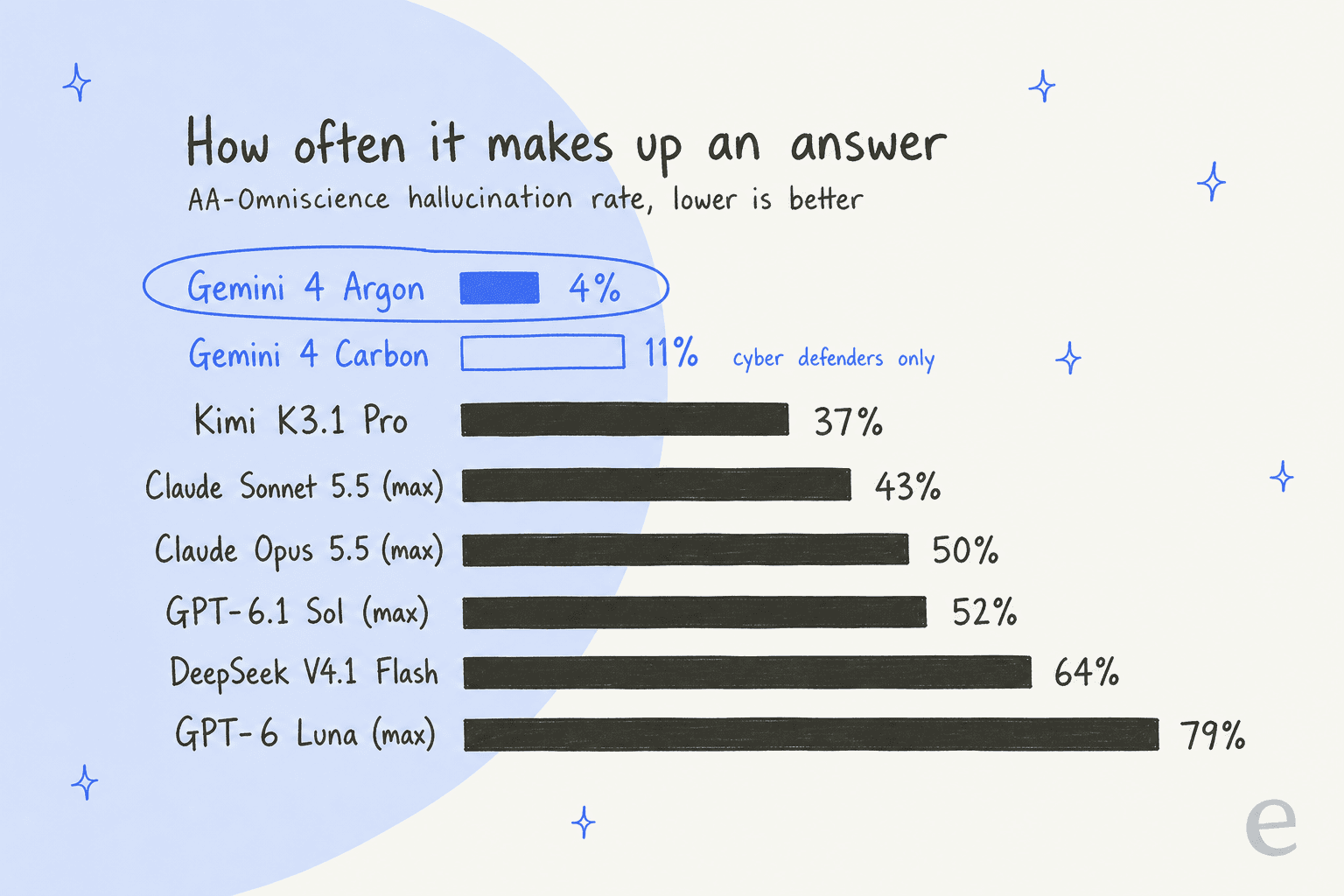
That chart is the reason why my first pick is not the model with closest score. If you were drawn to Carbon because Google said it is more honest about what it does not know, Argon is already ahead of it on that exact test.
1. Gemini 4 Argon
Best for: teams that wanted Carbon for a customer-facing agent and need fewer made-up answers more than a higher score.
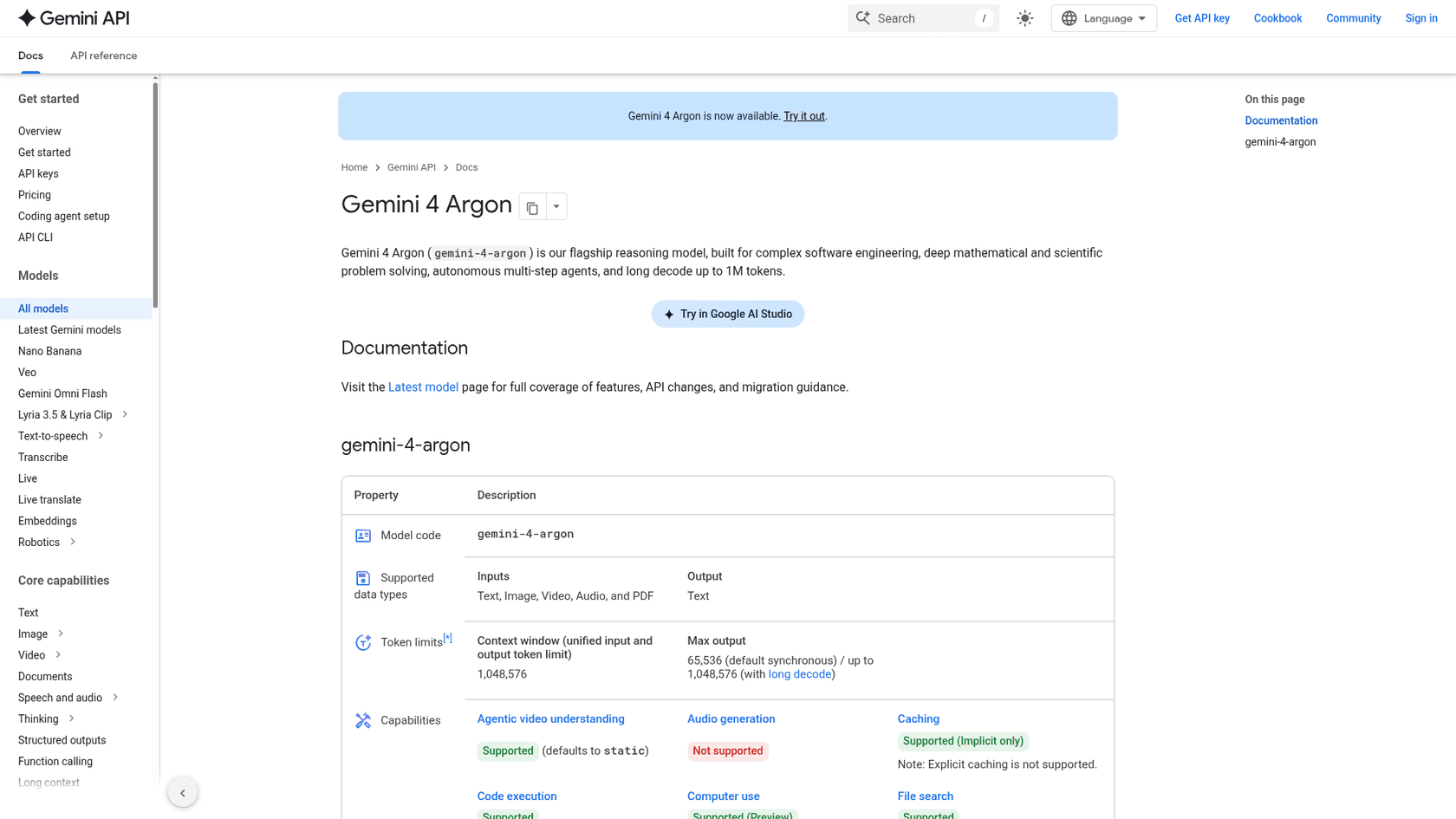
Argon is the model that Carbon builds on, so it's the obvious first stop. It is generally available through the Gemini API and Google AI Studio, with a 1,048,576-token context window and up to 1M output tokens with long decode. If your code already calls Gemini, switching to Carbon later is a model-name change.
On Artificial Analysis, Argon scores 50.4 to Carbon's 59.4, so Carbon is the smarter model. But Argon's hallucination rate is 4% to Carbon's 11%, the lowest of any model I checked, and on AutomationBench (multi-step business workflows) it scored 77.5% to Carbon's 77.8%. Argon even cost slightly less per index task ($7.68 vs $7.76). For a support agent the gap which actually matters is quite small.
"For what it's worth: Argon is a pretty good model, and this is coming from someone who just sticks with Opus 5.5 mostly across the board. For the current introductory price, it provides an exceptional value."
Pros
- Same price card as Carbon, so your cost model will not change when Carbon opens up.
- Lowest made-up answer rate in this list, by a wide margin.
- Google Search grounding includes 5,000 free requests a month.
Cons
- It is a long thinker: 116K output tokens per AA task, so the per-task bill is high for its score.
- Implicit caching only. You cannot pin a cache explicitly the way you can on Claude.
- Not everyone rates it. One Hacker News user called it "a clear tier below" current Claude and Sol models.
Pricing
| Tier (per 1M tokens) | Input | Output | Cached input |
|---|---|---|---|
| Standard, through Nov 30, 2026 | $2.00 | $10.00 | $0.10 |
| Standard, from Dec 1, 2026 | $4.00 | $20.00 | $0.20 |
| Batch or Flex, through Nov 30 | $1.00 | $5.00 | $0.05 |
| Priority, through Nov 30 | $3.60 | $18.00 | $0.18 |
Search grounding is 5,000 free requests a month, then $14 per 1,000, per Google's pricing page. There is no free tier for Argon. My Gemini 4 Argon pricing post walks through the December price step.
My take: start here if you are building anything that answers customers. Budget for the December 1 price doubling, and if you mostly need speed and cost, look at Sol instead. I covered more options in my Gemini 4 Argon alternatives roundup.
2. GPT-6.1 Sol
Best for: teams that wanted Carbon's intelligence but care about the bill.
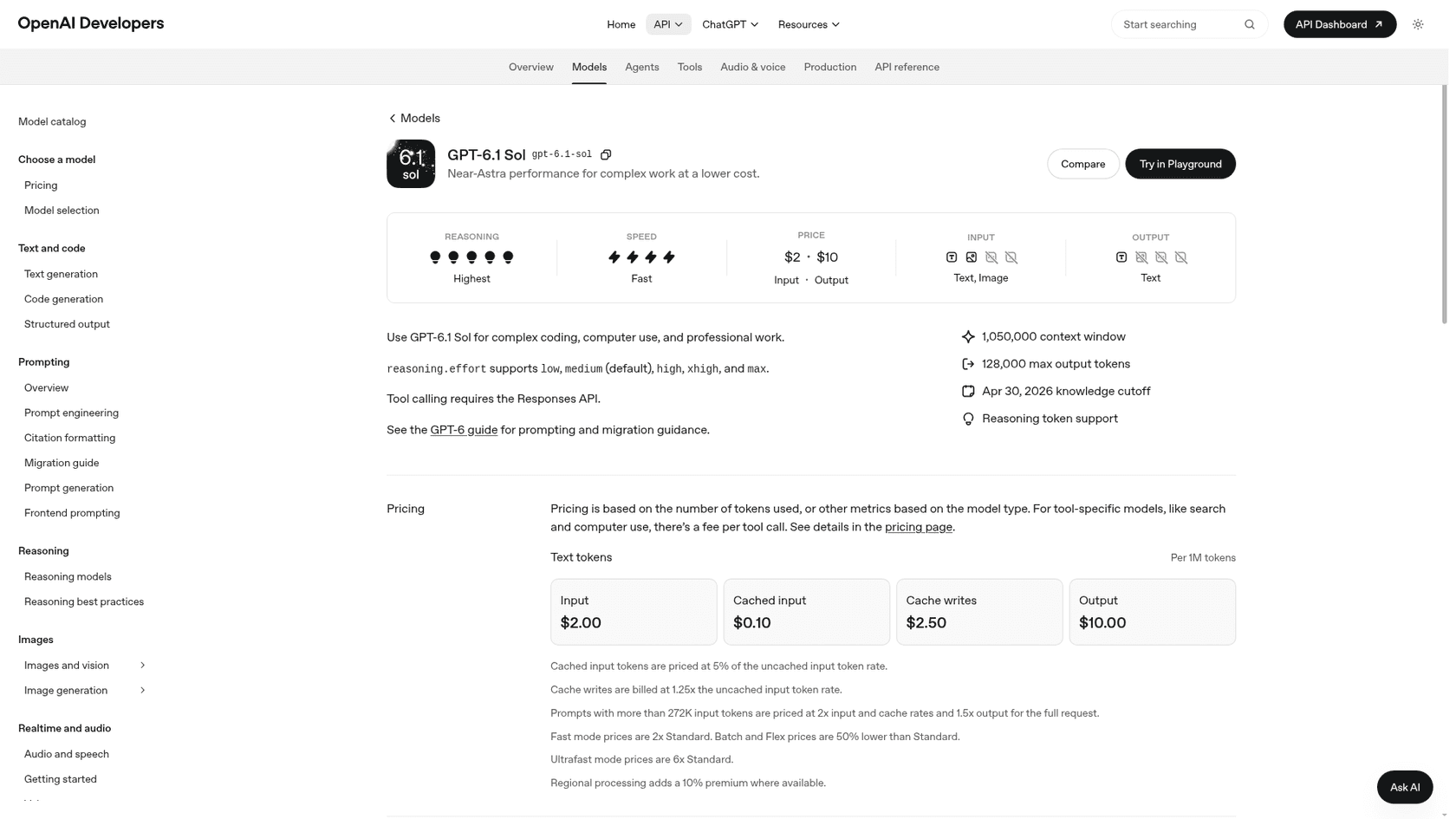
Sol was ChatGPT's first suggestion for a support agent, and the numbers do back it up. OpenAI's model page calls it "Near-Astra performance for complex work at a lower cost", with a 1,050,000-token context window and reasoning effort from low to max.
At max effort, Sol scores 54.5 on the Artificial Analysis index for $1.27 per task, against Carbon's $7.76. That is 92% of Carbon's score at 16% of the cost. At xhigh it is 52.3 for $0.76, and at medium 46.1 for $0.36, which is the setting I'd start a support agent with.
Pros
- Best score per dollar of anything on this list.
- Five effort levels, so one model can cover cheap and hard tickets.
- Batch pricing halves the bill to $1/$5 for anything that can wait.
Cons
- Made up answers 52% of the time on AA-Omniscience at max effort. It needs to be grounded in your own content.
- Tool calling requires the Responses API, so older Chat Completions code needs a migration.
- Prompts over 272K input tokens are billed at 2x input and 1.5x output.
Pricing
| Mode (per 1M tokens) | Input | Output | Cached input |
|---|---|---|---|
| Standard | $2.00 | $10.00 | $0.10 |
| Batch / Flex | $1.00 | $5.00 | $0.05 |
| Fast | $4.00 | $20.00 | $0.20 |
| Ultrafast | $12.00 | $60.00 | $0.60 |
Prices are from OpenAI's pricing page. My GPT-6.1 Sol pricing guide has worked examples.
My take: the default pick if you have no reason to stay with Google. Just do not let it answer customers from memory. My GPT-6.1 Sol review covers where it slips.
3. Claude Opus 5.5
Best for: teams that want the closest thing to Carbon's score and will pay for it.
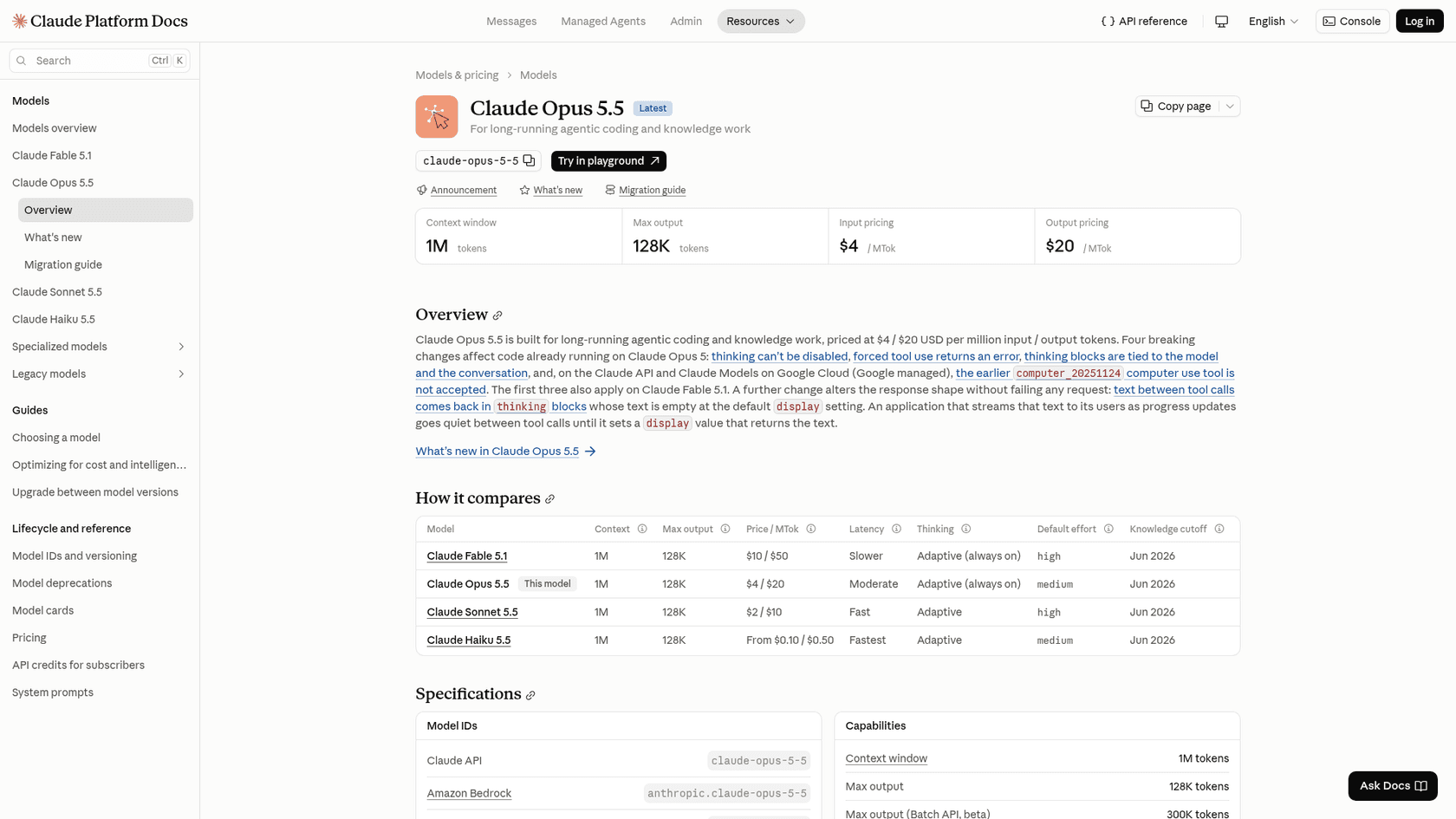
Opus 5.5 is the model which Carbon only just beat. On Artificial Analysis it scores 58.4 at max effort, one point behind Carbon's 59.4, and in Google's own table it still leads OSWorld-2.1 computer use at 87.2% to Carbon's 81.5%. Anthropic positions it for "long-running agentic coding and knowledge work".
The catch, in terms of money, is the bill. At max effort an AA task cost $10.04, the most on this list. Xhigh is the better trade: 57.0 for $6.05, which still beats Carbon on cost per task. Anthropic also notes that Opus 5.5 changed some API behaviour from Opus 5 (thinking cannot be disabled, forced tool use returns an error), so worth to check the migration guide before you swap it in.
"I've found its worse in most tasks, especially when ranked on a cost-per-task metric."
That reply was about Claude Fable 5.1 versus Opus 5.5, and it is a fair summary of why Opus, not Fable, is the Anthropic pick here.
Pros
- Closest raw score to Carbon you can actually buy.
- Prompt cache hits cost 5% of input ($0.20 per million), cheaper than the usual 10%.
- Also eligible for Anthropic's Cyber Verification Program if security is part of the job.
Cons
- Highest cost per task at max effort ($10.04).
- Made up answers 50% of the time at max effort on AA-Omniscience.
- Fast mode costs $8/$40, double standard.
Pricing
| Mode (per 1M tokens) | Input | Output | Cache read |
|---|---|---|---|
| Standard | $4.00 | $20.00 | $0.20 |
| Batch | $2.00 | $10.00 | n/a |
| Fast mode | $8.00 | $40.00 | n/a |
From Anthropic's pricing docs. More detail in my Claude Opus 5.5 pricing post.
My take: pick Opus 5.5 at xhigh if the work is hard and long, like agentic coding or deep research. For a support queue it is more model than most tickets need. My Claude Opus 5.5 review has the details.
4. Claude Sonnet 5.5
Best for: customer-facing writing and tool use where tone matters.
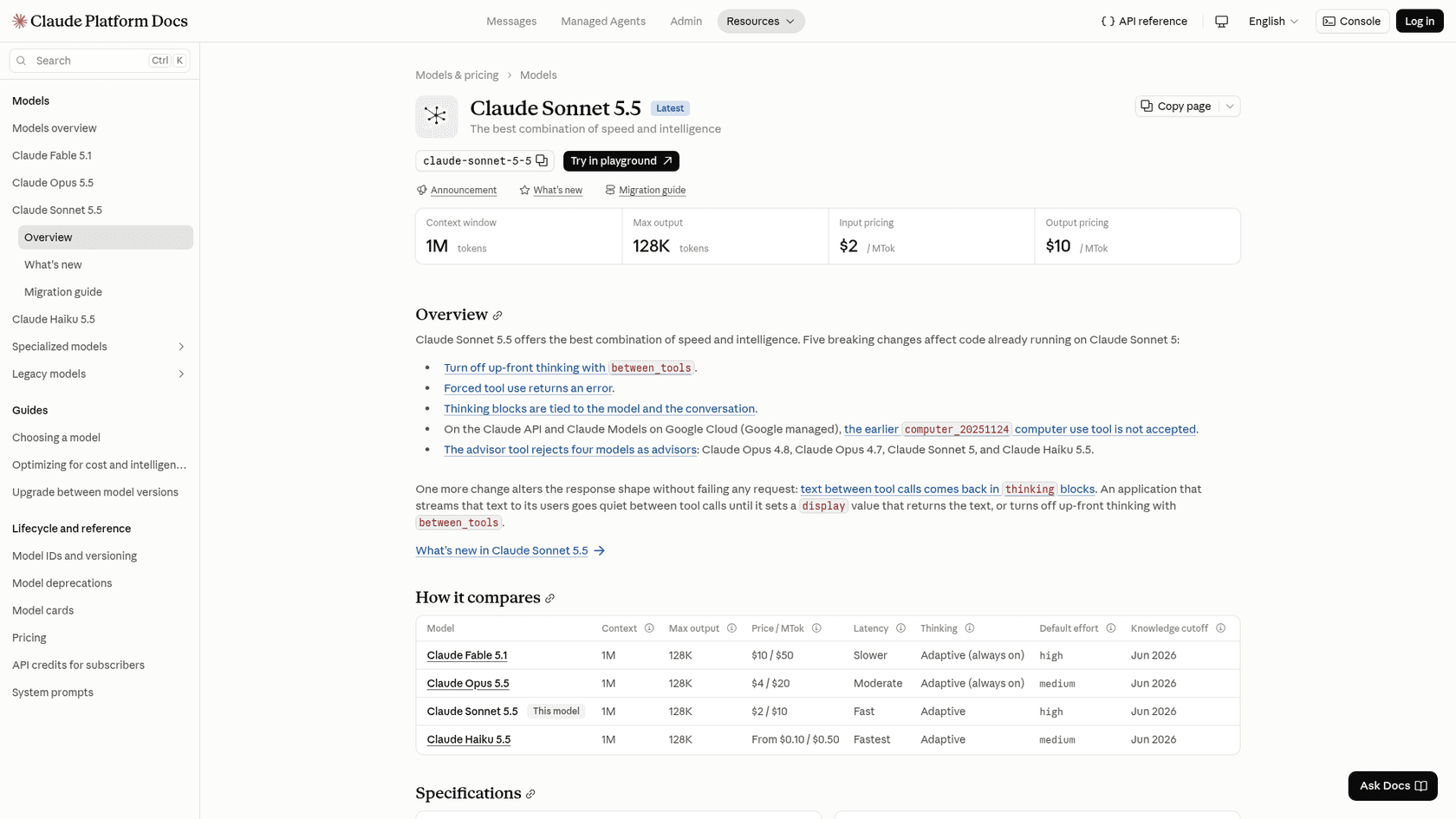
Sonnet 5.5 is the third model ChatGPT suggested, for "nuanced, high-quality customer conversations". Anthropic calls it "the best combination of speed and intelligence" in its lineup, at the same $2/$10 as Carbon's launch price.
The scores depends a lot on the effort. At max, Sonnet reaches 54.2 on Artificial Analysis, close to Sol, but that run cost $10.02 per task. At high effort it drops to 41.1 for $1.64. Its hallucination rate is the best of the Anthropic and OpenAI frontier models here at max effort (43%), and its AutomationBench score at max (71.8%) trails only the two Gemini 4 models and Kimi.
Pros
- Anthropic's middle model: faster than Opus 5.5 at half the token price.
- Cache hits at $0.10 per million, 5% of input.
- Same API and tools as Opus, so you can route between them.
Cons
- Max effort costs as much per task as Opus 5.5.
- The score drop from max to high effort is steep (54.2 to 41.1).
- No open weights, no self-hosting.
Pricing
| Mode (per 1M tokens) | Input | Output | Cache read |
|---|---|---|---|
| Standard | $2.00 | $10.00 | $0.10 |
| Batch | $1.00 | $5.00 | n/a |
From Anthropic's pricing docs. My Claude Sonnet 5.5 pricing guide breaks down effort costs.
My take: a strong default for support replies, run at medium or high effort with grounding. Skip max effort unless the task is hard. See my Claude Sonnet 5.5 review for more.
5. Kimi K3.1 Pro
Best for: long tickets, long documents and multi-step tool work at a frontier price card.
Kimi K3.1 Pro from Moonshot is kind of the quiet one in this list. It scores 46.0 on the Artificial Analysis index, below the others, but it posts the best long-context reasoning result in my comparison (86.3% on AA's long-context test, against Carbon's 79.3%) and 73.3% on AutomationBench. Its 37% hallucination rate is the lowest outside the Gemini 4 family.
It costs $3.68 per AA task, half of Carbon's, and it is the slowest model here at about 36 output tokens per second. For a support agent drafting replies in background that speed is fine, for live chat it is not.
Pros
- Best long-context score of the group.
- Second-lowest made-up answer rate among models you can buy.
- Same $2/$10 price card as Carbon's launch price.
Cons
- Slow output, so not a live chat pick.
- Lower headline score than the US frontier models.
- Open weights are not available yet, so it is API only for now.
Pricing
| Model (per 1M tokens) | Input | Output | Cached input |
|---|---|---|---|
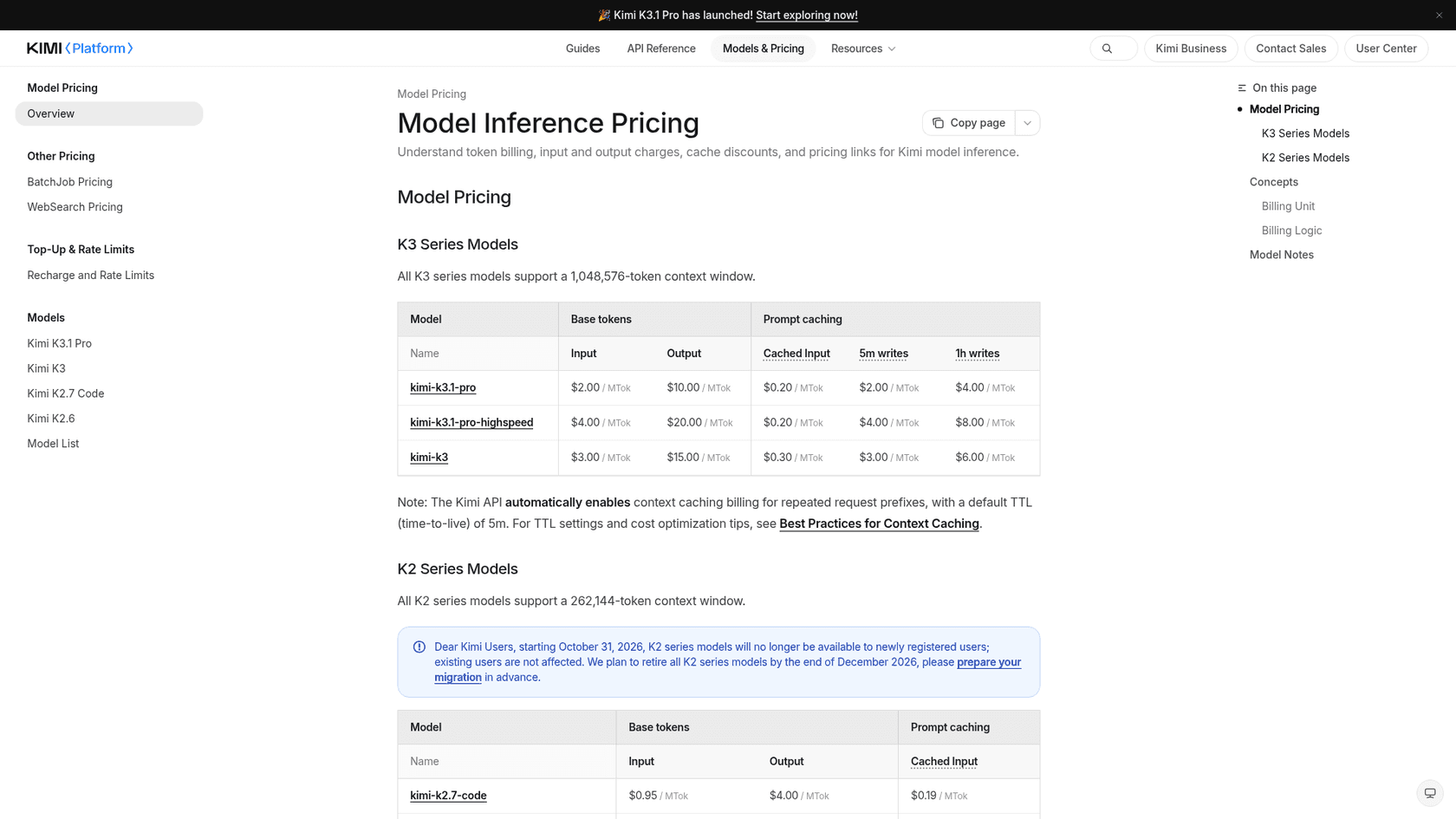
| kimi-k3.1-pro | $2.00 | $10.00 | $0.20 |
| kimi-k3.1-pro-highspeed | $4.00 | $20.00 | $0.20 |
From the Kimi Platform pricing page. My Kimi K3.1 Pro pricing post has per-task maths.
My take: worth a test if your tickets are long and messy, or your agent reads big documents. Use the highspeed tier if latency matters. More in my Kimi K3.1 Pro review.
6. DeepSeek V4.1 Flash
Best for: teams that need open weights, self-hosting, or the lowest bill per token.
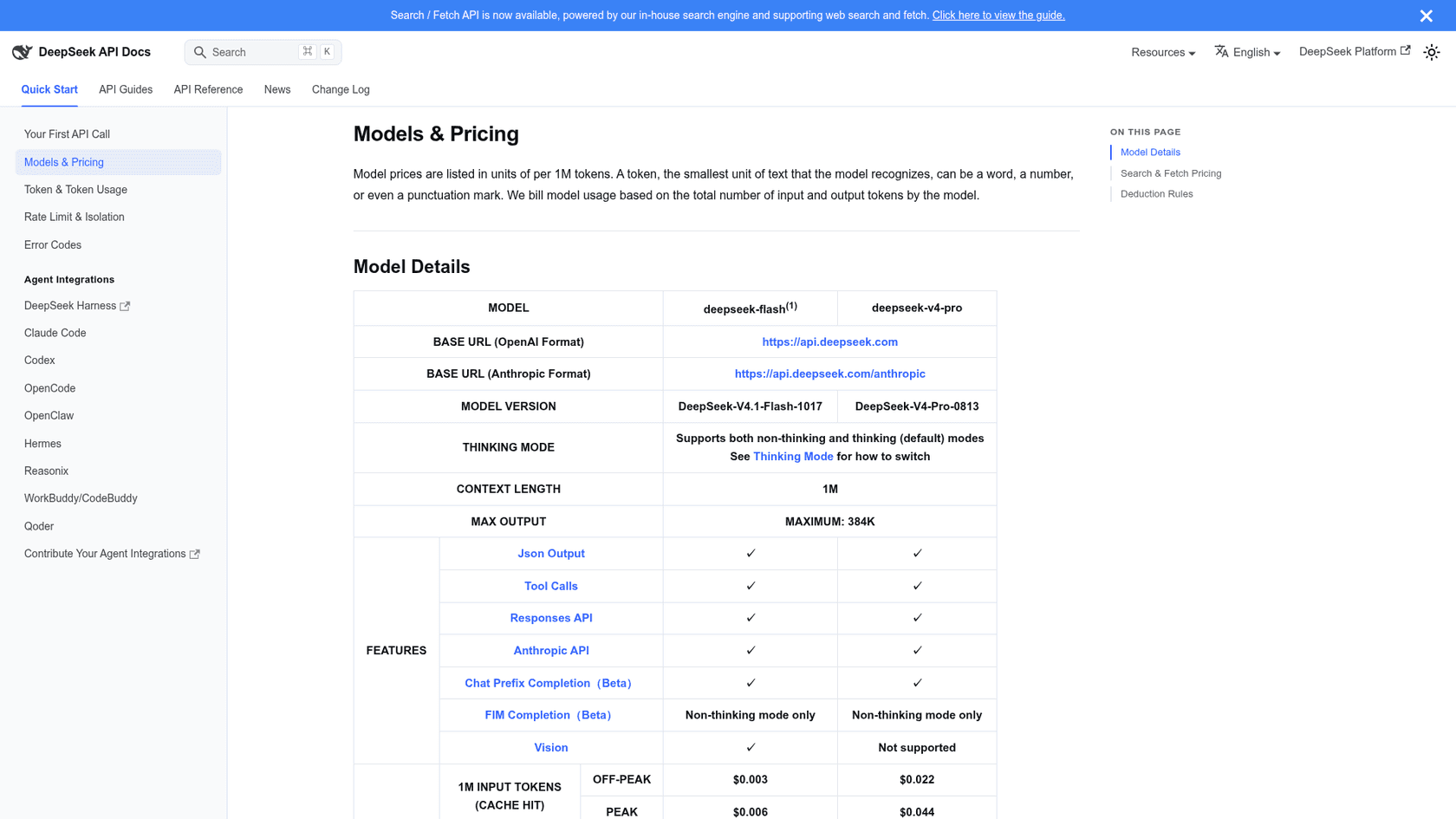
DeepSeek V4.1 Flash is the only model on this list with open weights, which matter if your data can't leave your own servers. On the API it runs at $0.15 input and $0.60 output off-peak, with peak hours (01:00 to 04:00 and 06:00 to 10:00 UTC on weekdays) at double that, per DeepSeek's pricing page.
It scores 32.5 on the Artificial Analysis index at max effort for $0.60 per task, and its hallucination rate is 64%. It is a capable and cheap workhorse, not a Carbon-class model, and it needs a firm guidance.
"I use DeepSeek too but it's more of a workhorse model, requires a lot more guiding and sometimes struggles to get where I want it."
Pros
- Open weights, so you can self-host.
- Cheapest frontier-adjacent API bill here, with cache hits at $0.003 per million off-peak.
- 1M context, 384K max output, tool calls and vision.
Cons
- Much lower score than Carbon (32.5 vs 59.4).
- 64% made-up answer rate, so it must be grounded.
- Peak-hour pricing doubles the cost on weekday mornings in Asia and Europe.
Pricing
| Per 1M tokens | Off-peak | Peak |
|---|---|---|
| Input, cache hit | $0.003 | $0.006 |
| Input, cache miss | $0.15 | $0.30 |
| Output | $0.60 | $1.20 |
DeepSeek's Search and Fetch APIs are $0.75 per 1,000 requests, with billing for server-side tool calls starting on November 1, 2026. My DeepSeek V4.1 Flash pricing post covers the peak schedule.
My take: pick it when self-hosting or cost per token is the constraint. Do not pick it as a Carbon replacement on quality. See my DeepSeek V4.1 Flash review.
7. GPT-6 Luna
Best for: a cheap first-pass model that sorts and answers easy tickets before a stronger model sees the rest.
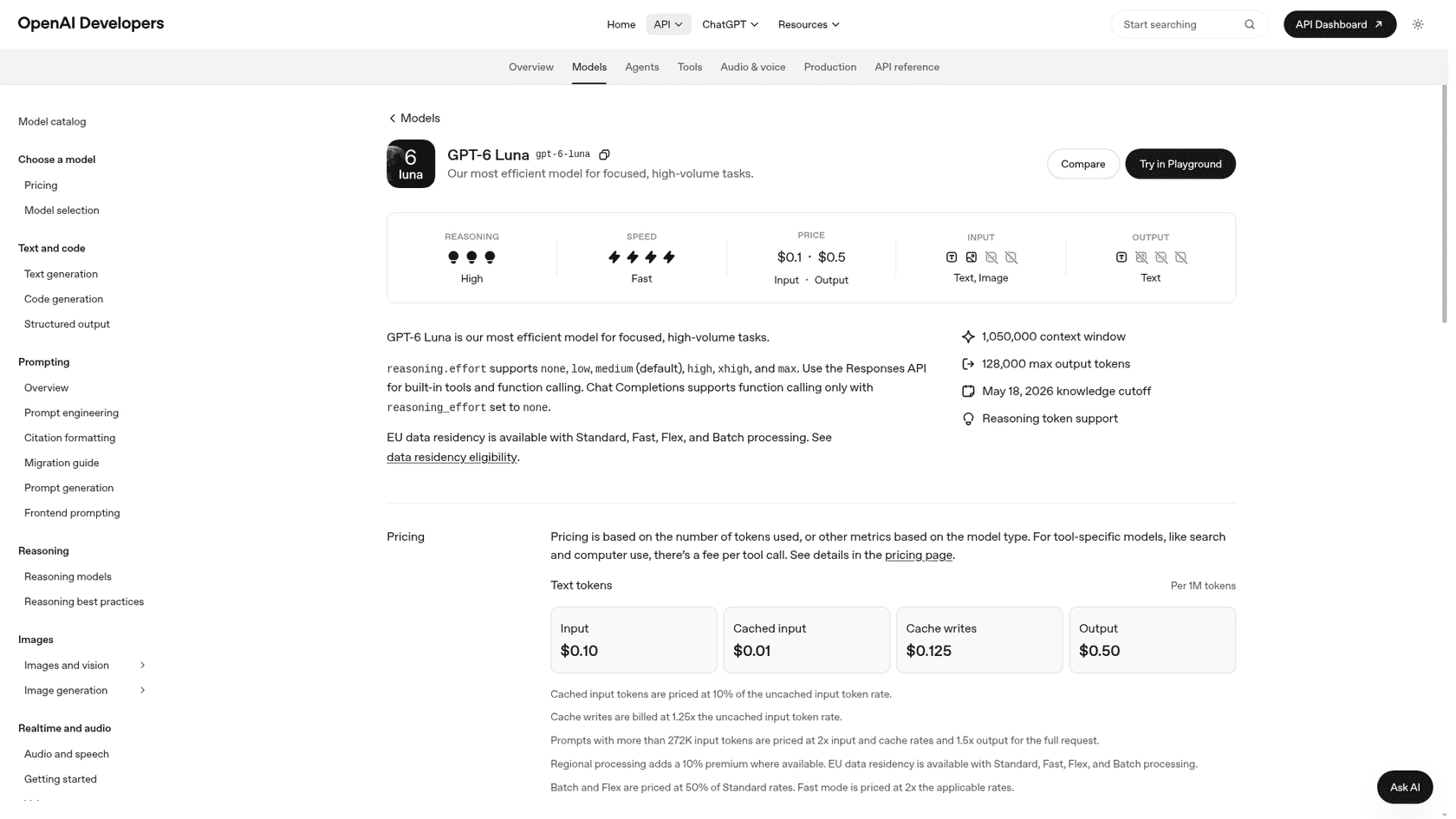
Luna is ChatGPT's fourth pick, for "high-volume, repetitive requests". OpenAI calls it its "most efficient model for focused, high-volume tasks", and at $0.10 input and $0.50 output per million tokens it is 20x cheaper than Carbon's launch price.
On its own it is not a Carbon substitute. Luna scores 27.8 on the Artificial Analysis index at max effort for $0.15 per task, and it made up answers 79% of the time on AA-Omniscience. Its job is the triage: tag the ticket, answer the order-status question from your data, and hand everything else up.
Pros
- Cheapest per task on this list.
- Fast, with a 1,050,000-token window.
- Same API as Sol, so routing between them is simple.
Cons
- Highest made-up answer rate here (79% at max effort).
- Not suited to anything that needs judgment.
- Text-only output.
Pricing
| Mode (per 1M tokens) | Input | Output | Cached input |
|---|---|---|---|
| Standard | $0.10 | $0.50 | $0.01 |
| Batch / Flex | $0.05 | $0.25 | $0.005 |
| Fast | $0.20 | $1.00 | $0.02 |
From OpenAI's pricing page. If you want a cheap triage model with fewer made-up answers, Claude Haiku 5.5 costs the same $0.10/$0.50 for prompts up to 100K tokens and scored a 34% hallucination rate at max effort.
My take: use Luna (or Haiku 5.5) as the cheap first layer, never as the only model. More in my GPT-6 Luna pricing breakdown.
What if you needed Carbon for actual security work?
Then don't settle for a general model, apply to a gated program instead, because general models block some of cyber work on purpose. There are three routes:
| Route | Model you get | How to get in | Cost |
|---|---|---|---|
| Google Fairwind | Gemini 4 Carbon | Interest form, background check, 650+ partners so far | Carbon's $2/$10 intro, then $4/$20 |
| OpenAI Daybreak | GPT-5.6-Cyber and Daybreak access tiers | Application; OpenAI is offering $1 billion in Daybreak credits for defenders | $12.50 / $75 per 1M for gpt-5.6-cyber on OpenAI's price card |
| Anthropic Cyber Verification Program | Claude Opus 5.5, Sonnet 5.5 and Mythos 5.1 with reduced cyber blocking | One application per organization; decision within seven business days | Standard Claude API prices |
Anthropic's program is the most easy to get into of the three. Its October 2026 update added three access tiers and calls Opus 5.5 its "most capable cyber model yet". Independent researchers, maintainers and bug bounty hunters can apply as individuals, though individuals only get the Defense tier for now. My GPT-5.6-Cyber alternatives post compares these programs in more depth.
Not everyone loves the gating:
"Too bad you won't be able to use it to secure your open-source projects. If you try it'll throw up a prompt telling you to use some initiative you can't use or afford while the provider collects the findings."
For the routine security tasks you may not need any program at all. Anthropic says its generally available models can still be used for secure code review, threat modeling, patching known issues and triaging security alerts.
Which Gemini 4 Carbon alternative should you pick?
Start from what you wanted Carbon for. The map below is how I would route the decision.
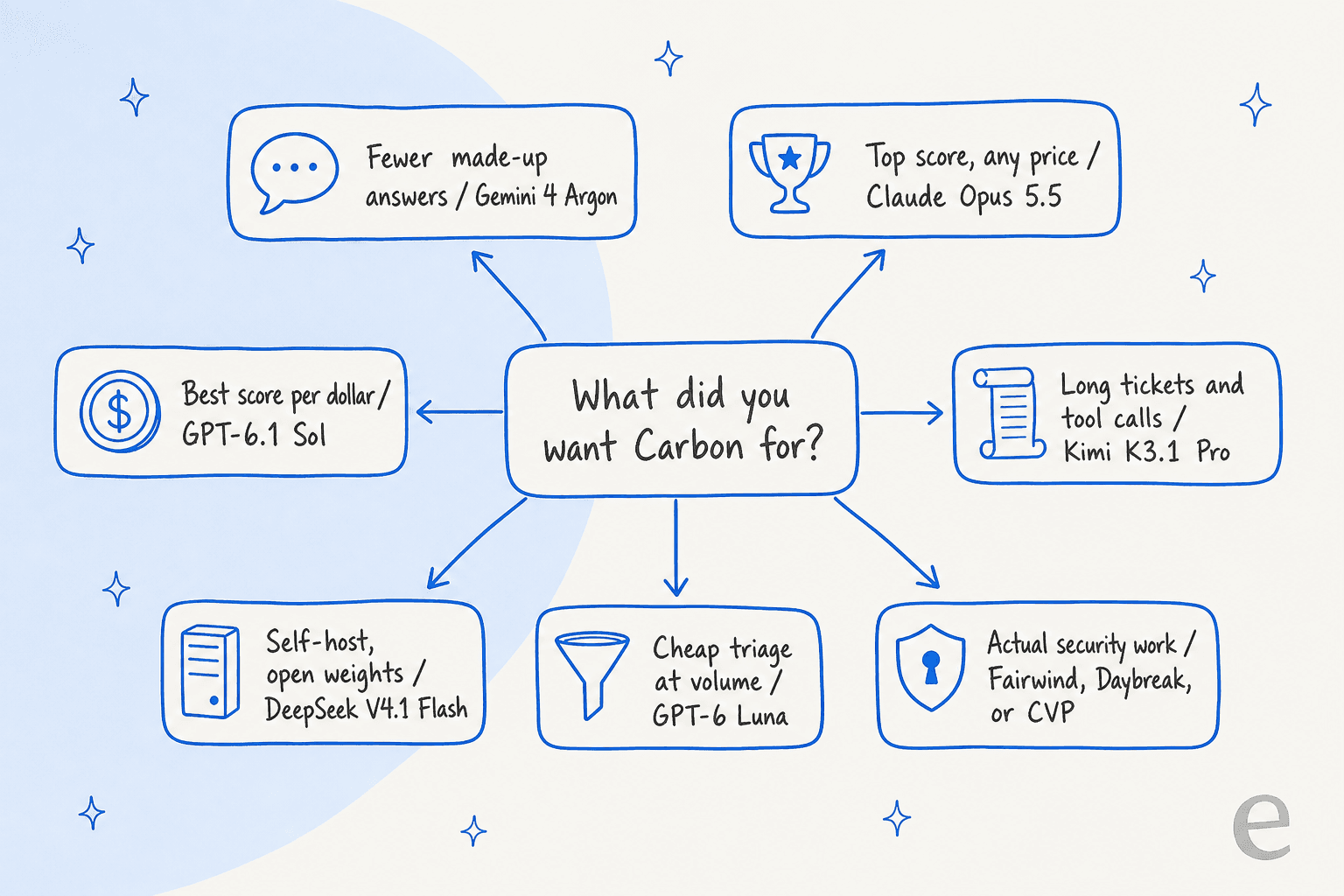
For most of readers the honest answer is a pair of models, not one. ChatGPT's two-model suggestion is right: a cheap model like Luna or Haiku 5.5 handles the easy, high-volume work, and a stronger one (Argon, Sol or Sonnet 5.5) takes the hard cases. Since five of these models cost the same per token, the stronger model choice comes down to cost per task and made-up answer rate, not the price card.
And one thing for saying plainly here: the gap between Carbon and Argon on a support queue is smaller than the gap between a grounded agent and an ungrounded one. All of these models invents answers when somebody asks them something your docs don't cover. The fix is the layer around the model, which is the part I actually work on.
How does this choice play out in a real support agent?
In eesel, the model is just one setting. The work that decides whether customers get right answers is what the AI teammate reads and what it is allowed to do. When a team connects their helpdesk, the agent learns from their past tickets, help center and internal docs, follows written rules for what to hand to a person, and gets simulated against historical tickets before it answers anyone live.
Two customers on Freshdesk show how it looks like. Qontro, an ERP software company, gets a draft reply with help articles already linked on every Freshdesk ticket, drafted 190 tickets in a month, and answers from 9,800 past tickets and help articles. SamCart runs an agent per channel, one on Freshdesk tickets and one on its website chat, with a plan sized for 8,000 interactions a month.
Neither of them needed a frontier security model. They needed an agent that says "let me get a person" instead of guessing. If you are weighing models for a support queue, my guide to the best support ticket model goes deeper on that trade, and so does the post on LLMs for customer support.
Try eesel
If you came here because you wanted Carbon inside a support agent, eesel is the shorter path. It is an AI helpdesk teammate that plugs into Freshdesk, Zendesk and other helpdesks, learns from your past tickets and help center, and is tested on your own ticket history before it replies to a customer. You get the model choice handled and the grounding that keeps any of these models from making things up.
You can see plans on the eesel pricing page, or Try eesel free on your own tickets.