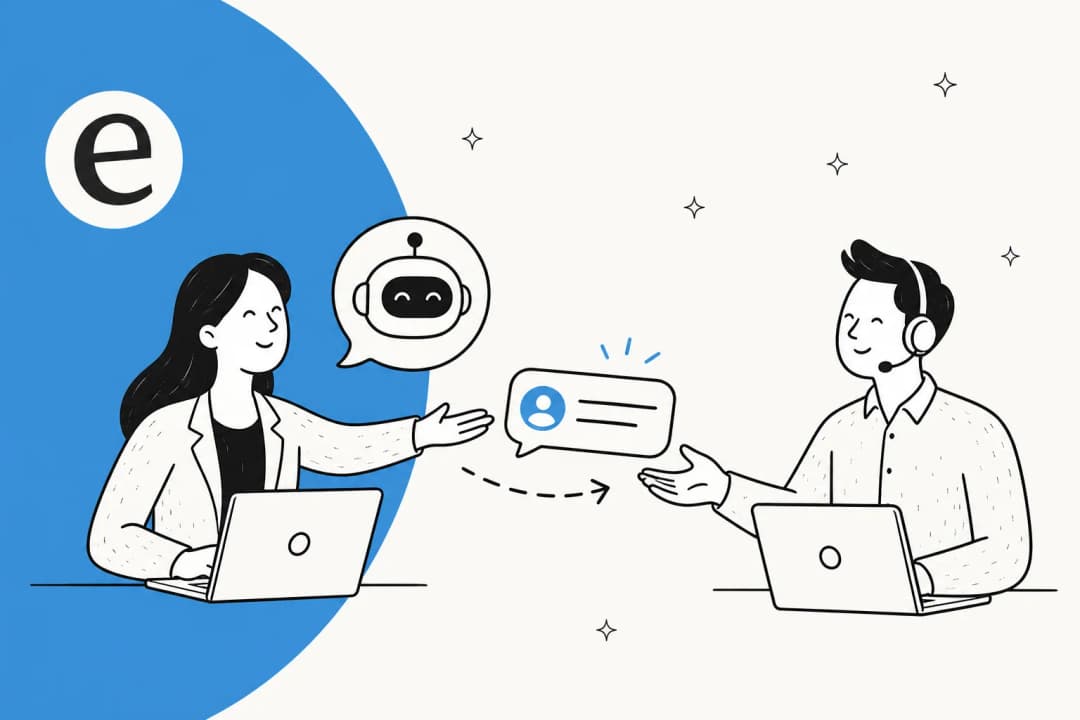


Pylon vs Plain at a glance
I have spent the last three-plus years putting AI agents on live support queues, so the first thing I do with any support platform is ignore the homepage and go read the pricing page and the docs. Here is where the two land side by side.
| Pylon | Plain | |
|---|---|---|
| Best for | Scaling B2B / AI-infra companies wanting one enterprise platform | Engineering-led startups wanting API-first support with clear pricing |
| Entry price | Not published (demo-gated); G2 lists ~$59/seat/mo Starter | $35/mo Foundation, published |
| AI billing unit | Not disclosed publicly | Credits, 50 credits = $1; Ari agent free |
| Free trial | No self-serve trial | 7 days, no card |
| Customer-facing AI agent | Support Agent (beta) | Ari, included free |
| Agent-facing AI | Assist + Background agents, Skills, MCP | Sidekick + Plain Support Skill |
| Channels | Slack, Teams, Discord, Telegram, WhatsApp, SMS, phone, email, portal | Slack, email, in-app; Teams on Horizon; Discord on Frontier |
| Issue tracking | Linear, Jira, GitHub, Asana, Shortcut | Linear + Jira from the cheapest paid plan |
| Security | SOC 2 Type II, ISO 27001, ISO 42001, GDPR, HIPAA BAA (Enterprise) | "Advanced security", SSO + SCIM on Frontier |
| Funding / scale | $51M+ raised, 1,500+ customers | Earlier-stage, developer audience |
| G2 rating | 4.7 / 5 (111) | 4.5 / 5 (27) |
The rest of this post walks each dimension in the order a buyer actually cares about: what each one is, what they cost, how the AI works, and who should pick which.
What Pylon is
Pylon calls itself "the agentic support platform" and says it is "the only agentic support platform purpose-built for B2B." That B2B framing is the whole product. Instead of treating each message as an isolated ticket, the way a traditional AI ticketing system would, Pylon rolls every conversation up into an account, which is the right shape when one customer spans a Slack Connect channel, three contacts, and one contract. Its logo wall reads like a directory of modern engineering companies: Cognition, Linear, Baseten, Together AI, LangChain, Retool and incident.io, with a claimed 1,500+ B2B customers.
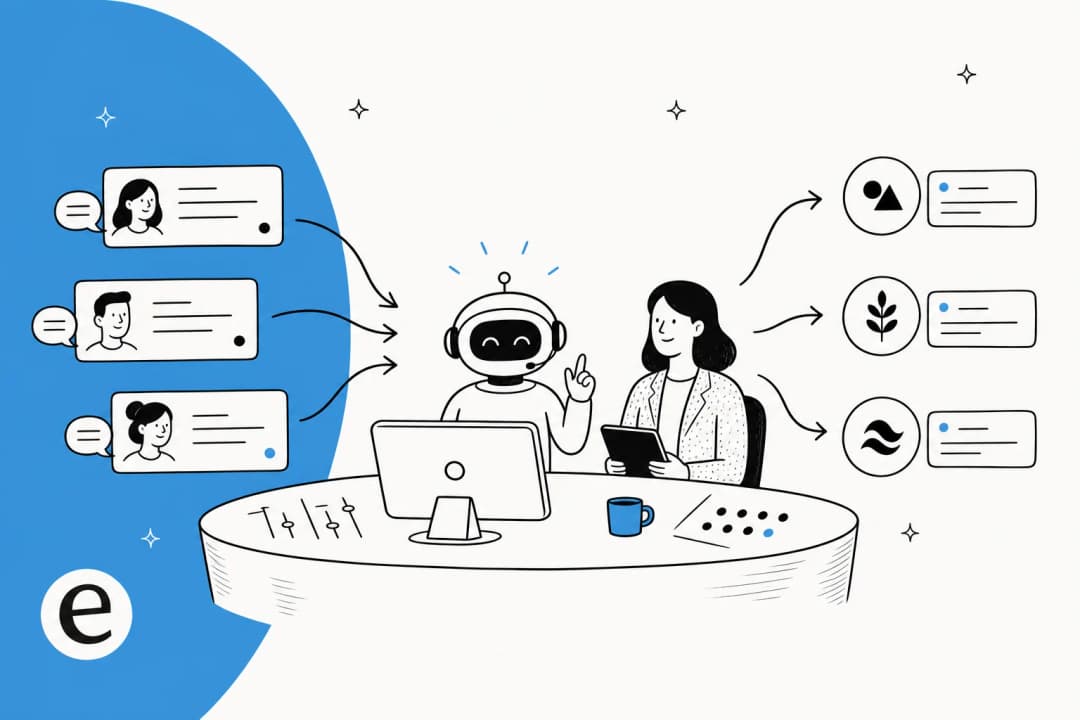
The pitch Pylon leads with is "stop doing the work, start directing agents." A support person becomes an orchestrator: you point agents at an issue and they investigate across your systems while you keep judgment, closer to an AI copilot than a rigid rule-based chatbot. Under that sits an intelligence layer built from conversations, CRM, product usage, logs and code, exposed to both Pylon's agents and your own team via MCP. Mike Sholkov, Head of Support Engineering at Cognition, is the named testimonial: "Pylon's AI agents handle the repetitive work that used to consume my day, so I can spend more time on the work that actually needs me."
Founded in 2022 in San Francisco and backed by Y Combinator, Pylon has raised over $51M, including a $17M Series A from Andreessen Horowitz and a $31M Series B co-led by a16z and Bain Capital Ventures. That money shows up as enterprise hardening: it is the more certified, more omnichannel, more sales-led of the two.
What Plain is
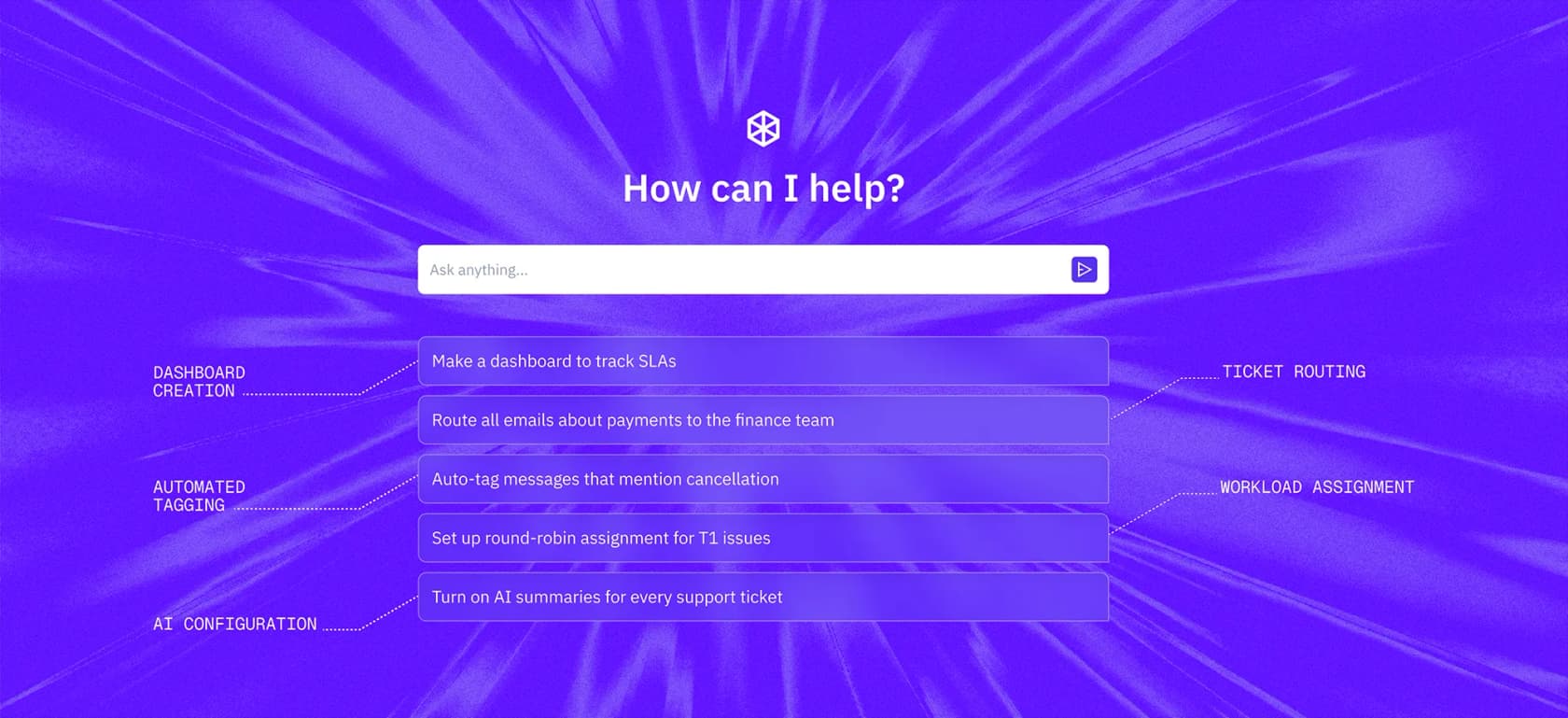
Plain describes itself as "support for teams that ship," and the legal entity name gives away the attitude: "Not Just Tickets Ltd." Where Pylon sells account intelligence, Plain sells support infrastructure: connect every channel, orchestrate conversations across AI and humans, and stay inside one API-first workspace. It is a leaner take on AI customer service software aimed squarely at engineers. The building blocks it names are channels, an assistant, agents, workflows, insights, and an API, in that order, which tells you who it is built for.
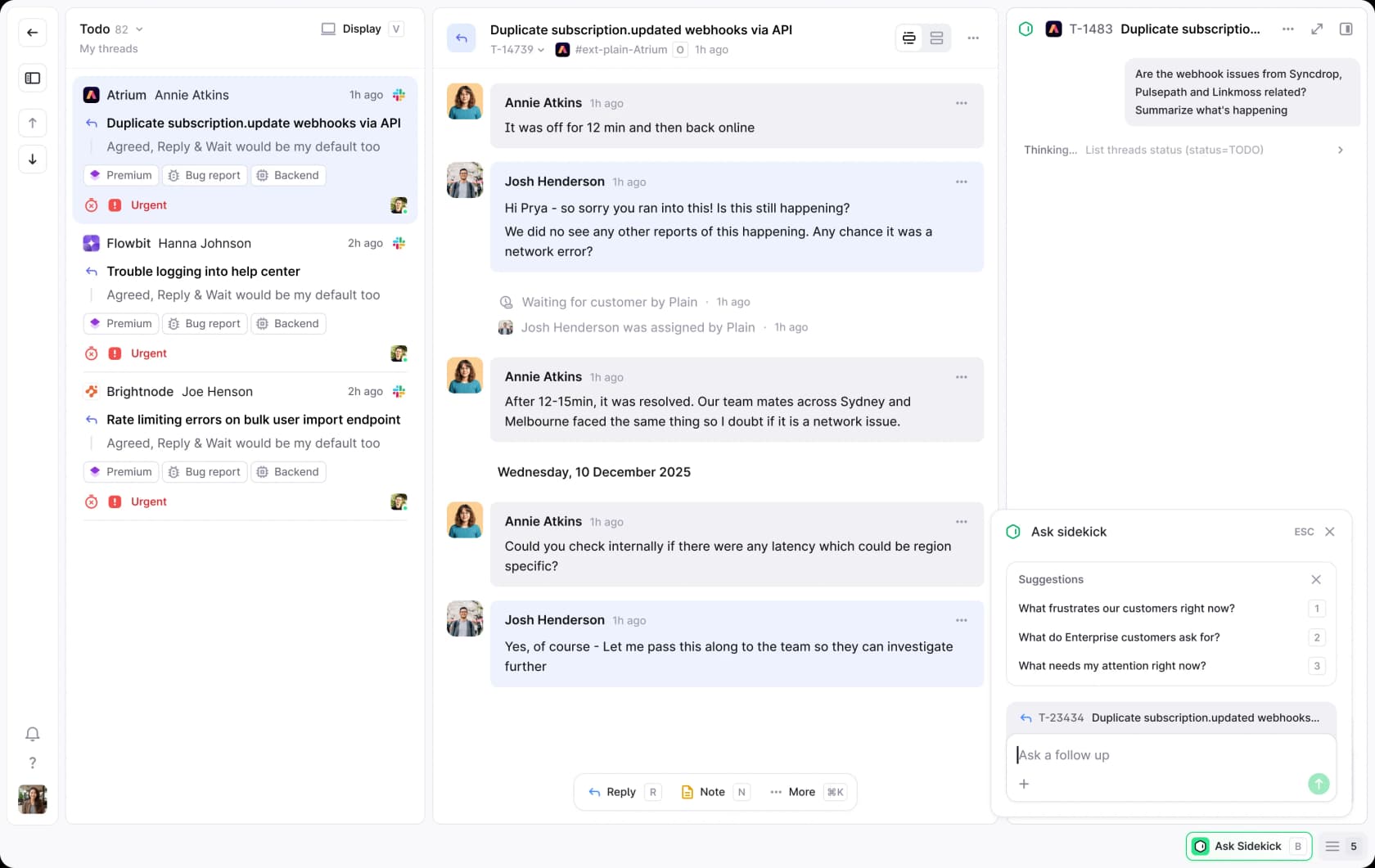
Plain's AI comes in two clearly separated pieces plus an open skill. Ari is the customer-facing agent that replies autonomously on threads assigned to it, with no flow builder to configure: "turn Ari on, point it at your knowledge, and it starts answering." Sidekick is the team-facing assistant that reads a whole thread, reaches into connected tools, and takes low-risk actions automatically while waiting for approval on anything irreversible. The third piece is the Plain Support Skill, an open agent skill that lets external coding agents like Claude Code, Codex or Cursor read and write a Plain workspace over its GraphQL API. That is a very Plain thing to ship, and a good signal of its audience.
The trade Plain makes is honesty over polish: it is earlier-stage and leaner, but it publishes its prices, offers a real free trial, and does not make you sit a demo to learn what it costs.
Pricing: the biggest single difference
This is where the two really diverge, and it is the section most buyers came for.
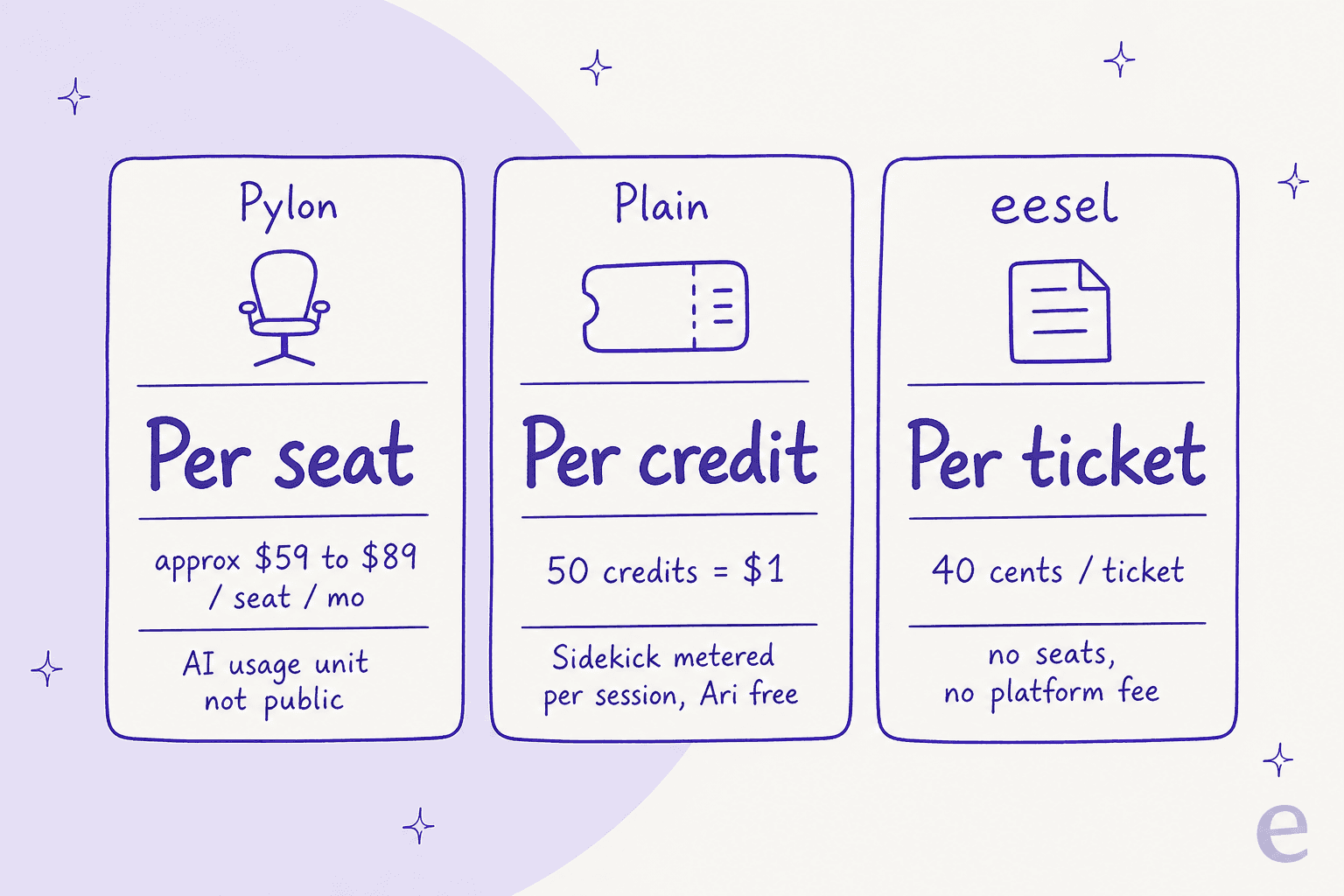
Pylon does not publish pricing. Its pricing page is a form that says "schedule a personalized 30-minute demo," with no tiers and no AI billing unit anywhere on the site. The one number you can actually check is on its G2 profile, where Pylon-provided seat pricing shows Starter at about $59/seat/month and Professional at about $89/seat/month. If you are trying to model AI support cost savings, that opacity is a real planning tax. What that seat price does not tell you is how the AI agents are metered, because Pylon does not state a per-resolution or per-conversation rate publicly. You find that out on the call.
Plain publishes everything. Here is the live table.
| Plan | Price (billed yearly) | Seats | AI credits/mo | Notable adds |
|---|---|---|---|---|
| Foundation | $35/mo | 1, then +$35/seat | 2,000 | Slack/email/in-app, Ari agent, Linear + Jira, KB, Sidekick |
| Horizon | $299/mo | 3, then +$99/seat | 15,000 | Microsoft Teams, SLAs, escalation paths, CRM integrations |
| Frontier | Custom | Custom | Custom | Discord, Lookup with Cursor, SSO + SCIM, BYO agent |
Source: Plain pricing and the plans help doc. Credits are the AI unit, and Plain is refreshingly exact about the conversion: 50 credits = $1. Only Sidekick (the team assistant) consumes credits, metered per session; Ari, the customer-facing agent, is free to use today. Viewer seats are free on every plan, and there is a 50% startup discount.
One honest catch on Plain: it tells you upfront that it cannot forecast Sidekick usage before you build a workflow. Each session costs a 5-credit floor plus 1.2x the underlying model spend, and you measure it on a few real threads and divide. It is transparent, but it is still a meter you have to watch.
A worked example at five seats
Say you run a five-person B2B support team. On Plain's Horizon plan that is $299 for the first three seats plus two more at $99, so about $497/month, with 15,000 Sidekick credits (worth $300 of usage) included and Ari free on top. On Pylon's listed Professional price that is five seats at $89, so about $445/month, plus an AI usage charge at a rate you have to get from sales, plus custom reports that reviewers note are gated to higher plans. The sticker numbers are close; the difference is that you can model Plain today and you cannot fully model Pylon without a call.
How the AI agents compare
Both platforms are betting on agents, but they cut the work differently, and it helps to know what a good AI helpdesk agent should actually do before you judge either.
Pylon ships a family of agents rather than one bot, and the docs flag them as beta. There is an Assist Agent (a human-in-the-loop copilot that drafts and proposes actions for a teammate to approve), Background Agents that fire on a trigger or webhook and investigate asynchronously, a customer-facing Support Agent, and reusable Skills that teach every agent how your team handles a workflow. An out-of-the-box investigate skill runs on every new issue to pre-investigate before a human arrives.
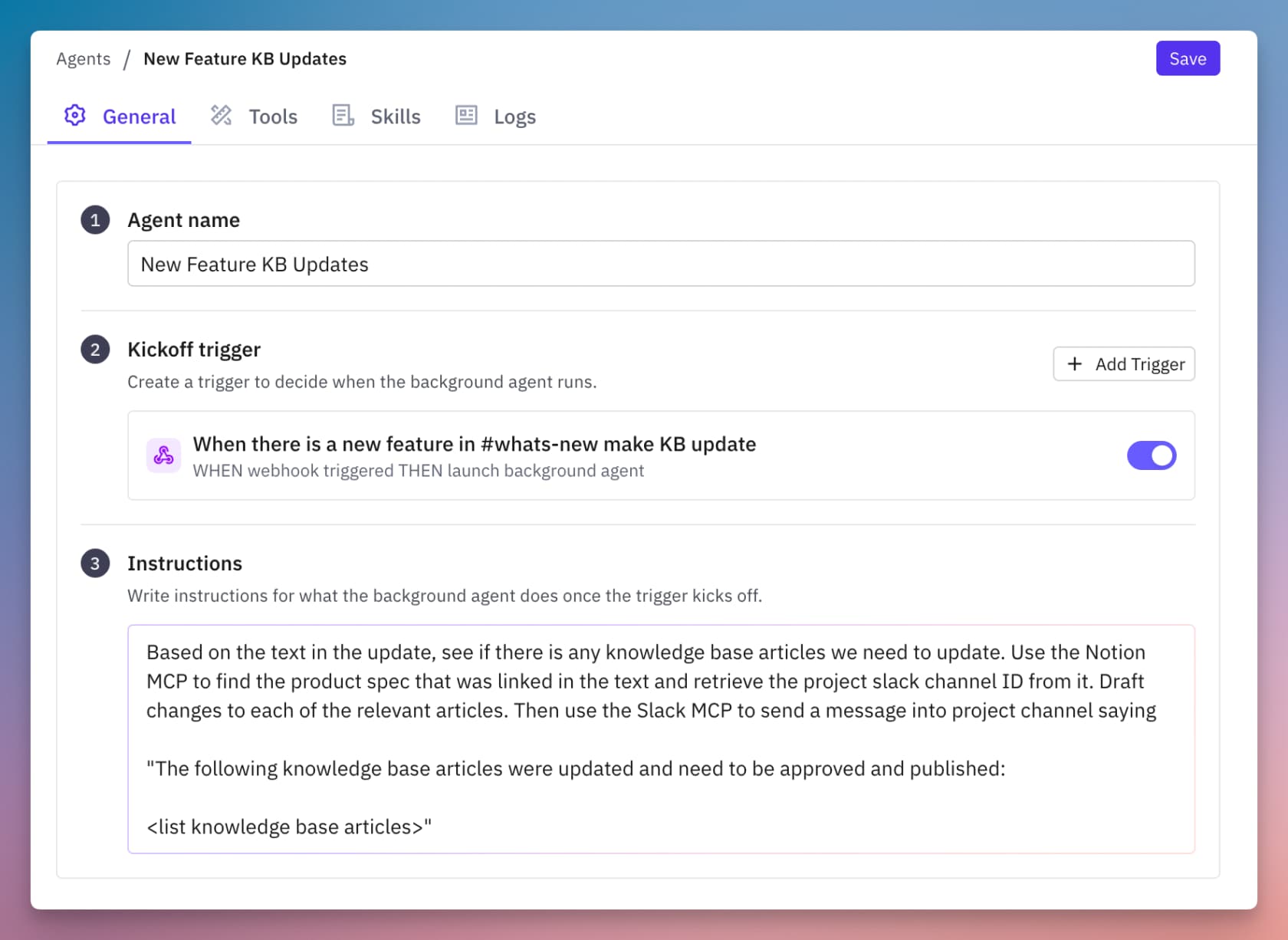
Plain keeps it to two named agents with a clean split: Ari talks to customers, Sidekick works for the team, and you can bring your own agent alongside them. There is no decision tree to build for Ari, which is either a feature or a limit depending on how much control you want.
A myth worth correcting: both tools let you test before you commit. Pylon's Support Agent has a Test page with a Custom Chat playground and the ability to run the agent against past issues as a historical backtest. So neither is flying blind, though the depth and how the results read back differ. This matters more than any feature checkbox, because a confident-sounding bot that quietly gives wrong answers is the failure mode that actually hurts. I have watched exactly that happen on live queues, which is why I trust a platform far more when it can dry-run against real history rather than a handful of scripted questions.
One accuracy note for buyers reading marketing pages: Pylon's homepage lists PostHog, Mixpanel and LaunchDarkly under product analytics and feature flags, but its integrations catalog does not carry native connectors for them. That product data reaches agents indirectly through the data warehouse (Snowflake, BigQuery, Redshift, S3), a custom API tool, or MCP. It works, it is just not a first-party click-to-connect.
Channels, integrations, and the developer story
Both are Slack-first, which is why they show up together on Slack AI shortlists rather than generic AI for customer service roundups. From there Pylon casts the wider net across its omnichannel roster: Slack, Teams, Discord, Telegram, WhatsApp, SMS and phone, plus a chat widget, email, ticket forms, a customer portal and an API, all rolled into structured issues per account. Its CRM story is deeper too, with Salesforce, HubSpot, Pipedrive and Attio, and a full integrations catalog spanning Gong, warehouses, and incident tools.
Plain is leaner by design. Slack, email and in-app come on Foundation, Teams arrives on Horizon, and Discord on Frontier. What Plain does that Pylon does not is treat the API as the product surface, not an afterthought, and the Plain Support Skill for coding agents is the clearest expression of that. If your team thinks about support the way it thinks about infrastructure, that resonates.
Worth naming plainly: on the community side, Pylon reviewers repeatedly flag that its own API is thin, with one calling it "practically useless in a lot of usecases" for queries it cannot express. So the two have almost mirror-image developer stories: Pylon is broad on channels but narrower on API, Plain is narrower on channels but deep on API.
Security and scale
If you are selling into enterprises, this section may decide it. Pylon publishes a detailed security page: SOC 2 Type II, ISO 27001:2022, ISO 42001:2023 (the AI management standard), GDPR with a DPA on request, and a HIPAA BAA on the Enterprise plan. It runs on AWS with US and EU data residency, zero-retention agreements with its AI providers, SSO via SAML, and SCIM. That is a mature posture, and it matches the funding and the customer list.
Plain confirms far less publicly. Its pricing page lists "advanced security" plus SSO and SCIM on the custom Frontier tier, but I could not confirm named certifications from a trust page, so treat that as unverified rather than absent. For a well-funded buyer with a procurement checklist, that gap is real; for a startup shipping fast, it may not matter yet.
What users actually say
The community read lines up with the positioning, and it is worth weighing real AI vs human support trade-offs behind these quotes. On Pylon, the loudest praise is Slack velocity. A founder narrating a real vendor bake-off put it well:
"Getting close to 200 customers we needed to manage our customer support Slack channels better and we picked @usepylon for a non-obvious reason. Product velocity. When we evaluated vendors few months ago... Thena, Unthread, Pylon - similar features, not enough value. This time it was different... Pylon made an AI leap."
The recurring Pylon gripe is maturity: no mobile app and reporting that reviewers find hard to set up, which matters if you track AI customer service metrics closely. One mid-market reviewer summed both up: "there's no mobile app, and the browser experience is challenging on a phone... some of the features aren't as completely thought out as they could be." It ships fast, and fast cuts both ways.
Plain's reviews skew to a smaller but happy technical crowd. On G2 it sits at 4.5/5 across 27 reviews, and the praise is about how little onboarding it needs. A support engineer wrote that Plain is "really self-explanatory, on my first day... I didn't need an onboarding." An unprompted Hacker News recommendation matched it:
"Not a founder but our support org is a huge fan of Plain (plain.com) which has some AI features but is mostly a great way to manage both Slack and Email support in one place."

Plain's complaints are small-tool complaints: limited search inside past threads, buggy rich-text formatting, and a missing Notion integration. Nothing structural, just the edges of a young product.
Which should you pick?
Here is the honest decision, drawn straight from the research above.
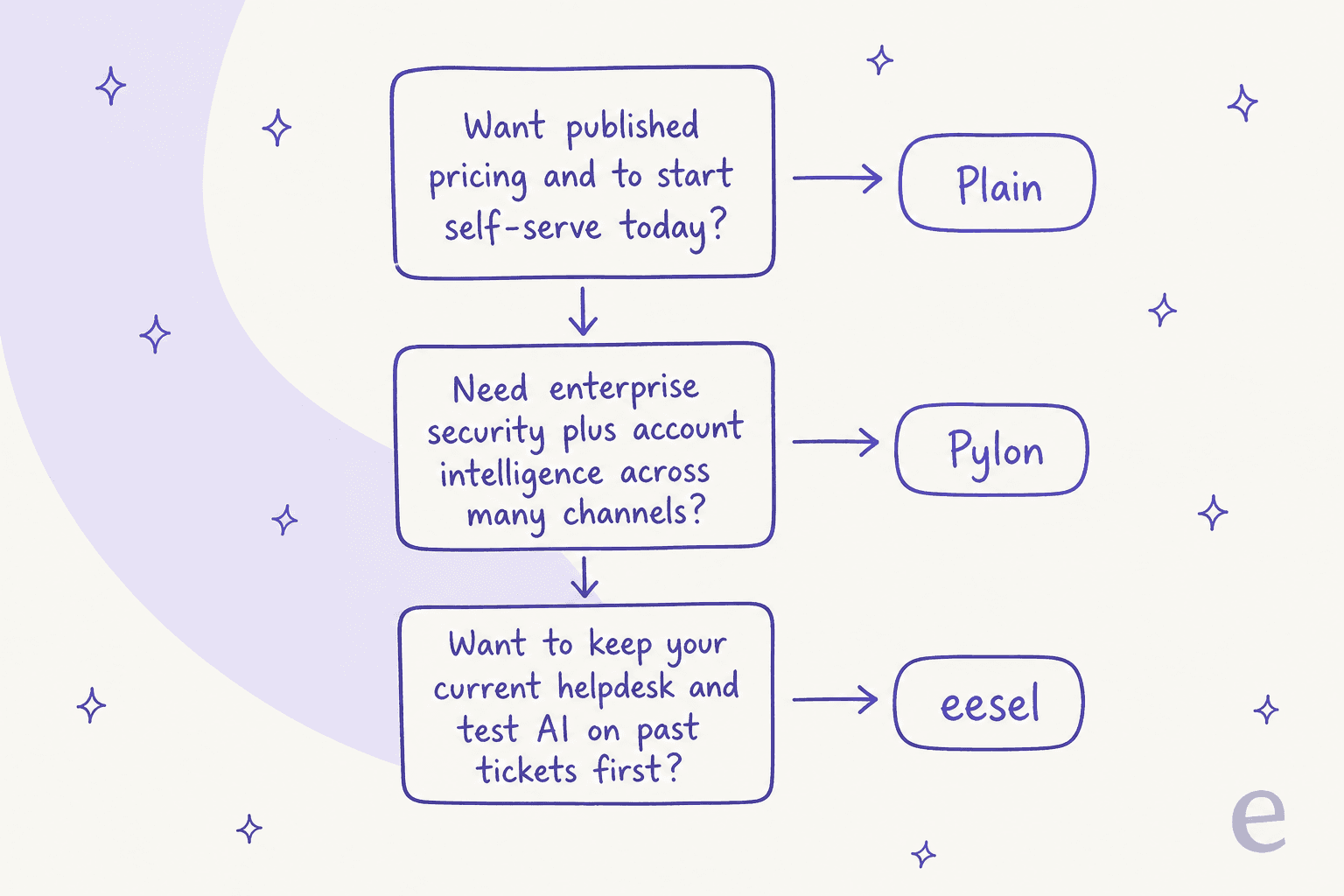
- Pick Pylon if you are a scaling B2B or AI-infrastructure company, you want one platform running every channel with account intelligence and MCP access to your data, and you need the certifications for enterprise deals. You will have to sit a demo to get pricing, and you should ask hard about the AI billing unit and mobile support.
- Pick Plain if you are an engineering-led startup that ships software, you want published pricing and a self-serve trial today, and an API-first design with a coding-agent skill is what excites you. It suits an AI support scaling plan for a young team; just budget for Sidekick credits as usage grows.
But notice what both choices assume: that you are ready to adopt a new support platform. Plenty of teams reading a "Pylon vs Plain" comparison actually just want much better AI on the support they already run, and neither of these gives you that without a migration.
Try eesel
That is the gap eesel fills. eesel is an AI teammate platform, and you hire ready-to-work teammates for specific jobs. The relevant one here is the AI helpdesk teammate: instead of replacing your stack, it plugs into the helpdesk you already run (Zendesk, Freshdesk, Gorgias, Help Scout) or into Slack, learns from your past tickets and docs, and joins the queue to draft or send replies.

Three things make it a real third option next to Pylon and Plain. First, pricing is 40 cents per ticket with no platform fee, no per-seat fees and no minimum, so a team handling 1,000 AI-touched tickets a month pays about $400, flat and predictable, with none of Pylon's demo gate or Plain's credit math. Second, you can simulate the teammate on your real historical tickets before it replies to anyone, so you see the resolution rate before you commit rather than after. As one build-vs-buy customer, Karel at GENERAL BYTES, put it: "we could try to write our own LLM application but we didn't want to invest our time into that. We wanted something that we would not have to maintain."
Third, for the technical teams choosing between Pylon and Plain, eesel speaks your language too. There is a public eesel CLI that drives the same teammate and workspace from a terminal: a person can run it by hand, scripts can automate it, and coding agents like Claude Code, Codex and Cursor can operate it through it and eesel's MCP server. So if the Plain Support Skill or Pylon's MCP layer is what draws you in, eesel gives you the same agent-friendly, headless control over an AI teammate, without asking you to move your helpdesk first. You can start free, no credit card and no sales call.
Frequently Asked Questions
What is the main difference between Pylon and Plain?
How much does Pylon cost?
Is Plain cheaper than Pylon?
Do Pylon and Plain both work in Slack?
What is a good Pylon or Plain alternative?


Article by
Rama Adi Nugraha
Rama is a software engineer at eesel AI with two years of experience writing about B2B SaaS, AI tools, and customer support technology. Based in Bali, Indonesia, he brings a developer's perspective to product comparisons — cutting through marketing copy to what the integrations and APIs actually do.