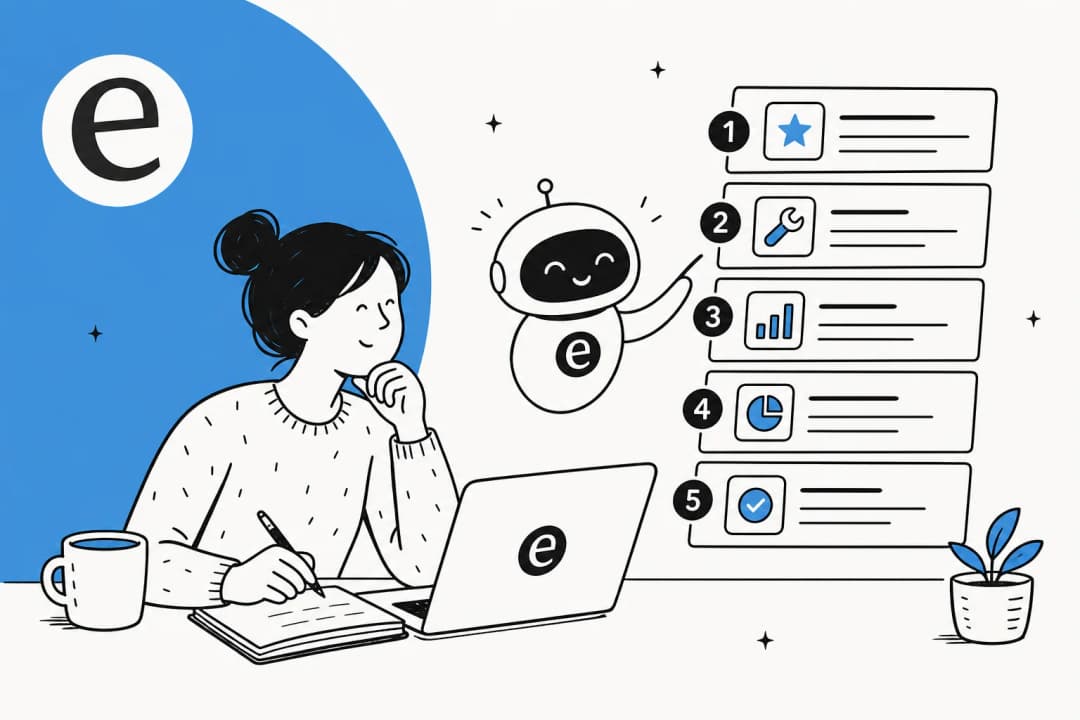


So, can AI write an ebook?
I've spent the last couple of years mapping keywords to the questions people actually type, and at eesel the AI blog writer is our own content engine, so I've watched a lot of long-form get drafted from real knowledge bases. "Can AI write ebooks" is one of those searches where the literal answer (yes) hides the answer people actually need (it depends on how you use it).
So let's split the question. "Writing an ebook" isn't one job, it's about eight, and AI is excellent at some and hopeless at others. Here's the honest breakdown of what an AI content writer handles versus what stays on you.
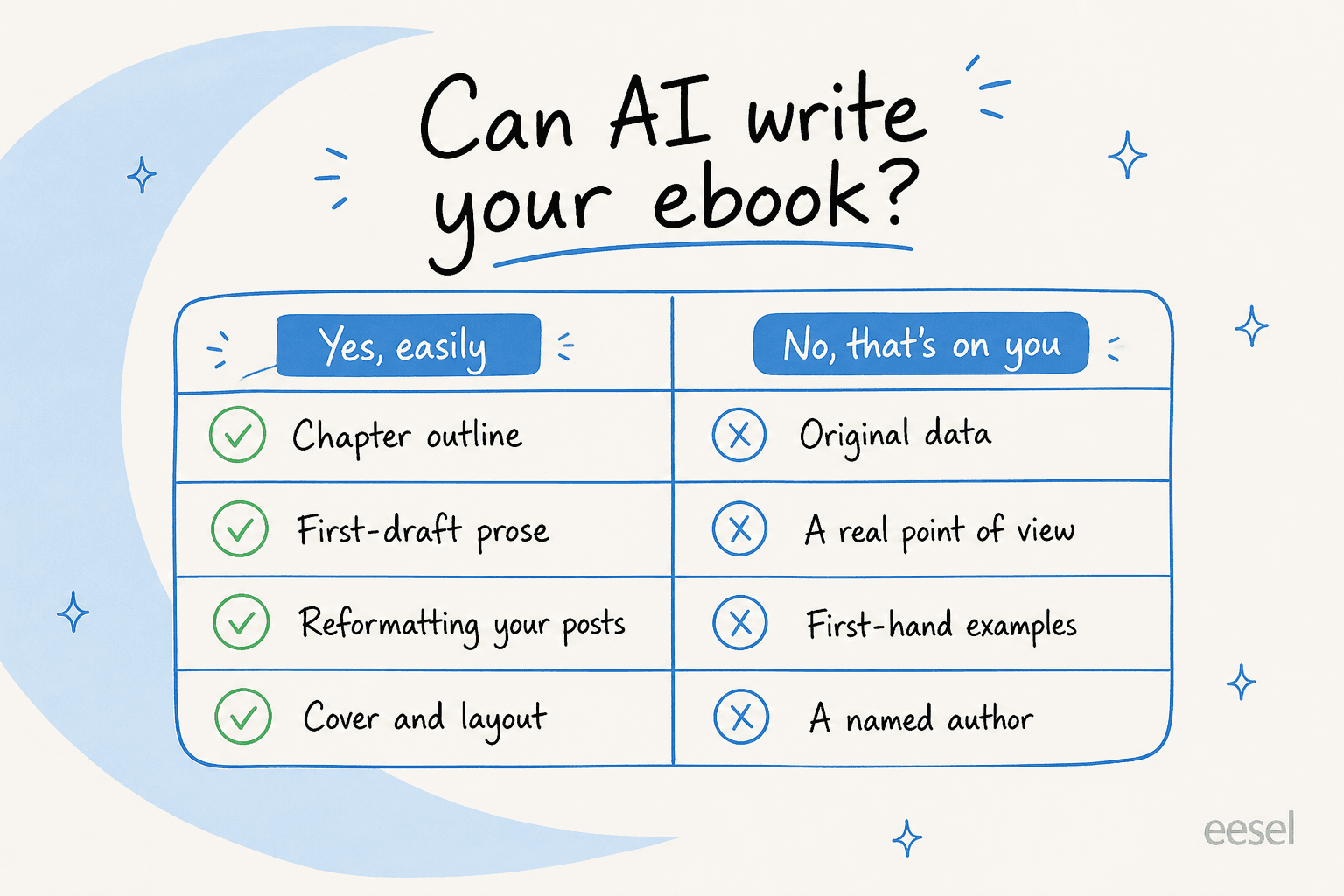
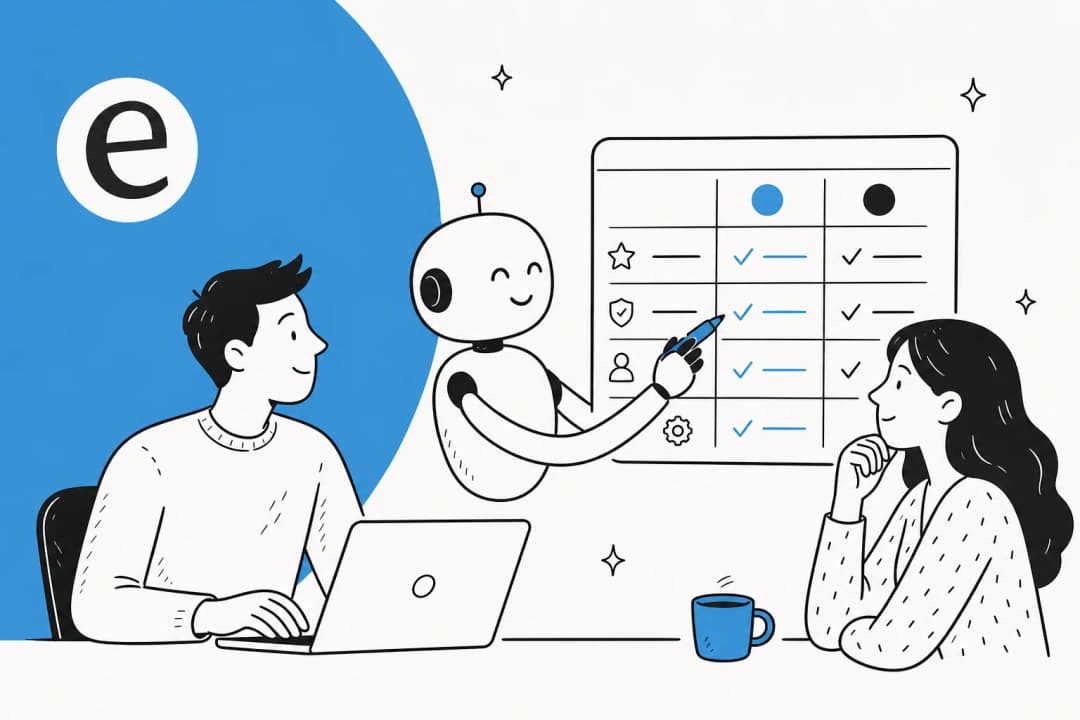
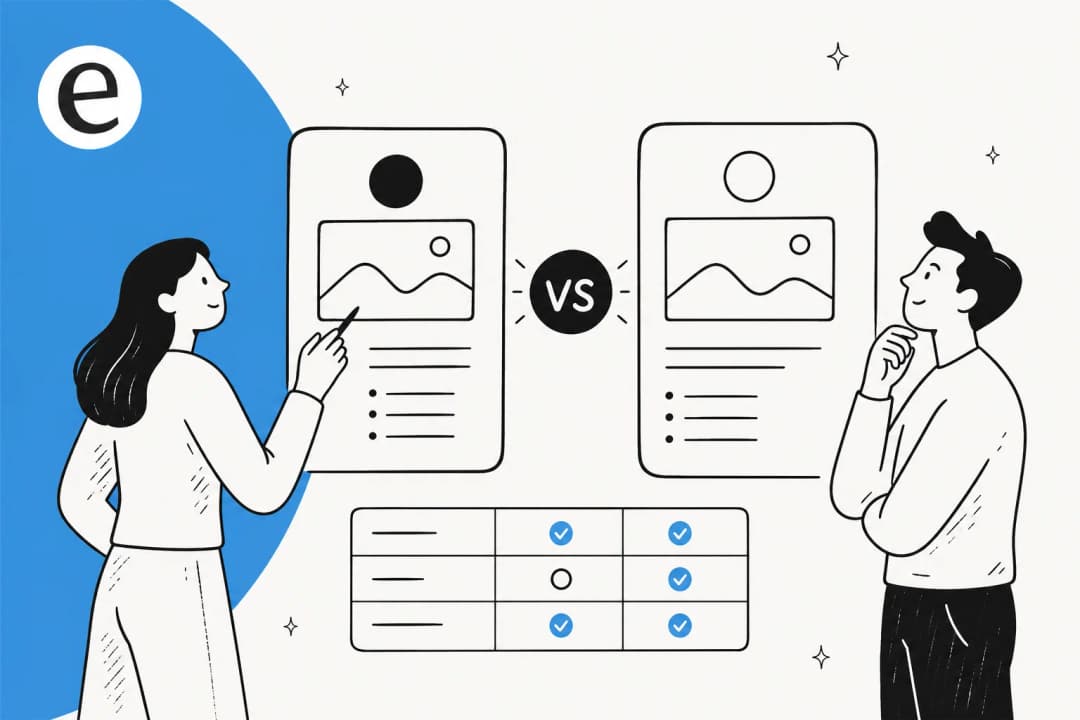
The left column is real, and it's a lot. AI drafts a coherent outline, writes clean first-pass prose, reformats your existing posts into a designed PDF, and even generates the cover. That's most of the labour of making an ebook, and it genuinely collapses a week into an afternoon.
The right column is the part the tool's landing page skips. AI can't produce the original data only your team has, the opinion a model would never risk, the example from a real project, or a named author who stands behind the work. Length is the one thing these tools find trivial, and the one thing a good ebook needs least.
What AI is genuinely good at here
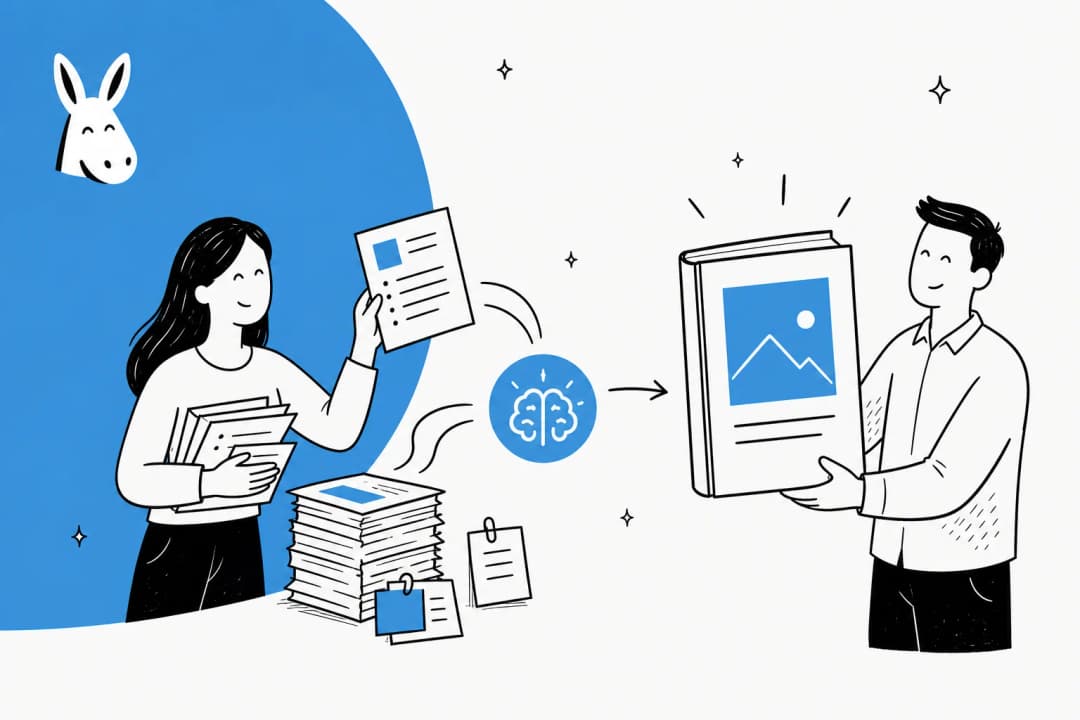
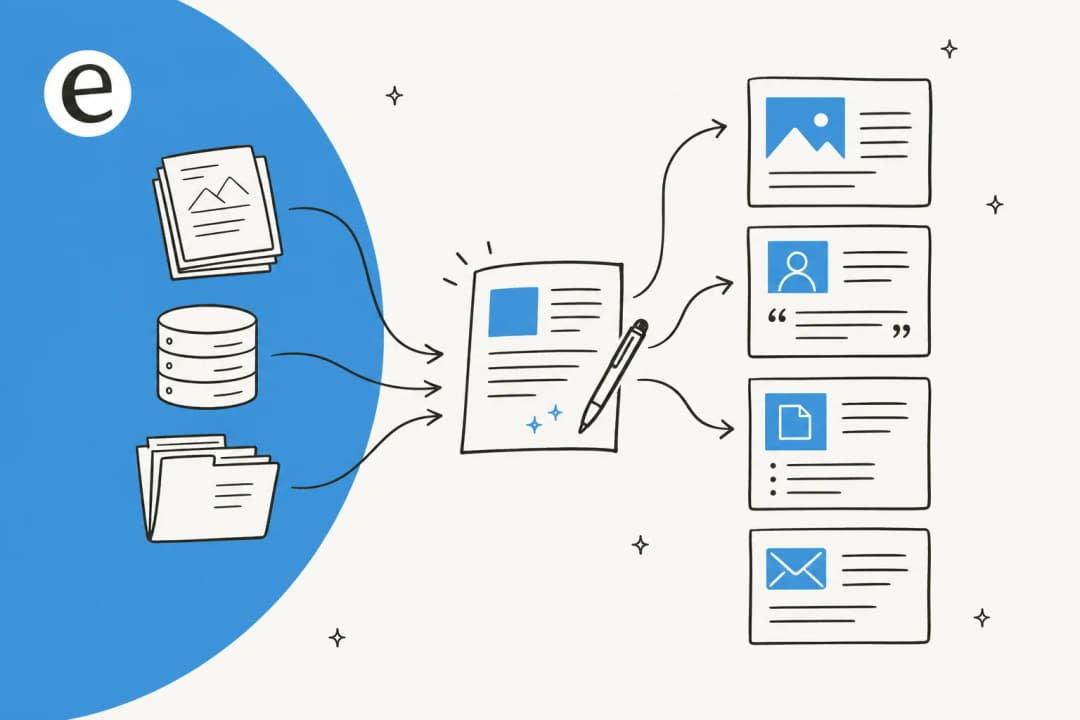
When the job is structure and reformatting, AI is the right tool and it's not close. If you already have the raw material (a blog archive, webinar transcripts, internal docs), turning it into a clean, gated PDF is mechanical work, and a repurposing tool like Designrr exists precisely for that. Its job is design and reformatting, not original thinking, which is the right division of labour.
The same goes for the cold-start problem. A blank page is paralysing; a passable first draft you can react to is not. An AI content generator gives you something to argue with, and arguing with a draft is far faster than writing one. This is the same reason I lean on AI for blog posts that rank: the draft is the cheap part, the thinking is the expensive part, and getting the cheap part for free is a real win.
Where it stays mechanical, it's a gift. Where you ask it to think, it guesses, and that's where ebooks go wrong.
Where AI-written ebooks fall apart
Both failure modes start the same way, an ebook spun from a thin prompt, and one variable predicts which way it breaks: how much of the book the tool guessed versus how much you grounded.
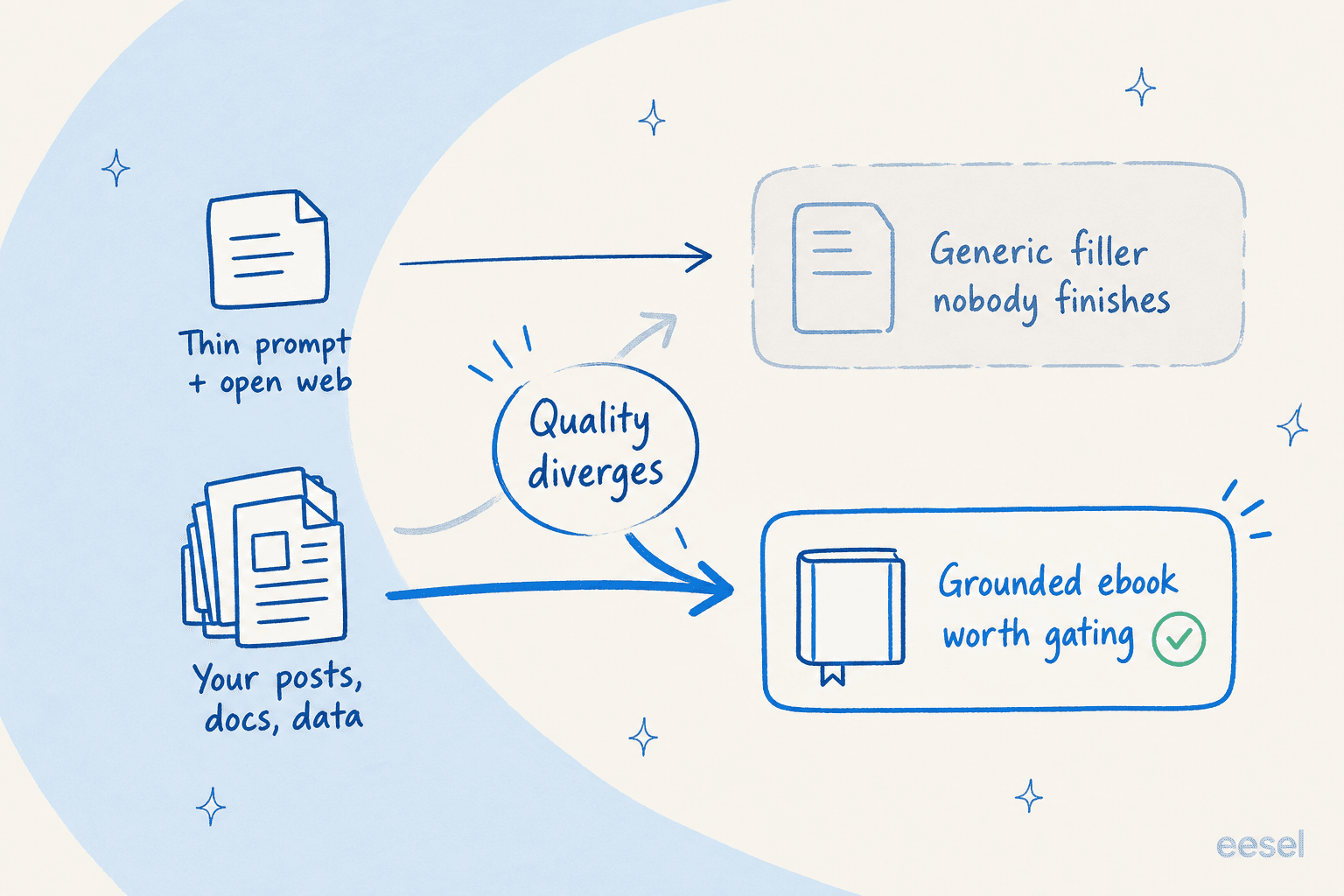
Pointed at the open web with a one-line prompt, an AI content generator will happily invent a statistic, a quote, or a whole chapter of filler to hit a page count. As a lead magnet, that's the asset marketers report converts terribly, because readers can tell within two pages and never come back for the next gated thing you publish. It also competes with more interactive lead magnets that solve a specific problem rather than recycle a blog post.
On the self-publishing side, the same thin-prompt book lands in a market that's actively learning to filter it out. The authors in this r/wroteabook thread are blunt about what the flood of AI titles did to their sales:
Has anyone else seen their sales drop since AI?
That's the whole problem in one line. The ceiling on AI ebooks isn't the writing quality, it's the saturation, and you only clear it with something a model can't generate.
What separates an ebook worth reading from filler
Strip away the tool differences and the deciding factor is simple: how much of the ebook could the tool have written about any company, versus how much only you could have written. That seam between the draft and the value is the whole game, and it's also exactly the standard Google sets.
Google's helpful-content guidance asks for content that demonstrates "first-hand expertise and a depth of knowledge (for example, expertise that comes from having actually used a product or service)," and it strongly encourages a named author. An ebook's landing page lives or dies by the same E-E-A-T signals as a blog post.
The reassuring part, if you're nervous about an "AI penalty," is that authorship was never the issue. Google's spam policy targets "using generative AI tools... to generate many pages without adding value," and its guidance on AI content says it focuses "on the quality of content, rather than how content is produced." So an ebook drafted with AI and grounded in real expertise is fine; a batch of spun pages is not. If your AI content isn't ranking, thin value is almost always why, the same pattern I see when teams try scaling SEO content too fast.
How to actually write an ebook with AI
Here's the workflow I'd use, whether the ebook is a lead magnet or a longer reference piece. The order matters, and the human pass at the end isn't optional.
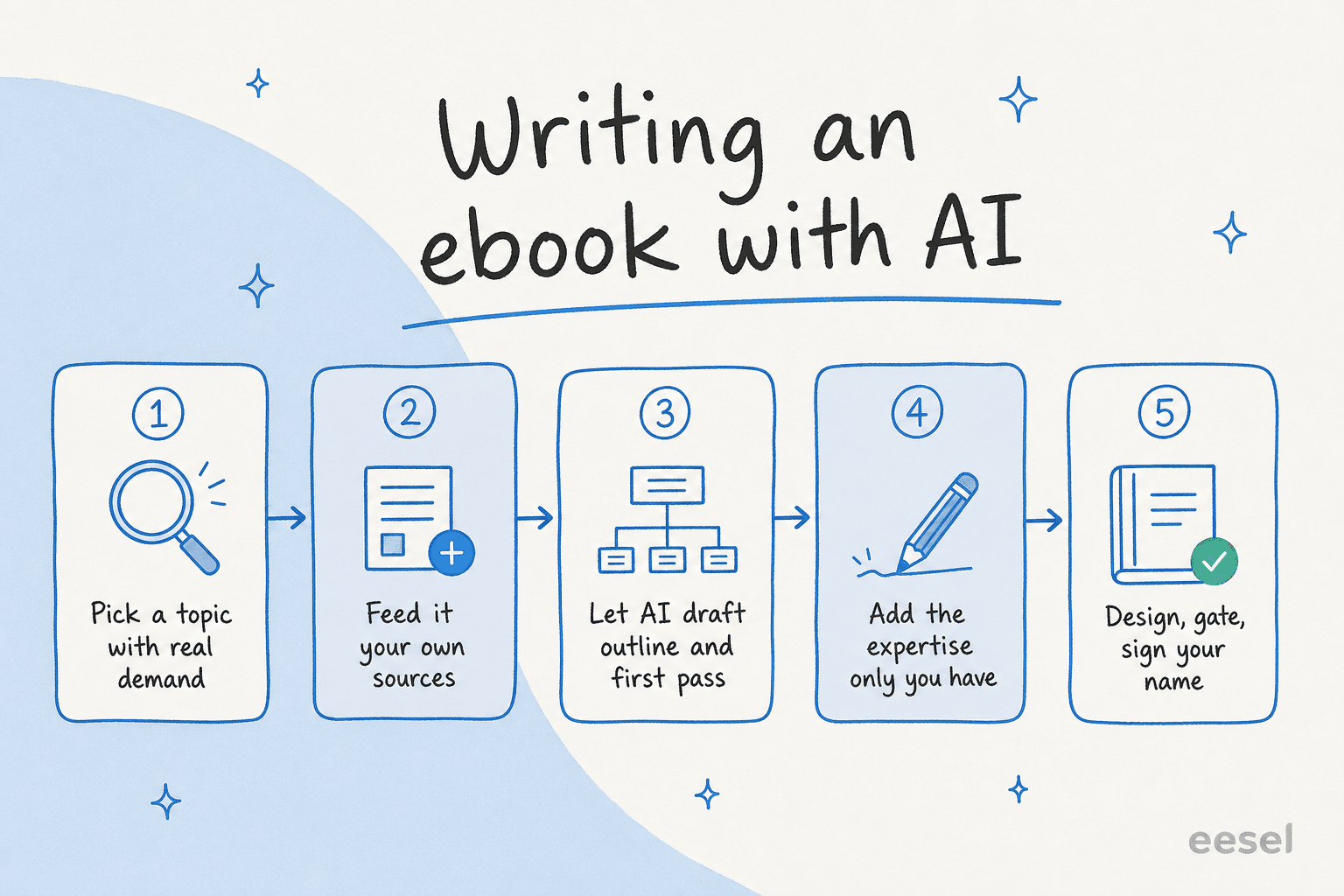
1. Pick a topic with real demand. An ebook is a big asset, so start where there's pull. A keyword clustering tool or eesel's free keyword generator shows whether a topic has enough related searches to build a whole book around. The goal is topical authority, one ebook that owns a subject, not ten that skim.
2. Feed it your own sources. This is the step that decides everything. Handed the open web, an AI ebook writer guesses; handed your blog archive, your transcripts, and your docs, it assembles. Point it at material you own and train it on your knowledge base, the same principle behind any knowledge-base-driven content.
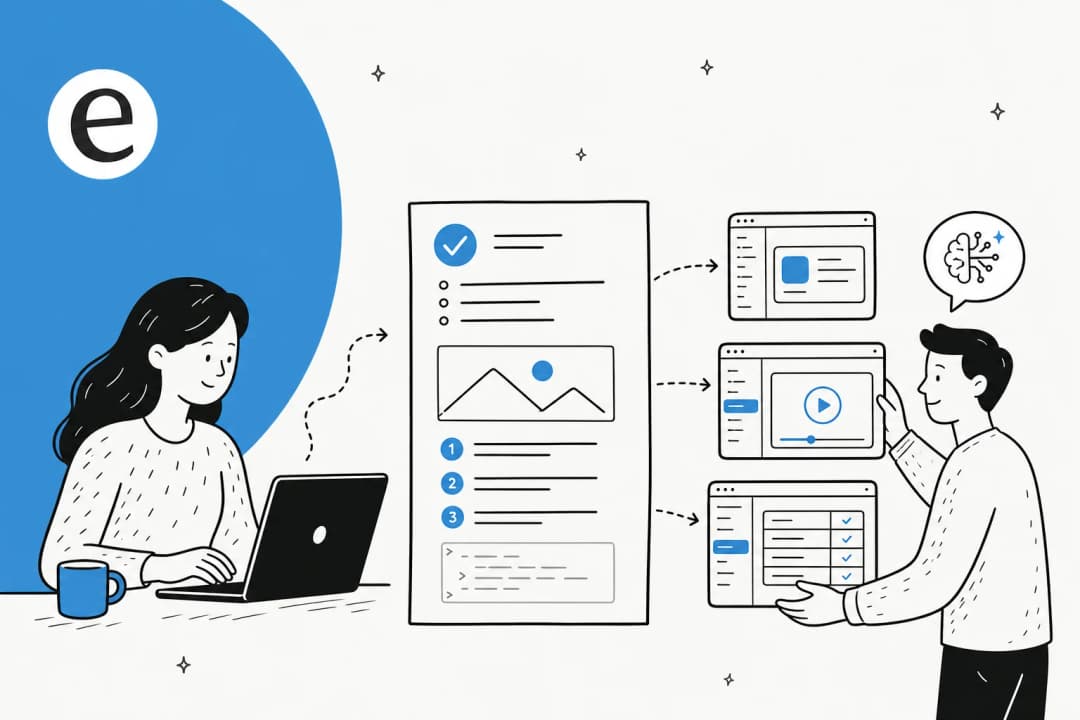
3. Let AI draft the structure and first pass. Now use the thing it's good at: the chapter outline, the parallel structure, the first draft of each section, the layout. A tight content brief per chapter keeps it from wandering into filler.
4. Add the expertise only you have. Go back and add the original data, the example from a real project, the opinion the model would never risk. This is the right-hand column from the scorecard above, and it's what turns a competent draft into something worth an email address. It's also how you keep an AI ebook from sounding generic.
5. Design it, gate it, and sign your name. Reformat into a clean PDF, set up the landing page, and put a real byline on it, the E-E-A-T signal that makes the whole thing credible. Build this human gate into your content pipeline as a hard requirement, not a nice-to-have.
If that workflow sounds a lot like writing a great long-form post and then formatting it, that's because it is. The ebook is a packaging decision; the content creation underneath is the same craft as your blog writing.
A quick word on the tools
You don't need a dedicated ebook app to answer "can AI write ebooks", but if you want one, match the tool to the job. Repurposing tools like Designrr turn content you own into designed PDFs. Manuscript generators like Sudowrite and Squibler are built for book-length fiction and can produce a 200-to-300-page draft, with the obvious caveat that wholesale-generated manuscripts are exactly what the r/wroteabook crowd is fighting. I broke down each one, its pricing, and who it fits in my AI ebook writer guide if you want the full comparison.
For B2B and content teams, though, the safest pick is whatever drafts grounded long-form from your own material, because the source is yours and the output is grounded by default.
Try eesel for long-form content
If your ebook is really a repackaging of what your team already knows, the bottleneck isn't a fiction model, it's getting a credible long-form draft out of your own material fast. That's what eesel's AI blog writer is built for: an AI teammate that finds the topics worth owning, drafts long-form in your voice, and grounds every claim in your own sources instead of guessing from the open web.
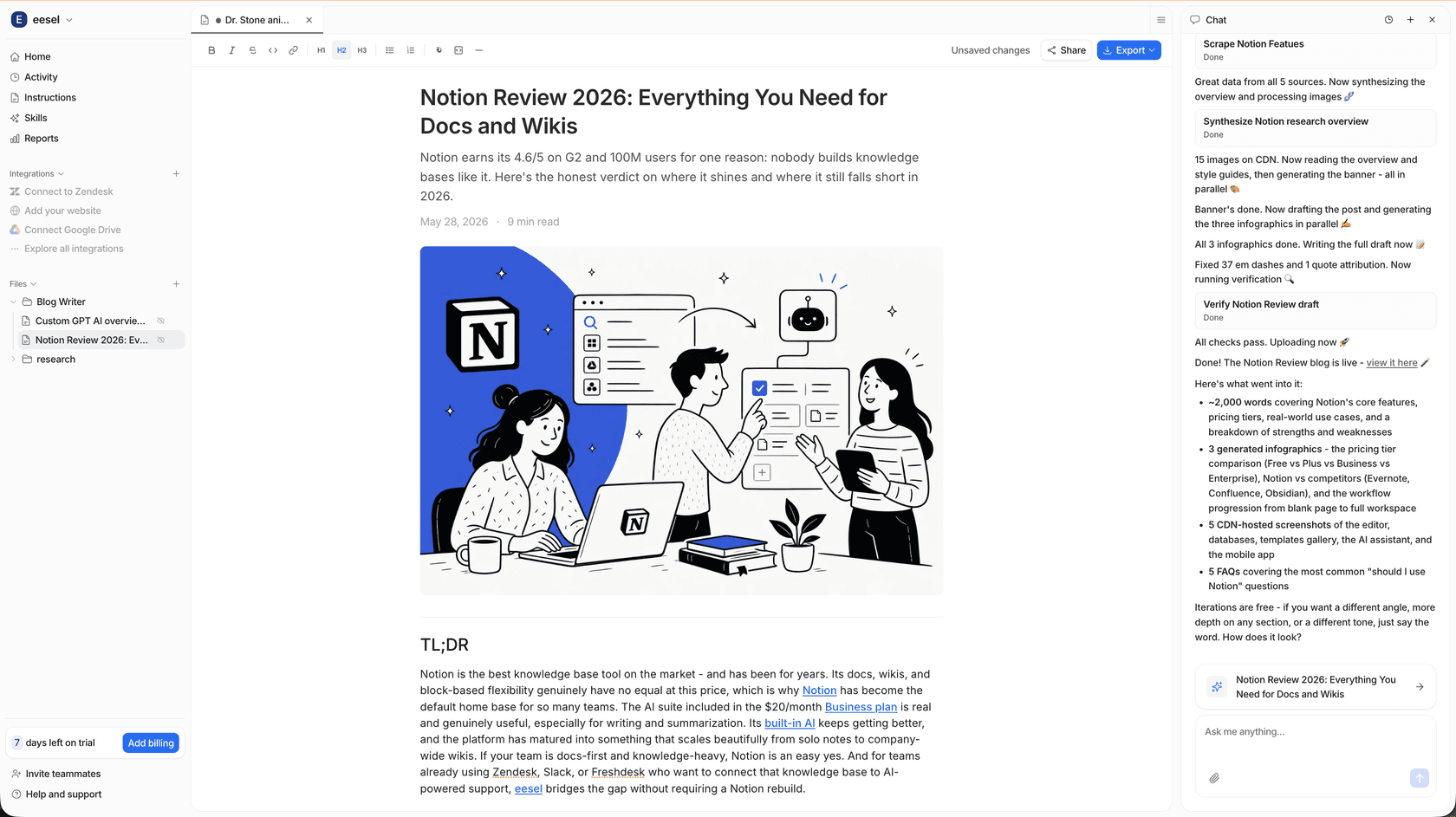
Two things make it fit ebook work specifically. It learns from your past posts to hit a strong brand voice match from day one, so the chapters read like you and not a bot. And because it drafts from your knowledge base rather than the web, the specifics are real, which is the exact thing that keeps an ebook on the right side of Google's quality line. Draft the long-form, repackage it into the ebook, and add the one chart only you have. It's free to try, and you can see what it sounds like on your own content in a few minutes.
Frequently Asked Questions
Can AI write an entire ebook by itself?
Are AI-written ebooks any good?
Will Google or Amazon penalise an AI-written ebook?
What's the best way to write an ebook with AI?
Can AI write an ebook for free?


Article by
Kurnia Kharisma Agung Samiadjie
Kurnia is a software engineer and writer at eesel AI with two years of SEO experience, writing about AI tools, helpdesk software, and customer support. He pairs a developer's understanding of how these products are built with search-driven research into what actually ranks and resonates with the people searching for them.