


What Thareja AI actually is (and why pricing is confusing)
Before the numbers, it helps to know why "Thareja AI pricing" returns a muddle. Thareja, built by Thareja Technologies Inc. and founded by Dhiraj Thareja, isn't one product. It is a small suite with a shared "AI does the speed, humans do the substance" pitch, and the pieces are priced very differently.
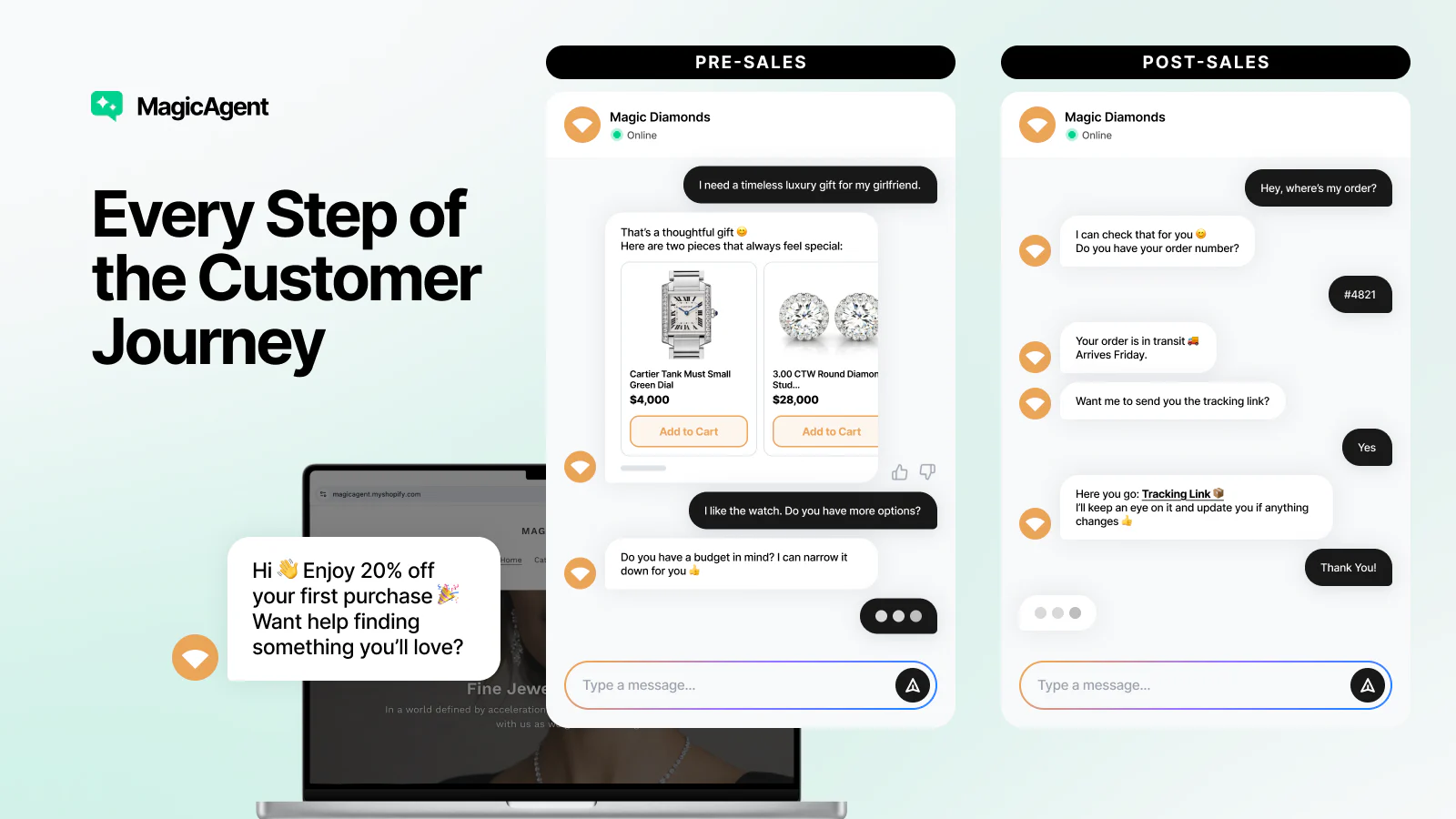
The headline product is MagicAgent, an AI front-office agent branded as a 24/7 worker named "Preeya." It answers phone calls, texts, website chat, email, and social DMs, books appointments, follows up on leads, and chases overdue invoices. Thareja markets it as one worker doing eight jobs, from receptionist to collections.
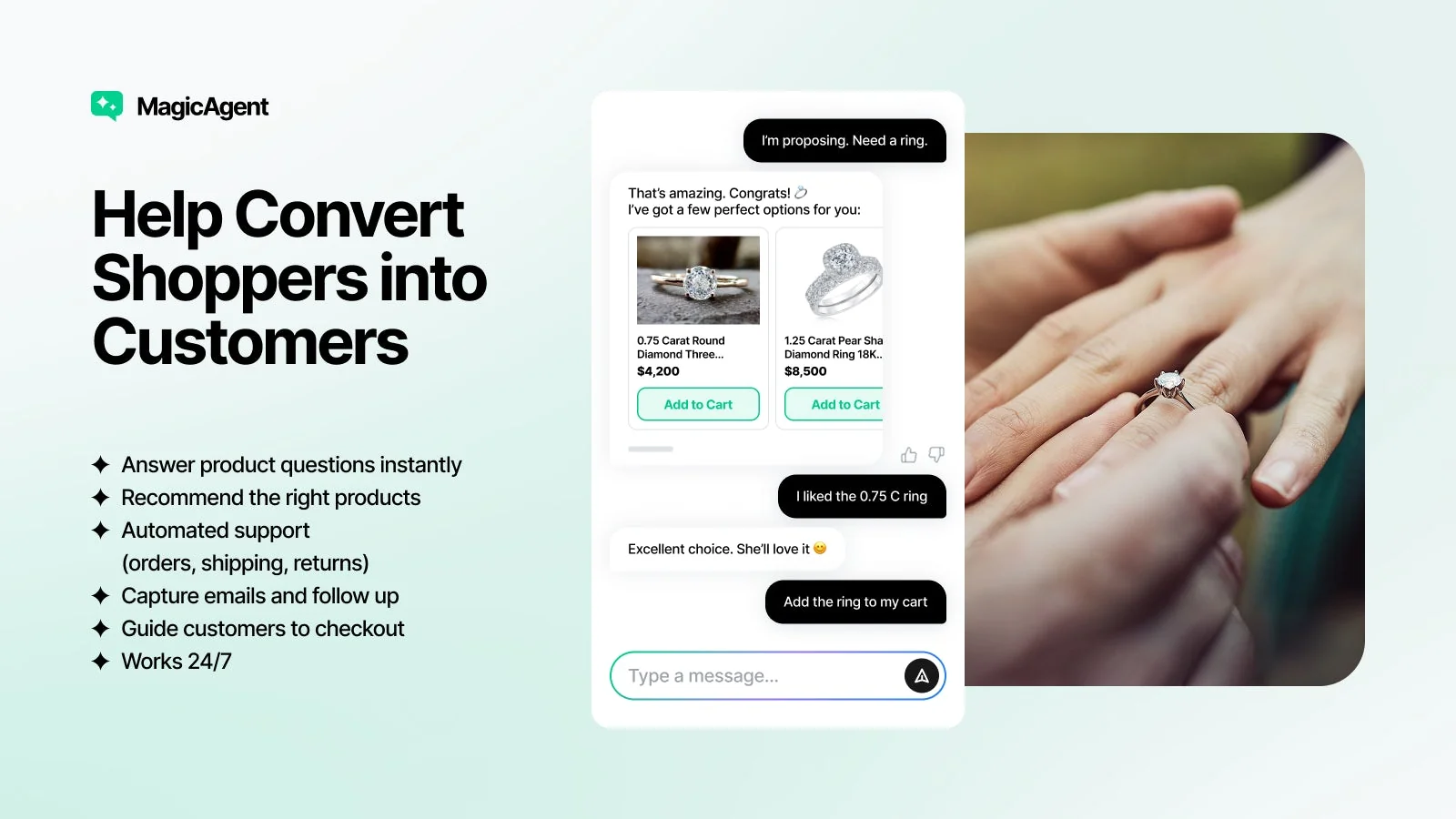
Then there is Work, a completely separate product for time tracking, project management, payroll, and employee monitoring. There are also smaller pieces: MagicReel (AI short-form video) and an AI Assistant (multi-model chat). The Work product is the one with a public pricing page. MagicAgent, the thing most people mean when they search for Thareja AI, is the one without.
This split is the single most important fact about Thareja's pricing. The published tiers you will find are for a time-tracking tool. The AI customer support agent is sold on a call.
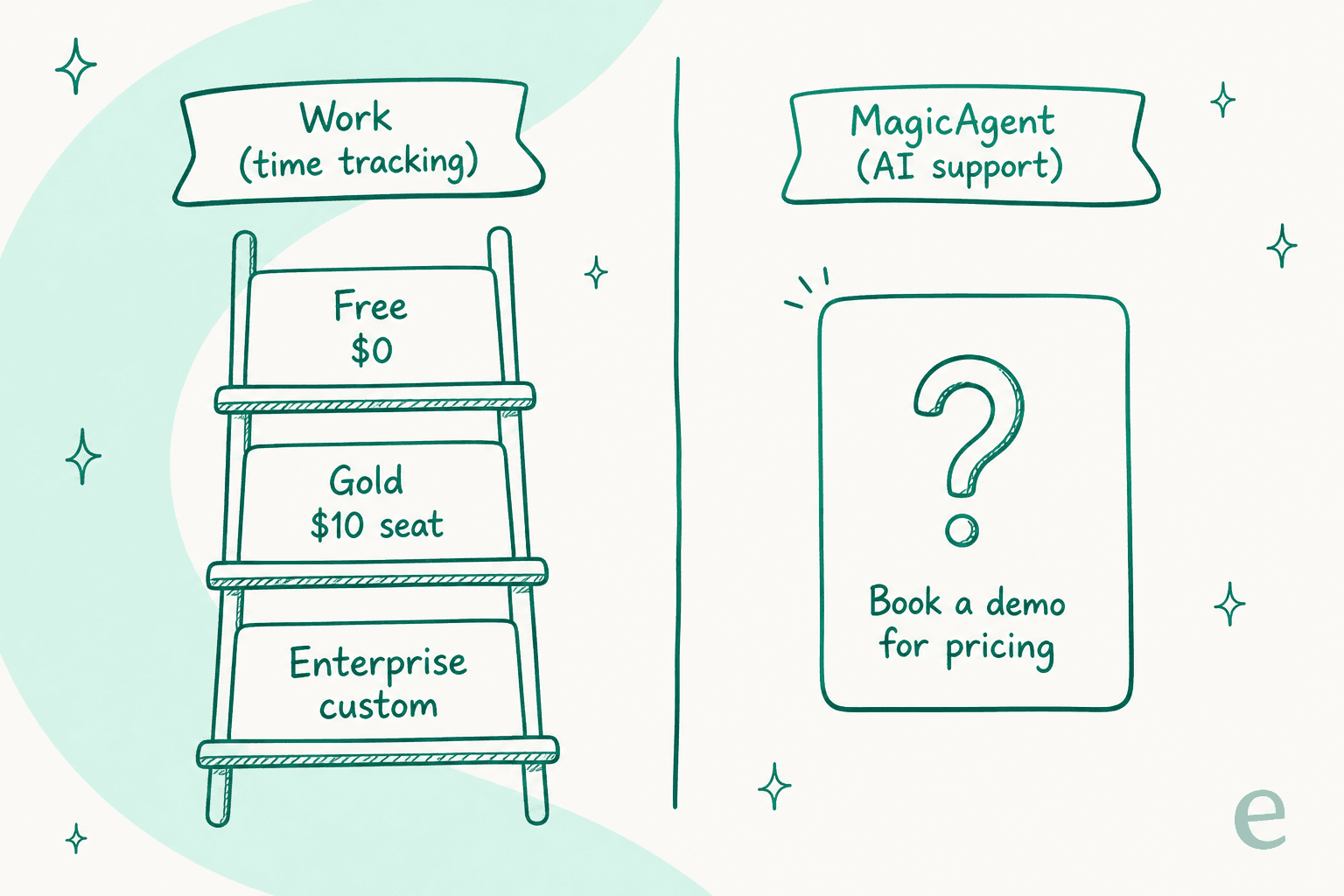
The published Thareja AI pricing: the Work plans
Here is the pricing that actually exists on the site, from Thareja's Work pricing page. It covers the project management, time-tracking, and employee-monitoring product, billed per seat per month. No credit card is required to start.
| Plan | Price | Billing unit | Key limits and inclusions |
|---|---|---|---|
| Free | $0 | per seat/month | Up to 3 users; 14 days of screenshots and activity history; 1GB storage; max 2 projects; time tracking, invoicing, expense tracking, budgets, timesheet approval, reporting |
| Gold | $10 | per seat/month | Everything in Free, plus unlimited users, unlimited activity monitoring, 200GB storage, unlimited projects, automated contractor payroll, compliance (SOWs, NDAs, IP protection), KYC checks, verified badge |
| Enterprise | Custom ("Let's Talk!") | quote-only | Everything in Gold, plus custom onboarding for 50+ teams, scheduled phone support, custom data export/import, dedicated support and integrations |
As time-tracking pricing goes, this is cheap and easy to read. Ten dollars a seat for unlimited users, unlimited projects, and contractor payroll undercuts a lot of the market. The Free plan's ceilings are the usual ones: 3 users, two projects, and only 14 days of history before older data rolls off.
The thing to keep straight is what this table is not. It is not the price of the AI receptionist, the AI collections agent, or the MagicAgent support bot. Those live on a different page with a different (hidden) model.
The MagicAgent AI support price: quote-only
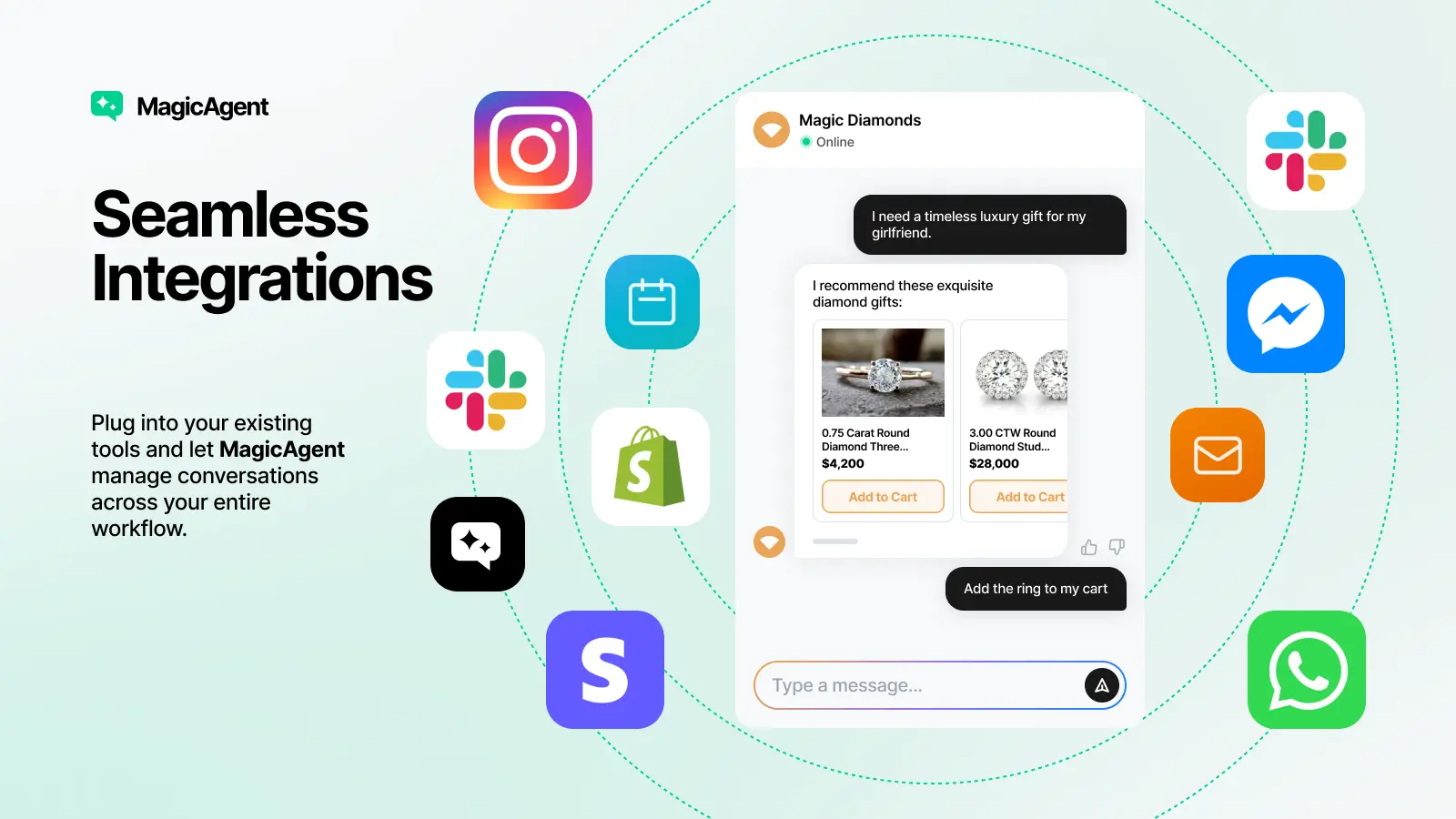
Now the part most buyers actually came for, and the part the website won't give you. There is no published price for MagicAgent, the AI support and sales agent. Not per seat, not per conversation, not per resolution. The homepage's main call to action is "Book a Demo," and the pitch is a done-for-you setup: subscribe to "any MagicAgent plan" and Thareja builds your scripts, workflows, lead capture, and booking rules for you, with free setup included.
The third-party directories confirm the gap. Both Capterra and SoftwareAdvice list Thareja's pricing as "Available upon request," with a free version and free trial noted but no dollar figure attached to the AI support product.
To be fair to Thareja, quote-only pricing is common for AI support tools that bundle heavy onboarding, and "we set it all up for you" has real value for a plumber or a law firm that doesn't want to configure a bot. But it does mean you can't compare it on a spreadsheet, and you can't self-serve. You are in a sales conversation before you see a number.
What moves your MagicAgent quote
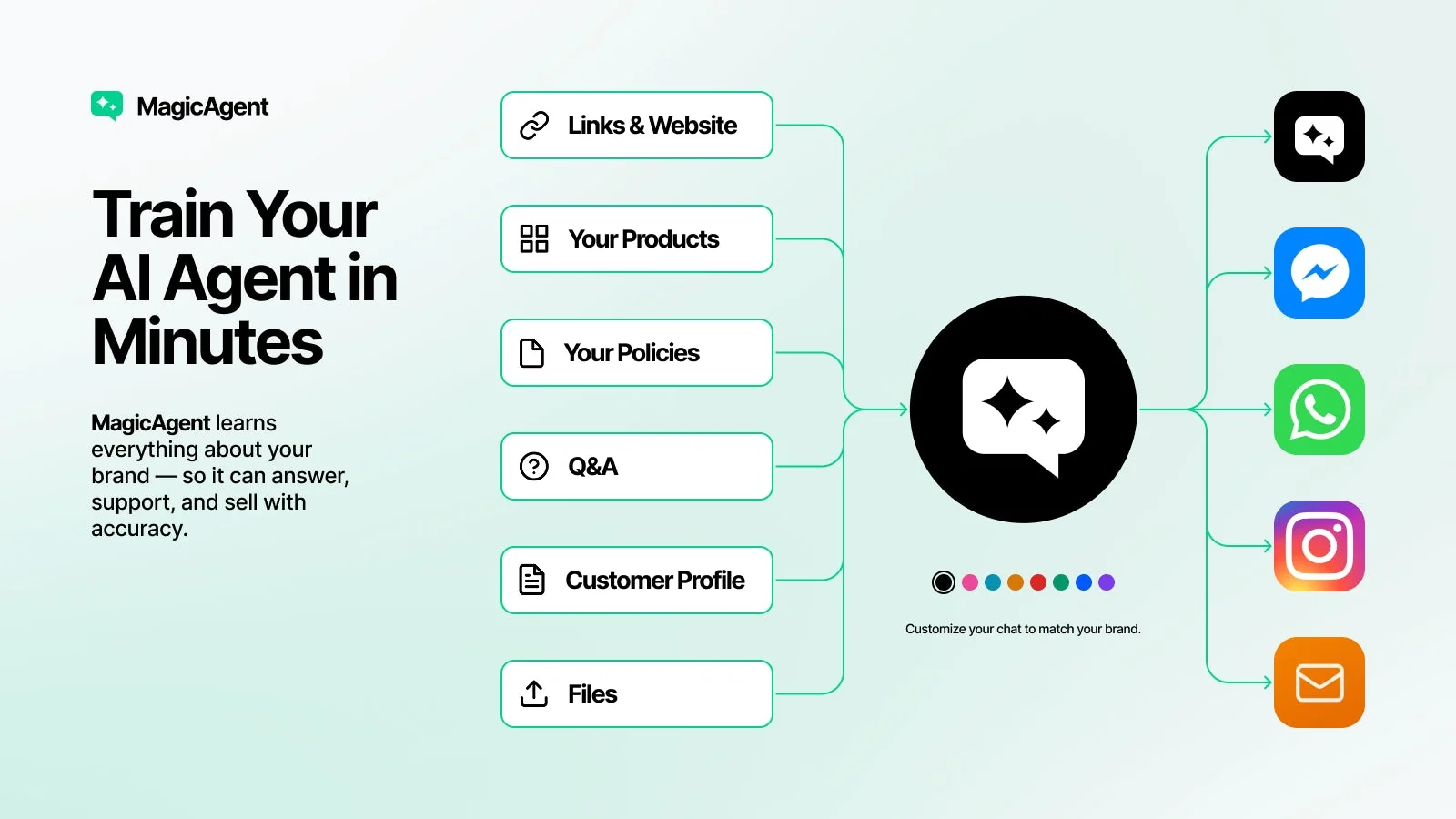
Since the number is bespoke, it's worth knowing what a sales rep is likely pricing against. Based on how the product is built, these are the levers that will move your quote up or down.
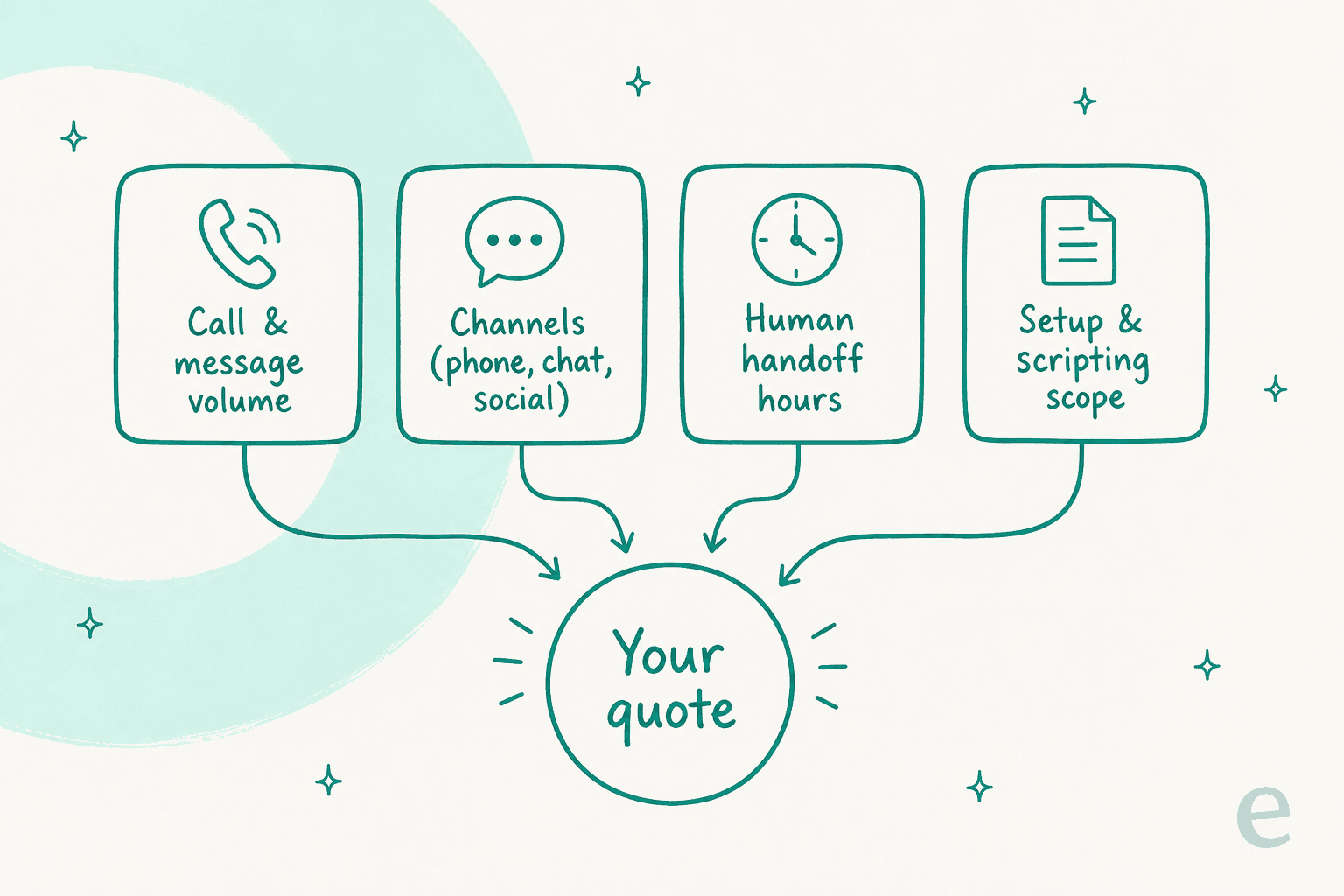
- Call and message volume. MagicAgent answers phone calls, so voice minutes and message counts are the obvious meter. Thareja's own homepage counter cites 12,480 calls answered across customers in a month, which tells you volume is the unit that matters.
- Channels. Phone, SMS, web chat, email, and Instagram, Facebook, and WhatsApp replies are all in scope. More live channels, more to price.
- Human handoff. The whole platform is built around routing hard cases to real people from Thareja's global talent pool. If you use that layer, that's a labor cost on top of software.
- Setup and scripting. "Free setup included" covers the initial build, but the depth of your workflows, booking rules, and integrations shapes what tier you land on.
None of this is unusual for the category. It's just the opposite of a self-serve, per-ticket rate you can model yourself.
Free setup, free tier, and the trial
Thareja leans hard on removing friction, which is smart for its audience of local service businesses. A few things are genuinely free:
- Free Work plan. The $0 tier for up to 3 users is real and lives on the pricing page.
- Free setup for MagicAgent. Onboarding, scripts, and workflow config are done for you at no extra charge when you subscribe.
- Free trial and free version are both flagged on Capterra and SoftwareAdvice.
- A free AI audit on the homepage analyzes your website's response times and "missed opportunities" before you commit, which is really a lead-gen step but a useful one.
The honest read: the Work side has a true free plan, and MagicAgent has a free onboarding wrapper, but "free" here means "free to get started and get quoted," not "free to run at scale." The running cost of the AI support agent is still whatever the sales call lands on.
What real users say about the value
The review picture is small but positive. On Capterra, Thareja holds a 5.0 out of 5 from 14 reviews, with the same score mirrored on SoftwareAdvice. Ease of use, value for money, and customer service all sit at 5.0. Capterra notes 100% of reviewers are from small businesses.
The most useful review for a pricing-minded buyer speaks to what you actually get for the money on the ecommerce side:
"Started using it to fix one specific problem. Customers were messaging at all hours and I was losing sales because answers came too late... Response times dropped from hours to seconds. The Shopify integration is the strongest part. The bot pulls live product data, stock levels, and prices, so answers are accurate instead of generic."

That same reviewer flagged the real onboarding cost: getting the brand tone right took "an hour or two feeding it your own product copy and FAQs," and the analytics "could be more visual." Worth budgeting the setup hours even with done-for-you help.
One caveat I'd want any buyer to see: all 14 reviews are 5.0, with several dated the same day (October 2, 2025). A perfect score on a young, thinly sampled listing reads as an early or seeded review set, not an established rating. It's a promising signal, not a proven one. If you're weighing this against other AI customer service software, don't let a shiny 5.0 do more work than 14 reviews can bear.
The real cost question: what should you actually budget?
Here's how I'd think about Thareja's total cost, depending on which product you're really buying.
If you want the time tracker (Work): budget is easy. A five-person team on Gold is $50/month ($10 x 5 seats), unlimited projects included. That's a clean, predictable number, and one of the cheaper options in that category.
If you want the AI support agent (MagicAgent): you can't budget it from the website, full stop. You'll need the demo, and your quote will scale with call volume, channels, and how much human handoff you use. For a busy local business fielding thousands of calls a month, this is not a $10 line item, but Thareja won't tell you the number until you talk to them.
That second scenario is exactly the friction point a lot of buyers are trying to avoid. When you're comparing AI customer service costs across vendors, a hidden number is the hardest thing to plan around, and it's why published pricing has become the thing buyers ask for first.
How eesel AI prices support, for comparison
Since the whole reason to read a pricing post is to plan a budget, here's the contrast that matters. We've spent years putting AI agents on live support queues, and one thing we learned early is that buyers hate not being able to see the number. So eesel AI publishes it.
eesel's pricing is on the page: one fixed monthly price from $299 for 500 credits, with no per-seat fee and no platform fee. Every account starts with 100 free credits and no credit card. The billing unit is one credit per ticket or chat, not per message, so a long back-and-forth still counts as one credit.
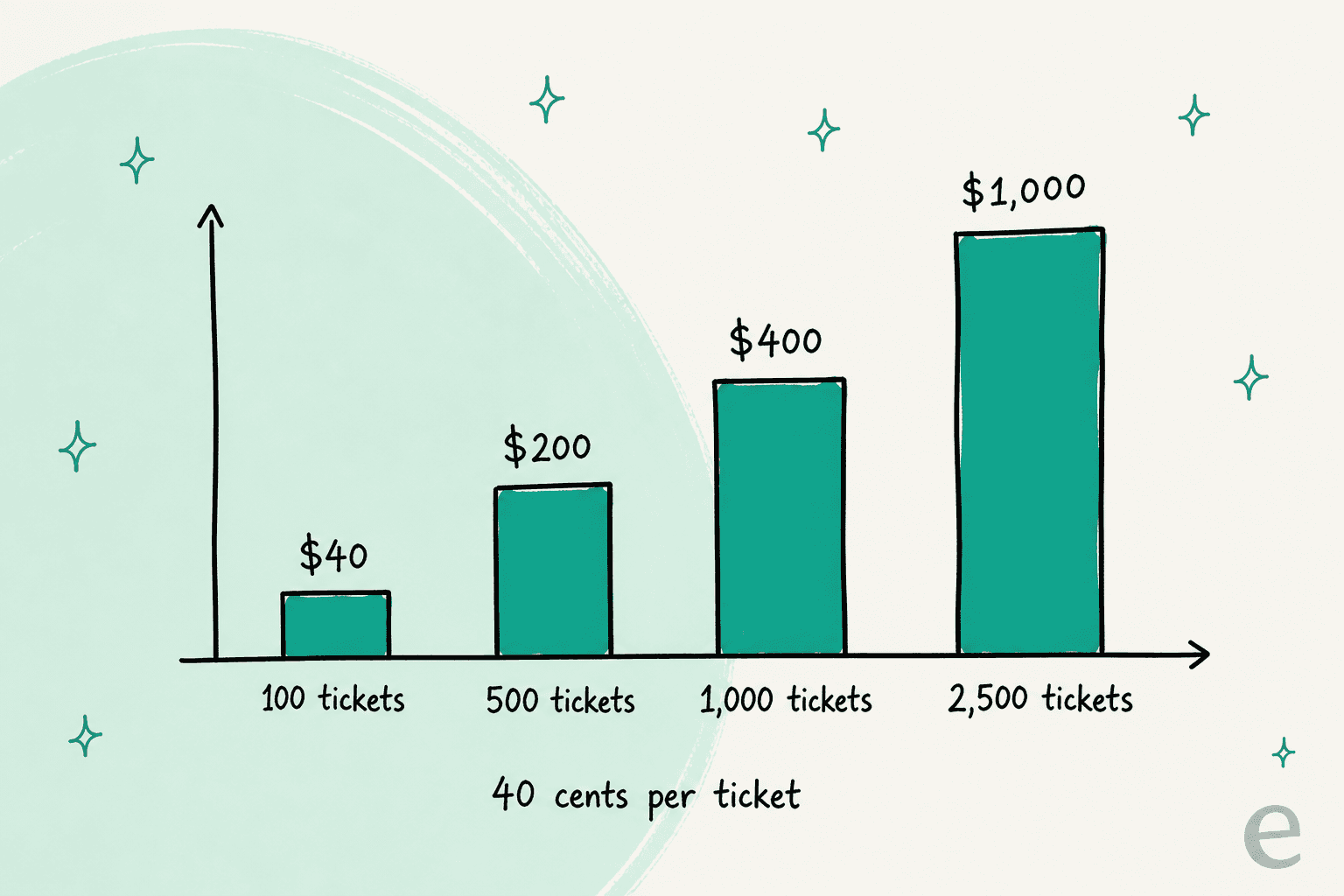
That means you can model your cost before a single sales call:
| Tickets and chats per month | Plan | Monthly price |
|---|---|---|
| Up to 100 | Free | $0 |
| Up to 500 | 500 credits | $299 |
| Up to 1,000 | 1,000 credits | $499 |
| Up to 2,500 | 2,500 credits | $999 |
| Up to 5,000 | 5,000 credits | $1,899 |
And because you choose which tickets to route, only the ones the AI actually works on use credits, so a gradual rollout never charges you for tickets your human team still owns.
The other piece Thareja can't match on the support side is the dry run. eesel simulates on your past tickets before it answers a live one, so you see your likely resolution rate and cost up front instead of flipping a switch and hoping. It plugs into Zendesk, Freshdesk, Gorgias, and Shopify, the same helpdesk stack most of these buyers already run.
The two aren't identical products. Thareja bundles voice, appointment booking, and a human talent layer aimed at local service businesses, and if that's your problem, its done-for-you setup is a real selling point. But if the job is deflecting tier-1 support tickets at a price you can see and control, a published per-ticket rate wins on planning every time.
Try eesel for AI support with visible pricing
If you got here trying to budget an AI support agent and hit a "book a demo" wall, that's the exact gap eesel AI is built to close. It works like a new support teammate that plugs into your existing helpdesk in minutes, learns from your past tickets and knowledge base, and answers on the channels you already use.
The differentiator for a pricing-conscious buyer is simple: the rate is public (from $299/month for 500 credits, no seats), and you can simulate the whole thing on your own historical tickets before you pay anything. No sales call required to see the number.

Start free with 100 free credits and see your projected cost and resolution rate before you commit.