What Decagon actually launched
Decagon shipped four things on October 1, all at once. Voice 3 grabbed the headlines. It makes more sense, though, when you see it next to the other three.
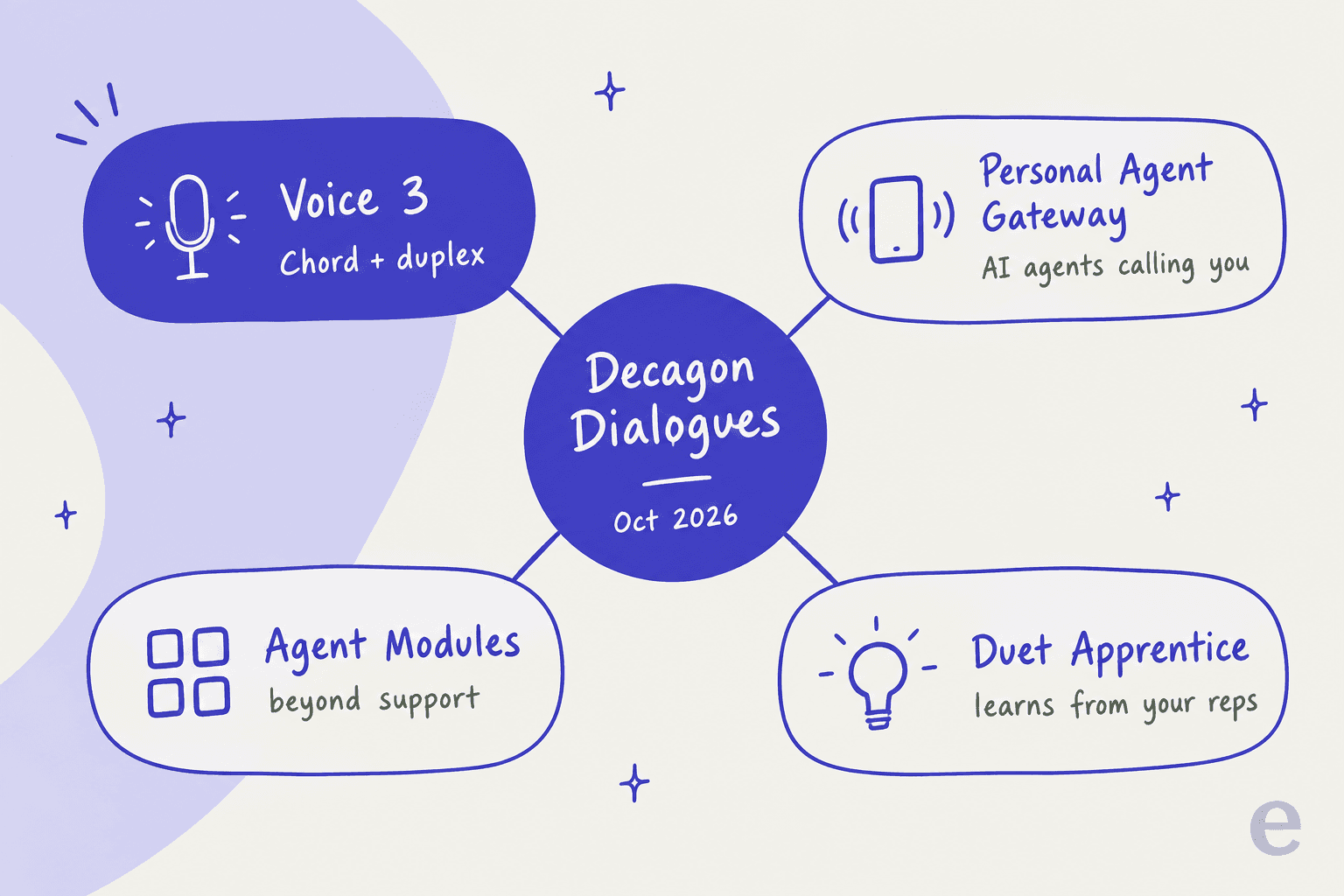
Per the Dialogues 2026 announcement from co-founders Jesse Zhang and Ashwin Sreenivas, the four releases are:
- Voice 3: Chord plus a duplex architecture, for more natural phone calls.
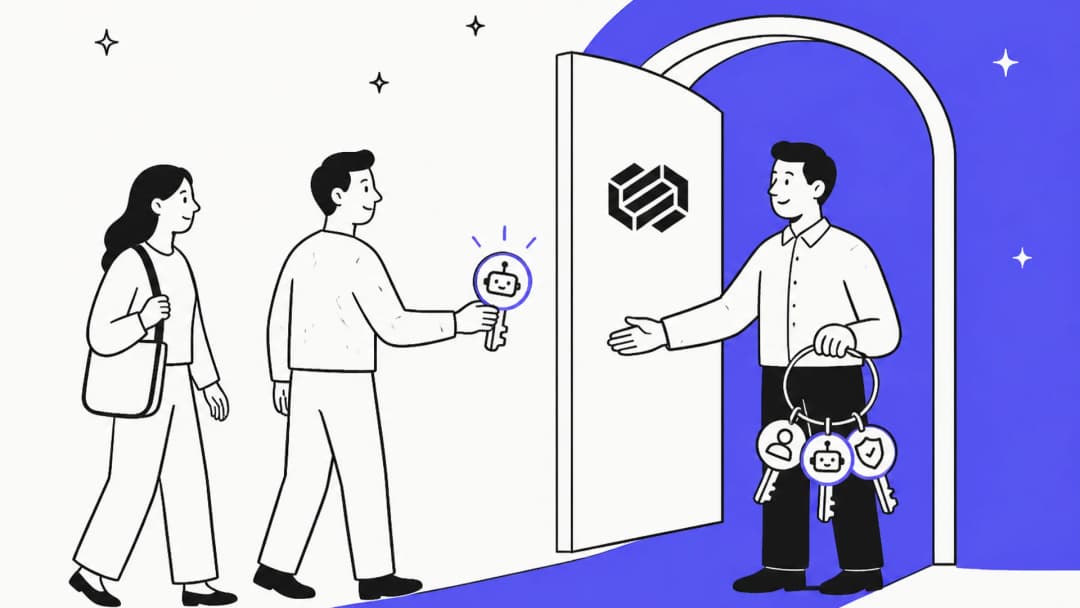
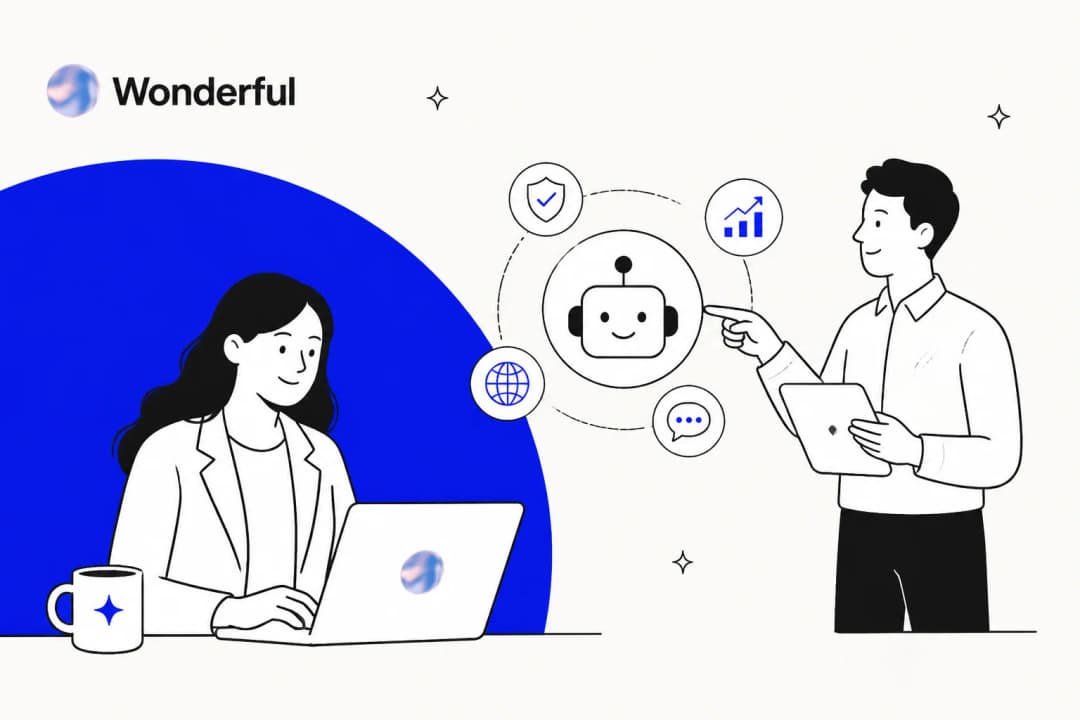
- Personal Agent Gateway: detection and a dedicated channel for personal AI agents (Decagon names Instinct, Muse and dots) that call or message your business on a customer's behalf.
- Agent Modules: a base for stretching the agent past support into lead qualification, onboarding and collections.
- Duet Apprentice: Duet learns from your internal docs and escalated conversations, then follows Slack and Microsoft Teams threads to draft procedure updates.
I build AI agents at eesel, and what jumped out to me is how much of this launch is about the phone. Decagon's own framing is that voice is "the least forgiving" channel, and Voice 3 is basically their answer to it. If you're new to the company itself, my Decagon overview and the Decagon review cover the wider platform.
How the duplex architecture works
If I were evaluating Voice 3, this is where I'd spend most of my time. It changes how a call with an AI agent feels.
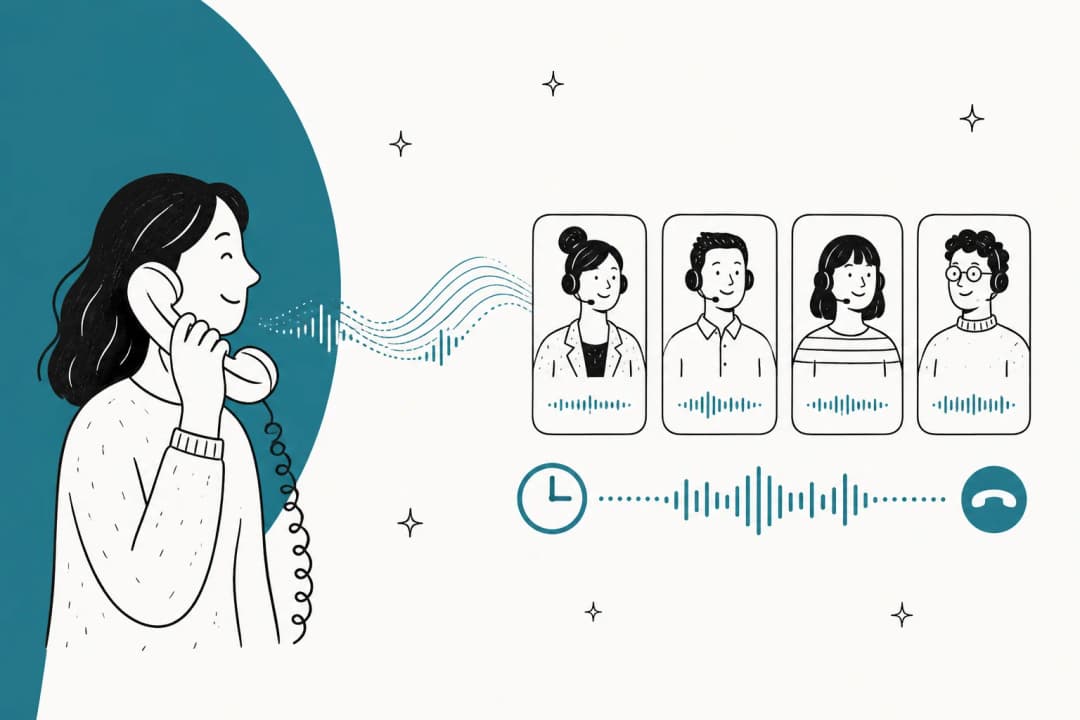
Most AI voice agents run what Decagon calls a cascaded pipeline. Speech-to-text transcribes the caller and an LLM decides what to say, then text-to-speech reads the answer back. The Voice 3 announcement spells out the problem: each stage adds delay, a simple "mhm" can trigger an interruption, and a long lookup leaves the caller listening to silence.
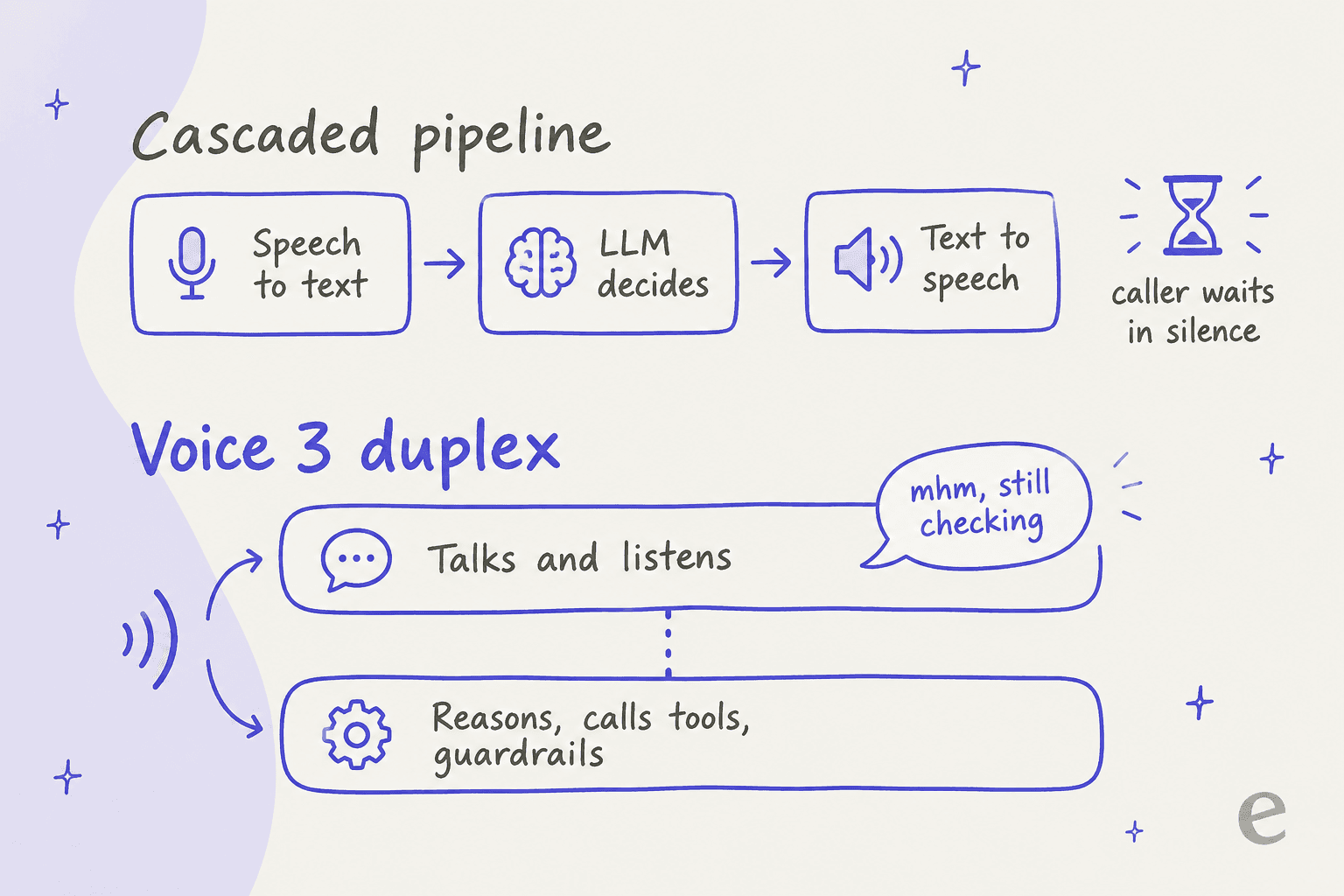
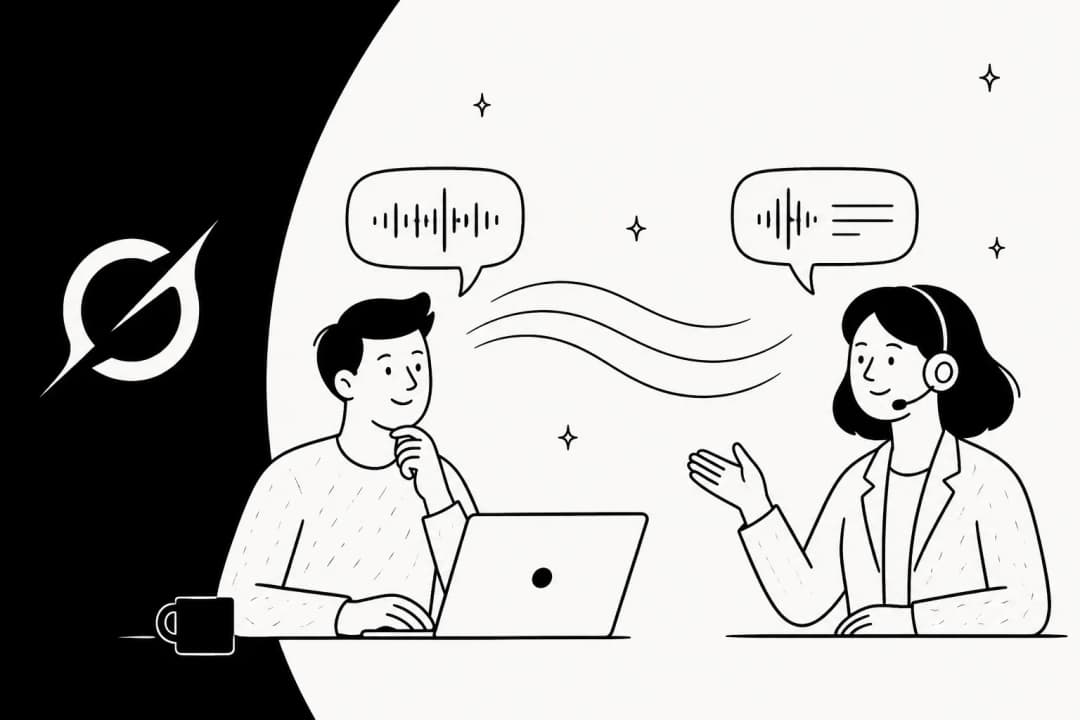
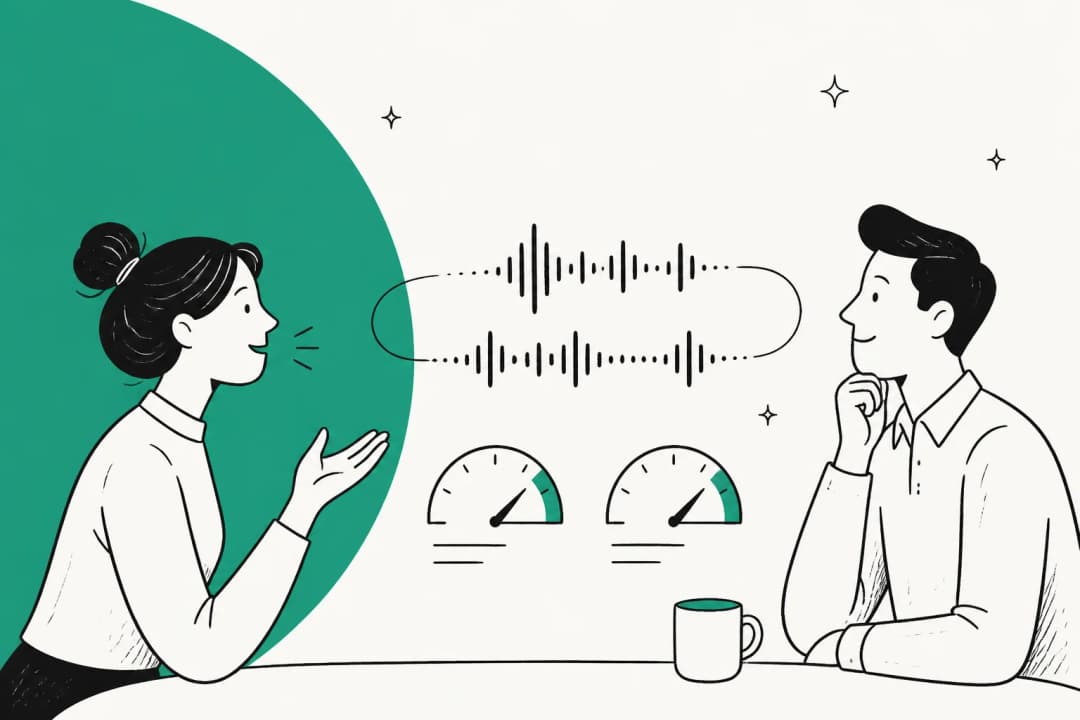
Voice 3 splits the job into two layers that run at the same time:
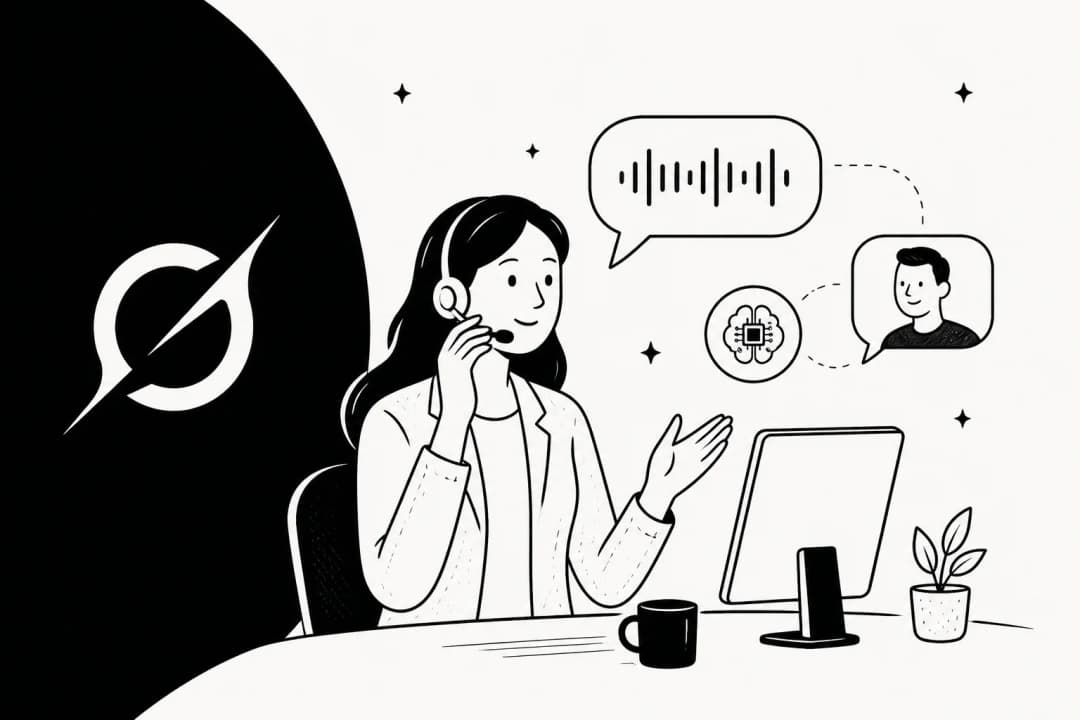
- A low-latency conversational model does the listening and speaking, including quick progress updates.
- A more powerful model handles the reasoning, tool calls and guardrail checks behind the conversation.
So the agent keeps processing incoming audio while it's still speaking. Per the Dialogues post, it talks through a caller saying "mhm" but yields on a genuine interruption, and it can narrate progress or answer a follow-up while a long task runs instead of putting the caller on hold.
A quick example of where this matters. A customer calls about a double charge. A cascaded agent says "let me look that up," then goes quiet for six seconds while it hits the billing API. The caller says "hello?", which the agent reads as an interruption, and the whole thing restarts. A duplex agent can say "I'm pulling up your last two invoices now" and answer "is it the one from Tuesday?" while the lookup finishes. It's the gap between giving a bot one command at a time and actually having a conversation with it.
Decagon's voice product page lists the rest of the toolkit around it: interruption handling, hundreds of voice profiles including custom-tuned ones, outbound calling, transfers with a summary, and guardrails tied to its Agent Operating Procedures. If you want the broader picture of how call center automation fits together, that post is a decent primer.
What Chord is, and how Decagon built it
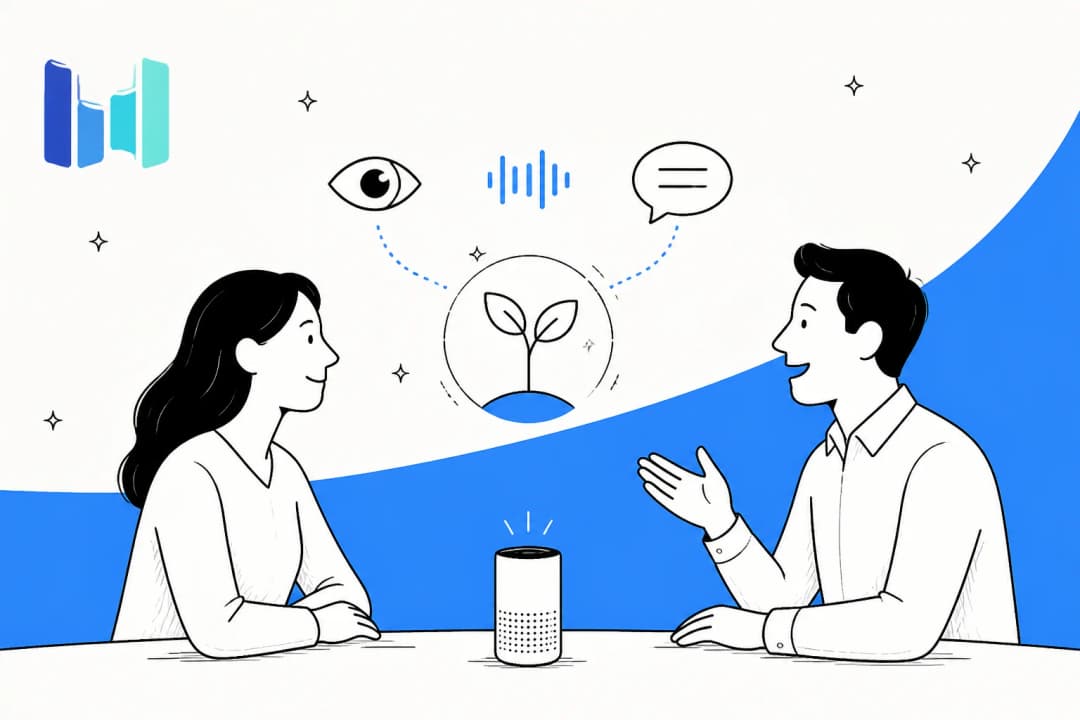
Chord is the first voice model from Decagon Labs. The Chord deep dive from Samuel Zhang explains the bet: general speech models are built for everything from audiobook narration to game voiceovers, and that caps how natural they sound on a live support call.
A few of the choices stand out:
- Messy training data, on purpose. Most speech pipelines scrub out pauses and fillers. Decagon kept them, using verbatim transcription that preserves pacing, emphasis and disfluencies.
- A recording method that isn't a script read. Voice actors handed a script give a performance, so Decagon built a method that mixes script content with free-flowing conversation.
- A tokenizer-free diffusion base model. Most speech models chop audio into tokens and lose detail at each step. Decagon says skipping tokenization keeps Chord close to lossless and makes it easier to steer emotion, pace and emphasis.
In practice, Chord shapes speech phrase by phrase. It slows down for a confirmation code or phone number, then returns to a normal pace, instead of running on one global speed setting. Decagon says it's served on Modal in production and trained on licensed data and consented voice talent, never customer-owned data.
Flag that last point to your security team early. If you've ever been through a voice-cloning review, you know it's the first question they'll ask. It's also one of the few vendor statements here you can paste straight into a procurement doc.
Reading the Voice 3 numbers honestly
Decagon published three sets of results. All three come from Decagon itself. So yes, vendor data. Still, they're more specific than what most launch posts give you, and worth a close read.
The "90% couldn't tell" claim
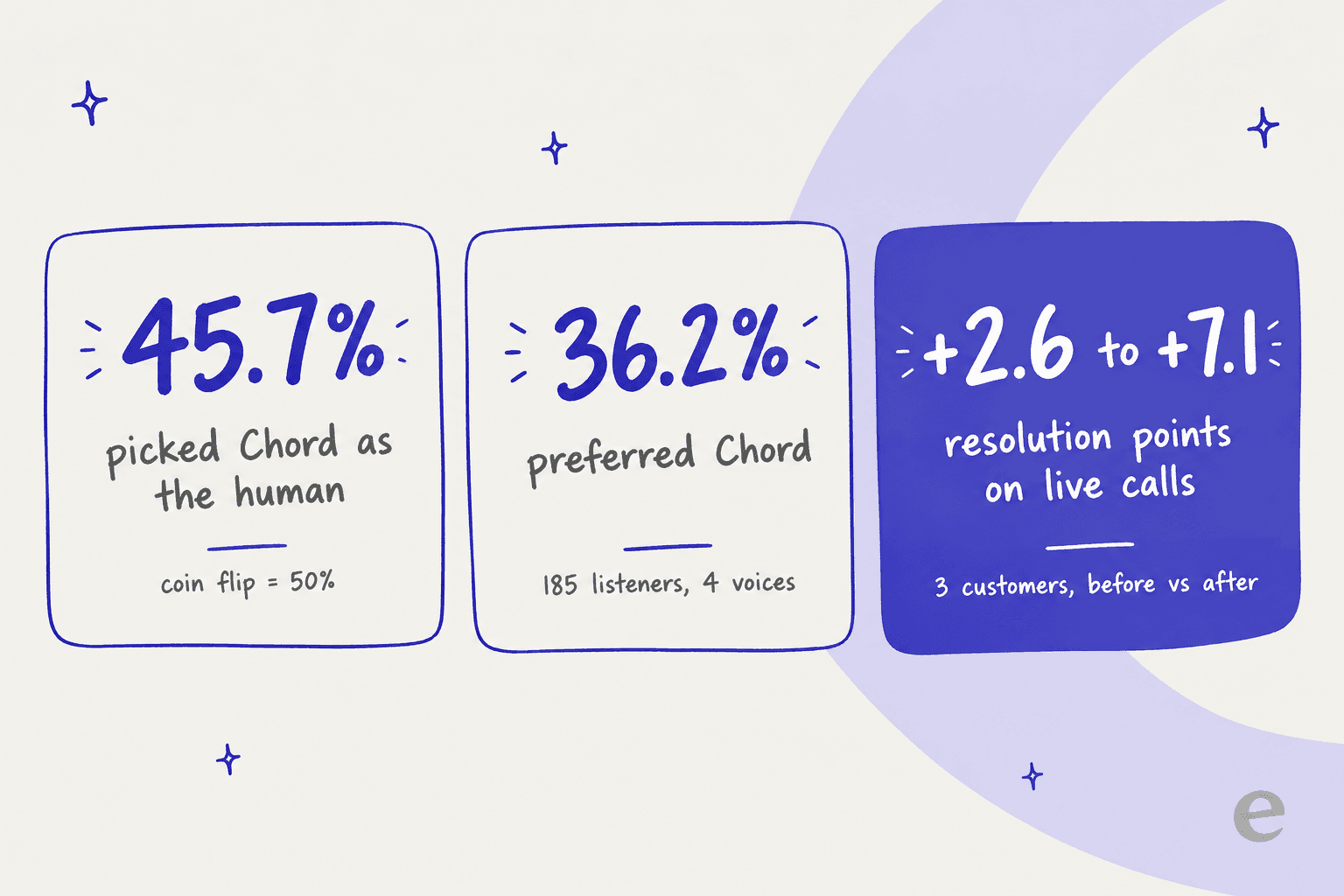
The launch post says roughly 90% of listeners couldn't tell Chord from a real person. The chart underneath tells you more than the headline does. In a blind test across three voices, 54.3% picked the real human and 45.7% picked Chord as the human.
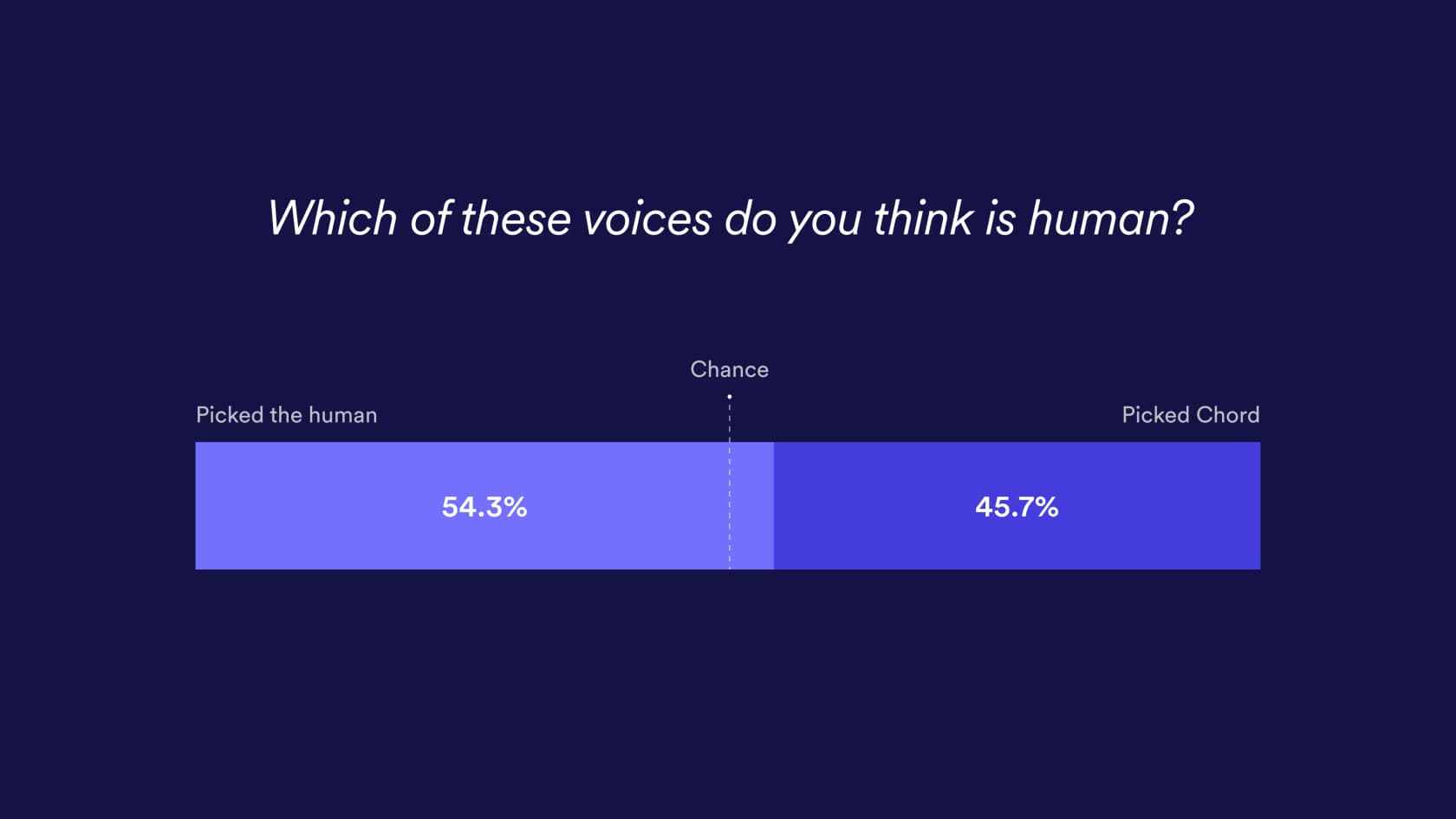
A perfect coin flip would be 50/50, so 45.7% sits close to "indistinguishable." The "90%" framing is roughly 45.7 divided by 50. Neither reading is wrong. Internally, I'd quote the 45.7% figure, since that's the one your team can actually check.
The preference test
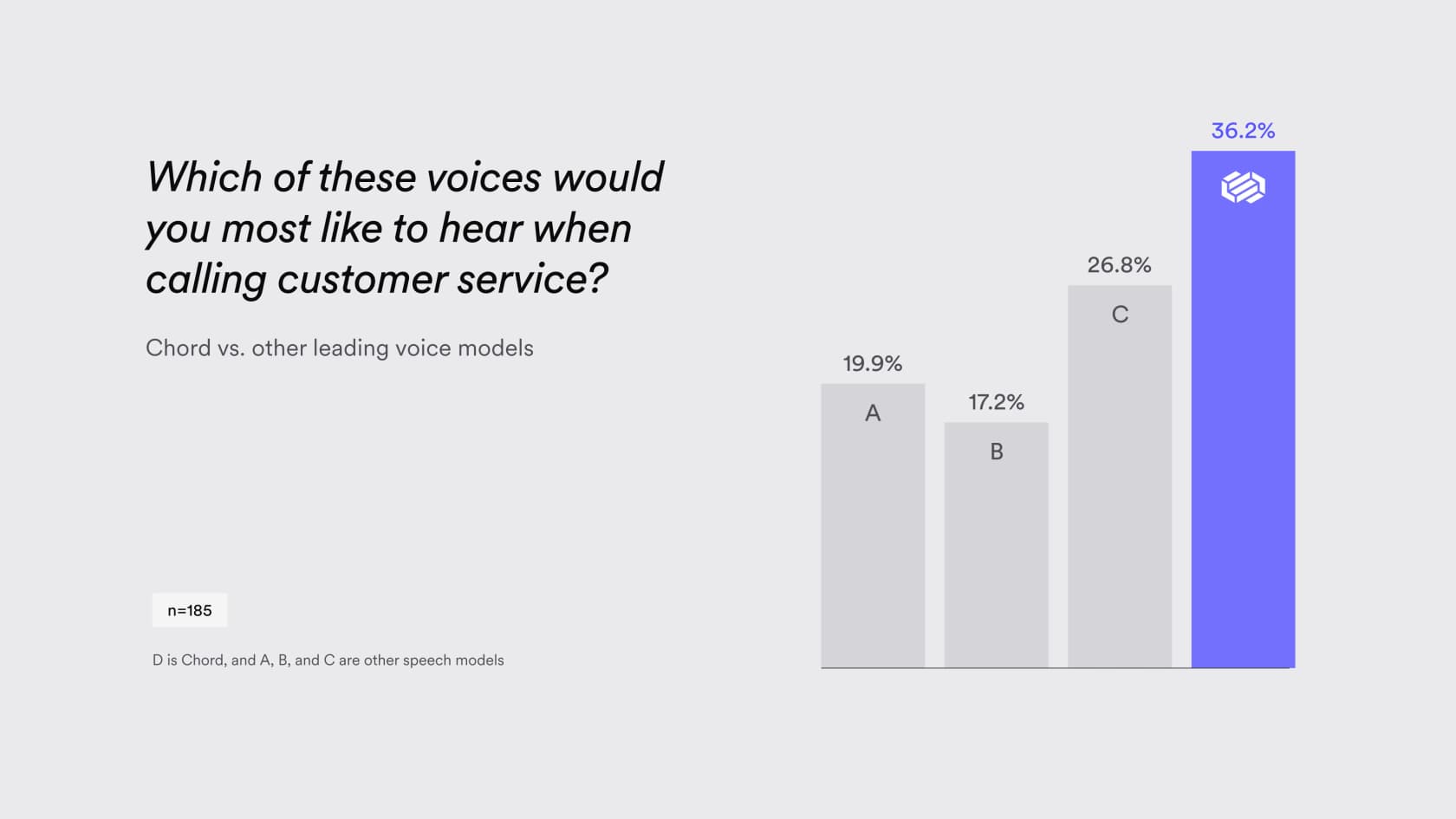
Decagon also ran Chord against three other leading speech models with the same words and asked which voice listeners would rather hear on a support call. Across 185 listeners, Chord came first at 36.2%, ahead of 26.8%, 19.9% and 17.2% for the other three. Decagon doesn't name the competitors, so you can't map this onto ElevenLabs or anyone else directly.
The live-call results (the ones that matter)
As a buyer, this is the test I'd care about most. Decagon took three customers in telecom, financial services and travel who moved from an off-the-shelf voice to Chord, and compared the same programs before and after, changing only the voice.
| Industry | Resolution rate change | Barge rate change |
|---|---|---|
| Telecom | +6.1 points | -14.5 points |
| Financial services | +7.1 points | -6.1 points |
| Travel and hospitality | +2.6 points | -5.3 points |
Source: Decagon's Chord post, October 1, 2026.
"Barge rate" is the share of calls where the caller only wants a human and keeps saying "representative" until they get one. A 14.5-point drop in telecom is a lot for a change that only touched the voice.
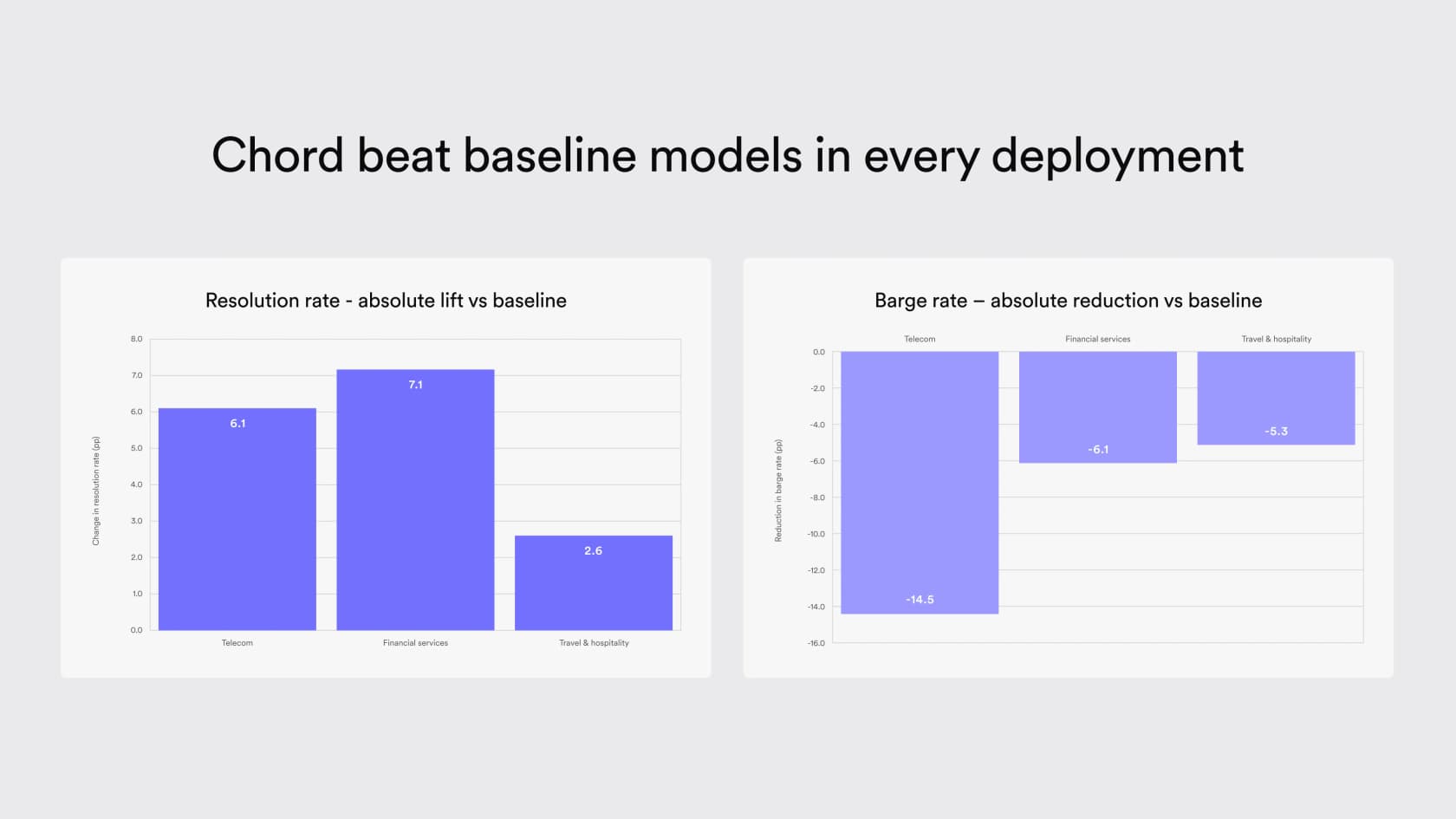
Two caveats, though. It's three customers, and Decagon doesn't publish the starting resolution rates, so you can't tell whether +7.1 means 50% to 57% or 80% to 87%. And the travel lift is a third the size of the financial services one, so the voice clearly matters more for some call types than for others.
The voice isn't the whole story (Decagon says so too)
The most useful bit, for me, comes from Decagon's own blog. In an earlier post on reducing barge, Decagon says it cut barge by over 15% for a global telecom on billing disputes "not with a new model or a better voice," but by changing what the agent said in its first few turns. That was one review of real conversations, shipped in about a day.
So the same company that just built a custom speech model is telling you the script can move barge as much as the voice. I think that's the honest way to read Voice 3. Chord gets callers to listen and the duplex design keeps them on the line. Whether the call actually gets resolved still comes down to the procedures behind it.
I learned the same lesson on the text side. At eesel, I've watched a confident-sounding AI agent give a polished, wrong answer more than once, which is why every rollout I help with gets simulated against past tickets before it goes live. A natural voice makes a wrong answer more convincing, not less. Whatever phone agent you pick, test it on your own call recordings, not on a vendor's blind test.
For context on where voice AI sits overall, the top score on Artificial Analysis' tau-Voice benchmark, which scores simulated support calls on whether the task actually gets done, was 68.6% at the end of September 2026. So even the best voice models still miss roughly a third of realistic support calls. My guide to AI phone support and the question of whether AI can answer support calls go deeper on that gap.
Languages, pricing and who it's for
Three practical questions decide whether Voice 3 is worth a demo: does it speak your customers' languages, what does it cost, and does your team look like Decagon's customers.
70+ languages from one agent
Per the Voice 3 post, Decagon supports 70+ languages without a separate agent per language. It detects the caller's language and switches automatically, even mid-sentence, uses locale-specific voices, and validates each language with native speakers before it ships. Deutsche Telekom is the named customer on the launch, and its digital service lead puts the shift plainly:
"Customers have been trained for years to speak in short fragments at these IVRs just to get through to a human."
Christian Niedworok, Lead of Digital Service Communication at Deutsche Telekom, via Decagon
Pricing
Decagon doesn't publish a price for Voice 3, and decagon.ai/pricing returns a 404. Every call to action is "Get a demo." Decagon's own glossary entry on resolution-based pricing describes charging when the AI completes a task without human help, which is the model buyers report, but no rate card exists. My Decagon pricing post collects what's actually known, and the Sierra pricing and Parloa pricing breakdowns show the same quote-only pattern across the enterprise tier.
Who should look at Voice 3
| You are... | My take |
|---|---|
| An enterprise with heavy, multilingual phone volume | Shortlist it. Chord and duplex target your exact pain, and Decagon's named voice customers (Deutsche Telekom, Chime) look like you. |
| Already on Decagon for chat or email | Ask for the live-call numbers on your own traffic. Cross-channel memory is the quiet benefit. |
| A mid-size team that wants to build its own phone agent | Look at Retell AI or the other platforms in my voice agent roundup, which publish per-minute pricing. |
| A team whose support is mostly email and chat | Voice 3 isn't your first problem. Put AI on the ticket queue first. |
If you're comparing Decagon against its peers, the Decagon vs Sierra and Decagon vs Zendesk AI posts, plus my list of Decagon alternatives, are the natural next reads. Zendesk shops should also look at Zendesk voice AI agents before signing a separate phone contract.
What happens after the call
Every phone agent hands some calls off. Decagon's voice page says Voice 3 transfers calls to human agents "with a concise summary," and in most support teams that summary becomes a ticket, a callback, or an email follow-up. That's all written work. It piles up in the helpdesk no matter which voice the caller heard.
One eesel customer told the eesel team their agents had to summarize every voice interaction by hand before the AI could use it, and that fixing it would significantly increase their usage. That gap between the phone and the queue is worth planning for before you pick a voice vendor. The AI agent handoff best practices post walks through what a good transfer needs to carry.
eesel for the tickets your phone agent hands off
eesel is an AI teammate platform, and the teammate that fits here is the AI helpdesk one. It joins your existing helpdesk the way a new hire would, through the Zendesk integration or Freshdesk, Gorgias, Front and others, learns from your past tickets and help center, and drafts or sends replies on the follow-ups a phone agent creates. Before it goes live, you can run a simulation on hundreds of your past tickets and see how it would have answered.
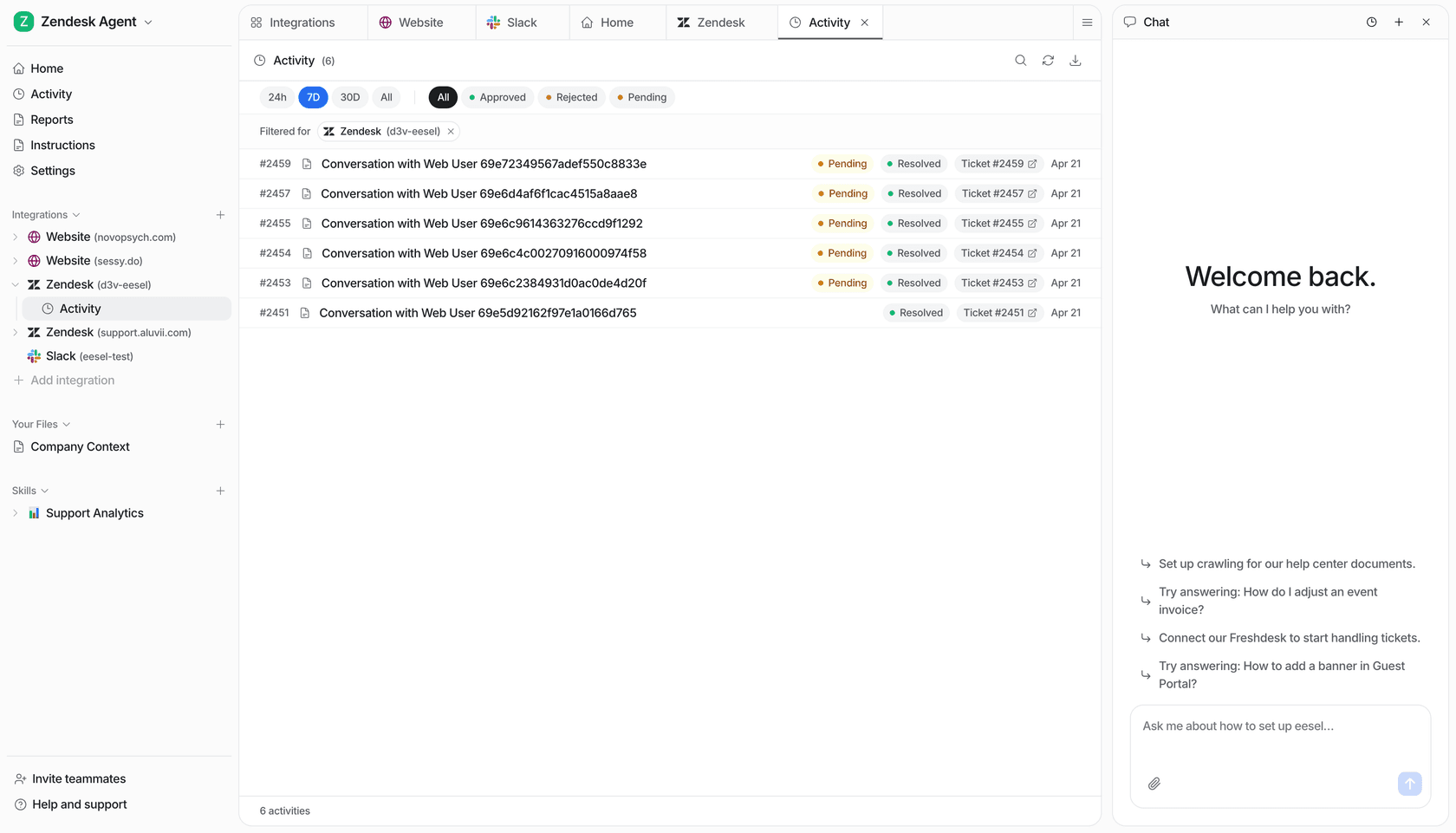
To be plain about it, eesel doesn't answer the phone. Paired with Voice 3 or any other AI call center agent, it handles the written half of support. Plans start with 100 free credits on the eesel pricing page, no card needed. Try eesel on your own ticket history and see what it would have sent.
Frequently Asked Questions
What is Decagon Voice 3?
What is Decagon's Chord speech model?
How much does Decagon Voice 3 cost?
How many languages does Decagon Voice 3 support?
Is Decagon Voice 3 better than Sierra or Parloa for phone support?
Can a voice AI agent fully replace phone support agents?
What happens to calls Decagon Voice 3 can't resolve?
Who should consider Decagon Voice 3?


Article by
Kira
Kira is a writer at eesel AI with a Computer Science background and over a year of hands-on experience evaluating AI-powered customer service tools. She focuses on breaking down how helpdesk platforms and AI agents actually work so that support teams can make better buying decisions.