
What ZCode actually is
I ship the integrations and agent plumbing at eesel, so when a new agentic tool lands I read it for what the agent actually does under the marketing, not the tagline. ZCode gives you plenty to read.
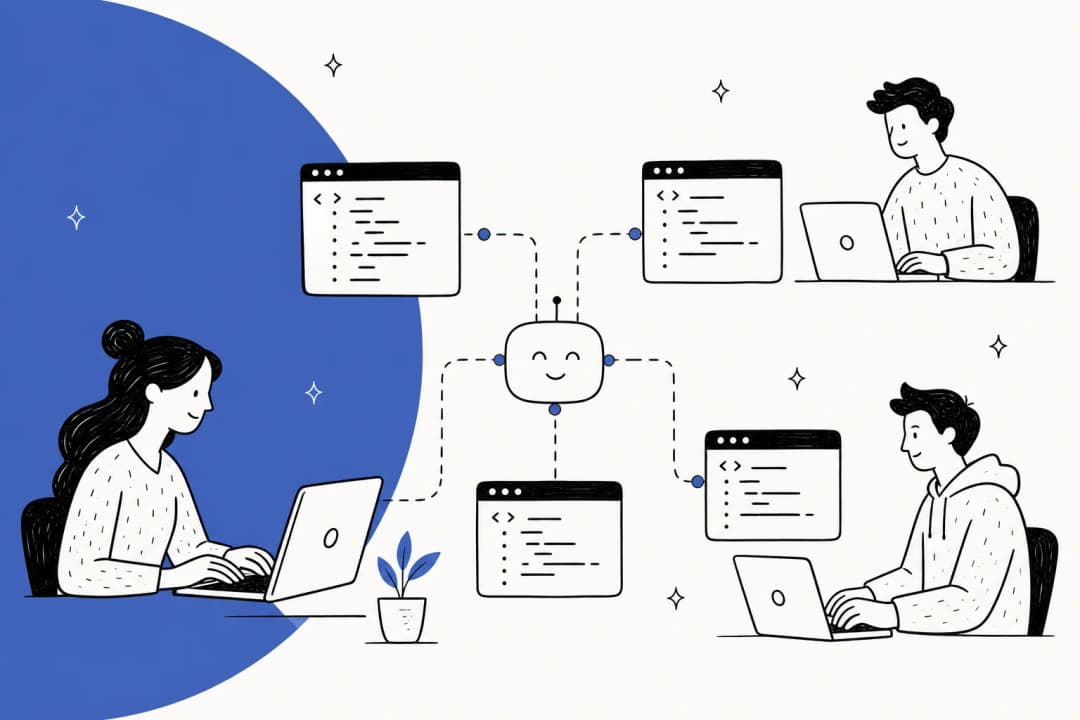
ZCode is a desktop app, not a chat sidebar bolted onto an existing editor. Z.ai (the lab formerly known as Zhipu AI) calls it an "agentic development environment," and the framing is fair: instead of autocompleting the line you are on, it owns a whole task. You describe what you want, and the agent explores your repo, writes across multiple files, runs shell commands, checks its own work, and hands you a diff with an undo button. The changelog banner at launch read "ZCode 3.0: GLM-5.2 optimized," and the installer was already on version 3.3.3, so it is iterating fast.
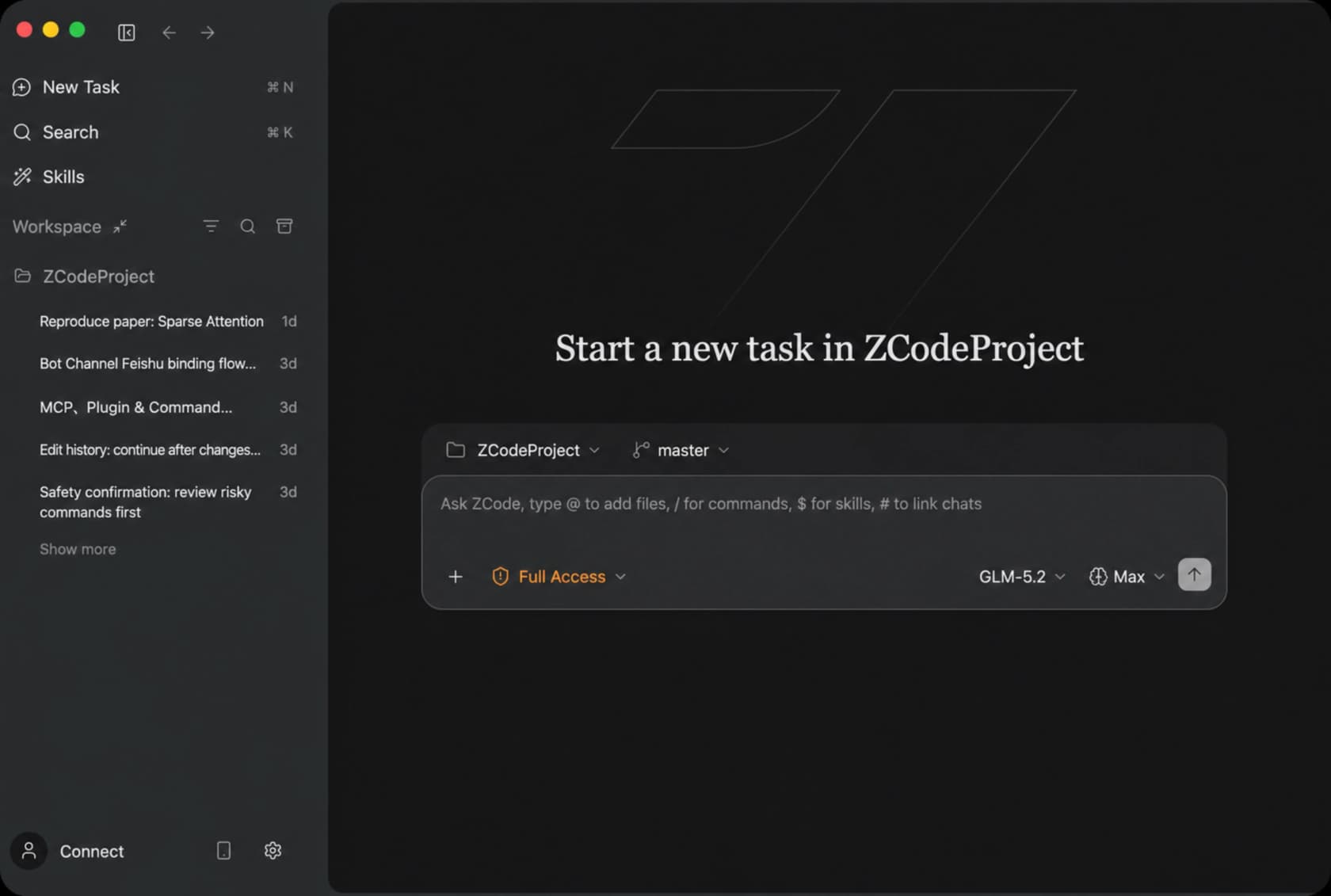
The empty-state screen tells you a lot. There is a task composer ("Ask ZCode, type @ to add files, / for commands, $ for skills"), a Full Access permission toggle in a slightly nervous orange, a Git branch picker, and a model selector pinned to GLM-5.2 at Max effort. The whole thing is vertically integrated: the agent, the GLM-5.2 model, and the subscription all come from the same company. That is a real difference from a model-agnostic harness like Claude Code, and it cuts both ways, which I will come back to.
If you have followed the vibe-coding wave or read my primer on agentic coding CLIs, ZCode is that idea in a native GUI: less "type a prompt, get a snippet," more "hand off a task, review the result."
The model underneath: GLM-5.2
You cannot separate ZCode from GLM-5.2, the model it is built for. Z.ai released GLM-5.2 on 16 June 2026 under an MIT open-source license with public weights on HuggingFace and ModelScope, plus a 1M-token context window (up from GLM-5.1's 200K). Z.ai is blunt that a big context number is easy to claim and hard to keep reliable, so they say they trained specifically for long, messy coding trajectories rather than the benchmark screenshot.
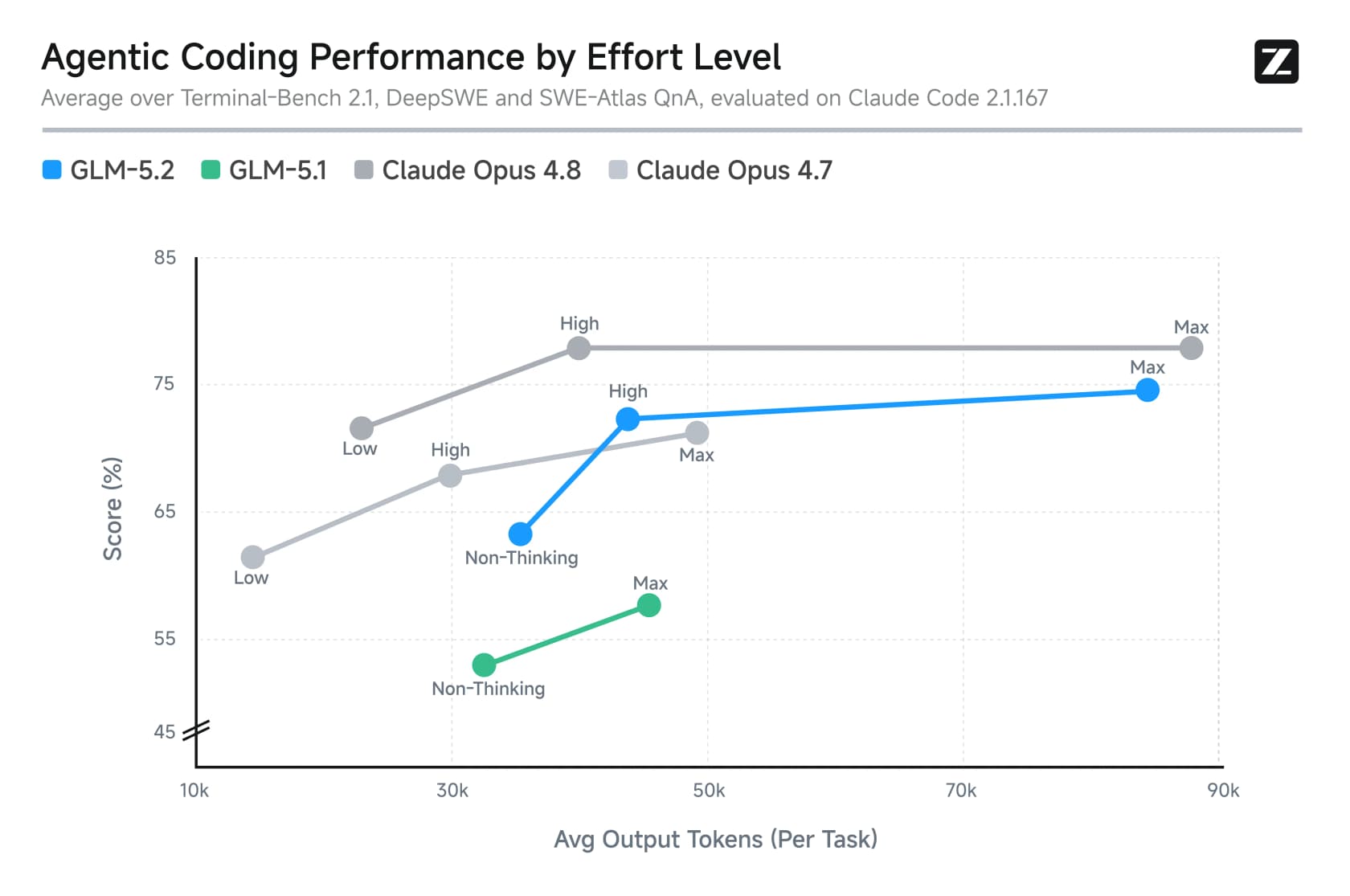
The headline claim is that GLM-5.2's agentic coding performance sits "roughly between Claude Opus 4.7 and Claude Opus 4.8" at comparable token budgets. Their long-horizon evaluations back the framing: on FrontierSWE (open-ended projects scoped in hours to tens of hours) GLM-5.2 scores 74.4, about 1% behind Opus 4.8 at 75.1 and ahead of GPT-5.5 at 72.6.
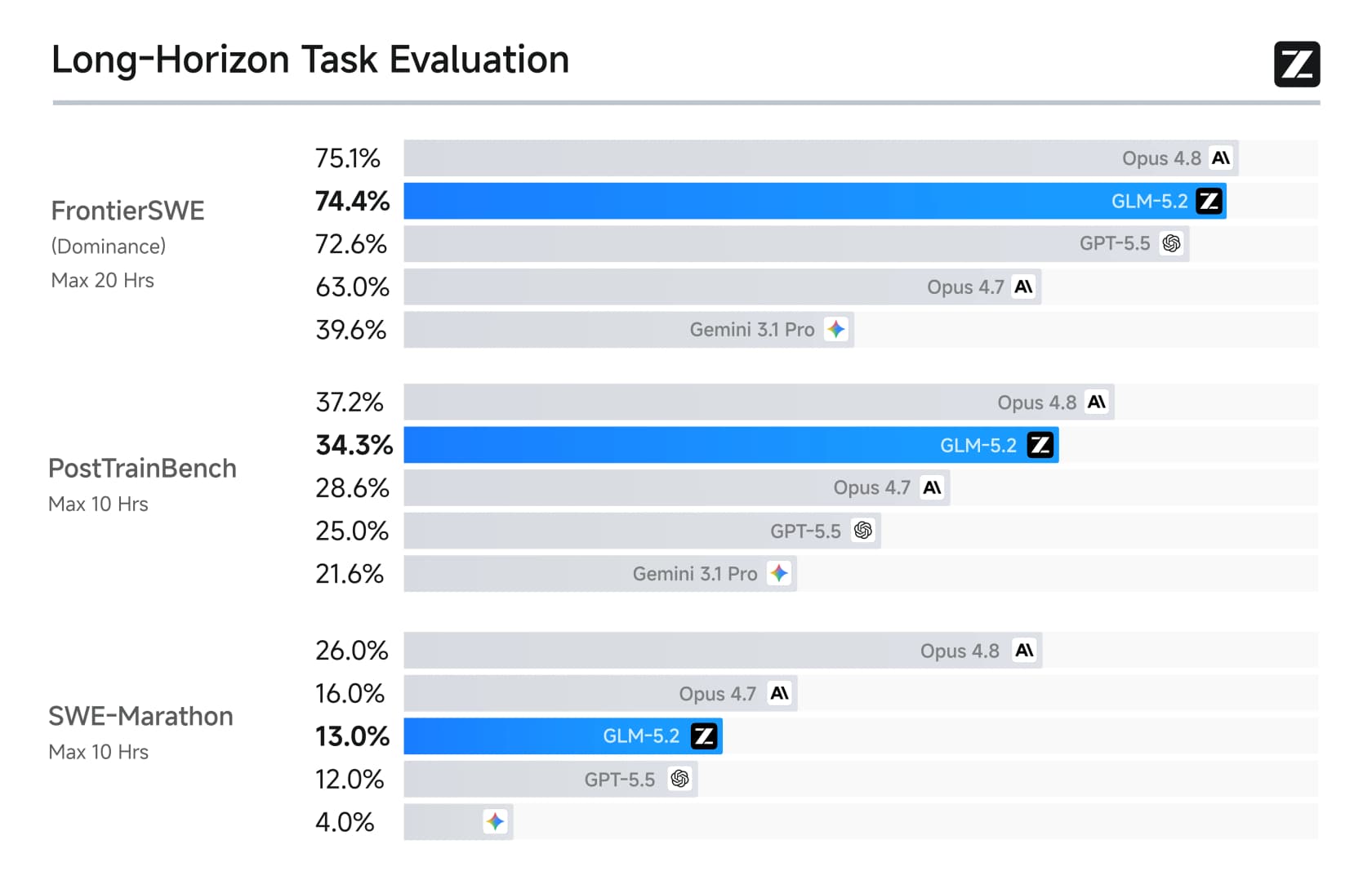
Two caveats worth keeping in your head. First, these are Z.ai's own benchmarks, so read them the way you would read any vendor's chart. Second, the throughline across every one of them is the same: GLM-5.2 is the top open-weight model, but it still trails the closed frontier (mostly Opus 4.8, and GPT-5.5 on a couple of benchmarks) outright. On the ultra-long SWE-Marathon it scores 13.0 to Opus 4.8's 26.0, so the gap widens the longer the task runs. If picking a model for a job is your bottleneck, my notes on model selection and the best LLMs for writing cover the same trade-offs from other angles.
The most credible outside read I found put it plainly:
"On average, I think Opus 4.8 is still a better, more reliable, and faster model, but if it went away tomorrow and I only had GLM 5.2, I wouldn't be too sad about it; I'd get things done with GLM 5.2 just fine."

That is roughly where I land too. GLM-5.2 is a real, usable frontier-adjacent model that happens to be open weight, which is a big deal. It is not a giant-killer.
How ZCode works: goals, bots, and one big stack
Three things define the ZCode experience, and they are where the product is most opinionated.
Goals, for long-running tasks
The core unit of work is a "Goal." Instead of a single completion, you hand ZCode a multi-step objective and it runs continuous planning, execution, and verification against it, with task durations in the demos ranging from two minutes to a full day. The agent transcript on the homepage shows it inspecting a repo first, writing index.html, app.js, and styles.css in one pass, then running node --check app.js to verify its own output before declaring the task done. That self-check step is the part that matters; an agent that writes code and never runs it is just a fancier autocomplete.
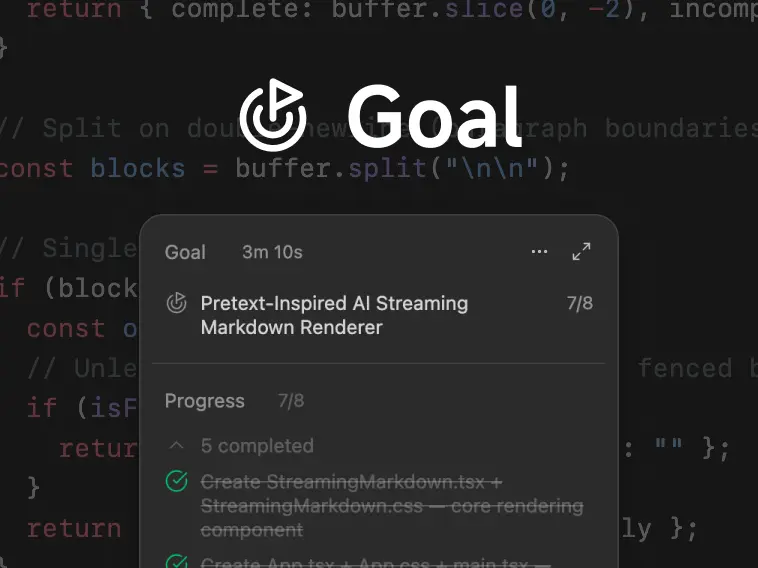
If you want the conceptual version of what a Goal is doing under the hood, I wrote up the agent loop separately, and the difference between this and older bots is the same one I drew between an AI agent and a rule-based chatbot.
Bot control from your chat apps
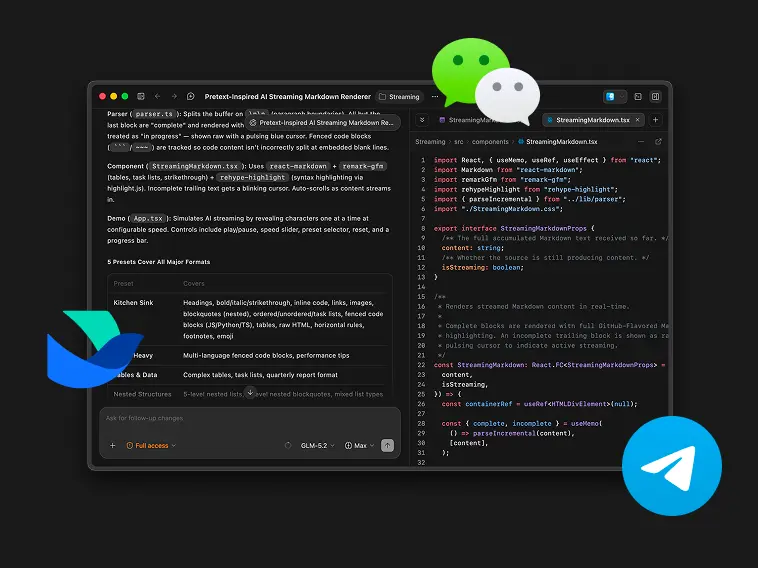
This is the feature Western coding tools mostly do not have: you can start and steer a ZCode task from WeChat, Feishu, or Telegram. @ the bot from your phone and a long-running task keeps moving while you are away from the desktop. It is a neat idea, though the launch page pushing a Feishu invite to join the Linux beta is a small reminder of where this product's home audience is.
One vertical stack
Here is the strategic choice. Claude Code is essentially a harness that can point at different models. ZCode is the opposite: the agent, the GLM-5.2 model, and the GLM Coding Plan subscription are one owned-end-to-end stack, "tuned together" as Z.ai puts it. You can bring your own key for Anthropic, DeepSeek, Kimi, or OpenRouter, but GLM-5.2 is the default and the thing everything is optimized for.
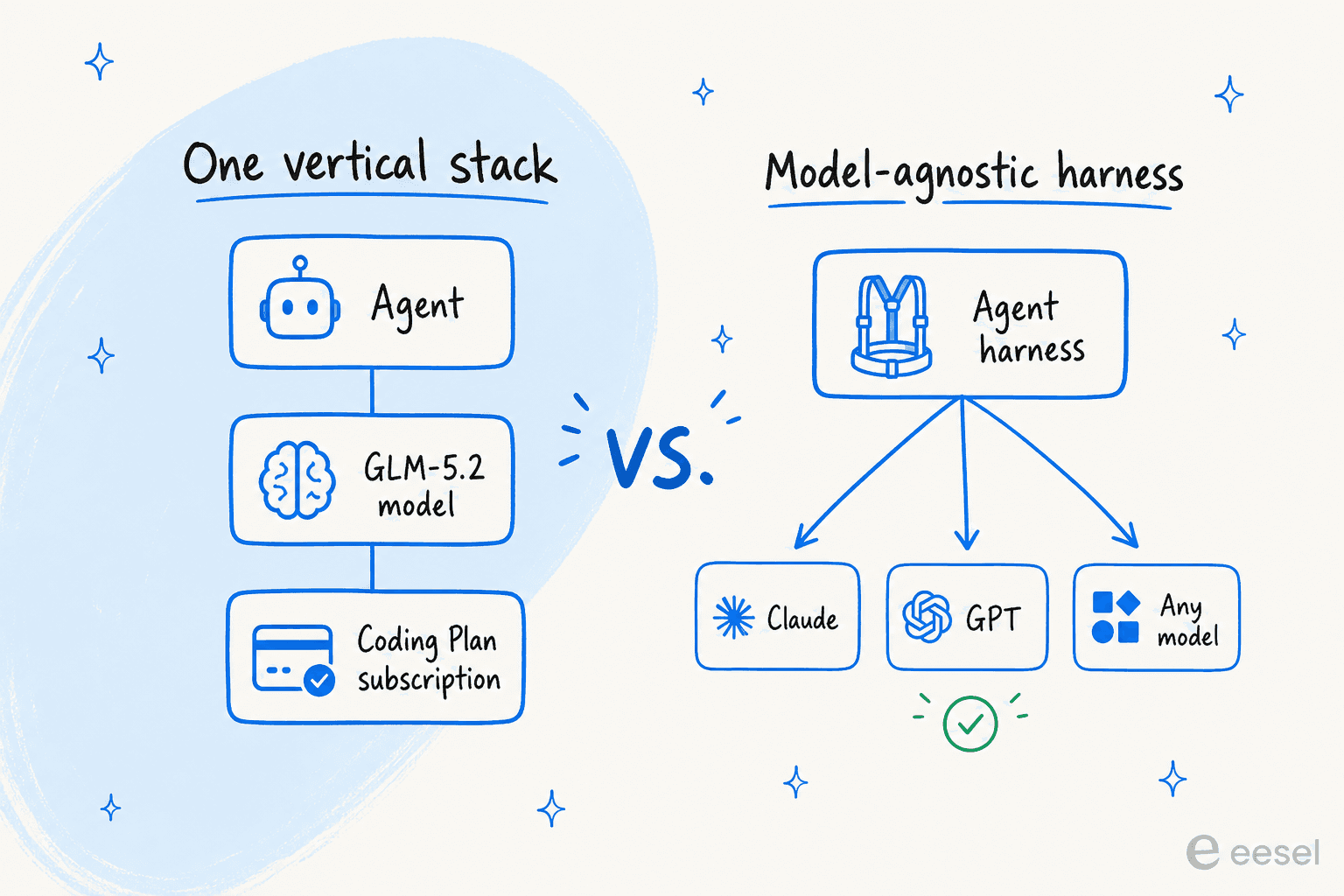
The upside of a vertical stack is tuning: the model and the harness know about each other. The downside surfaced immediately in the community, where a fair few people asked why a dedicated harness is even needed when GLM-5.2 already runs fine inside existing tools:
"GLM-5.2 is a great model! But it already works really well with existing harnesses, I'm not sure why a dedicated one is needed?"
It is a fair question, and one worth sitting with before you commit your workflow to a single vendor's app.
What ZCode costs
The app is free. The model behind it is not. To run GLM-5.2 you need a GLM Coding Plan, and there is no free tier on the plan itself.
| Plan | Full monthly price | With longer billing (yearly, -30%) | What you get |
|---|---|---|---|
| Lite | $18/mo | $12.60/mo ($151.20/yr) | Base usage allowance; small-repo work; 20+ coding tools incl. Claude Code |
| Pro (Popular) | $72/mo | $50.40/mo ($604.80/yr) | Everything in Lite + 5x Lite usage; curated MCP tools; faster generation |
| Max | $160/mo | $112/mo ($1,344/yr) | Everything in Pro + 20x Lite usage; first access to new models; peak-time resources |
Z.ai applies a -10% discount for monthly billing, -20% for quarterly, and -30% for yearly, so the same plans render as low as $12.60-$112/mo if you commit for a year. (You may see $16.20-$144 quoted elsewhere; that is just the monthly-billing view of the same prices, not a separate tier.)
Now the part I would flag to anyone budgeting around this. The plans are sold as multiples of a base allowance that Z.ai never actually publishes. Pro is "5x Lite," Max is "20x Lite," and Lite is "base usage allowance included" with no number attached. The pricing page even has a "What is the usage limit for the plan?" FAQ, and at the time I checked it stayed collapsed.
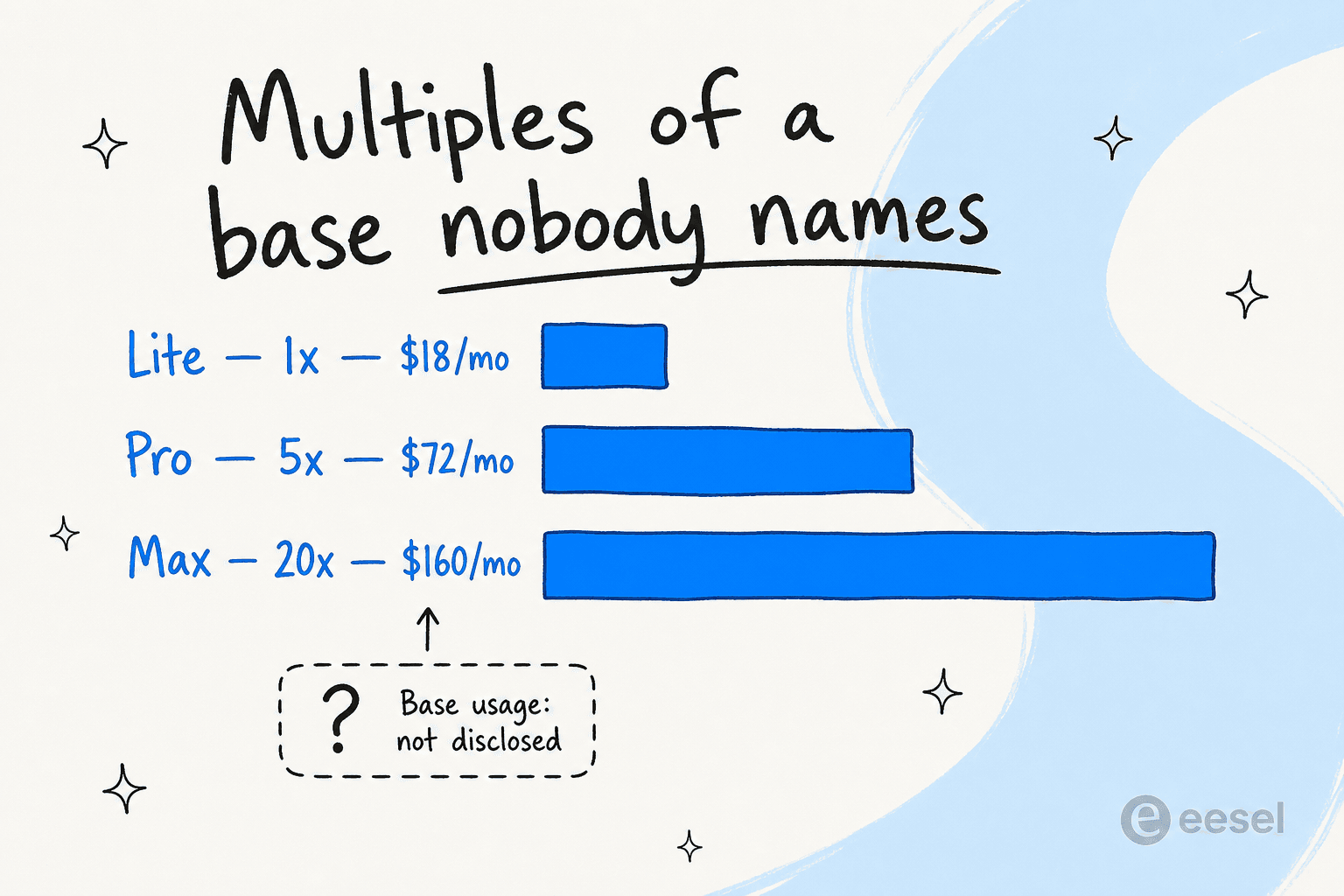
A launch-week comment put the frustration better than I can:
"It's impressive all these companies are getting away with 'base usage allowance included' [...] layering the higher plans as a multiplier of that 'base' but never disclosing what it is."
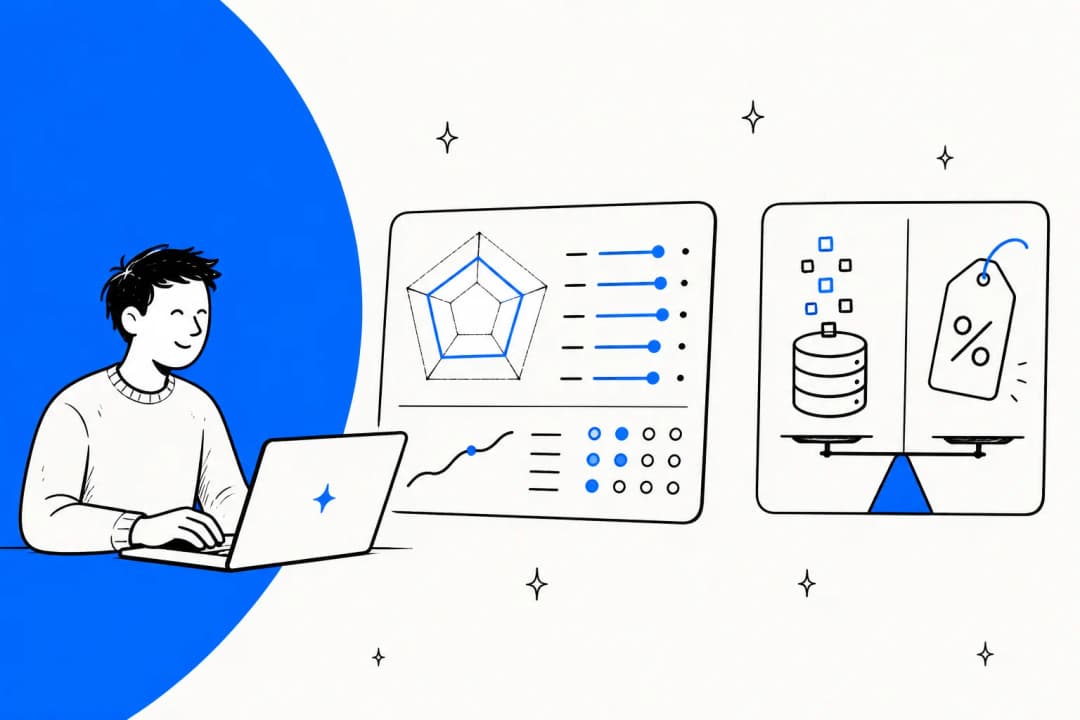
It also matters that GLM-5.2 is not cheap to run per task. Z.ai's own effort-level chart shows GLM-5.2 reaching Opus-adjacent scores only by spending far more output tokens per task, and its quota meter multiplies usage 3x during Beijing peak hours and 2x off-peak.
Watching a vendor sell autonomy in units nobody can price is familiar to me. It is the same reason eesel prices per resolved ticket, a unit you can actually forecast, rather than an opaque "credit." If you are sizing an AI budget of any kind, my breakdown of what an AI support agent costs walks through the same trap on the support side.
What people actually say
Launch week for ZCode was loud, and the sentiment was split in a useful way. A few themes came up again and again.
It looks a lot like Codex. Despite the "Claude Code from the makers of GLM" framing, several people said the UI is closer to OpenAI's Codex:
"Even the hand icon, the usage in the text field, and the sidebar style are 1:1 identical to Codex. It's a misleading title - it's not close [to] Claude Code."
It is unstable and thirsty. The most common practical complaint was reliability and token burn:
"You have to retry each request at least 3 times because the API is so unstable. And if you're on the coding plan, the max one, this thing drains tokens at least 5x faster than codex $200 and claude $200."
And there is a trust question that will not go away. A proprietary agent that wants full system access, built by a Chinese lab, is a hard sell for a chunk of developers regardless of the benchmarks:
"There's no way I would ever put a piece of proprietary Chinese software that gets full system control on anything important. This is definitely something I would only ever run sandboxed in a lab environment for toy projects, not for serious work."
None of this makes GLM-5.2 a bad model. It makes ZCode, the app, a version-3.x product with rough edges, which is exactly what you would expect two weeks after launch. If you granted a coding agent this kind of reach, my note on Claude Code's permission controls is a good sanity check on what "full access" should actually mean.
The real lesson: autonomy needs a harness
Here is the thing I keep coming back to, and it is bigger than one coding app. An autonomous agent is only as trustworthy as the harness you put around it.
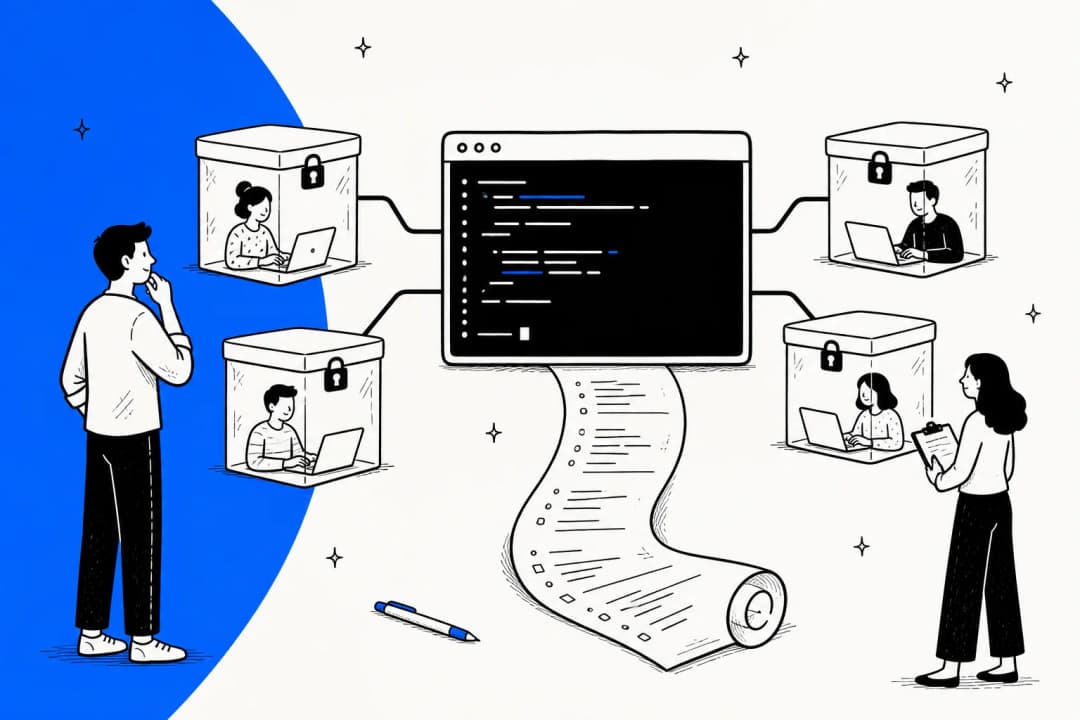
ZCode's best design decisions are the guardrails, not the autonomy. It requires a confirmation step before sensitive commands or high-permission actions run. Its agent self-verifies with a real command before it claims success. Its "Full Access" toggle is a deliberate, visible choice rather than a default. Strip those away and you have a very capable model with root on your machine and no brakes, which is precisely what the skeptics in the threads were worried about.
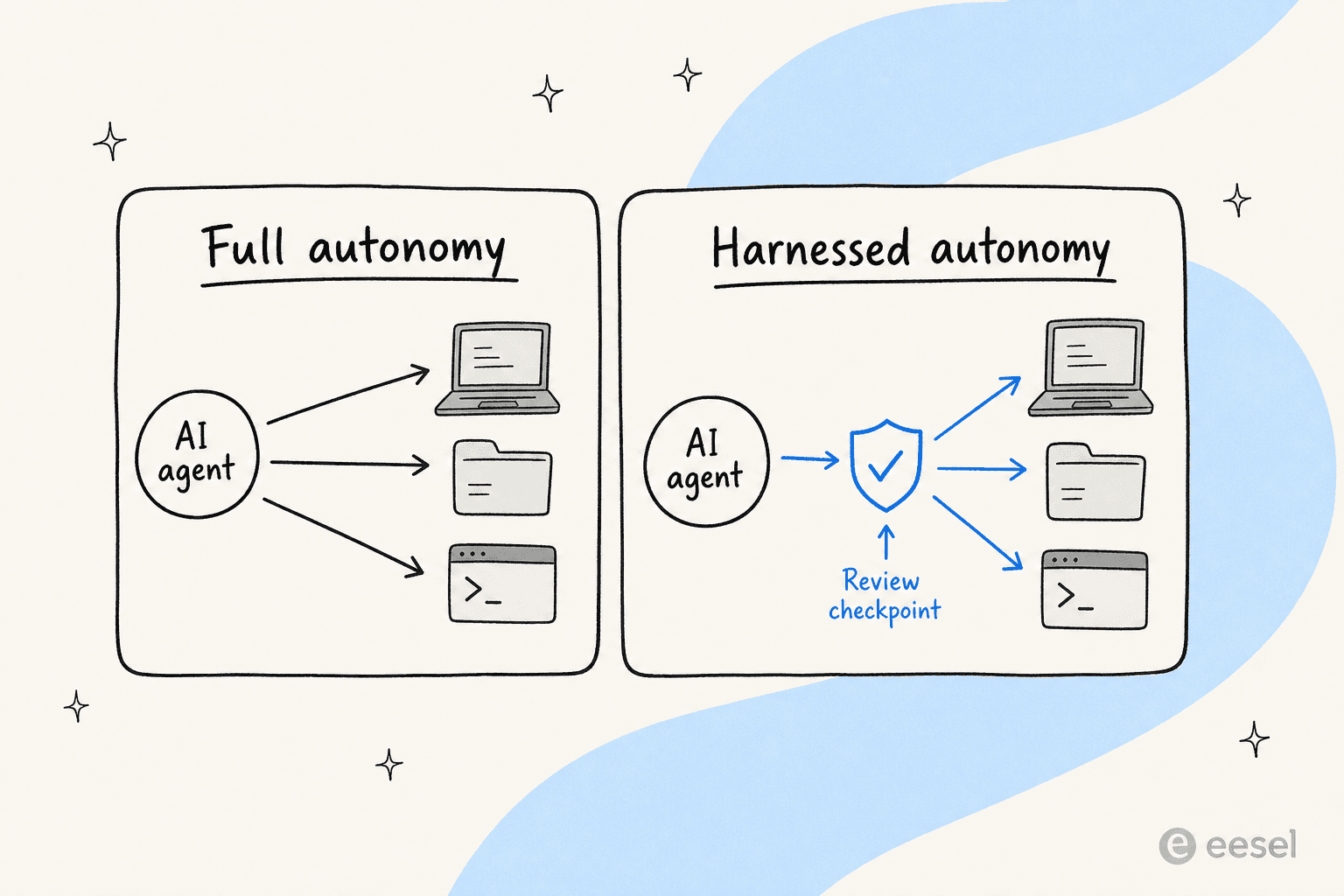
I find this reassuring, because it is the exact conclusion I reached building AI for support. I have spent the last three-plus years putting AI agents on live customer queues, and the early, painful lesson was watching a confident-sounding bot give a wrong answer to a real customer. A coding agent that hallucinates a function breaks a build you can revert. A support agent that hallucinates a refund policy breaks trust you cannot. That is why the whole industry, ZCode included, is converging on the same shape: give the agent room to work, but put a checkpoint between it and anything irreversible, and prove it works before you let it loose.
For support specifically, that harness is three things: a review step before a reply goes out, a clean escalation path when the agent is unsure, and a way to measure containment and quality instead of guessing. The autonomy is the easy part now. The harness is the product.
Try eesel
If you are watching ZCode and thinking "I want an agent like this, but for my support queue," that is basically what I build. eesel is an AI teammate for your helpdesk: it plugs into Zendesk, Freshdesk, Gorgias, HubSpot, or Front, learns from your past tickets and help docs on day one, and drafts or fully resolves tier-1 conversations.

The differentiator is the same harness idea from the section above. Before eesel replies to a single customer, its simulation mode runs the agent against thousands of your real historical tickets, so you see exactly what it would have said and how much it would have resolved, and you fix the gaps before going live. It starts supervised, drafting only, and you grant autonomy on the easy tickets when you trust it, with confidence-based routing so low-confidence questions become a draft instead of a wrong answer. Real teams run it at scale: Gridwise saw eesel resolve 73% of tier-1 requests in its first month. You can try eesel free, and it is priced per resolved ticket, not per opaque credit.
Frequently Asked Questions
What is ZCode?
Is ZCode free, and what does the GLM Coding Plan cost?
Is GLM-5.2 open source?
Is ZCode better than Claude Code or Cursor?
Can I use my own model with ZCode?
Does the same agentic approach work for customer support?


Article by
Rama Adi
Rama is a software engineer at eesel AI with two years of experience writing about B2B SaaS, AI tools, and customer support technology. Based in Bali, Indonesia, he brings a developer's perspective to product comparisons — cutting through marketing copy to what the integrations and APIs actually do.