Ultimate.ai pricing in 2026: what it really costs

Kurnia Kharisma

Katelin Teen
Last edited October 14, 2026
The short answer: what Ultimate.ai actually costs
Ultimate.ai was a customer support automation platform out of Berlin, founded in 2017, and it built a respected product. What it never did was tell you the price without a demo. There was no public rate card, ever, going back to the earliest archived version of the site.
So the numbers below come from buyers who negotiated real contracts and shared what they paid, mostly in r/Zendesk threads and G2 reviews. Treat them as reported figures, not a menu, because Ultimate's own reps changed the packaging more than once.
| Cost component | Reported figure | What it means |
|---|---|---|
| Public list price | None | "Contact sales" was the only path in |
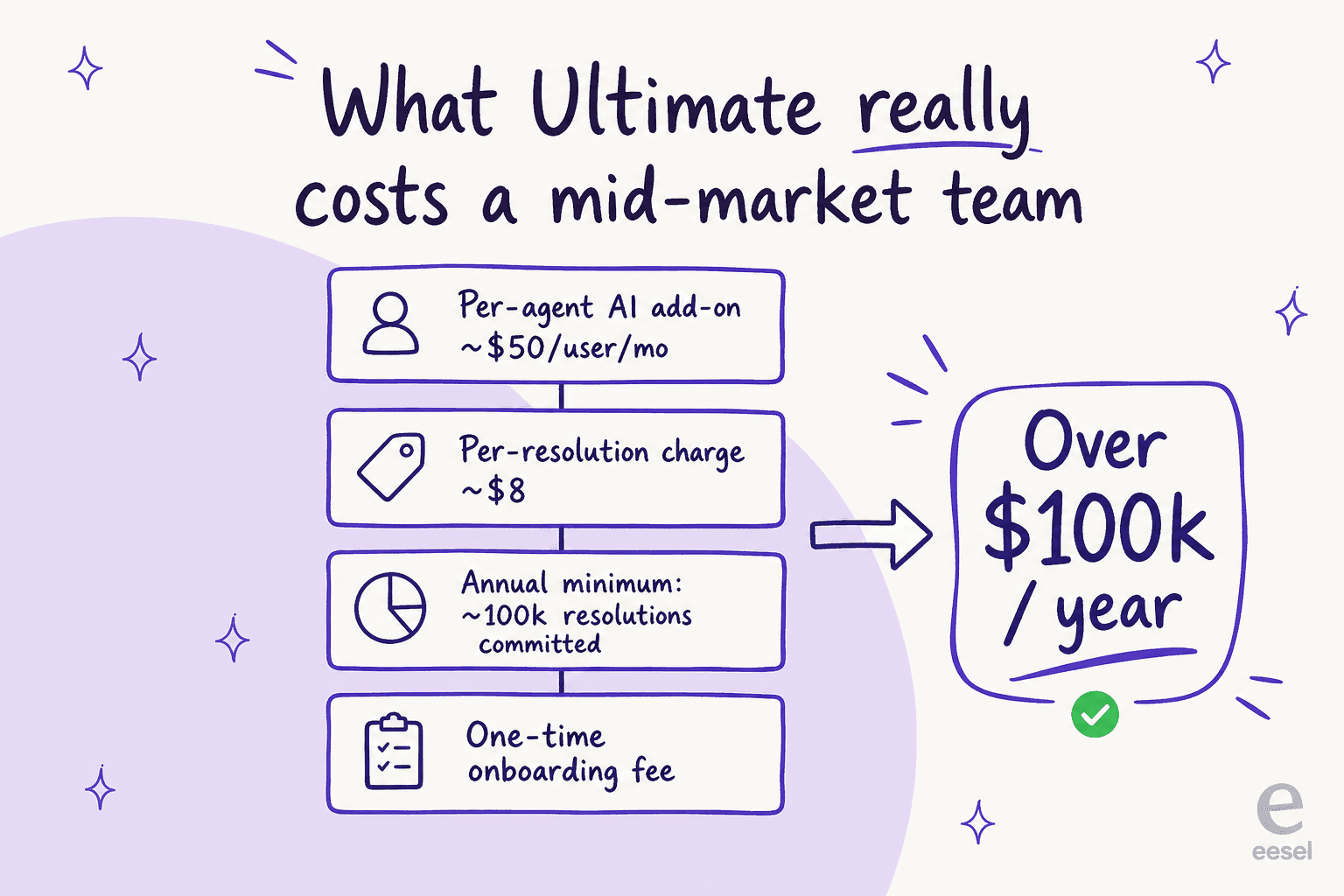
| Per-resolution charge | ~$8 per resolution | The core billable unit, confirmed in a 2024 demo |
| Per-agent AI add-on | ~$50 / user / month | Layered on top of per-resolution in the Zendesk-bundled era |
| Annual resolution minimum | ~100,000 resolutions / year | A committed block, bought up front |
| Onboarding fee | One-time, undisclosed | Paid before the resolution block |
| Contract length | Multi-year | Standard Zendesk-style lock-in |
| Reported real total | Over $100,000 / year | One mid-market account's actual number |
The single most useful way to see this is not as a price, but as a stack. You don't pay one of these things, you pay most of them at once, and that's how a "per resolution" tool ends up in six figures.
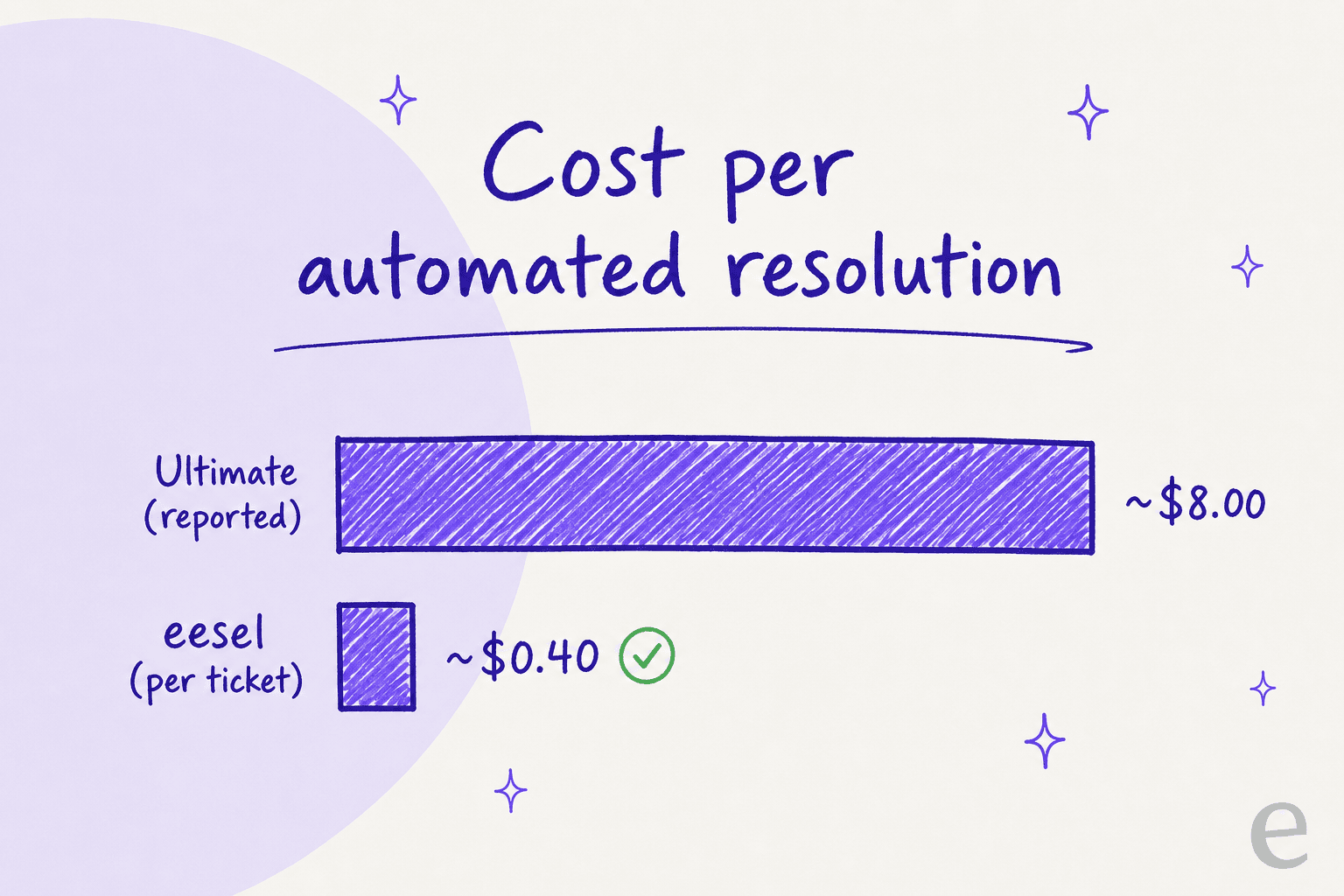
For a working comparison, an Intercom-class per-resolution bot sits near a dollar per resolution, and modern per-ticket tools sit lower still. Ultimate's reported ~$8 was, by the accounts of its own buyers, on the very high end of the market.
"We went through a demo with Ultimate not too long ago, it was by chat. Having talked to a few service providers ~$8 USD per resolution seemed to be the average."

Why there is no Ultimate.ai pricing page
This is the part most "Ultimate.ai pricing" articles miss, and it changes the whole question. Ultimate doesn't exist as a standalone product in 2026.
Zendesk acquired Ultimate in January 2024. Through that year the tech was folded into the Zendesk AI Agents product, and the standalone brand was retired. Today, ultimate.ai doesn't load an Ultimate site at all, it 301-redirects straight to Zendesk's AI Agents page. UltimateGPT became part of Zendesk's automated resolutions, the Dialogue Builder became Zendesk's Flow Builder layer, and the ticket automation became Zendesk's autonomous email agents.
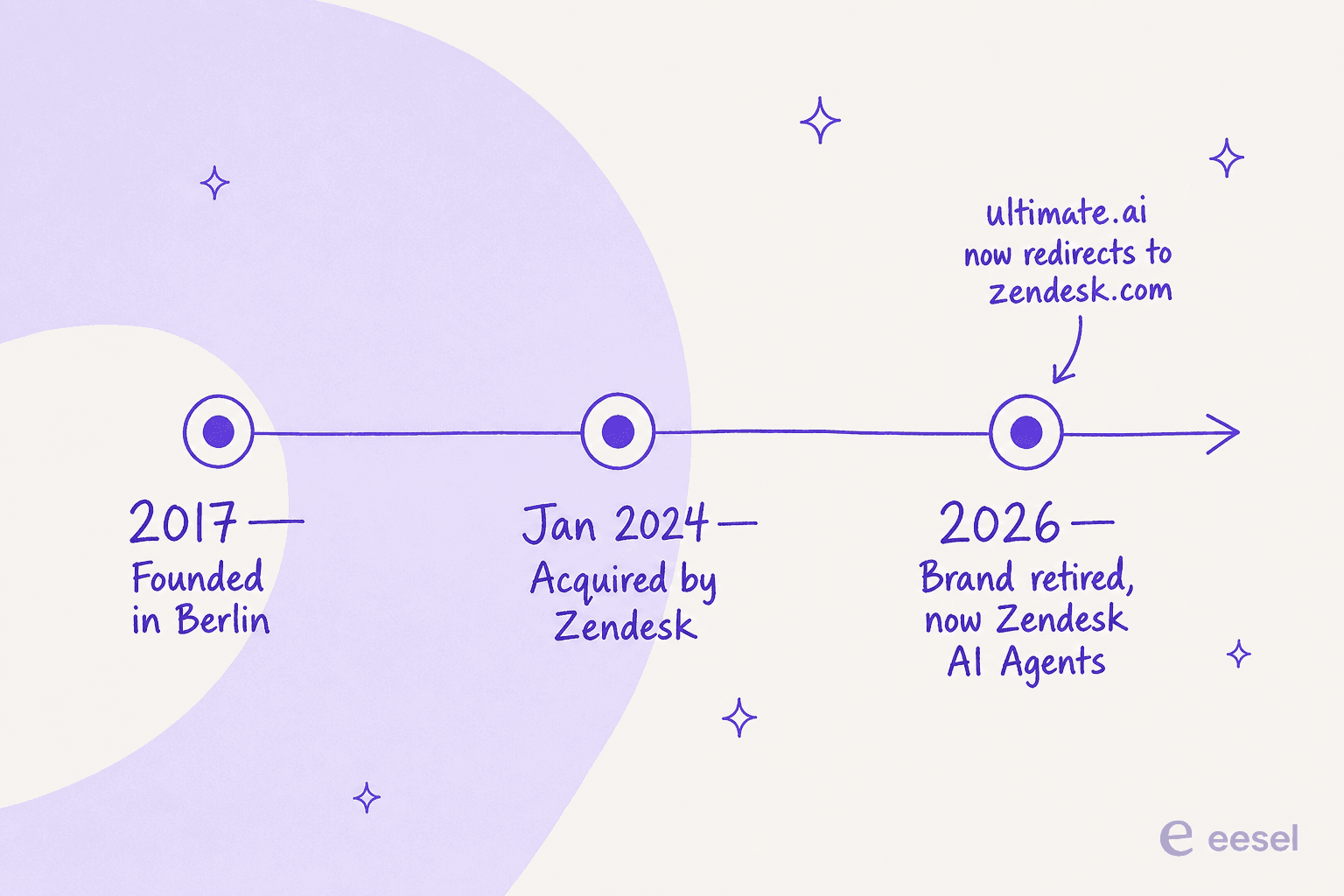
So if a rep offers you "Ultimate," what you're really being sold is Zendesk's AI agents billed per automated resolution on a Zendesk contract. That matters for pricing in two ways. First, the terms follow Zendesk's model, which is dynamic per-resolution pricing with its own minimums. Second, one recurring 2024 pattern was Zendesk reps bundling Ultimate "almost for free" as a renewal sweetener, which sounds great until you read what the resolution charges do to the total.
"We're in the process of renewing Zendesk, and as part of the new deal, we were offered their newly acquired Ultimate software for almost free. Is there anything we should be aware of? The deal sounds almost too good to be true."
The instinct in that thread was right. "Almost free" software attached to a per-resolution meter is how the meter, not the license, becomes the real cost.
The per-resolution model, and the "resolution" trap
Per-resolution pricing sounds fair. You pay for outcomes, not seats. The catch is that the vendor defines what an outcome is, and that definition is where the money moves.
The classic trap: is a "resolution" a properly solved ticket, or just a deflection where the bot replied and the customer went away (maybe satisfied, maybe not)? Those are wildly different things, and at ~$8 a pop the difference between them is your entire budget.
Ultimate's own buyers flagged this directly, and it's the single best piece of advice in any of the threads:
"Then I need to ask them for a definition of 'resolution' as there are so many versions out there in the market. Some say 'resolution' when it's actually just 'deflection'."
The other half of the trap is the minimum. You don't pay for the resolutions you use, you pay for a block you commit to up front, whether you hit it or not.
"We had to buy a certain number of resolutions per year on top of the onboarding fee, so paid for a licence and then 100k of resolutions... got an automation rate of around 20% within less than 6 months."
Sit with that last number. A 100,000-resolution commitment against a 20% automation rate in the first six months means you're paying for capacity you may take a long time to grow into. This is the exact reason I push teams to simulate against their historical tickets before committing to any volume, because I've watched confident-sounding bots quietly underperform their demo, and a per-resolution minimum turns that gap into a line item.
And then there's the bill nobody forecasts:
"Tried to get us to sign up for AI additions per agent at $50/user. It wasn't until we did our own research that I realized the automated resolution charge would cost us > $100k annually. So disappointed with their service."
What you actually got for the money
To be fair to Ultimate, the product was good. This is not a case of an overpriced tool that also didn't work, it's a case of a well-built tool with opaque, high pricing, which is a different and more frustrating problem.
Ultimate packaged three surfaces you'd now recognize inside Zendesk's AI capabilities:
- UltimateGPT, a generative bot you pointed at a help center URL and it went live resolving FAQs, grounded in your knowledge base.
- Chat automation via the Dialogue Builder, a no-code conversation designer that reviewers praised as powerful but warned had a steep learning curve.
- Ticket automation, doing triage, routing, and automated email replies.
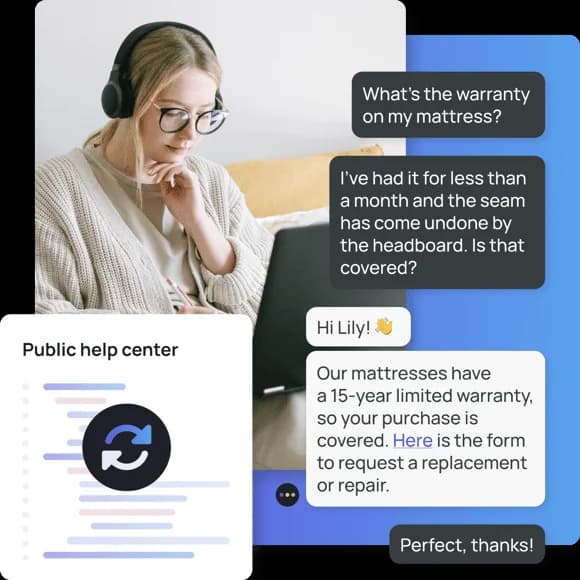
Underneath sat a headless architecture with intent recognition, a training center, an Automation Explorer that surfaced the most automatable tickets first, and native integrations for Zendesk, Salesforce, Freshworks, LiveChat, and Dixa. The real results were real: Discover Cars reported €128k saved annually and a CSAT lift from 68% to 73%, and HyperJar cut a lost-card resolution from 20 minutes to under 2 with a custom API integration.
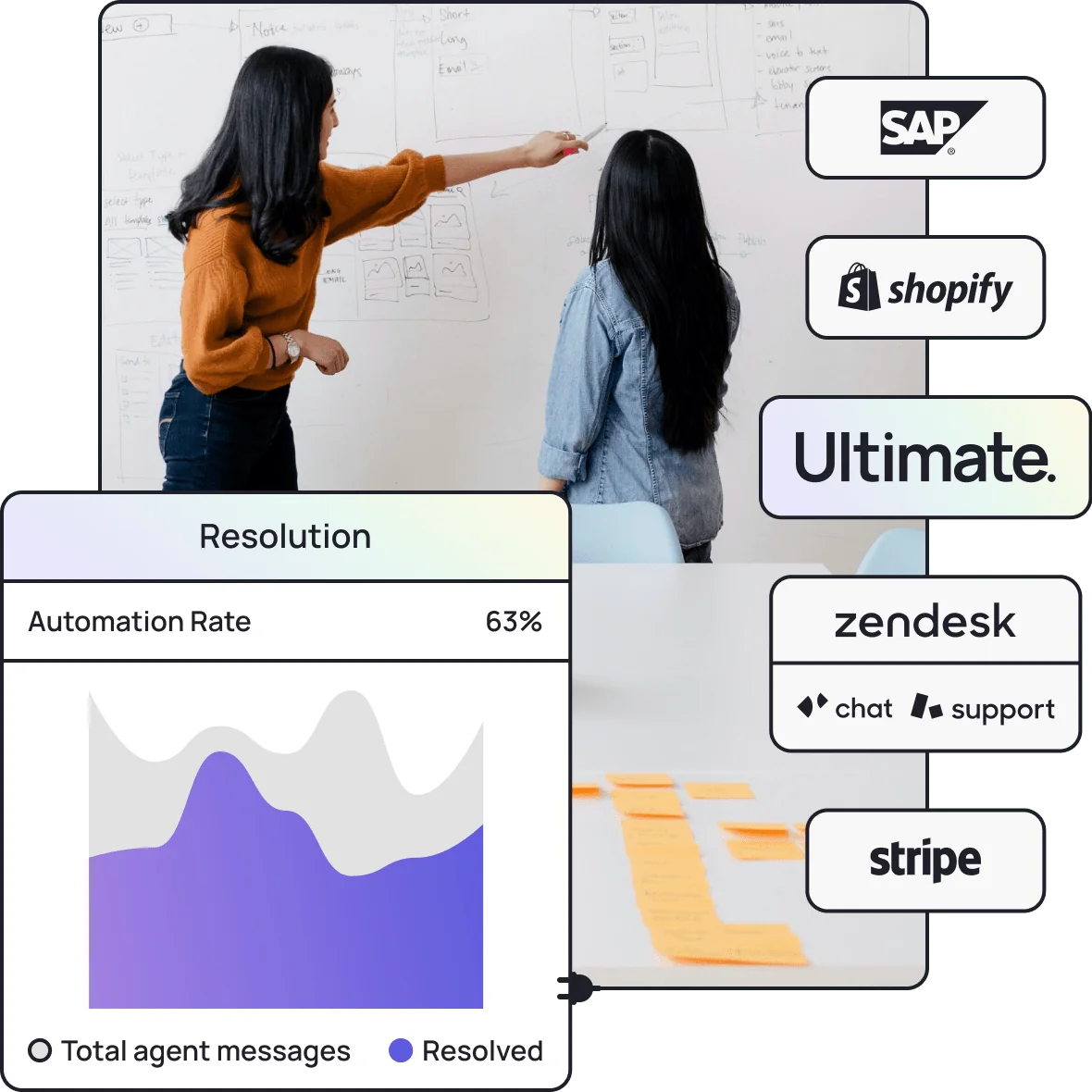
So the money bought a capable, enterprise-grade automation platform. The question was never "does it work," it was "do I know what I'll pay, and can I control it." On both counts, the answers were no.
What real users say about Ultimate.ai pricing
The product reviews were strong, 4.6 out of 5 across 122 reviews on G2, and G2 badged it a Leader. Read the praise and it's all about the tech and the support team. Read the complaints and it's almost entirely about pricing and change.
The pricing-surprise theme shows up even inside otherwise glowing reviews:
"Updates in the pricing scheme happened a bit surprisingly once."

And the community's honest read was consistent: great tool, but you're paying a heavy premium for it, to the point where teams started rebuilding the capability themselves.
"Ultimate is defo much better, but it's quite pricey. So we've built the same offering but ~10x cheaper."
When your happiest users are describing a "10x cheaper" build-your-own as a reasonable response to your pricing, that's the pricing telling on itself. It's also the gap that every Zendesk AI alternative is now built to fill.
Estimate what a per-resolution model would cost you
Abstract numbers don't land until they're yours. Plug in your own ticket volume and team size below to see roughly what an Ultimate-style per-resolution stack would run per year, versus a fixed monthly credit plan. The point isn't the exact figure, it's the shape of the gap.
A quick caveat: this is a rough model, not a quote, and per-resolution vendors bill only automated resolutions while per-ticket tools bill every ticket the AI touches. Even with that in mind, the gap at real volumes is usually large, because $8 is simply a big number to multiply by tens of thousands.
What to ask before you sign anything priced per resolution
If you're evaluating the Ultimate-now-Zendesk AI Agents path, or any per-resolution bot, take the exact advice Ultimate's own buyers gave each other. This is the checklist I'd walk in with:
- Get the definition of "resolution" in writing. Is it a solved ticket, a deflection, or any bot reply? Price only means something once this is nailed down.
- Ask for the annual minimum, separately from the per-unit rate. A low per-resolution rate with a huge committed block is not a low price.
- Model your real automation rate, not the demo's. Twenty percent in six months is a realistic starting point, so don't budget as if you'll hit 80% on day one. Track it with proper AI customer service metrics.
- Lock the price across the full contract term. Mid-contract pricing changes are the most-cited complaint in the reviews.
- Total the seat add-ons. A $50/user/month AI add-on on a 50-agent team is $30k/year before a single resolution.
If those answers make you uncomfortable, that discomfort is the useful signal. A pricing model you can't forecast is a pricing model that isn't on your side.
Try eesel AI for Zendesk
If you got here because Ultimate's pricing was a black box and the per-resolution math scared you, that's exactly the problem eesel AI was built around. It's an AI agent that plugs into Zendesk (and Freshdesk, Intercom, Slack, and your help center) in a few minutes, learns from your past tickets and knowledge base, and starts resolving front-line conversations without a rebuild.
The pricing is the opposite of Ultimate's: a published monthly plan starting at $299 for 500 credits (1 credit per ticket or chat), with no per-agent fees and no forced annual resolution block. You can simulate it against your own historical tickets first, so you see the real automation rate and the real cost before you commit, instead of finding out on the invoice. And you can start free with 100 free credits and no sales call, which, if you've read this far, is a nice change of pace.
If you're specifically shopping the Ultimate-to-Zendesk transition, our Zendesk AI alternatives guide and Zendesk AI Agents review go deeper on how the numbers compare.