
What an AI multilingual support agent actually is
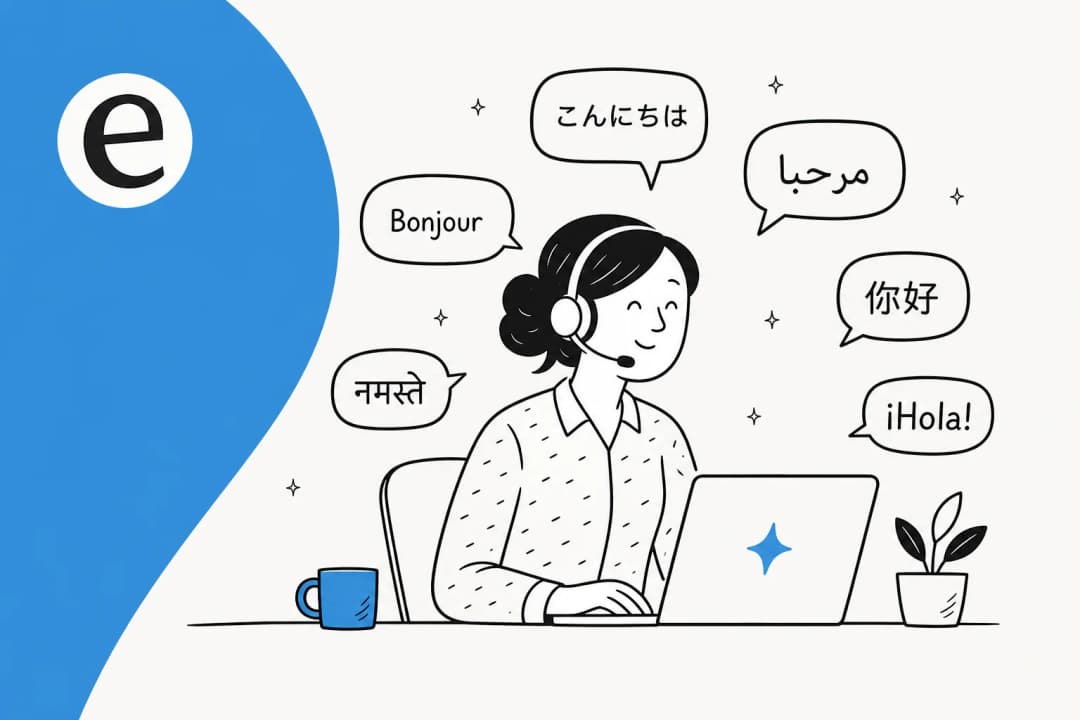
Strip away the marketing and an AI multilingual support agent does three things in a row: it understands an incoming message in any language, it finds the right answer from your knowledge, and it writes a reply back in the customer's language. The best ones live inside your helpdesk and learn from your solved tickets, so they're actually answering questions rather than running a fancy translation layer over a chatbot.
That distinction matters more than it sounds. Raw machine translation has a reputation problem, and customers can smell it. As one developer put it in a thread about whether localization is even worth it anymore:
"Translations are always bad. AI translations are bad AND dishonest. If I google something and see a result in my native language, I expect there to be someone who speaks it among the site's staff."
u/AlienRobotMk2 on r/webdev, Feb 2025

A native-language reply reads as a promise that real support exists behind it. So the bar for an AI multilingual support agent isn't "did it translate the words." It's "did it answer the question as well as a fluent agent would have." That's a much higher bar, and it's why the translation step is the easy part.
What makes multilingual support hard (the part nobody demos)
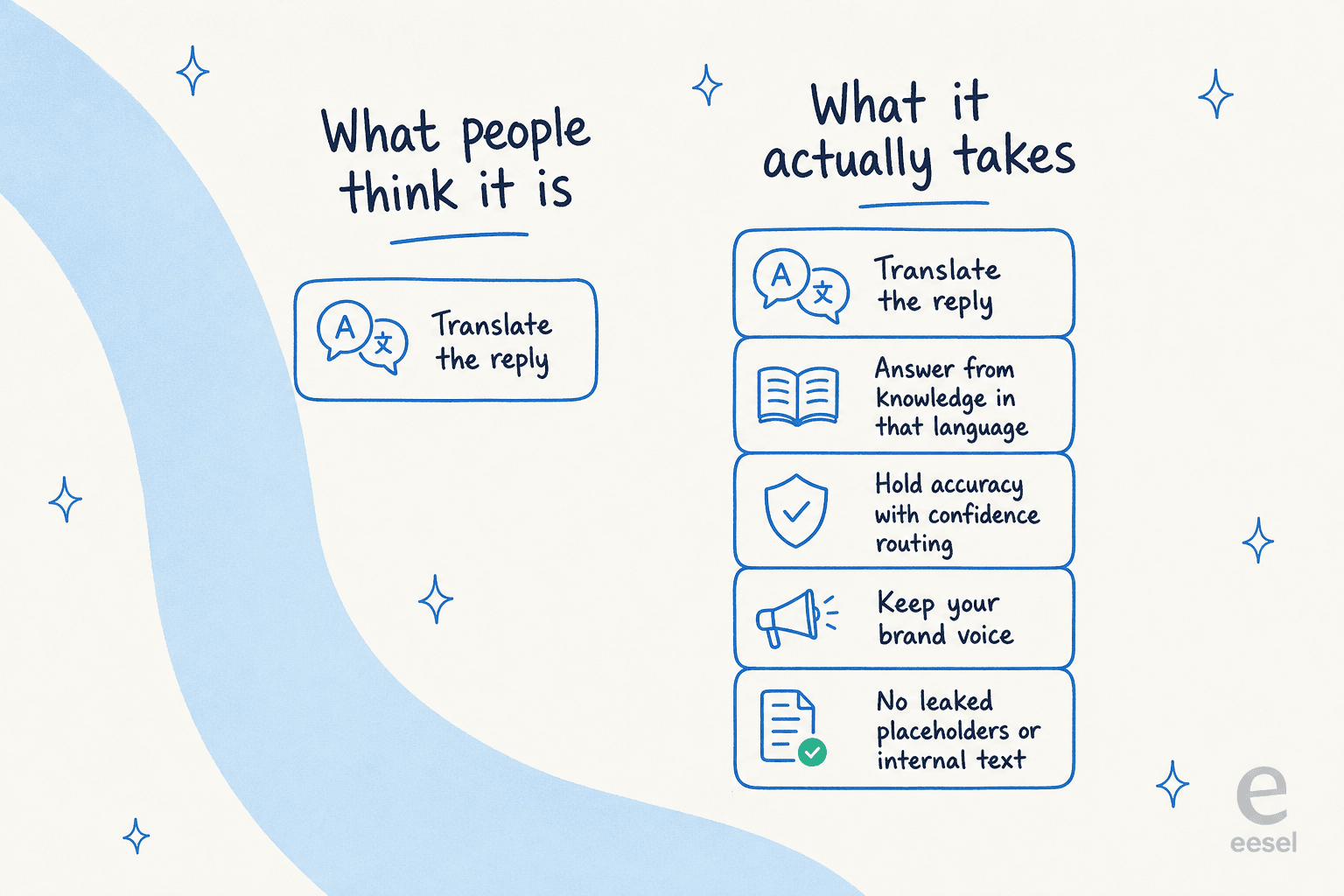
If translation were the whole job, this would be a solved problem and you wouldn't be reading this. The hard parts only show up once real tickets start flowing, and they're the ones that quietly erode trust.
Accuracy isn't even across languages. Models are trained on far more English than anything else, so they're sharper in some languages than others. A translator put it well:
"AI is often better at translating into English than into many other languages, especially smaller or more complex ones... AI is good at sounding fluent, but not always correct or appropriate. It can produce something that looks confident but is actually wrong or unnatural."
u/IlyaAtLokalise on r/TranslationStudies, Jan 2026
"Confident but actually wrong" is the exact failure mode you're trying to avoid, and it's invisible to anyone on your team who doesn't speak the language. This is the same AI hallucination risk every support team worries about, except harder to catch.
Brand voice is the first casualty. Tone is subtle, and it's where automated translation falls down hardest. One operator was blunt about the trade-off after their company switched:
"We used to have a team of human translators, but have since dumped them for using AI assisted translation... The AI tools just can't do [our quirky brand identity], but it makes numbers go up."
u/Certain_Syllabub_514 on r/BetterOffline, Sep 2025
The plumbing leaks. This is the one that actually burns teams, and I've watched it happen. When the surrounding setup isn't localized properly, the cracks end up in front of the customer: raw placeholders like {{ticket.requester.first_name}} or [Employee Name] showing up unfilled in a draft, internal UI text bleeding into a sent reply, a chat widget that simply won't render in the local language, even when the multilingual help center behind it is set up right. To a customer reading in their own language, that's worse than English would have been. It says nobody checked.
I saw this firsthand across several European helpdesks whose German and Dutch customer-facing drafts leaked internal text and unfilled placeholders, which is exactly the kind of thing that never shows up in a polished demo.
None of these are translation problems. They're product and process problems, which is why "how many languages do you support" is the wrong question.
How an AI multilingual support agent works under the hood
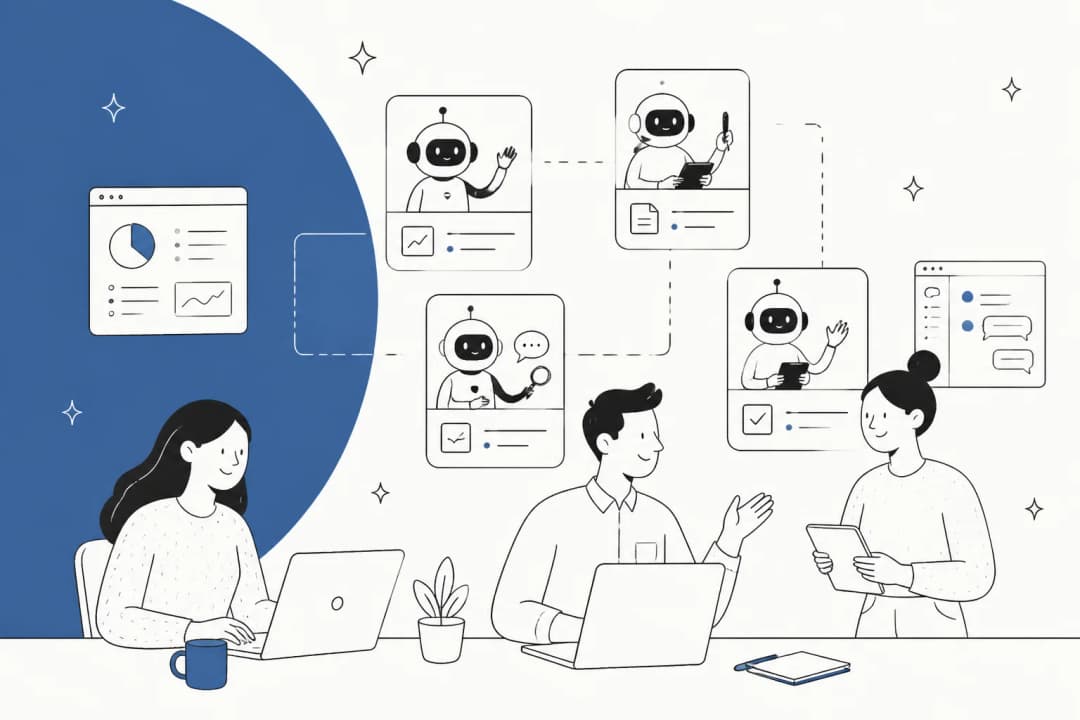
Once you stop thinking of it as a translator, the architecture makes more sense. A good agent runs the same loop for every ticket, regardless of language.
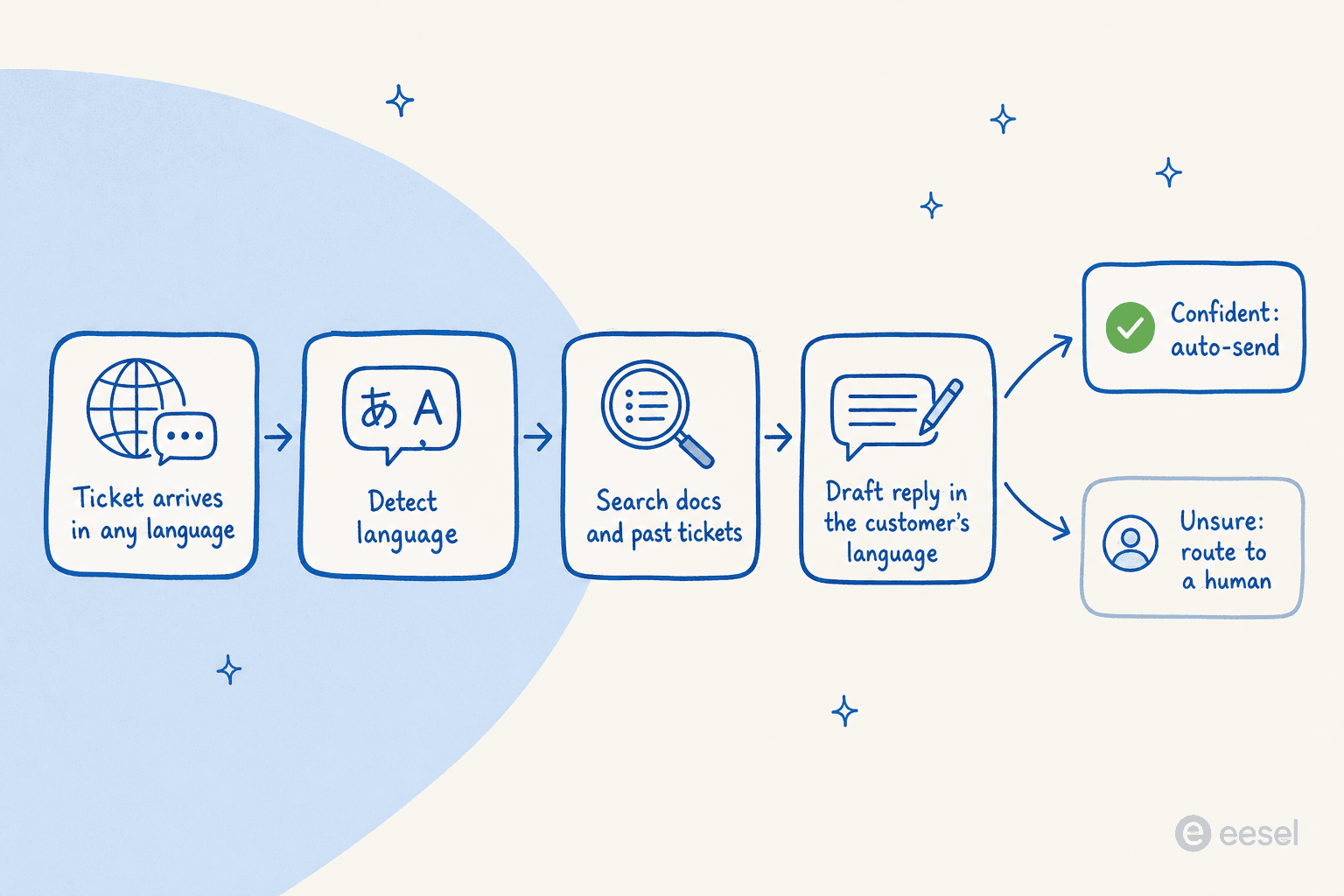
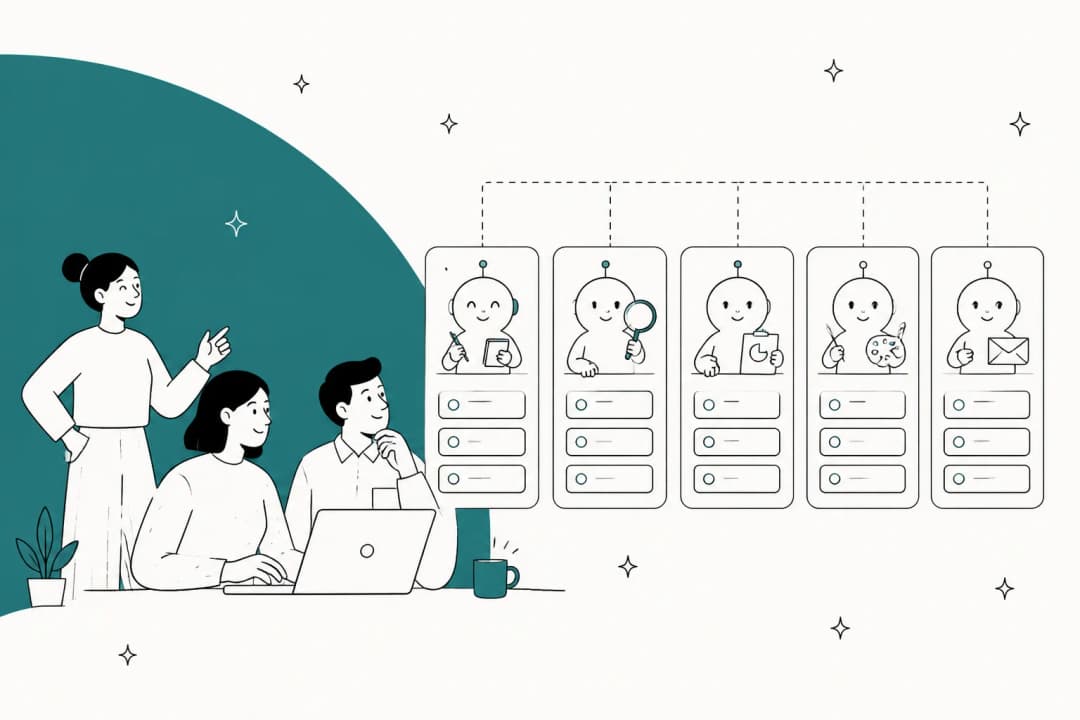
The key insight is that the retrieval step is language-agnostic. When a ticket comes in, the agent searches your help docs and past tickets for the relevant answer, and it can match a German question to an English help article because it understands meaning, not just keywords. Then it composes the reply in the customer's language. That's why you don't need a separate knowledge base per language, and why one agent can cover 80+ of them from a single setup. The knowledge is the same; only the output language changes.
Your helpdesk may already bolt on a translation feature, the way Front handles AI translation or Zoho Desk does with Zia. Useful, but worth being clear-eyed about: those translate the text. An agent answers the question. That's the whole difference, and it's the reason a translation add-on and a real support agent aren't the same purchase.
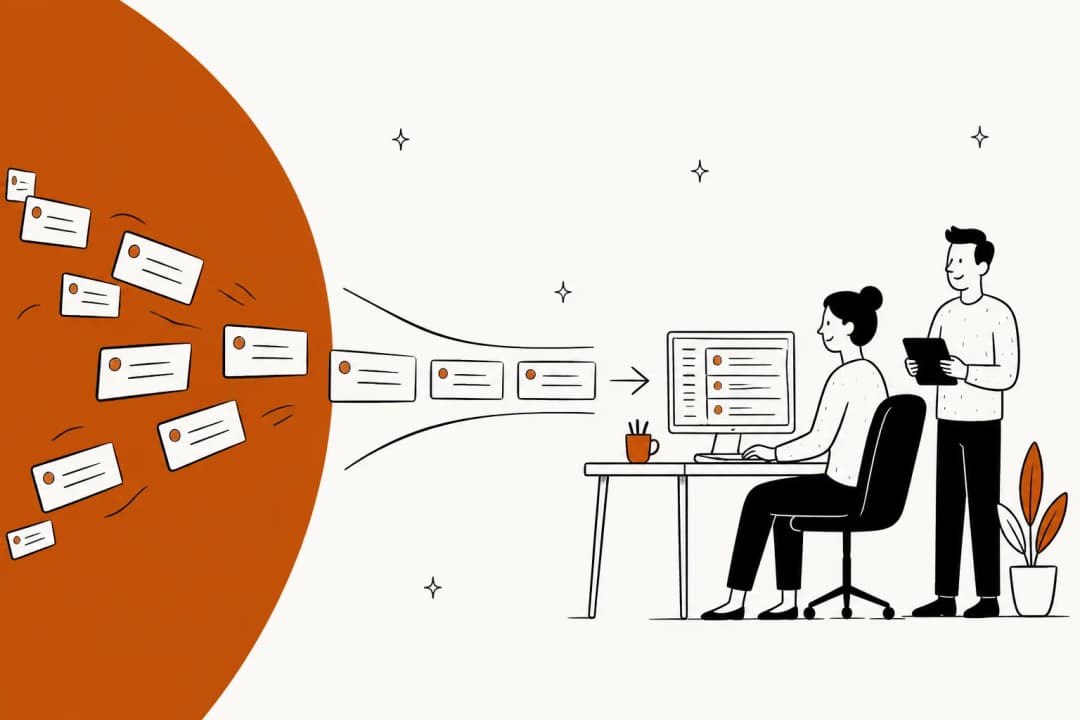
The last step is the one that separates a toy from something you'd put in front of customers: confidence-based routing. The agent scores how sure it is, and if it's below the line, the answer becomes a draft for a human instead of an autonomous reply. That single guardrail is what makes the accuracy gap between languages survivable. One customer, a DTC supplements CX lead, summed up the whole philosophy on a call in a line I think about a lot: the AI will never answer 100% of questions, so they wanted an agent that only handles the tickets it's confident about and leaves all the others alone.
That's the thesis. Don't aim for an AI that answers everything in every language. Aim for one that knows what it doesn't know.
What it looks like in production
This is the part I find most convincing, because it's the part you can't fake. Across the customers I support, the multilingual behaviour tends to just happen, often without anyone configuring a single language.
A German jewelry e-commerce brand running around 1,000 tickets a month on Zendesk and Shopify had its agent handle German, English, French, Dutch, Spanish, Polish, Croatian and Turkish without being prompted to. A Spanish insurance brokerage ran 564 real Spanish-language conversations through a custom agent in 48 hours on a free trial. A Belgian delivery company tested it by asking, in Dutch, what shipping to Germany would cost; the agent found the tariff docs and gave a detailed Dutch answer with specific pricing, and that account was the one conversion in its cohort.
What I'd flag from the support side: in every one of those cases the agent was working off the customer's own help center and ticket history. That's what makes a French reply sound like the company and not like a translation engine. It's also, honestly, an under-marketed strength. Plenty of teams don't realize this works across languages at all until they watch it answer a ticket in one they didn't set up.
The business case: why this isn't a nice-to-have
If you're scoping this as a polish feature, the numbers say otherwise. Language is a buying and churn lever, not a luxury.
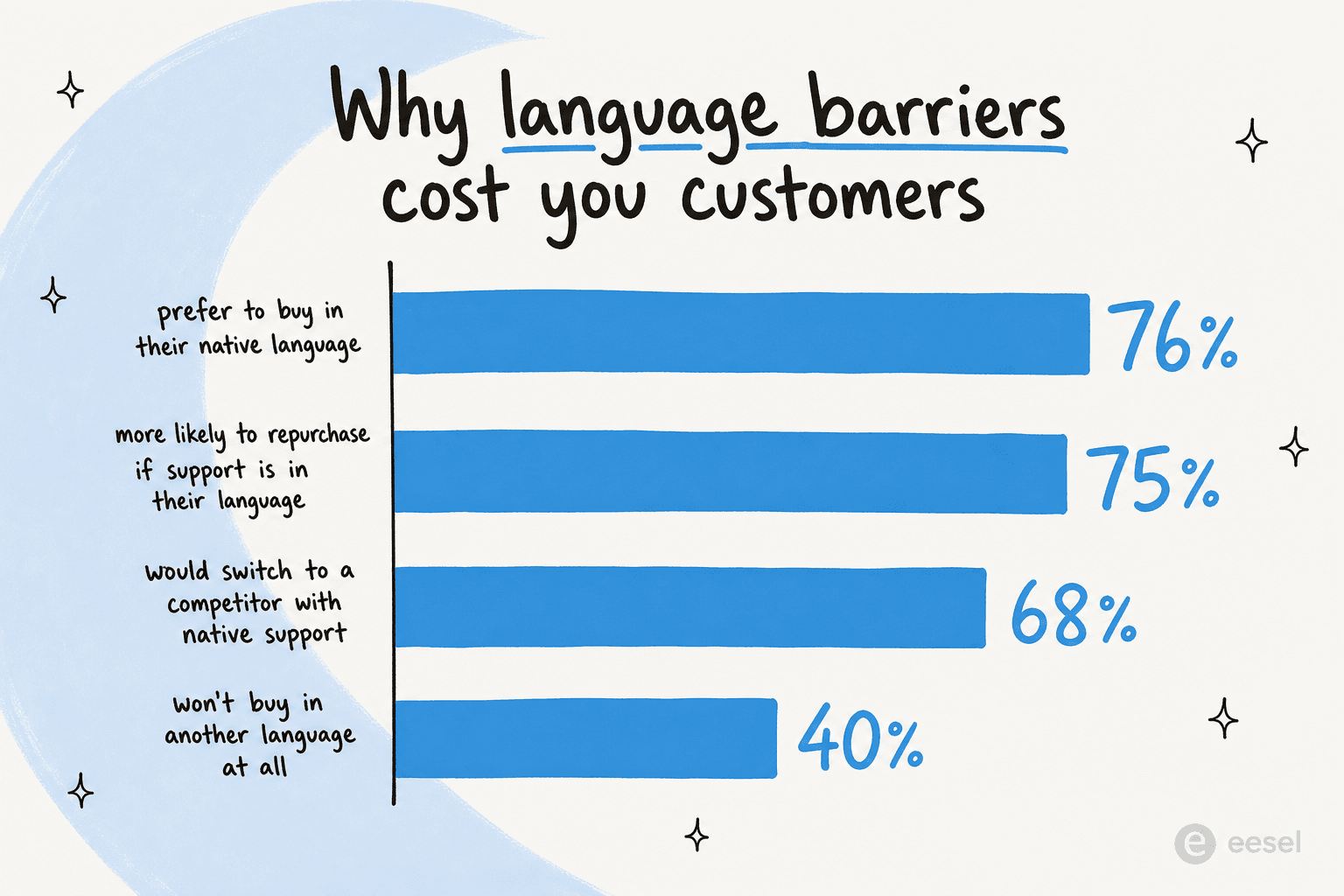
CSA Research's survey of 8,709 consumers across 29 countries found that 76% prefer to buy products with information in their native language, and 40% won't buy from sites in other languages at all. More to the point for support teams, the same study found 75% are more likely to buy from a brand again when customer care is in their language. And the cost of getting it wrong is concrete: Unbabel's 2021 report found 68% would switch to a competitor that offered native-language support.
The traditional fix, hiring native-speaking agents for every market, doesn't scale, especially for a small support team covering a dozen countries. That's the gap an AI multilingual support agent closes: native-language coverage on the tier-1 volume, with your humans freed up for the nuanced cases where tone and judgement actually matter.
How to roll one out without breaking trust
The failure mode here isn't "the AI can't speak French." It's launching it everywhere at once and finding out three weeks later that the Dutch replies were subtly off. Here's the order I'd actually do it in.
- Simulate before you send. Run the agent against your historical tickets first and look at what it would have replied, by language and by topic. This is the single step teams skip and regret. If your agent doesn't have a simulation mode, that's a real gap, because you have no way to spot the confident-but-wrong answers before a customer does.
- Start in draft mode. Let the agent draft replies for human agents to review and send. Your bilingual reviewers catch tone and accuracy issues, and every correction trains the next answer. This is the safest on-ramp for any AI customer service rollout, multilingual or not.
- Turn on autonomy by confidence, not by language. Don't flip "auto-reply in Spanish" as a blanket switch. Let the confidence threshold decide per ticket, so easy questions get answered instantly and edge cases wait for a person.
- Watch for the plumbing. Specifically check that placeholders fill, that no internal text leaks, and that your chat widget and macros actually render in the target language. The model will be fine; the surrounding setup is where the embarrassing leaks come from.
Do it in that order and you get the upside of native-language coverage without the reputational risk of shipping broken replies in a language your team can't read.
Try eesel for multilingual support
I'm biased, but this is the problem eesel was built for. It plugs into Zendesk, Freshdesk, Gorgias, Front and the rest, learns from your existing tickets and help docs, and answers in 80+ languages out of the box, no per-language setup. The two things I'd point a multilingual team to specifically: you can simulate the whole thing against your past tickets before going live, and confidence-based routing means it only auto-answers what it's sure of and leaves the rest for your team.

It's pay-as-you-go from $0.40 a ticket with no per-seat fees, and the trial runs on your own tickets so you can see how it handles your hardest language before you commit. Try eesel and run a simulation on a few hundred of your non-English tickets, it's the fastest way to find out whether this actually works for your team.
Frequently Asked Questions
What is an AI multilingual support agent?
How does AI support multiple languages without separate setup per language?
Is AI accurate enough to answer customer questions in other languages?
Can an AI multilingual support agent work inside Zendesk or Freshdesk?
How much does multilingual AI customer support cost?
Will an AI support agent keep our brand voice in every language?


Article by
Riellvriany Indriawan
Riell is a designer and writer at eesel AI with about two years of experience researching CX platforms, AI chatbots, and helpdesk software. She combines her design background with a sharp eye for how these tools actually look and feel in practice — making her comparisons unusually visual and user-focused.