

Kimi K3 API pricing, the actual numbers
Straight from Moonshot's official K3 pricing page, here's what the API charges. All prices are USD per 1 million tokens, taxes added at checkout.
| Model | Input (cache hit) | Input (cache miss) | Output | Context window |
|---|---|---|---|---|
kimi-k3 | $0.30 | $3.00 | $15.00 | 1,048,576 tokens (1M) |
Four things about this table matter more than the headline numbers:
- The 90% cache discount is the real story. A cached input token costs $0.30 instead of $3.00. For any workload where you send the same system prompt, docs, or context over and over (agents, long chats, RAG), most of your input is cached, and your effective input rate collapses toward that $0.30 floor.
- Pricing is flat across the full 1M window. No premium tier for long prompts. Gemini and Claude have historically charged more once you cross a token threshold; K3 doesn't. If you routinely stuff huge contexts, that flat rate is a quiet win.
- There is only one K3 SKU. The model always reasons, with
reasoning_effortcurrently locked tomax. There's no cheaper "non-thinking" variant to fall back to, unlike earlier Kimi generations that split chat and thinking modes. - Reasoning tokens are output tokens. Because K3 always thinks, and thinking counts as billed output at $15/M, a chatty reasoning trace can cost more than the visible answer. This is where the token bill sneaks up on you.
One model, one price, always-on reasoning. Simple to reason about, but the always-on part is exactly why some people find K3 pricier in practice than the sticker suggests.
How Kimi K3 works, and why it thinks so much
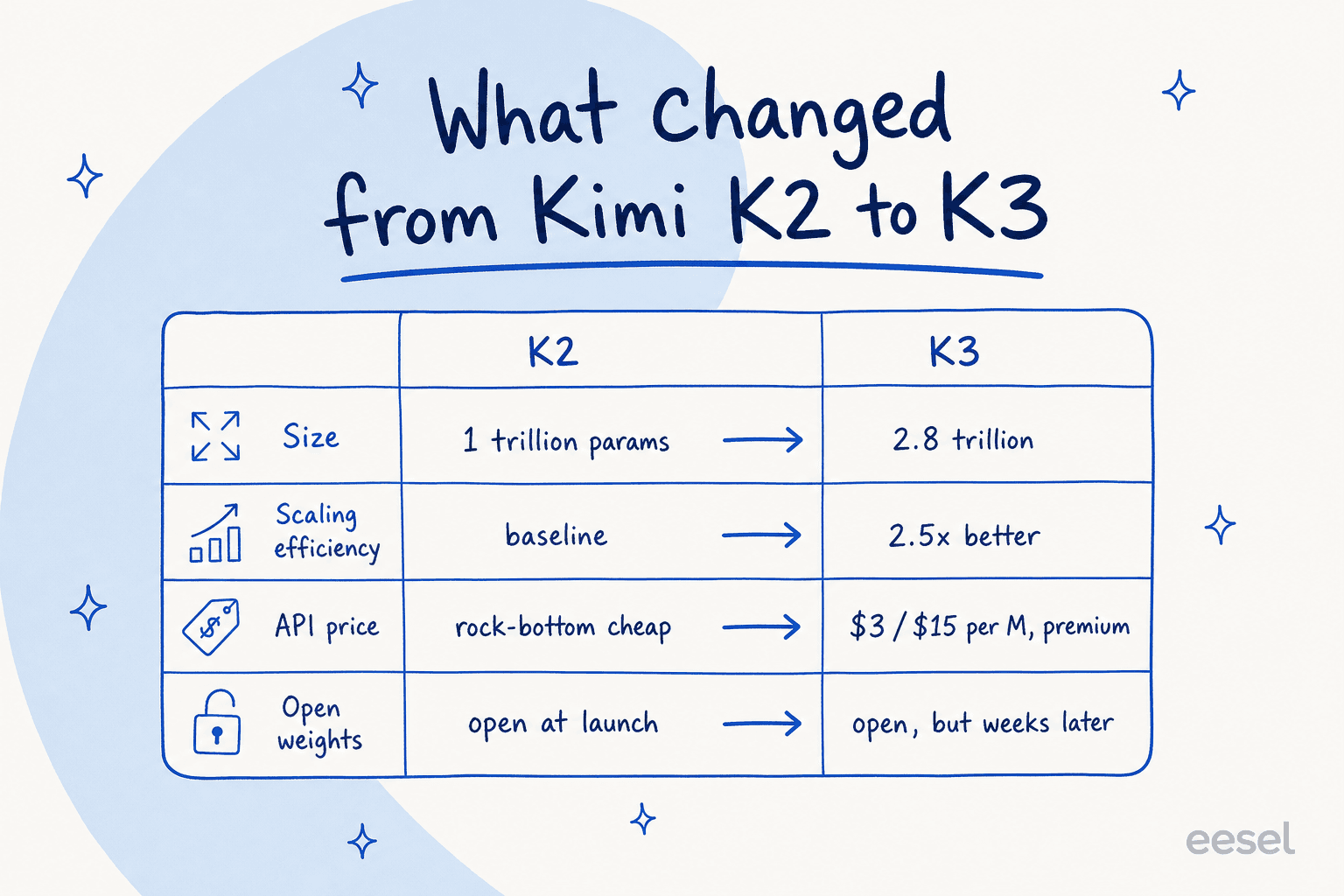
Before the money talk goes further, it helps to see what you're paying for under the hood. K3 is a 2.8-trillion-parameter mixture-of-experts model that activates 16 of 896 experts per token, wrapped in two new tricks Moonshot calls Kimi Delta Attention and Attention Residuals. Together they buy roughly a 2.5x improvement in scaling efficiency over K2.
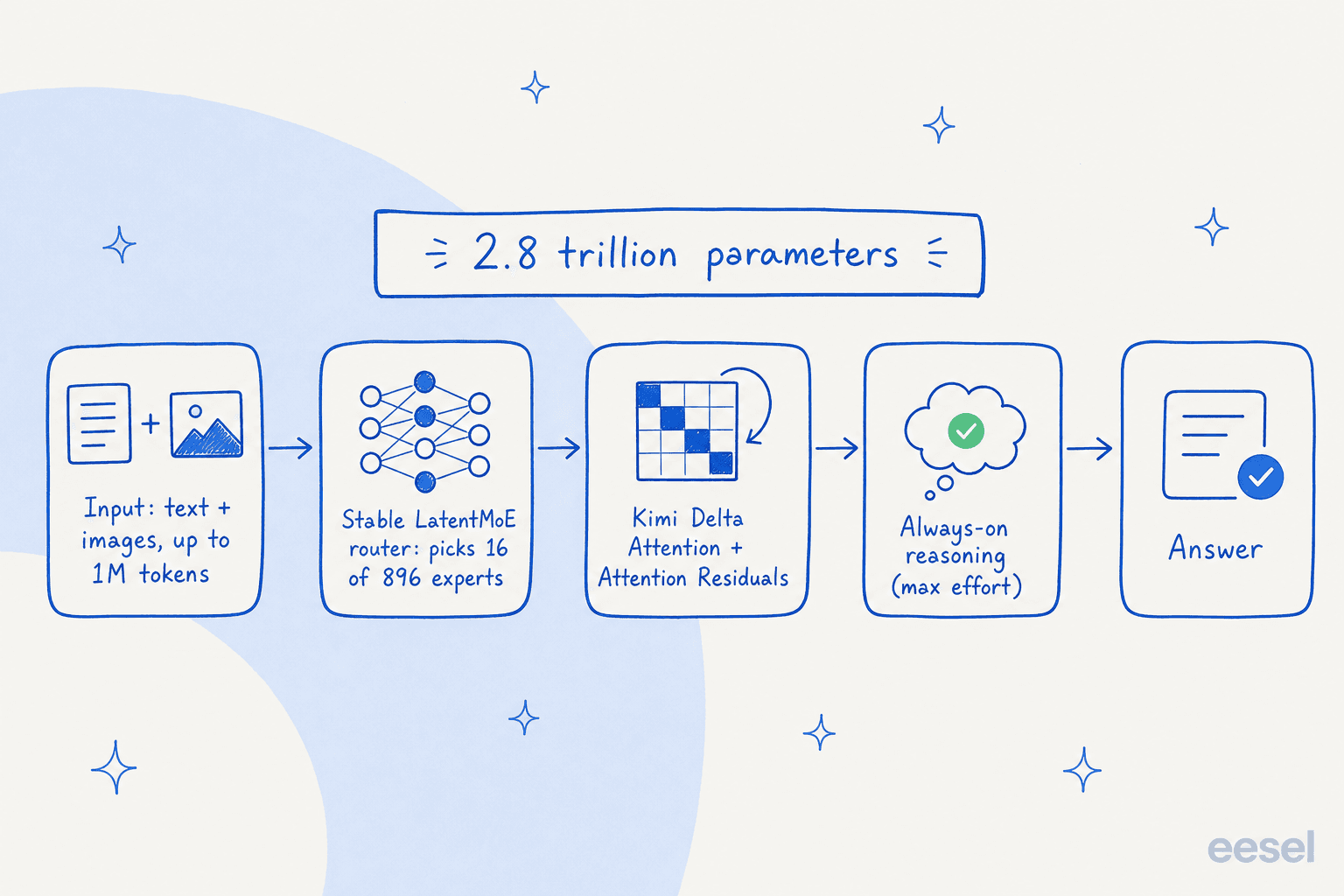
The always-on reasoning step is the one that touches your invoice. Every request runs through a full thinking pass before it answers, and every one of those thinking tokens is billed as output. That's great for hard problems and wasteful for "what's your return policy?" It's the single biggest reason K3 can feel more expensive than a model at the same nominal rate.
The Kimi app subscription tiers
If you're not touching the API and just want the chat product, Kimi.com sells four paid tiers named after musical tempos, plus a free tier. Prices below are monthly, with the effective monthly rate when billed annually in parentheses.
| Tier | Monthly | Annual (effective /mo) | What you get |
|---|---|---|---|
| Free | $0 | - | Basic chat access |
| Moderato | $19 | $15 | Agent credits, Docs/Sheets/Slides, Deep Research, Websites Deploy, Kimi Code access |
| Allegretto | $39 | $31 | 2x agent credits, Kimi Code 5x credits, everything in Moderato |
| Allegro | $99 | $79 | 5x agent credits, Kimi Code 15x credits, Swarm (parallel agents), plugins |
| Vivace | $199 | $159 | 10x agent credits, Kimi Code 30x credits, max Swarm concurrency, largest quotas |
Source: Kimi membership pricing. Two things to flag. First, all paid tiers include Swarm, where multiple agents work in parallel, and the higher tiers just raise concurrency and credit multipliers. Second, the page carries a banner that new plans are coming and Kimi and Kimi Code benefits will be split into separate products, so if you're subscribing mainly for the coding tool, expect that to become its own line soon.
How Kimi K3 pricing compares to Claude, GPT and DeepSeek
This is the comparison most people came for, so here it is, sorted cheapest output first. The DeepSeek and Kimi K3 rows are from first-party pricing pages; the Claude, GPT and Gemini rows are aggregator snapshots as of July 2026 and drift month to month, so pin them to each vendor's own page before you commit a budget.
| Model | Input (miss) | Output | Cache-hit input | Context |
|---|---|---|---|---|
| DeepSeek V4 Flash | $0.14 | $0.28 | $0.0028 | 1M |
| DeepSeek V4 Pro | $0.435 | $0.87 | $0.0036 | 1M |
| Gemini 3.x Pro | ~$2.00 | ~$12.00 | - | 1M+ |
| GPT-5.6 Sol | ~$2.50 | ~$15.00 | - | ~400K |
| Claude Sonnet | ~$3.00 | ~$15.00 | - | 200K–1M |
| Kimi K3 | $3.00 | $15.00 | $0.30 | 1M |
| Claude Opus | ~$5.00 | ~$25.00 | - | 200K–1M |
Reading it plainly:
- K3 is mid-pack, not cheap. It lands level with Claude Sonnet and above GPT-5.6 Sol and Gemini 3 Pro. If you walked in expecting a bargain, adjust.
- It undercuts Claude Opus by around 40% on both input and output, so against the top Anthropic tier it's still a value play.
- It's roughly 21x the output price of DeepSeek V4 Flash ($15 vs $0.28). DeepSeek is still the budget frontier option; K3 is not competing on that axis.
- K3's real edge is the flat 1M context plus the 90% cache discount. For long-document and long-horizon agent work where most input is cached, the effective input cost drops to $0.30/M, and that's where K3 gets genuinely competitive.
Try the math on your own numbers
Sticker rates don't tell you what you'll spend; your traffic mix does. Plug in a rough monthly volume and see how K3's cache discount changes the picture against Sonnet and DeepSeek.
The lever that moves your bill most isn't the model you pick, it's your cache-hit rate. Push that slider up and K3 quietly closes most of the gap to the cheaper options on input, though the $15 output rate keeps it well clear of DeepSeek.
What you're actually paying for
The reason K3 can charge Sonnet-level rates is that, on the benchmarks, it earns them. On Moonshot's own evaluation suite it lands just below Claude Fable 5 and GPT-5.6 Sol and ahead of nearly everything else, and it leads a handful of agentic tests outright (our full Kimi K3 review digs into the numbers).
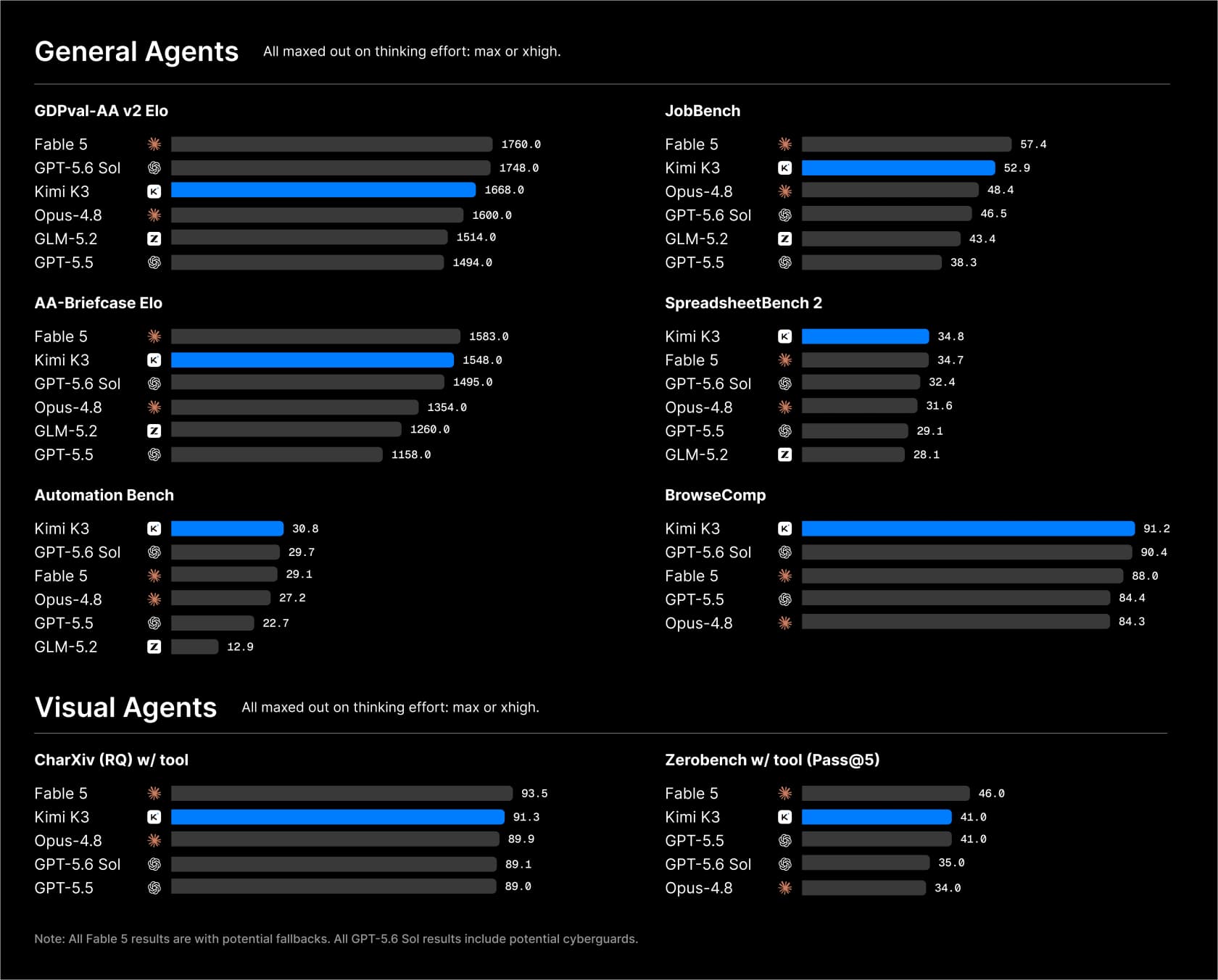
A few grounded data points: on the Automation Bench chart K3 tops the field at 30.8, it leads SpreadsheetBench 2 at 34.8, and it leads BrowseComp at 91.2. Independent testing from Artificial Analysis puts its Intelligence Index at 57, ranked #4 of 189 models, and its long-horizon knowledge-work Elo at 1547, a jump of +732 over Kimi K2.6. Moonshot itself is honest that overall it "still trails the most powerful proprietary models."
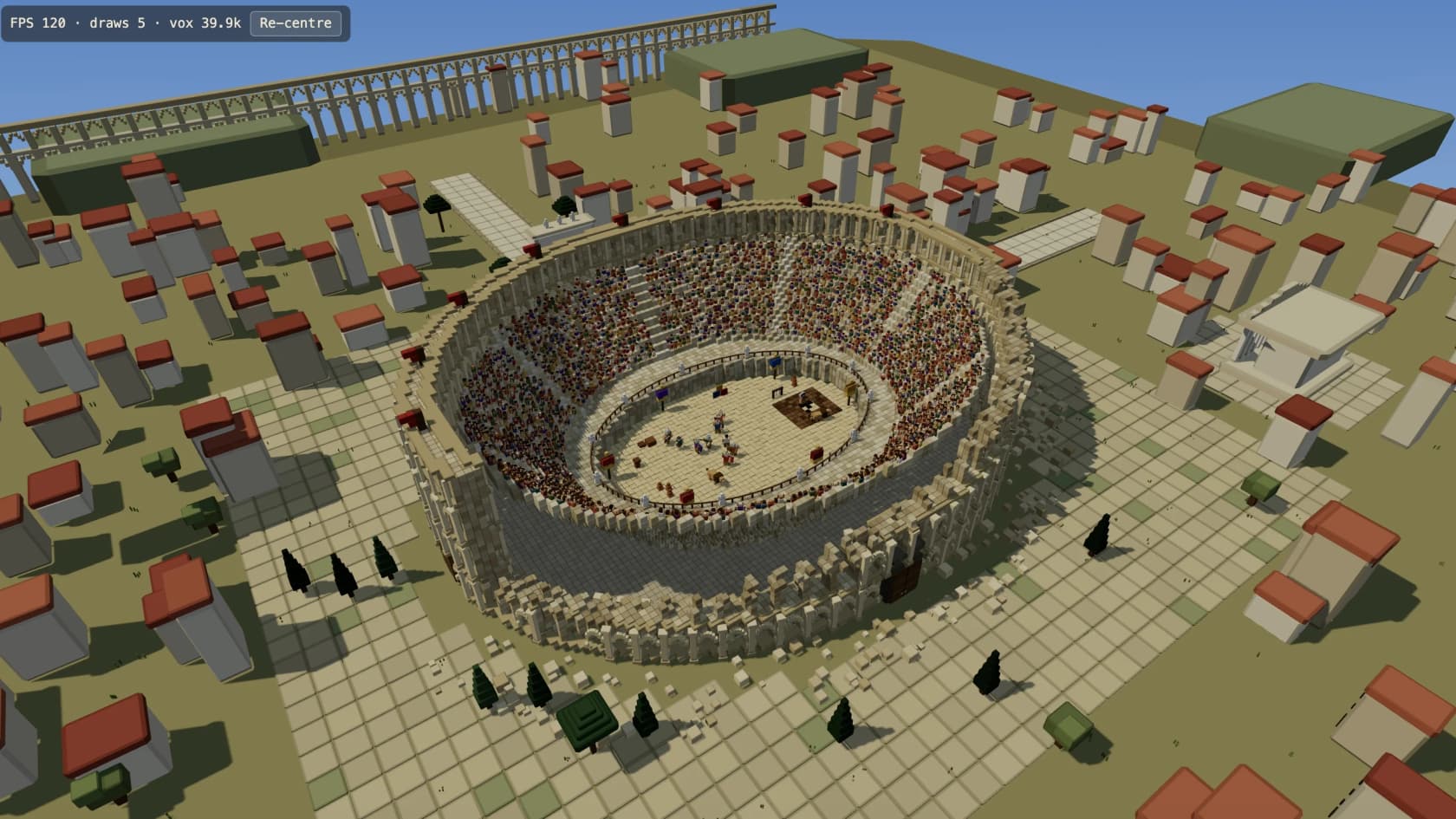
The showcase demos are the part that made people sit up: in one 48-hour autonomous run K3 designed a chip; in another it wrote a Triton-like GPU compiler from scratch that beat torch.compile on some kernels. It also spat out playable voxel games from one-line prompts. If coding is your use case, it belongs in the conversation with the best AI coding tools.
The catches: delayed weights and a big token appetite
Two things temper the pricing story.
First, the "open" model was API-only at launch. Moonshot promised the full weights by July 27, 2026, and the day after release the Hugging Face repo still returned a 404. So if your budget assumed you'd self-host and skip API costs entirely, you're waiting, and unlike a fully self-hostable open-source chatbot, until the weights land it's an API in practice.
Second, K3 is hungry. The most common complaint from people who ran it is that it burns more tokens than Fable to finish the same task. Combined with always-on reasoning at the $15 output rate, that means the effective cost per completed task can run higher than the per-token comparison implies. Simon Willison put the sticker shock plainly:
"The new model is notable for the pricing: $3/million input tokens and $15/million output tokens, putting it at the same level as Anthropic's Claude Sonnet series [...] This is expensive - the pelican cost 25 cents!"
What people are saying
Sentiment splits cleanly. The quality praise is loud, especially from people doing real coding work.
"I've been playing around with it for the past few hours, and I think it's an amazing model. I'm not sure I could tell the difference between this and Fable in a blind test. The quota in the $100 Kimi Coding plan seems to roughly align with what I get from the $200 Anthropic plan when I primarily use Fable."

That's a useful data point for the app tiers: one heavy user found the $99 Allegro coding quota roughly matched Anthropic's $200 plan. And the open-frontier crowd is treating it as a milestone.
"Yup some here are in denial but what many said would happen did just happen. They're not "six months behind": the model is totally SOTA. Cheaper, faster and they don't just crush Sonnet 5 and Opus 4.8: on 6 of the 14 benchmarks they posted Kimi K3 is in front of Fable."
The calmer read is that the headlines ran slightly ahead of the evidence, and that K3 sits a touch below the very top rather than beating it.
"Umm, Fable only really came out 2 weeks ago, and GPT-5.6 Sol only 1 week ago. Yes, Kimi K3 appears a touch below them both, but above all other models. So I'd say a few weeks behind, not months now..."
From token price to the price that matters
Here's the thing I keep coming back to after years of putting AI agents on real support queues: the per-token price of a frontier model is almost never what a support team actually ends up paying. A raw model gives you a benchmark score, an API key, and a blank prompt. A working support agent needs your help center and past tickets loaded in, confidence-based escalation, guardrails so it doesn't confidently invent an answer, and a live wire into your helpdesk. The model is the easy 10%.
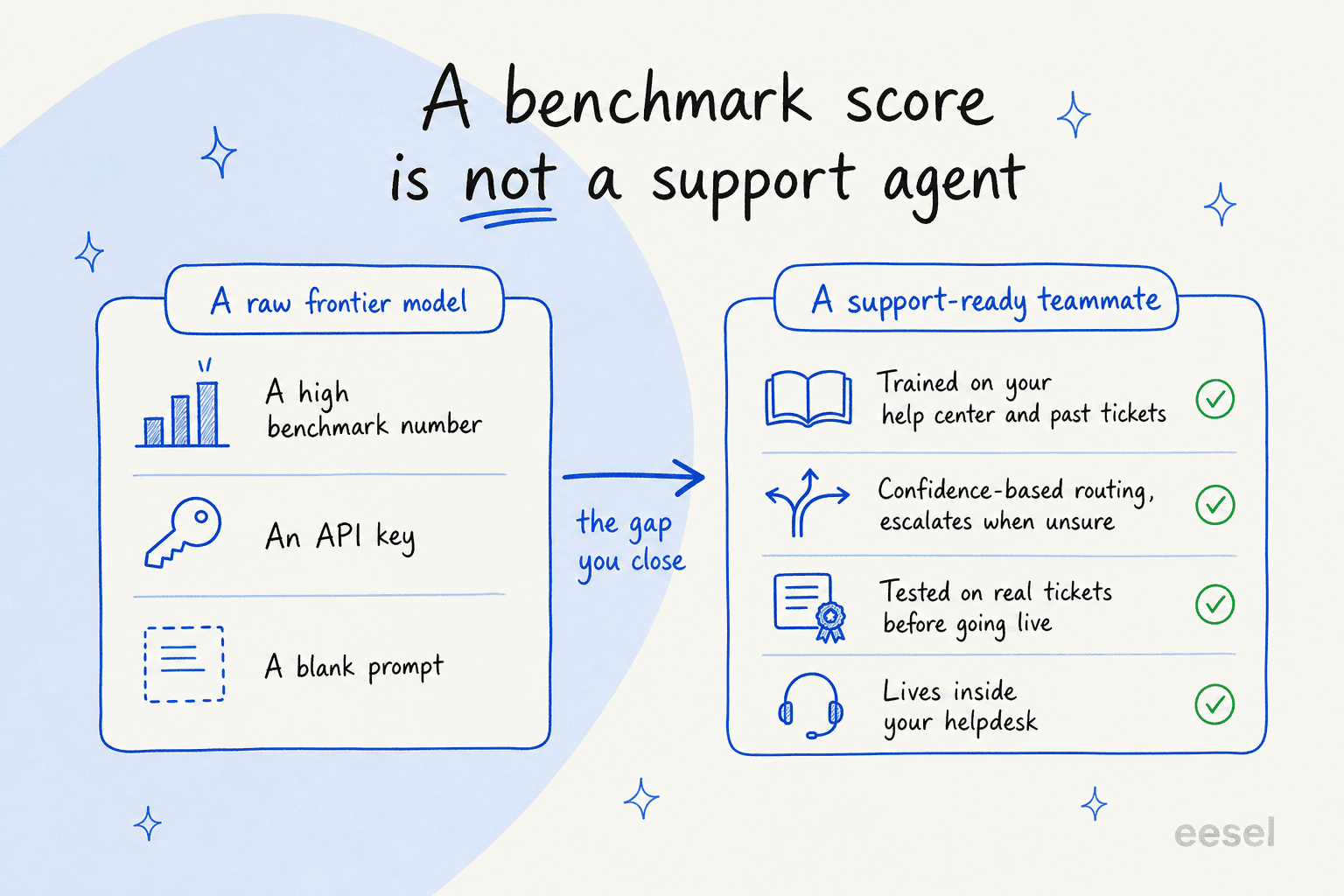
This is where I'd point a support team looking at Kimi K3. eesel is a model-agnostic AI agent for customer service: it plugs into helpdesks like Zendesk and Freshdesk, trains itself on your existing tickets and docs, and lets you simulate the whole thing on your past tickets before it ever answers a real customer, so you see the resolution rate before you commit. And instead of a token bill that swings with how much a chatty model decides to think, you pay one fixed monthly price with 1 credit per ticket, so your cost stays predictable. That's the model that actually drives support cost savings, not a leaderboard rank.
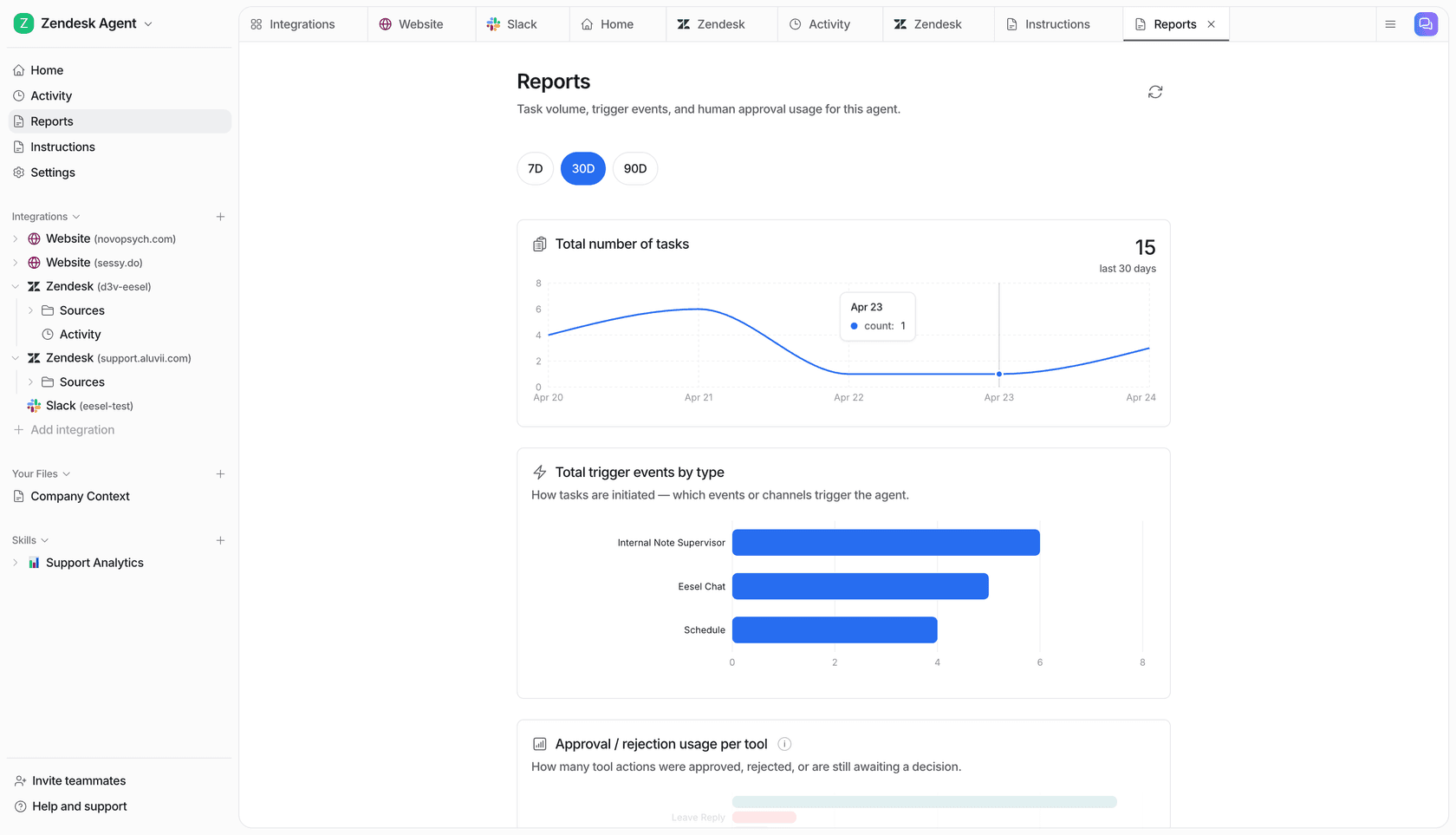
So enjoy Kimi K3 for coding and hard reasoning, where it's genuinely impressive. For support automation, price the outcome, not the token. You can try eesel free and watch the simulation run on your own tickets.
Frequently Asked Questions
How much does Kimi K3 cost through the API?
Is Kimi K3 free to use?
kimi-k3 API is pay-as-you-go, and the app subscriptions run $19 to $199 a month. If your goal is AI for customer service automation, the model bill is only one line item, not the whole cost of a working agent.