
What an "AI ad copy generator" actually is
I've spent two years on the SEO and content side at eesel, which means I look at the start of the funnel for a living: what people search, what makes them click, what the click is actually worth. And the thing that strikes you fast about paid ads is how little the copy is the bottleneck. A model can write you forty Facebook headlines in ten seconds. The hard parts, the offer and the angle and what happens after the click, are the parts no generator touches.
So it helps to split the phrase into the two jobs hiding inside it.
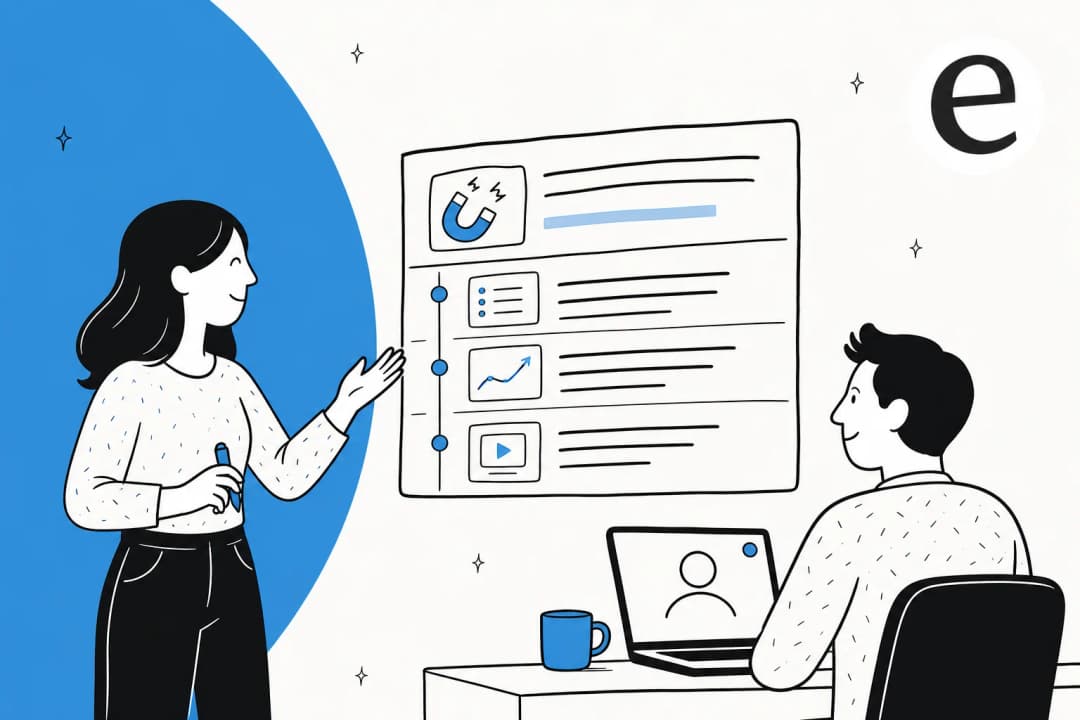
The generation job is writing the words: the headline, the primary text, the call to action, in fifteen variations so you can test. This is what people picture when they hear "AI ad copy generator," and it's the part AI is genuinely good at. Tools like Copy.ai and eesel's AI Writer live almost entirely here.
The judgement job is everything around the words: which offer to lead with, which audience pain to name, which of the forty headlines is actually worth spend. This is the part that decides return on ad spend, and it's the part a generator can hint at (with performance scoring) but can't do for you.
Most teams over-index on the first job. They generate a wall of polished variations, push the prettiest one live, and wonder why the cost per acquisition won't move. The copy was rarely the problem.
How AI ad copy generation works
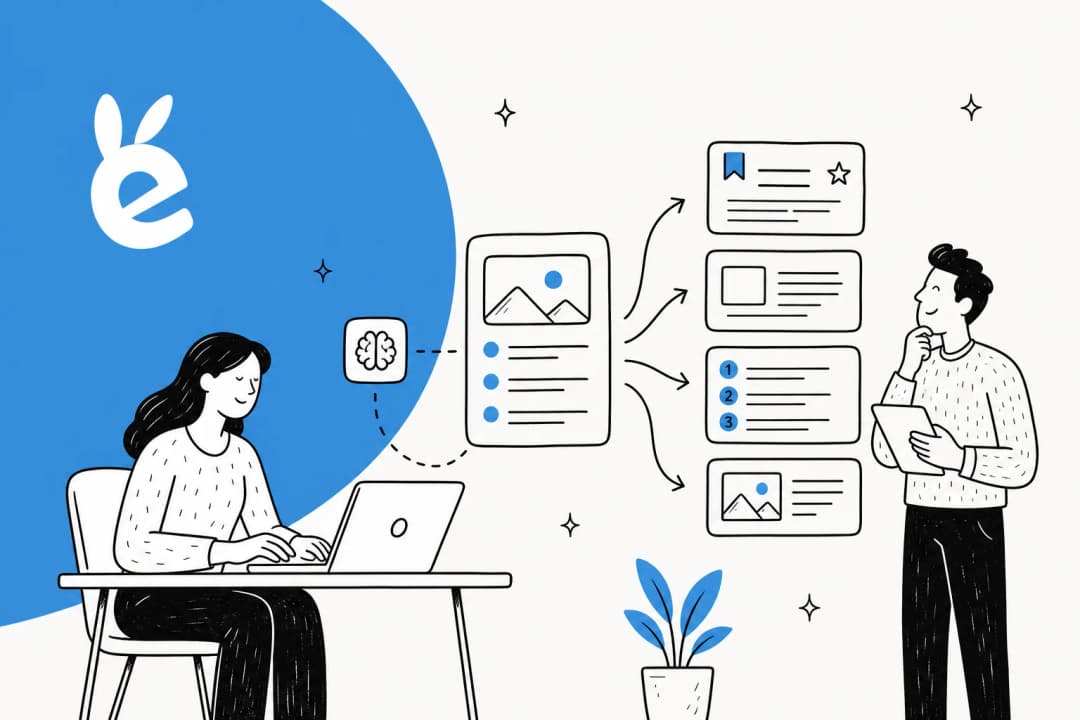
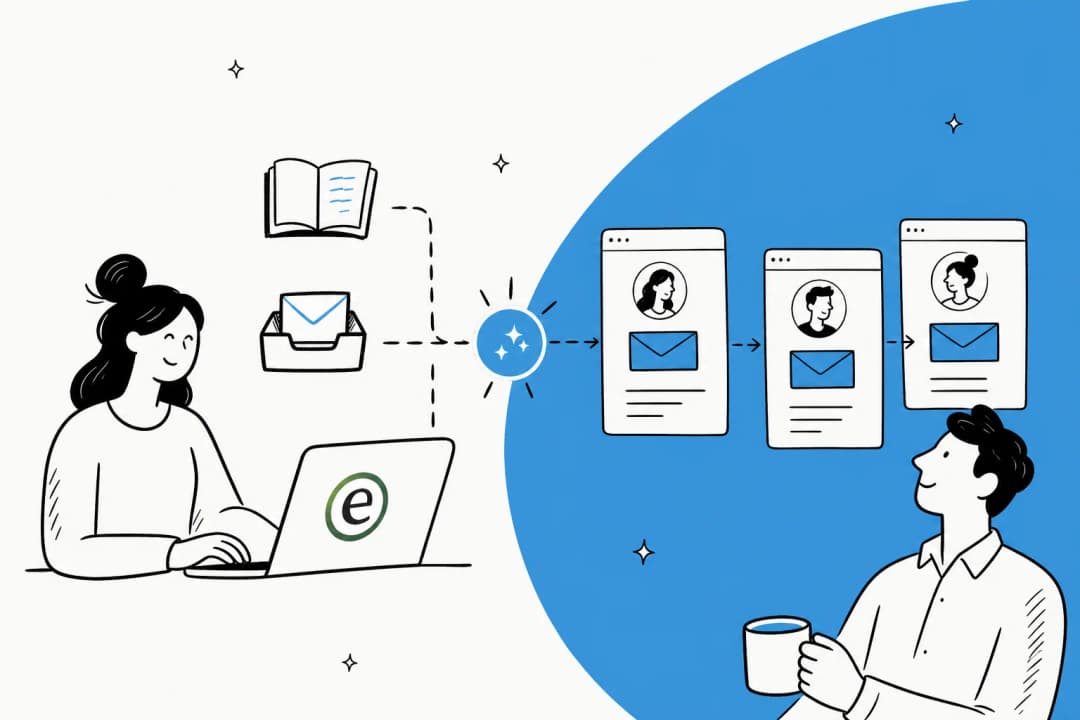
Under the hood, every one of these tools runs on the same kind of large language model that powers any AI content generation tool. You give it inputs (a product, a tone, a goal, sometimes a target audience), it predicts the most likely next words, and it returns copy. The differences between tools are almost entirely about what they wrap around that core: how much context they let you store, whether they score the output, and whether they generate the visual too.
The lifecycle looks like this, and it's worth being honest about where the generator's job starts and stops.
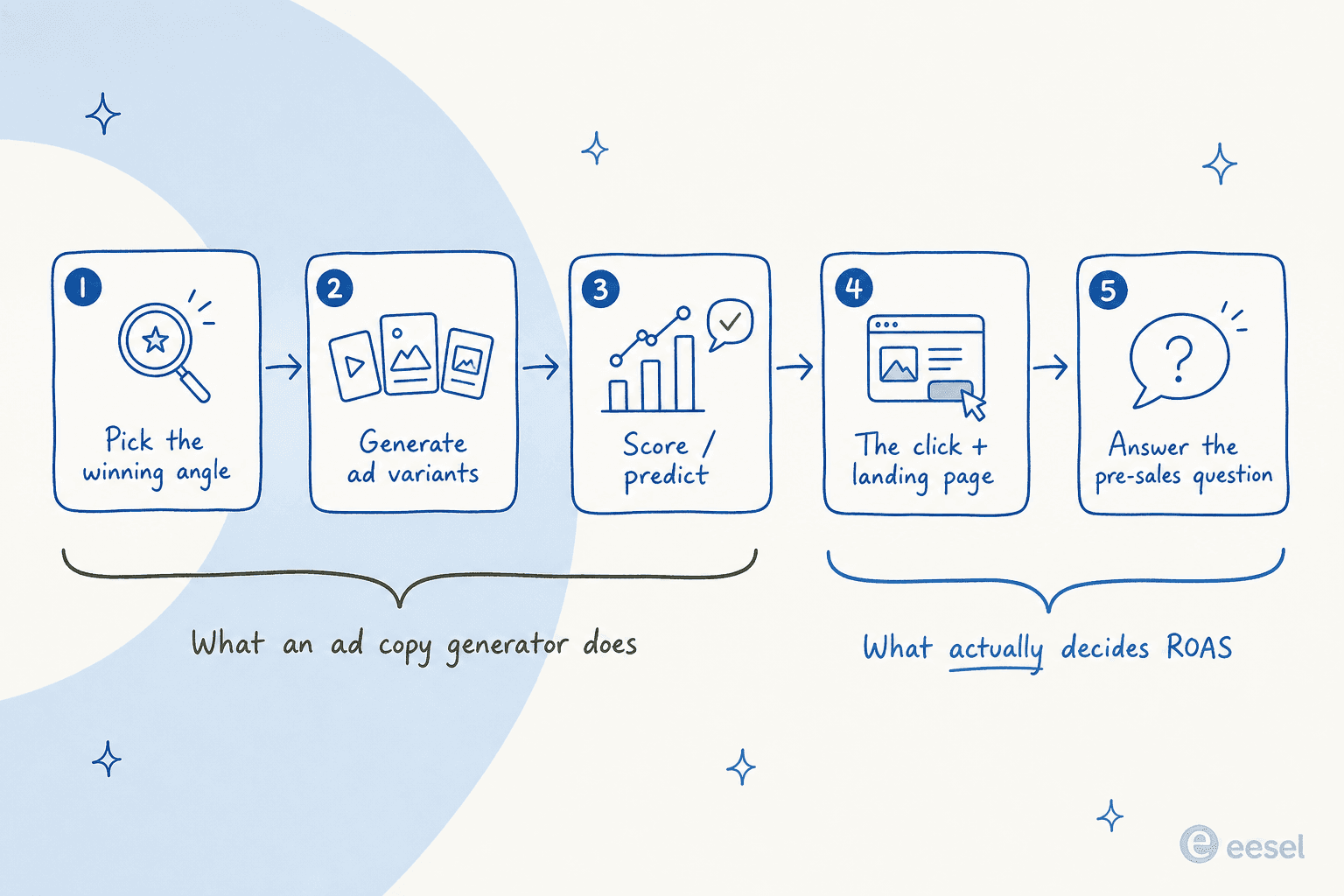
The generator owns the cheap, early steps. The expensive steps, the click you paid for and the answer the buyer needs next, sit outside it. Hold that picture, because it's the difference between an ad budget that compounds and one that leaks.
The tools that actually generate ad copy
There's no single best pick, only the right category for your job. After going through each tool's own pricing, docs, and the output people share, they sort into three buckets.
| Tool | Best for | Standout | Pricing (entry) | The catch |
|---|---|---|---|---|
| Rytr | Solo creators on a budget | Free-forever tier, no card | Free, then $7.50/mo | Thin on brand-voice control |
| Copy.ai | Marketers who want templates | Reusable brand voice + workflows | Chat plan $24/mo | Pivoting to a pricey GTM platform |
| Jasper | Marketing teams at scale | Brand IQ keeps every output on-tone | $59/seat/mo annual | No free tier, single-seat Pro |
| Anyword | Performance marketers | Predicts the winning variation | $39/mo annual | Prediction caps on lower tiers |
| AdCreative.ai | Paid teams who need creative too | Copy + banner + video, scored | ~$39/mo entry | Best features gated to Pro+ |
A quick read on each. Rytr is the budget entry point, with a genuinely useful free tier (10,000 characters a month, no credit card) and tone matching gated to its paid plans. Copy.ai built its name on templated copy and "never blank-page syndrome again," though it's mid-pivot toward an enterprise GTM platform where the cheapest real seat-based plan jumps to $1,000 a month, so watch which product you're actually buying.
Jasper is purpose-built for marketing teams, and its Brand Voice layer is the reason it sticks; Adidas famously used it to write 7,500 product descriptions in 24 hours. Anyword is the one to know if you run real spend: its differentiator is a numeric prediction of which variation will perform, which it claims hits 82% accuracy versus 52% for a raw GPT-4o, per its own benchmark. And AdCreative.ai, now part of Appier after a $38.7M acquisition, generates the copy and the banner and the video together, with a creative-scoring layer trained on $35B+ in ad spend.
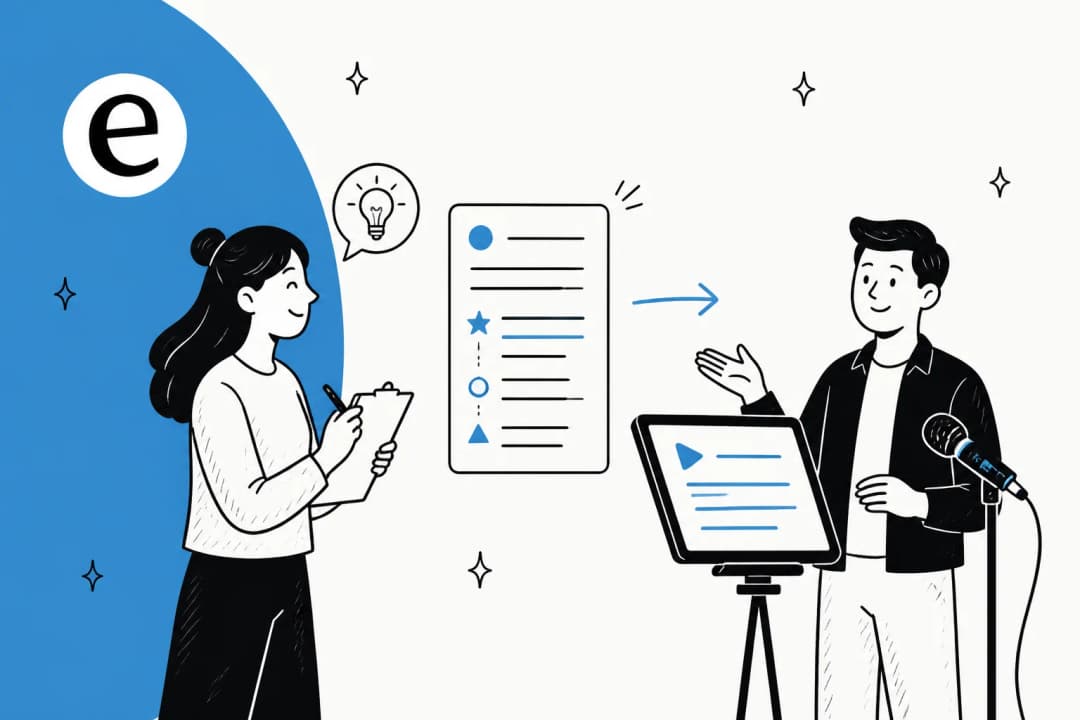
Here's how I'd place them if you're choosing.
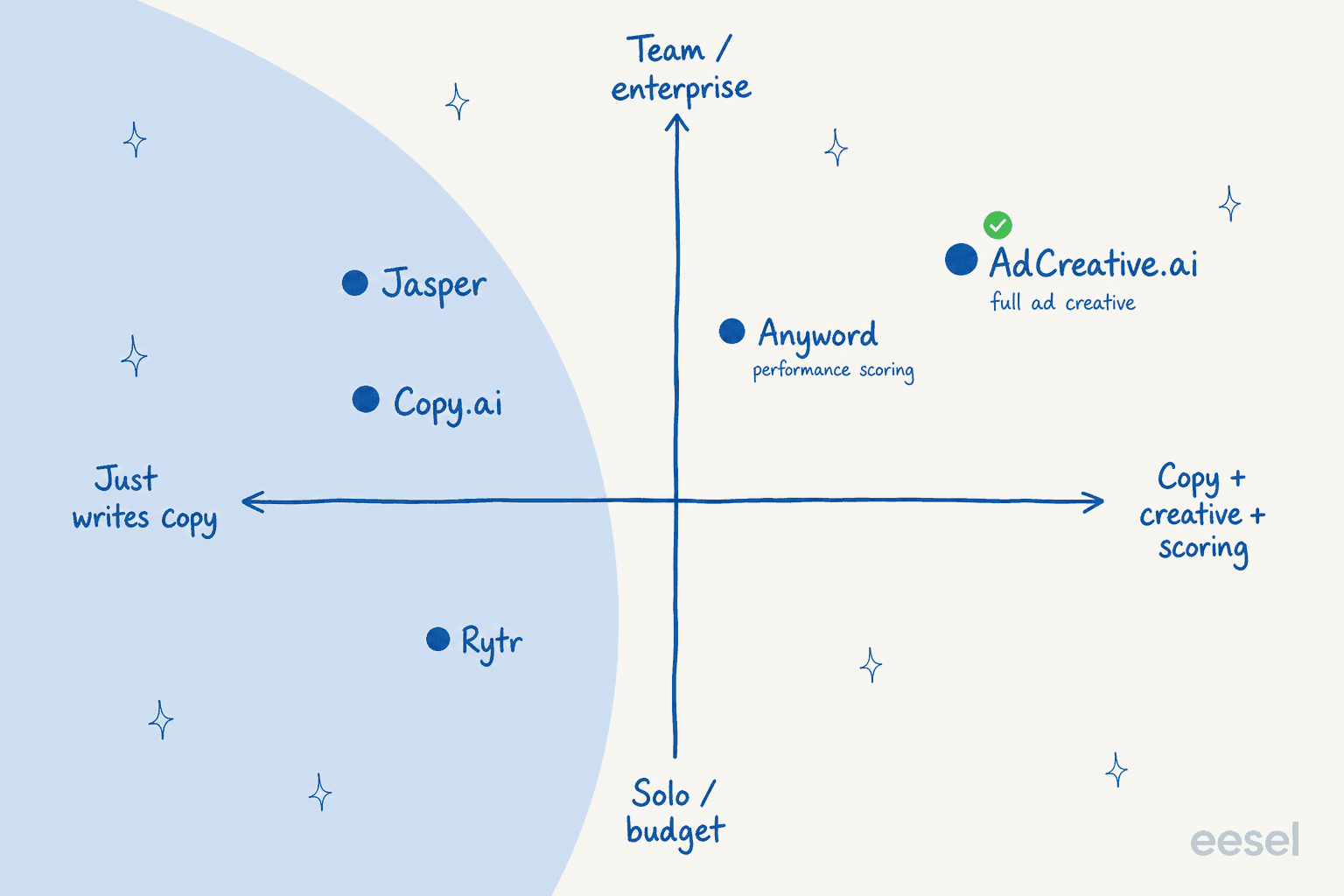
If you only need words, stay on the left. The moment you need the prediction or the visual, you're paying for the right-hand column, and that's a real budget decision, not a feature checkbox. For a wider survey of the writing side, our roundup of the best AI writing tools goes deeper on the general-purpose options.
Why blank-prompt ad copy falls flat
The single most common complaint about AI ad copy is that it reads like AI: smooth, confident, and completely generic. "Boost your productivity today." "Unlock your potential." Copy you could paste under any logo.
That's almost never the model's fault. It's an input problem. Fed nothing, a language model reaches for the statistical average of every ad it's ever seen, which is exactly the bland middle you're trying to escape.
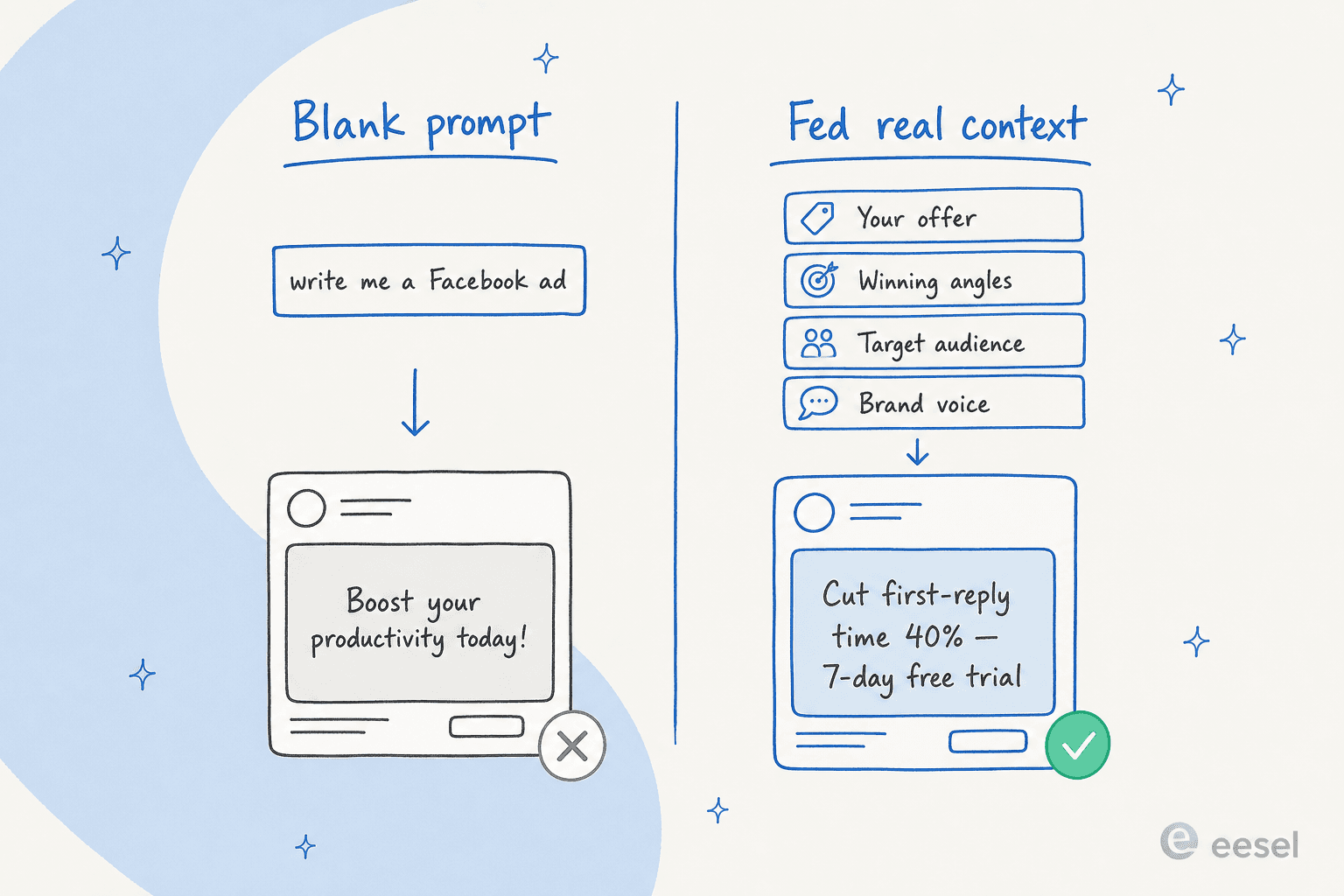
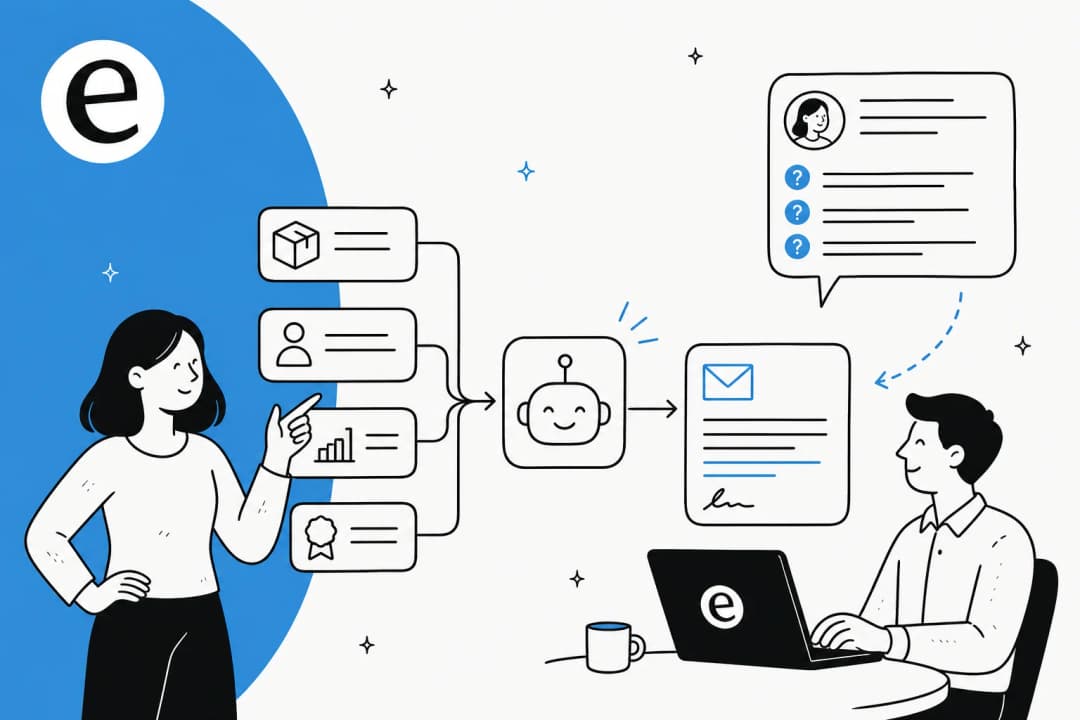
The fix is to stop prompting from a blank box and start feeding context: your actual offer, the angles that have already won, the specific audience you're targeting, and a sample of how your brand sounds. This is the same discipline behind maintaining brand voice with AI anywhere else, and it's why tools that store a reusable brand voice, rather than asking you to re-describe your tone every session, produce better ads over time.
You can see the difference in how people actually talk about the good tools. One Anyword reviewer on Software Advice put it like this:
"As a writer and content strategist, I thought I would hate tools like this. But it is hard to deny how easy Anyword makes my life. Yesterday, I executed an entire landing page strategy in 1 day. It would have taken several weeks, and much more stress, before Anyword."
Notice what that reviewer is describing: not "the AI wrote my ad," but "the AI compressed a strategy I already had." The judgement was theirs. The tool brought speed. That's the right division of labour, and it's the same one that makes an AI content workflow productive instead of noisy.
What actually makes ad copy convert: context and the click
Say you nail the inputs and ship a great ad. You've still only done the first half. The ad gets the click. Then a real person lands on your page, and they have a question.
This is the part of the funnel I watch most closely, because the start of the funnel and the support queue are the same story told from two ends. When a campaign scales, the pre-sales questions scale with it: "does this integrate with my helpdesk?", "what does it cost for my volume?", "is my data safe?". An ad copy generator can't answer any of those. Worse, ad copy that over-promises actively creates the gap, because the buyer arrives expecting something the product doesn't quite do, and now you've paid for a click that turns into a refund or a frustrated ticket.
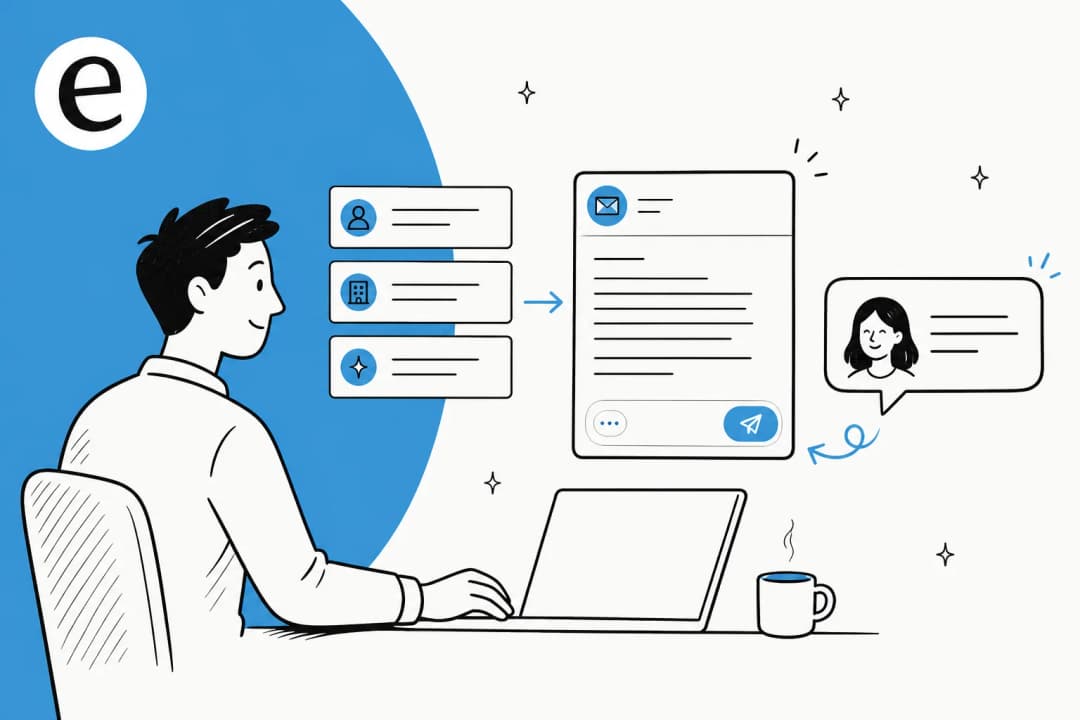
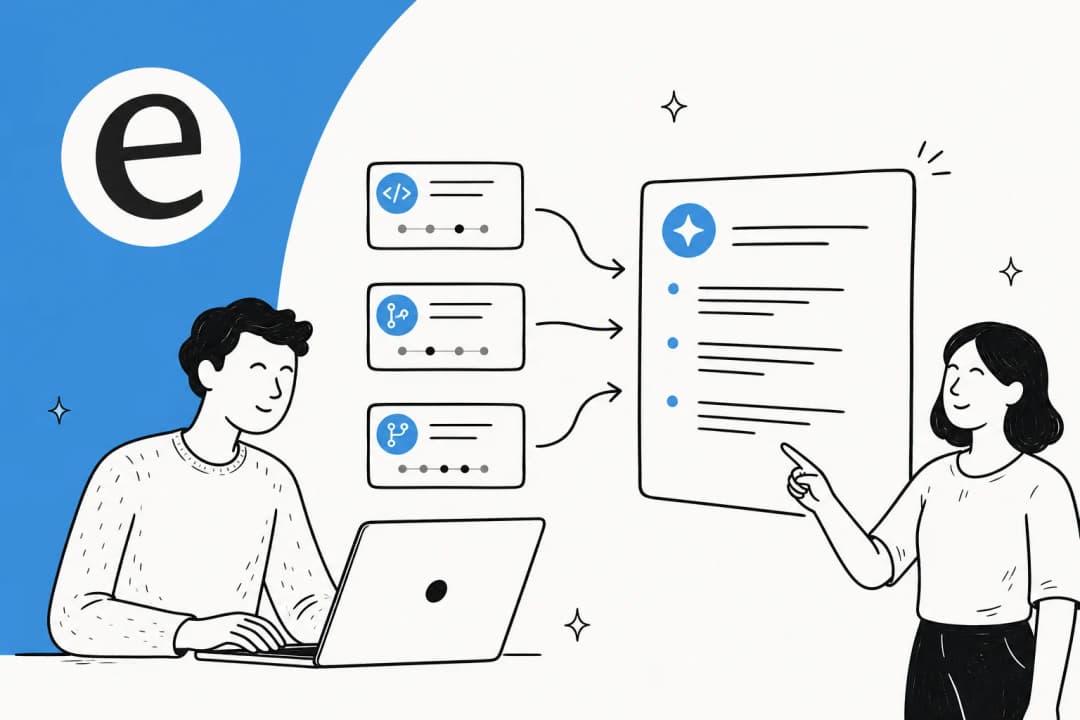
That's where the work shifts from writing to answering. An AI support agent trained on your help center, your past tickets, and your docs can field those pre-sales questions instantly, in the buyer's language, at the exact moment their intent is highest. The cheapest part of paid acquisition is the copy; the most wasteful is a paid click that bounces because nobody answered the next question. Keeping the two in mind together is what turns spend into customers rather than impressions.
It's also why I'd push back on treating the generator as the whole project. The generator is one tool in a chain that runs from the search query all the way to the resolved ticket, and the chain is only as strong as its weakest link. Plenty of teams build a beautiful AI content pipeline for the top of the funnel and leave the bottom to a contact form.
Where AI gets ad copy wrong
To be fair to the tools, they're good at what they do, and the limitations are predictable rather than dealbreaking. Worth knowing before you lean on them:
- It confabulates specifics. Ask for ad copy and a model will happily invent a stat, a discount, or a feature you don't offer. This is the same failure mode as AI hallucinations in support: the output sounds confident whether or not it's true, so every claim needs a human check before it goes live.
- Compliance is on you. Regulated industries (finance, health, anything with claims) need copy that passes review. AdCreative.ai bundles a compliance checker, but most general writers don't, and a flagged ad is an expensive lesson.
- Brand voice drifts without a stored sample. Re-prompting tone every session produces inconsistency across a campaign. The same principle that keeps an AI blog writer on brand applies here: store the voice once.
- It optimises for the click, not the customer. A model will write the highest-CTR headline it can, which is sometimes the one that over-promises. The metric that matters is downstream, and the tool can't see it.
None of that means skip the generator. It means treat its output as a first draft from a fast, slightly unreliable junior, which is exactly how I'd treat any AI content generation tool on the marketing stack.
Try eesel for the questions your ads create
eesel doesn't write your ad copy, and I'm not going to pretend it does. What it does is own the half of the funnel the ad copy generator can't touch: the moment after the click, when a buyer your ad just paid for has a question and wants an answer now.
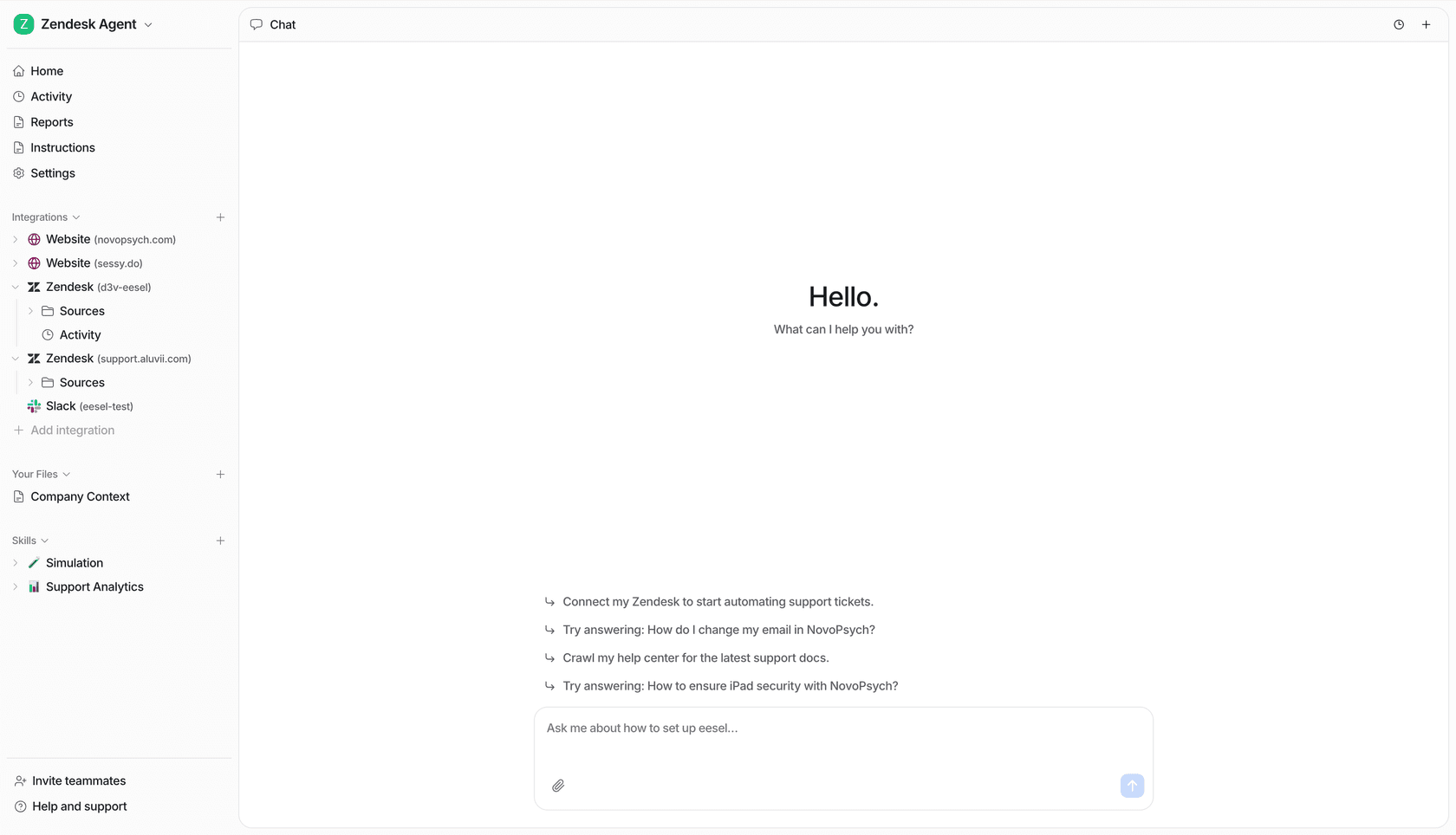
eesel's AI support agent trains on your help center, past tickets, and docs, then answers pre-sales and support questions across your helpdesk, chat widget, and Slack, in 80+ languages. You can run it in simulation mode against your real past tickets first, so you see exactly what it would have answered before it goes live, and it routes anything it isn't confident about to a human instead of guessing. Pricing is usage-based at about 40 cents per resolved conversation, with no per-seat fees, so it scales with your campaign instead of punishing you for traffic.
For Gridwise, that meant resolving 73% of tier-1 requests in the first month, with results showing inside a 7-day trial. If you're spending on ads, the cheapest win left on the table is usually not a better headline, it's answering the question the headline created. And if you also want help with the top of the funnel, eesel's AI Writer is free to try and built on the same context-first approach this whole post argues for.
Frequently Asked Questions
What is an AI ad copy generator?
What is the best AI ad copy generator?
Why does AI-generated ad copy sound generic?
Can AI write a whole ad campaign?
How much does an AI ad copy generator cost?
Do AI ad copy tools help after someone clicks the ad?
Will AI ad copy hurt my brand voice?


Article by
Kurnia Kharisma Agung Samiadjie
Kurnia is a software engineer and writer at eesel AI with two years of SEO experience, writing about AI tools, helpdesk software, and customer support. He pairs a developer's understanding of how these products are built with search-driven research into what actually ranks and resonates with the people searching for them.