
Why people look for a Grok 4.7 alternative
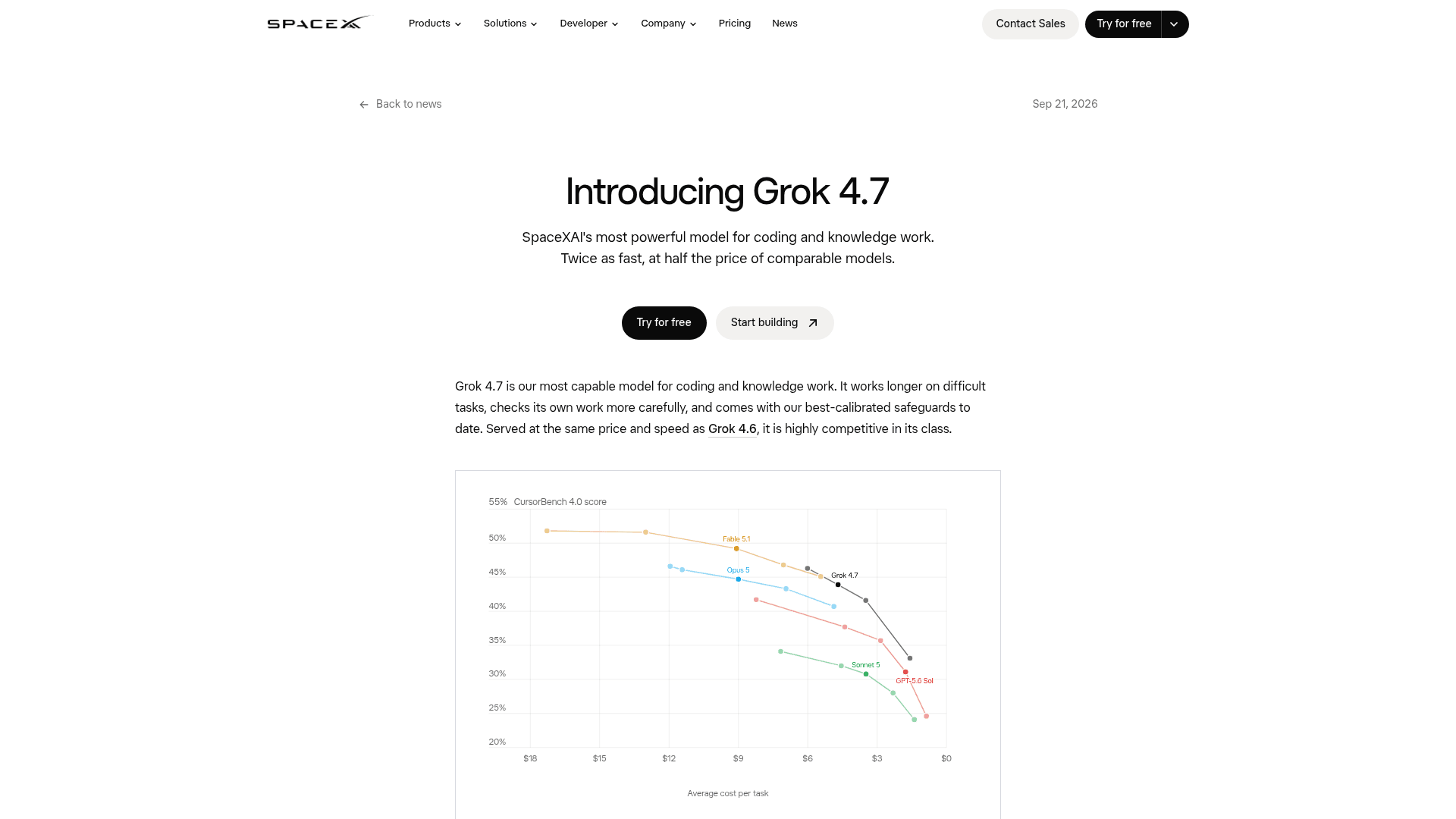
Grok 4.7 is a strong default, so the reasons to look elsewhere tend to be specific. The most common one I hear is the 200k-token price cliff: once a request crosses 200k prompt tokens, Grok 4.7 bills every token in that request at $4 / $12 instead of $2 / $6, per the xAI pricing page. If your workload is long documents or large codebases, that doubling changes the math, and some alternatives do not charge it at all.
The other reasons are policy and capability. Grok is closed, so if you need open weights, it is out. It is text-and-image in, text out, so if you need native audio or video understanding, you look at Gemini. And a few teams simply want the very top of the intelligence charts, where Claude still lives. Grok 4.6 users can also read the Grok 4.6 review for the prior generation's context.
How I compared these
I stuck to primary sources: each vendor's own model and pricing pages, plus the benchmark tables the makers published. Prices are the live figures on the docs pages as of September 2026, so if a promo lapses (Gemini's does, on January 1 2027), I have flagged it. Where I quote intelligence rankings, they come from the makers' own charts and from the independent Artificial Analysis index, not from a third-party listicle rewriting another listicle.
Two things I weighted heavily, because they are the ones buyers miss: the 200k price cliff, and whether the "cheap" number is the number you actually pay. A model that is cheap per token but verbose per task is not cheap. I have called that out where it applies.
The best Grok 4.7 alternatives at a glance
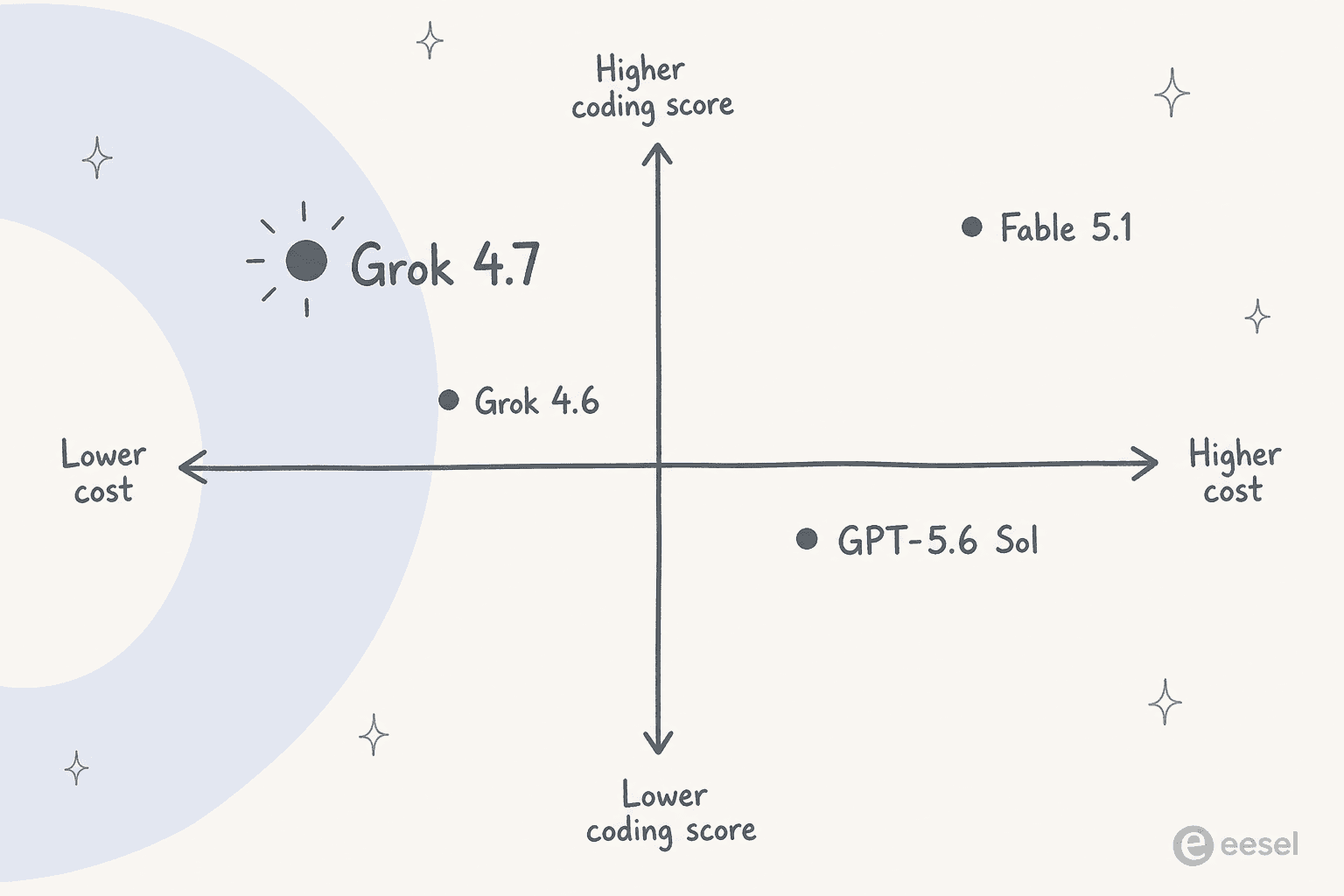
Here is the whole field on one screen. Prices are per million tokens, from each vendor's live docs.
| Model | Maker | Input / Output | Context | 200k cliff | Open weights | Native vision in | Best for |
|---|---|---|---|---|---|---|---|
| Grok 4.7 | xAI | $2 / $6 | 500k | Yes (2x) | No | Image | Cheap frontier coding |
| Claude Fable 5.1 | Anthropic | $10 / $50 | 1M | No (flat) | No | Image | Peak intelligence |
| Claude Opus 5.5 | Anthropic | $4 / $20 | 1M | No (flat) | No | Image | Long agentic coding |
| GPT-6 Sol | OpenAI | $2 / $10 | Large | Yes (2x) | No | Image | Ecosystem + balance |
| Gemini 3.8 Flash | $0.75 / $3.75 | 1M | No (flat) | No | Image, audio, video | Multimodal + cheap | |
| DeepSeek V4.1 Flash | DeepSeek | ~$0.22 / $0.66 | 1M | No | Yes (MIT) | No | Cheapest, self-host |
| Kimi K3 | Moonshot | $3 / $15 | 1M | No | Yes | Image, video | Open-weight frontier |
| Qwen 3.8 Max | Alibaba | $2 / $6 | 1M | No | Base only | Image, video | Grok's price, open base |
A note on fairness before the list: Gemini's $0.75 / $3.75 is the promo rate through December 31 2026, then it doubles. DeepSeek's off-peak rate roughly doubles during Chinese business hours. And Qwen 3.8 Max's open base is not feature-equivalent to the hosted version. Details are in each entry.
1. Claude (Fable 5.1 and Opus 5.5)
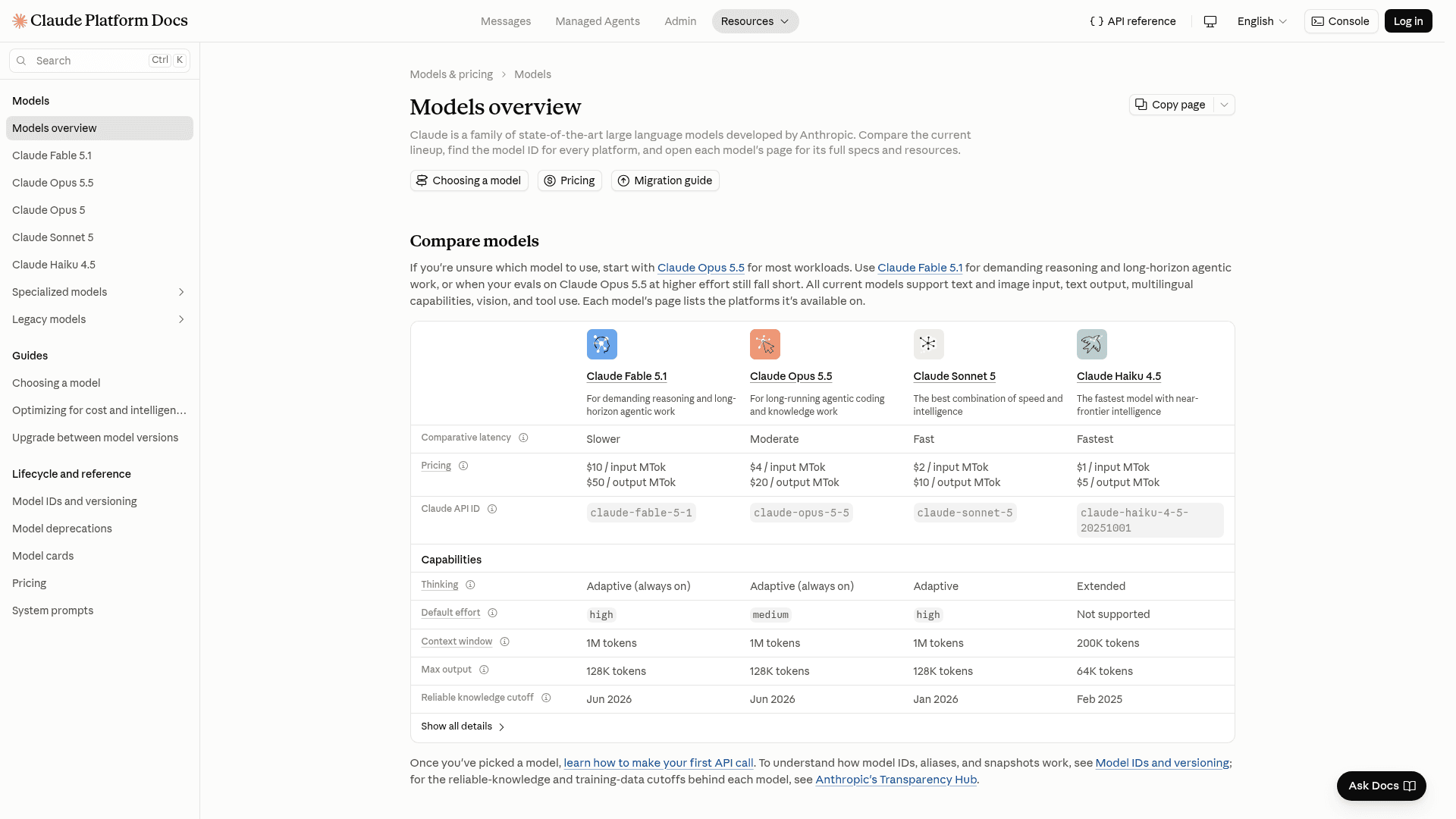
If Grok 4.7's pitch is "frontier-adjacent for cheap," Claude's is "actually the frontier." Anthropic's Fable 5.1 is the model to beat on most public leaderboards, and Opus 5.5 sits just under it as the long-agentic-coding workhorse.
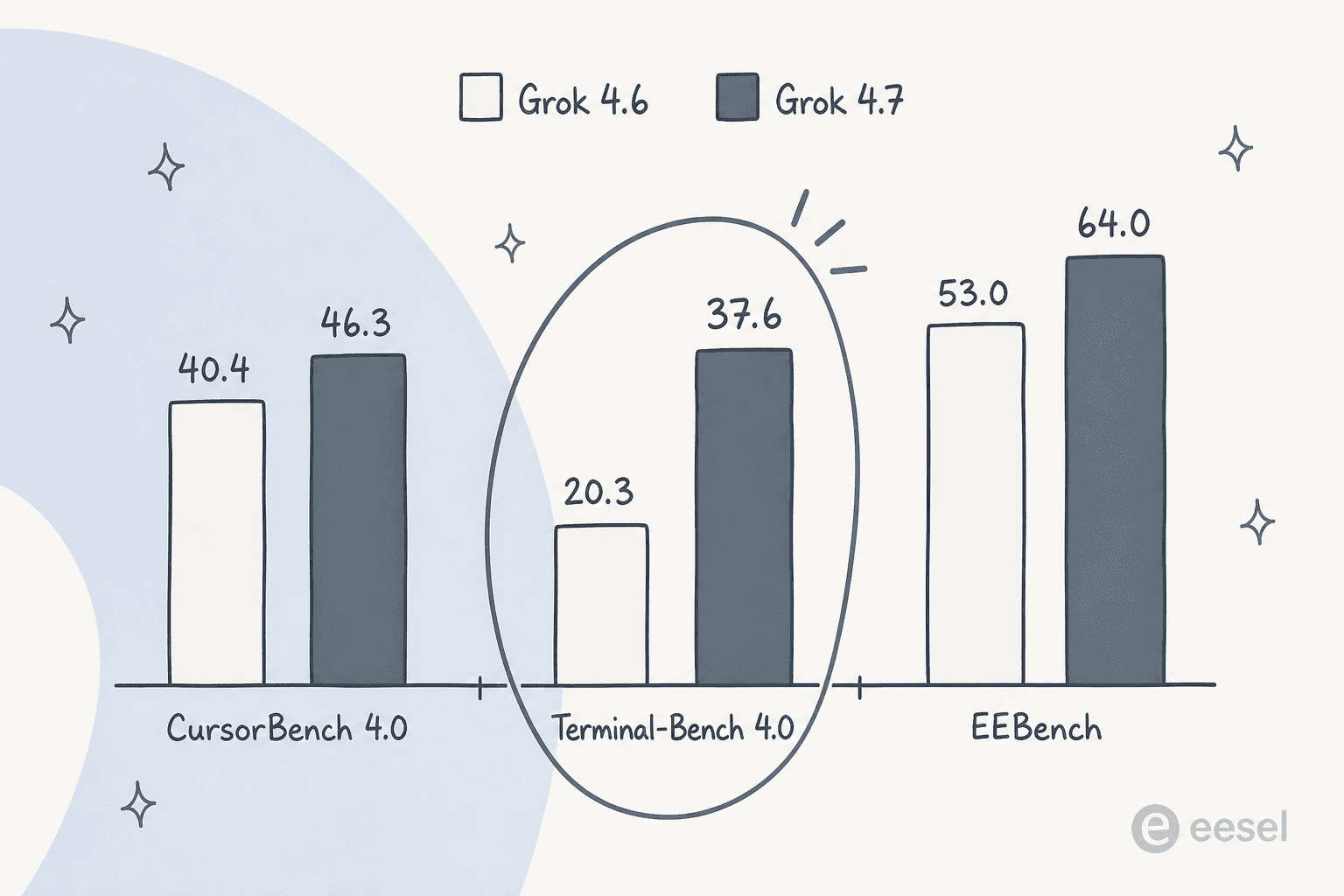
Standouts. Fable 5.1 leads Grok 4.7 on CursorBench, Terminal-Bench, and the AA Briefcase leaderboard, and it tops the GDPval professional-work index. Both Claudes have a 1M context window with no 200k price cliff, so long-document work bills at one flat rate. Fable's cache reads are unusually cheap at $0.25 per million, which makes repeated agentic calls far less painful than the sticker price implies.
Pros. Highest measured intelligence in this roundup. Flat pricing across the full context window. Strong, well-documented tool use and a mature SDK.
Cons. It is expensive. Fable 5.1 is roughly five times Grok 4.7's rate, and even Opus 5.5 is double. Community reports also note Fable's safeguards can misfire on your own security code, and it now carries a statistical text watermark on output.
Pricing. Fable 5.1 is $10 / $50; Opus 5.5 is $4 / $20; Sonnet 5, the cheaper sibling, is $2 / $10. All three are 1M-context, flat-rate.
My verdict. Pick Claude when the last few points of capability are worth paying for, or when you were already hitting a ceiling on Grok at high effort. See the Claude Opus 5 writeup for the effort-dial trade-offs.
2. GPT-6 Sol
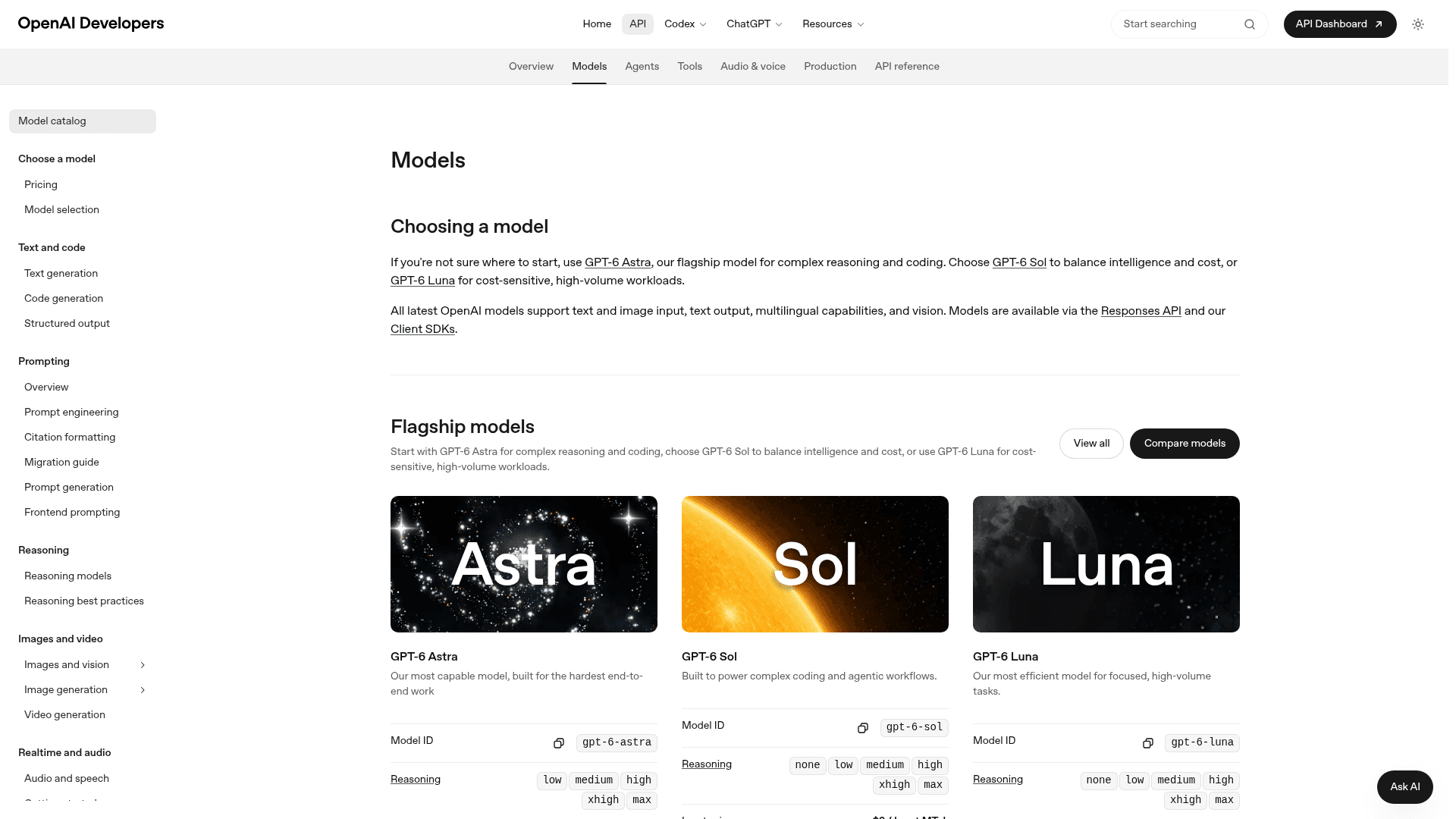
OpenAI's GPT-6 Sol is the model xAI is chasing hardest, and it is the closest thing to a like-for-like swap: a mid-priced closed model built, in OpenAI's own words, "to power complex coding and agentic workflows." It launched September 22 2026, the same day as Claude Opus 5.5.
Standouts. The ecosystem. Sol drops into more tools, SDKs, and downstream products than any model here, which is often the real reason teams pick it. It is meaningfully cheaper per task than the smartest Claudes because it spends fewer output tokens to finish a job, even though its per-token output rate is higher than Grok's.
Pros. Huge tooling and integration surface. Sits in a sensible middle on both price and intelligence. Configurable reasoning from none through max.
Cons. It carries the same 200k price cliff as Grok, doubling on long requests. On the Artificial Analysis intelligence index its max-effort score trails the top Claudes. And it is a fifth more expensive on output than Grok 4.7 at the short-context rate.
Pricing. $2 / $10 for the flagship Sol tier, with the long-context doubling above the cliff. Its cheaper siblings are Terra and Luna; the older GPT-5.6 generation is still around too.
My verdict. The safe default if your stack already speaks OpenAI. If you are cost-sensitive and starting fresh, Grok 4.7 or Qwen undercut it on output price.
3. Gemini 3.8 Flash
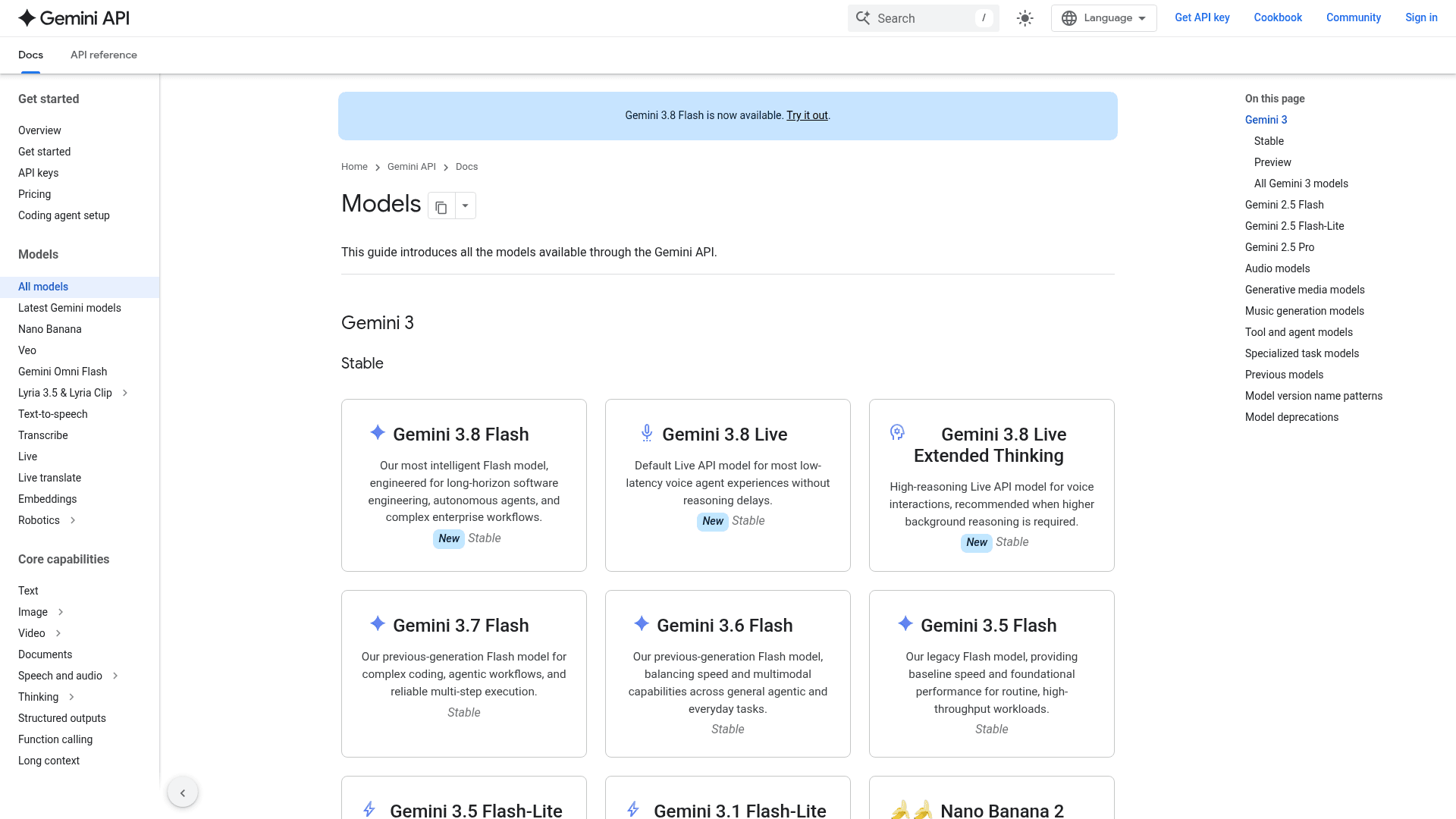
Google's Gemini 3.8 Flash is the multimodal-and-cheap corner of this field. It is the only model here that takes audio and video in natively, and its list price undercuts everything except DeepSeek.
Standouts. Native text, image, audio, video, and PDF input, all through one API. A 1M-token context window with no price cliff. And at $0.75 / $3.75 it is a fraction of Grok's cost, with a free tier to start on.
Pros. Best multimodal coverage in the roundup. Very cheap for the intelligence you get; it scores well on the Artificial Analysis index. Plugs straight into Google Search grounding.
Cons. Responsiveness is the catch. Artificial Analysis measures a 13.3-second time to first token against a class median near 3 seconds, which disqualifies it for anything a human waits on live, though it is fine for overnight batch work. It is also verbose, so the cheap per-token rate can inflate per-task. And the promo price doubles to $1.50 / $7.50 on January 1 2027. Google itself suggests staying on 3.7 Flash for efficiency-first workloads.
Pricing. $0.75 / $3.75 through December 31 2026, then $1.50 / $7.50. Batch and Flex are half off.
My verdict. The pick when your inputs are multimodal or your jobs are batched and price-sensitive. Skip it for anything latency-bound like a chat widget.
4. DeepSeek V4.1 Flash
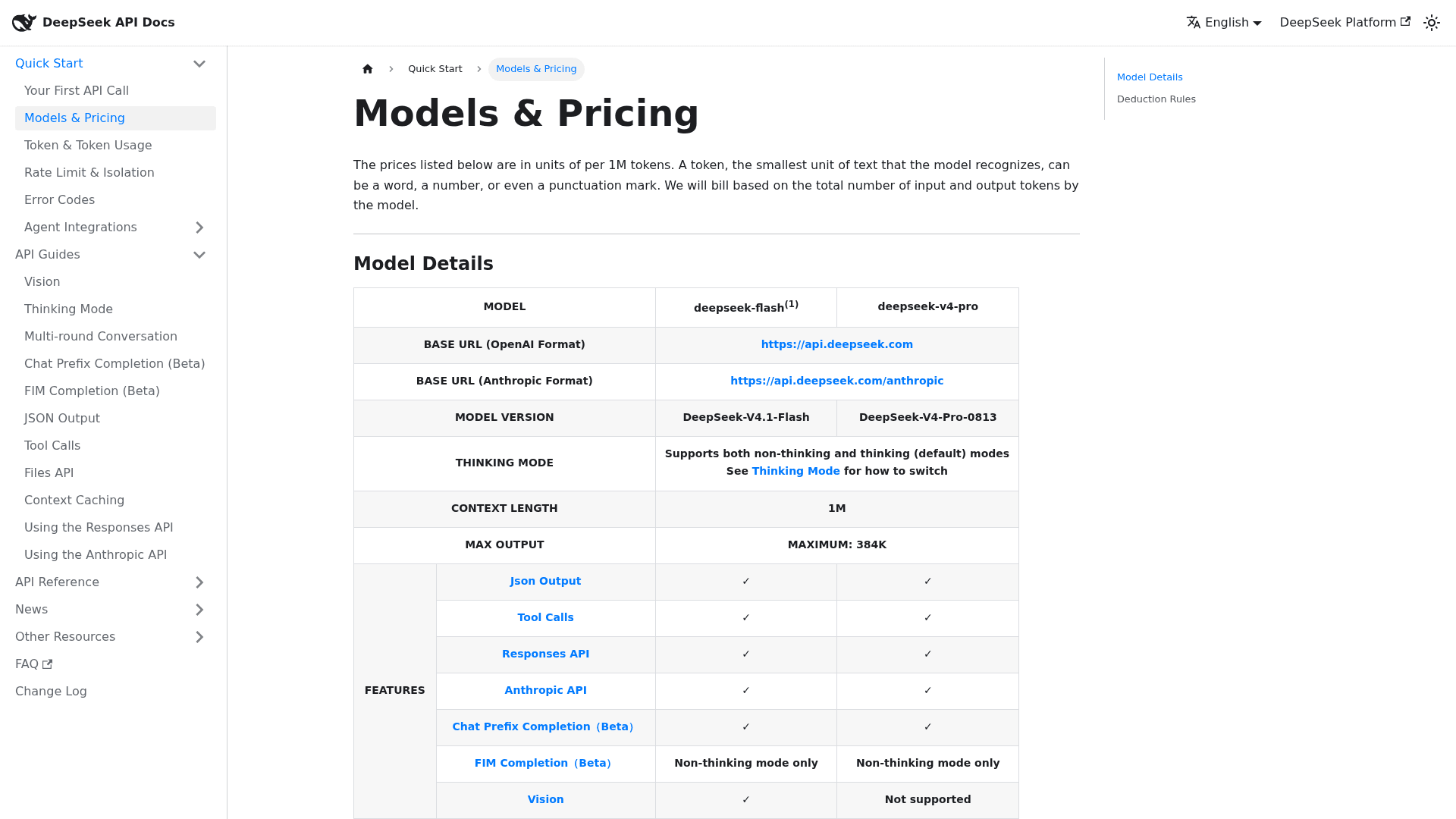
DeepSeek V4.1 Flash is the budget-and-open answer to Grok. It ships under an MIT license, so you can download the weights and run them yourself, and the hosted rate is the cheapest of any credible model here.
Standouts. The price. Off-peak, it runs around $0.22 input and $0.66 output per million, a fraction of Grok 4.7. MIT open weights mean no per-token bill at all if you self-host, and it keeps a 1M context window with a 384k max output.
Pros. Cheapest credible option, hosted or self-hosted. Genuinely open license, unusual at this capability level. Both Anthropic-format and OpenAI-format API endpoints.
Cons. The cheap config and the good config are different runs of the same weights; independent scoring puts it around 50 at max effort versus 29 without reasoning, and reasoning tokens bill at the output rate. It is text only, with no documented image input. The off-peak rate roughly doubles during Chinese business hours. And the hosted API's terms are silent on training use, and data sits in the PRC, so it is not a drop-in for regulated customer data.
Pricing. Roughly $0.22 / $0.66 off-peak, doubling at peak (01:00 to 04:00 and 06:00 to 10:00 UTC). Pro is a step up.
My verdict. The clear winner on raw cost, especially self-hosted. Read the data-residency fine print before you send it anything sensitive.
5. Kimi K3
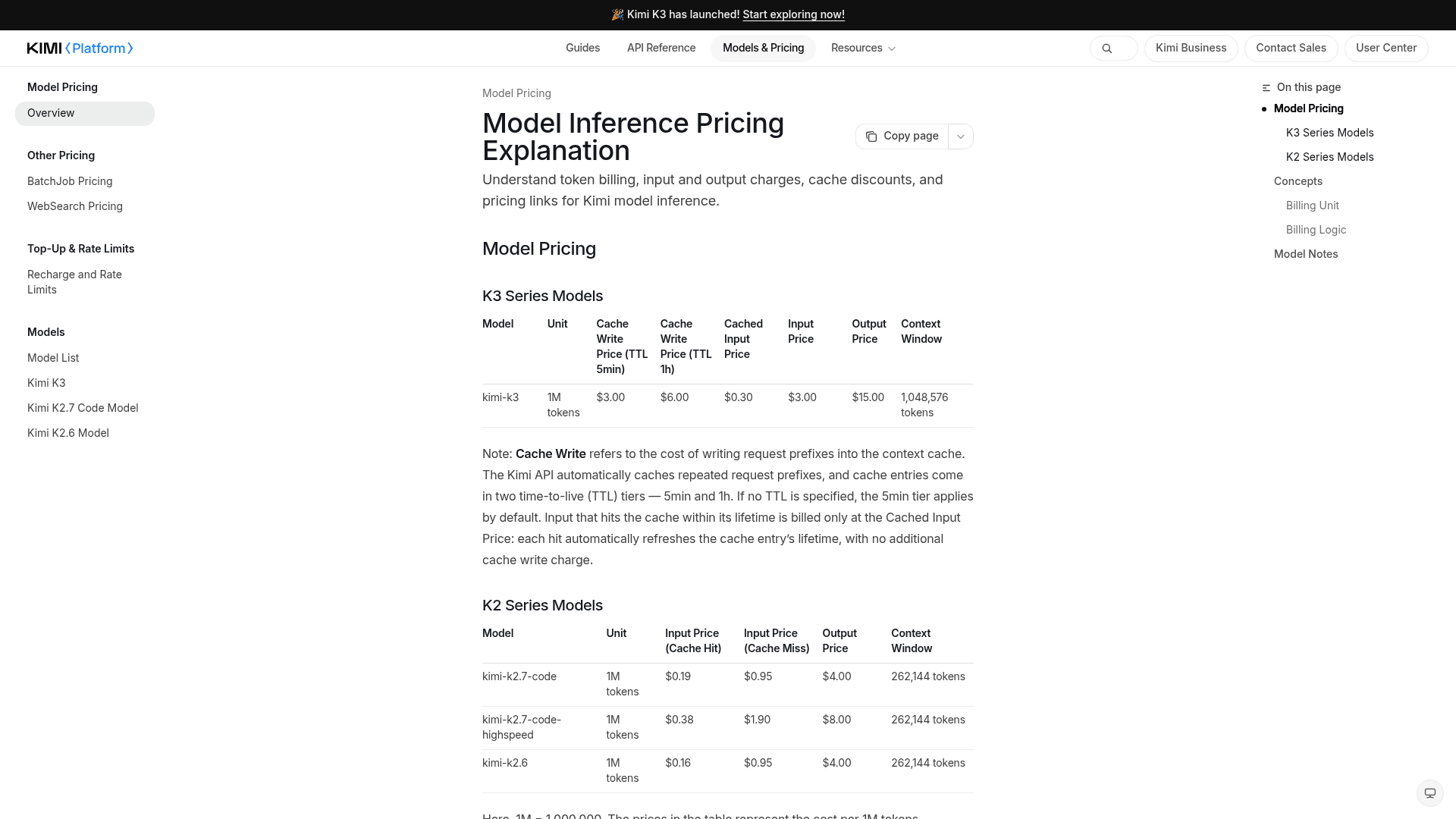
Moonshot's Kimi K3 is the open-weight model that scores highest on independent benchmarks. It is a 2.8-trillion-parameter mixture-of-experts model with 104B active, and Moonshot shipped the weights to Hugging Face on schedule.
Standouts. It lands around 57 on the Artificial Analysis intelligence index, ahead of most open models and behind only the closed frontier. Native vision, a 1M-token context, and a genuinely open weights release make it the most capable model here you can actually host.
Pros. Strongest open-weight intelligence in the roundup. Real 1M context with configurable reasoning effort. Weights are public, with community quantizations already available.
Cons. The hosted API is not cheap: $3 / $15 puts it in Claude Sonnet's band, not the budget tier. Reasoning cannot be turned off, only sped up, so there is no ultra-cheap mode. And public image URLs are not accepted; you pass base64 or a file ID.
Pricing. $3 input, $15 output, $0.30 cached, on a 1,048,576-token context.
My verdict. The pick when you want frontier-ish quality and open weights together, and you can absorb the higher hosted rate or run it yourself.
6. Qwen 3.8 Max
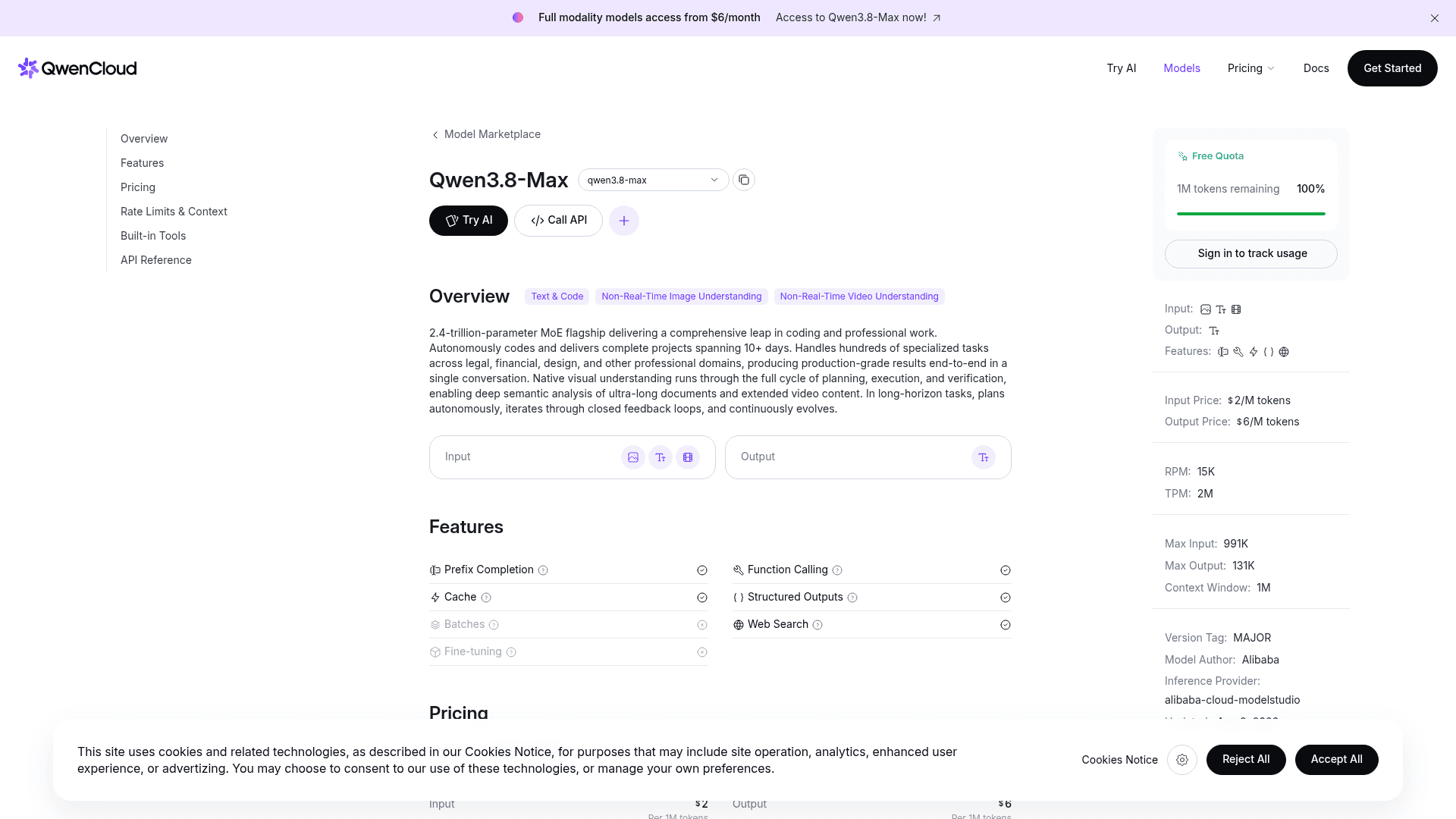
Alibaba's Qwen 3.8 Max is the most direct price match: it charges the exact same $2 / $6 as Grok 4.7, on a larger flat context window and with an open base model underneath.
Standouts. Same rate as Grok, no 200k cliff, and a strong independent ranking (around rank 6, index ~58 on Artificial Analysis). It is a 2.4T-parameter MoE with native image and video understanding and built-in tools, and Alibaba published an open base model too.
Pros. Matches Grok's price with flat billing across a 1M context. Native multimodal input. An open base for teams that want to self-host part of the stack.
Cons. The open base is not feature-equivalent to the hosted Max: vision, non-thinking mode, and built-in tools are hosted-only. Its own shipped coding harness caps output well below the 131k ceiling, so the headline output limit is theoretical for most users. And the license on the big open checkpoint is a custom Qwen license, not Apache.
Pricing. $2 / $6 per million, implicit cache read around $0.25, on a 1M context with 131k max output.
My verdict. If you like Grok's price but want flat long-context billing and a multimodal option, Qwen is the closest swap on this list.
7. eesel: when you want a teammate, not a model

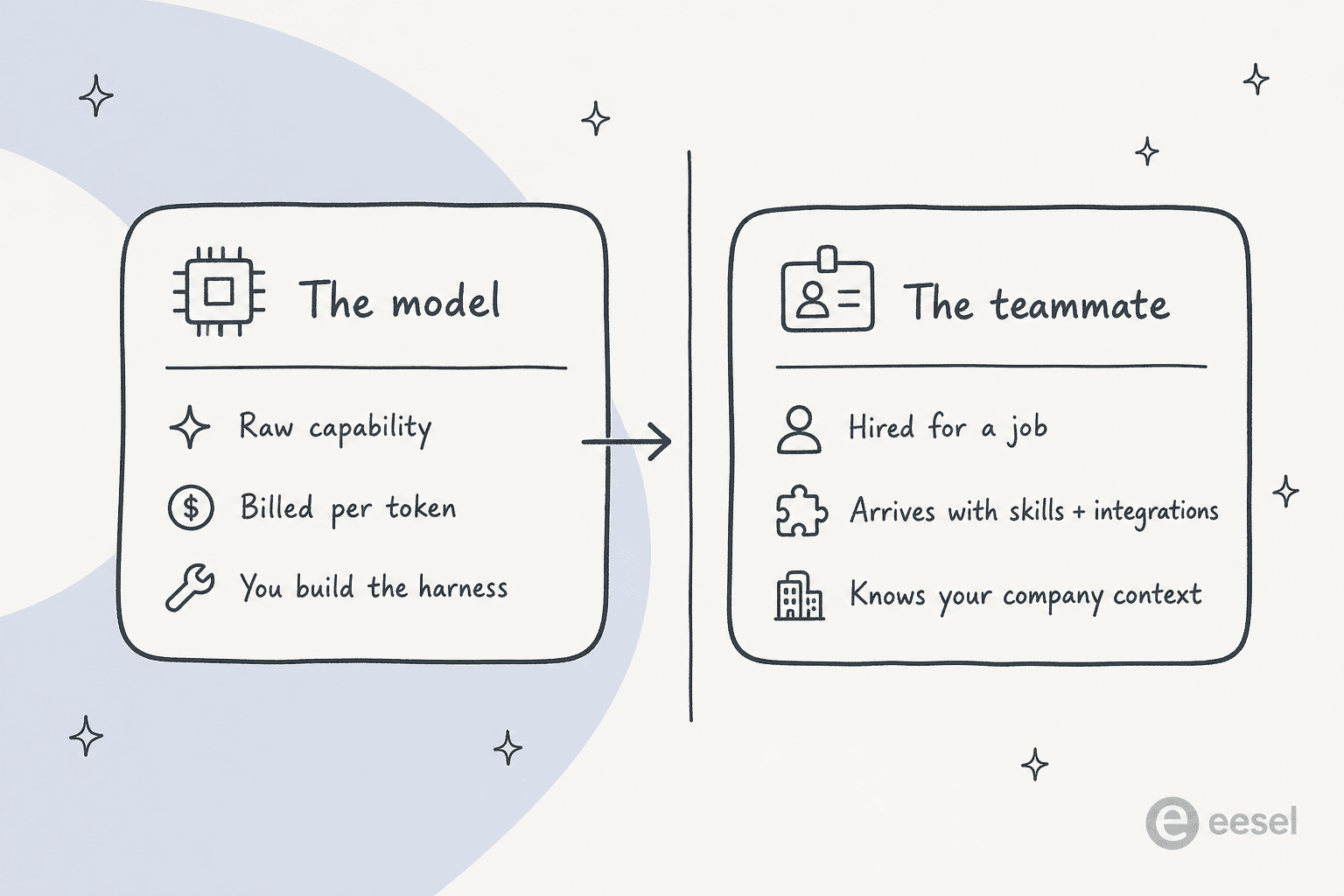
Here is the honest part. Every model above is an engine. None of them, on its own, resolves a support ticket, drafts a help-center reply, or writes a blog post that ships. You do not buy a model to do a job; you buy a model to build a thing that does a job, and that second step is where most of the cost and risk actually live.
One of our customers, Karel at GENERAL BYTES, put the build-versus-buy call plainly:
"We could try to write our own LLM application but we didn't want to invest our time into that. We wanted something that we would not have to maintain."
Karel, GENERAL BYTES
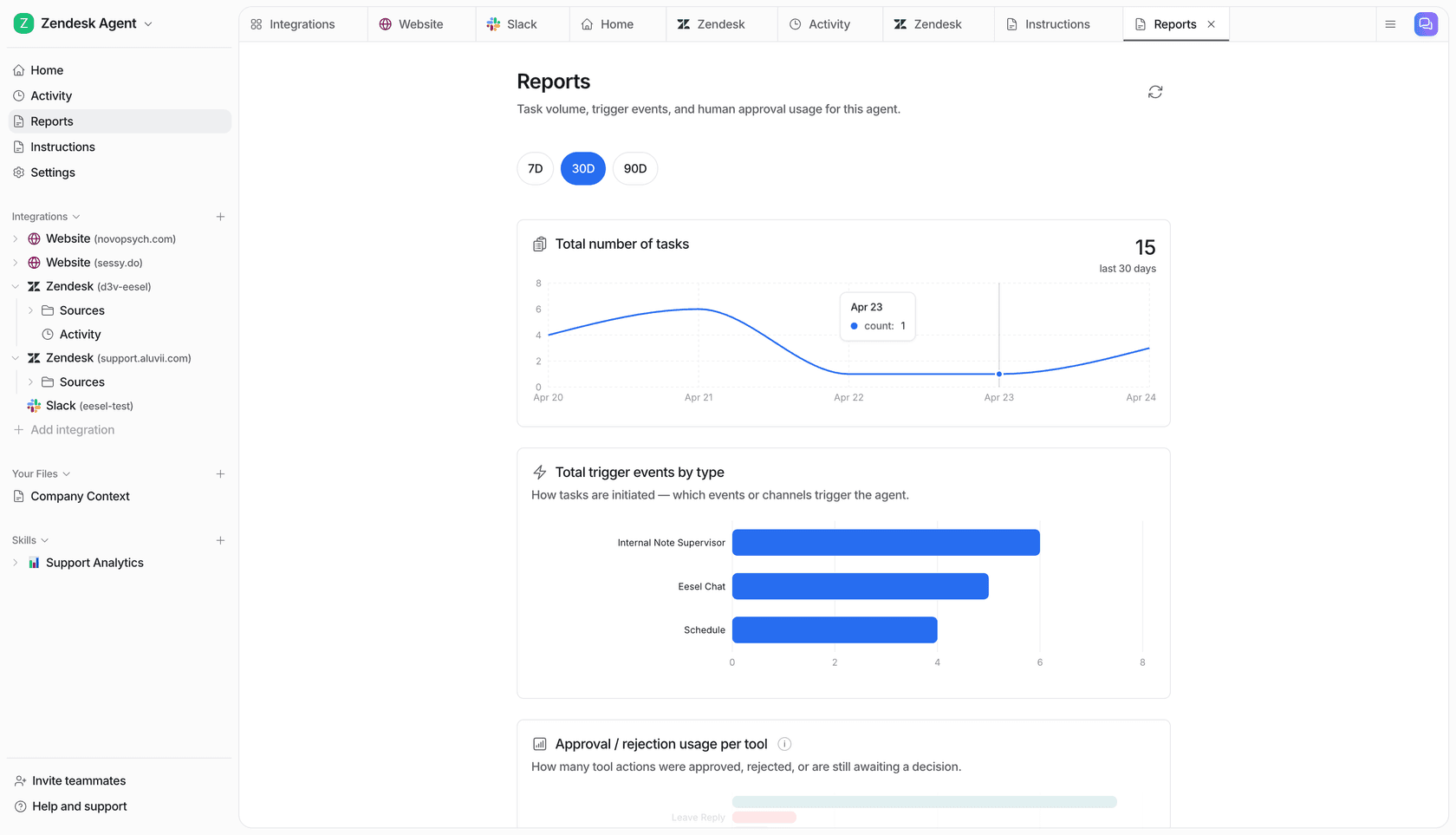
That is the gap eesel fills. eesel is an AI teammate platform: instead of renting tokens and assembling the rest, you hire a ready-to-work teammate for a defined job. The current roster is an AI helpdesk teammate and an AI blog writer. Each one arrives already wired to the integrations, skills, and company context its role needs, running on frontier models like the ones in this roundup underneath.
For engineers who like the command line, that teammate is scriptable. The eesel CLI lets you operate the same teammate and workspace from a terminal, wire it into scripts, or drive it from a coding agent like Claude Code, Codex, or Cursor. So the "I want programmatic access to a model" instinct that leads people to the xAI API is met one level up: you get programmatic access to a teammate that already has your context, not a bare completion endpoint you still have to build a product around.
The part I care about most, having shipped this plumbing for years, is that you can simulate a rollout against your own historical tickets before it ever touches a customer. A benchmark score cannot tell you whether a model will confidently give a wrong answer on your data. A simulation over your real past tickets can. That is the difference between choosing a model and shipping one.
Which Grok 4.7 alternative should you pick?
Pick the priority that matters most and read the recommendation.
The bottom line
Grok 4.7 is hard to beat on price-performance, so the winning alternative is the one that matches your actual priority. Claude for intelligence, DeepSeek or Gemini for cost, Kimi K3 or Qwen for open weights, GPT-6 Sol for the ecosystem. If you are choosing between Grok 4.5 generations, the Grok 4.6 writeup covers the older ones.
But if what you actually need is a job done, resolving tickets or shipping content, none of these is the answer on its own. That is the difference between renting an engine and hiring a teammate.
Comparing models is the easy part
Every model in this roundup gives you intelligence by the token. The hard part is turning that into something that reliably does a real job on your data. eesel packages a frontier model into an AI teammate that already knows your helpdesk and your docs, and lets you simulate it on your own past tickets before it goes live, so you are not betting a customer interaction on a benchmark score.
Try eesel free, or book a demo to see it run on your own data.
Frequently Asked Questions
What is the best Grok 4.7 alternative?
It depends on what you value. For peak intelligence, Claude's Fable 5.1 leads most boards. For a cheaper closed model with a huge ecosystem, GPT-6 Sol is the safe pick. For an open-weight model you can self-host, DeepSeek V4.1 Flash is the cheapest of the credible Grok 4.7 alternatives. Qwen 3.8 Max matches Grok's exact $2 / $6 rate.
Is there a cheaper alternative to Grok 4.7?
Yes. Grok 4.7 costs $2 per million input tokens and $6 output, but DeepSeek V4.1 Flash runs around $0.22 / $0.66 off-peak and is open weight, and Gemini 3.8 Flash lists $0.75 / $3.75 through the end of 2026. Both are meaningfully cheaper than Grok 4.7, with the usual trade-offs in intelligence and, for DeepSeek, data residency.
What is the best open-weight alternative to Grok 4.7?
Grok 4.7 is closed. If you need open weights you can host yourself, the strongest options are Kimi K3 (2.8T parameters, MoE), Qwen 3.8 Max's open base, and DeepSeek V4.1 Flash under an MIT license. DeepSeek is the cheapest to run; Kimi K3 scores highest of the three on independent benchmarks.
Is Grok 4.7 or Claude better?
On raw intelligence, Claude wins. Fable 5.1 tops Grok 4.7 on CursorBench, Terminal-Bench, and the AA Briefcase leaderboard. But Grok 4.7 is roughly a fifth of Fable 5.1's price, so the real question is whether you are paying for the last few points of capability. The Grok 4.7 review covers the head-to-head in detail.
How much does Grok 4.7 cost compared to alternatives?
Grok 4.7 is $2 / $6 per million tokens below 200k, matching Qwen 3.8 Max exactly. GPT-6 Sol is $2 / $10, Claude Opus 5.5 is $4 / $20, and Fable 5.1 is $10 / $50. The cheap end is DeepSeek and Gemini Flash. Full numbers are in the Grok 4.7 pricing guide and the xAI pricing overview.
Do any Grok 4.7 alternatives avoid the 200k price cliff?
Yes. Grok 4.7 doubles its rate once a request crosses 200k prompt tokens, and GPT-6 Sol does the same. Claude and Gemini charge one flat rate across their whole context window, so for long-document or large-codebase work they can end up cheaper than the sticker price suggests.
What is the best Grok 4.7 alternative for customer support?
None of these models is a support tool on its own; they are engines. If the job is resolving tickets, an AI for customer service platform like eesel packages a frontier model with your helpdesk, your knowledge base, and a support automation workflow, so you are hiring a teammate rather than renting tokens.


Article by
Kurnia Kharisma Agung Samiadjie
Kurnia is a software engineer and writer at eesel AI with two years of SEO experience, writing about AI tools, helpdesk software, and customer support. He pairs a developer's understanding of how these products are built with search-driven research into what actually ranks and resonates with the people searching for them.