
What I found on Aportio pricing
I have spent a couple of years mapping what buyers type into search against what vendors actually publish, and "[tool] pricing" is one of the highest-intent queries there is. The person searching it has usually decided the tool is interesting and now wants the number. So it is worth being blunt about what you will find.
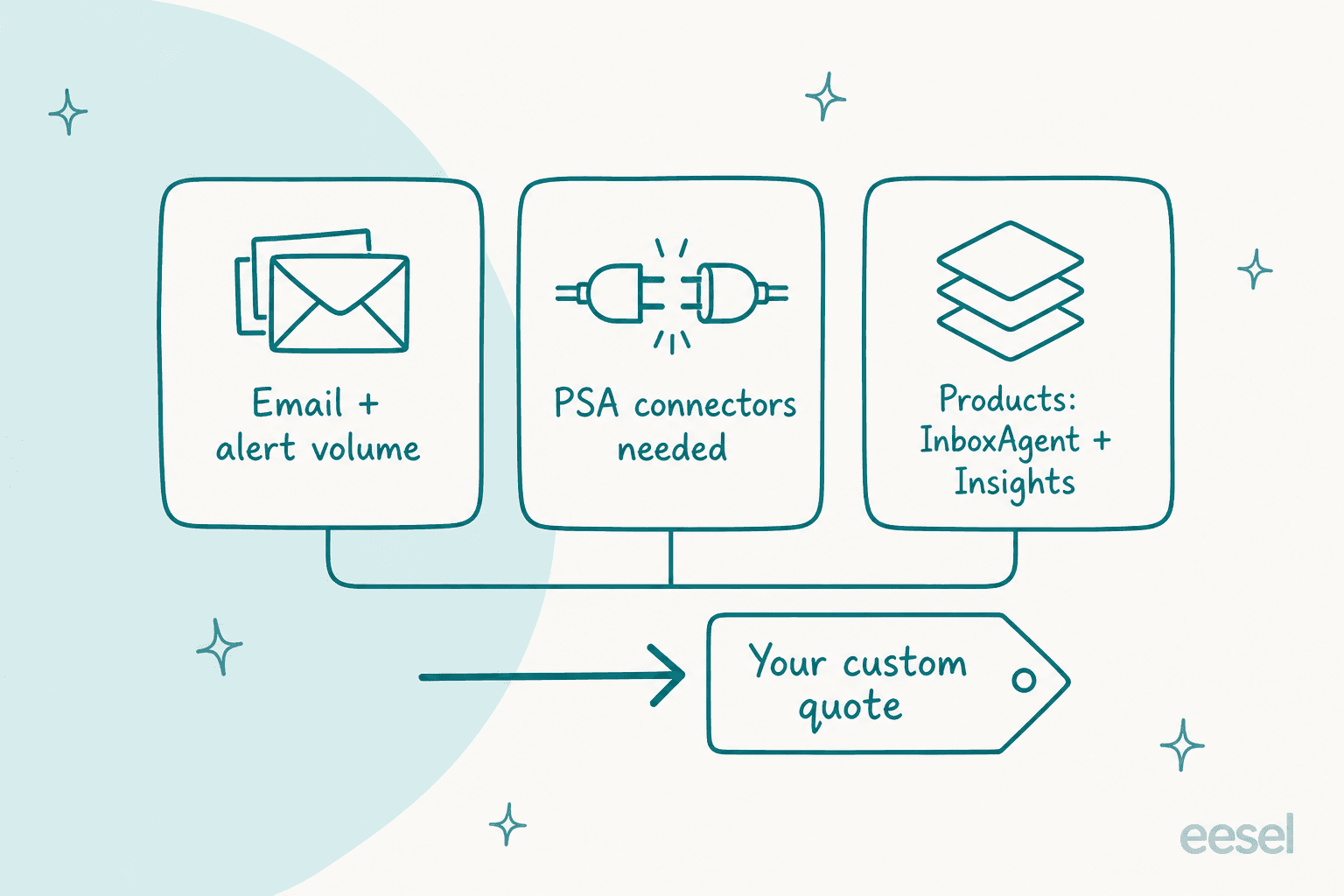
Aportio has no public pricing. I checked the pricing surface the way a buyer would: there is no pricing page, no plan comparison, no per-seat figure, and no self-serve checkout. The site is built entirely around a demo funnel, so pricing lives inside a sales conversation. That is a real fact about how you buy it, not an oversight, and it shapes the rest of this post.
For an enterprise IT buyer who already lives inside procurement cycles, quote-only is completely normal and not a red flag. For a lean MSP or a small support team that wants to size the cost before spending calendar time, it is friction. Knowing which of those you are is the first step.
Why Aportio is quote-only
It helps to understand the shape of the company, because it explains the pricing model rather than excusing it. Aportio Technologies is a small team out of Auckland, New Zealand, founded by ex-MSP operators and ISO 27001:2022 certified. It sells into MSPs, MSSPs, and internal IT service desks, and those buyers all run different stacks: some on ConnectWise, some on Datto Autotask, some on ServiceNow, some on a homegrown ticketing system.
When every deal has a different connector list, mailbox volume, and category taxonomy, a single rate card is hard to write. So the vendor scopes each one by hand. That is the trade: you lose the convenience of a published number, and in return the quote is fitted to your exact setup. Whether that trade is worth it depends entirely on how much you value speed-to-decision, which is the same tension I keep hitting in my writing on AI support cost.
The three things that shape your quote
Even without a rate card, the cost drivers for a tool like this are predictable. Aportio triages email into your PSA, so the price tracks the size of that job. Here is what to map before the call.
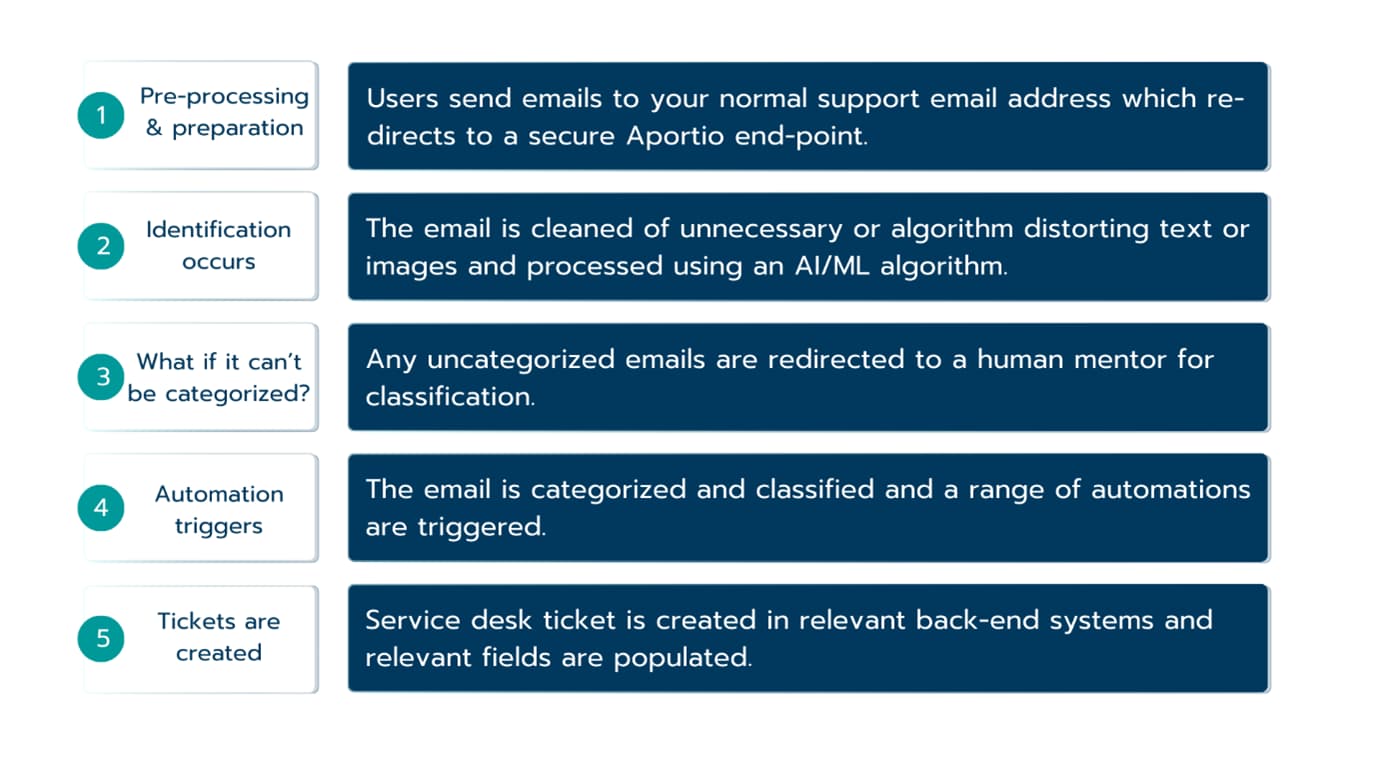
1. Email and alert volume. This is the core meter for any triage layer. The more messages Aportio has to clean, read, classify, and de-duplicate, the more work the product does, so expect volume to be the biggest single lever. Aportio's own pitch leans on the fact that up to 70% of IT tickets still arrive by email, so pull your real monthly inbound count before the demo.
2. The connectors you need. Aportio markets integrations with ServiceNow, Datto Autotask, ConnectWise, Salesforce, Genesys, and NICE CXone, plus a generic REST API. Some connectors are more finished than others (the ConnectWise marketplace listing marks its PSA integration as coming soon), so the connector you need can affect both the price and the timeline. Confirm your exact ITSM stack is ready, not just listed.
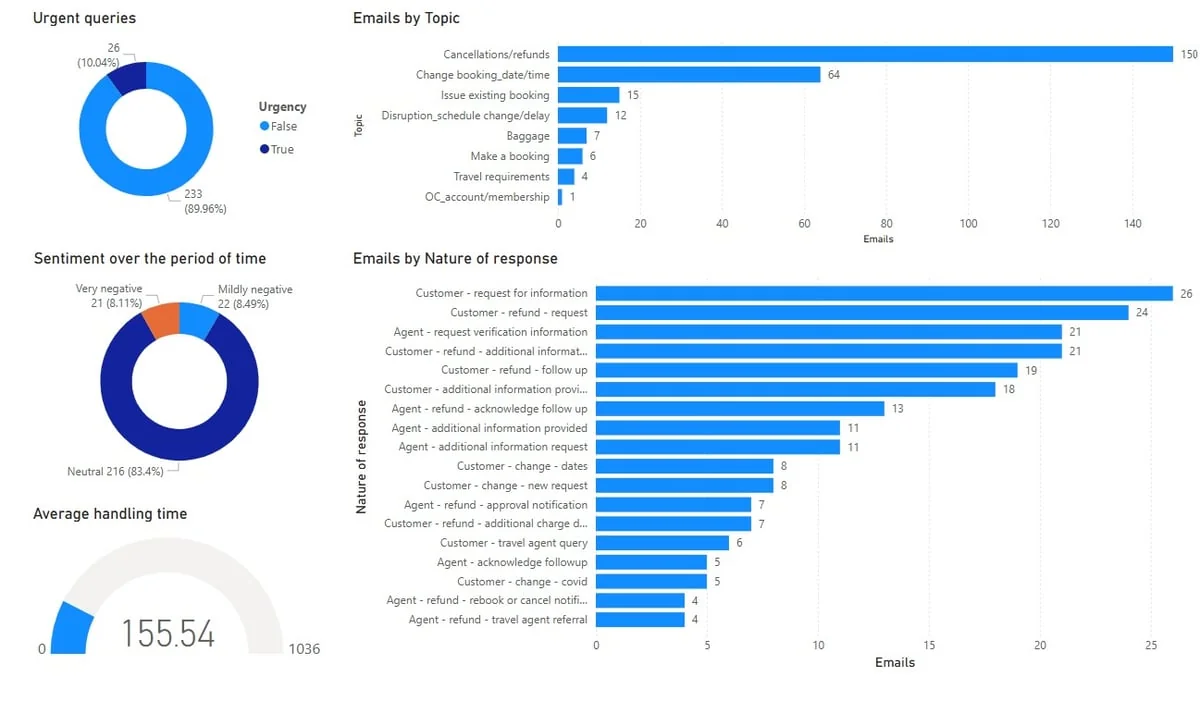
3. Which products you buy. Aportio is a small family, not one SKU. InboxAgent is the core triage engine. Aportio Insights is a separate analytics layer that reads every conversation for sentiment and root cause. EzyCatalog is an MSP quoting tool. A quote for InboxAgent alone is a different number from InboxAgent plus Insights, so decide your product mix first.
Here is what you are actually paying Insights for, so you can judge whether it belongs in your quote.
Estimate what Aportio is worth to you
Because there is no rate card, the useful move is to flip the question: instead of "what does it cost," work out "what would it need to cost to be worth it." Pick the profile that sounds like you and use the demo to test the number against it.
The point of this exercise is that a quote you can evaluate is one you have a number to compare against. Walk in with your volumes and your product mix decided, and the sales conversation becomes a validation step rather than a discovery call.
Aportio pricing vs a transparent AI support tool
Here is the plainest way to see the trade-off. This is not about which product is better at triage, it is about how each one lets you buy.
| What you get | Aportio | A transparent AI support tool (e.g. eesel) |
|---|---|---|
| Public pricing page | None | Yes, published rates |
| Self-serve trial | No, demo only | Yes, free to start |
| Billing unit | Not disclosed | Per ticket or interaction handled |
| Time to a real number | A sales conversation | On the pricing page |
| Test before you buy | Live pilot after scoping | Simulation on your own history |
Neither column is automatically right. If you are an enterprise IT buyer, the left column is your world and the demo is where scoping belongs anyway. If you are a smaller team that decides fast and hates booking calls to learn a price, the right column removes the friction that quote-only pricing adds. My view on why transparent pricing matters is simple: the easier a tool is to price, the faster you can actually decide.
One caveat worth stating fairly: Aportio does a narrow job (clean email into clean PSA tickets) that a lot of noisier tools skip entirely, so if that is your exact bottleneck, the pricing friction may be worth pushing through.
What to ask on the Aportio demo
Since the number only exists on the call, the quality of your quote depends on the questions you bring. Here are the ones I would not leave without answers to.
- What is the billing unit? Per seat, per ticket, per mailbox, or per email, and how is overage handled.
- Is my connector live or coming soon? Get the status of your specific PSA in writing, not just a mention on the integrations page.
- Is Insights in the base price? Confirm whether analytics and each integration are included or priced as add-ons.
- What does onboarding cost? The category taxonomy is agreed with Aportio up front, so ask whether that setup is a separate fee.
- What are the API limits? The REST API supports create and update but not deletes or attachments yet, which can shape both fit and effort.
That last point matters more than it looks. An email-triage tool is only as valuable as how cleanly it lands data in your PSA, so the build-versus-buy calculus should include the API's real limits, not just the headline price.
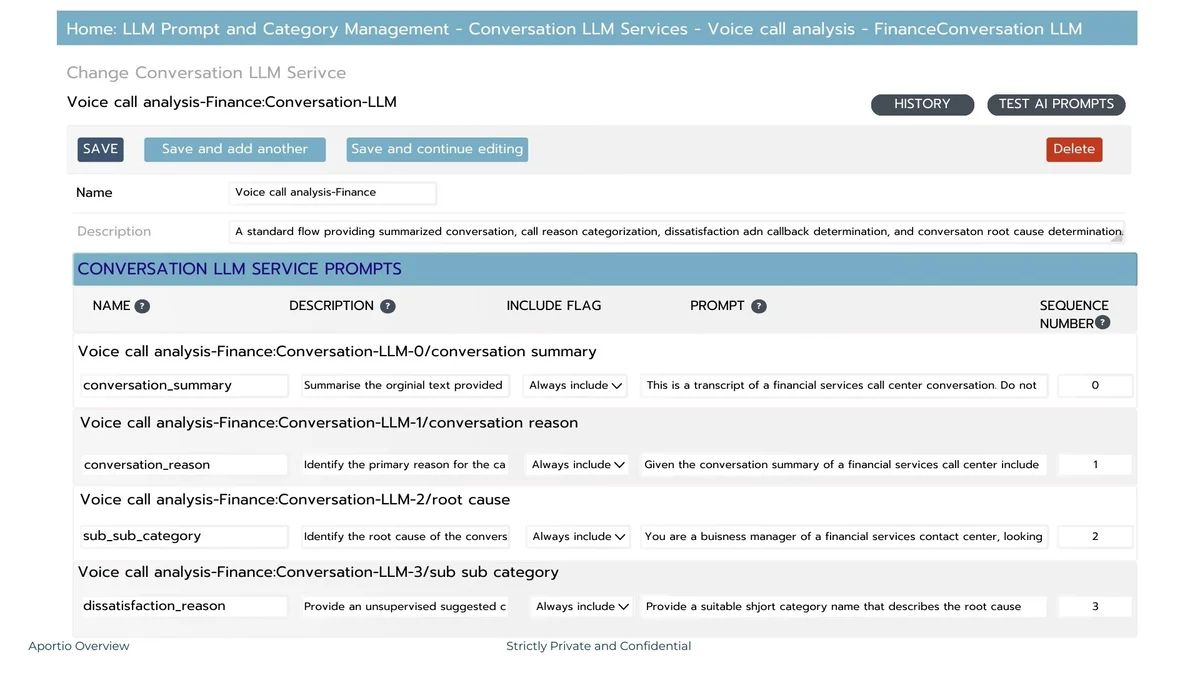
One thing to weigh: reviews are thin
Pricing is only half of a buying decision. The other half is usually crowd validation, and here Aportio is thin. Its G2 profile exists but shows zero reviews, the old Capterra listing now 404s, and there is no meaningful Reddit or X discussion to read. That is not a knock on quality, it is just what an early, niche, demo-led vendor looks like before public validation accumulates.
Practically, it means you cannot triangulate the quote against what other buyers actually paid, the way you can with a tool that has hundreds of reviews mentioning price. So the demo is doing double duty: it is both your pricing source and your reference check. Ask for customer references at a similar size and stack, and treat any vendor-reported figures as exactly that.
The honest verdict on Aportio pricing
Aportio is a focused, well-built tool doing an unglamorous job, and its pricing model matches its stage: scoped, quote-only, and sold through a demo. That is neither good nor bad on its own, it is just a fit question.
Go to Aportio if you run an email-heavy IT desk or MSP, you live inside a PSA, and quote-only pricing is normal for how you buy. Bring your email volume and product mix so the quote is something you can evaluate rather than just receive. Look elsewhere if you need a published rate and a self-serve trial before you will commit calendar time, or if what you actually want is AI that answers the ticket rather than just files it.
Where eesel fits
If the pricing friction is what is stopping you, it is worth knowing the alternative shape. eesel is an AI helpdesk teammate that does the half Aportio deliberately leaves alone: it answers the ticket. It plugs into the helpdesk you already run (Zendesk, Freshdesk, Jira Service Management, Front, Help Scout, and more), learns from your past tickets and docs, and drafts or resolves replies in your voice.
On the specific thing this post is about, the difference is concrete: eesel lists its pricing openly and you can start free today, so you get the number before you book anything. And instead of a scoped pilot, you can simulate the agent on hundreds of your real past tickets first, see how it would have handled your history, and only switch to auto-reply once the accuracy earns it.
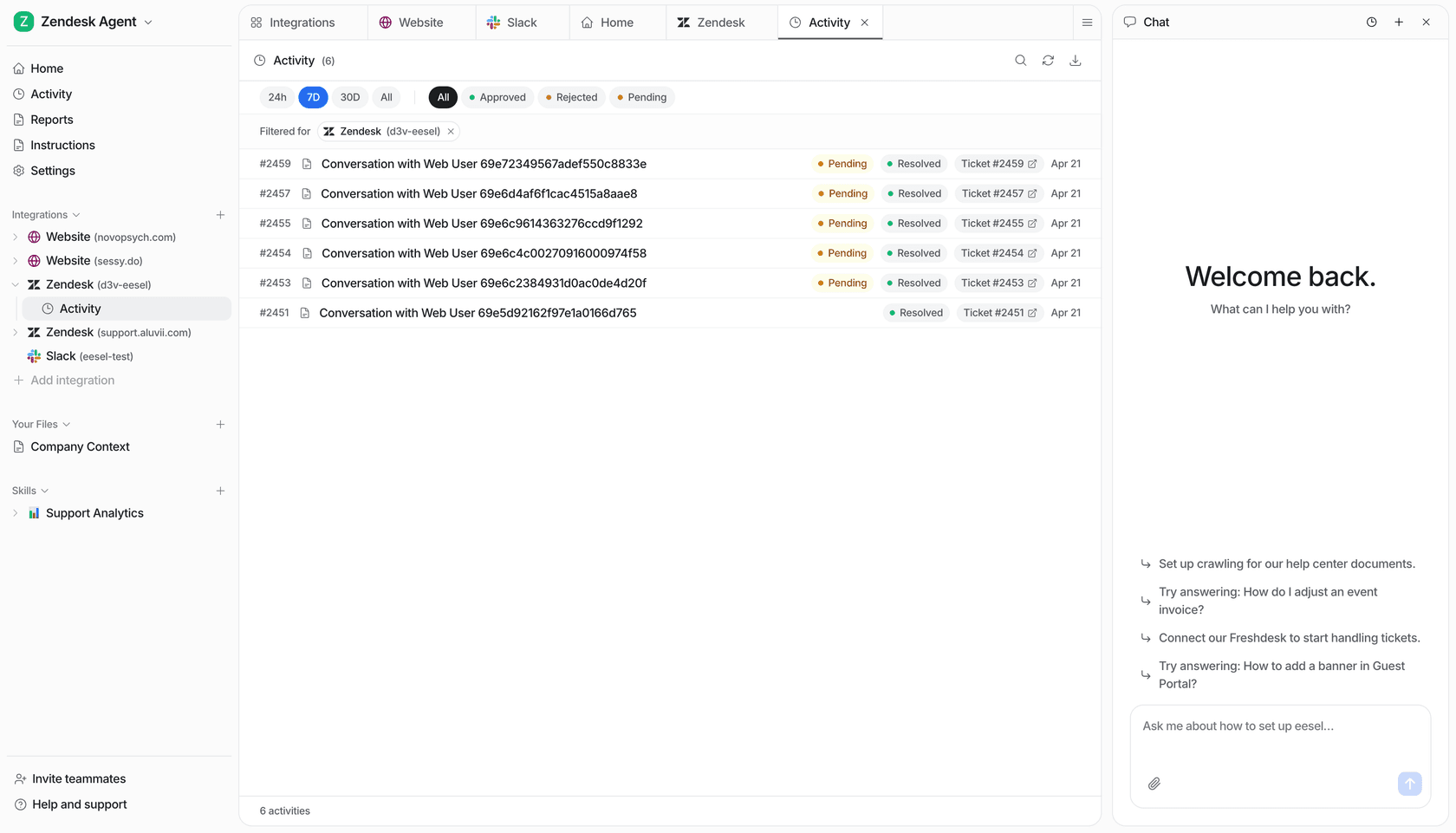
Pair the two ideas if you like: clean the inbox with a triage layer, then answer what is left with an agent you priced and tested yourself.
Frequently Asked Questions
How much does Aportio cost?
Aportio does not publish a price. There is no pricing page, no plan ladder, and no per-seat or per-ticket rate on the site, so the only way to get a number is to book a demo and request a quote. Aportio pricing is shaped by your email volume, the connectors you need, and which products you buy. If a published number matters to you, tools like eesel list their rates openly.
Does Aportio have a free trial or free plan?
No. There is no self-serve signup, no free tier, and no public trial. Every button on the site routes to a contact form and a demo booking, so evaluation happens through their team rather than a free trial you start yourself.
What is Aportio's pricing for small teams and MSPs?
Aportio sells mainly to MSPs and internal IT service desks, so quotes are scoped to your seat count, mailbox volume, and PSA stack rather than a fixed small-team plan. A lean MSP should expect the price to track email volume and the number of connectors, and should ask for a per-mailbox or per-ticket breakdown up front.
Is Aportio priced per seat, per ticket, or per mailbox?
Aportio has not disclosed its billing unit publicly. Most ticketing and triage tools bill per seat, per ticket, or per resolution, so ask which model Aportio uses in the demo and how overage is handled before you sign.
Why doesn't Aportio publish pricing?
Aportio is a small, demo-led vendor selling into MSPs with very different stacks, so it scopes each deal by hand instead of listing a rate card. That is normal for enterprise IT buying, but it adds friction if you want to size the cost before booking time. My take on AI support cost covers why transparent pricing speeds up the decision.
What are the best Aportio alternatives with transparent pricing?
If published rates and a self-serve trial matter, a support-native AI helpdesk agent is a closer fit. eesel lists its pricing, plugs into your existing helpdesk, and can be simulated on past tickets before it goes live. See my roundup of the best AI helpdesk software for more.
Does the Aportio quote include integrations and Insights?
Probably not by default. InboxAgent, Aportio Insights, and extra PSA connectors are separate lines of the product, so confirm in the demo whether analytics and your specific ITSM integration are in the base quote or priced as add-ons.


Article by
Kurnia Kharisma Agung Samiadjie
Kurnia is a software engineer and writer at eesel AI with two years of SEO experience, writing about AI tools, helpdesk software, and customer support. He pairs a developer's understanding of how these products are built with search-driven research into what actually ranks and resonates with the people searching for them.