


When a big analyst firm like Forrester drops a new report, people in the tech world tend to pay attention. So, when ServiceNow was recently named a Leader in The Forrester Wave™ for Software Asset Management (SAM) Solutions, Q1 2025, it was a pretty big deal.
But what does a title like that really mean for your team? If you're already using ServiceNow, are you tapping into its full potential? And if you're just looking into it, what's the real story behind its power and complexity?
Let's cut through the noise. We'll break down the ServiceNow Forrester report, get into the nitty-gritty of their AI and ITSM platform, and talk honestly about the gaps that can appear when you're dealing with such a massive tool. We’ll look at what makes ServiceNow a leader, and how you can complement its strengths without getting stuck in a year-long implementation project.
What is the ServiceNow Forrester Wave report?
First off, what even is a Forrester Wave? Think of it less like a simple top-10 list and more like a detailed report card for vendors in a specific market. Forrester evaluates companies on how strong their product is right now and how solid their strategy is for the future. Landing in the "Leaders" quadrant means Forrester thinks you're at the top of the class with a clear path to stay there.
The Q1 2025 report gives ServiceNow high marks for its vision of a single, unified platform. It's not just about software asset management (SAM) anymore; it’s about tying everything together, from hardware and cloud assets to enterprise tools. The report specifically mentioned that ServiceNow is great at discovering software across different environments and keeping an eye on SaaS usage.
This basically confirms what many already know: ServiceNow isn't just for logging IT tickets. It's a strategic hub for managing all your tech assets, which is a huge deal for big companies trying to control costs and risk.
A deep dive into ServiceNow's AI and ITSM platform: The Forrester perspective
Being named a leader is one thing, but how the platform actually works day-to-day is what really matters. Let’s take a look at the key parts of ServiceNow, from its AI tools to its pricing.
ServiceNow's core ITSM and asset management features: A Forrester highlight
At its core, ServiceNow wants to be the one place you go for everything related to your company's operations. The Forrester report applauded its ability to bring all the processes for asset management under one roof. This includes:
-
Incident, Problem, and Change Management: The classic trio of ITSM. These tools help you get services back up and running, figure out why they broke in the first place, and roll out updates without causing chaos.
-
Software Asset Management (SAM): This is way more than just counting licenses. It’s about automating compliance, making smarter renewal decisions, and stopping runaway SaaS spending.
-
Configuration Management Database (CMDB): This is a central map that shows how all your IT components are connected. It’s absolutely essential for understanding how a small change over here might impact something major over there.
-
AI Search and Knowledge Management: These are tools that help employees and customers find what they need on their own, quickly, through a single self-service portal.
These systems are incredibly powerful when they work together, but keeping them all in sync and the data clean requires a serious, ongoing investment of time and effort.
The role of AI agents in the ServiceNow ecosystem: A Forrester view
ServiceNow is betting big on artificial intelligence, calling its platform an "AI platform for business transformation." A huge piece of that puzzle is their use of ServiceNow AI Agents, which are built to handle issues on their own and automate some seriously complex tasks.
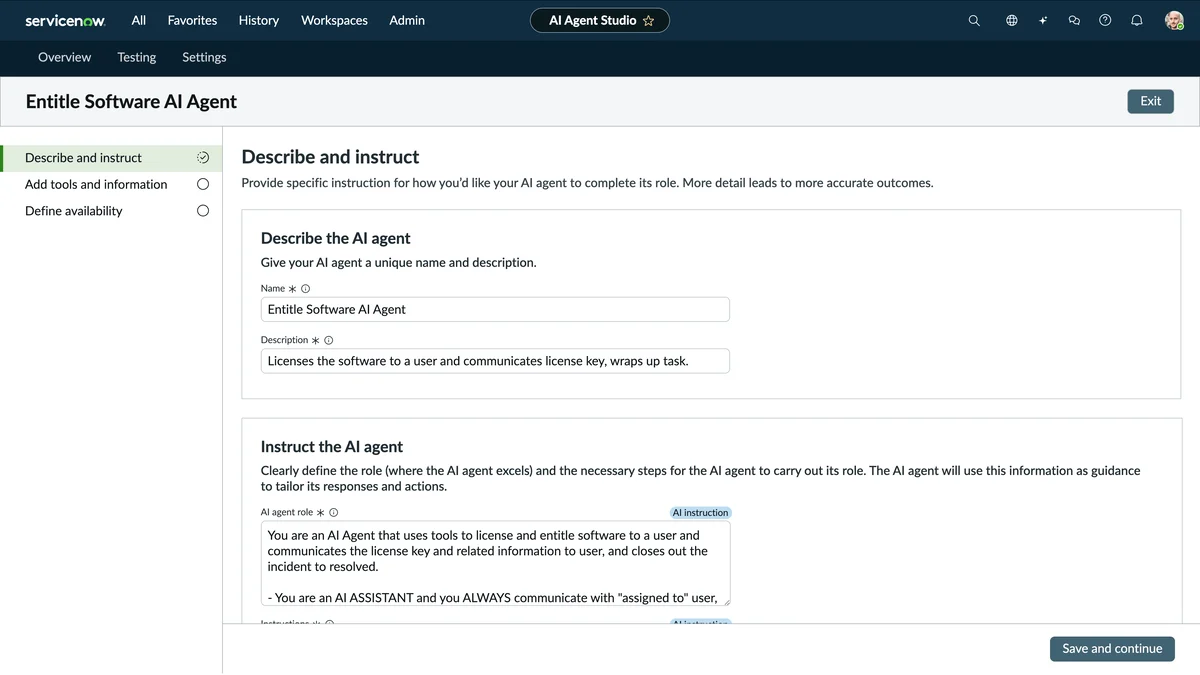
Here are the main components of their AI setup:
-
AI Agent Studio: A low-code tool that lets your team build and tweak your own AI agents for specific jobs.
-
AI Agent Orchestrator: A system that gets different specialized AI agents to work together on bigger, multi-step tasks like onboarding a new employee or handling a security threat.
-
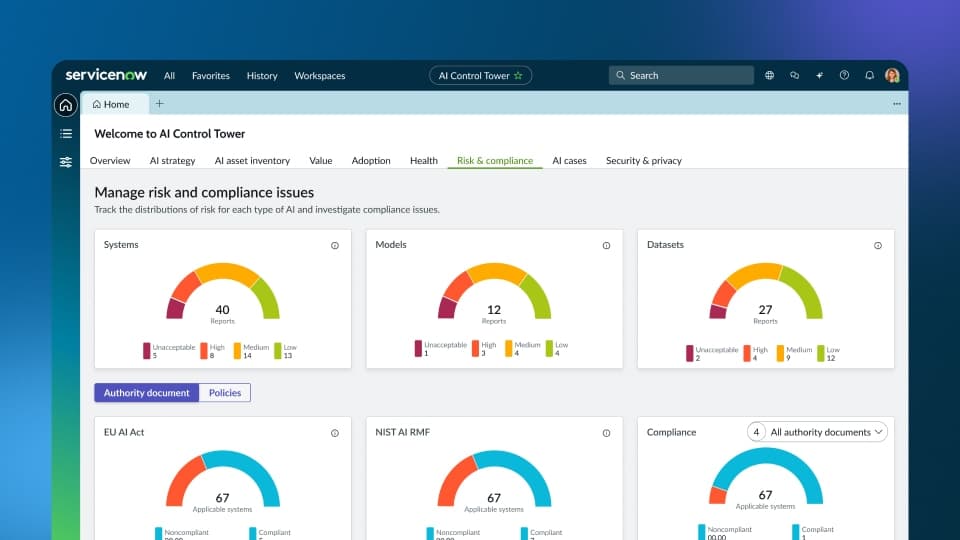
AI Control Tower: A dashboard for keeping an eye on all your AI agents (both from ServiceNow and other vendors) to make sure they're behaving and staying compliant.
ServiceNow also publishes Action Fabric, which lets outside agents such as Claude, ChatGPT, or Gemini run governed ServiceNow actions over MCP and A2A.
This is a "build-it-yourself" approach. It gives you a ton of control, but it also demands a lot of resources. You need a deep understanding of your processes to build effective agents, and managing an entire orchestra of them can easily become a full-time job for a dedicated team.
Understanding ServiceNow ITSM pricing: A Forrester perspective
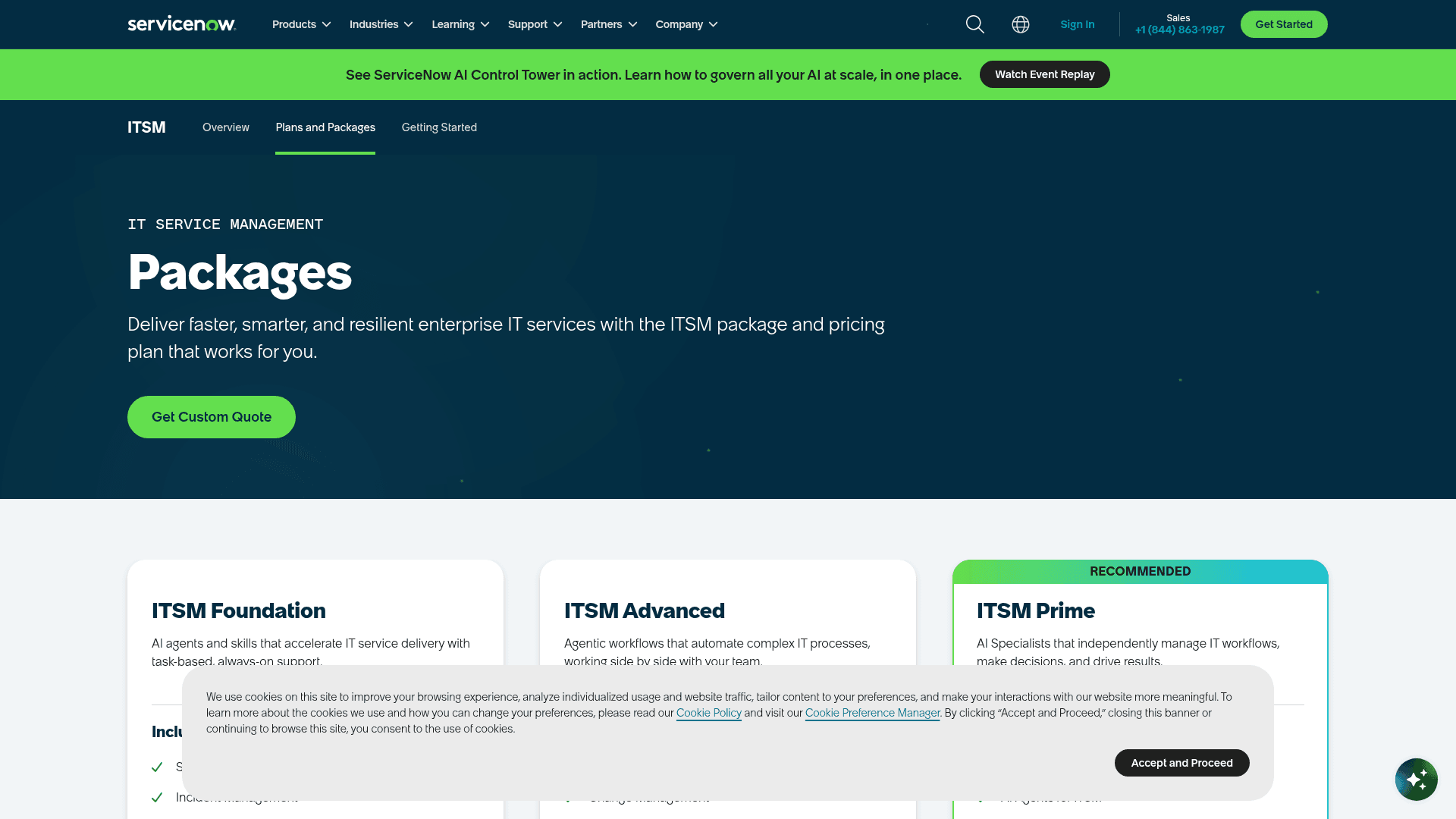
ServiceNow’s pricing is built for the enterprise, and it reflects the platform's all-in-one nature. You won't find a simple price-per-user on their website; you'll need to get a custom quote. They package their IT Service Management (ITSM) offerings into a few different tiers.
As of April 2026, ServiceNow moved ITSM to three AI-native tiers, Foundation, Advanced, and Prime (the older Standard/Pro/Enterprise SKUs reached end of sale on July 1, 2026). The assistive AI, like the Virtual Agent and Now Assist, is now bundled into every tier, while the autonomous AI Agents that can resolve a ticket end-to-end are reserved for the top-tier ITSM Prime plan. Now Assist itself runs on a metered "assist" allocation, so how much AI you actually use feeds into the final cost.
| Capability | ITSM Foundation | ITSM Advanced | ITSM Prime |
|---|---|---|---|
| Incident & Request Management | ✔️ | ✔️ | ✔️ |
| Asset Management & CMDB | ✔️ | ✔️ | ✔️ |
| Change & Problem Management | ✔️ | ✔️ | |
| Major Incident & On-Call Management | ✔️ | ✔️ | |
| Virtual Agent | ✔️ | ✔️ | ✔️ |
| Now Assist for ITSM (assistive GenAI) | ✔️ | ✔️ | ✔️ |
| AI Voice Agents | ✔️ | ✔️ | |
| Process Mining | ✔️ | ✔️ | |
| AI Agents for ITSM (autonomous) | ✔️ | ||
| L1 Service Desk AI Specialist | ✔️ |
Where monolithic platforms fall short (and how to fill the gaps)
The ServiceNow Forrester report makes it clear: the platform is a beast for enterprise service management. Its biggest strength is having everything integrated into one system. But that strength can also be a major weakness for teams that just need to get things done.
The flip side of all that power is that these giant platforms can be slow and clunky. Getting a new workflow live in ServiceNow can take months, and you often need to hire certified developers or expensive consultants to do it. And let's not forget the knowledge problem. ServiceNow has a knowledge base and documents External Content Connectors for outside sources, but each connector is something you set up and maintain. Meanwhile, your team's best, most current information probably lives elsewhere, scattered across Confluence pages, Google Docs, and old Slack threads.
This is where a more nimble AI tool can make a huge difference. Instead of spending a year building a custom AI agent from scratch, what if you could deploy one in minutes that learns from all your company's knowledge, not just what's locked inside one platform?
That’s what we’re focused on at eesel AI. Our AI for ITSM plugs right into the tools you already use, like Zendesk or even ServiceNow itself, and starts helping out immediately.
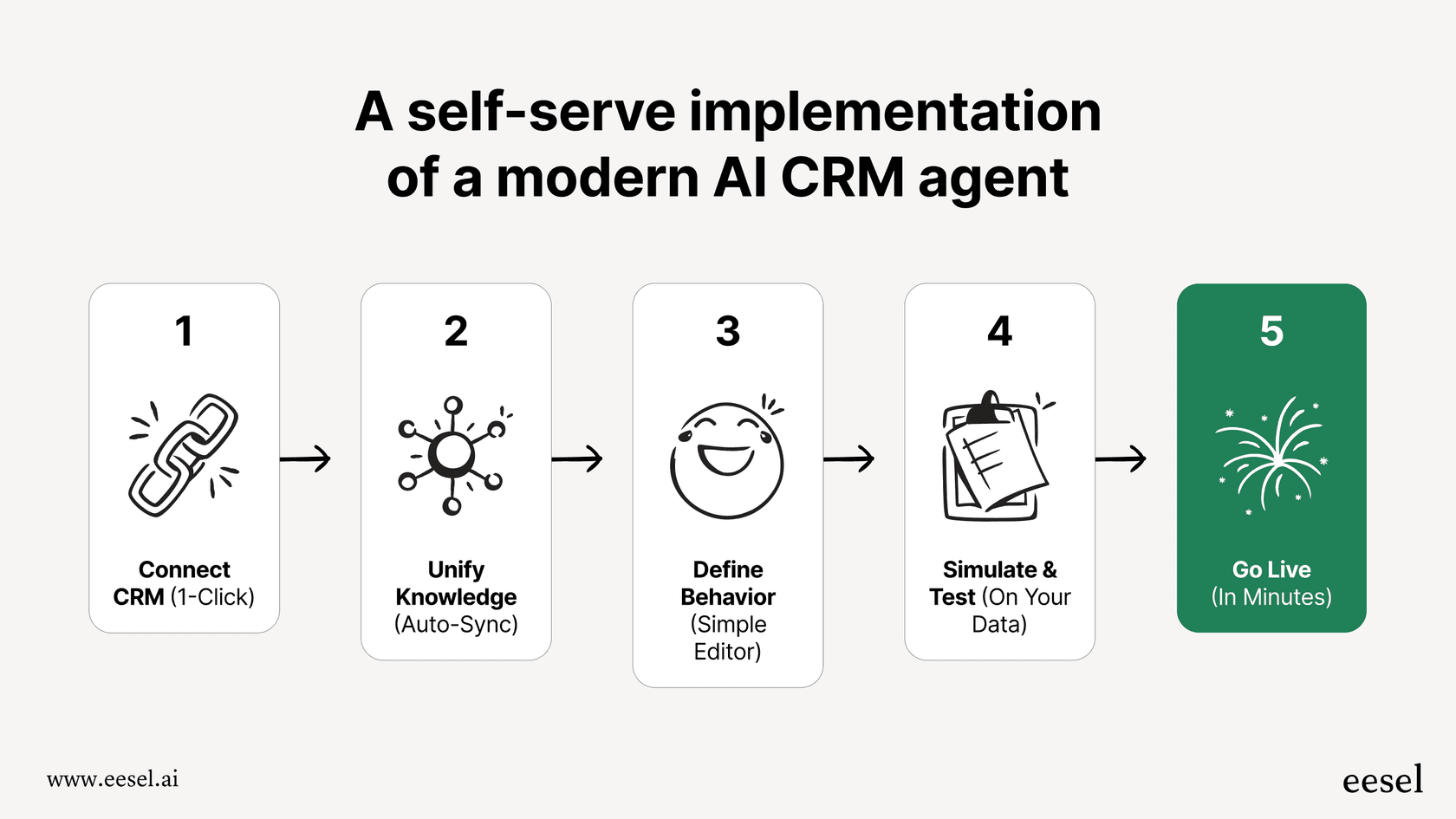
Here's where a tool like eesel AI zigs where others zag:
-
Launch in minutes, not months: It's a genuinely self-serve tool. You can connect your knowledge sources, set up your AI agent, and even test it on your past tickets before you ever have to talk to a salesperson.
-
Bring all your knowledge together: eesel AI securely connects to over 100 sources right out of the box. It learns from your help center, your internal wikis in Notion, and your past ticket history to give answers based on your team's actual experience.
-
Test before you trust: Our simulation mode shows you exactly how the AI would have answered thousands of your past tickets. This gives you a clear picture of your potential automation rate and ROI before you even flip the switch.
Instead of ripping and replacing your core system, a tool like eesel AI works with it. It handles the common, repetitive questions on the front line, freeing up your team to focus on the tougher problems that platforms like ServiceNow are built for.
Build on strength with agility
The ServiceNow Forrester Wave report confirms it: ServiceNow is a powerhouse for large-scale IT and asset management. Their vision for an all-in-one, AI-driven platform is setting the pace for the entire industry.
But real progress isn't just about owning a powerful platform; it's about being able to use that power quickly. For many teams, the sheer complexity of these massive systems can slow them down, creating the exact opposite of the agility they were hoping for.
By adding a flexible, self-serve AI layer on top of a solid platform like ServiceNow, you get the best of both worlds. You get the stability of an enterprise system with the speed of a modern AI tool. You can start automating tickets and answering common questions this week, not next year.
Ready to see how fast you can get AI working for you? Try eesel AI and you can have an AI agent trained on your company's knowledge up and running in under five minutes.
Frequently asked questions
What does the recent ServiceNow Forrester Wave report highlight about ServiceNow's market position?
The 2025 ServiceNow Forrester Wave report names ServiceNow as a Leader in Software Asset Management (SAM) Solutions. It recognizes ServiceNow's strong current offering and robust future strategy, particularly commending its vision for a unified platform.
How does the ServiceNow Forrester perspective view ServiceNow's AI capabilities?
The report acknowledges ServiceNow's substantial commitment to artificial intelligence, specifically its "AI platform for business transformation" and the concept of AI Agents. It emphasizes a "build-it-yourself" approach, allowing teams to create and orchestrate specialized AI agents.
What are the core benefits of using ServiceNow's platform, according to the ServiceNow Forrester analysis?
The primary benefit is ServiceNow's integrated, unified platform for enterprise service management, which encompasses ITSM, SAM, and CMDB functions. This holistic approach supports comprehensive asset discovery and management across various IT environments.
Does the ServiceNow Forrester analysis indicate any potential challenges or complexities with the platform?
While the report highlights strengths, the blog interprets the platform's monolithic nature as potentially leading to slow implementation and complex customizations. This often necessitates significant resources or specialized consultants, and can result in fragmented knowledge across an organization.
When reviewing ServiceNow Forrester insights, what should I consider regarding ITSM pricing, especially for advanced features?
It's important to understand that ServiceNow's pricing is tiered. As of April 2026, ServiceNow packages ITSM into three tiers, Foundation, Advanced, and Prime, with the assistive AI (the Virtual Agent and Now Assist) bundled into every tier and the autonomous AI Agents reserved for the top Prime tier. Now Assist also runs on a metered "assist" allocation, so heavy AI usage can add to the overall cost beyond initial expectations.
How can my team achieve faster results if we're already using ServiceNow, based on the ServiceNow Forrester report's implications?
To achieve quicker results, teams can complement their existing ServiceNow setup with agile, self-serve AI tools. These tools can integrate with diverse knowledge sources to automate routine queries rapidly, freeing up your team for more complex tasks that ServiceNow is designed to handle.