

What a digital hotel concierge actually is
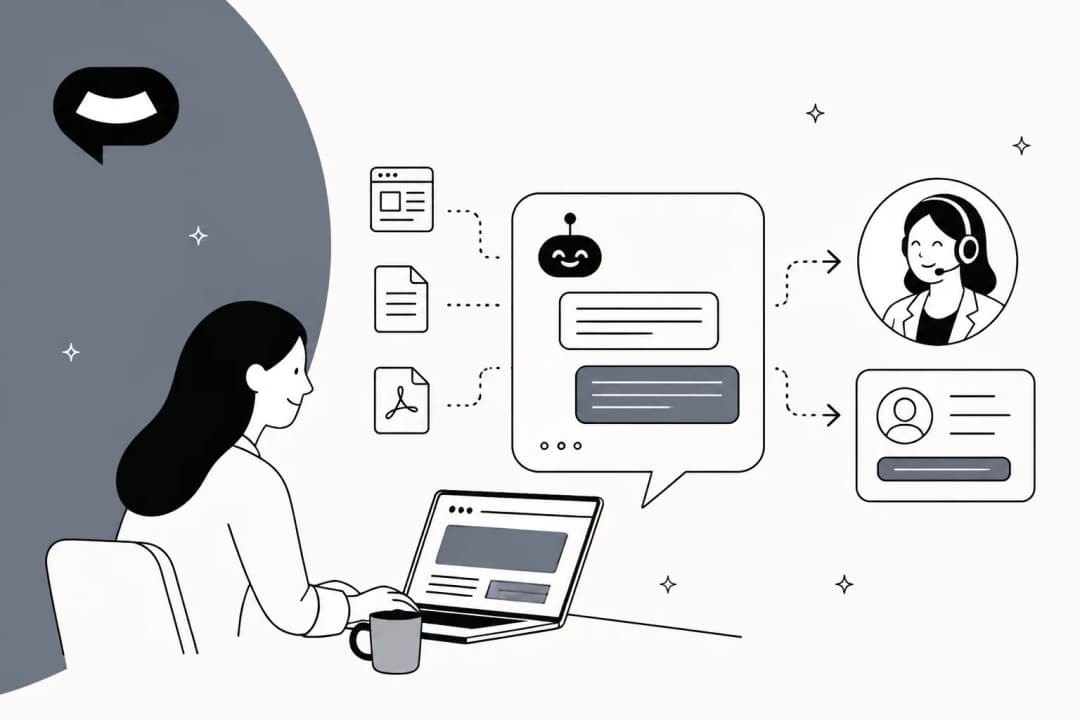
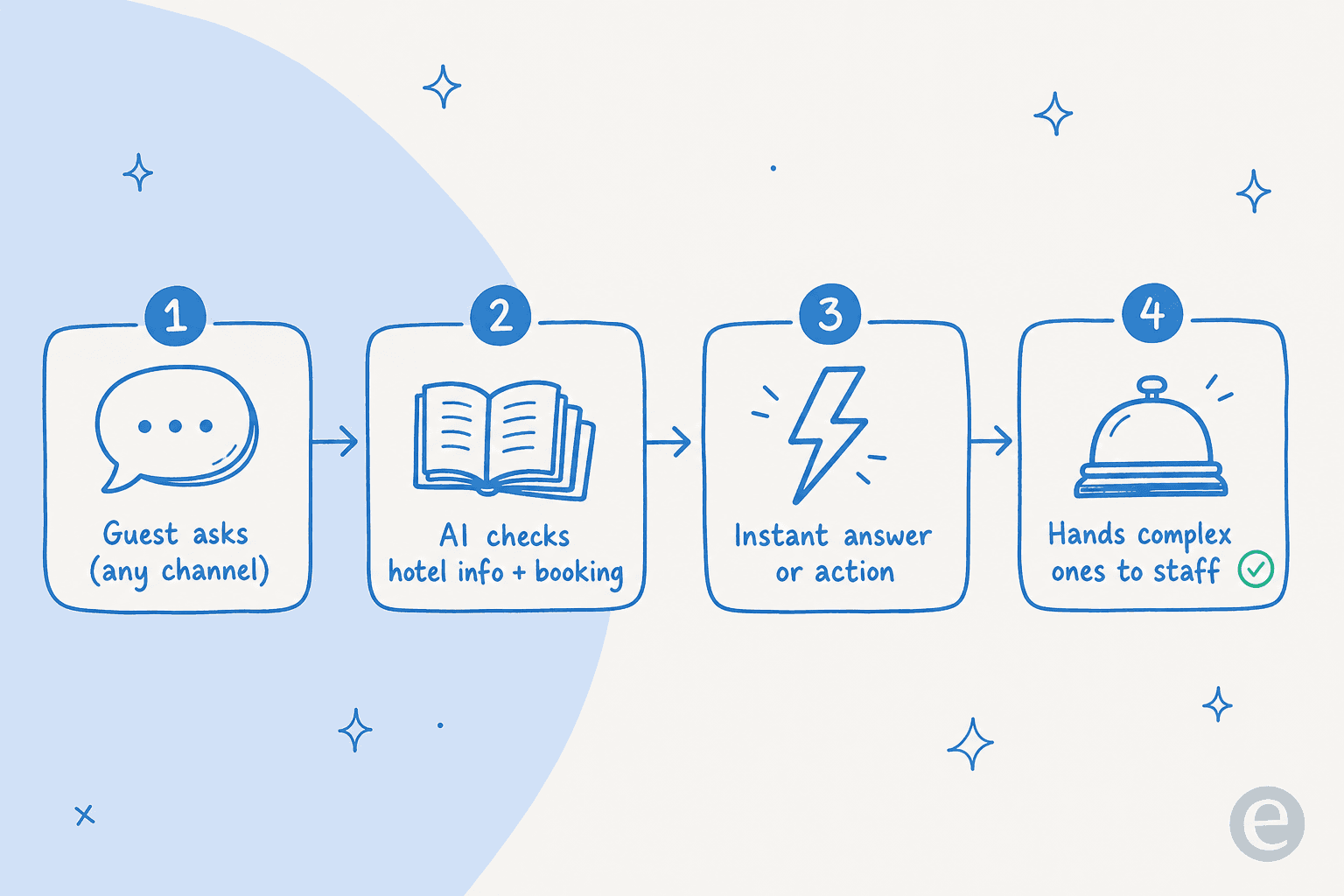
A digital hotel concierge (you'll also see AI hotel concierge or virtual concierge) is a guest-facing service layer that handles messages and requests on its own, around the clock, instead of a person at a desk. HiJiffy defines it plainly as a way to "enhance the guest experience while automating communications and tasks" so hoteliers "reduce the volume of queries that need to be answered by the staff."
The word "concierge" does a lot of work here, so it helps to draw two lines.
Against a human concierge. A person is one desk, one shift, a couple of languages, reachable only in the lobby. The digital version is always on, replies in seconds, and speaks dozens of languages. Canary frames the division of labour well: your staff "shines in creating memorable guest experiences, not repeating the same answers over and over." The AI absorbs the repetitive volume; the human takes the complex or emotional request.
Against a basic chatbot. This is the line that matters most, because it's where most disappointment comes from. A basic chatbot is a scripted decision tree that answers a fixed FAQ list and dead-ends on anything off-script. A real digital concierge is different on three counts: it's connected to live property data (reservation status, room type, PMS records) so answers fit the actual guest; it can take actions, not just reply with text; and it's hospitality-trained. HiJiffy's bot ships with over 200 hospitality FAQ topics out of the box, and Duve stresses it uses "live reservation data" rather than a generic model. It's the same jump you see between an AI agent and a rule-based chatbot anywhere else in support.
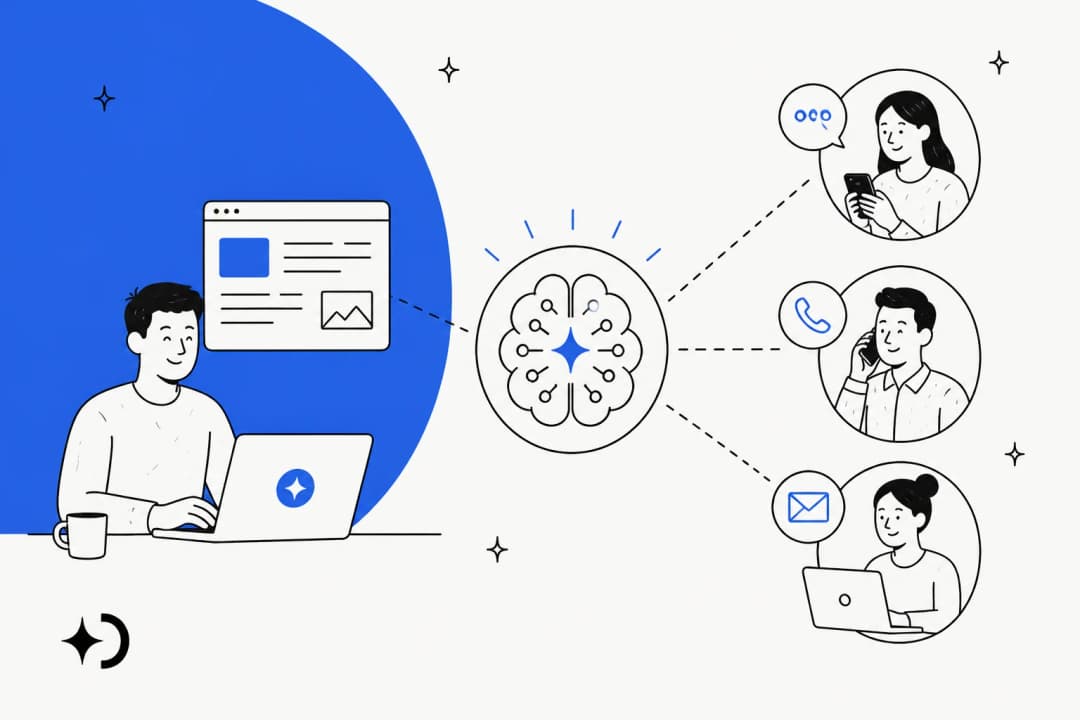
The other defining trait is that it's omnichannel. The same AI meets the guest wherever they already are, which in 2026 is rarely the phone.
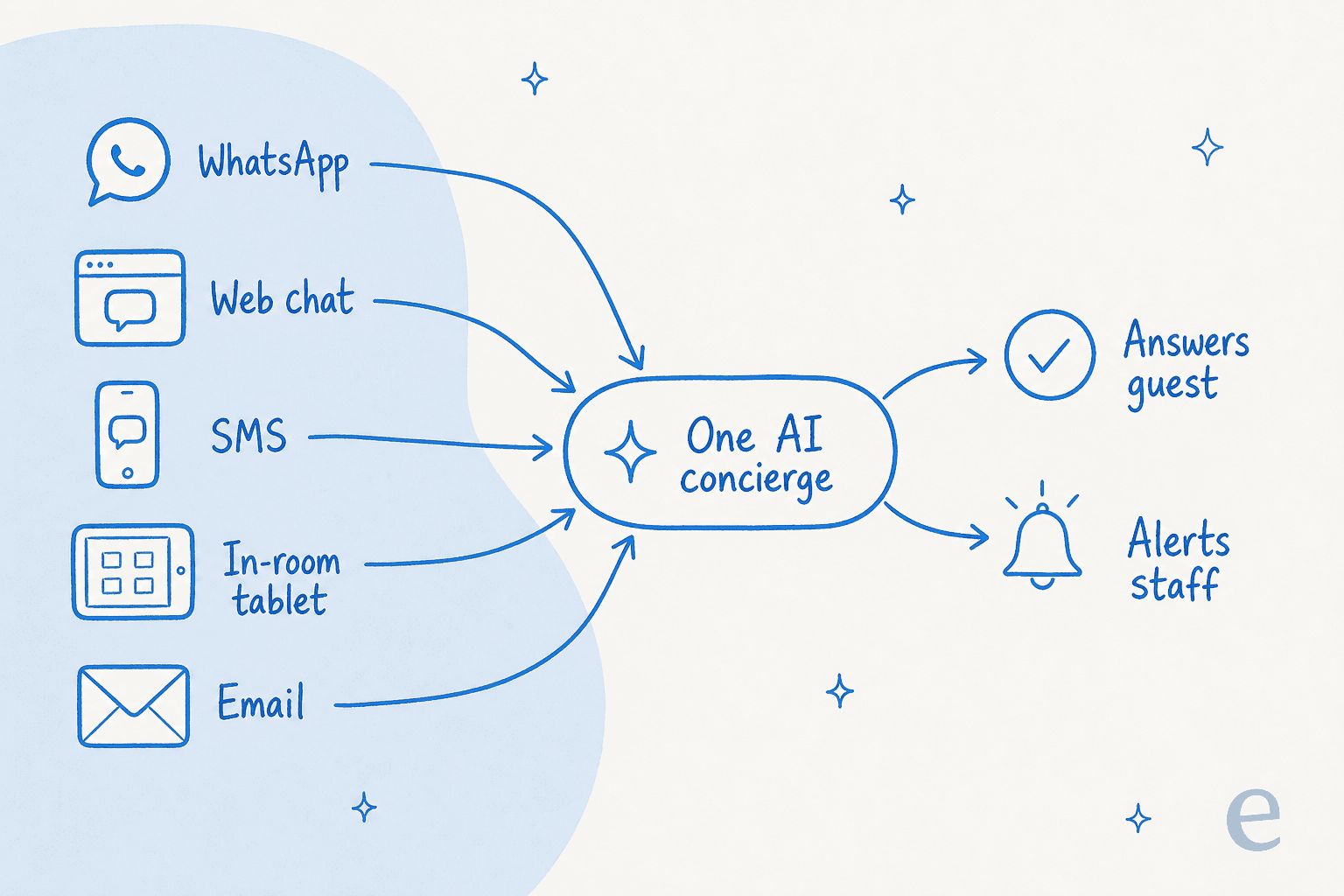
- WhatsApp (the dominant guest channel in EMEA and LATAM)
- SMS / text
- Web chat on the booking site
- A branded guest app (Duve's "one link, no app store" model)
- OTA inboxes (Booking.com, Airbnb, Expedia)
- Social (Facebook Messenger, Instagram, Telegram)
- Voice / phone (Canary's AI Voice answers inbound calls)
- In-room tablet or kiosk
HiJiffy centralizes web chat, Messenger, Instagram, Telegram, WhatsApp, SMS, and email into one console; Duve runs the same set plus OTA messaging. If you already route guest messages through a helpdesk, this is familiar territory: it's the same reason teams connect WhatsApp to Zendesk or automate WhatsApp replies in the first place.
What it actually does for guests
Naming the channels is easy. The value is in the jobs it takes off your team's plate. Here's what a modern digital concierge handles, each pulled from what these tools actually ship:
| Job | What the AI does | Source |
|---|---|---|
| 24/7 multilingual messaging | Answers instantly in the guest's language | Canary: 80%+ of inquiries, 100+ languages |
| Pre-arrival & digital check-in | Pre-check-in forms, ID, payment before the lobby | HiJiffy, Duve |
| FAQ deflection | Wi-Fi, checkout time, parking, breakfast, housekeeping | Duve |
| Room service & upsells | Digital menus, mobile ordering, upgrades, late checkout | Duve, Canary |
| Local recommendations | Personalized suggestions, not a canned list | Canary |
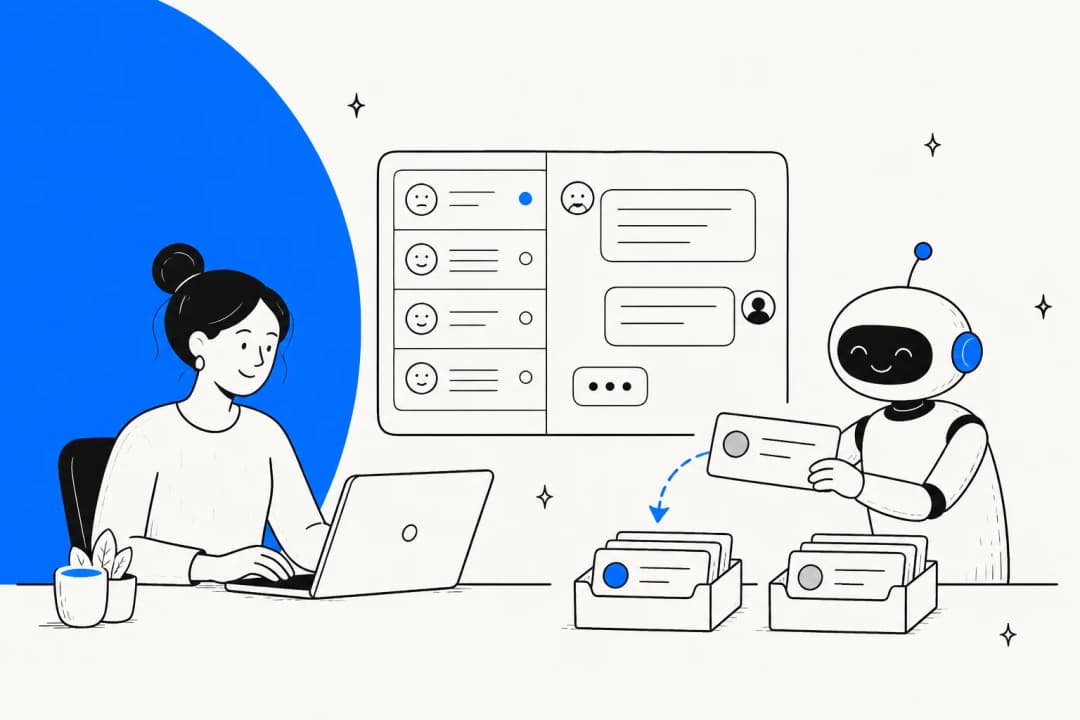
| Maintenance & routing | Prioritizes by urgency/sentiment, alerts the right team | Duve |
| Booking modifications | Real-time quotes, reservation changes | Asksuite, Canary Voice |
Two of these carry the ROI. FAQ deflection is the volume play: the "what's the Wi-Fi password, is parking free, can I check in early" flood is most of your inbound, and it's exactly what an AI should own so your desk can breathe. It's the hospitality version of tier-1 deflection, and it's measurable, HiJiffy's Lake District Hotels case reports a 70% reduction in call volume.
Upsells are the revenue play. Canary's messaging "surfaces relevant add-ons at exactly the right time," and at The LINE SF, AI-powered early-check-in offers convert more than four times higher than link-based upsells and now drive 65% of that property's early-check-in revenue. Duve reports properties seeing 8-12% upsell conversion. The concierge isn't just cost deflection; it's a quiet front-desk salesperson that never forgets to ask.
Traditional front desk vs a digital concierge
If you're weighing whether this is worth it, the honest comparison isn't "AI vs. good service." It's "AI vs. what your phone line and inbox can physically do at 2am with two people on shift."
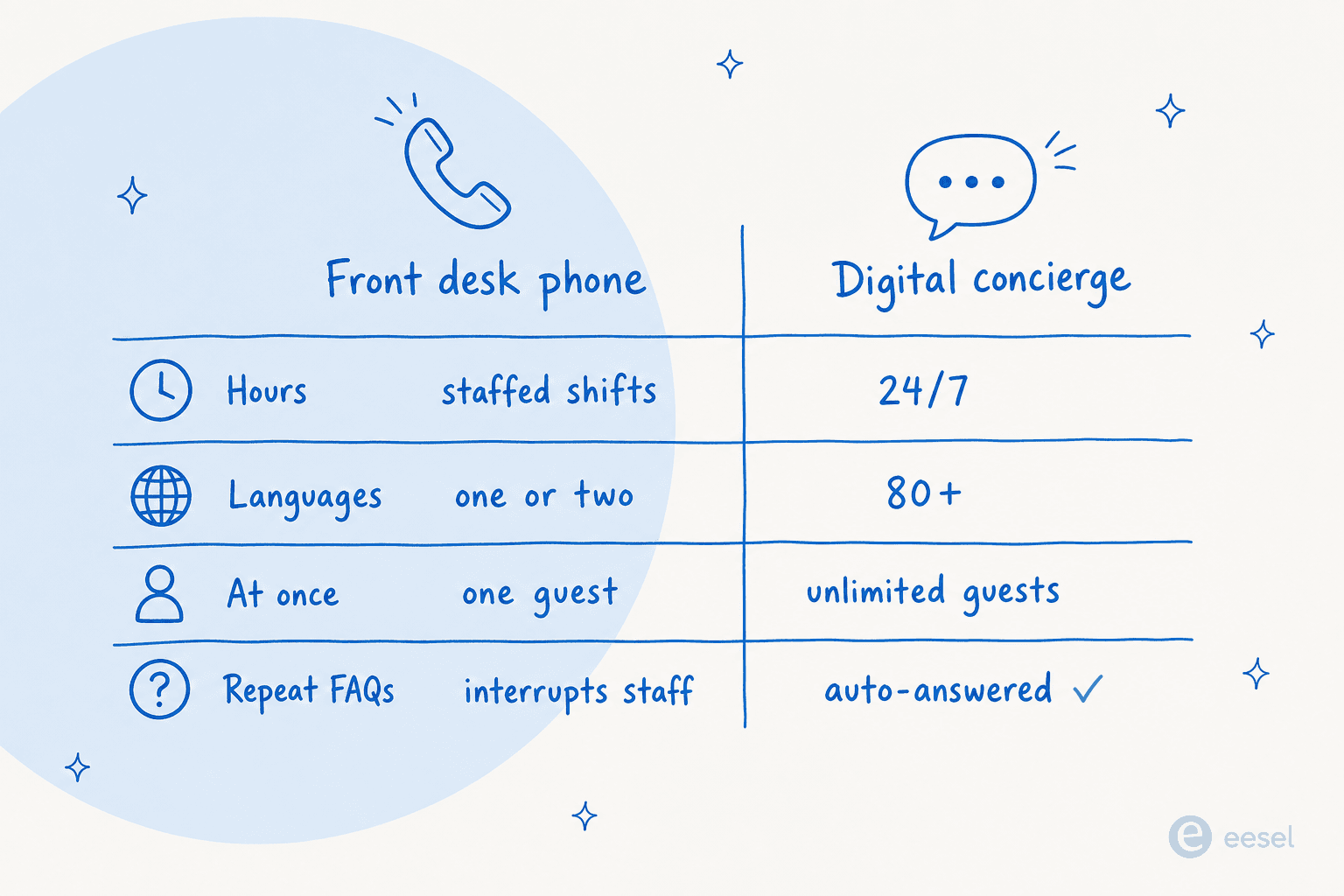
The gap that hurts most is the missed message. Canary estimates hotels miss up to 40% of calls, and every missed call is a booking, an upsell, or a frustrated guest. A digital concierge doesn't get busy, doesn't go to lunch, and doesn't put a guest on hold. That's the whole pitch, and it shows up directly in your deflection rate when the knowledge behind it is right.
The tools already doing this
The category is crowded, and the players are genuinely good at different things. A quick, fair map of who's who:
| Tool | Best for | Channels | Public pricing |
|---|---|---|---|
| HiJiffy | SMB and mid-market, WhatsApp-first | Web, Messenger, Instagram, Telegram, WhatsApp, SMS, email | Basic €99, Pro €159, Premium €319/mo per property |
| Duve | Guest-journey platform, white-label | WhatsApp, SMS, email, guest app, OTA | Quote-based |
| Canary | Enterprise chains, voice + messaging | Web, messaging, voice, unified inbox | Quote-based |
| Asksuite | Reservations and direct bookings | WhatsApp, web, Instagram, Facebook, email | Quote-based |
| Akia | Lifecycle messaging, easy setup | SMS, WhatsApp, webchat, OTA, social | Quote-based |
| Cloudbeds (Whistle) | Hotels already on Cloudbeds PMS | Guest messaging + automation | Quote-based |
A few things stand out. Only HiJiffy publishes pricing (its AI Digital Concierge sits on the €319 Premium tier), everyone else is a demo-and-quote motion, so budget for a sales cycle. Scale is not the differentiator you'd think: Canary is trusted by 20,000+ hotels including Marriott and Four Seasons, while Duve manages over a million guest journeys a month across 1,000+ brands. The real fork is whether you want a hospitality-native platform that owns the whole guest journey (check-in, keys, tablets) or an AI brain that plugs into the support stack you already run. More on that second path below.
Where digital concierges go wrong
Here's the part the vendor pages skip. I read a lot of what hoteliers and guests actually say, and the frustration is loud, specific, and worth taking seriously before you buy. Most of it maps to well-known AI chatbot problems, just with a guest at the other end.
The scariest failure is a confident wrong answer. One traveler's account of an OTA bot is the cautionary tale for the whole category:
"Booking.com's AI chatbot told me to pay a scammer directly. Then their support spent 5 days gaslighting me while prices doubled. 1400€ loss."

That's a bot answering with confidence about something it had no business answering. The operator-side version is quieter but just as telling, a front-desk staffer describing a new AI system:
"The new system we have utilized AI. We spend lots of time undoing its 'helpfulness' so guests aren't mad at us."
When the AI creates cleanup work, you haven't saved time, you've moved it. And there's the softer cost, the guest who checks in to an empty lobby and "just a sign directing me to use the kiosk." A digital concierge should remove friction, not remove hospitality.
But notice what these stories are not saying. They're not "AI is useless." Dig into the operator threads and the real complaint is almost always plumbing. On one r/hotels thread where an operator said "our current guest messaging is a joke", the top reply nails it: the tools are good, but "the integration depends on whether the PMS you use gives them visibility." The concierge is only as good as its live connection to your data. Every serious failure above is a grounding problem or a handoff problem, not an AI problem.
That's also why the tools that get it right earn genuine loyalty. Canary holds a 4.8 out of 5 across 24 reviews on G2, with hoteliers calling it "reliable and very easy for our guests to use." The difference between the horror stories and the fans isn't the model. It's the discipline around it.
What actually makes one work
So if you strip it back, running a digital concierge that guests thank you for (rather than one you spend the morning undoing) comes down to three habits. These aren't hospitality-specific, they're the same rules that separate a support AI that works from one that embarrasses you, and I've watched both play out on live queues for years.
1. Ground it in your real data, not a generic model. The Booking.com disaster happens when an AI improvises. Duve explicitly trains on hotel data "rather than using generic large language models." The best knowledge source you have is your own history, your past guest conversations, your help docs, your policies. An AI knowledge base built on solved tickets answers like someone who's worked your desk, not someone reading your website for the first time.
2. Simulate before you go live. This is the step almost everyone skips and the one that would have caught every failure above. Before an AI answers a single real guest, run it against your actual past conversations and read what it would have said. You see the coverage, you see the gaps, you fix them, and you re-run, all without a real guest ever seeing a bad reply. It's the single biggest reason confident-but-wrong answers reach production: nobody tested against reality first.
3. Keep a confidence-based handoff. The AI should answer what it's sure about and stay quiet on the rest. A CX lead I'll anonymize as a DTC supplements support lead put the whole philosophy in one line: "I need an AI who is only handling the tickets that it's confident to handle, and all the other ones, leave them alone." That's the fix for both the scammer story and the "undoing its helpfulness" story, and it's why human handoff best practices and a clean escalation path matter more than raw automation rate. Even the top vendors cap out at 80-93% automation; the last slice is supposed to reach a person.
Do these three and the horror stories mostly evaporate. Skip them and no amount of model quality saves you.
Try eesel for hotel guest support
Quick honesty, because it changes the recommendation: eesel is not going to hand your guest a mobile room key or run your in-room tablet. If digital keys and kiosks are the point, that's the Duve and Canary lane, and they're good at it.
What eesel is is the AI brain for the guest-messaging side, the part that answers the flood of "what's the Wi-Fi, can I check in early, is parking free, my key isn't working" across your inbox, WhatsApp, and email. It plugs into the helpdesk you already run (Zendesk, Freshdesk, Front, email), learns from your own past guest tickets and help docs on day one, and answers in 80+ languages so an international guest gets a reply in their own language automatically.

Crucially, it does the three things above by default. It's grounded in your own resolved conversations, not a generic model. It runs a simulation over your historical tickets before it goes live, so you see exactly what it would answer and where it's weak. And it uses confidence-based routing, so it only auto-replies to what it's sure about and drafts or escalates the rest. That discipline is why teams see results fast: one gig-economy analytics app on Zendesk resolved 73% of tier-1 requests in its first month, and another customer hit up to 80% time savings finding answers. Pricing is a fixed monthly plan from $299 for 500 credits (1 credit per ticket or chat), no per-seat fees, and you can move up or down any time, so it scales with your season, not your headcount.
If your front desk is drowning in repetitive guest messages and you already have a support inbox, that's the fit. You can try it free and simulate it on your own history before it ever talks to a guest.
Frequently Asked Questions
What is a digital hotel concierge?
How is a digital hotel concierge different from a chatbot?
Can a digital hotel concierge answer guests in other languages?
Will an AI concierge replace my front desk staff?
How do I stop an AI concierge from giving guests wrong answers?


Article by
Riellvriany Indriawan
Riell is a designer and writer at eesel AI with about two years of experience researching CX platforms, AI chatbots, and helpdesk software. She combines her design background with a sharp eye for how these tools actually look and feel in practice — making her comparisons unusually visual and user-focused.