Let's be real, nobody enjoys looking at a massive queue of customer support tickets. It's why AI tools that promise to handle all the repetitive stuff are so tempting. One name you hear a lot is My AskAI, which is known for being easy to set up with a unique pay-as-you-go price tag.
But does a simple, usage-based tool actually work for a growing business, or is it more of a band-aid solution? Let's take a look.
What is My AskAI?
My AskAI is an AI tool that connects to help desks like Zendesk and Intercom to automate customer support. The whole idea is to give you a cheap, easy-to-use AI agent that can answer a good portion of your inbound questions.
It’s actually built on Bubble, a no-code platform, which tells you it’s aimed at startups and small businesses needing a simple fix without a lot of engineering work. They claim it can handle up to 75% of support tickets, a big promise. So how does it do it?
How My AskAI actually works
Before we get into the details of its pricing model, it’s worth a quick look at how the platform learns, connects with your tools, and acts on customer questions.
Feeding the AI: What My AskAI learns from
My AskAI pulls information from a few places to get its knowledge:
-
Public knowledge bases and help articles.
-
Specific pages on your website.
-
Your e-commerce catalog via a simple Shopify connection.
That's a decent start, but there's a huge piece of the puzzle missing: My AskAI doesn't learn from your past support conversations. This is a massive oversight. All that nuance, brand voice, and the smart ways your team has solved problems before? It's all ignored. Your old tickets are a treasure trove of information, and without them, the AI is stuck giving generic answers pulled from help articles.
This is a big differentiator from a platform like eesel AI, which immediately dives into your ticket history. It analyzes past conversations to automatically pick up on your business context, tone, and all the unwritten rules of how your team operates.
Connecting to your tools and handing off to humans
My AskAI connects with the usual help desk platforms: Zendesk, Gorgias, Freshdesk, and HubSpot. When a question gets too tricky for the AI, it has an "intelligent handover" feature that passes the chat to a human agent with a summary of what's been discussed.
This is a pretty standard feature, but for an AI to be really useful, it needs the full picture of your company's knowledge. While My AskAI covers the basics, other platforms dig much deeper. For instance, eesel AI has over 100 integrations, connecting not just to your help desk but also to internal wikis like Confluence and shared drives like Google Docs. This gives it a far richer understanding of your products and internal policies.
Taking action and seeing what works
My AskAI can do more than just answer questions; you can set it up to perform simple actions through an API, like processing a refund or checking an order status. This is a good feature, but you'll probably need a developer to help get it working.
Its analytics dashboard is quite handy. It focuses on finding gaps in your knowledge base by tracking questions the AI couldn't answer. This gives you a clear list of what new help articles to create, which in turn helps the AI get better over time.
The catch with the pricing model
Okay, let's talk about the main event: the My AskAI pricing model. On the surface, its usage-based model sounds great, especially if you're a small startup with just a handful of support tickets. But if you have any plans to grow, this model has some serious flaws hiding under the surface.
First off, it’s impossible to budget. The pay-as-you-go approach means your bill is completely unpredictable. A good marketing campaign or an unexpected bug could cause your ticket volume to spike, and suddenly you're facing a massive, unplanned expense. It turns budgeting into a total guessing game.
It’s also more complicated than it looks. You might think you’re paying per conversation, but it's not that clean. According to their own docs, a single AI reply inside a help desk counts as 0.4 of a "conversation". Good luck trying to forecast your costs with math like that.
The biggest problem is that it punishes you for growing. This model is basically a tax on your success. As you get more customers, your support costs just keep climbing. The tool becomes more expensive the more you use it, which is the exact opposite of what you want.
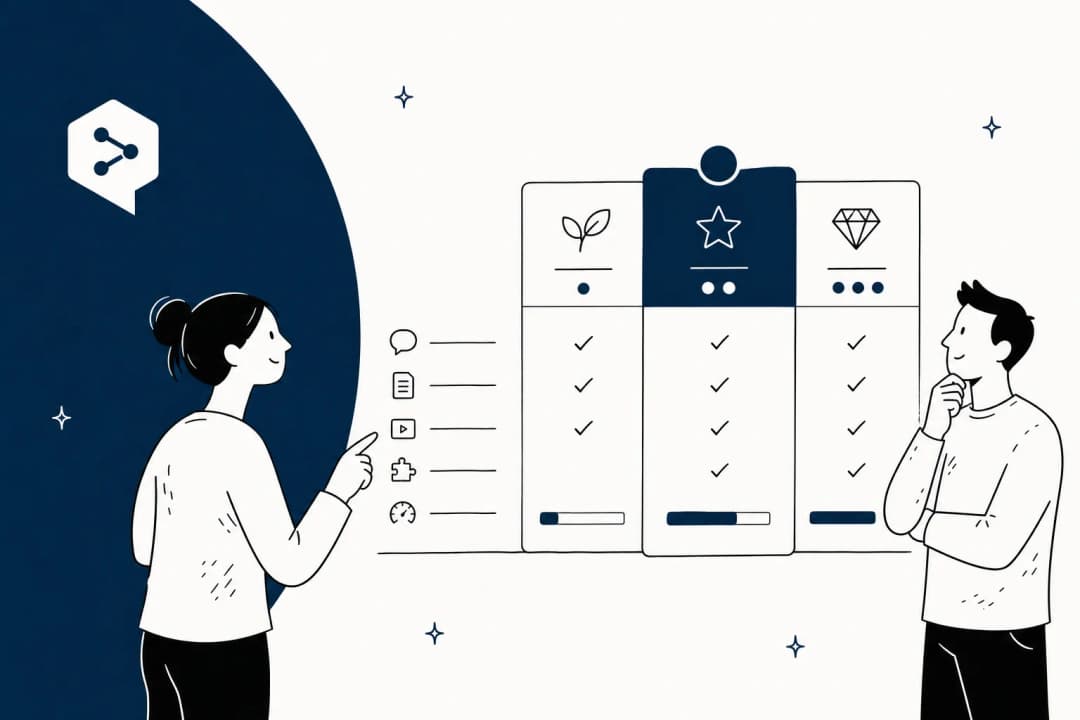
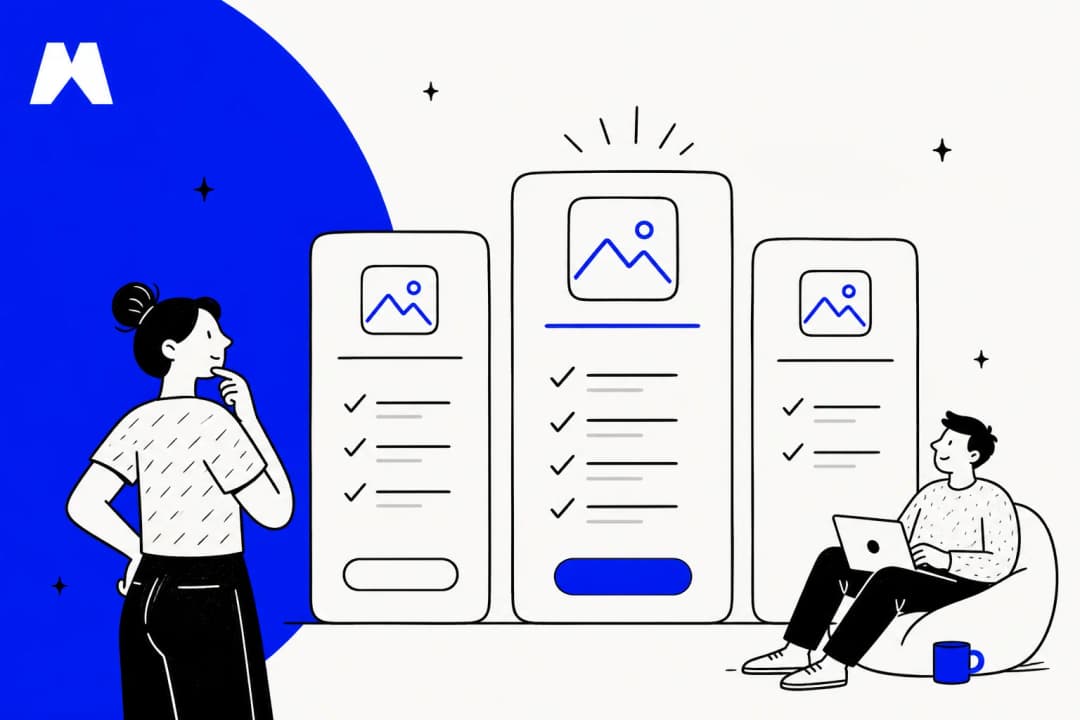
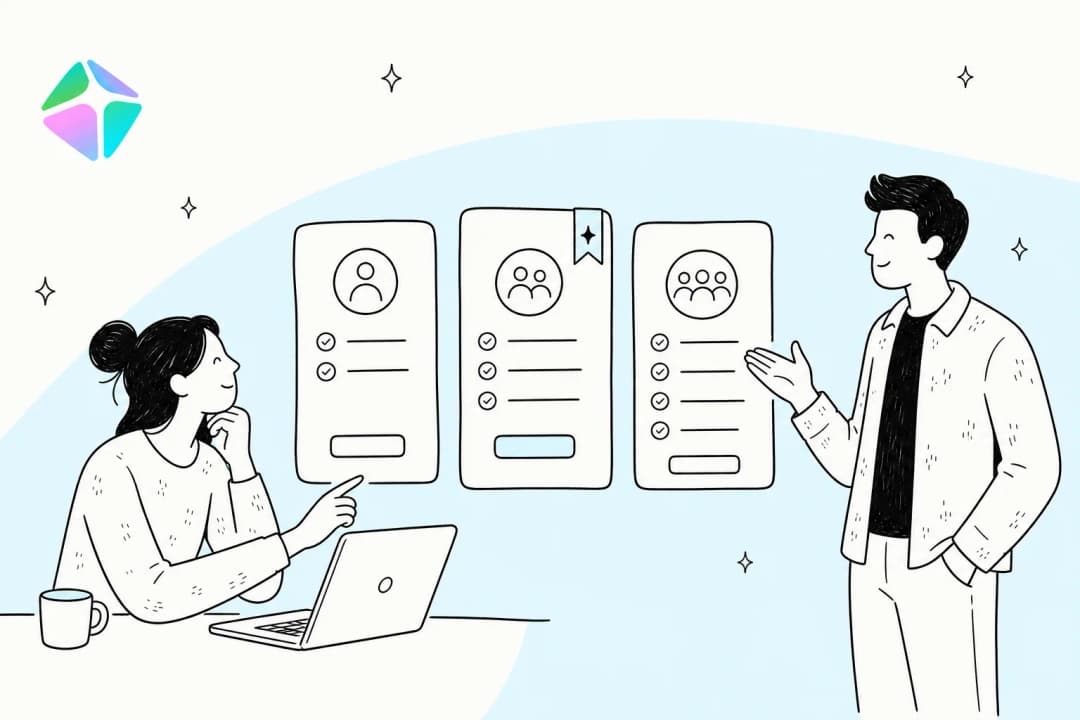
Finally, you’re dealing with unclear value. With usage-based pricing, you pay for each transaction, not the platform itself. You don't get more value when the product improves. This is totally different from subscription models with clear plans, like eesel AI's pricing, where you get predictable costs based on the features you need, not how many tickets you happen to resolve. The difference in these approaches is stark, as shown in the visual below.
A few red flags beyond the pricing
Beyond the pricing model, there are a couple of other things that growing teams should think about before jumping in.
My AskAI is built on a no-code platform
As we mentioned, My AskAI's front-end is built on Bubble. No-code tools are great for getting an idea off the ground fast. But for something as important as customer support, relying on a no-code foundation might raise questions about security, performance with high ticket volumes, and the ability to handle complex integrations later on.
My AskAI has no "test drive" mode
This is a pretty big risk. You wouldn't push a new feature live without testing it first, right? So why would you let an AI start talking to your customers before you know how it's going to behave? Your brand's reputation is on the line, and one bad bot experience can undo a lot of hard work.
My AskAI doesn't have a simulation tool, so you're essentially flying blind. You have to go live without really knowing its resolution rate or how good its answers will be.
This is where the difference is night and day. A tool like eesel AI has a eesel AI simulation mode that lets you test it safely on thousands of your actual past tickets. You can see exactly how it would have replied, get a real performance forecast, and tweak everything in a safe environment before it ever interacts with a customer.

Not much control over automation
Good automation is about more than just answering questions. It’s about managing the whole ticket lifecycle, tagging things correctly, sending tickets to the right people, and escalating them when needed.
My AskAI mostly just focuses on answering, so it doesn't have a deep engine for these other workflow jobs. This is where a tool with a full workflow engine gives you way more control. You can set up specific rules that decide exactly which tickets the AI should touch, how it tags them, and when it needs to pass them to a human.

A more robust alternative: eesel AI
My AskAI can be a fine starting point for teams who are new to AI. But for any business that wants to get serious about support automation, eesel AI is the natural next step.
It’s built to handle the exact weaknesses we’ve covered: it has predictable pricing, solid pre-launch testing, a customizable workflow engine, and it learns from all your knowledge sources, including those valuable past tickets.
Here’s a quick breakdown of how they compare:
| Feature | My AskAi | eesel AI |
|---|---|---|
| Pricing Model | Per-resolution (unpredictable) | Subscription (predictable) |
| Pre-launch Testing | Not specified | Powerful simulation on past tickets |
| Workflow Control | Basic handover | Fully customizable workflow engine |
| Knowledge Sources | Limited to web/docs | 100+ integrations (tickets, Confluence, etc.) |
| Setup | Self-serve | Radically self-serve (live in minutes) |
| Scalability | No-code foundation | Enterprise-ready architecture |
An embedded YouTube video that explains the concept of AI resolution pricing, which is relevant to understanding My AskAI pricing.
Is My AskAI the right tool for you?
So, what’s the final word? To be fair, My AskAI can be a decent choice for a solo founder or a tiny business with low, steady ticket volume. With its 30-day free trial, it's a low-risk way to give AI a try.
However, any growing support team that needs predictable budgets, proper testing, and fine-grained control over automation will probably outgrow it fast. For those teams, a more powerful, enterprise-ready solution isn't just a nice option; it's essential for long-term growth.
Ready for an AI agent you can trust and control?
If you're ready for an AI that scales with you, not against you, it’s time to check out a more robust solution. See how eesel AI can connect to your help desk in minutes and give you the powerful tools you need to automate with total confidence.
Frequently asked questions
The main issue with My AskAI pricing is its unpredictability. Because it's a pay-per-resolution model, your costs can spike unexpectedly with ticket volume, making it difficult to budget as you scale.
My AskAI pricing is usage-based, so you pay more as you grow. In contrast, subscription models offer predictable, flat costs, allowing you to scale your support operations without worrying about surprise bills.
At first glance, it seems simple, but it can be confusing. For instance, a single AI reply can count as a fraction of a "conversation," which makes forecasting your actual monthly spend a real challenge.
The My AskAI pricing model is best for very small businesses or solo founders with low and consistent ticket volumes. Any company expecting growth will likely find the variable costs unsustainable.
While not exactly hidden, the biggest cost is the "growth tax." The My AskAI pricing model inherently punishes success, as your support bill automatically rises with your customer base.
Share this post

Article by
Kenneth Pangan
Writer and marketer for over ten years, Kenneth Pangan splits his time between history, politics, and art with plenty of interruptions from his dogs demanding attention.