


What the Microduck actually is
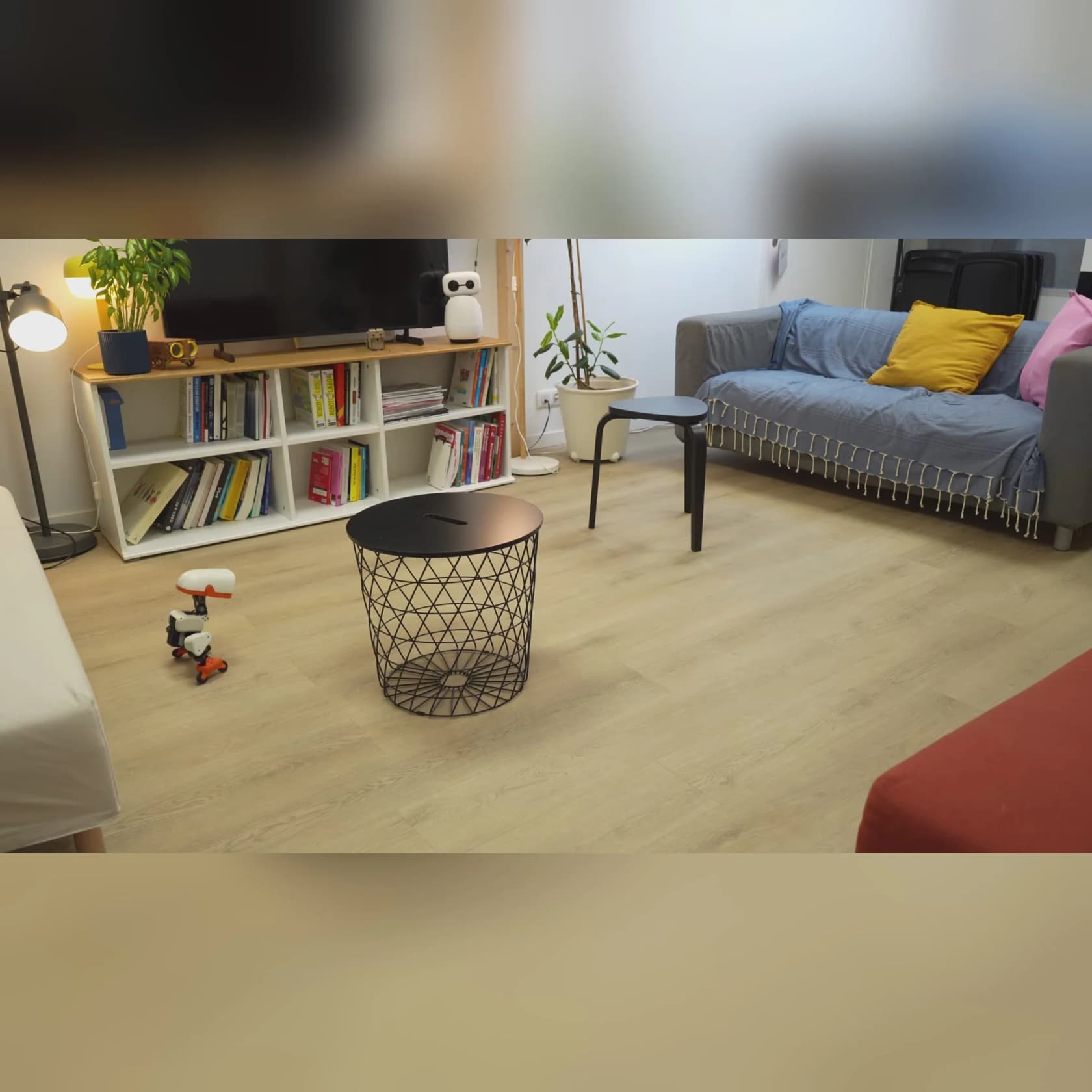
On 27 August 2026, Pollen Robotics, the Bordeaux robotics team that joined Hugging Face in April 2025, opened pre-orders for a 25 cm biped robot you train yourself. It waddles, sits, crouches, roller-skates, picks small objects up with an articulated beak, and gets back on its feet after a fall. It is the team's second consumer robot, after Reachy Mini.
The reason to write a whole pricing post about a toy duck is that the price is the story. Walking robots are normally lab equipment. Pollen's pitch is that legged-robot learning should be possible without buying a large research platform, and $399 is how they are trying to prove it. So let me break down exactly what that number buys, what it leaves out, and whether it holds up against everything else you could spend the money on.
Microduck pricing at a glance
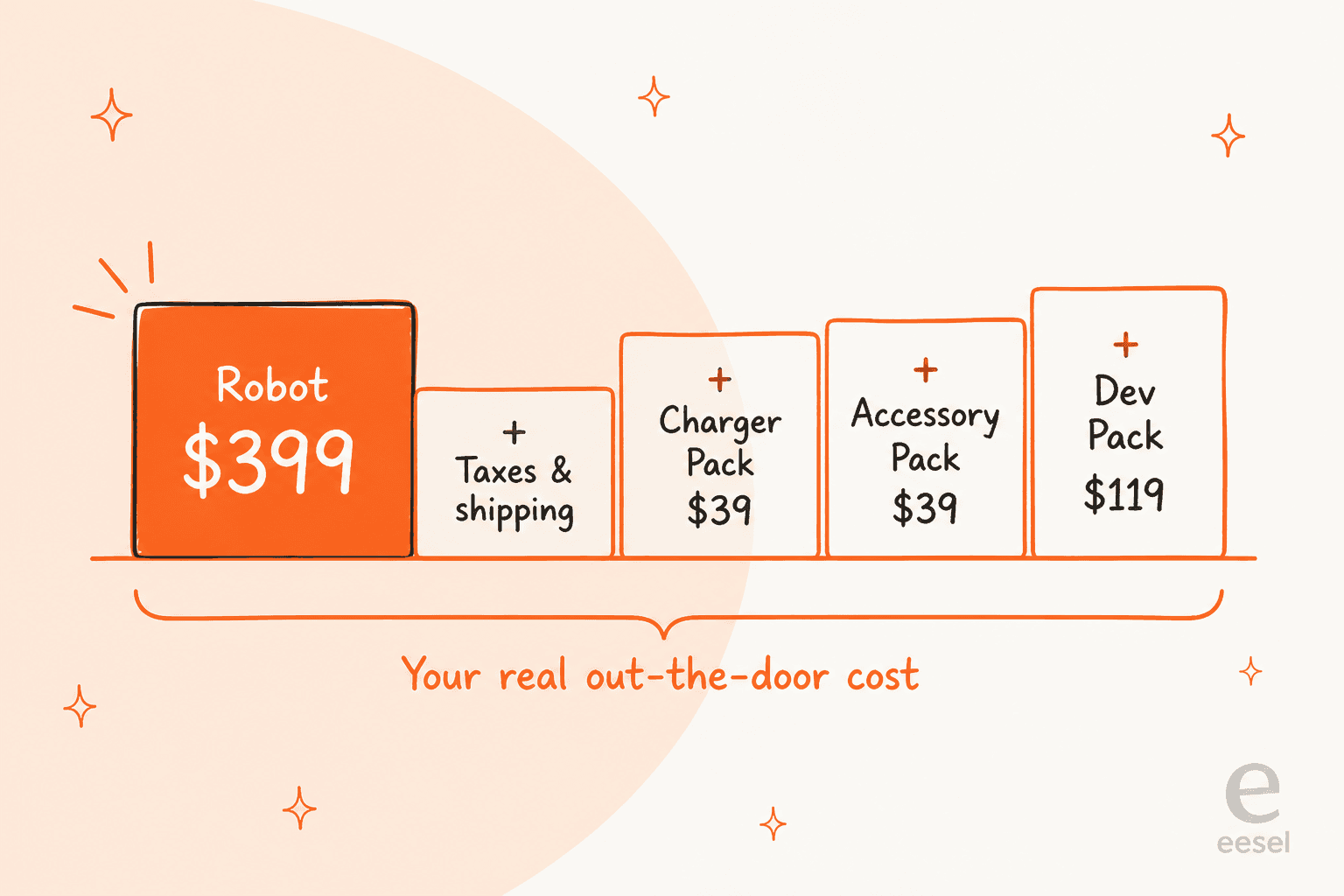
Here is the full price list. The robot is one line; everything else is an optional add-on.
| Item | Price | What is in it |
|---|---|---|
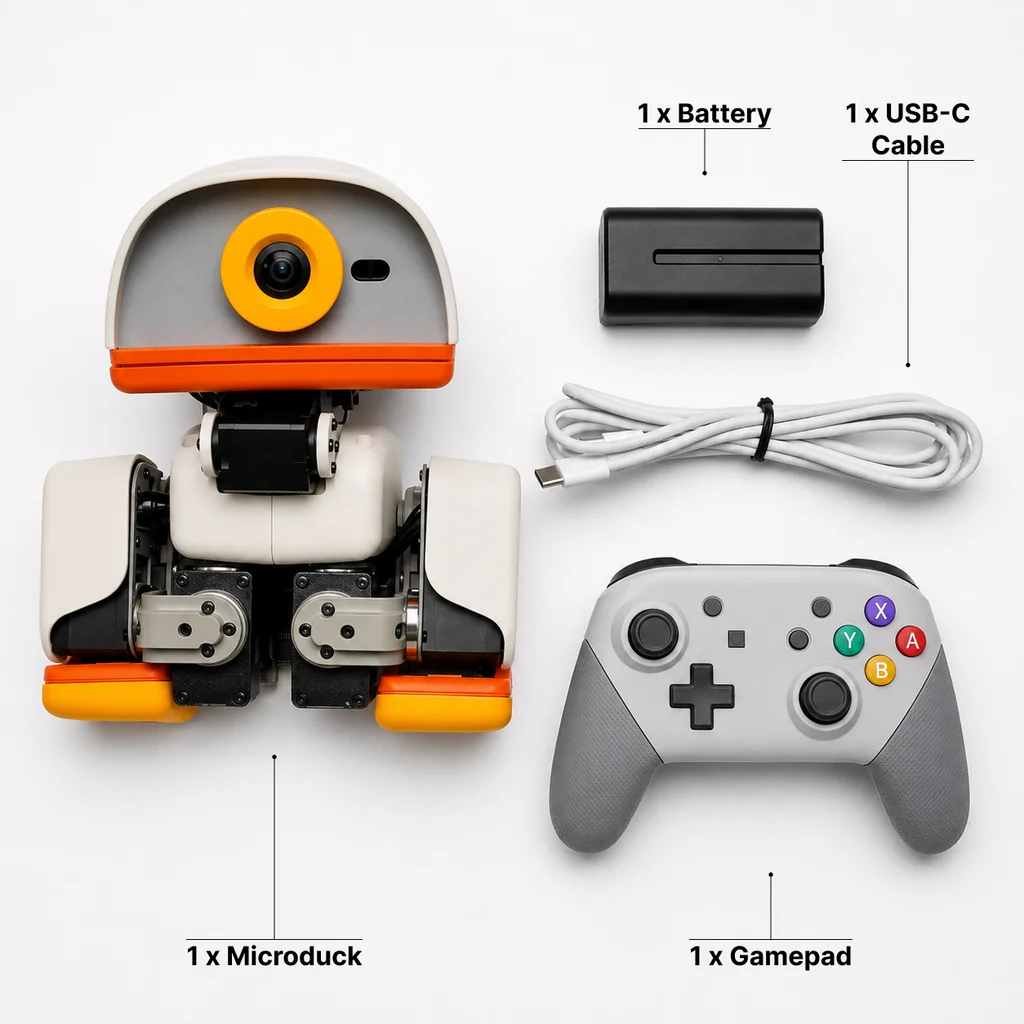
| Microduck (the robot) | $399 | Robot, battery, USB-C cable, game controller, 7 trained behaviors |
| Charger Pack | $39 | Dual charger, 2 batteries |
| Accessory Pack | $39 | Laser pointer, NFC polaroid, 2 rollers (skates), a ball, 10 NFC tags |
| Dev Pack | $119 | 3 spare motors, 5 motor cables, 2 batteries, dual charger, 10 NFC tags, a Hugging Face credit, screwdriver, screw pack |
Prices are pulled from the Pollen Robotics store. The $399 is described everywhere as an introductory price, before taxes and shipping, so treat it as a floor, not the final total.
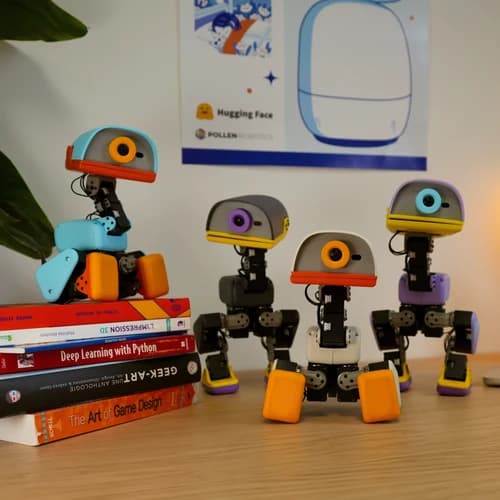
One nice thing worth flagging: the four colorways (Cream, Graphite, Lavender, and Sky) are the same robot at the same $399, with color as a free variant. No premium for the pretty one.
What you get for $399
The base robot is playable out of the box with a game controller, before you write a single line of code. Under the shell, the spec sheet is dense for the money:
- 15 motors across the legs, head, and neck, giving 15 degrees of freedom.
- A Rockchip RK3566 with an AI accelerator, 1 GB RAM and 32 GB storage, running a 50 Hz control loop.
- Sensors: a front camera, a compact 8x8 time-of-flight LiDAR, and two IMUs (one in the body, one in the head).
- A grasping beak, microphones and a speaker with a per-robot generated voice, and NFC antennas in the head and beak.
- A removable NP-F550 camera battery (2600 mAh, around one hour of runtime), plus Wi-Fi and Bluetooth.
It ships with seven behaviors already trained: walk, sit and stand, kick, grab, roller-skate, and get back up. Each one is a policy you can retrain, which is the whole point of the thing.
One honest caveat: the fine print notes that camera resolution, LiDAR range, radio versions, and SDK languages are still being finalized. And "open source" here means the software, not the hardware. The mechanical and electronic design files are not open, so it is not open-source hardware, just an open software stack on a fixed body.
The add-on packs: which ones you actually need
The product page frames the robot as everything you need on day one, and that is broadly true. The packs are extras, not hidden requirements, but two of them matter more than their price suggests.
- The Accessory Pack ($39) is the fun one. Those two rollers are what unlock the roller-skating behavior, so if the skating demo is why you want the duck, this is the pack to add.
- The Dev Pack ($119) is the "I am going to break this" insurance policy. It carries three spare motors, five motor cables, two batteries, and a screwdriver. A robot designed to fall over and get back up is going to stress its actuators, and spare motors are the parts you will actually want on hand.
- The Charger Pack ($39) solves the one-hour battery. A dual charger and two batteries means one is always topped up while the other runs.
If you are just curious, the base robot alone is fine. If you plan to really tinker, budget the robot plus the Dev Pack, which lands you at $518 before tax and shipping.
Try the real cost yourself
The sticker is $399. The number that hits your card is higher once tax, shipping, and any packs are in.
Plug in your own setup:
Two costs the calculator cannot show you: time, and wait. Pre-orders opened on 27 August, and after what Pollen described as a flood of orders, the store now warns it can't promise Christmas delivery anymore, with a current estimate of 4 to 6 months for new orders, shipped first-ordered, first-shipped. At launch it sells to eight markets: the US, Canada, the EU, UK, Norway, Switzerland, Japan, and South Korea. Teams buying 10 or more units can ask about bulk pricing.
Is there a subscription? No, and that is the point
This is where the Microduck's pricing gets interesting. There is no software fee. The whole stack is open-source under Apache-2.0, split across two live repos: microduck for the on-robot runtime, and microduck_rl for training.
The workflow is train-in-simulation, run-on-hardware. You train a policy in the MuJoCo physics sim (a usable walking gait takes roughly one to two hours on a decent GPU), export it to ONNX, and the robot runs it. Then you refine and repeat.
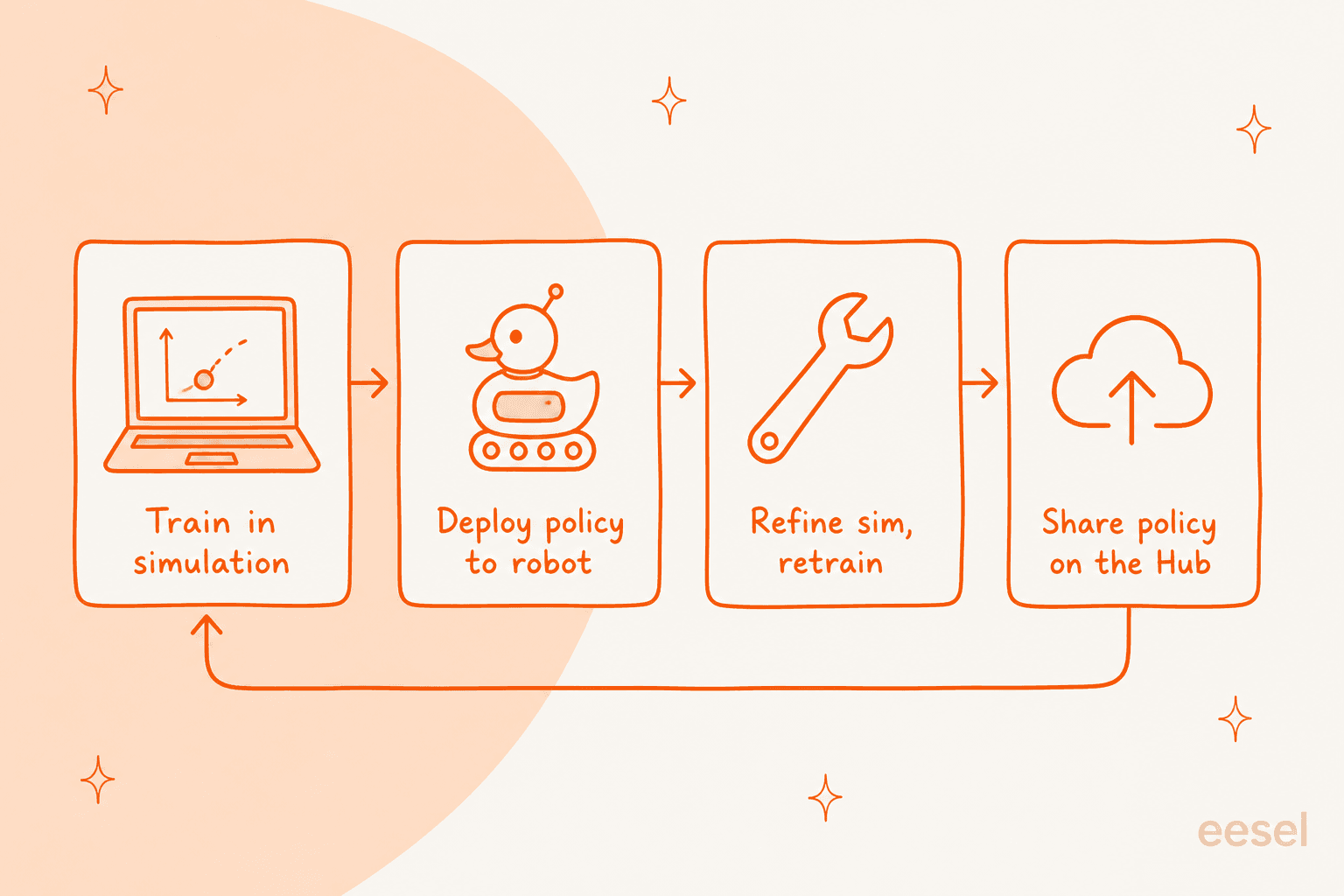
No GPU? The training tooling can offload the job to Hugging Face Jobs with a single flag, which is the one place a real cost can creep in, since cloud compute is billed. That is optional, though, not a required subscription. And the stated ambition is to let people share trained behaviors on the Hub the same way models are shared, so someone else's better walking gait could just be a download. (Worth a small correction to a common claim: the training stack runs on MuJoCo and rsl_rl, not LeRobot, even though Hugging Face is behind both.)
How $399 compares to other robots
Against the rest of the robot market, $399 for a walking biped is the headline. Here is the price ladder, cheapest to most expensive, all from each maker's own store.
| Robot | Type | Price | Open-source? |
|---|---|---|---|
| SO-101 arm kit | Robot arm kit | $249.90 | Yes |
| Petoi Bittle | Quadruped kit | $309 | Yes |
| Microduck | RL biped | $399 | Software only |
| Reachy Mini Lite | Desktop robot | $399 | Yes |
| Reachy Mini Wireless | Desktop robot | $499 | Yes |
| ROBOTIS BIOLOID | Humanoid kit | ~$1,100 | Yes |
| Unitree Go2 Air | Quadruped dog | ~$1,600 | SDK only |
| ROBOTIS DARWIN-OP3 | Research humanoid | ~$11,000 | Yes |
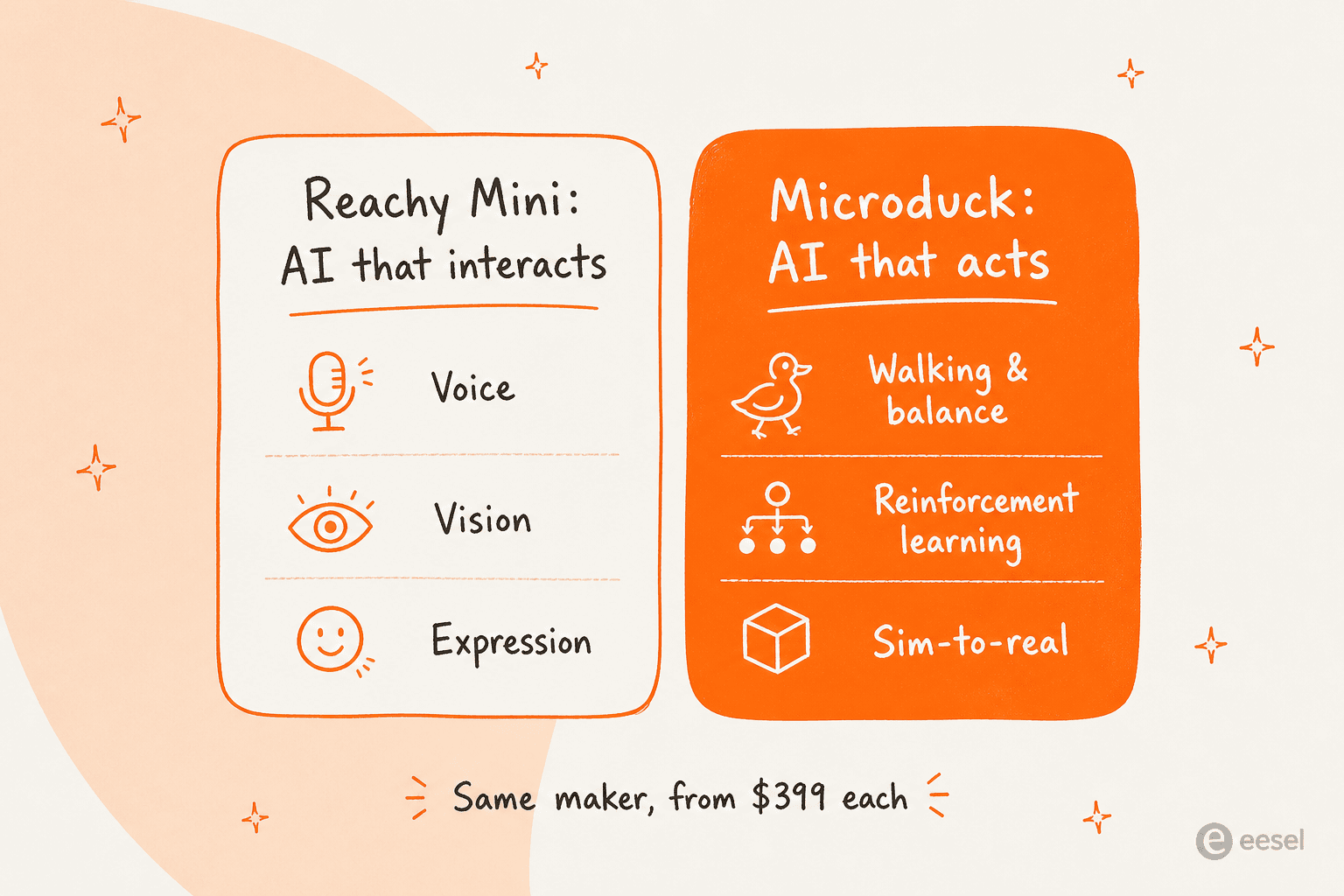
The takeaway: a walking, RL-trained biped normally sits with the humanoids at $1,100 and up. The Microduck is priced like a hobby quadruped kit. Its closest sibling is Reachy Mini, from the same team at the same $399 (for the Lite), and Pollen draws a neat line between them: Reachy Mini is a platform for AI that interacts, while Microduck is a platform for AI that acts.
What buyers are actually saying
The demand is real: the team claims $2.6M in pre-orders in the first 24 hours, which is what pushed the lead time out. But the Hacker News launch thread splits cleanly, and the split is the honest verdict on who should spend $399.
On one side, the hobbyists who get it immediately:
"This actually seems awesome, just going through the video on their site made me burst out with 100 different ways in which I would tinker with it... I can see some parallel between how arduino gave hobbyist a mini computer they can use in any way imaginable."

That "Arduino for robotics" framing is exactly the buyer this is priced for. As another commenter put it, comparing it to a plug-and-play toy robot:
"The Microduck is meant to be a hacker toy. Train it yourself, write software, hack it, etc... Is it something to get her into robotics? Then probably the Microduck is the way."
On the other side, the fair skepticism about spending $399 on something without an obvious job:
"This looks really cool! The cuteness of the demo alone makes me want one. Ideally I would also love for it to have a real use case in my home but right now I really cant think of one."
Both takes are right, which is the useful thing to know before you buy. And one practical note worth pricing in: the battery is about one hour, so plan on the Charger Pack if you want to actually spend an afternoon with it.
Who should buy one
Buy the Microduck if you want to learn robotics and reinforcement learning hands-on, if the open-source stack and sim-to-real loop excite you more than they intimidate you, or if you are getting someone into the field. At $399 it is the cheapest serious on-ramp to legged-robot RL that exists, and, in Pollen's own words, a failed policy just leaves a little robot on the floor rather than a major incident, which is a real design win for learning.
Skip it, for now, if you want a robot that does a useful job the day it arrives. It is a platform to build on, not an appliance, and the 4-to-6-month wait plus the one-hour battery make that even clearer.
If you want AI that already knows the job, not one you train
Here is the honest bridge to what I actually work on. Teaching a Microduck to walk is a wonderful way to feel how modern AI learns: train in a sim, deploy, watch it fail, refine, repeat. It is also a reminder of how much work "train it yourself" really is.
Most teams do not want to train an AI from zero. They want one that shows up already knowing the job. That is the whole idea behind eesel: instead of an infrastructure you have to teach, it is an AI teammate you hire for a specific role. The AI helpdesk teammate plugs into your existing help desk, learns from your past tickets and help center, and starts drafting and resolving support conversations, no reinforcement-learning loop required. There is also an AI blog writer teammate for content. The Microduck is a platform for AI that acts on a physical floor; eesel is the teammate that acts on your actual work.

If your problem is a support queue rather than a robotics hobby, trying eesel takes a few minutes and it is free to start, which is roughly the opposite of a 4-to-6-month robot pre-order.