

Lorikeet vs Sierra at a glance
Here is the quick version before we get into each one. The rightmost column is eesel, included as the "plug into your existing helpdesk" reference point rather than a like-for-like enterprise platform.
| Dimension | Lorikeet | Sierra | eesel |
|---|---|---|---|
| Best for | Complex, regulated fintech and healthtech | Fortune-500 consumer brands | Teams layering AI onto an existing helpdesk |
| Founded | 2023 (Sydney, Australia) | 2023 (San Francisco) | - |
| Funding | ~$75M+ raised | ~$950M at $15B+ valuation | - |
| Pricing model | Credits per resolved ticket | Outcome-based, negotiated | Per ticket handled |
| Published price | Start $1,500/mo, Scale $4,000/mo | None | $0.40/ticket |
| Free trial / self-serve | No (demo only) | No (demo only) | Yes ($50 free) |
| Channels | Email, chat, voice, SMS, WhatsApp | Chat, voice, email, SMS, WhatsApp | Chat, email, Slack, WhatsApp, social |
| Test on your real tickets | Scenarios + failed-ticket replay | Scenario simulations | Replays your real past tickets |
| Named helpdesk integrations | Zendesk, Front, Help Scout, Salesforce, HubSpot | None named publicly | Zendesk, Freshdesk, Gorgias, Front |
| Compliance | SOC 2, ISO 27001, HIPAA | SOC 2, HIPAA, PCI, FedRAMP, ISO | SOC 2 Type II underway, HIPAA (Enterprise) |
What Lorikeet is
Lorikeet calls itself an "AI Customer Concierge for complex companies", and the word that matters there is complex. It is aimed squarely at fintechs and healthtechs, the kind of teams where "the compliance team loves it as much as your customers do" is an actual selling point. It was founded in 2023 by Steve Hind, who led product at Stripe and Watershed, and Jamie Hall, a former Google Brain research lead who worked on factual grounding in LLMs. That pedigree shows up in the product.
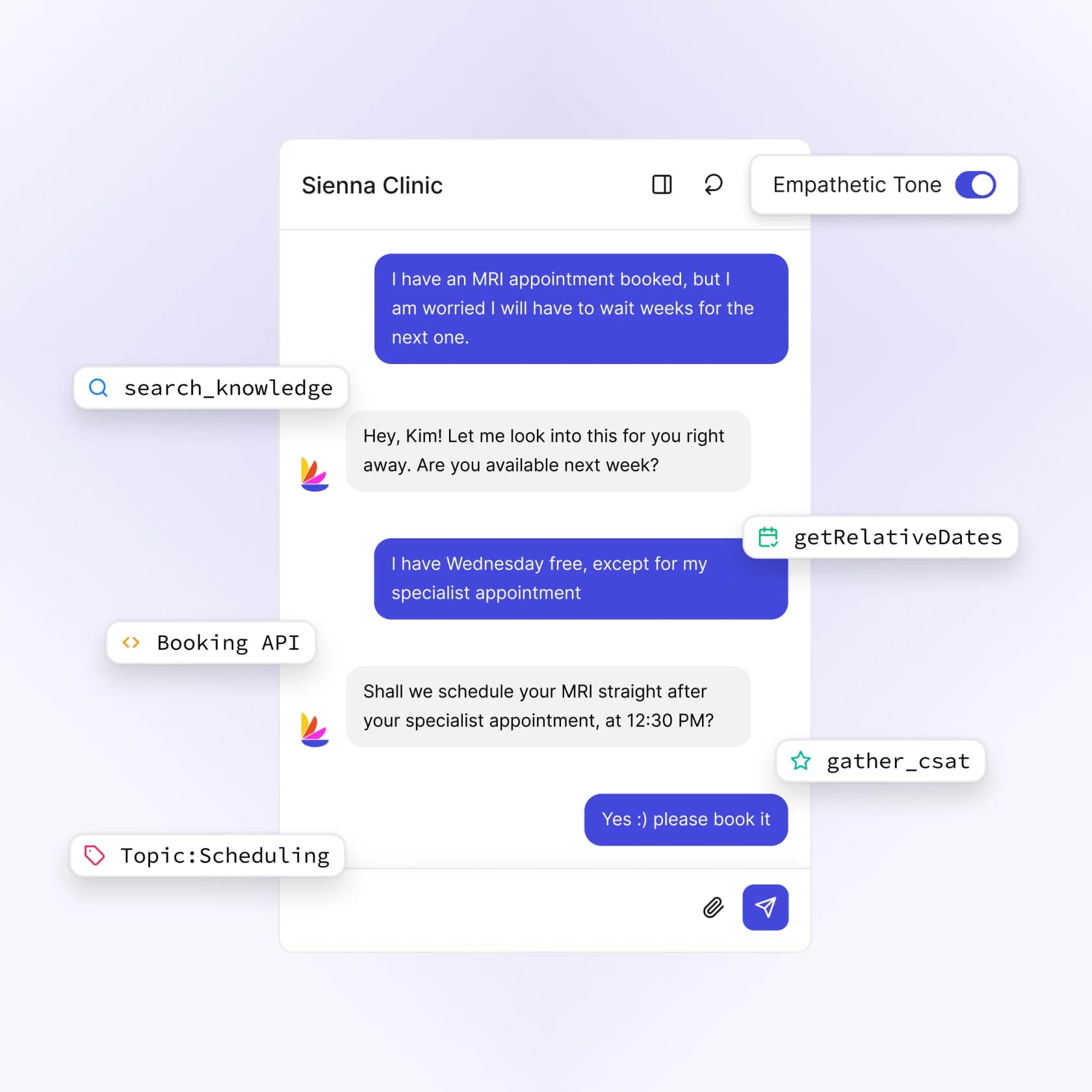
The core pitch is that Lorikeet goes after "the hardest 20% of tickets driving 80% of your support effort", the tickets that need a data lookup, an action in your systems, and a real decision. Its design idea is a split between agentic reasoning and deterministic execution: the AI makes the judgment call about what should happen, but the actual steps run in a fixed, predictable order.
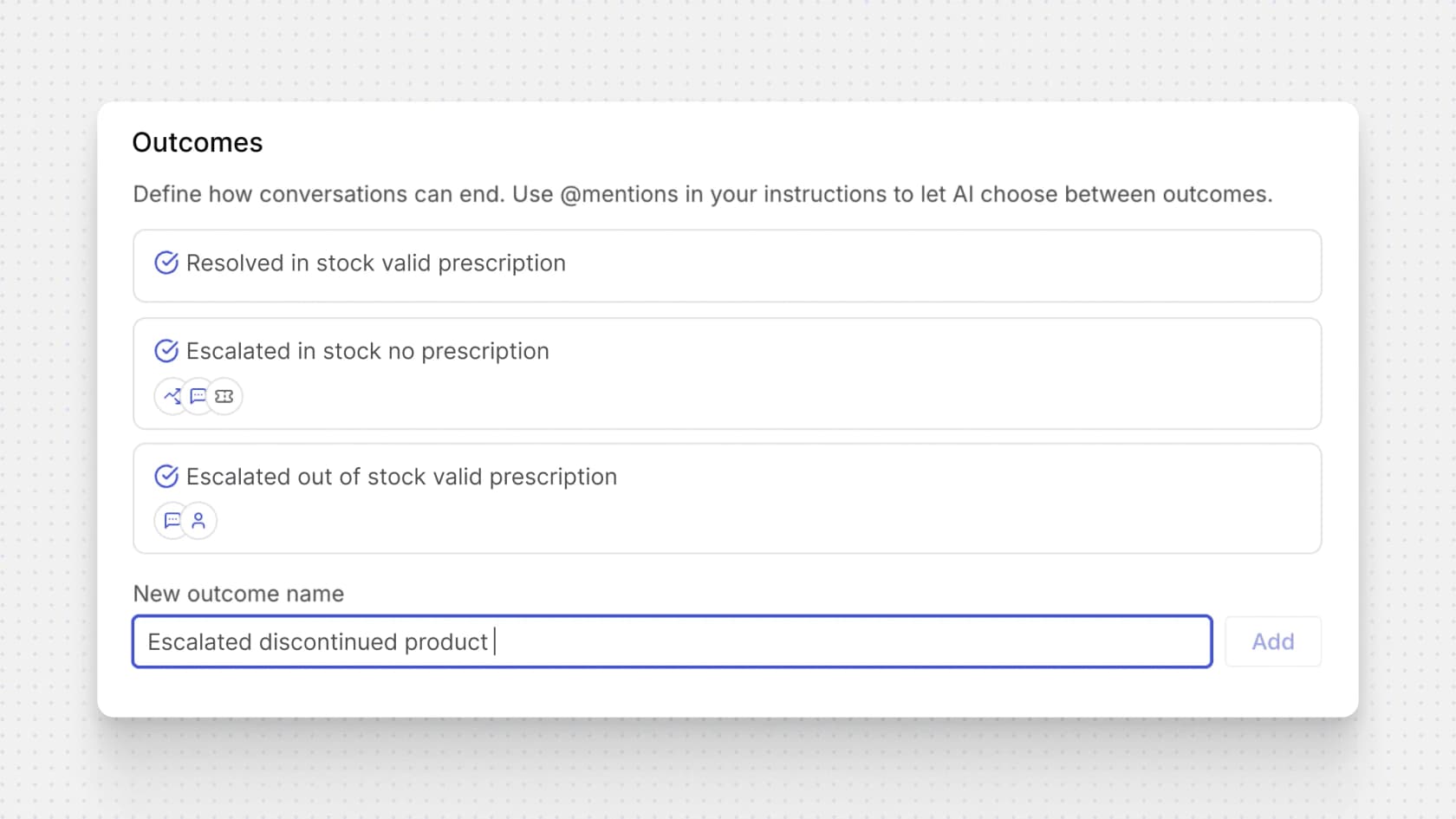
That shows up cleanly in a feature Lorikeet calls Outcomes. Instead of a generic "close" or "escalate," you define named, meaningful ways a conversation can end, and each one carries its own bundle of actions that fire the same way every time.
Lorikeet's other genuinely distinctive idea is the guarded agent. Its argument: a coding copilot is a "guided" agent working with someone who shares its goal and will catch its mistakes, but a customer support agent represents a third party to a user who may be confused or even adversarial, with nobody to catch errors. So the default posture is "do not make things up" rather than "be as helpful as possible." For a regulated buyer, that framing lands.
Where Lorikeet is refreshingly clear is money. It publishes real prices: Start at $1,500/month and Scale at $4,000/month, both billed annually, with only Enterprise quoted. It charges credits against resolved tickets, and if it handles a ticket badly, you do not pay for that ticket. There are no per-seat charges and no implementation fees. The independent user footprint is still thin, so treat the glowing case studies as vendor material, but the transparency on pricing is real and rare in this category.
What Sierra is
Sierra plays a different game entirely. It was founded by Bret Taylor and Clay Bavor, Taylor being the former Salesforce co-CEO and current OpenAI board chair, and it has raised on a scale that dwarfs the rest of the category. Taylor announced a round of "$950 million ... at a valuation of over $15 billion," and Sierra says "40% of the Fortune 50 partner with" it. This is an enterprise platform sold to enterprise brands.
The product is the Sierra Agent OS, and its most distinctive wedge is Ghostwriter: you describe how you want the agent to behave in plain English, or upload SOPs, transcripts and recordings, and it builds a production-ready, multichannel agent. Sierra also ships an Agent SDK for engineering teams that want to write customer journeys as code. As Ramp's Ben Levick put it, it "let us write customer journeys as code, track changes, and build sophisticated logic without giving up our development workflows."
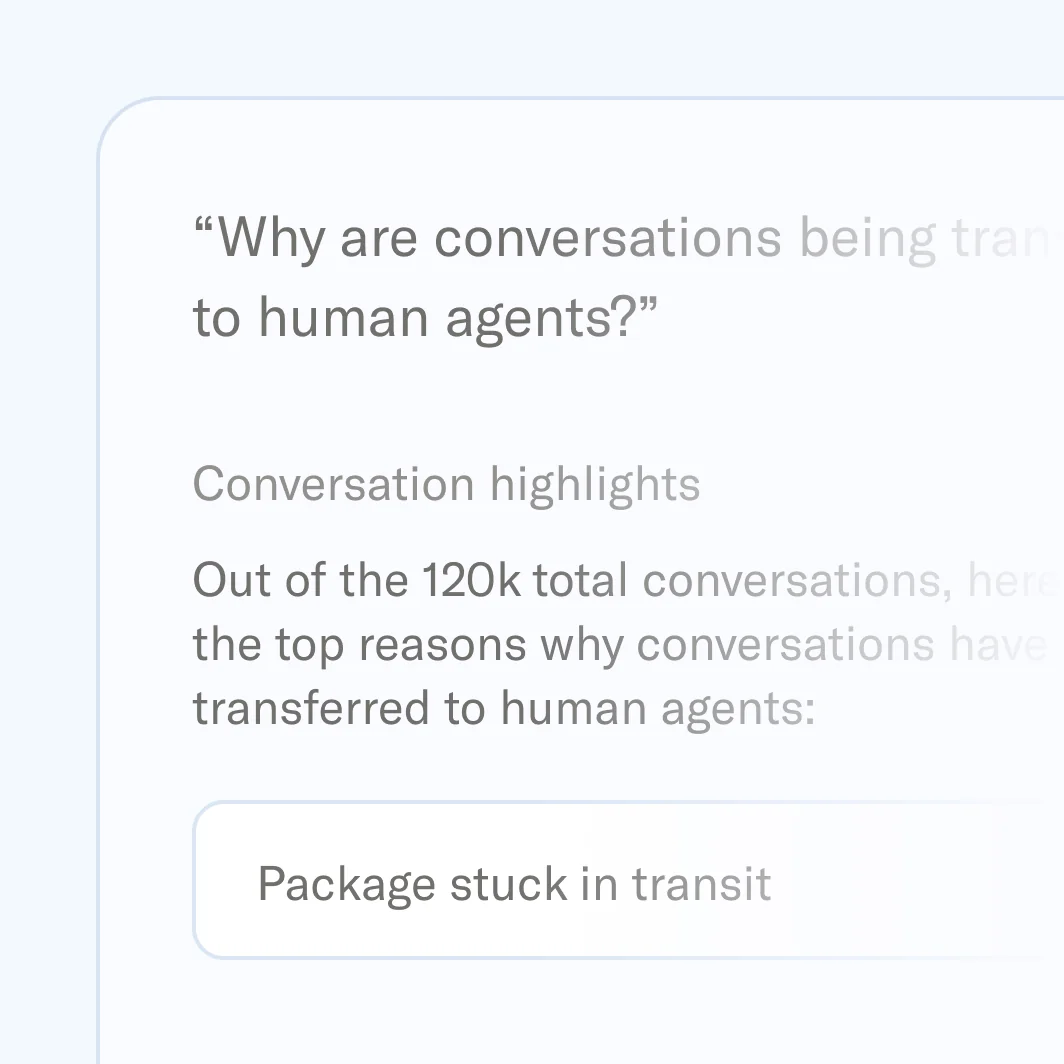
Voice is a first-class channel here in a way it is not for most competitors, including voice payments captured over the phone through Level 1 PCI infrastructure with no IVR handoff. And Sierra's analytics layer, Insights, is genuinely strong: its Explorer lets you ask questions of your conversations in natural language and get analytics plus sample conversations back.
Here is the catch, and it is a big one. Sierra publishes no price anywhere. Its pricing page returns a 404, and the model is outcome-based: you pay when the agent achieves a "resolved support conversation" or a "saved cancellation." What counts as an outcome is negotiated per contract, and Sierra itself admits the real bill is often blended with per-conversation charges for routing and greeter traffic. Sierra is even candid about the complexity in its own Outcomemaxxing post: outcome pricing is "more complex than seat-based or consumption pricing ... People telling you it's simple are selling something." Sierra also names no helpdesk integration publicly and gates its docs behind an evaluation login, so a lot of the detail sits behind a sales conversation.
How they actually build and control the agent
This is where the two philosophies diverge most, and it is worth understanding before you pick.
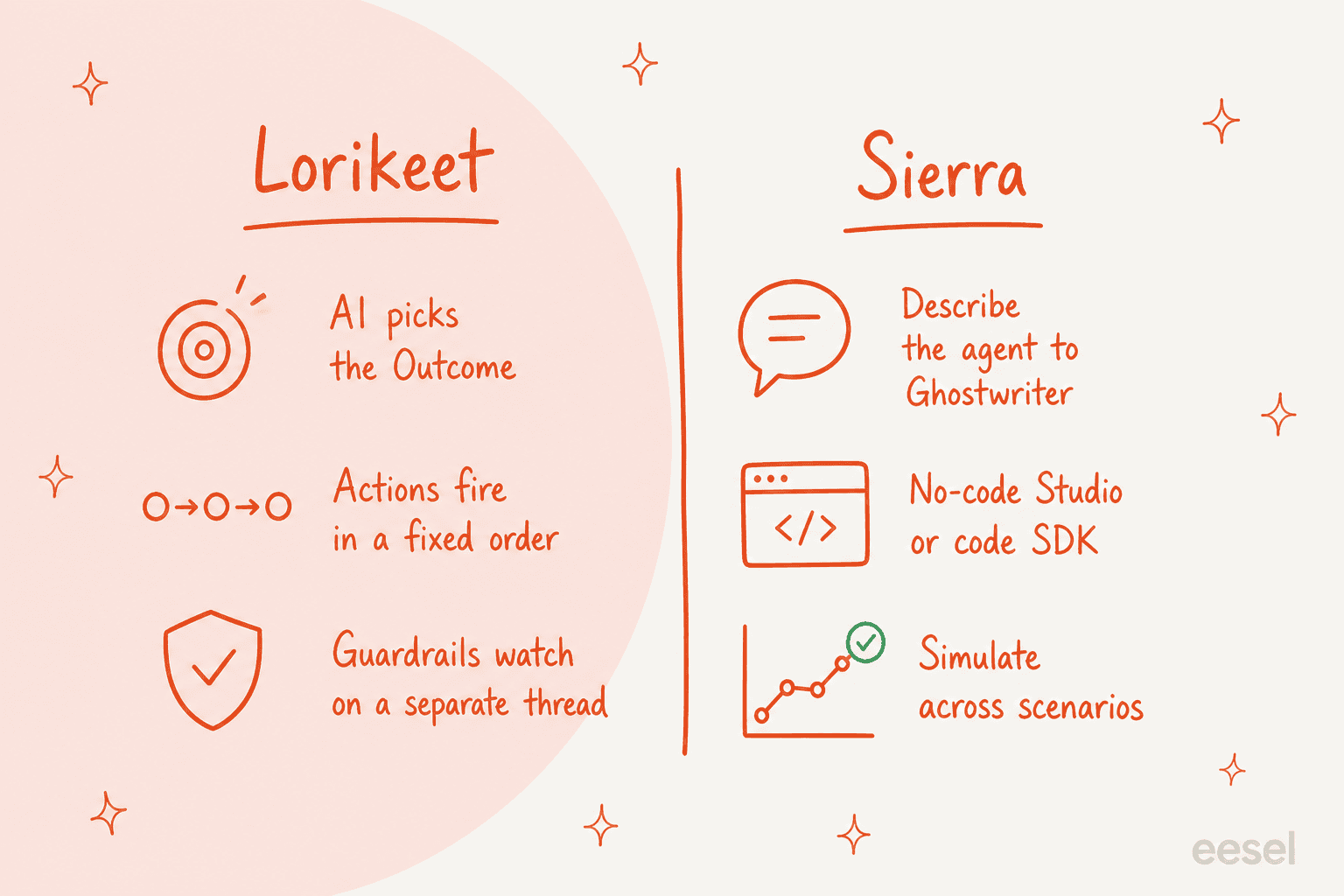
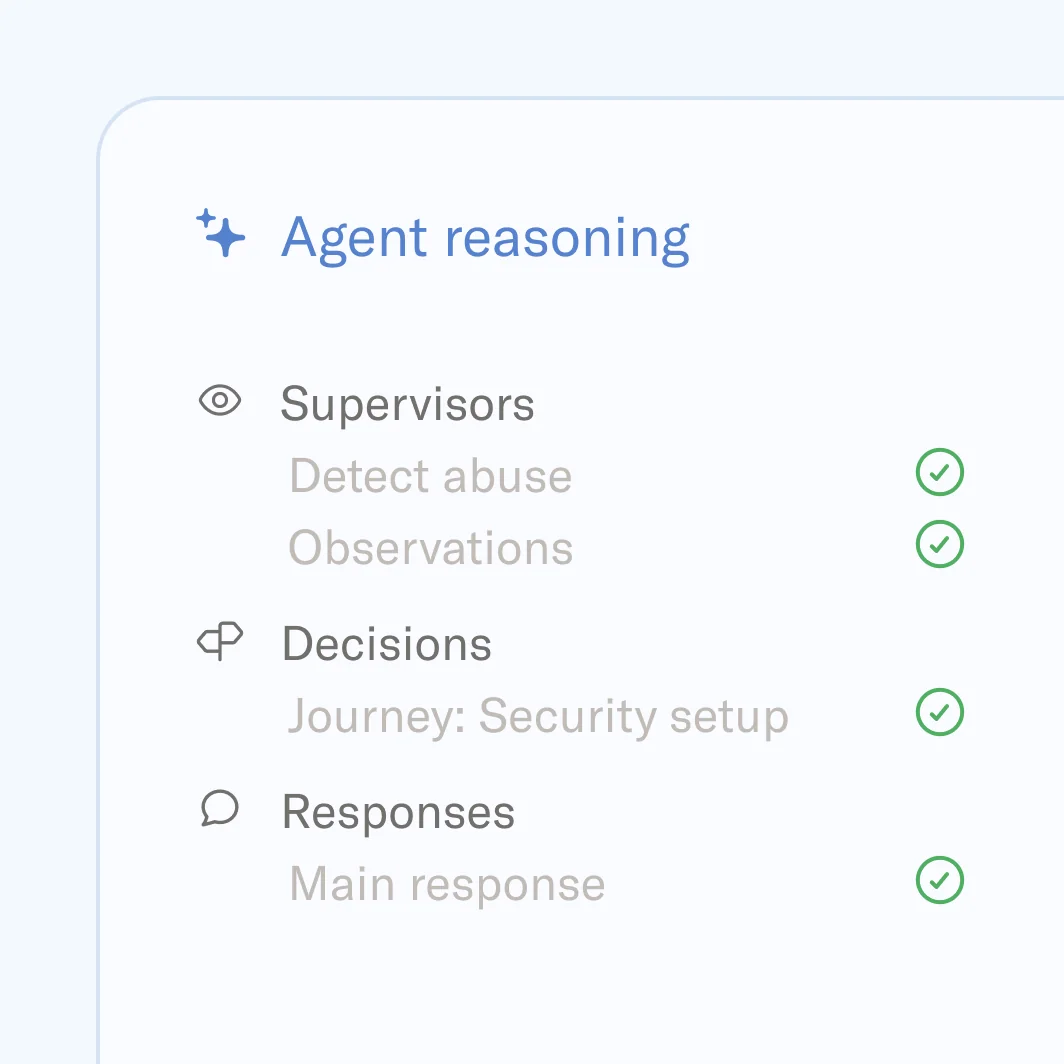
Lorikeet leads with control. Its whole accuracy story is a four-layer "defence in depth" architecture: a purpose-built support base model, bot-to-bot simulation, runtime guardrails that watch every outgoing message on a separate thread, and post-ticket QA that scores 100% of tickets. CTO Jamie Hall describes the guardrails as "basically watching every statement as it goes out and then in a configurable way taking action." Crucially, Lorikeet's simulations can be generated "from real production tickets that failed", which is the right instinct.
Sierra leads with speed-to-build. Ghostwriter collapses the multi-week implementation cycle into a described-and-generated agent, and its simulations "verify your agent performs as expected across a wide range of scenarios." The important nuance for a careful buyer: Sierra's published testing wording is scenario-based, and there is no public claim that you can replay your own historical tickets against a candidate agent before go-live. That may exist behind the docs login, but you cannot verify it from the outside.
That gap matters because, as I said up top, the demo is not the queue. The only test that predicts production is a replay of your own history. Lorikeet gets closest of these two by seeding simulations from failed real tickets. It is also exactly why eesel's simulation works the way it does: it "replays your real past tickets and compares its answers to what your team actually sent," then hands back specific gaps and suggested fixes so you are editing from evidence rather than guessing.
Pricing: the clearest real difference
If you remember one thing from this comparison, make it this. On price transparency, the three tools sit in genuinely different places.
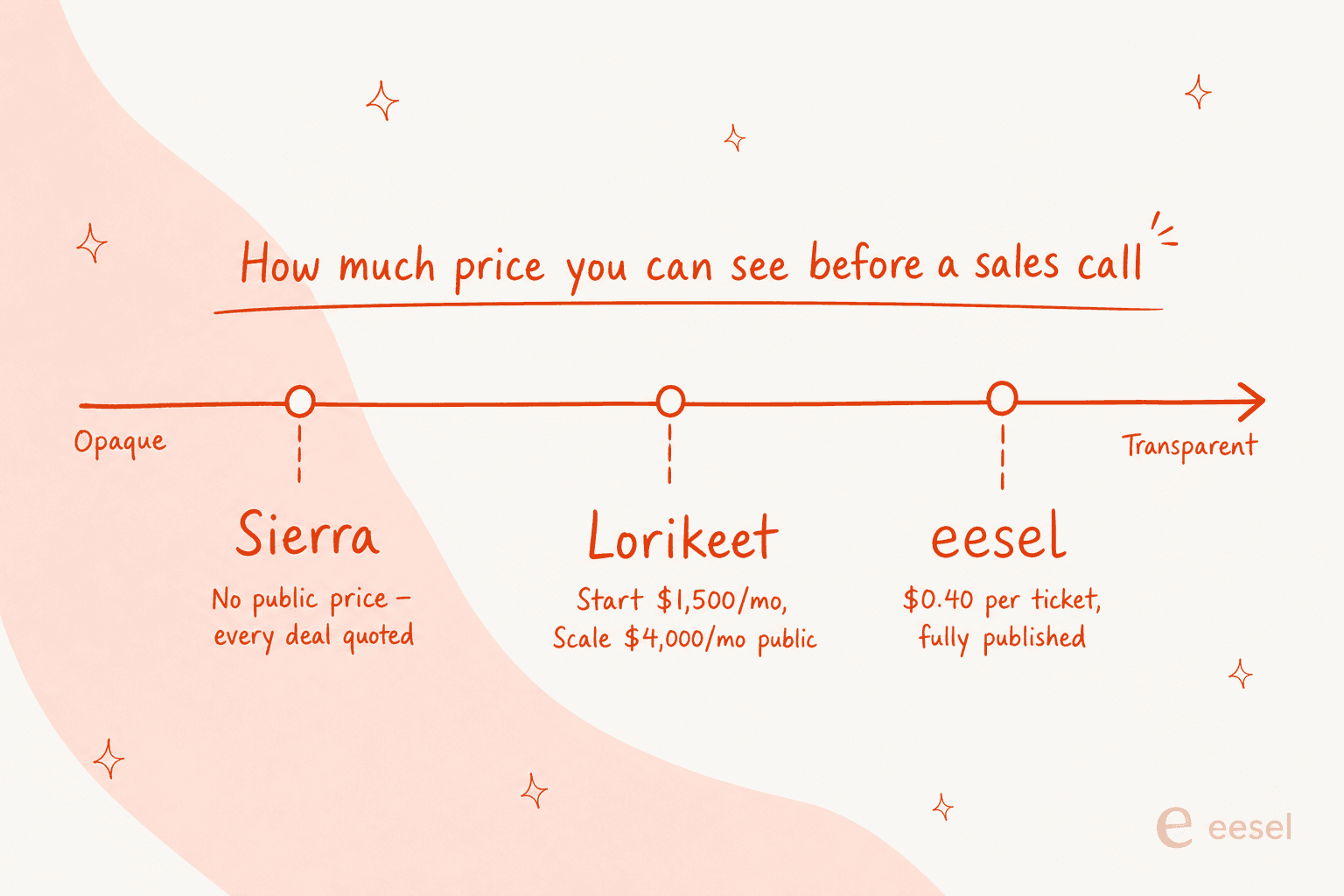
Here are the real numbers, as published:
| Lorikeet | Sierra | eesel | |
|---|---|---|---|
| Model | Credits per resolved ticket | Outcome-based, negotiated | Per ticket handled |
| Entry price | $1,500/mo (Start) | Not published | $0.40/ticket |
| Mid tier | $4,000/mo (Scale) | Not published | Same $0.40/ticket |
| Per-unit rate | $0.80-0.95 per chat resolution | Undisclosed | $0.40 per ticket |
| Platform / seat fees | None | Not disclosed | None |
| Billed on | Resolved tickets only | Negotiated outcomes | Every ticket handled |
| Free to try | No | No | $50 free, no card |
The subtle-but-real difference is the billable unit. Lorikeet charges for a resolved ticket and eats the cost of bad ones, which is buyer-friendly. eesel charges per ticket handled regardless of outcome, which is simpler to forecast but means failed tasks still count. Sierra's unit is a negotiated outcome, which sounds aligned until you realize you cannot model your own bill without a sales cycle.
That last point is not academic. On our own sales calls I have watched buyers get genuinely stuck trying to price a per-interaction meter in advance. One multi-company e-commerce operator scaling toward roughly 150,000 tickets a month found the interaction-versus-ticket distinction so confusing that he projected around $30,000/month and nearly walked over the uncertainty alone. A model you cannot model is a real cost, even when the per-unit number turns out fine.
Try the volume comparison for yourself. This is list price at a given monthly volume, so read the unit caveat underneath it:
Which one should you pick
Put simply, these three tools live in different corners of the map.
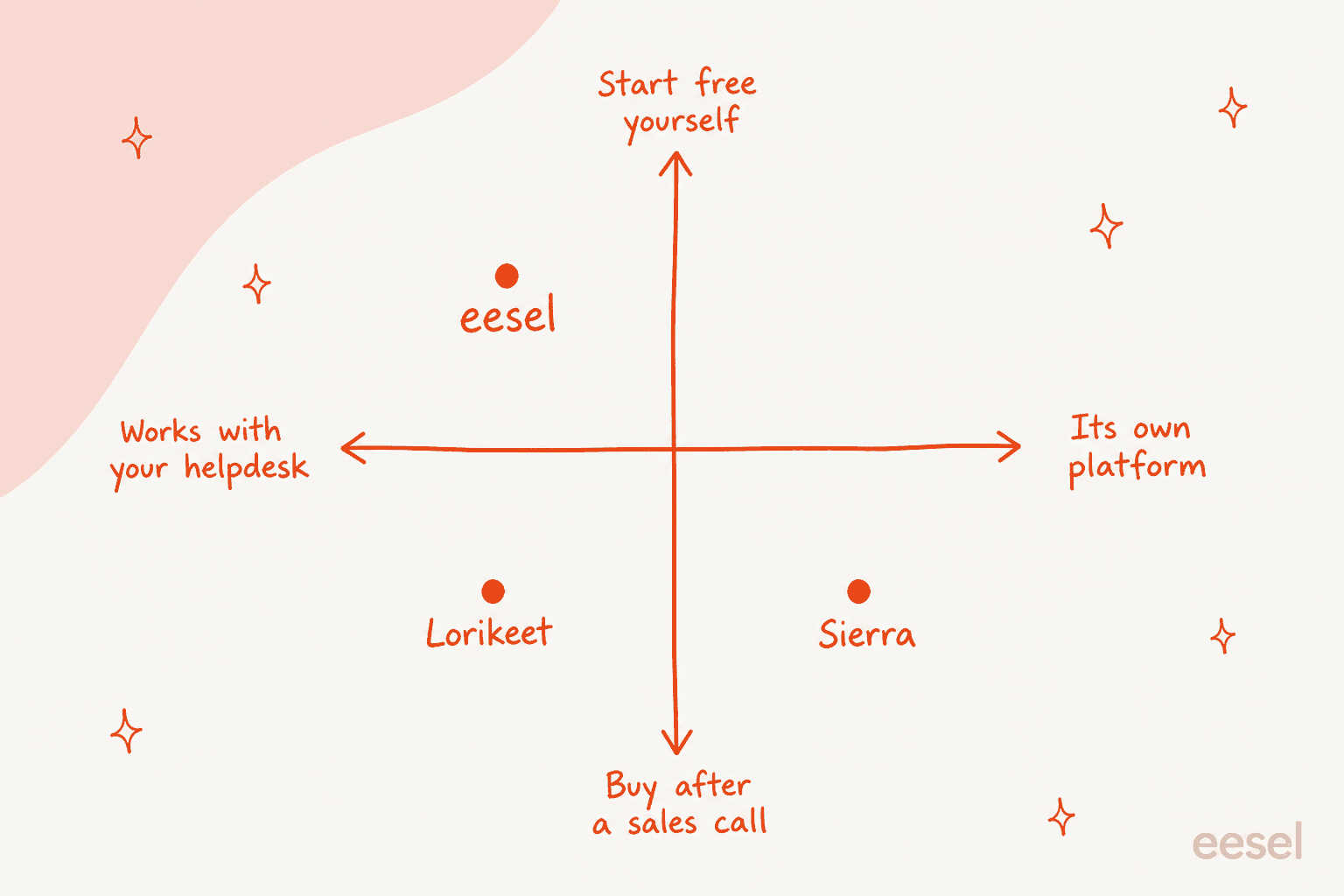
Pick Sierra if you are a very large consumer brand rebuilding customer experience from the ground up, voice matters as much as chat, and you have the procurement muscle and budget for a long, vendor-led partnership. The scale is real and the platform is deep. Just go in knowing that G2 reviewers flag the same friction the model implies:
"Expensive / hard to evaluate long-term cost and scalability."

And from the Hacker News thread on Sierra's raise, the sales motion is exactly what you would expect at that tier:
"I don't think businesses that previously had zero phone support can afford Sierra. They seem to be a 'for pricing, let's go play C-level golf' type of company."

Pick Lorikeet if you are a fintech or healthtech where accuracy is a compliance question, you need an agent that takes real actions across regulated workflows, and you value the deterministic control and 100% QA it is built around. The one public end-user complaint worth knowing about is an escalation failure, which maps to the exact risk any autonomous agent carries:
"It kept recommending the solution that I literally said didn't work. It kept refusing to connect me to a human."

Pick neither, at least not yet, if you are a small or mid-market support team that already runs a helpdesk and just wants an AI teammate on the queue quickly. Both Lorikeet and Sierra start with an enterprise sales conversation and a build cycle. That is a lot of overhead if what you actually need is drafts and resolutions on your existing Zendesk or Gorgias tickets by Friday.
Where eesel fits
I work on eesel, so take the framing for what it is, but the fit here is specific and worth stating plainly. eesel AI is a support/helpdesk teammate that joins the queue you already run rather than asking you to adopt a new platform. It plugs into Zendesk, Freshdesk, Gorgias, Front, Help Scout and Salesforce, learns from your past tickets and docs on day one, and is ready in minutes with no sales call required.
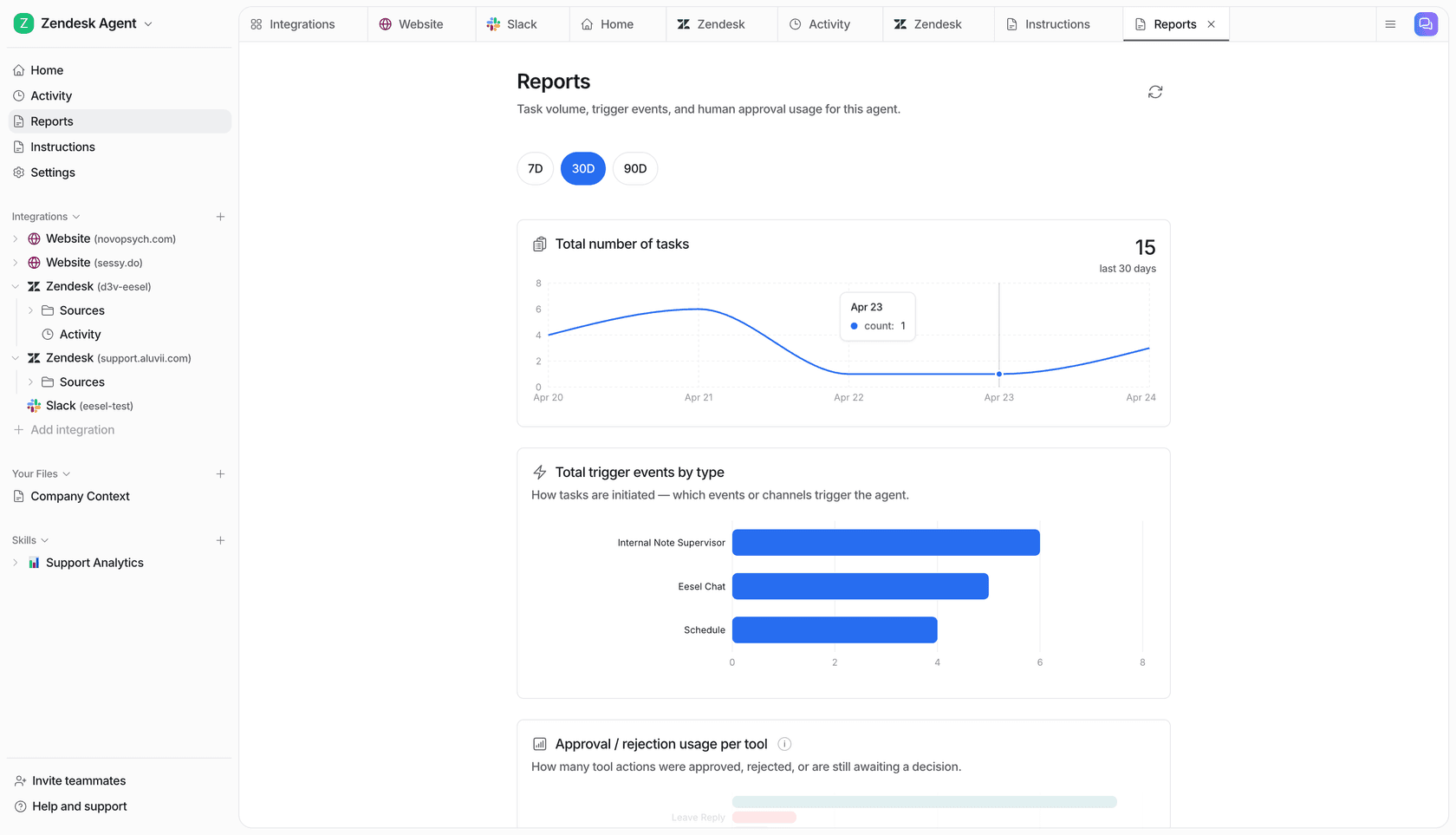
The two things this comparison keeps circling back to are exactly where eesel is deliberately opposite to both. First, pricing is fully public: $0.40 per ticket handled, no platform fee, no per-seat fee, no minimum, and $50 of free usage so you can start on your own tickets before you talk to anyone. Second, simulation replays your real past tickets and scores each answer against what your team actually sent, so you roll out only when the numbers clear your bar, not on the strength of a demo.
If your workflows are agentic and headless, eesel also exposes the same teammate through a CLI, MCP and webhooks, so a person can drive it from a terminal, scripts can automate it, and coding agents like Claude Code or Cursor can operate it. It is the same agent as the dashboard, just reachable programmatically. For enterprise needs, SOC 2 Type II is underway and HIPAA with a signed BAA is available on the Enterprise plan.
Lorikeet and Sierra are both serious tools for serious problems. If you are the buyer they are built for, go talk to them. If you are most support teams, start by putting a teammate on the tickets you already have and see what it does with your real history first.
Frequently Asked Questions
What is the main difference between Lorikeet and Sierra?
How much does Lorikeet cost compared to Sierra?
Do Lorikeet or Sierra offer a free trial?
Can Lorikeet or Sierra test against my real past tickets before going live?
Which AI customer support agent is best for a small support team?


Article by
Rama Adi Nugraha
Rama is a software engineer at eesel AI with two years of experience writing about B2B SaaS, AI tools, and customer support technology. Based in Bali, Indonesia, he brings a developer's perspective to product comparisons — cutting through marketing copy to what the integrations and APIs actually do.