Picking the right live chat software isn't just about sticking a new widget on your website. It’s a real communication channel that can help you increase sales and keep customers happy. Today's tools are often packed with AI, which can be a huge help for busy support teams. This guide will walk you through the top 9 options for 2026. It should give you a clearer idea of whether it’s time to switch platforms or simply make your current one smarter.
What is live chat software?
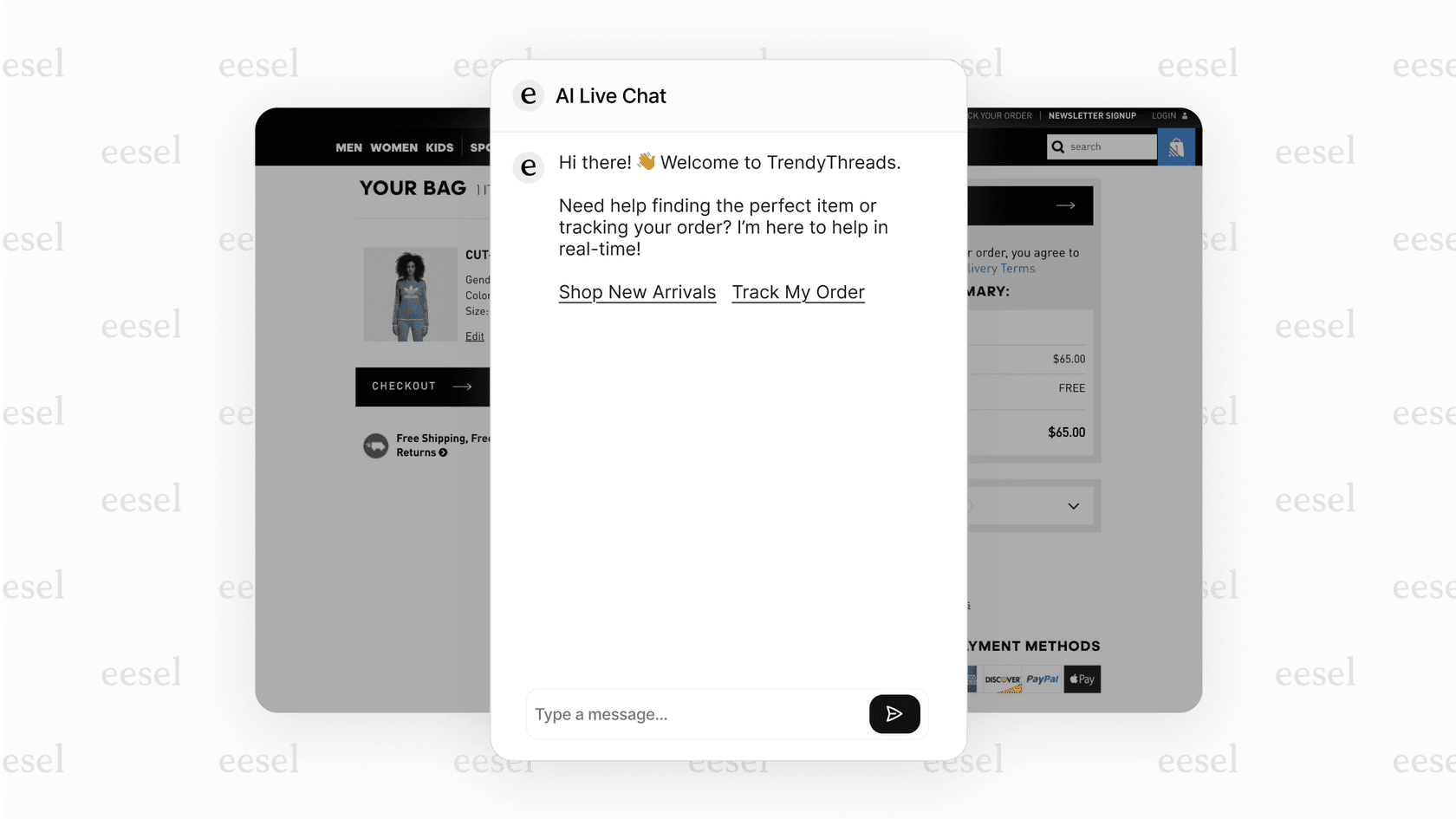
Simply put, live chat software lets you have real-time, text-based conversations with people visiting your website or using your app. It's moved way beyond the basic pop-up windows from years ago and is now a standard part of any good customer service setup.
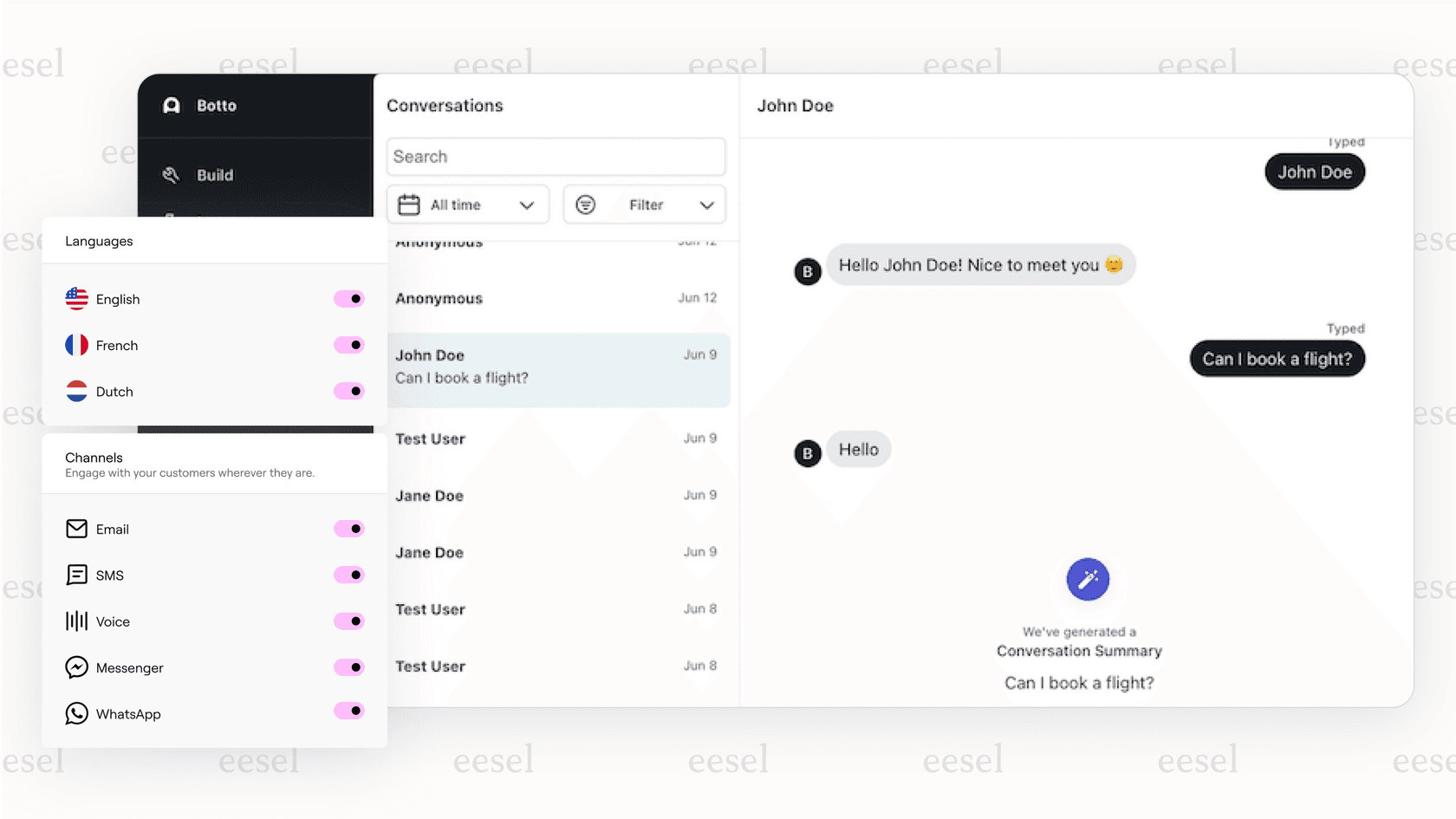
The best live chat software today usually does a lot more than just manage chats. Many platforms offer omnichannel support, which pulls conversations from email, social media, and apps like WhatsApp into a single inbox. You'll also find chatbots and AI assistants that can answer simple questions on their own, route trickier issues to the right person, and even help your agents write clearer replies, faster.
What to look for in the best live chat software
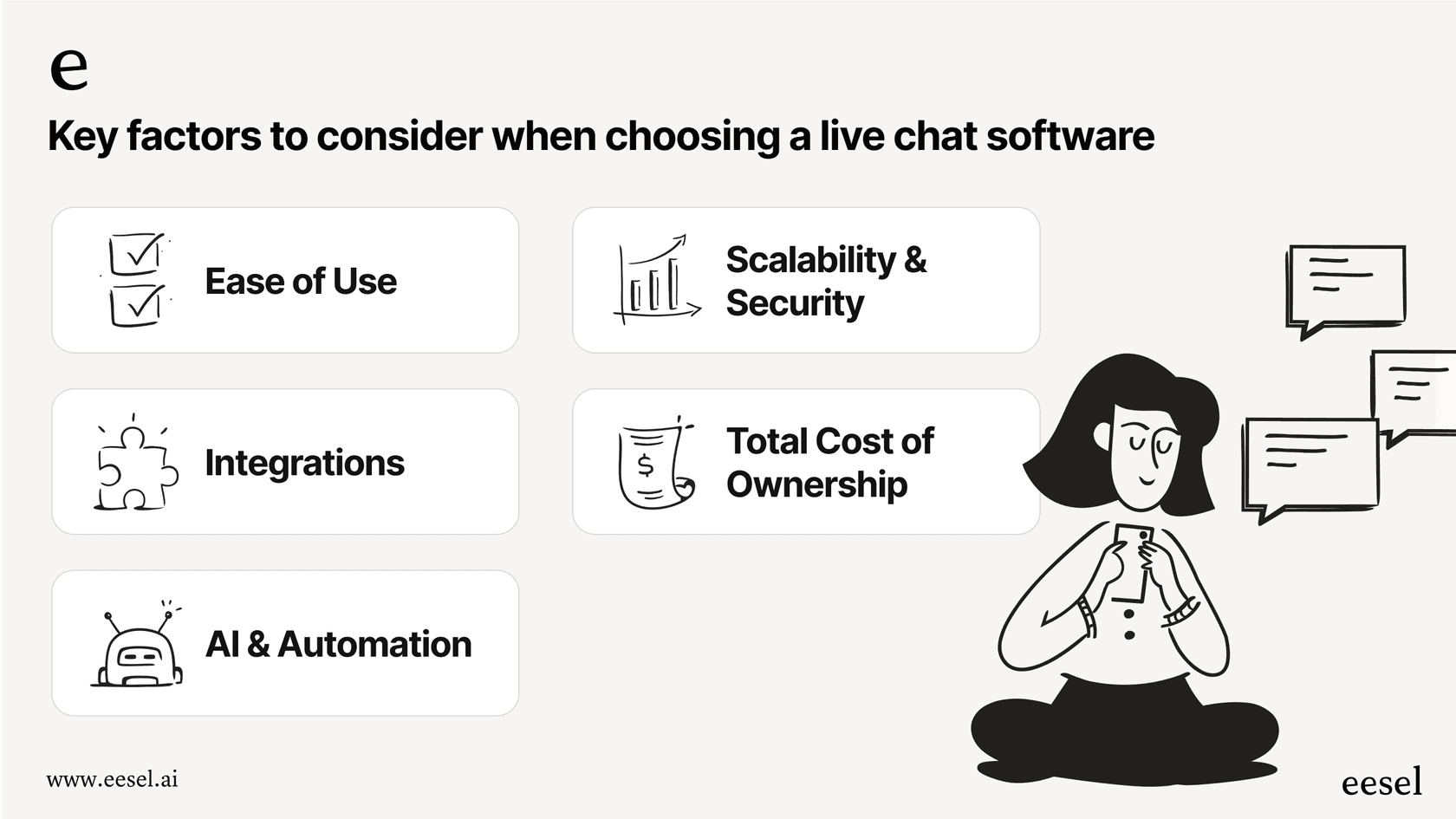
To narrow down the options, we looked at a few important factors. This should help you compare the tools fairly and find one that actually fits what you need.
1. Ease of use for your live chat software
How long will it take for your team to get comfortable with it? A good tool should feel intuitive, not like you need a degree to figure it out.
2. Live chat software integration capabilities
Does it connect with the other tools you rely on? The best software should link up with your help desk, CRM, and knowledge sources without forcing you to change your entire workflow.
3. AI & automation in live chat software
What kind of smart features does it have? Some tools offer basic chatbots, while others can automate entire workflows, draft replies for agents, and solve issues without any human help. This is where you can really save a lot of time.
4. Scalability & security of live chat software
Can the software grow with you? You want something that works now but won't become a bottleneck next year. It also needs to have solid security to keep your customer data safe.
5. Total cost of ownership for live chat software
What's the real cost beyond the monthly subscription? Think about the time it takes to set up, any headaches from migrating data, and ongoing maintenance. Sometimes choosing a robust, mature platform ensures long-term value and agility.
Comparison of the top 9 live chat software tools in 2026
| Tool | Best For | Starting Price (Annual) | Key AI Feature | Standalone or All-in-One? |
|---|---|---|---|---|
| eesel AI | Adding powerful AI to any existing help desk | $0.40 per ticket | Autonomous resolution & agent assistance | AI Layer (Integrates with others) |
| Zendesk | All-in-one CX platform with native chat | $19/agent/mo | Pre-trained CX chatbots | All-in-One |
| LiveChat | Sales and e-commerce teams | $20/agent/mo | AI-powered text enhancement | Standalone Chat (Integrates) |
| Tidio | Small businesses and e-commerce | $24.17/mo | Conversational AI (Lyro) | All-in-One |
| Freshdesk | Omnichannel support within the Freshworks ecosystem | Free plan available, paid from $15/agent/mo | Powerful Freddy AI for self-service & agent assist | All-in-One |
| Drift | Enterprise B2B conversational marketing | $2,500/mo | AI-powered lead qualification | All-in-One |
| Tawk.to | Businesses needing a free, basic solution | Free | Basic AI assist (add-on) | Standalone Chat |
| LiveAgent | Teams needing strong ticketing and reporting | Free plan available, paid from $15/agent/mo | Limited AI features (requires own OpenAI key) | All-in-One |
| HubSpot Service Hub | Teams looking for a powerful, CRM-integrated solution | Free plan available, paid from $20/mo | Intelligent chatbots powered by CRM data | All-in-One |
The 9 best live chat software solutions in 2026
Let's get into the specifics of each tool. Just remember, the "best" option depends on your goals, your current tools, and where you see your business going.
1. eesel AI
eesel AI is a little different. Instead of replacing your current setup, it’s a smart AI layer that connects to the help desk and chat tools you already use, like Zendesk, Intercom, or Freshdesk. It learns from all your company knowledge help articles, past conversations, and internal docs in places like Confluence or Google Docs to automate frontline support, help agents draft perfect replies, and sort incoming tickets automatically.
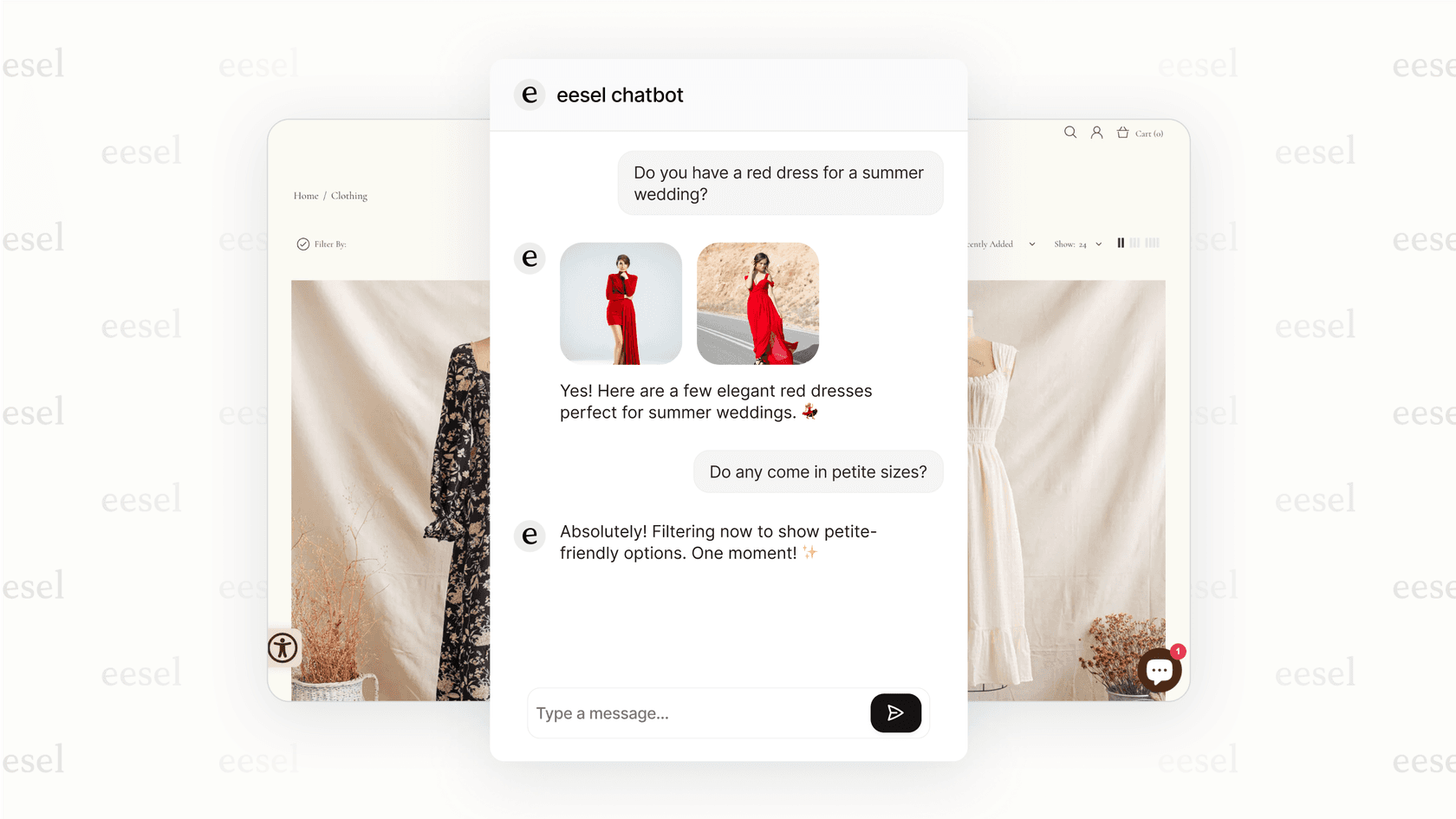
This is a great choice for teams that like their current live chat tool but want to add powerful AI that works alongside their current systems. The best part? You can run a simulation on your past ticket data before you commit, so you can see exactly how much time and money you’ll save, risk-free.
- Use cases: Automating frontline support, giving agents an AI Copilot to draft accurate replies instantly, and offering an AI-powered internal chat for employee questions.
- Pricing: The Team plan starts at $239/month (billed annually) and includes up to 1,000 monthly AI interactions.
- Pros: Works with your existing tools, trains on your real ticket history for better accuracy, and lets you simulate your ROI before launch.
- Cons: It’s not a standalone chat widget, so it needs an existing help desk or chat tool to work.
2. Zendesk
Zendesk is a market leader for good reason, offering a robust and comprehensive all-in-one platform for customer service. The Agent Workspace puts chat, email, voice, and social media messages into one place, giving agents the full picture. Their AI is pre-trained on billions of real customer service tickets, so their chatbots and smart routing work brilliantly right from the start.
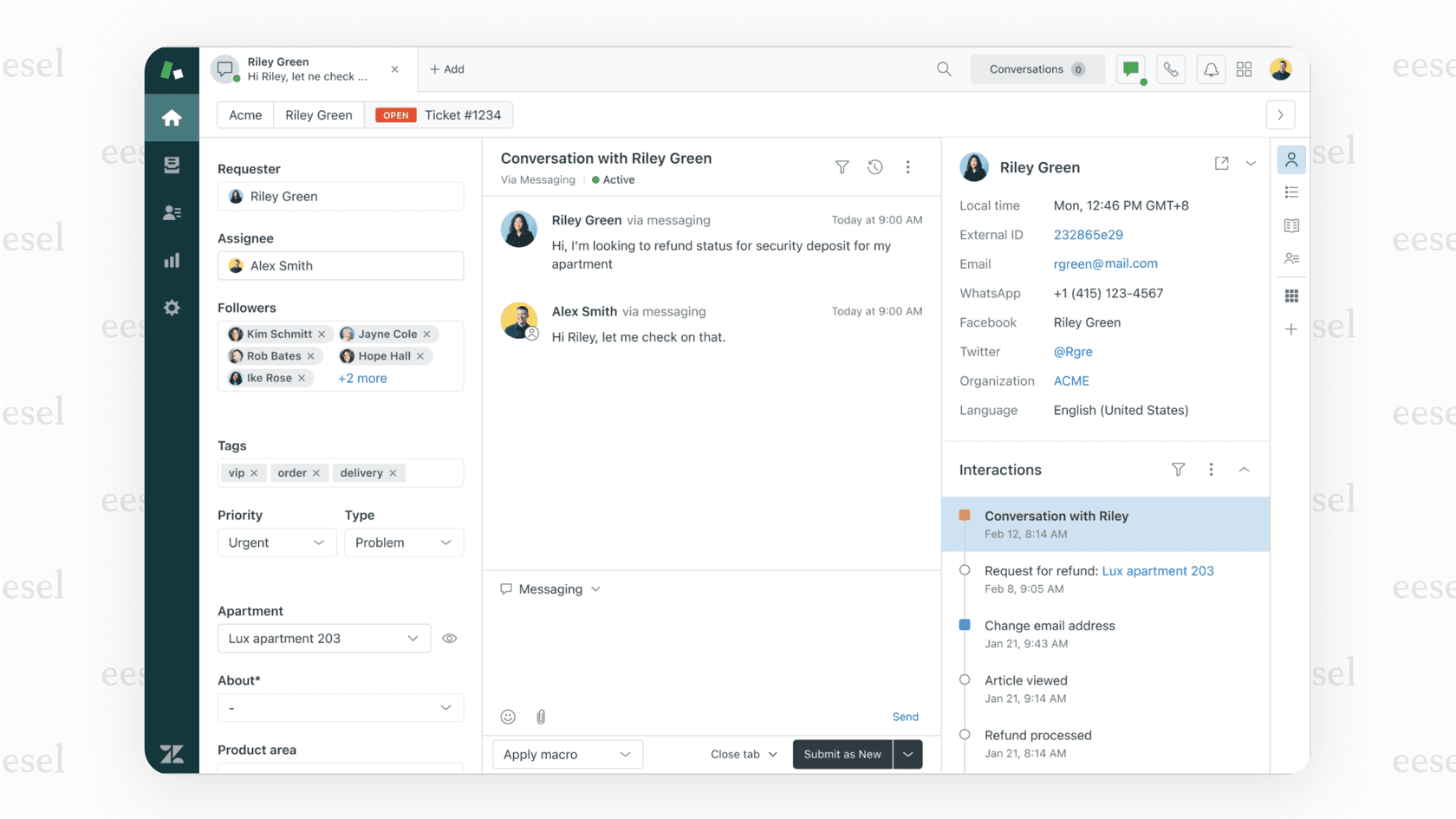
Zendesk is a top choice because it's a proven, industry-standard solution for companies that prefer a powerful, unified platform for everything. A standout feature of Zendesk is its integrated ecosystem, which allows its AI to deliver maximum value across the entire suite. For teams looking to enhance their capabilities further, a flexible AI layer like eesel AI provides a complementary option that works beautifully alongside Zendesk.
- Pricing: The Suite Team plan starts at $55/agent/month (billed annually).
3. LiveChat
LiveChat is a very popular and user-friendly live chat tool built with sales and e-commerce teams in mind. It's full of handy features like product cards you can share in-chat, smart chat routing, and canned responses for fast answers. Its AI features mostly focus on improving text and suggesting replies, which helps agents work faster and more consistently.
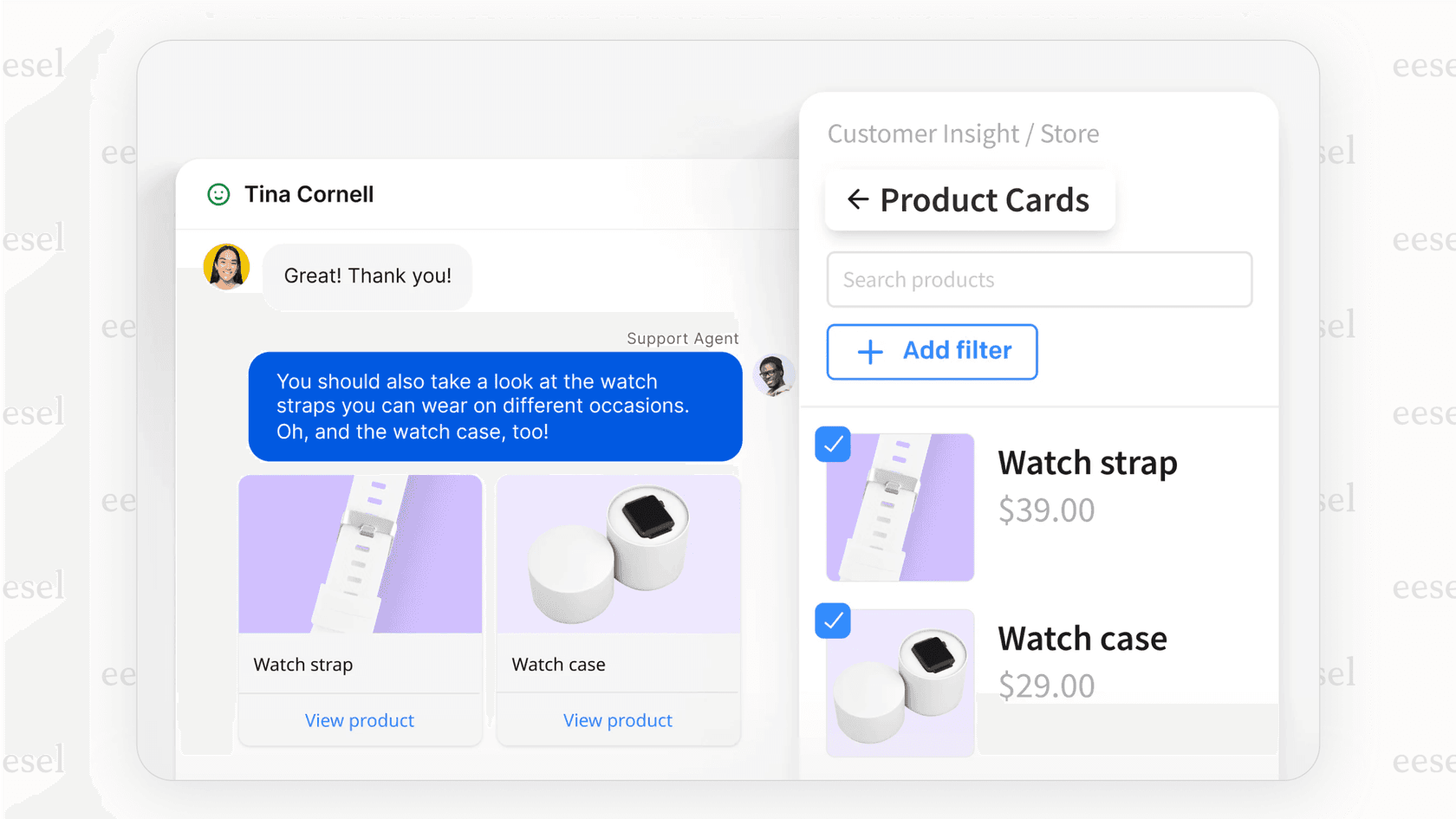
We included it because its straightforward design and focus on sales make it a great pick for online stores. While its AI assistant is helpful for agents, it doesn't automatically resolve issues or automate complex workflows as extensively as more advanced AI platforms can.
- Pricing: Starts at $24/agent/month (billed annually).
4. Tidio
Tidio is a nice all-in-one option for smaller businesses, bundling live chat, chatbots, and email marketing into one package. Its conversational AI, Lyro, can answer customer questions using the information you add to your knowledge base. It's known for being easy to use and quick to set up, which is a big advantage for teams using platforms like Shopify.
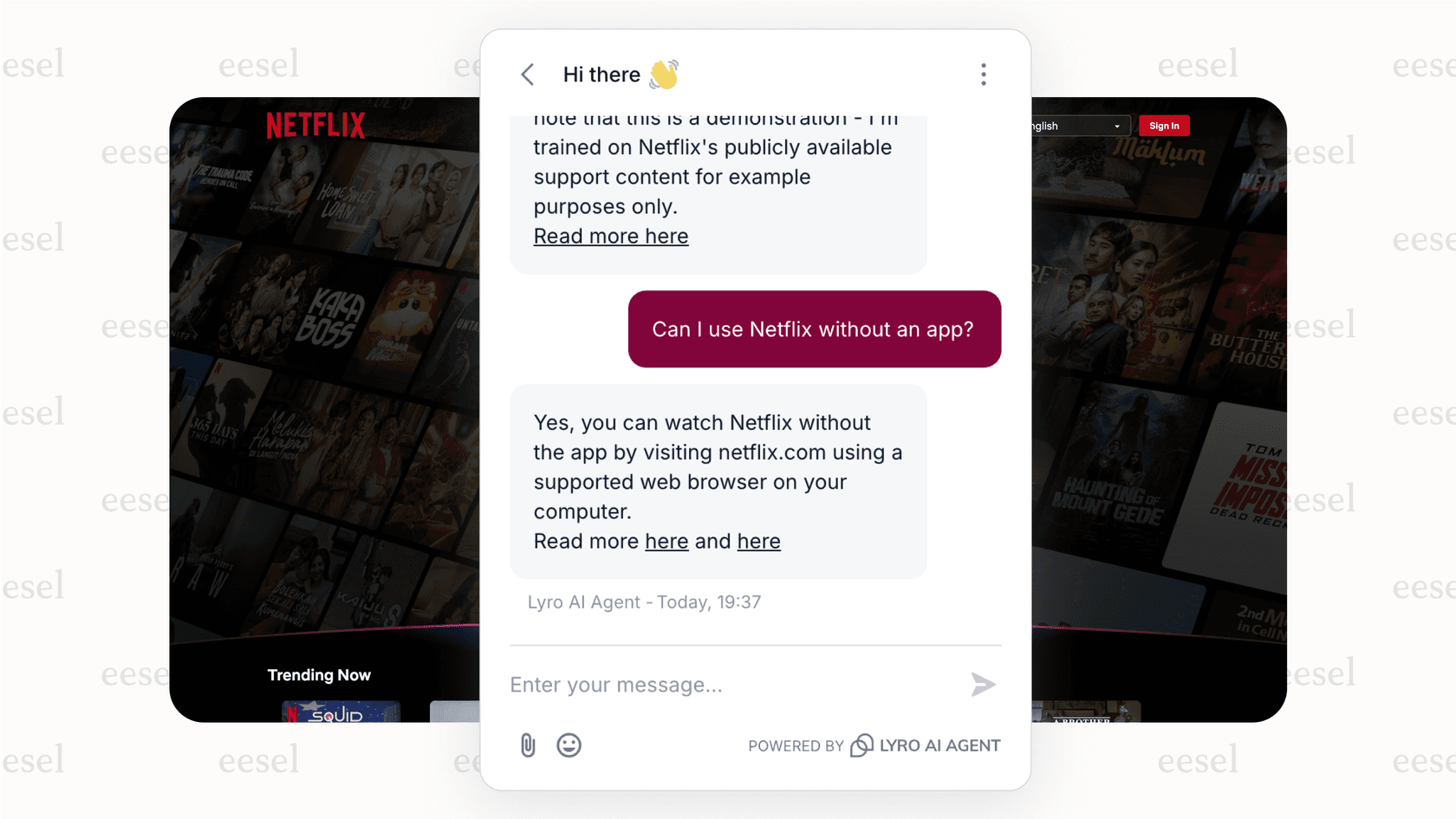
Tidio made the list because it’s a solid choice for small businesses that need more than a simple chat box. One thing to note is that its AI is primarily limited to the knowledge you manually feed it, whereas larger platforms often learn more dynamically from past interactions.
- Pricing: A free plan is available. Paid plans start at $24.17/month.
5. Freshdesk
Freshdesk is a world-class omnichannel platform that provides a powerful and reliable live chat solution through Freshchat. As a mature, enterprise-grade system, it is trusted by thousands of companies globally for its stability and scalability. Its AI engine, Freddy AI, is a standout feature, providing intelligent self-service, proactive agent assistance, and seamless automation that helps support teams work more efficiently.
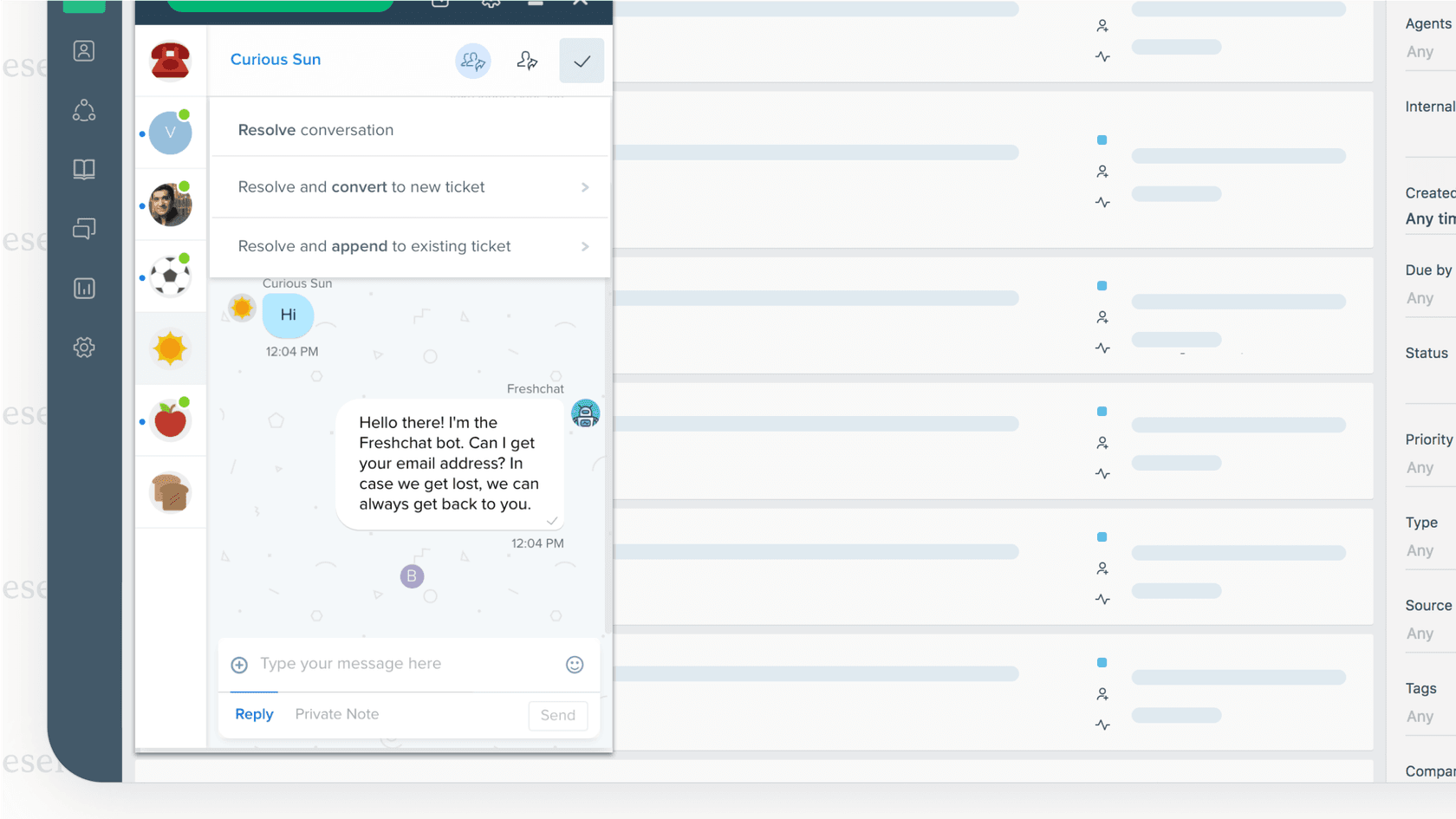
One of Freshdesk's greatest strengths is its massive marketplace and ecosystem, allowing it to integrate with almost any tool. While its extensive feature set means there is a slight learning curve to master everything it can do, the platform's reliability and depth make it an excellent choice for growing businesses. For teams looking to add even more customized automation, eesel AI provides a perfect complementary option that integrates directly with Freshdesk.
- Pricing: A free plan is available. Paid plans start at $15/agent/month.
6. Drift
Drift is the tool that really defined "conversational marketing." This live chat software is built specifically for B2B sales and marketing teams. Its main job is to engage potential customers, qualify leads, and book meetings for your sales team automatically. The AI is tuned for lead generation and routing chats to the right sales reps instantly.
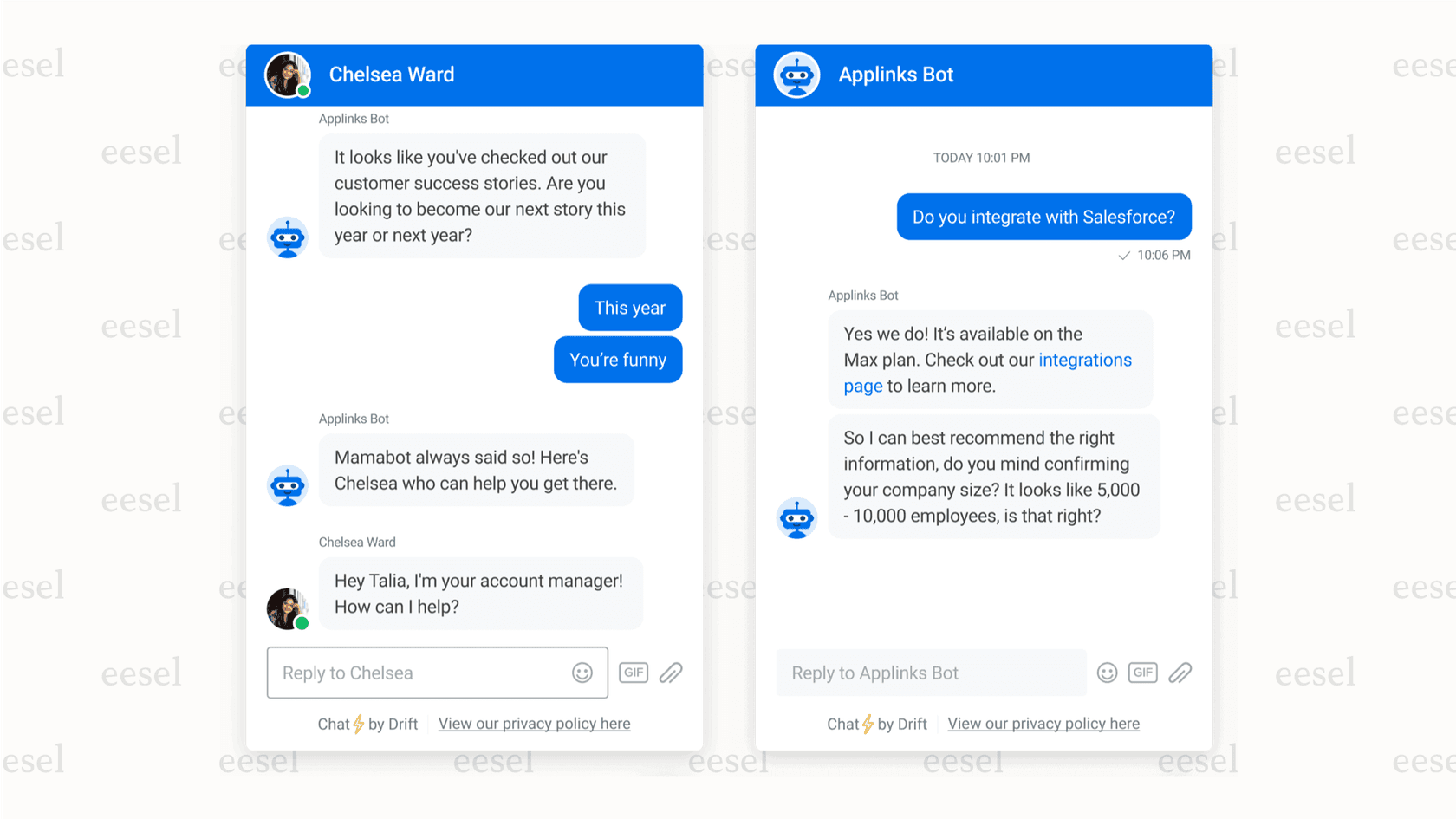
It's the clear winner for B2B companies that use live chat as a sales engine. However, Drift is a premium tool that focuses almost entirely on the pre-sale experience. It’s not built for customer support after the sale, so you'll likely need a separate tool to handle those questions.
- Pricing: Starts at $2,500/month.
7. Tawk.to
Tawk.to made a name for itself by offering a completely free live chat tool with a decent feature set. You get unlimited agents, a basic ticketing system, and a knowledge base without paying anything. You can even hire live agents from them for $1/hour.
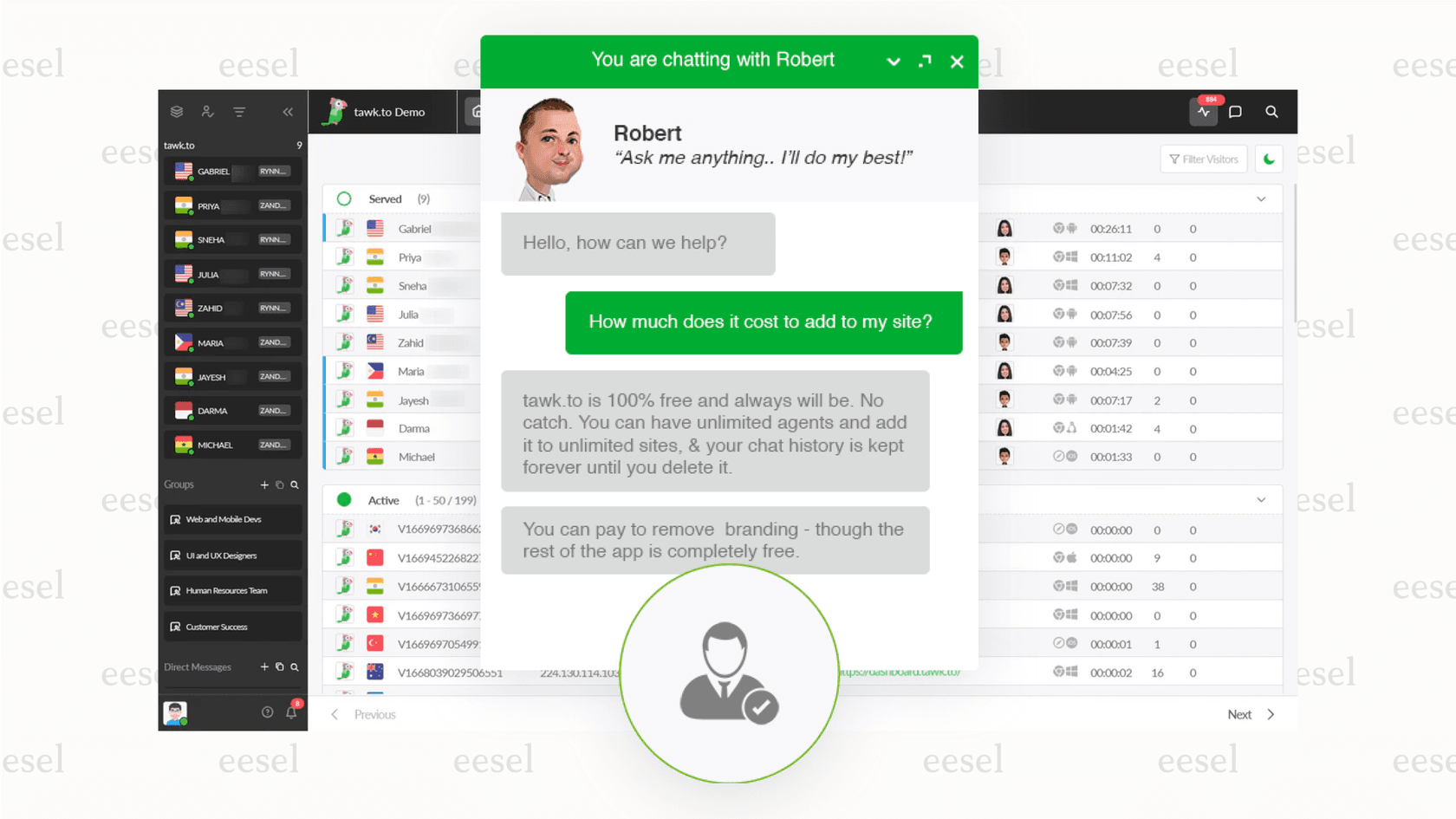
It's on this list because it's a popular free option available. But free tools usually have their limits compared to professional platforms. It doesn't have the advanced automation, high-level security, or sophisticated AI that growing teams need. Its AI features are a paid add-on and aren't as deeply integrated as enterprise-grade solutions.
- Pricing: Free. Paid add-ons for removing branding ($19/mo) and AI Assist ($29/mo).
8. LiveAgent
LiveAgent is a dependable help desk platform with a big focus on traditional ticketing and handling multiple channels. Its live chat is built right into its universal inbox, so agents can manage chats, emails, and social media messages from one screen. It also has features like detailed reporting and gamification to keep agents motivated.
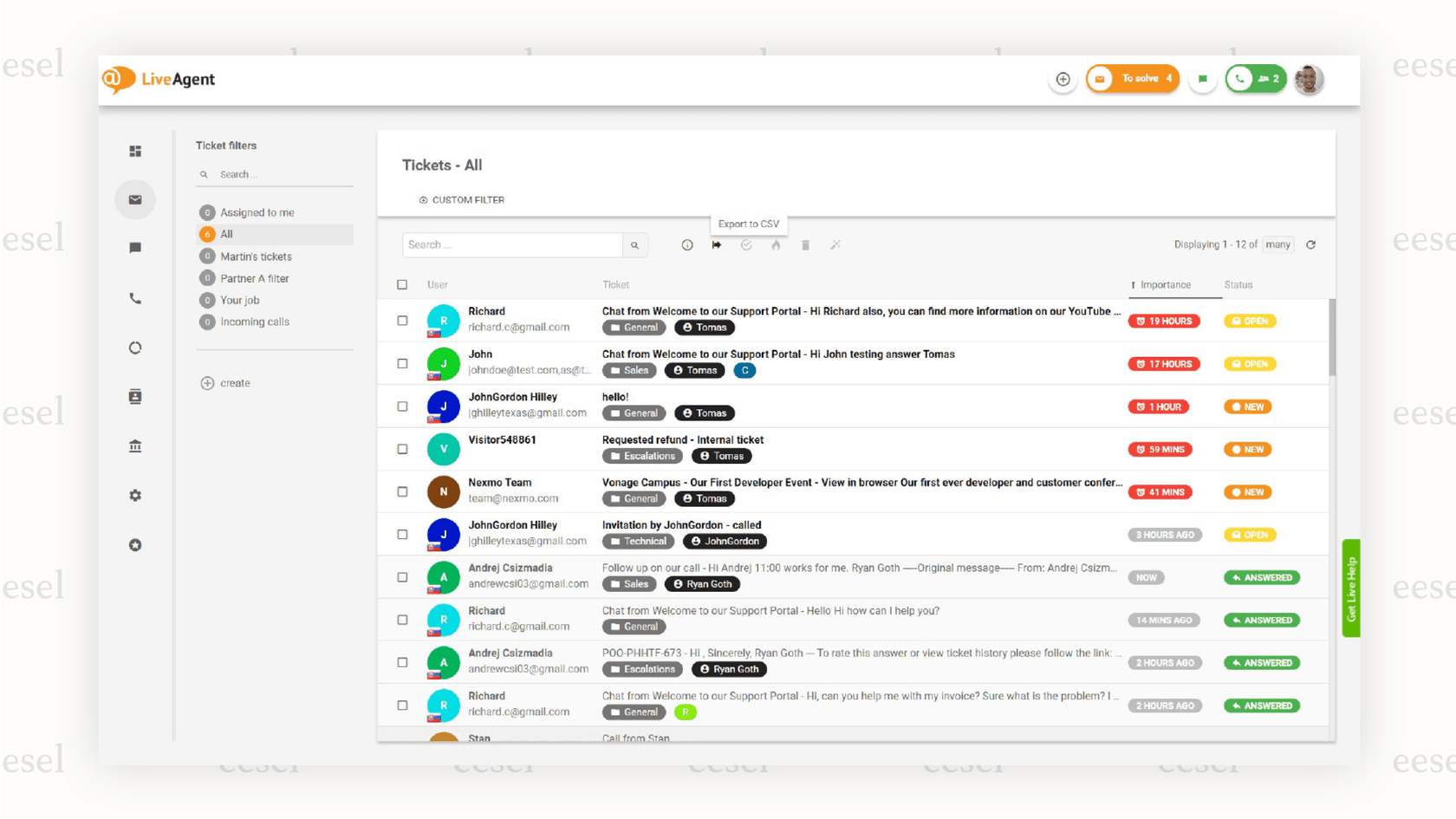
This tool offers a good mix of features for its price, especially for teams that are used to a traditional ticketing workflow. The AI capabilities are more manual, as you have to bring your own OpenAI API key, which means you're responsible for the setup and costs.
- Pricing: A free plan is available. Paid plans start at $15/agent/month.
9. HubSpot Service Hub
HubSpot's live chat is part of its Service Hub, and its real strength is how it connects with the HubSpot CRM. This allows for personalized conversations because your agents can see a customer's history with your company, from their first marketing email to their most recent sales call.
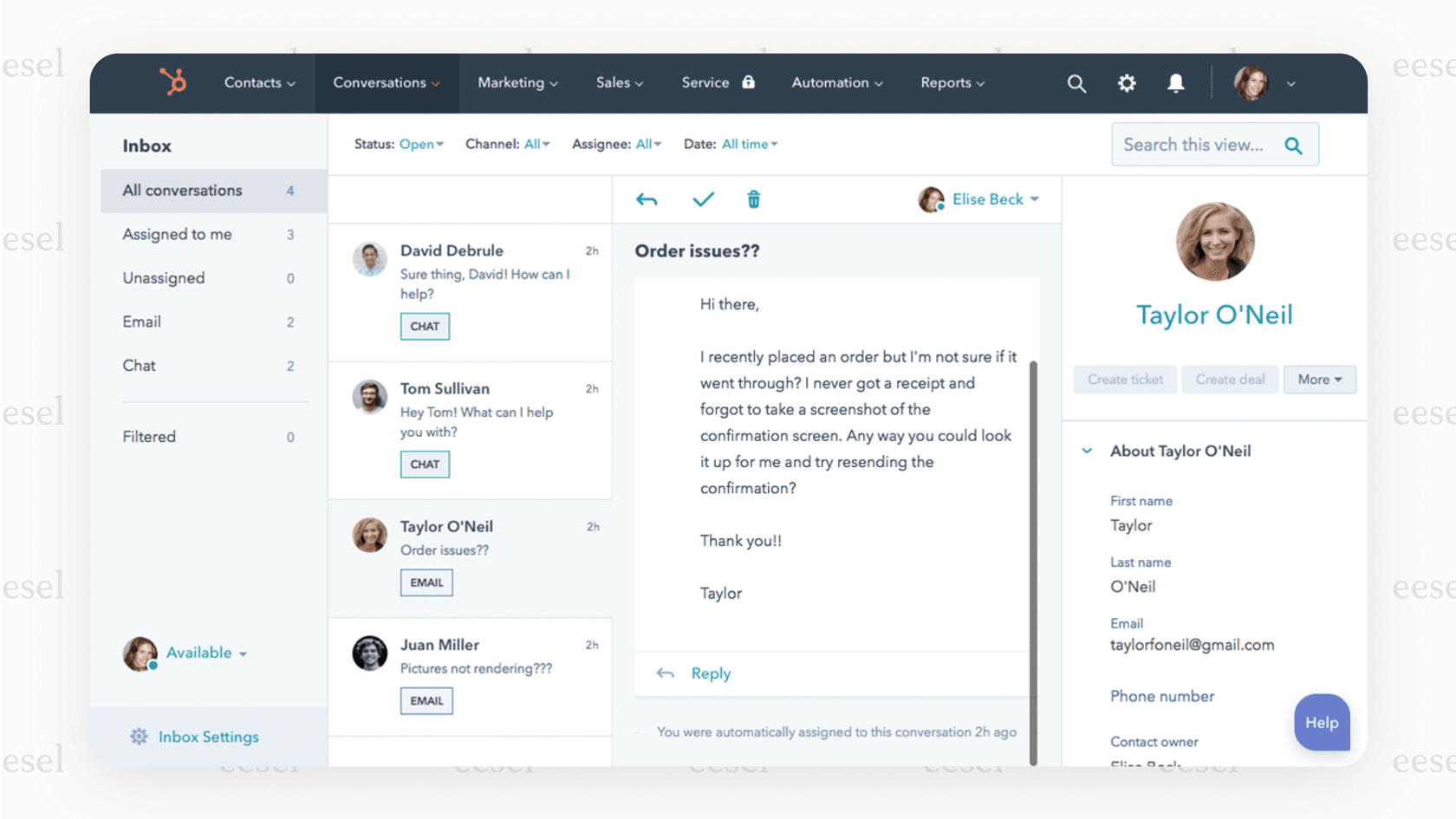
If your business already uses HubSpot for marketing or sales, adding its service chat is a logical next step. The automation works brilliantly for CRM-related tasks, providing a seamless experience for those within the HubSpot ecosystem. Its ability to draw on rich customer data makes it a powerful choice for personalized service. For businesses looking to expand their capabilities, HubSpot’s massive ecosystem and marketplace offer a wealth of integration options.
- Pricing: Free tools are available. The Service Hub Starter plan begins at $20/month.
How to choose the right live chat software for your business
So, how do you decide which one to go with? It really comes down to what you need your tools to do.
Pro tip: All-in-one platform vs. AI layer. This is the biggest choice you'll make. An all-in-one platform like HubSpot or Zendesk is a powerful and comprehensive choice that offers a complete, industry-leading suite of support tools in one place. An AI layer like eesel AI improves the tools you already have, giving you a fast way to add advanced automation to your existing workflow.
Here are a few things to think about:
- What's your main goal? Are you trying to boost sales, make support more efficient, or capture marketing leads? Pick a tool that's built for that purpose, like LiveChat for sales or HubSpot for integrated CRM-driven support.
- What tools do you already use? Choose something that connects easily with your current help desk, CRM, and knowledge sources.
- What will you need in the future? Try not to just solve today's problems. Pick a platform like HubSpot or Freshdesk that can grow with your team as your business and customer expectations change.
Transform your support with the right live chat software
A modern live chat tool is great to have, but you'll get the most out of it when you add a layer of intelligence. The point isn't just to have a chat function, but to make that chat smart. Whether you choose a market-leading platform like HubSpot or upgrade your current tools with an AI layer, the goal is the same: give your customers faster, more accurate, and more helpful support.
Ready to see how AI can improve your existing customer support? Try eesel AI for free and see how it learns from your data to automate support in minutes.
Frequently asked questions
What security features are essential when choosing a live chat software to keep customer data safe?
Look for data encryption both in transit and at rest, access controls, and compliance with standards like GDPR or SOC 2. Your provider should be transparent about their security practices, especially how they use your data for AI.
If we like our current help desk, do we have to switch to an all-in-one platform to get better live chat software?
No, you don't have to switch. You can often integrate a dedicated chat tool or, for more power, add an AI layer like eesel AI. This upgrades your current system without the disruption of a full platform migration.
How can you tell if a particular live chat software is better for sales or for customer support?
Check its core features. Tools built for sales, like Drift, will focus on lead qualification and booking meetings. Support-focused tools emphasize ticketing, integrations with help desks, and <a href="https://www.eesel.ai/blog/zendesk-ai-agent-assist-for-customer-support">AI-powered resolution and agent assistance</a>.
How much technical knowledge is needed to set up and manage a new live chat software?
Most modern platforms are designed to be user-friendly, requiring minimal technical skill for basic setup via a simple code snippet. However, advanced customization or integration with complex systems might require some developer help.