Running a BigCommerce store means juggling a lot: product listings, marketing, fulfillment, and customer support. That last one is where many merchants get stuck. Customers expect answers at 10 PM on a Sunday. They want to know where their order is, how to return an item, or whether you have something in stock. Hiring a team to cover every hour is expensive. Letting questions sit unanswered costs you sales.
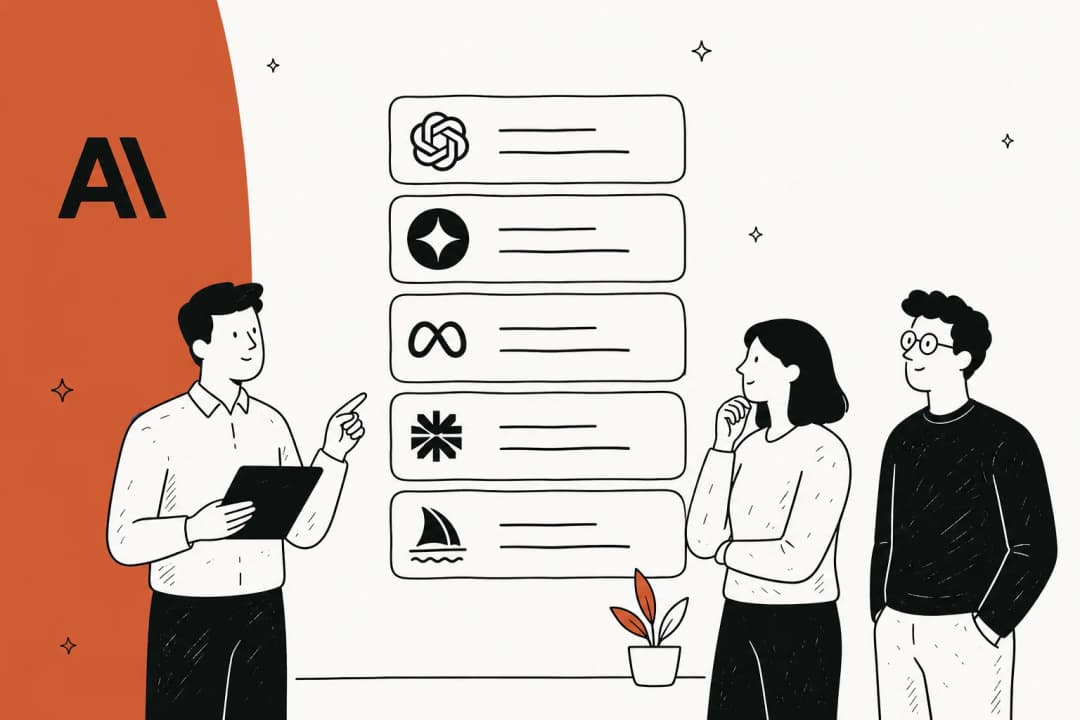
This is where AI support tools come in. The right AI can handle routine questions, track orders, process returns, and even recommend products to shoppers. But not all AI tools are built the same. Some just chat. Others actually take action.
In this guide, we compare six AI support tools that work with BigCommerce. We looked at what they can do, how much they cost, and how they integrate with your store. Whether you're just starting out or scaling fast, there's an option here for you.
AI chatbots vs AI agents: What is the difference for BigCommerce support?
Before diving into the tools, it helps to understand the distinction between two common terms: AI chatbots and AI agents.
AI chatbots are reactive. They answer questions, guide shoppers to information, and handle basic FAQs. Think of them as a smart search bar that can hold a conversation. They are great for deflecting simple inquiries like "What are your shipping times?" or "Do you ship to Canada?"
AI agents go further. They take real actions within your systems. An AI agent can look up an order, process a refund, update a delivery address, or add an item to an existing order. They don't just talk. They do.
For BigCommerce merchants, the distinction matters because your support needs likely span both. You need something that can answer pre-sale questions (chatbot territory) and handle post-purchase issues like returns and order changes (agent territory). Most stores benefit from a hybrid approach: conversational abilities for shoppers, action-taking capabilities for operations.
The tools below fall at different points on this spectrum. Some lean toward conversation. Others toward action. The best choice depends on what your store needs most.
Quick comparison: Best AI for BigCommerce support
| Tool | Starting price | Best for | Key strength | BigCommerce integration |
|---|---|---|---|---|
| eesel AI | $299/mo | Teams wanting a comprehensive AI teammate | All-in-one suite with Agent, Copilot, and Triage | Native, one-click setup |
| Minami AI | Custom | High-volume stores needing autonomous actions | Post-purchase automation (returns, exchanges, delivery issues) | Available |
| Zipchat AI | Custom | Sales-focused merchants | Product recommendations and conversational discovery | App available |
| Tidio | $0 (free plan) | SMBs, budget-conscious stores | Affordable entry point with visual bot builder | App available |
| Gorgias | $10/mo | High-volume ecommerce | Deep ecommerce integrations with 189 apps | Native, multi-store support |
| ELX Chatbot | Free | Simple setup needs | Purpose-built for BigCommerce, ~2 minute setup | Native app |
The 6 best AI support tools for BigCommerce
1. eesel AI
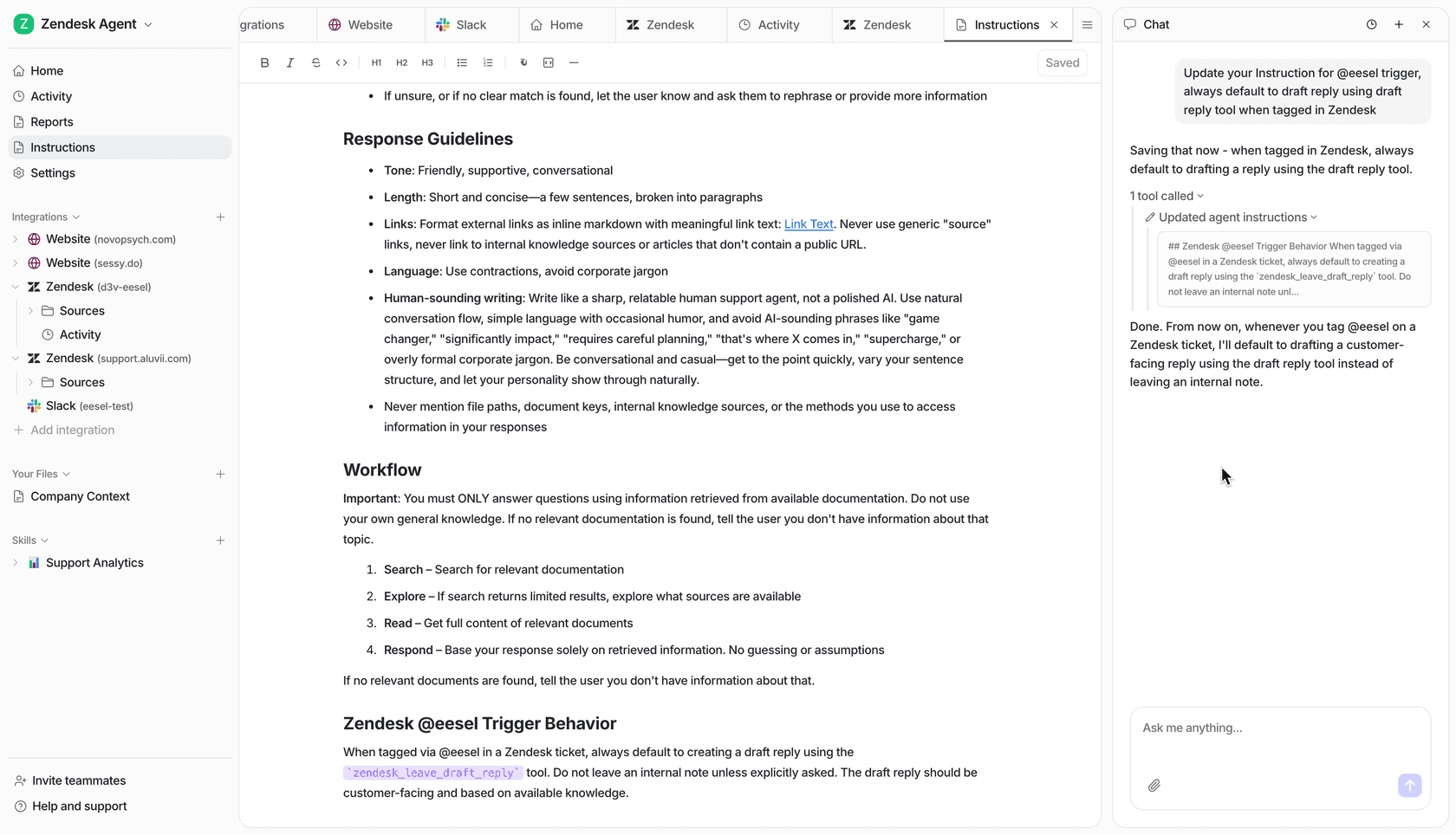
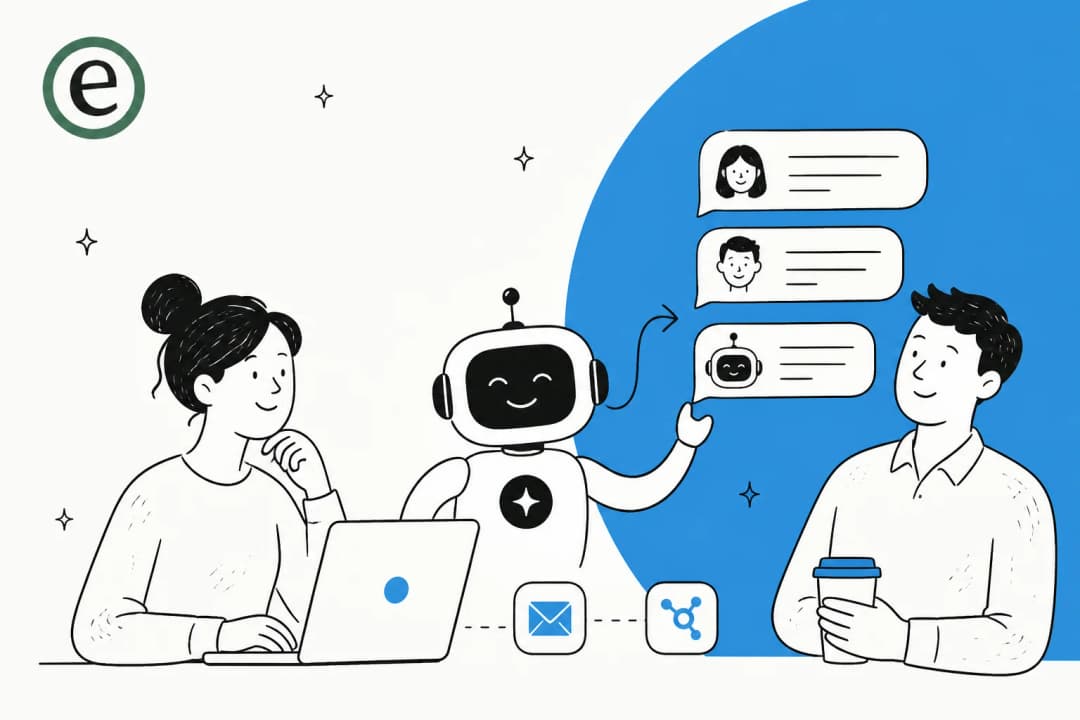
What it is: An AI teammate that learns your business and handles support end-to-end. Unlike tools you configure, eesel works more like a new hire: it learns from your past tickets, help center, and docs, then gradually takes on more responsibility as it proves itself.
Key capabilities:
- AI Agent: Autonomous ticket resolution with up to 81% resolution rate in mature deployments. Handles frontline support across email, chat, and social.
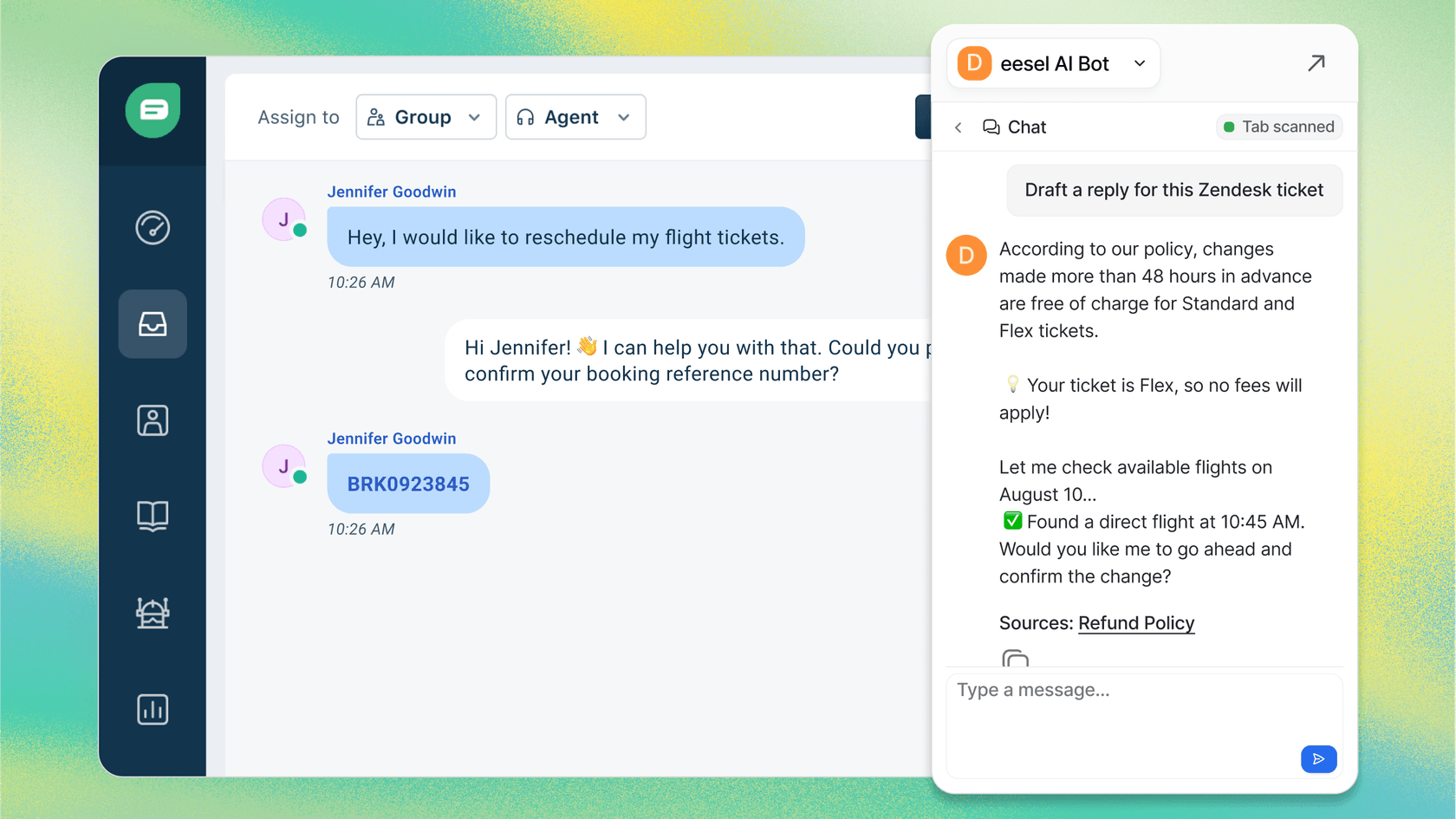
- AI Copilot: Drafts replies for human agents to review and send. Good for teams that want AI assistance without full automation.
- AI Triage: Auto-tags, routes, merges, and closes tickets automatically. Keeps your queue clean without manual effort.
- BigCommerce integration: Real-time order lookups, refund processing, product catalog sync, and customer data access through a native integration.
How it works: Connect eesel to your help desk (Zendesk, Freshdesk, Gorgias, and others). We immediately learn from your existing data: past tickets, macros, help center articles, and connected docs like Confluence or Notion. You start with oversight (we draft replies for review), then expand to full autonomy as confidence grows.
Pricing:
| Plan | Monthly | Annual | What is included |
|---|---|---|---|
| Team | $299 | $239/mo | Up to 3 bots, 1,000 interactions, AI Copilot, Slack |
| Business | $799 | $639/mo | Unlimited bots, 3,000 interactions, AI Agent, AI Triage, bulk simulation |
| Custom | Contact sales | Contact sales | Unlimited interactions, multi-agent orchestration, custom integrations |
All plans include AI Agent, Copilot, Triage, and Chatbot. You pay per interaction, not per seat. There's a 7-day free trial.
Best for: Teams that want a comprehensive AI teammate that actually resolves tickets, not just chats. Our progressive rollout approach (start with guidance, level up to autonomy based on performance) makes it easier to trust the AI before giving it full control.
Learn more about eesel AI for BigCommerce →
2. Minami AI
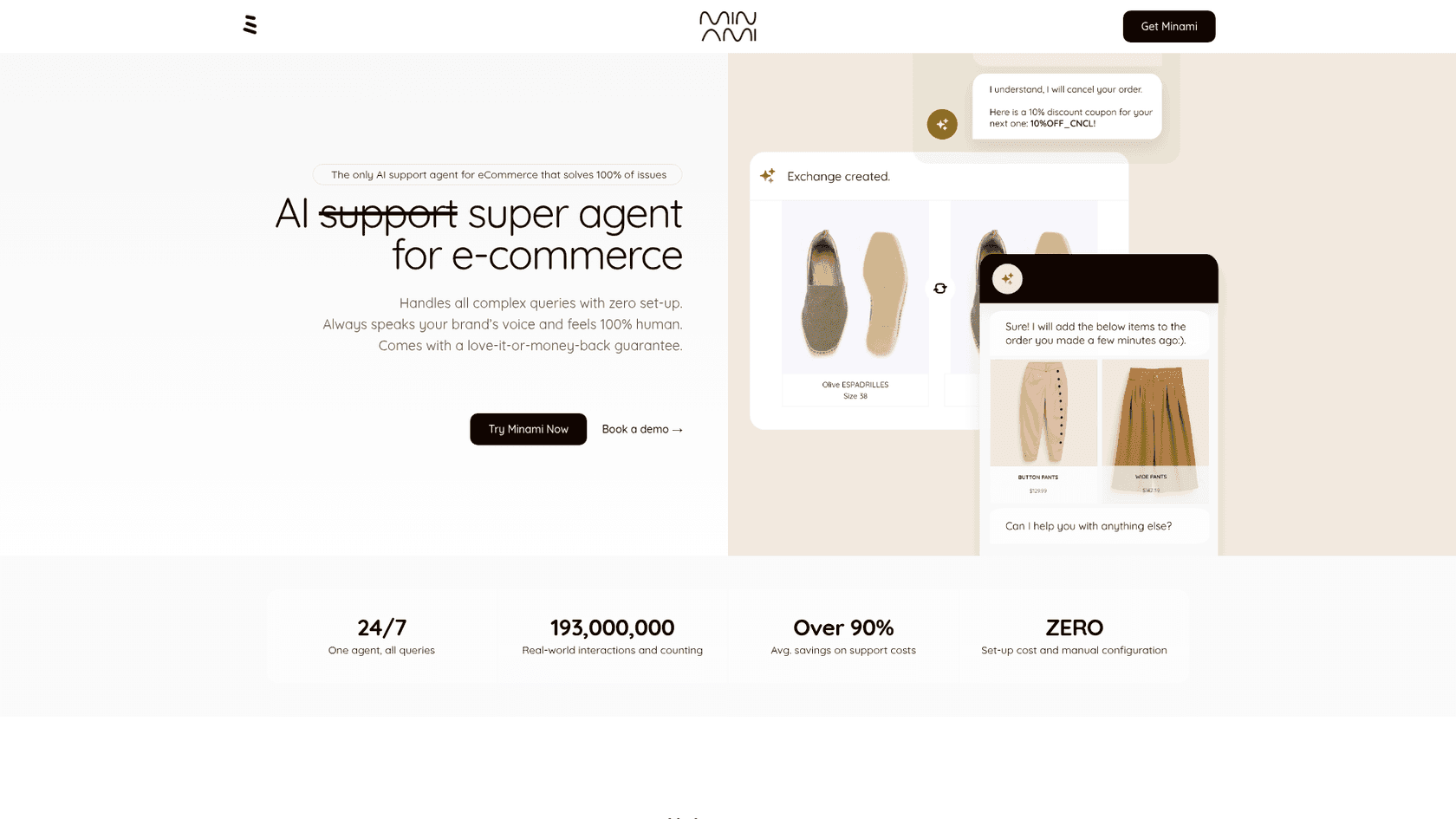
What it is: An autonomous AI agent built specifically for ecommerce. Minami focuses heavily on taking real actions rather than just having conversations. It processes returns, updates orders, communicates with couriers, and handles delivery issues without human intervention.
Key capabilities:
- Order modifications: Add or remove items from paid orders before fulfillment. Customers can self-serve changes instead of contacting support.
- Autonomous cancellations: Let customers cancel eligible orders directly through chat, reducing angry emails and manual work.
- Delivery incident handling: Resolves 90% of delivery issues automatically, including lost packages, damaged items, and false "delivered" scans.
- WISMO elimination: Reduces "Where Is My Order" queries to zero with proactive tracking updates.
- Courier communication: Handles over 80% of courier communication, including address changes and delay issues.
- Returns and exchanges: Guides customers through the entire returns process while suggesting alternatives to save the sale.
Minami is built on over 10 years of ecommerce training data and 193 million real customer interactions. The company claims an average of 90%+ savings on support costs and offers a 100% money-back guarantee for new accounts.
Pricing: Custom pricing only. Contact sales for a quote.
Best for: Stores that want autonomous post-purchase handling. If your biggest pain point is returns, exchanges, and delivery issues, Minami is purpose-built for those workflows.
3. Zipchat AI
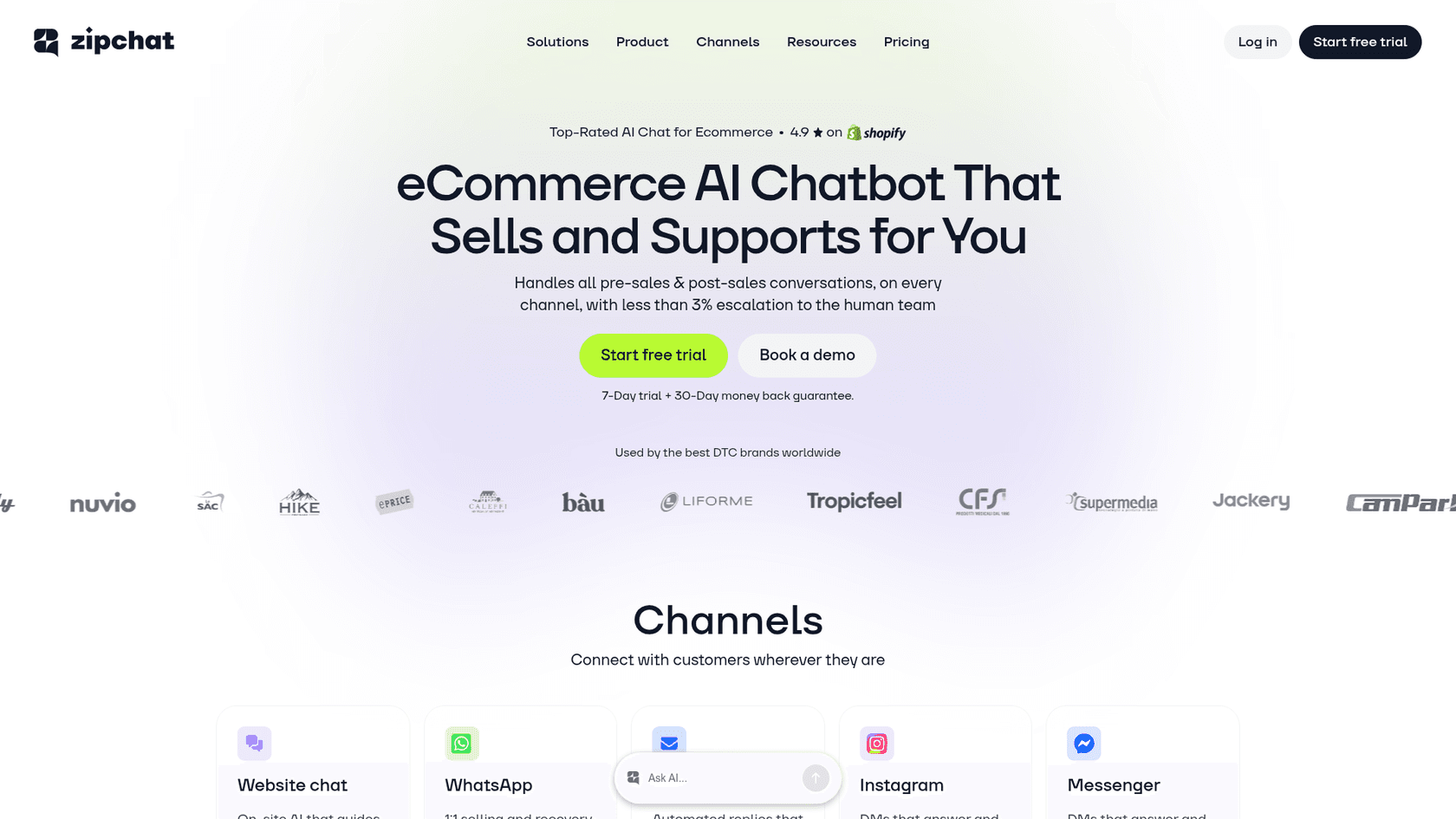
What it is: An ecommerce-focused AI chatbot with strong sales capabilities. Zipchat emphasizes product recommendations and conversational product discovery to drive conversions, not just answer questions.
Key capabilities:
- Product catalog sync: Automatic synchronization with your BigCommerce store.
- Order tracking: Help customers check order status without human intervention.
- Conversational product discovery: Guide shoppers to products through natural conversation.
- Multilingual support: Handle customers in multiple languages.
- Custom training: Train the AI on your specific products and policies.
- Analytics dashboard: Track conversation metrics and performance.
Zipchat positions itself as a sales tool first, support tool second. The idea is to turn chat into a revenue channel rather than just a cost center.
Pricing: Tiered plans from Starter to Enterprise. Exact pricing requires contacting sales or signing up for specific details.
Best for: Stores that prioritize sales conversion through chat. If your main goal is helping shoppers find products and complete purchases, Zipchat is worth evaluating.
4. Tidio
What it is: A plug-and-play chat widget with AI capabilities. Tidio is popular with smaller stores because it offers a genuine free plan and an affordable entry point into AI support.
Key capabilities:
- Lyro AI Agent: An AI agent that solves up to 67% of customer problems automatically. The first 50 Lyro conversations are free for life.
- Visual bot builder: Create chat flows without coding using ecommerce templates.
- Live chat + AI hybrid: Seamless handoff between AI and human agents.
- Omnichannel inbox: Manage chat, email, and Messenger in one place.
- Flows: No-code conversion paths for lead generation and sales.
- Copilot: AI reply assistant for human agents.
Tidio is used by brands like Under Armour, The Body Shop, and Stanley. The platform focuses on simplicity and quick setup.
Pricing:
| Plan | Monthly | Annual | What is included |
|---|---|---|---|
| Free | $0 | $0 | 50 billable conversations, 100 Flows visitors |
| Starter | $29 | $24.17/mo | 100 billable conversations, 50 Lyro conversations |
| Growth | $59+ | $49.17+/mo | From 250 billable conversations |
| Plus | $749+ | Contact sales | Custom billable conversations, departments, multiproject |
| Premium | Contact sales | Contact sales | From 3,000 Lyro conversations, 50% resolution guarantee |
Lyro AI Agent starts at $32.50/mo for 50 conversations.
Best for: SMBs and startups needing budget-friendly support automation. The free plan lets you test the waters before committing.
5. Gorgias
What it is: A helpdesk platform with AI automation built specifically for ecommerce. Gorgias is used by 15,000+ brands including Steve Madden, OLIPOP, and Princess Polly. It combines a traditional helpdesk with an AI Agent for automated support.
Key capabilities:
- Helpdesk: All-in-one support hub with ticket management, macros, and team collaboration.
- AI Agent: Always-on ecommerce expert that handles pre and post-sales FAQs, returns, refunds, order edits, and product recommendations.
- Intent-based automation: Macros trigger based on what the customer is asking, not just keywords.
- Revenue attribution: Dashboards showing how support interactions drive sales.
- Multichannel support: Email, chat, social, and SMS in one place.
- Deep integrations: 189 apps including Shopify, BigCommerce, Klaviyo, Yotpo, and Recharge.
Gorgias offers unlimited multi-store support for BigCommerce merchants running multiple storefronts.
Pricing:
| Plan | Monthly | Annual | Tickets/month | AI interactions |
|---|---|---|---|---|
| Starter | $10 | $10 | 50 | $1.00 per resolution |
| Basic | $60 | $50/mo | 300 | 60 included |
| Pro | $360 | $300/mo | 2,000 | 600 included |
| Advanced | $900 | $750/mo | 5,000 | 2,500 included |
| Enterprise | Custom | Custom | 5,000+ | Custom |
AI Agent costs $0.90 per resolved conversation on annual plans, $1.00 on monthly plans.
Best for: High-volume stores needing an integrated helpdesk plus AI. If you're outgrowing simple chat widgets and need a full support platform, Gorgias is a strong contender.
6. ELX Chatbot
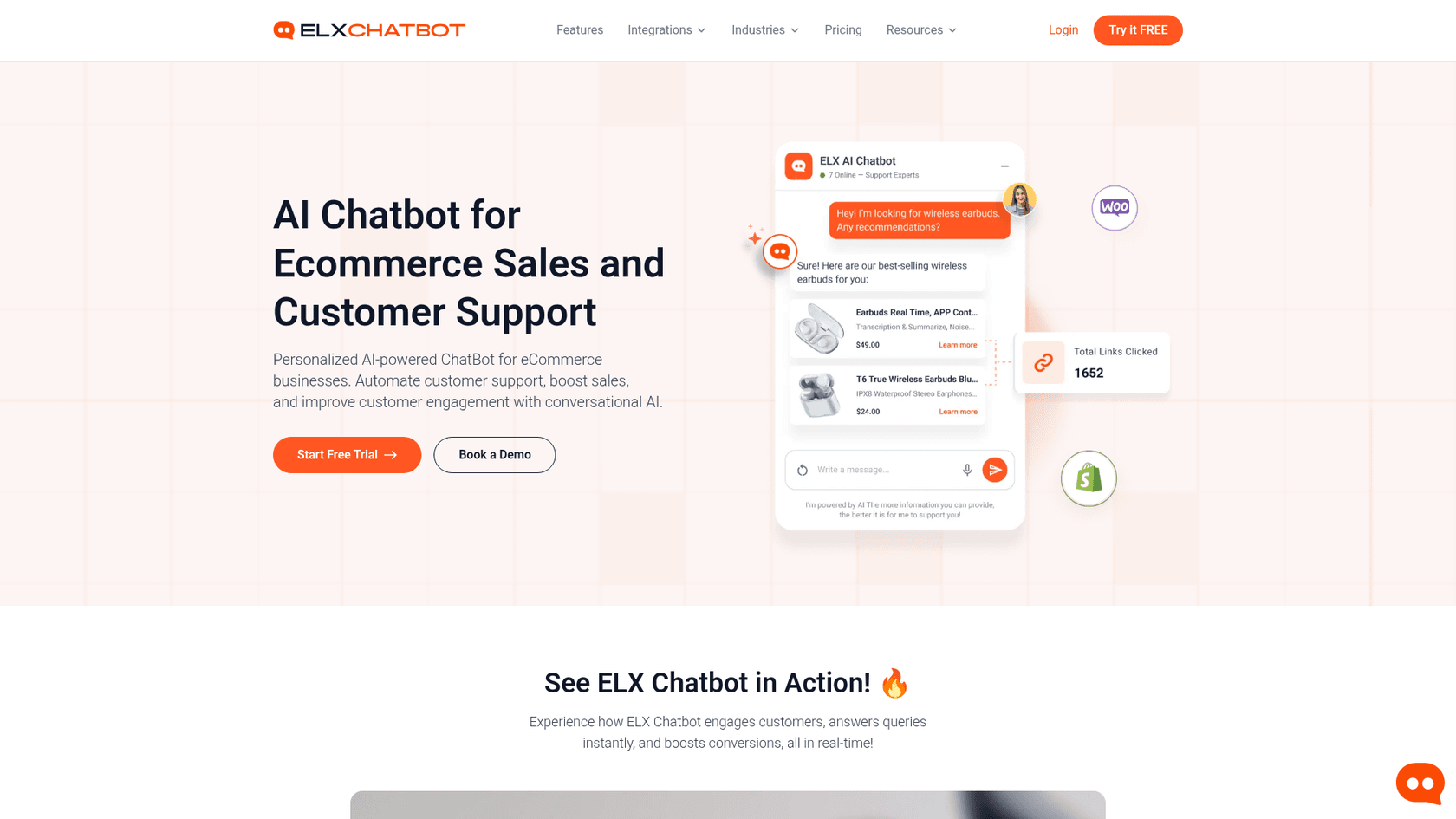
What it is: A BigCommerce-specific AI chatbot available on the BigCommerce App Marketplace. ELX is purpose-built for BigCommerce merchants who want a simple, store-specific solution without complex configuration.
Key capabilities:
- Smart live chat: 24/7 customer question answering.
- Product understanding: Understands products, variants, and availability.
- Instant answers: Handles FAQs, order queries, and product questions.
- Multilingual support: Automatic language detection.
- Human handoff: Switch to human agents seamlessly when needed.
- Performance insights: Track conversations and resolution rates.
- Automatic product sync: Pulls product data for recommendations.
- Order tracking: Real-time order status updates.
- Smart FAQ automation: Scans FAQ pages automatically.
ELX claims a ~2 minute setup time and offers metrics like 60% operational cost reduction, 23% sales increase, and 40% engagement increase.
Pricing: Free tier available. Paid plans for advanced features (specific pricing not detailed on the marketplace listing).
Best for: Merchants wanting a simple, store-specific solution. If you want something built specifically for BigCommerce with minimal setup friction, ELX is worth considering.
Learn more about ELX Chatbot →
How to choose the right AI support tool for your BigCommerce store
With six solid options, how do you pick? Here is a framework to help you decide.
Evaluate your volume. Low volume stores (under 100 tickets per month) can start with simpler, cheaper tools like Tidio or ELX Chatbot. High volume stores (thousands of tickets) need robust platforms like eesel AI, Gorgias, or Minami that can handle scale without breaking.
Consider your tech stack. If you already use Zendesk, Freshdesk, or another helpdesk, make sure your AI tool integrates natively. Switching helpdesks just for AI features is usually not worth the disruption. We integrate with all major helpdesks, so you can keep your existing setup.
Test before committing. Look for simulation modes or free trials. The best AI tools let you see how they would handle your actual tickets before going live. We offer bulk simulation on past tickets so you can measure quality before customers see a single AI response.
Check action capabilities. Can the AI actually do things, or just chat? If you need order modifications, refunds, and returns handled automatically, prioritize agents over chatbots. Tools like Minami and eesel AI focus on action-taking, while Tidio and ELX lean more toward conversation.
Factor in growth. Choose a solution that scales with your business. Per-interaction pricing (like ours) often works better for growing stores than per-agent pricing, which penalizes you for adding team members.
Pricing model matters. Per-interaction vs per-agent vs per-ticket. Calculate based on your volume. A tool that looks cheap at low volume can get expensive fast as you grow.
Getting started with AI support for BigCommerce
Once you have chosen a tool, here is how to roll it out successfully.
Start with a clear scope. Define what the AI should handle versus what it should escalate. Common starting points: order tracking, FAQs, and password resets. Save complex issues like billing disputes and VIP complaints for humans.
Train on real data. The best AI learns from your past tickets and help center content, not generic ecommerce data. Feed it your actual conversations so it learns your tone, policies, and common issues.
Begin with oversight. Have the AI draft replies before sending autonomously. This lets you verify quality and catch any misunderstandings before customers see them. Gradually expand autonomy as confidence grows.
Monitor and refine. Track resolution rates, customer satisfaction, and escalation patterns. Good AI tools improve over time through feedback. When you correct a response, the AI should learn from it.
Scale gradually. Expand the AI's scope as performance proves itself. Start with one channel (like chat), then add email. Start with simple tickets, then add more complex workflows. The goal is steady progress, not overnight transformation.