If your team handles under 500 tickets a month, Zendesk's intuitive setup wins on speed, typically under two weeks to first resolution. Past 2,000 tickets or with a complex engineering backlog, Jira Service Management’s deep integration with Jira Software pulls ahead on technical accuracy. Full breakdown of the 2026 landscape below.
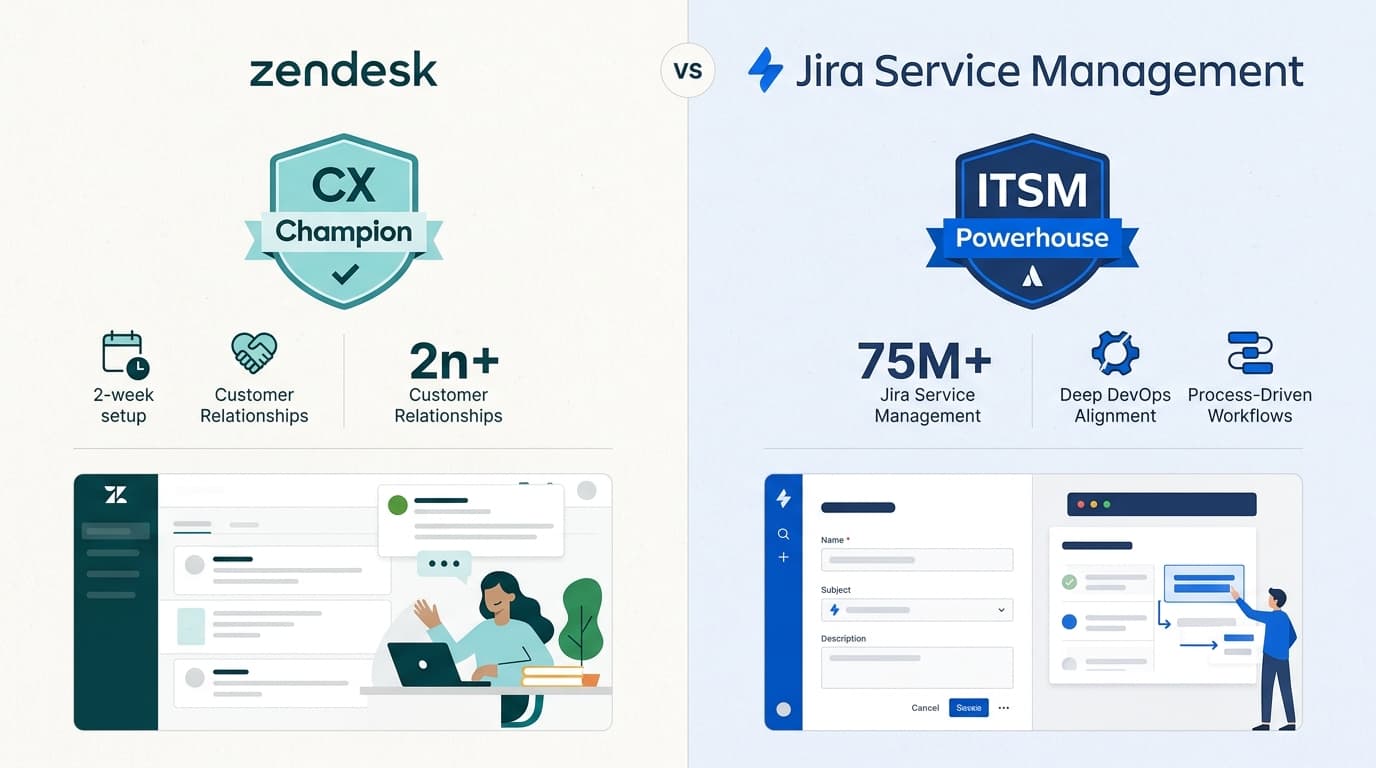
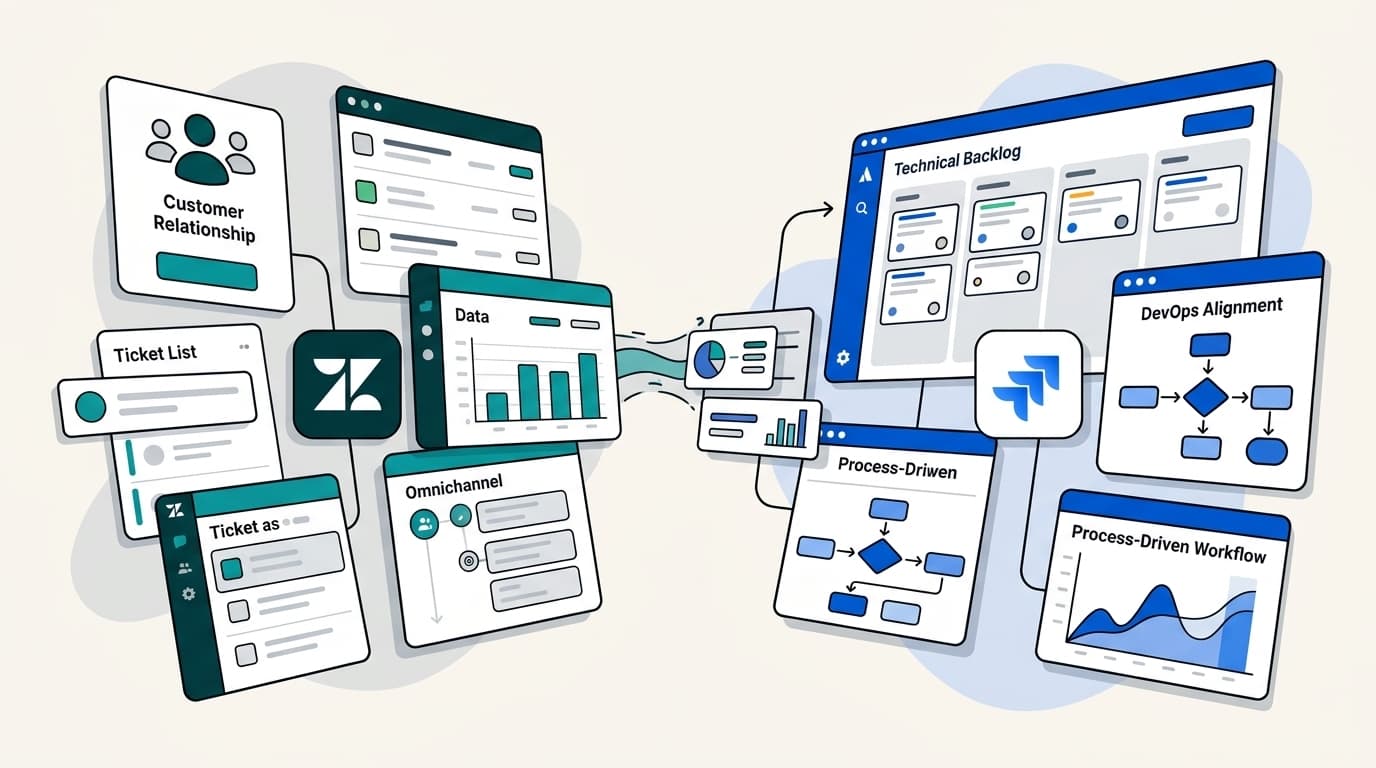
The tension between a customer-centric support tool and a process-driven IT platform is a classic headache for growing teams. In 2026, the gap has narrowed as both platforms lean heavily into autonomous AI, but their core philosophies remain worlds apart. Whether you are looking to champion the customer experience or streamline complex technical workflows, the choice between Zendesk and Jira Service Management (JSM) often comes down to who your users are and what they need to achieve.
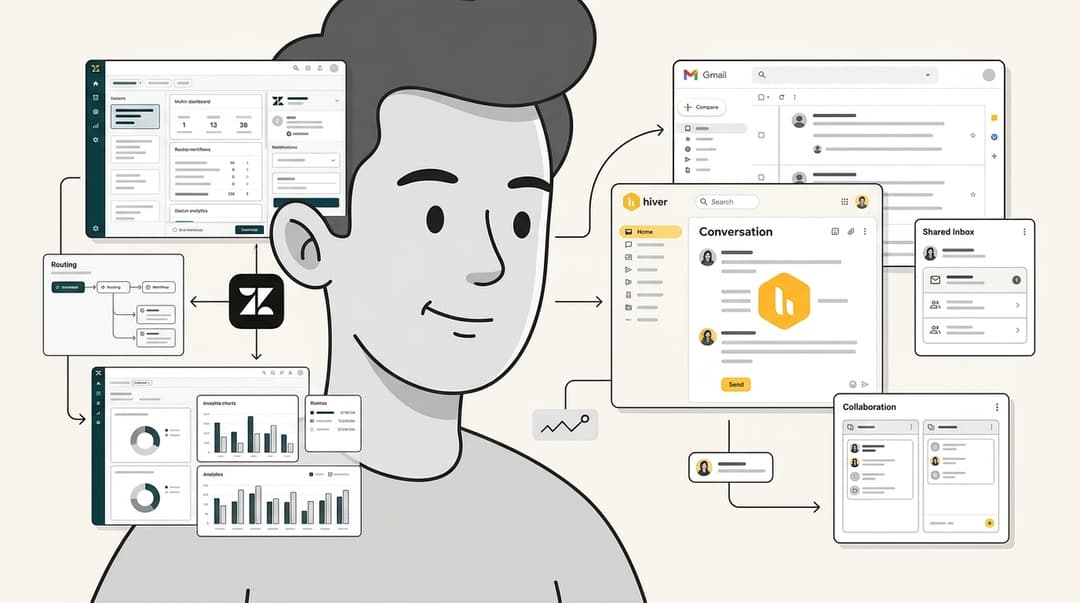
But before we dive into the feature-by-feature comparison, there is a third option many teams are choosing in 2026. Instead of ripping and replacing your current stack, you can hire an eesel AI Helpdesk Agent to unify your knowledge across both platforms. We built eesel AI to act as a teammate that learns from your Zendesk tickets and your Jira documentation simultaneously, ensuring your customers get the right answer regardless of where the data lives.
What is Zendesk?
Zendesk has long been the "CX Champion," designed from the ground up to prioritize the customer experience. Its core philosophy centers on simplicity, speed, and building long-term customer relationships. For teams that need to be where their customers are, Zendesk offers native omnichannel support across email, chat, voice, and social messaging platforms like WhatsApp and Instagram.
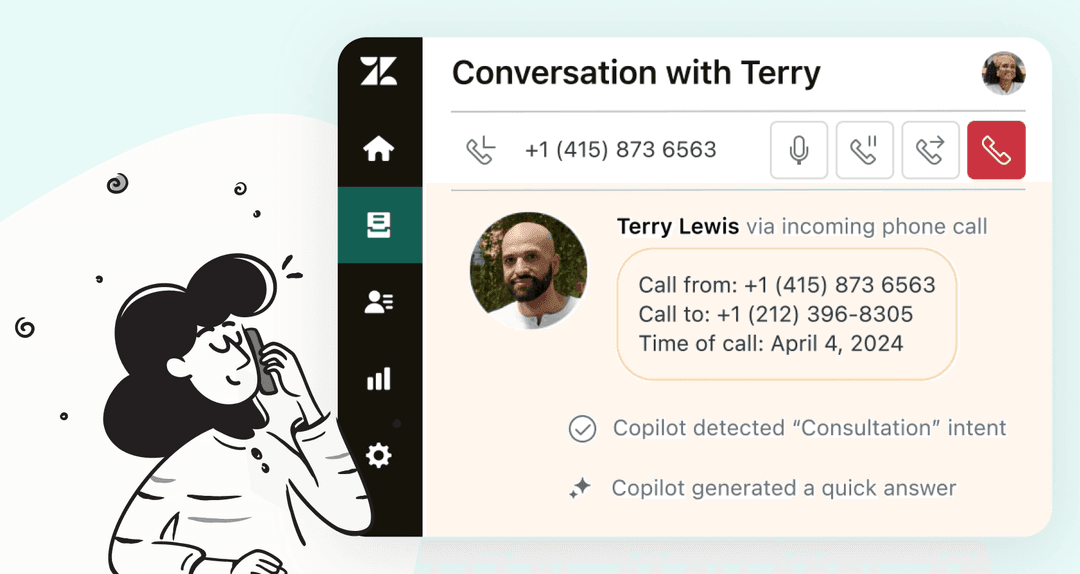
The platform's Unified Agent Workspace is its standout feature. It provides a single interface where agents can handle conversations from any channel without losing context. This conversational model makes it ideal for B2C companies and e-commerce brands where the speed of response and a friendly, personal touch are non-negotiable.
In 2026, Zendesk has doubled down on its AI-first mission. It is no longer just a ticketing system; it is a resolution platform that uses autonomous bots to handle up to 80 percent of common inquiries. However, this focus on external customer support means it often lacks the deep internal process structures found in IT-centric tools. It is built to resolve conversations, not necessarily to manage complex engineering changes or hardware assets.
What is Jira Service Management?
Jira Service Management, or JSM, is Atlassian's "ITSM Powerhouse." While Zendesk looks outward at the customer, JSM often looks inward at the organization's technical health. Built on the same platform as Jira Software, it is designed to unify development, operations, and IT teams on a single high-velocity platform.
JSM is strictly ITIL-aligned, offering robust frameworks for incident, change, problem, and asset management. If your support team regularly needs to escalate issues to engineering, JSM makes this seamless.
A customer report in JSM can be linked directly to a bug in Jira Software, giving developers full context without ever leaving their preferred environment.
The platform's strength lies in its integration with the Atlassian ecosystem. Teams already using Confluence for documentation or Bitbucket for code find JSM to be a natural extension of their existing workflows. In 2026, Atlassian has introduced Rovo, an AI-powered search and chat tool that helps employees find information across their entire technical stack, further cementing JSM's position as the go-to choice for IT-heavy organizations.
Key feature comparison: Zendesk vs Jira Service Management
When evaluating zendesk-vs-jira-service-management, the feature sets reflect their different starting points. Zendesk is conversational and fluid, while JSM is structured and process-oriented.
Ticketing vs. issue tracking
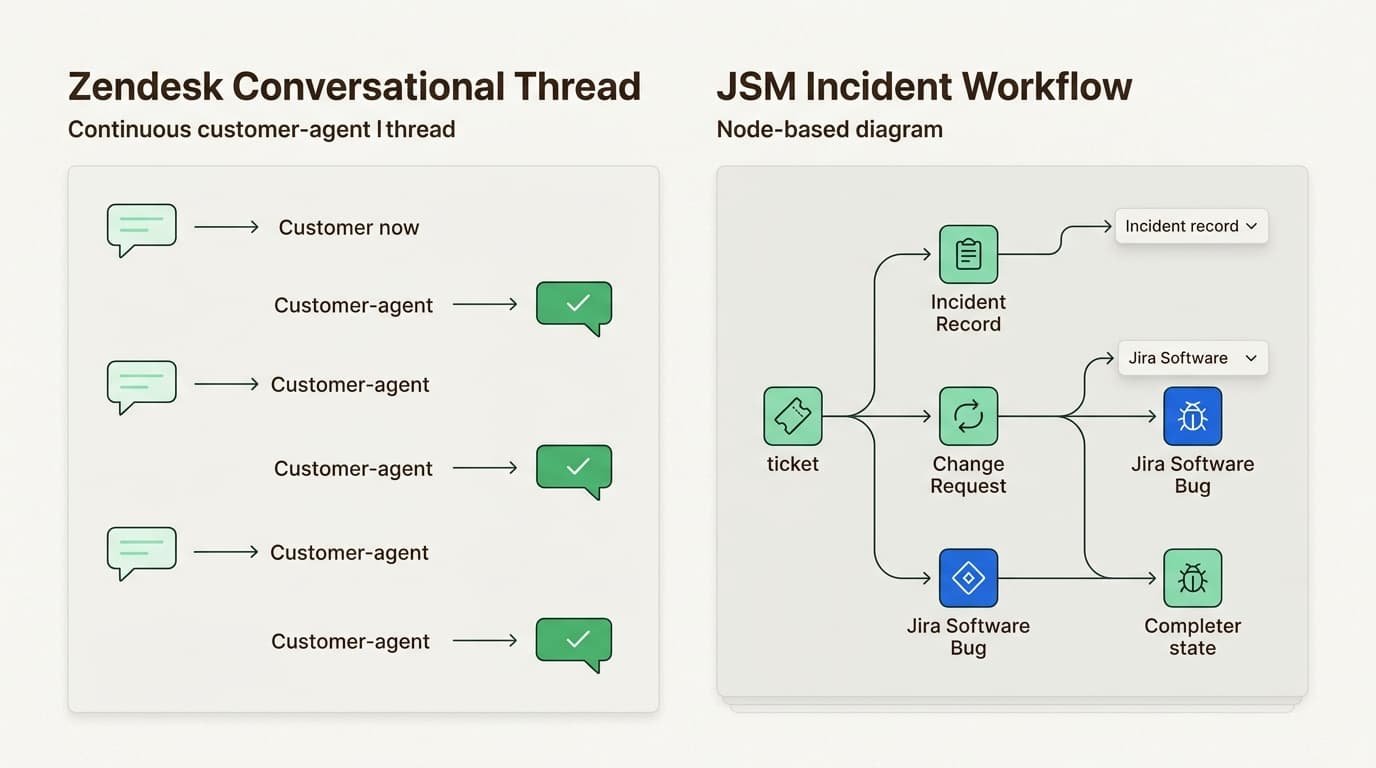
Zendesk uses a conversational ticketing model. Every interaction is part of a larger customer thread, making it feel like a continuous dialogue. This is perfect for resolving a "where is my order" request or a simple login issue.
Jira Service Management, however, treats every ticket as an "issue" with a specific workflow. This structure is essential for incident management, where you need to track dependencies, root causes, and deployment gates. While JSM has improved its conversational interface in 2026, it still feels more like a project management tool than a chat app.
Knowledge management
Zendesk Guide is natively integrated, allowing agents to pull help center articles directly into their responses. It is intuitive and easy to manage for non-technical content creators.
JSM relies on Confluence for its knowledge base. While Confluence is incredibly powerful for internal wikis and technical documentation, it can sometimes feel like overkill for a simple customer-facing FAQ. However, the ability to have a single source of truth for both internal "runbooks" and external "how-to guides" is a significant advantage for technical teams.
AI capabilities
The 2026 AI landscape for zendesk-vs-jira-service-management shows two different approaches to automation. Zendesk AI Agents are built for the customer, focused on autonomous resolution and tone adjustment. They reason and adapt independently to delight customers while reducing costs.
Atlassian Intelligence is more focused on team productivity and IT operations. Features like AI risk assessment for changes and AIOps for alert grouping are designed to help IT teams work faster. For employee support, JSM uses a Virtual Service Agent that resolves issues within Slack and Microsoft Teams, which is where most internal support happens anyway.
Comparison of core features
| Feature | Zendesk | JSM | Recommendation |
|---|---|---|---|
| Primary Focus | External Customer Experience (CX) | Internal IT & DevOps (ITSM) | Zendesk for B2C; JSM for B2B/IT |
| Omnichannel | Native support for 80+ channels | Strongest in Slack/MS Teams | Zendesk for social/messaging |
| Workflows | Simple, automation-focused | ITIL-aligned, complex processes | JSM for technical compliance |
| AI Focus | Autonomous customer resolution | Agent productivity and AIOps | Zendesk for volume; JSM for speed |
| Ease of Use | Low learning curve | Steep, technical learning curve | Zendesk for non-tech teams |
Pricing comparison in 2026
One of the most critical factors in the zendesk-vs-jira-service-management debate is the total cost of ownership. Both platforms have shifted toward per-agent monthly models, but their add-on structures vary significantly.
Zendesk pricing tiers
Zendesk pricing is straightforward but can scale quickly as you add advanced features. Most growing teams start with the Suite Team or Professional plans to unlock omnichannel support and AI capabilities.
| Plan | Price (Annual) | Price (Monthly) | Key Features |
|---|---|---|---|
| Support Team | $19/agent | $25/agent | Basic email and ticketing |
| Suite Team | $55/agent | $69/agent | Omnichannel, AI Agents (Essential) |
| Suite Professional | $115/agent | $149/agent | HIPAA, skills-based routing, SLAs |
| Suite Enterprise | $169/agent | $219/agent | Sandbox, custom roles, audit logs |
Note that advanced AI features in Zendesk often require add-ons. For instance, the Agent Copilot is a $50 per agent, per month add-on, and Workforce Management costs an additional $25 per agent, per month.
Jira Service Management pricing tiers
JSM pricing offers a generous free tier for small teams, making it an attractive entry point. Their Premium and Enterprise tiers are built for scale, including unlimited storage and advanced AIOps.
| Plan | Price (Monthly) | Key Features |
|---|---|---|
| Free | $0 | Up to 3 agents, 2GB storage |
| Standard | $20/agent | 100,000 agents, 250GB storage |
| Premium | $51.42/agent | Virtual Agent, AIOps, Assets |
| Enterprise | Custom | Unlimited sites, Atlassian Guard |
JSM's "hidden costs" usually come from the Atlassian ecosystem. While the base product is often cheaper than Zendesk, you may find yourself paying for extra Assets objects or Atlassian Guard to handle enterprise-grade identity management.
The better way: Unify your support stack with eesel AI
Choosing between Zendesk and JSM often feels like picking between your customers and your developers. In 2026, the most successful teams are realizing they do not have to choose. They hire an eesel AI Helpdesk Agent to act as the glue between their fragmented tools.
Our AI teammate is not another platform you need to configure with rigid decision trees. You hire eesel AI just like you would a human teammate. Within minutes, it connects to your Zendesk tickets, your Confluence documentation, and your internal Slack channels. It learns your business context, tone, and policies by reading your existing data, no manual training required.
Bridge the gap with instant knowledge sync
One of the biggest pain points in the zendesk-vs-jira-service-management comparison is that information is often siloed. Your support team knows the customer's frustration in Zendesk, but the technical solution is buried in a Jira issue or a Confluence page.
We designed eesel AI to unify these sources. When a customer asks a technical question in Zendesk, our AI teammate can pull the answer directly from your JSM documentation. It bridges the gap between your CX and ITSM tools, ensuring that "the right hand knows what the left hand is doing."
Simulation and testing before going live
Most AI tools are black boxes. You turn them on and hope they do not say something embarrassing to a customer. With our AI Helpdesk Agent, you can run simulations on thousands of your past tickets before ever going live.
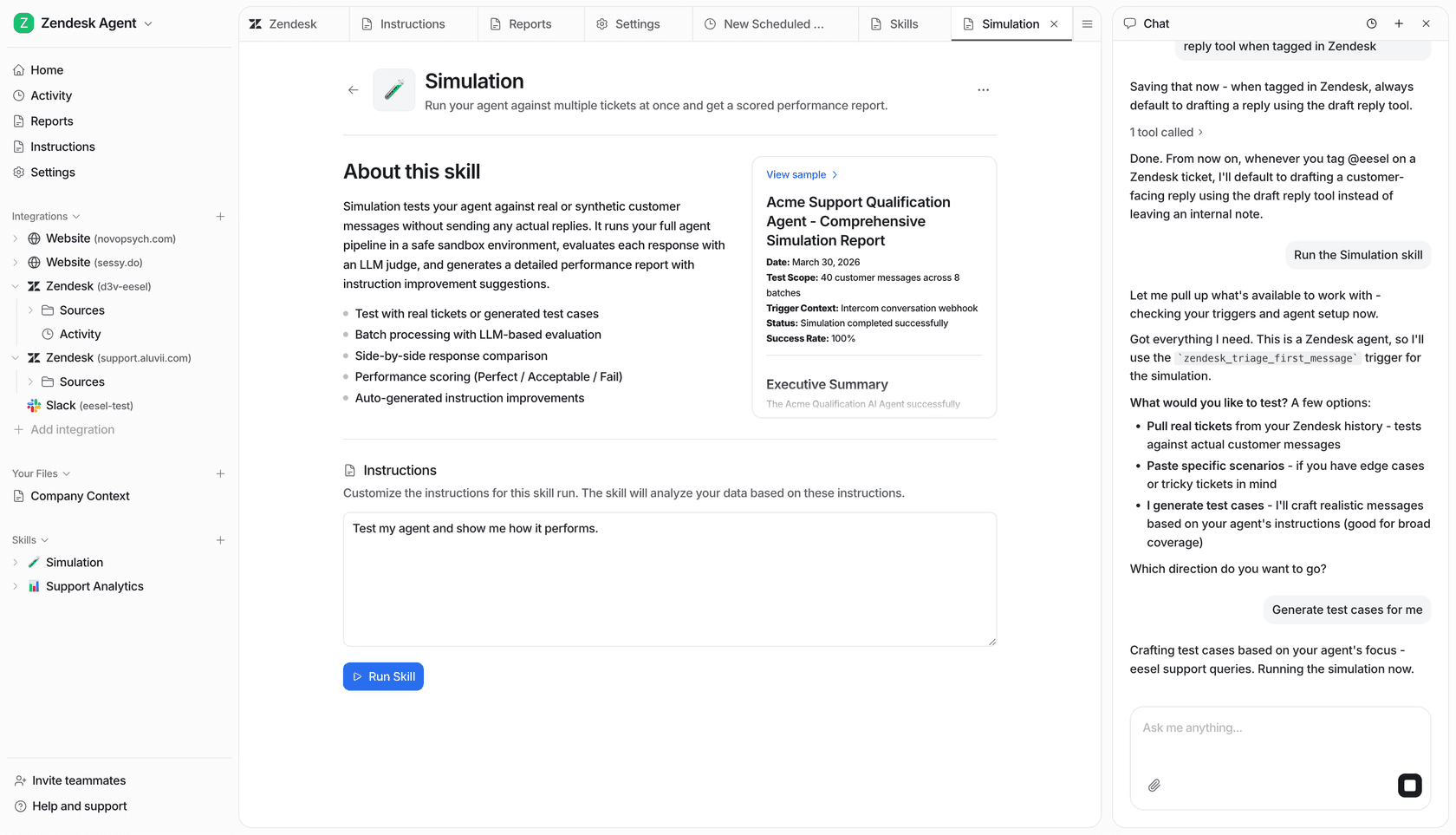
This allows you to see exactly how your AI teammate would respond to your real-world scenarios. You can measure its resolution rates, identify knowledge gaps, and tune its instructions in plain English. You only promote eesel AI to a customer-facing role once it has earned your trust through proven performance.
Predictable pricing with no per-resolution fees
Zendesk's 2026 pricing model has introduced automated resolution fees that can make your monthly bill unpredictable. After your small monthly allowance, you pay $1.50 to $2.00 for every resolution the AI handles.
At eesel AI, we believe you should not be penalized for being successful. Our pricing is built for predictability. We charge a flat $0.40 per task, regardless of how many replies are in a thread. Whether your AI teammate resolves the issue in one message or ten, your cost stays the same. This makes it much easier to forecast your support budget as you scale.
Choosing the right platform for your team
So, in the battle of zendesk-vs-jira-service-management, who wins? The answer depends entirely on your team's DNA and your primary support objectives.
Pick Zendesk if:
- You are B2C-focused: Your customers expect fast, conversational support on WhatsApp, Instagram, and Facebook.
- You value ease of use: You need a platform that your team can get up and running in days, not months.
- You need a conversational model: Your support is more about building relationships than following rigid ITIL processes.
- You have a non-technical team: You want an intuitive interface that does not require knowledge of JQL or complex ticketing structures.
Pick Jira Service Management if:
- You are an IT-heavy shop: Your primary goal is managing internal hardware, software incidents, and change requests.
- You already live in Jira: Your engineering and support teams need to work in the same ecosystem to be effective.
- You need strict ITIL compliance: You require formal incident, problem, and asset management frameworks.
- You have a technical user base: Your agents are comfortable with complex configurations and value deep integration with development tools.
Final Verdict
Bottom line? Do not feel pressured to rip and replace your existing tools. The most effective strategy in 2026 is to level up your current stack with a unified AI layer. Whether you are leaning toward Zendesk's CX championing or JSM's ITSM power, an eesel AI Helpdesk Agent can ensure your data is accessible, your answers are accurate, and your team stays unblocked.
Hire your AI teammate today and see how easy it is to bring "zen" to your technical service management.
Frequently Asked Questions
What is the main difference in a zendesk-vs-jira-service-management comparison?
Which platform is cheaper when looking at zendesk-vs-jira-service-management in 2026?
Can I use both tools together in a zendesk-vs-jira-service-management setup?
Does zendesk-vs-jira-service-management offer better AI features in 2026?


Article by
Alicia Kirana Utomo
Kira is a writer at eesel AI with a Computer Science background and over a year of hands-on experience evaluating AI-powered customer service tools. She focuses on breaking down how helpdesk platforms and AI agents actually work so that support teams can make better buying decisions.