Zendesk data residency: A complete guide to regions and compliance

Stevia Putri
Written by

Stevia Putri

Reviewed by

Stanley Nicholas

Last edited February 27, 2026

Expert Verified

Banner image for Zendesk data residency: A complete guide to regions and compliance

Data residency isn't just a checkbox for compliance teams. It's about where your customer conversations, support tickets, and sensitive information physically live. For companies using Zendesk, understanding data residency options means the difference between meeting GDPR requirements in Europe or facing regulatory headaches down the road.

Here's the short version: Zendesk offers multiple data center regions, but the Data Center Location add-on isn't automatic. You need to know what's covered, what's not, and how to activate it. Let's break it down.

A screenshot of Zendesk's landing page.

What is Zendesk data residency?

Data residency refers to the physical location where your data is stored and processed. In the context of Zendesk, this means choosing which AWS data center region hosts your Service Data: tickets, user information, attachments, and conversation history.

Why does this matter? Three reasons:

  • Compliance requirements: GDPR in Europe, the Australian Privacy Act, and various data sovereignty laws require data to stay within specific geographic boundaries
  • Customer trust: Many enterprise customers specifically ask where their data lives
  • Performance: Data hosted closer to your users can reduce latency

For teams already using Zendesk who are now adding AI capabilities, data residency becomes even more critical. We offer EU data residency on our Business plans for teams that need their AI interactions to stay within European boundaries. You can also explore how we integrate with Zendesk to extend your existing setup.

A screenshot of the eesel AI dashboard displaying multiple connected knowledge sources, showcasing an alternative to the self-contained Zendesk Guide pricing model.

Zendesk's Admin Center home page displaying various usage metrics and the data center location at the bottom

Available Zendesk data center regions

Zendesk hosts data across five primary regions, all running on AWS infrastructure:

RegionBest ForNotes
United StatesDefault option, North American customersPrimary data centers in US
European Economic Area (EEA)GDPR compliance, European customersIncludes Dublin data center
United Kingdom (UK)Post-Brexit requirementsSeparate from EEA
Japan (JP)Japanese customers, local complianceTokyo or Osaka options
Australia (AU)Asia Pacific customersLocal data sovereignty

Zendesk's Dublin data center investment was specifically designed to address European compliance needs. The facility, opened with Irish government support, gives EU customers a local option that satisfies GDPR data localization requirements.

To check your current data center location, look at the bottom of your Admin Center home page. If you haven't activated the Data Center Location add-on, your data may be in the US by default regardless of where your company operates.

Understanding the Data Center Location add-on

The Data Center Location add-on is what makes regional hosting possible. Here's what you need to know:

Availability:

PlanData Center Location Included?
Support Team ($19/agent/month)Not included
Suite Team ($55/agent/month)Not included
Suite Professional ($115/agent/month)Included (Add-on)
Suite Enterprise ($169/agent/month)Included

Source: Zendesk Pricing

Critical point: Even on plans where it's included, the add-on is not automatic. You must contact your account representative or Zendesk Customer Support to activate it. If you don't, Zendesk reserves the right to move your data between regions without notice for operational reasons.

For legacy plan customers, you have two options: purchase the Data Center Location add-on separately or migrate to a Suite plan that includes it.

What's covered (and what's not)

The Data Center Location add-on covers what Zendesk calls "Covered Functionality." But there's a long list of exceptions you need to understand.

Covered functionality

  • Ticketing System: Ticket data, user data, and attachments
  • Messaging: User data, conversations, and attachments
  • Live Chat: Chat data and user data (with some limitations)
  • Help Center: Content, attachments, images, and themes
  • Community Forum: Content, images, themes, and badges
  • Voice: Voice data (US, EEA, or AU only)
  • Analytics: Application and connector data (EEA or US only)
  • Platform: Custom objects (any region)
  • WFM (Tymeshift): User inputs and service data
  • AI agents - Advanced/Ultimate: Account and interaction data (EEA or US only)

Key exceptions and limitations

This is where it gets complicated. Even with the Data Center Location add-on activated, certain data types have restrictions:

Data TypeLimitation
Call transcription dataUS only
Text data (Zendesk Text)US only
Chat email reportsUS only
Production troubleshooting logsNot available in UK, JP, AU
Platform and ML Analytics DataNot available in UK, JP, AU
Legacy Insights functionalityUS only
Zendesk QA (Klaus)Not covered
Zendesk SellNot covered
Sunshine user profiles and eventsNot covered

Source: Zendesk Regional Data Hosting Policy

Migration gotchas to remember:

  • Historical Voice data does not migrate between regions
  • Real-Time Monitoring data is deleted in the original region when you move
  • Sunshine Conversations accounts created before April 17, 2023 are US-only
  • AI agents - Advanced/Ultimate accounts cannot be moved after creation

Data residency and GDPR compliance

For European companies, data residency and GDPR are tightly linked. While GDPR doesn't strictly require EU data storage, many companies choose EEA hosting to simplify compliance and demonstrate commitment to data protection.

Zendesk supports GDPR compliance through:

  • Binding Corporate Rules (BCRs): Approved by the Irish Data Protection Commissioner in 2017, covering both processor and controller activities
  • Data Processing Agreement (DPA): Incorporates EU Standard Contractual Clauses (SCCs)
  • Data subject rights tools: Built-in features for access, deletion, portability, and correction requests

Important distinction: Data residency controls hosting (where data is stored), not processing (where data is actively handled). Even with EEA hosting selected, some processing may occur in other regions. Third-party sub-processors and non-Zendesk integrations fall outside the scope of the Data Center Location add-on.

For teams adding AI to their Zendesk setup, this distinction matters. We offer EU data residency on Business plans, with data isolated to EU regions and never used to train models. This gives you an additional layer of control when deploying AI alongside your existing Zendesk infrastructure.

Migration considerations between regions

Moving your Zendesk account between regions is possible but comes with significant caveats.

What transfers:

  • Active ticket data
  • User records
  • Help center content
  • Current configuration

What doesn't transfer:

  • Historical Voice call recordings
  • Real-Time Monitoring data (deleted from original region)
  • Sunshine Conversations data (if created before April 17, 2023)
  • AI agents - Advanced/Ultimate accounts (cannot be moved after creation)

The process requires working directly with Zendesk support and should be planned carefully. If you have integrations or custom apps, you'll need to verify they work correctly in the new region.

Choosing the right data residency approach

Selecting a data center region depends on your specific situation:

Choose EEA hosting if:

  • You have European customers and want to demonstrate GDPR commitment
  • Your legal team requires EU data localization
  • You're in a regulated industry with data sovereignty requirements

US hosting is sufficient if:

  • Your customers are primarily North American
  • You don't have specific compliance requirements mandating EU storage
  • You want the broadest feature compatibility (some features are US-only)

Special considerations:

  • UK: Post-Brexit option for UK-specific compliance
  • Japan: Required for certain Japanese data protection regulations
  • Australia: Addresses Australian Privacy Act requirements

Plan for the future. If you're a growing company, consider where your customers will be in 2-3 years, not just today. Activating the Data Center Location add-on early prevents painful migrations later.

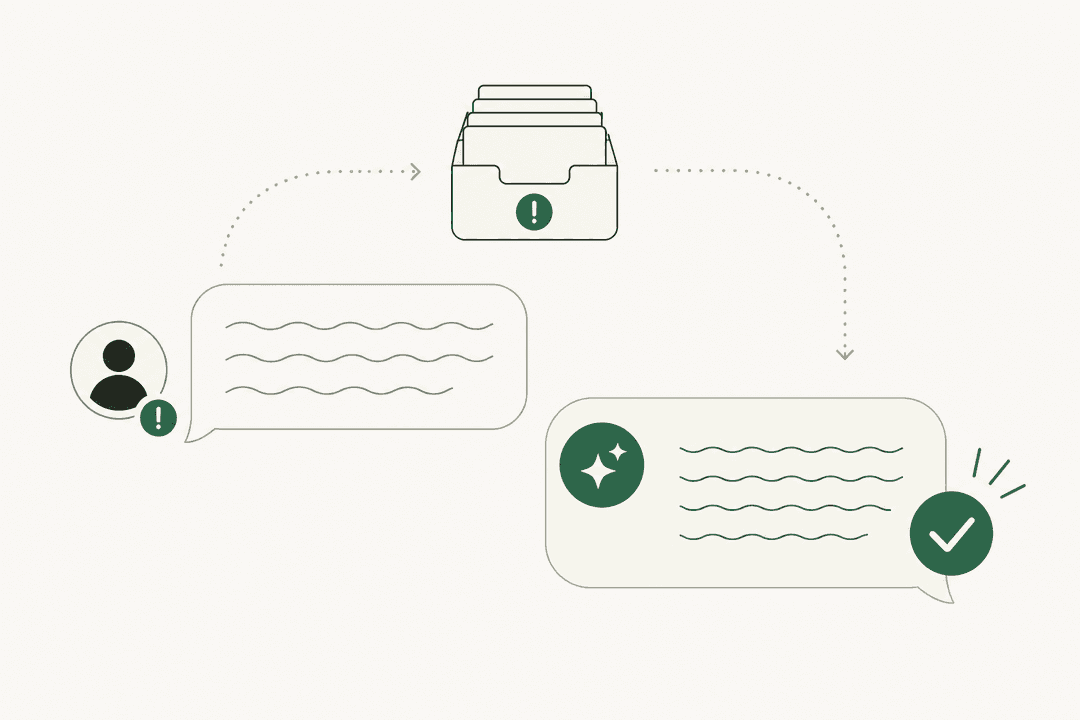
This decision tree helps you align your Zendesk hosting region with specific international data sovereignty laws and customer locations.

Ensuring compliance with AI-powered support

Adding AI agents to your Zendesk setup introduces new data residency considerations. When AI processes customer conversations, that data may touch additional systems and regions depending on your configuration.

We approach this differently. Our AI agent integrates with Zendesk while giving you control over where your data lives. On Business plans, you get EU data residency with data isolated per customer and never used for model training.

Before deploying any AI solution, run simulations on past tickets to verify quality and document your compliance posture. The ability to test before going live, combined with plain-English control over escalation rules, makes compliance documentation straightforward.

A screenshot of the eesel AI platform's simulation tool, which allows testing on past tickets to forecast performance, a feature not highlighted for My AskAi.

If you're evaluating AI for your Zendesk setup and data residency is a concern, see how our AI agent works alongside your existing infrastructure.


Frequently Asked Questions

Data residency supports GDPR compliance but doesn't guarantee it. GDPR requires proper Data Processing Agreements, data subject rights handling, and organizational measures beyond just hosting location. Zendesk provides tools for all of these, but compliance is a shared responsibility.
Yes, but with limitations. Account moves are possible through Zendesk support, but historical Voice data won't migrate, Real-Time Monitoring data is deleted, and some account types (like AI agents - Advanced created after setup) cannot be moved at all.
No. The add-on is included with Suite Professional ($115/agent/month) and Suite Enterprise ($169/agent/month) plans, but you must activate it. It's not available on Support Team or Suite Team plans. Legacy plan customers can purchase it separately.
Data residency is where you choose to store data. Data sovereignty refers to laws that govern data based on where it originated (like GDPR covering EU citizens' data regardless of where it's stored). Data residency helps you comply with data sovereignty laws.
Zendesk AI features work within your data residency settings, but with limitations. AI agents - Advanced/Ultimate are only available with EEA or US hosting. Some AI processing may still occur across regions depending on the specific feature and your configuration.
Look at the bottom of your Admin Center home page. The data center location is displayed there. If you haven't activated the Data Center Location add-on, your data is likely in the US regardless of your company's location.

Share this post

Stevia undefined

Article by

Stevia Putri

Stevia Putri is a marketing generalist at eesel AI, where she helps turn powerful AI tools into stories that resonate. She’s driven by curiosity, clarity, and the human side of technology.