Google just released Gemini 3, its newest major AI model, right on the heels of updates from competitors like OpenAI's GPT-5.1 and Anthropic's Claude Sonnet 4.5. But this isn't just another small step forward. This release points to a bigger shift in what AI can do, moving us away from the simple chatbots we’ve all played with and toward something more like an autonomous "AI agent" that can actually get things done.
So, what does this actually mean for you? In this review, we’ll break down what’s new with Gemini 3, its most important features, how it compares to the competition, and what this whole chatbot-to-agent evolution means for businesses trying to use AI for real work.
What is Google Gemini 3?
Google Gemini 3 is the company's latest and most capable foundation model, coming out of the research powerhouse Google DeepMind. Unlike older models trained mostly on text, Gemini 3 was built from the ground up to be multimodal. In plain English, that means it can understand and work with text, images, and code all at the same time, which opens up some pretty wild possibilities.
The launch includes two main flavors: Gemini 3 Pro, the flagship model that's publicly available, and Gemini 3 Deep Think, a beefier, research-focused version that’s being rolled out more slowly.
At its heart, Google claims Gemini 3 brings three major improvements: top-tier reasoning, world-class multimodal understanding, and new "agentic" coding abilities that let the AI act more like a collaborator than just a tool.
Key features of Google Gemini 3
So, what makes Gemini 3 so different? It boils down to a few key updates that are pushing the limits of what we thought AI could do.
Advanced reasoning and multimodal understanding
One of the clearest signs of Gemini 3's power is how it performs on industry benchmarks. It’s not just a little better; it's setting new records. It achieved top scores on famously tough tests like Humanity’s Last Exam and ARC-AGI 2, a benchmark made to be easy for people but a real headache for AI.
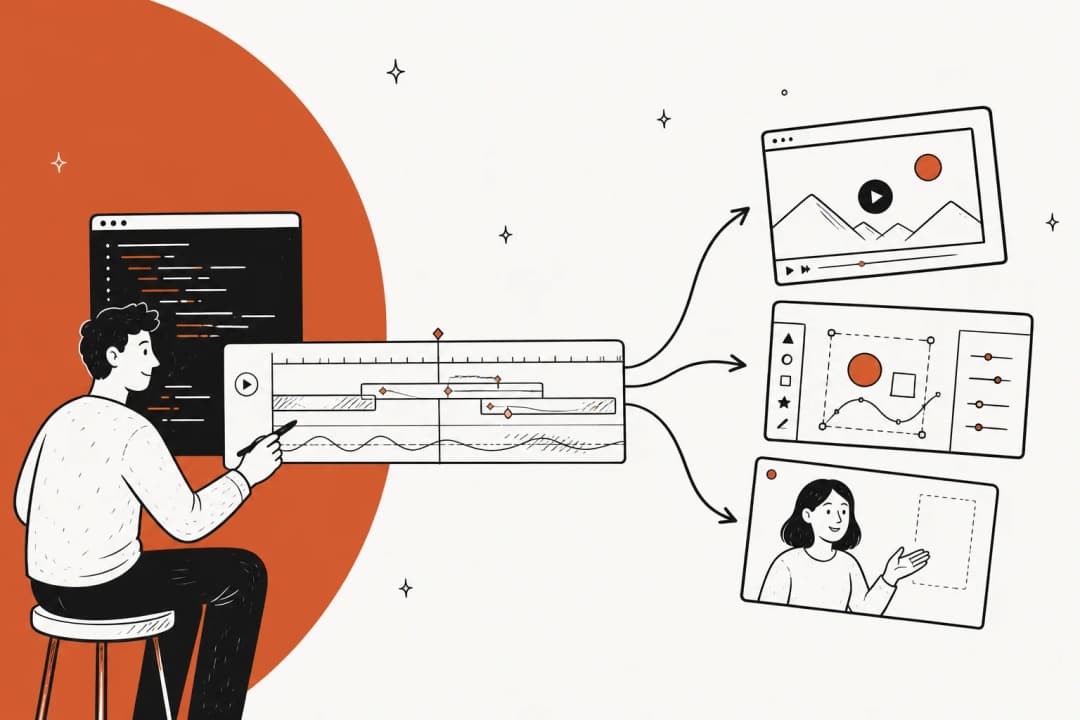
In practice, this means the model has a much better grasp of context and can work through complex, multi-step problems. It’s not just recognizing patterns anymore; it feels like it’s actually thinking through challenges. A great example of its multimodal chops is its ability to take a hand-drawn sketch of a website and spin it into working code. You could literally draw an idea on a napkin, show it to the AI, and get a functional prototype back.
The rise of agentic AI with Google Antigravity
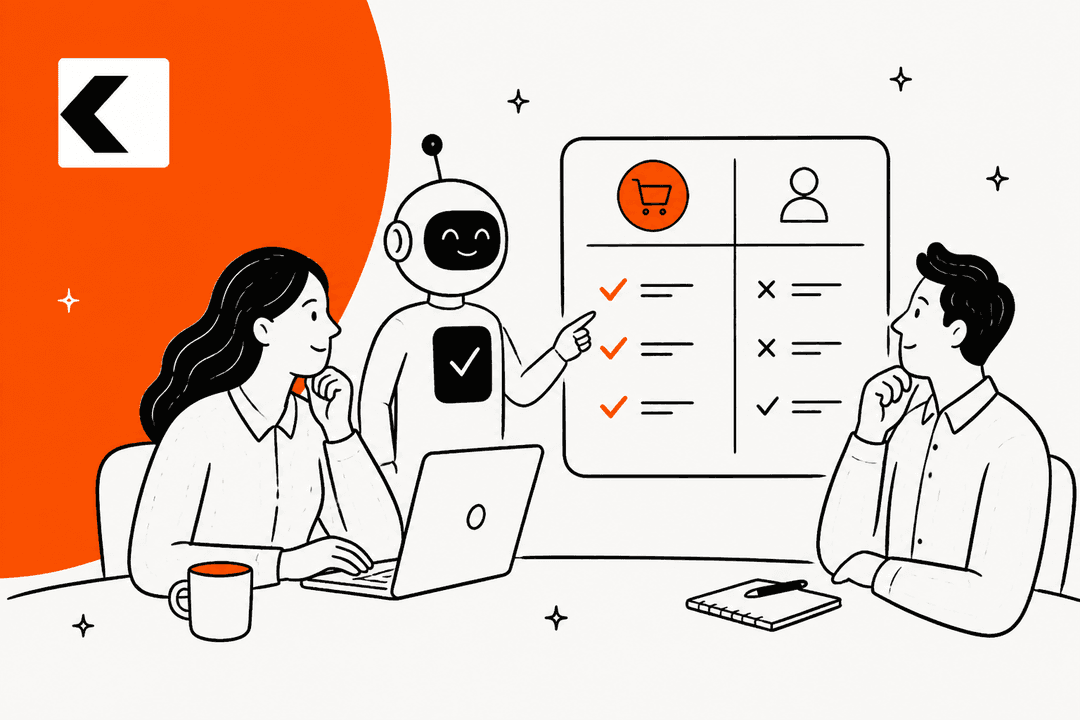
This is where things start to get really interesting. Gemini 3 is driving a move from chatbots to "agentic AI." Think of it as the difference between a calculator and an accountant. One is a tool you use for a specific task; the other is a partner who can understand a goal, create a plan, and carry it out. Ethan Mollick of One Useful Thing calls it the era of the "digital coworker."
The star of the show here is Google Antigravity, a new coding environment where Gemini 3 can work across your terminal, browser, and code editor to build entire applications from a single request. But this isn't just for coders. This ability to plan and execute tasks can be applied to almost anything you do on a computer, changing how we interact with AI at a fundamental level.
Deep integration into Google's ecosystem
Google’s biggest advantage has always been its massive ecosystem of products, and it's leaning into that hard with Gemini 3. The company is embedding its best model directly into the tools millions of us already use every day.
From day one, Gemini 3 is available in the Gemini app and is already powering the AI Overviews in Google Search. This gives it an audience of billions of people right off the bat. This isn't just a smart distribution plan; it creates a powerful feedback loop. Every single interaction helps Google fine-tune the model, giving it an edge that standalone AI companies can't easily replicate. As Demis Hassabis, CEO of Google DeepMind, told WIRED, "We are the engine room of Google, and we're plugging in AI everywhere now."
How Gemini 3 pricing stacks up
For businesses and developers who want to build on top of these powerful models, access usually comes through an API, and costs are based on usage (measured in "tokens," which are basically pieces of words).
Google Gemini 3 API pricing
Gemini 3 Pro is a big jump in capability, and its price tag shows it. It's more expensive than its predecessors and competitors, setting it up as a premium choice for those who need the absolute best performance. Here’s a quick look at how the API costs shake out.
| Model | Input Price (per 1M tokens) | Output Price (per 1M tokens) |
|---|---|---|
| Gemini 3 Pro | $7.00 | $21.00 |
| Gemini 2.5 Pro | $0.50 | $1.50 |
| GPT-5.1 | $5.00 | $15.00 |
| Sonnet 4.5 | $3.00 | $15.00 |
OpenAI & Anthropic API pricing
Competitors like OpenAI (who make ChatGPT) and Anthropic use a similar pay-per-token model for their APIs. While this gives developers a lot of flexibility, there’s a catch for businesses.
Building a useful, reliable app on top of these raw APIs takes a lot of technical know-how and development time. On top of that, the costs can be all over the place. A busy month with lots of customer questions could result in a surprisingly large bill, which makes budgeting and scaling a real challenge.
Our recommendation: eesel AI Agent
While powerful APIs are great for developers with plenty of time and resources, most businesses need a practical solution they can use to tap into agentic AI today. That’s why for most companies, jumping straight to a specialized tool built for business workflows is the smarter move.
The eesel AI Agent is the best way to apply the power of models like Gemini 3 to customer support and internal helpdesks. Instead of handing you a box of parts, eesel AI gives you a finished product designed to solve real business problems right out of the box.

Here’s why it’s a better fit for most teams:
-
Get set up in minutes, not months. You can forget about long, complicated API projects. eesel AI is a truly self-serve platform with one-click integrations for helpdesks like Zendesk, Freshdesk, and Intercom. You can be up and running in minutes without needing to pull in a developer.
-
Total control over how it works. eesel AI provides a fully customizable workflow engine. You can tell the AI exactly which tickets to handle, give it a custom personality and tone, and create custom actions to do things like look up order information or update ticket fields. You just don't get that level of control from a raw API.
-
Connect all your company knowledge, instantly. eesel AI plugs into all your company’s information, no matter where it's stored. It learns from your past support tickets to pick up your brand voice and common fixes, and it connects smoothly with knowledge sources like Google Docs and Confluence to provide answers that are always on-brand and in context.
-
Test with confidence and know your costs upfront. With eesel AI’s simulation mode, you can test your setup on thousands of your past tickets. This lets you see exactly how it will perform and calculate your ROI before you ever turn it on. Best of all, the pricing is clear and predictable. You pay a flat fee, not per ticket, so you won’t get any nasty surprises on your bill after a busy month.

Other tools to consider
While eesel AI is a complete, ready-to-use solution, it's still good to know about the foundational models that power many of the tools on the market.
OpenAI's GPT-5.1
As the model behind ChatGPT, GPT-5.1 is Gemini's main competitor. It’s an incredibly flexible model that’s great at creative writing and general reasoning. But for business automation, it runs into the same wall as other raw models: you need a technical team to build anything useful with its API. It's a powerful ingredient, not a finished meal.
Anthropic's Claude Sonnet 4.5
Claude is another strong contender, known for its huge context window (meaning it can "remember" really long conversations) and its focus on AI safety. But again, it’s a foundational model. Trying to weave it into a specific process like customer support requires custom development and isn't a simple solution for automating tickets or helping agents.
What the shift to AI agents means for your business
The biggest takeaway from the Gemini 3 launch is that the AI industry is moving beyond passive information tools (chatbots) and toward proactive partners that get stuff done (AI agents).
For businesses, this means the new standard for AI isn't just about answering questions. It's about taking action, whether that’s tagging tickets correctly, processing a refund, escalating a tricky issue, or routing a request to the right team. This shift makes it more important than ever to use platforms built around workflows and actions, not just conversations. This is the core idea that eesel AI was built on.
Does Google Gemini 3 live up to the hype?
Yes, without a doubt, Google Gemini 3 is a major step forward. Its sophisticated reasoning and agent-like abilities have cemented the industry's shift away from simple chatbots toward something much more useful.
But for a business, the raw power of a model like Gemini 3 is only part of the equation. Its real value is only unlocked when you apply it through a specialized, business-focused platform designed for your specific needs. The future isn't about just having the smartest model; it’s about having the most effective, controllable, and reliable AI agent working for you.
This video provides a hands-on, no-hype review of Google's Gemini 3 model, aligning with our Google Gemini 3 review.
Ready to deploy a true AI agent?
Instead of waiting for general-purpose tools to catch up, you can deploy a specialized AI agent for your support team today. eesel AI connects to your existing helpdesk and knowledge sources to automate tickets, assist agents, and unify your knowledge in minutes.
Start your free trial or book a demo to see how an AI agent can transform your support operations.
Frequently asked questions
This Google Gemini 3 review highlights its shift from a simple chatbot to an autonomous "AI agent" capable of getting things done. Unlike older models, Gemini 3 was built from the ground up for multimodal understanding across text, images, and code, and it showcases advanced reasoning and "agentic" coding abilities.
The Google Gemini 3 review defines "agentic AI" as an AI that can understand a goal, create a plan, and carry it out, acting more like a collaborator than just a tool. For businesses, this means AI can proactively take action, such as tagging tickets, processing refunds, or routing requests, moving beyond just answering questions.
This Google Gemini 3 review emphasizes Gemini 3's ability to understand and work with text, images, and code simultaneously. A practical example given is its capacity to transform a hand-drawn sketch of a website into functional code.
The Google Gemini 3 review indicates that Gemini 3 Pro is a premium offering with higher API costs compared to its predecessors and competitors. It charges $7.00 per 1M input tokens and $21.00 per 1M output tokens, making it a more expensive choice for top performance.
This Google Gemini 3 review strongly recommends that most businesses use a specialized tool built for business workflows, like eesel AI Agent, instead of directly using the raw API. Building useful applications with raw APIs requires significant technical expertise and development time.
This Google Gemini 3 review notes that its deep integration into Google products like the Gemini app and Search AI Overviews provides a massive audience and a powerful feedback loop. This continuous interaction helps Google fine-tune the model, giving it a significant competitive advantage.
Share this post

Article by
Kenneth Pangan
Writer and marketer for over ten years, Kenneth Pangan splits his time between history, politics, and art with plenty of interruptions from his dogs demanding attention.