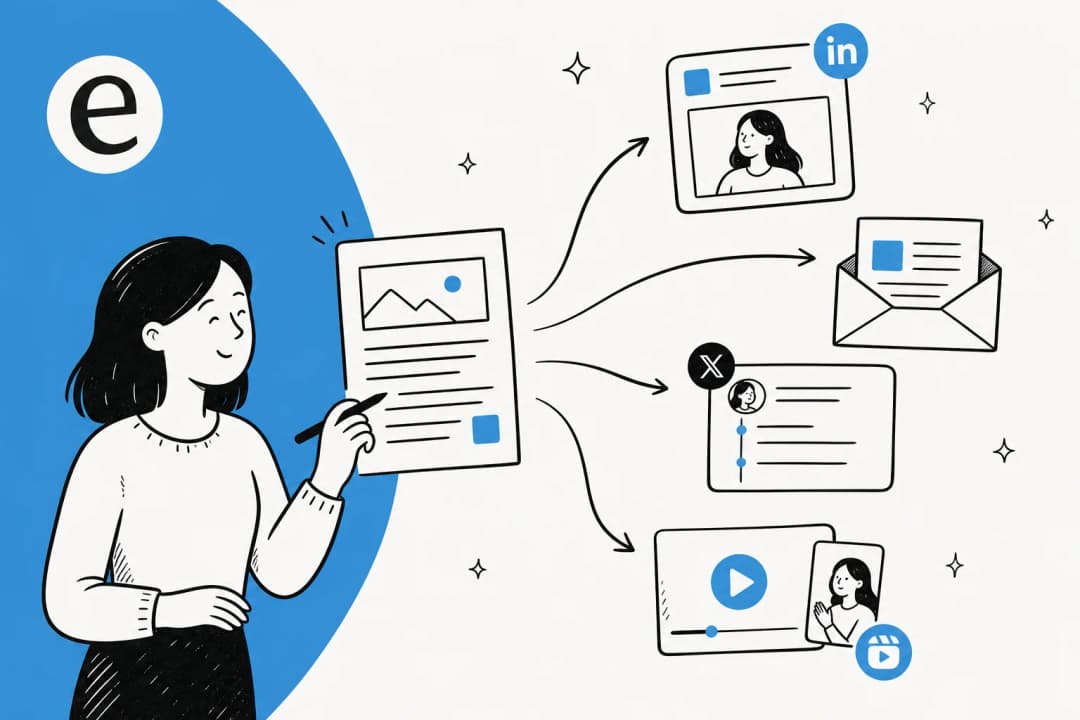
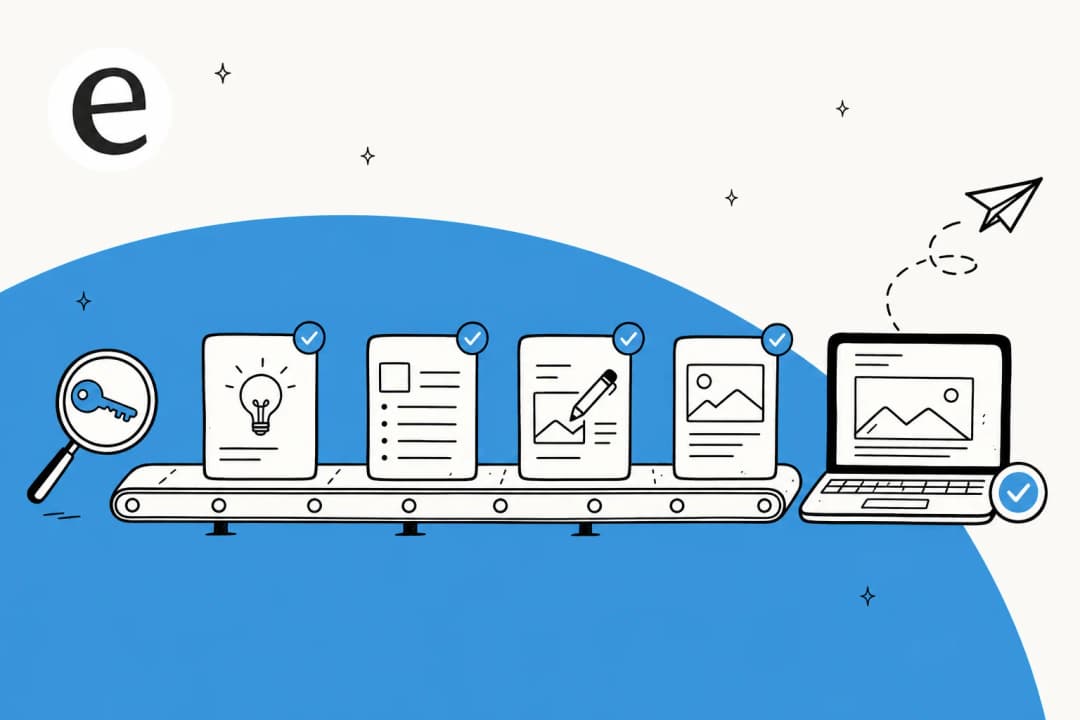
Let's be real, writing a company bio is one of those tasks that sounds easy until you actually try to do it. How do you cram your company's whole story, mission, and vibe into a few paragraphs without sounding like a corporate clone? A good bio is more than just a summary, it's your first impression, the digital handshake that can build trust with a potential customer. It sets the tone for your brand, whether it's on your "About Us" page, social media, or a pitch deck. The best ones tell a story that people actually want to hear.
What is a company bio?
So, what exactly is a company bio? It's basically a quick, digestible summary of your business. It’s meant to give customers, investors, or partners a snapshot of who you are, what you do, and why it matters. Think of it as your company’s elevator pitch in writing. You'll see them on "About Us" pages, LinkedIn profiles, and other marketing materials.
A good bio does a few things. For starters, it’s your first impression. It's often where people go to figure out what your brand is all about. It also builds trust. Sharing your story and what you believe in makes you feel more human and less like a faceless corporation. And hey, it can even help with SEO. Tossing in a few industry keywords helps search engines understand your business, which makes it easier for the right people to find you online.
Our criteria for the best company bio examples
Not all company bios are the same. As we hunted for the best ones, we looked for a few specific things that separate the memorable from the forgettable.
- It tells a unique story: The bio needs to be more than just facts. It should have a real narrative, whether it’s about the founder's journey, a problem you're solving, or the mission that gets your team going every morning.
- It has a clear mission and values: Why are you in business? The best bios communicate a purpose beyond just making a profit. This is how you attract customers who believe what you believe.
- It feels human: People connect with people, not logos. A great bio might introduce the team, share a personal anecdote, or simply use a friendly tone to feel more relatable.
- It has a distinct brand voice: Whether your brand is witty, serious, or empathetic, your bio's tone needs to match. Consistency is everything.
Comparison of top company bio examples
| Company | Core Strength | Tone | Platform |
|---|---|---|---|
| Aura Packaging (eesel AI) | AI-Generated Storytelling | Confident & Purpose-driven | Website / About Us |
| Mailchimp | Relatable Founder Story | Friendly & Empowering | Website / About Us |
| Welly | Mission-Driven Disruption | Fun & Adventurous | Website / About Us |
| Slack | Unified Work Hub | Direct & Professional | Website / About Us |
| goodr | Fun & Carefree Personality | Casual & Witty |
The 5 best company bio examples to inspire you
Alright, let's get into the examples. We've chosen a few different styles to show there's no single correct way to write a bio.
1. Aura Packaging (generated by the eesel AI blog writer)
"Aura Packaging was born from a simple, frustrating observation: the products we loved were wrapped in plastic we hated. Founded in 2022 by two friends who met while beach cleaning, Aura is our answer to the single-use plastic problem. We believe that sustainability shouldn’t be a luxury, and that businesses of all sizes deserve access to beautiful, 100% compostable packaging. Our mission is to make it easy for brands to make a better choice for the planet, one thoughtfully designed mailer at a time. We're not just making boxes; we're building a community of conscious brands dedicated to a cleaner future."
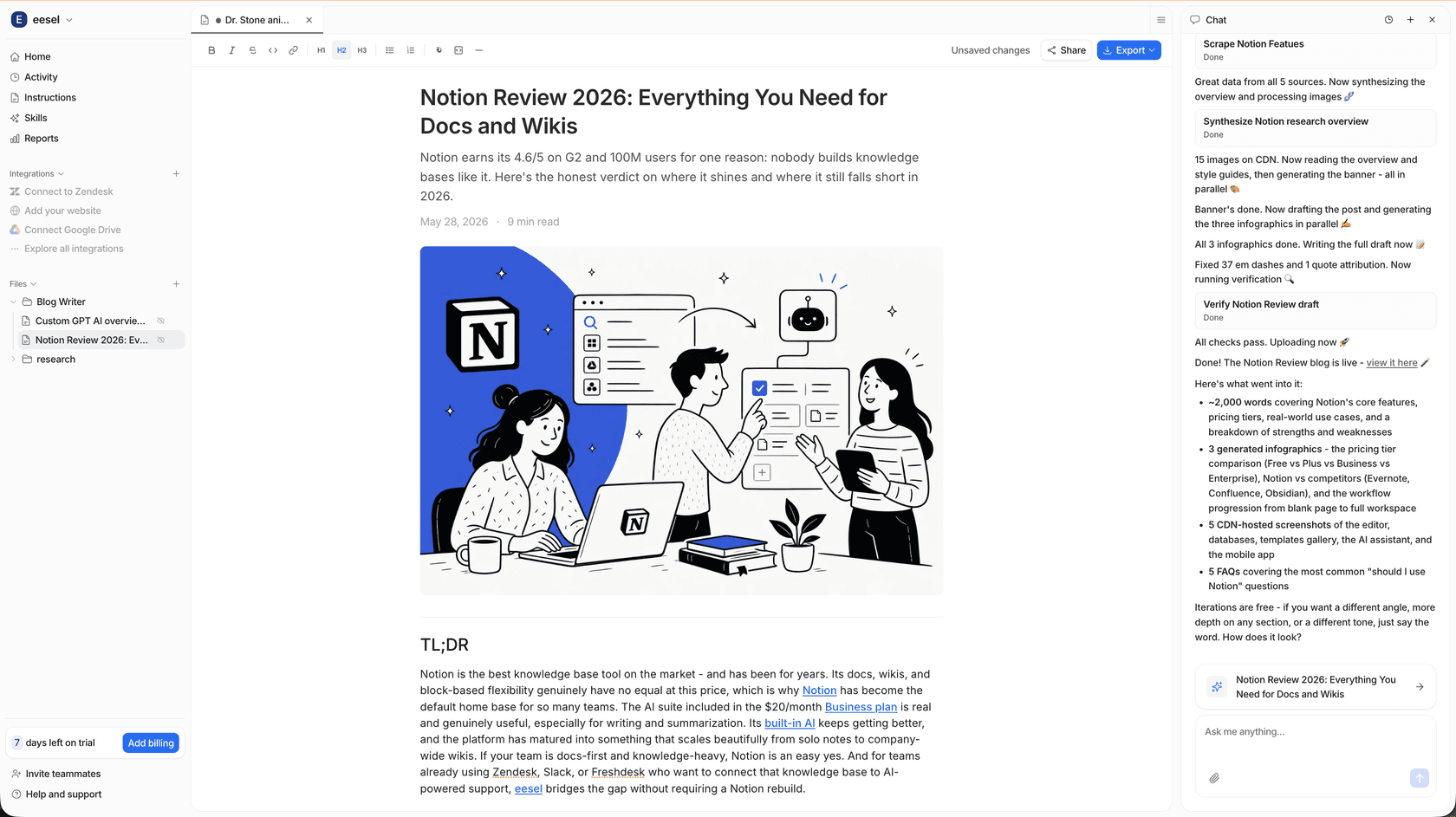
This bio, made for a fictional company, was generated with the eesel AI blog writer. The only inputs were a company name, a short description ("compostable packaging"), and a couple of values ("sustainability, community"). The tool instantly produced a narrative that feels genuine and mission-focused, blending an origin story with a clear purpose.
Pros: The biggest win here is speed. Using an AI tool like the eesel AI blog writer saves a wild amount of time. It gets you past that dreaded blank page by creating a structured, story-driven draft in seconds. It's surprisingly good at nailing a specific tone and weaving in your key messages.
Cons: AI gives you a great starting point, but the bios that truly connect have personal details. The best approach is to take the AI draft and then add those unique stories and human touches that only your team knows.
Pricing: The eesel AI blog writer is free to try. If you like it, paid plans start at $99 for 50 blog generations, which you can use for "About Us" pages, articles, or any other long-form content.
2. Mailchimp
Mailchimp’s bio is a perfect example of using a founder's story to connect with a target audience of small businesses. Instead of starting with a list of corporate wins, it shares the story of its founders, who wanted to help small companies grow. According to their story, Mailchimp was built as an alternative to the "oversized, expensive email software of the early 2000s." This immediately makes the brand feel like a supportive partner that understands its customers' challenges.
Pros: This approach is great for humanizing a brand and building trust. A compelling founder story can be a powerful way to stand out in a crowded market and give people a reason to root for you.
Cons: This strategy really only works if you have a strong founder story to share. For larger corporations without a clear founder narrative, it can feel forced or inauthentic.
3. Welly
Welly takes a typically boring product, bandages, and gives it a ton of personality and purpose. Their company bio is all about their mission to make first-aid fun. As the founder explains, the idea was to shake up the First Aid aisle with products that are both "super playful" and "super functional." The language is adventurous and confident, matching their colorful products. This isn't just a bandage company; it's a brand promoting a lifestyle of getting out there and having fun.
Pros: A strong, mission-focused bio helps a brand stand out, especially in a packed market. It attracts a loyal following of customers who are bought into the brand's entire vibe, not just its products.
Cons: A highly stylized brand voice isn't for everyone. This strategy can sometimes alienate potential customers who don't connect with the brand's specific personality.
4. Slack
Slack’s bio is a great example of clear, benefit-focused writing. It doesn't waste time with long stories. Instead, it gets straight to the point, positioning itself as much more than a chat app. Slack is the operating system for work, bringing "people, processes, data, agents, and AI into one conversational interface." The bio is all about the problem it solves and the value it delivers, using professional and direct language that mirrors the product's efficiency.
Pros: This no-fluff approach works well for B2B companies whose main selling point is function over feeling. It quickly communicates value to customers who are just looking for a solution to a problem.
Cons: While this style is clear, it can lack an emotional hook. Without a story to connect to, the bio might feel a bit cold or corporate, which isn't always the best for building a passionate community.
5. goodr
goodr's LinkedIn bio is a perfect snapshot of the brand's fun and witty personality. It reads less like a stiff corporate summary and more like a chat with a friend who doesn't take things too seriously. With lines like "we're recklessly committed to fun," the casual tone makes the brand instantly memorable. This bio doesn't just describe the company; it shows you what the brand is all about.
Pros: A personality-driven bio is super effective for building a strong brand community. It attracts customers who share the brand's energy, turning them into loyal fans.
Cons: A casual or humorous tone doesn't work for every industry. In more formal fields like finance or law, this approach could seem unprofessional and might damage your credibility.
Pro tips for writing company bio examples that connect
Writing the perfect bio isn't rocket science, but it does take some thought. Keep these tips in mind to make sure yours actually connects with people.
- Know your audience: Before you write anything, think about who you're writing for. Are they customers, investors, or potential hires? Adjust your tone and the information you highlight for that specific group.
- Write like a human: Ditch the corporate jargon. Seriously. Use a conversational tone that sounds like your brand. A bio that sounds like a real person wrote it is always more interesting to read.
- Tell a story, don't just state facts: Instead of just saying you were founded in 2020, tell the story of why you started. People are wired to remember stories, not boring dates.
- Keep it fresh: Your company is always changing, and your bio should too. Check in on it every six months or so to make sure it still reflects your mission, values, and recent accomplishments.
- End with a call to action (sometimes): On your "About Us" page, it can be helpful to guide readers to the next step, like "Check out our products" or "Meet the team." Don't leave them wondering what to do next.
For a more visual guide, the video below breaks down the essential elements of a well-written company bio, offering practical tips and samples to help you craft your own.
Your bio is your story, so make it count
As these examples show, a company bio is so much more than a simple description of what you do. It’s your chance to tell your story, share your vision, and build a real connection with people. Whether you lead with a founder’s journey like Mailchimp, a bold mission like Welly, or crystal-clear value like Slack, the most important thing is to be authentic to who you are as a brand.
Don’t let the pressure of that blank page hold you back. If you need a creative partner to get the ball rolling, the eesel AI blog writer can help. Generate your first company bio for free and see how easily you can craft a compelling, story-driven narrative in just a few clicks. It'll give you the perfect foundation to build upon and make your own.