On February 5, 2026, OpenAI announced Frontier, its new platform built specifically for the enterprise market. This is a strategic move to evolve AI from experimental applications to integrated "AI coworkers" capable of handling significant tasks across an organization.
This concept raises several important questions for businesses. This article will break down what Frontier is, what it is designed to do, and address the key question: the details of OpenAI Frontier pricing.
What is OpenAI Frontier?
Frontier is a new enterprise platform designed to help large companies build and manage AI agents. Notably, it's not just for OpenAI's own agents; it's designed to be a central command for any AI agent a company uses.
OpenAI's stated goal is to close the "AI opportunity gap." This gap represents the difference between the potential capabilities of current AI models and their practical application within most businesses. Frontier is designed to be this missing piece, connecting scattered tools and data into one cohesive system.
The platform's approach is compared to onboarding a new employee. This requires giving them business context, proper training, and clear guidelines on their operational scope. The platform is clearly aimed at large enterprises. The early user list includes major companies like HP, Intuit, Oracle, State Farm, and Uber. The goal is to create reliable AI teammates for practical business applications.
The core components of the Frontier platform that influence OpenAI Frontier pricing
Shared business context
This component acts as a central repository of knowledge. It links together a company's disparate systems, such as CRM, data storage, and internal apps, creating a unified "semantic layer." This ensures that every AI agent operates with a consistent understanding of the business, its data, and its processes.
Agent execution
This component provides a secure environment where agents perform their tasks. It's a secure "sandbox" where they can process data, run code, use tools, and handle files to complete assignments. OpenAI has designed it to be flexible, allowing agents to run on a local computer, in a private cloud, or on OpenAI's own servers.
Evaluation and optimization
Frontier has built-in feedback loops to monitor agent performance and facilitate improvement. This functions similarly to a manager reviewing a new employee's work and providing guidance. This is a critical feature for transforming an agent from a demonstration into a reliable, learning-capable team member.

Enterprise security and governance
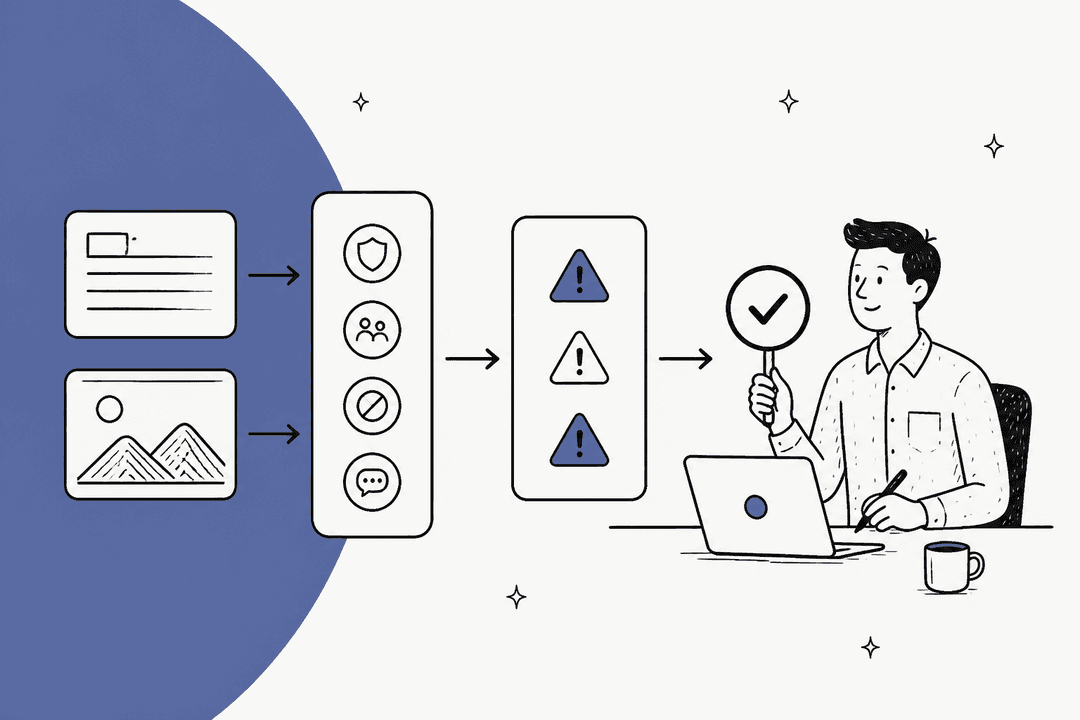
Security is integrated into the platform's core design. Every AI coworker has a unique ID and operates within its given permissions. All actions are logged and auditable, giving companies full control and visibility. The platform is also designed to meet high SOC 2 and ISO/IEC standards.
What can you build with OpenAI Frontier?
Frontier is designed for large, complex tasks. It is intended for high-stakes applications that involve multiple departments. OpenAI highlights three main types of agents that can be created:
- AI Teammates: These are production-ready agents designed to assist with specific roles, such as data analysis, financial forecasting, or software engineering support.
- Business Process Automation: This focuses on automating end-to-end workflows. An agent could be created to manage revenue operations, handle procurement, or automate customer support.
- Strategic Projects: This is for major initiatives. Agents could be used on large, cross-departmental projects requiring deep knowledge, such as an AI that predicts the impact of natural disasters on an energy company's grid.
OpenAI Frontier pricing: What we know (and what we don't)
OpenAI has not released any public pricing for Frontier. At a press event for the launch, their Chief Revenue Officer declined to talk about pricing.
This approach is typical of a "Contact Sales" model. It is common for large, powerful platforms and involves custom contracts for each client. The price is likely based on factors such as:
They're trying to make money now. Also why model improvements have been focusing on making things cheaper. Before they simply didn't focus as much on trying to be profitable.

- Platform usage (such as API calls or tasks completed).
- The number of AI agents deployed.
- The complexity of integration with existing systems.
- The required level of support.
- Access to OpenAI's engineers for setup assistance.
This suggests that the system is intended for large enterprises. This model often involves a detailed sales process and customized pricing, with the final cost determined after extensive consultation.
Why transparent pricing matters beyond the OpenAI Frontier pricing model
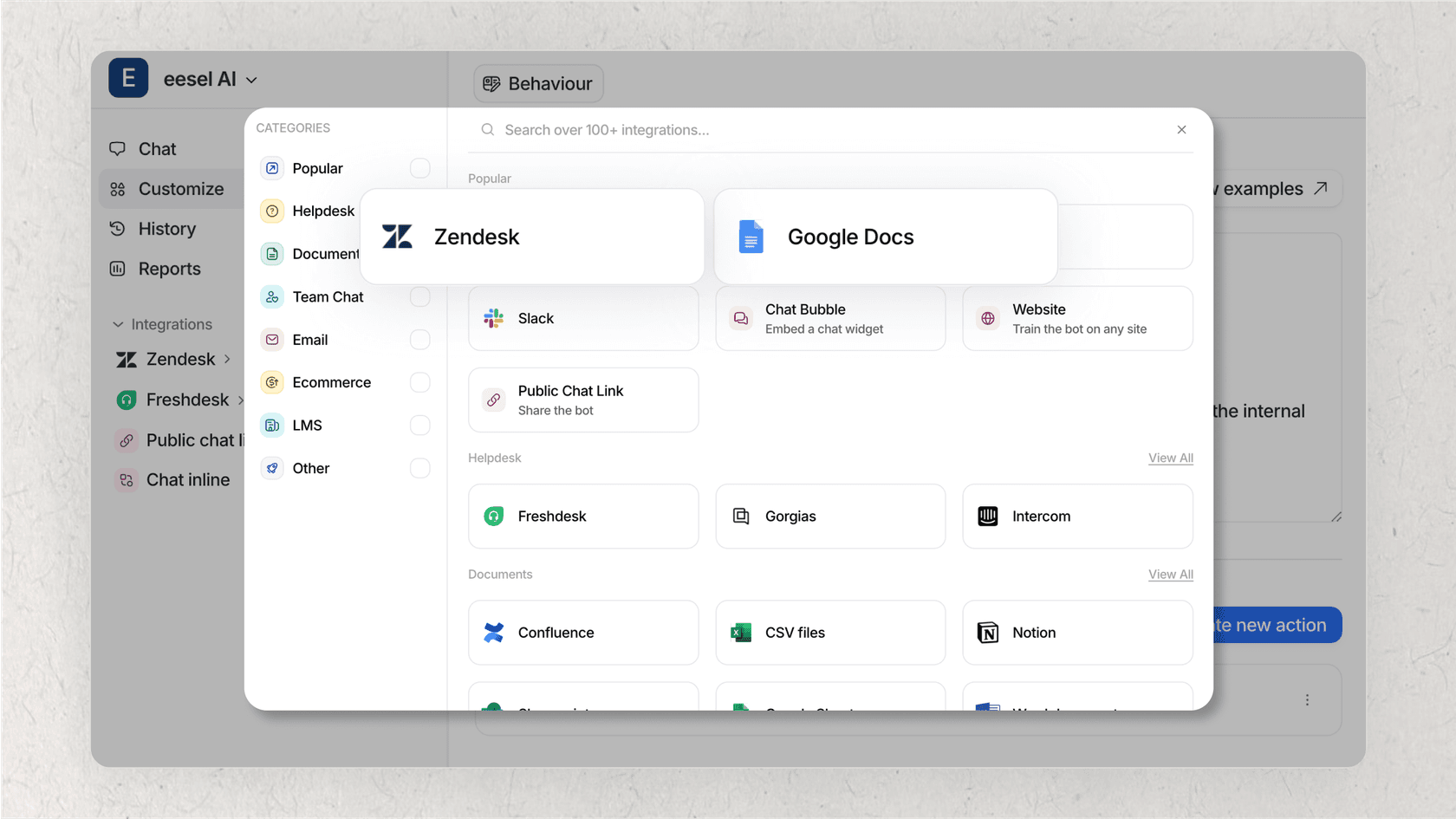
For businesses seeking cost certainty, some platforms, such as eesel AI, offer transparent, interaction-based pricing models that can scale with a company's needs. These models typically avoid hidden fees or per-agent charges, which can simplify the adoption of AI solutions.
| Plan | Annual Price (per month) | Bots | Interactions/mo | Key Features |
|---|---|---|---|---|
| Team | $239/mo | Up to 3 | 1,000 | Train on website/docs, AI Copilot, Slack integration |
| Business | $639/mo | Unlimited | 3,000 | Everything in Team + AI Agent, train on past tickets, AI Actions |
| Custom | Contact Sales | Unlimited | Unlimited | Multi-agent orchestration, custom integrations, advanced security |
Evaluating Frontier's place in the enterprise AI landscape
OpenAI Frontier presents an impressive vision for the future of enterprise AI. The concept of intelligent agents as a core part of business operations is a significant development.
To get a deeper understanding of OpenAI's vision for advanced AI, you can hear directly from CEO Sam Altman. In this discussion, he explores the concept of frontier models and what happens when intelligence becomes abundant, providing valuable context for the strategy behind the Frontier platform.
However, this capability is accompanied by the complexity and cost associated with a top-tier enterprise solution. With its custom pricing and hands-on setup, it is well-suited for large corporations with substantial resources and dedicated AI teams. For other businesses, it may not be the most practical option at this time.
However, the benefits of using AI agents, like automating customer support or providing instant internal answers, are increasingly available to a wider range of businesses. Solutions are available that do not require a large-scale, custom contract.
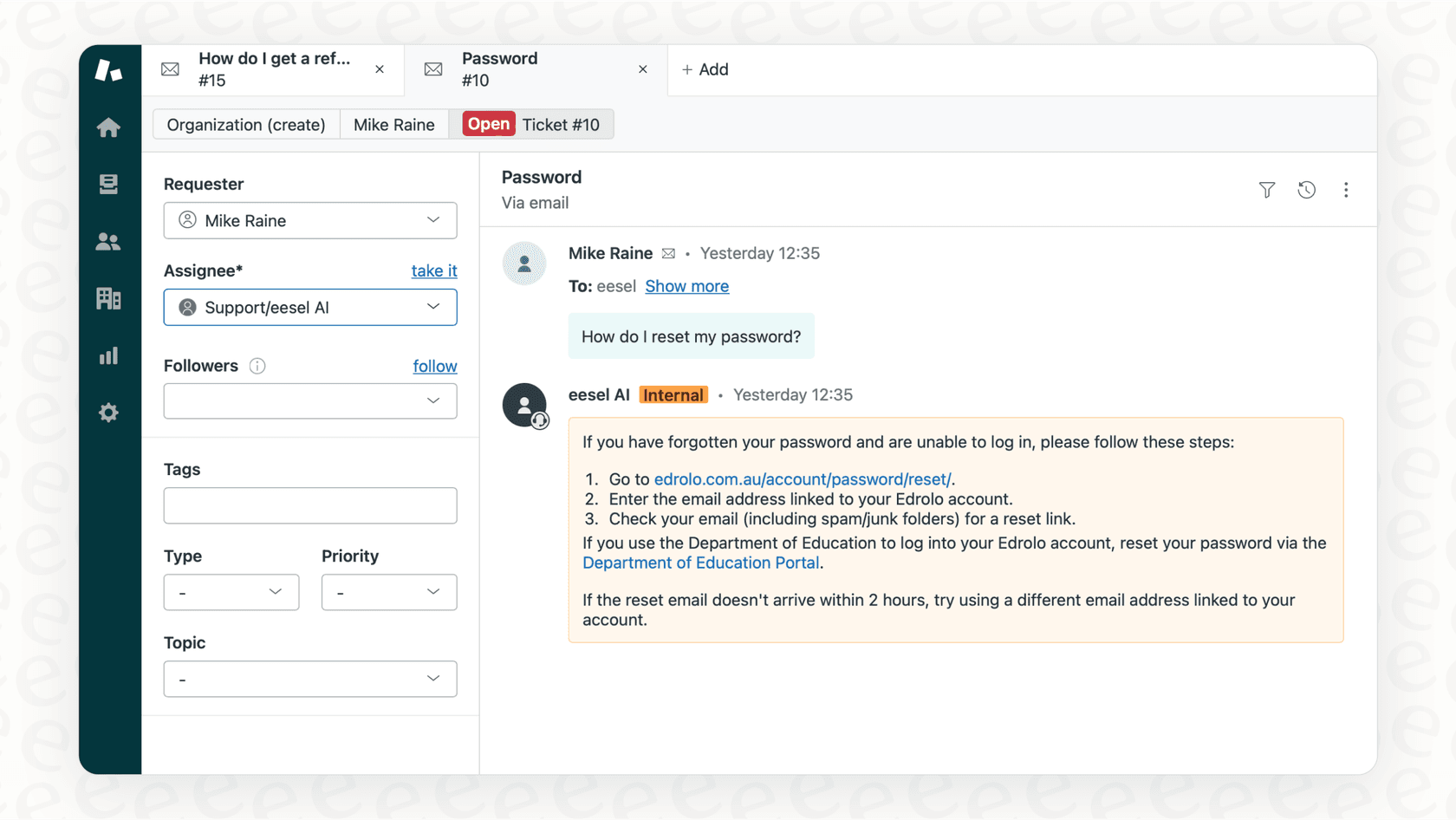
For example, platforms like eesel AI allow businesses to deploy an AI agent that can be operational in minutes, learning from existing company data to handle customer support tickets. You can learn more about how such platforms work.
Frequently Asked Questions
What factors likely influence the final OpenAI Frontier pricing for an enterprise?
Has OpenAI given any hints about the future of OpenAI Frontier pricing?
Why is the OpenAI Frontier pricing not made public?
Are there alternatives to consider if the OpenAI Frontier pricing is likely too high for my business?
How does the lack of a clear OpenAI Frontier pricing model affect budget planning for AI projects?


Article by
Alicia Kirana Utomo
Kira is a writer at eesel AI with a Computer Science background and over a year of hands-on experience evaluating AI-powered customer service tools. She focuses on breaking down how helpdesk platforms and AI agents actually work so that support teams can make better buying decisions.