

If your team runs on Notion, you know it’s the go-to "workspace" for just about everything. So when Notion AI showed up, promising to be an all-in-one assistant that writes, summarizes, and organizes for you, it sounded pretty great.
But once the initial excitement wears off, the real questions pop up. How does it actually work when the whole team is using it? And the big one: is it worth paying for an upgrade for every single person in your workspace?
Here, we’ll take a real-world look at what Notion AI can do, where its pricing gets tricky, and what its limits are. By the end, you'll have a much clearer idea of whether it’s the right move for your team or if you should look for a tool built for a more specific job.
What is Notion AI?
So, what exactly is Notion AI? Think of it as an AI assistant that lives right inside your pages and databases. Notion didn't build its own AI from scratch; instead, it plugs into powerful models you've probably heard of, like OpenAI's GPT-4 and Anthropic's Claude.

The main appeal is that it gets your context. Since it's already in your workspace, it understands the content on your pages, your database fields, and how everything is connected. That means you can ask it to summarize last week's meeting notes or find a specific stat from a research doc, and it will actually know what you're talking about, all without you having to open another tab.
Core features and Notion AI use in workspace
Once you flip the switch on Notion AI, you get a handful of new tricks to help with day-to-day productivity. Let's look at how teams are actually using it.
Streamlining content creation and editing
Probably the first thing you'll notice is how it acts like a writing partner. It's pretty handy for getting past that blinking cursor, cleaning up clunky sentences, or just taking care of boring writing tasks.
-
Drafting from scratch: Need a first draft of a project brief or a blog post outline? Just give it a prompt and it’ll get you started.
-
Rewriting and enhancing: Highlight some text and you can ask the AI to make it clearer, switch the tone from casual to formal, fix typos, or just trim it down.
-
Brainstorming: Stuck on a project name or need some ideas for your next marketing campaign? Use it as a brainstorming buddy.

Unlocking knowledge with AI-powered search
If your team treats Notion as its central brain, the Q&A feature is a huge help. Forget digging through endless pages and databases. Now you can just ask a question like you would a person.
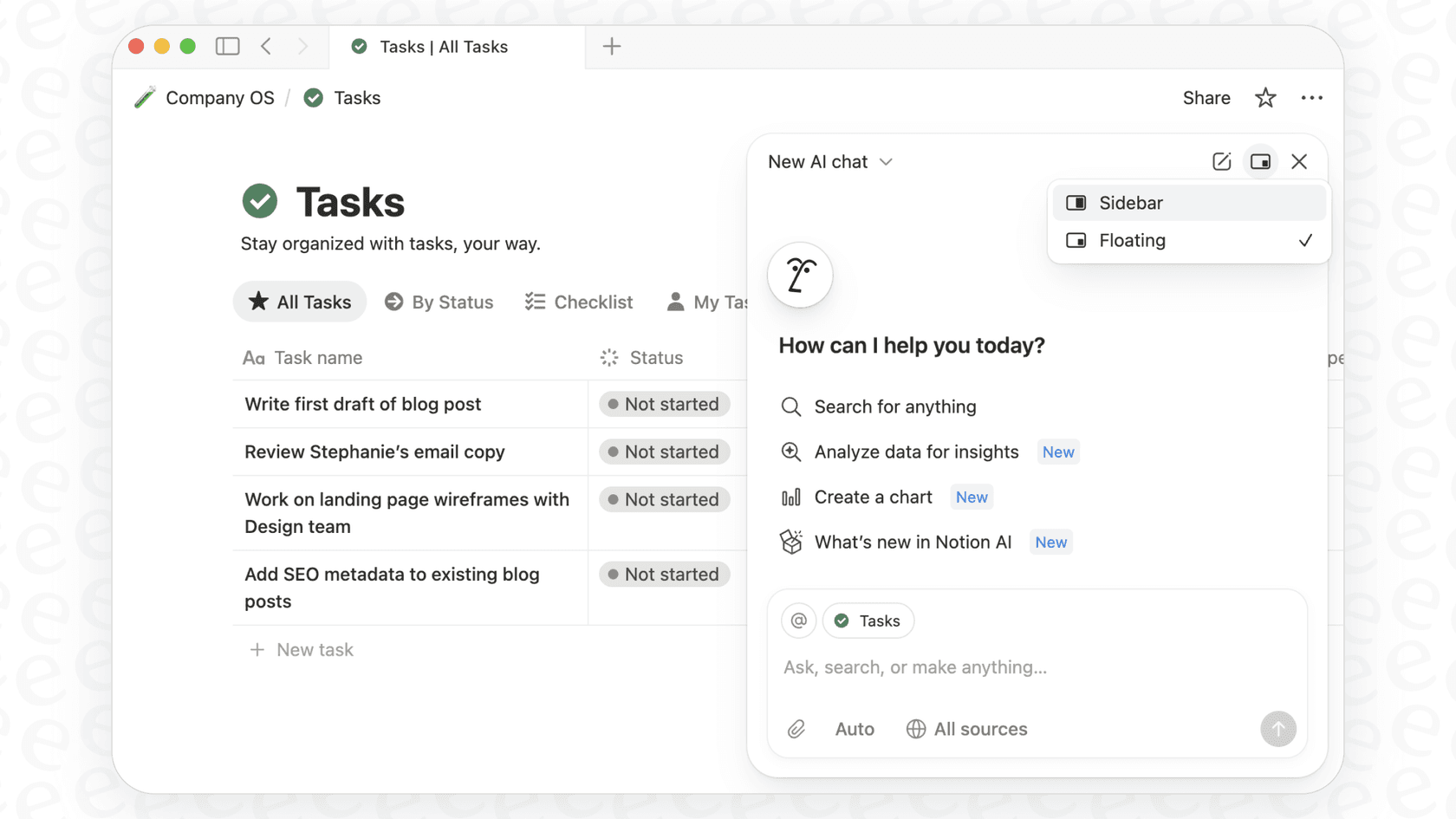
For instance, a product manager could ask, "What was the final call on the Q4 roadmap from last week's meeting?" Notion AI will then scan the right documents and give a straight answer, even linking back to the source so you can check for yourself.
Automating database management
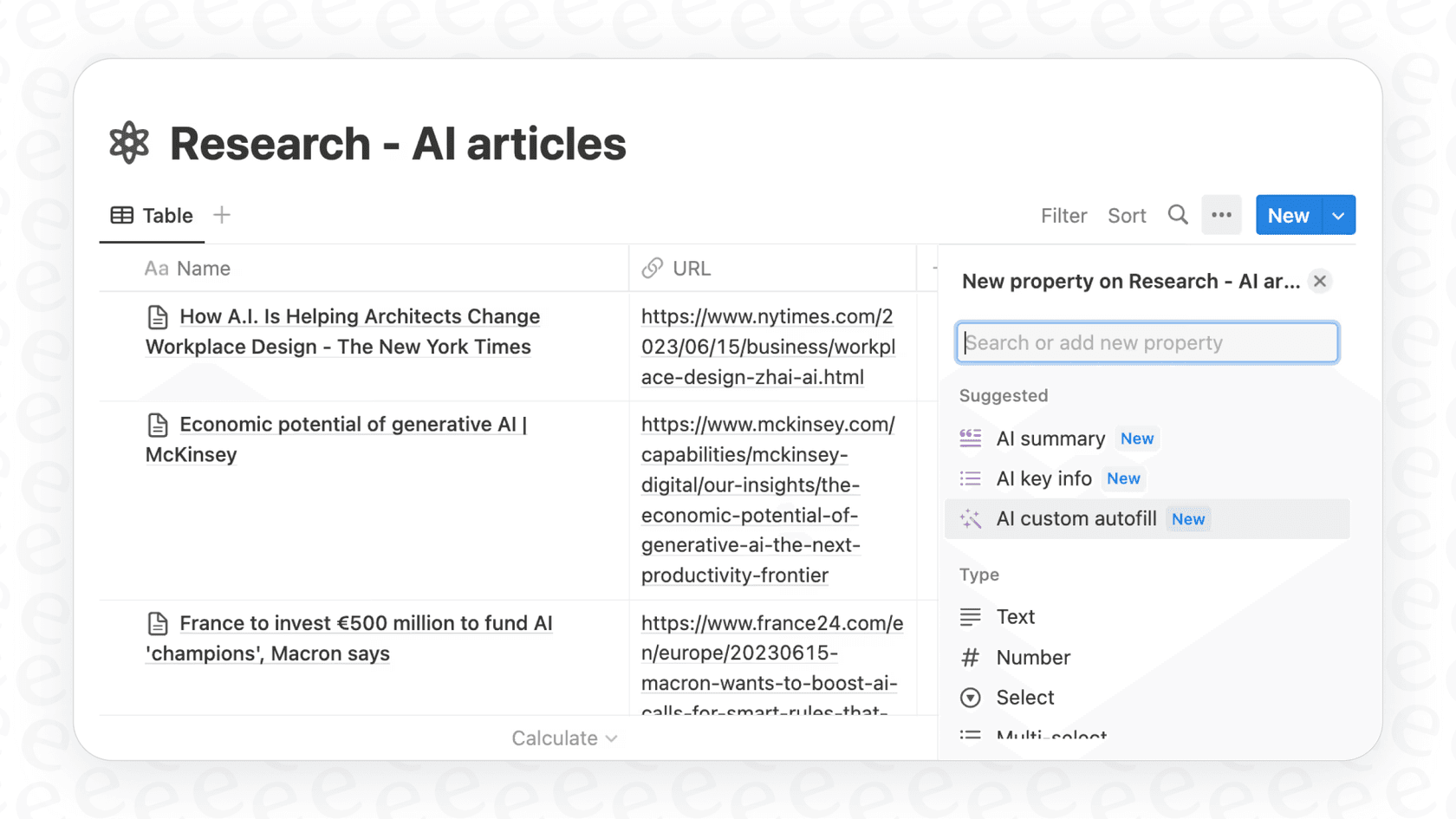
It also has a cool trick for databases called "AI Autofill." You can set up columns that fill themselves in based on the content of a page. This is a massive time-saver if you're tired of manual data entry.
-
AI Summary: It can write a quick summary of what's inside each page.
-
AI Keywords: It pulls out the main themes and suggests tags to keep things organized.
-
AI Custom Autofill: You can even write your own prompt to pull out specific info, like figuring out if customer feedback is positive or negative.
The tricky part: Pricing and setup
The features sound great, but here's where things get complicated for many teams: the price. Notion AI used to be an optional add-on, but now it's only included in their more expensive plans, and that can have a big impact on your budget.
You can only get Notion AI with a Business or Enterprise plan. And the biggest hurdle, which you'll see people talking about online, is that it’s an all-or-nothing deal. You can't just buy it for the five people on your content team who really need it. You have to upgrade and pay for every single member in your workspace.
This makes it a tough pill to swallow for companies where maybe only the marketing or research folks are heavy AI users, while everyone else just pops in to view a page once in a while. Having to pay for everyone makes the cost really hard to justify.
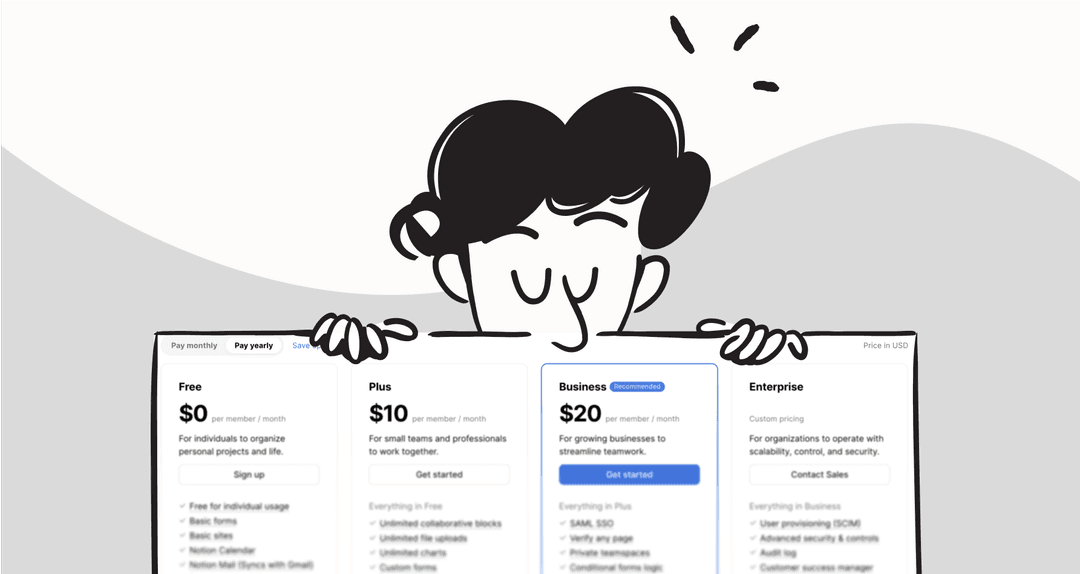
Here’s a look at how Notion’s pricing breaks down:
| Plan | Price (Monthly) | Price (Annually) | Key AI Features Included |
|---|---|---|---|
| Free | $0 | $0 | Limited Trial of Notion AI |
| Plus | $12/user/mo | $10/user/mo | Limited Trial of Notion AI |
| Business | $24/user/mo | $20/user/mo | Full Notion AI Suite (Agent, Enterprise Search, Meeting Notes) |
| Enterprise | Contact Sales | Contact Sales | Everything in Business + Advanced AI features (Zero data retention) |
This kind of rigid pricing isn't uncommon for tools baked into a platform. But it's a big contrast to more focused tools like eesel AI, which let you be more flexible. With a tool like that, you can give a powerful AI to just the teams that need it (like customer support or IT) without being forced into a costly upgrade for the whole company.
Where Notion AI falls short
Notion AI is a great all-rounder, but that's also its biggest weakness when you need it for specific, high-stakes jobs.
Generalist vs. specialist
Think of it this way: Notion AI is built for general tasks like writing and summarizing. It doesn't have the specialized workflows for departments like customer service or IT. It can’t do help desk-specific things like escalate a ticket, tag an issue correctly, or check a customer's order status in Shopify. It’s a decent assistant, but it's not a real, hands-off agent for those teams.
Limited control and knowledge sources
Sure, Notion AI can connect to other apps like Google Docs and Slack, but it just sees them as big buckets of information. It's not built to learn from the nitty-gritty details that a support team needs, like old ticket conversations, saved replies, or help center articles.
A support team needs an AI that actually learns from how you've solved problems in the past. That's what tools like eesel AI are designed for. They can pull together knowledge from all over the place, including your Zendesk help desk or Confluence wiki, to make sure the answers it gives are actually useful and accurate for your agents.
Lack of a 'safe' testing environment
Unleashing an AI on your team's knowledge, or worse, your customers, without testing it first is a pretty big gamble. Beyond the limited trial on Free and Plus, Notion's AI pages don't describe a way to see how it would handle your real past questions before you go all in.
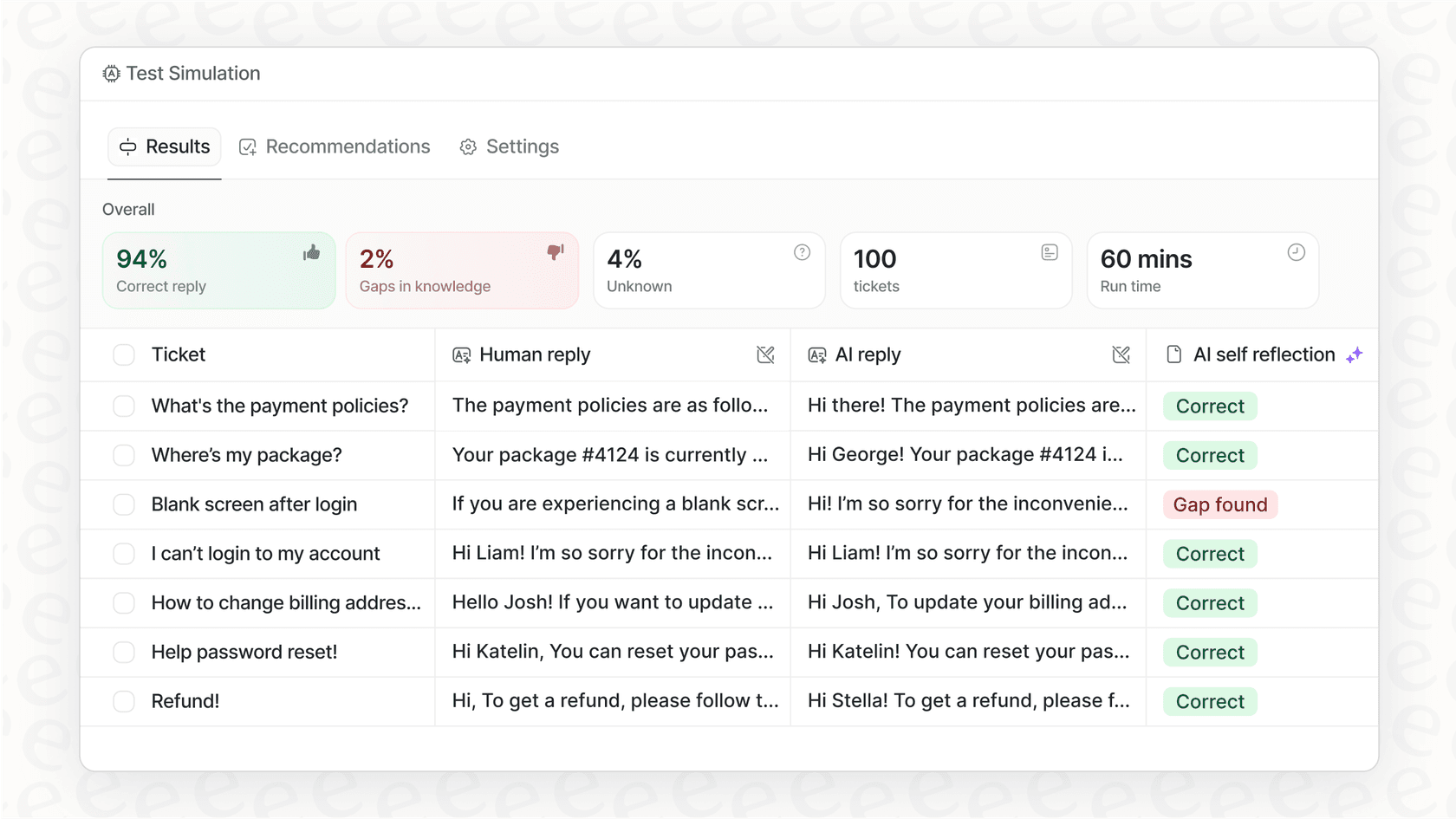
This is a huge difference with tools made specifically for these jobs. For example, eesel AI has a simulation mode where you can test your AI against hundreds of your past support tickets. It helps you see how well it would perform, find gaps in its knowledge, and tweak it in a safe space before it ever talks to a real customer.
Is Notion AI right for your team?
So, what's the final verdict? Look, Notion AI is a genuinely useful tool if your team is already all-in on Notion. If you just want to write, summarize, and find stuff faster inside Notion, and your company is okay with the cost of upgrading everyone, then it’s a solid choice.
But, its one-size-fits-all price tag and general-purpose features make it a tough sell for companies that need something more specialized. Teams in support, IT, or HR usually need an AI that integrates more deeply with their tools and understands their specific workflows. For them, a dedicated tool is almost always going to give better results and be a smarter investment.
A smarter way to power internal knowledge
If you want to give a powerful AI assistant to specific teams without paying for your entire company, then a specialized tool is the way to go. That's exactly what eesel AI does. It brings together all your team's knowledge from the places it's already stored, like Slack, Google Docs, and your help desk.
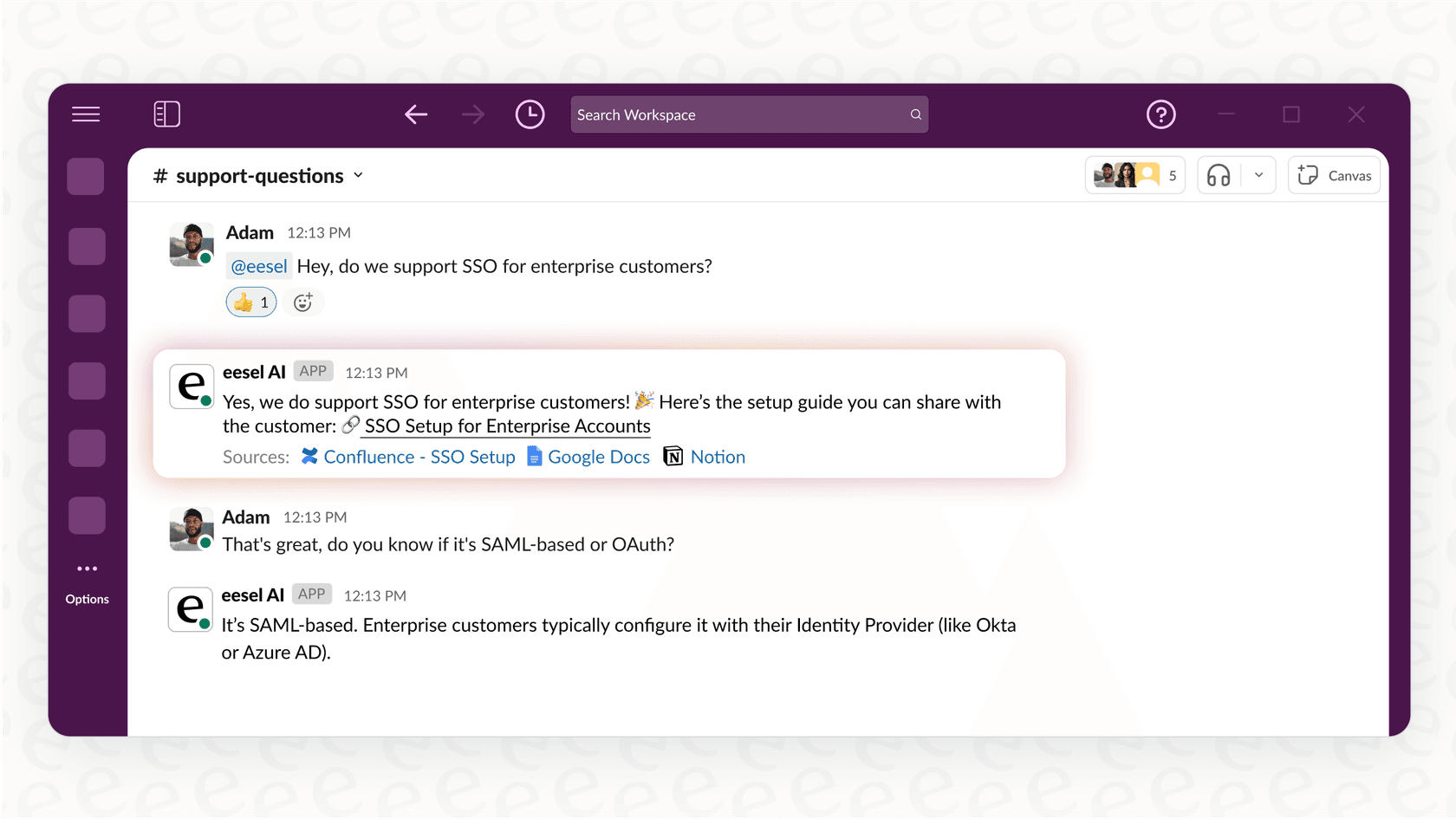
You can get it running in minutes, give it only to the teams that need it, and connect it to its 39 listed integrations right away. It offers the kind of control, flexibility, and focus that a general tool just can't match.
Try eesel AI for free and see what a difference a purpose-built AI can make for your support and internal questions.
Frequently asked questions
How does Notion AI use in workspace impact budget planning for teams where only some members might heavily utilize AI features?
Notion AI is an "all-or-nothing" part of the plan, meaning if you upgrade to a Business or Enterprise plan to access it, you must pay for every user in your workspace. This can significantly increase costs for teams where only a subset of members are heavy AI users.
What are the primary ways Notion AI use in workspace can streamline daily tasks and content management?
Notion AI excels at assisting with content creation, such as drafting, rewriting, and brainstorming. It also enhances knowledge retrieval through AI-Powered Search and automates database management with features like AI Autofill for summaries and keyword tagging.
What are the main limitations of Notion AI use in workspace when specialized departmental workflows are required?
Notion AI is a generalist tool, not designed for highly specialized tasks like escalating support tickets, managing customer orders, or learning from specific historical data like old customer service conversations. It lacks deep, specialized integrations and custom workflows needed by departments like customer support or IT.
Can Notion AI use in workspace be integrated with external tools beyond Notion itself?
While Notion AI can "see" information from some connected apps like Google Docs and Slack, it treats them more as general data sources. It's not built to deeply integrate and learn from the nuanced, specific workflows or data structures of specialized tools like Zendesk or Confluence.
Are there different tiers of Notion AI use in workspace features available, and how do they vary by plan?
A limited trial of Notion AI is available in Free and Plus plans. Full Notion AI capabilities, including Agent, Enterprise Search, and Meeting Notes, are only included in the Business and Enterprise plans, with Enterprise offering additional advanced AI features like zero data retention.
What kind of control or testing environment is available for Notion AI use in workspace before deploying it widely?
Notion's AI pages don't describe a simulation mode for replaying real past questions. The closest option is the limited trial on Free and Plus plans, so you mostly test by using it.
For what types of teams is Notion AI use in workspace considered a particularly strong fit?
Notion AI is an excellent fit for teams already heavily invested in Notion and primarily seeking to enhance writing, summarizing, and information retrieval *within* their Notion workspace. It's ideal for general productivity boosts where the all-inclusive pricing is manageable.