A practical guide to blog writing for community building

Stevia Putri

Katelin Teen
Last edited January 20, 2026
Expert Verified

Seeing a high traffic number on your analytics dashboard feels pretty good, right? But let’s be honest, a blog with a real, thriving community is so much more valuable. Traffic can be a flash in the pan, a one-time visitor who found you on Google, got their answer, and left forever. A community, though, brings loyalty, honest feedback, and people who genuinely advocate for your brand. They’re the ones who don’t just read your content; they champion it.
This guide is all about helping you make that switch. We're going to break down how to approach blog writing for community building, starting with the core ideas and moving to content types you can use right away. We'll also show you how tools like the eesel AI blog writer can handle the heavy lifting of content creation, so you can focus on the human connection that actually builds your community.
What is blog writing for community building?
What does this concept really mean? Simply put, blog writing for community building is about creating content with the main goal of sparking interaction and making your readers feel like they belong. It’s a shift from just trying to rank for keywords to actually building relationships.
Let’s compare it to the old-school content marketing approach:
- Traditional goal: Get a visitor, have them convert on something (like a sign-up or purchase), and cross your fingers that they come back.
- Community goal: Get a visitor, get them to engage, and make them feel like they're part of something so they want to come back.
The idea is simple: you’re not just talking at your audience; you're creating a space to talk with them. You're basically building a digital campfire for people to gather around. Here’s a visual breakdown of how the two approaches differ.
When you nail this, the benefits are huge:
- Deeper trust: People trust other people, not faceless brands. When they feel seen and heard, they're much more likely to trust what you have to say.
- A valuable feedback loop: Your community becomes an amazing source of content ideas, product feedback, and user-generated content you can use elsewhere.
- Brand advocacy: Happy community members don't just read your stuff; they share it, recommend you to friends, and even defend you in online forums.
- Increased loyalty: They come back for the conversations and connections, not just the next keyword-stuffed article.
The foundational principles of community building through blogs
Before you type a single word, you need to get your head in the right space. Building a community isn't about a specific template; it’s about a set of principles that should guide every piece of content you create. Think of these as the non-negotiables for turning readers into a loyal tribe.
Be a person, not a corporation
Nobody wants to have a conversation with a logo. To build a community, your blog needs a real personality. As content expert Jenn Herman advises, your content should be "so distinctly YOU, that there's no mistaking it."
This means writing the way you actually speak. Use personal stories, share your wins and your failures, and let your unique voice come through. This is what makes you relatable and builds a genuine connection.

Solve a real problem for a specific niche
A strong community almost always forms around a shared interest or challenge. Your blog needs to be the go-to resource for that one specific thing. Trying to be everything to everyone is a guaranteed way to be nothing to anyone. As Jenn Herman states, "You MUST have a niche!"
Get crystal clear on who you're talking to. Are you helping solo founders get through their first year of business? Are you offering productivity hacks for busy working parents? Are you a resource for college students trying to land their first internship? Focus on that single audience and create content that speaks directly to their biggest struggles and goals. When readers feel like you "get" them, they'll stick around.
Show up consistently
Trust is built on reliability. If your readers know you publish a genuinely helpful post every Tuesday morning, they’ll start making a habit of checking in. This isn't just about how often you post, but about being someone they can count on.
According to Jenn Herman, making blogging a regular habit is key to being consistent in both your schedule and your writing style. This consistency shows your audience that you’re committed to helping them, which in turn encourages them to commit to you. It proves you're in it for the long haul, not just chasing a quick traffic spike.
Actively invite and respond to interaction
A community doesn't just magically appear; you have to actively build it. As the team at ProBlogger advises, you have to intentionally ask for interaction.
This starts with how you end your posts. Instead of a generic "Leave a comment below," ask a specific, thought-provoking question that encourages a real response. For example: "What's the one piece of advice you wish you'd had when you started your business?" or "Share the biggest challenge you're facing with [topic] right now."
But the most important part? You have to respond. Engagement is a two-way street. When someone takes the time to leave a thoughtful comment, reply to it. Acknowledge their feedback, answer their questions, and show them you're actually listening. Nothing kills a new community faster than a silent blog owner.
Actionable strategies for community-focused blog writing
Alright, we've covered the mindset. Now let's get into the practical stuff. Here are a few types of blog posts that are great for sparking conversation and building that sense of community.
The conversational post: Inviting readers into a dialogue
This is the bread and butter of community-focused content. It’s a post written in a direct, personal tone that feels less like an article and more like a chat with a knowledgeable friend.
How to write it:
- Use "you" and "I" a lot. This creates a direct, personal connection.
- Frame the topic with a personal story or a relatable anecdote. Start with something like, "The other day, I was really struggling with..."
- Keep your paragraphs short and your language simple. Break up big walls of text to make it easy to read.
The interactive post: Creating a shared experience
This type of content goes a step further by actually requiring your audience to participate. It turns passive readers into active contributors.
How to create it:
- Run a challenge: ProBlogger suggests running a challenge where you ask readers to complete a task over a set period and share their progress in the comments. This could be a "7-Day Content Challenge" or a "30-Day Decluttering Challenge." It creates a shared goal and a sense of teamwork.
- Use polls and surveys: Embed a simple poll in your post to get opinions on a hot topic in your niche. Then, write a follow-up post analyzing the results. This makes your readers feel like their opinions matter.
- Ask for stories: Go beyond just asking for opinions and invite readers to share their own experiences. A prompt like, "Tell me about a time you overcame [a specific challenge]" can generate some incredibly rich, personal responses that help other readers feel less alone.
The spotlight post: Making your readers the heroes
One of the best ways to build a community is to make your members feel valued. The spotlight post does exactly that by featuring them and what they have to say.
How to do it, with great ideas from ProBlogger:
- Turn a great comment into a post: Did a reader leave an amazing comment? With their permission, you can expand on their idea in a full blog post, giving them full credit. This shows you're paying attention.
- Create community roundups: Dedicate a monthly post to showcasing the best reader blogs, projects, or insights from your comments section. It gives them some exposure and encourages others to join in.
- Invite guest posts from your community: If you have active, knowledgeable members, invite them to write a guest post. This gives them a platform and provides your audience with a fresh perspective.
How to scale your community-building content with the eesel AI blog writer
Let's be real for a second. The biggest roadblock here is time. Consistently creating high-quality, engaging, and personal content takes a ton of effort. It’s often the single thing that stops people from building a community with their blog.
This is where a smart assistant can come in handy. The eesel AI blog writer is designed to handle the time-consuming parts of content creation. This way, you can spend your time on the human side of things: engaging in the comments, building relationships, and listening to feedback.
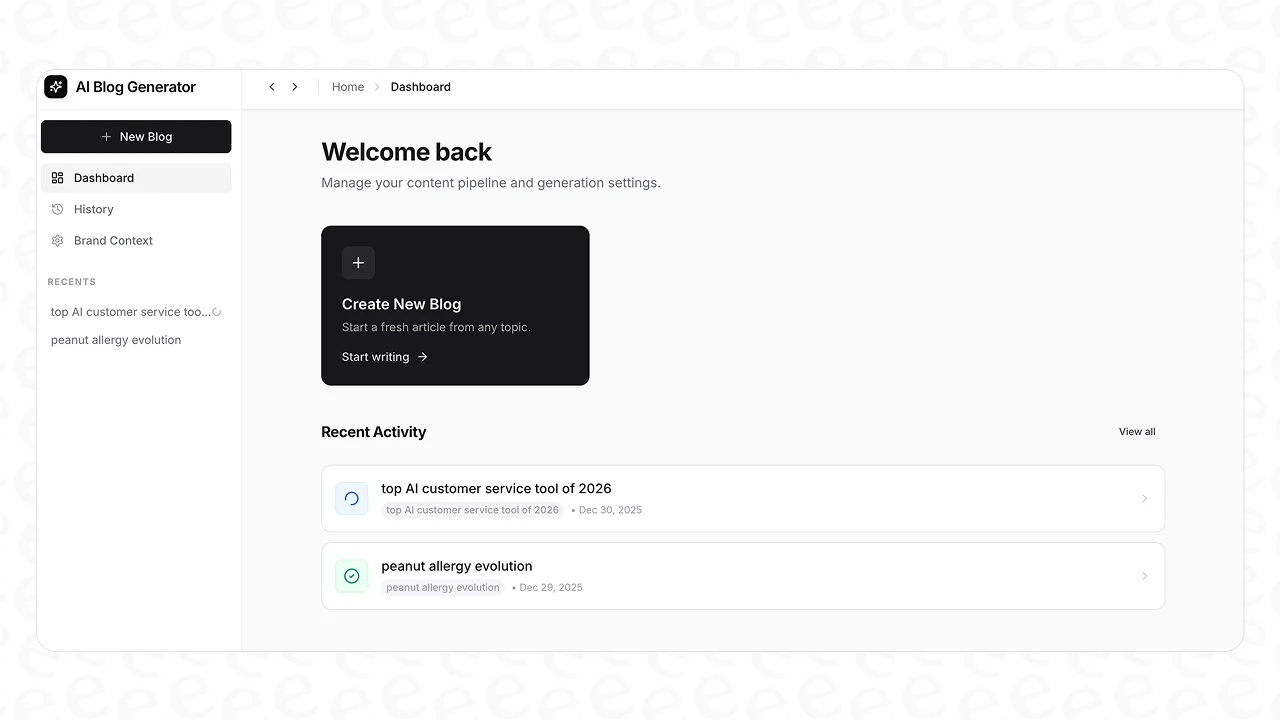
Here’s how the eesel AI blog writer helps with community-building content:
- Ensures a consistent voice: You can't be a "person" if your voice changes with every post. eesel AI learns your unique writing style from your website, making sure every post it generates sounds authentically "you."
- Integrates social proof automatically: It can pull in real quotes from Reddit and other forums related to your topic. This shows your readers you’re plugged into the real-world conversations happening in your niche.
- Generates rich, engaging media: A community-focused blog isn't just text. eesel AI creates a complete post with relevant images, helpful tables, and embedded YouTube videos that make your content more interactive right from the start.
- Saves you from the "blank page" problem: Instead of staring at a blinking cursor for hours, you can generate a complete, publish-ready draft from a single keyword. This can free up hours every week that you can pour back into your community.
We know it works because we use it ourselves. We used this exact tool to grow our own blog impressions from 700 to over 750,000 per day in just three months, proving you can grow without sacrificing the quality that builds connections.
To see these principles in action, it's helpful to hear from creators who have successfully built communities around their blogs. The video below explores how blogs can serve as a central hub for establishing a unique voice and fostering authentic connections with an audience.
This video from Miriam Jayne Brosseau discusses how blogs can be a place to establish an authentic voice and build a community.
Ultimately, blog writing for community building is about intentionally shifting your focus. It's about moving away from chasing vanity metrics and toward building real relationships. It's a long-term strategy, but it pays off in deep loyalty, trust, and a brand that people actually care about.
Success comes down to a few core things: being an authentic person, providing real value to a specific niche, showing up consistently, and actively inviting your audience into the conversation.
While it takes dedication, modern tools can help you focus your energy where it matters most: on the people who make up your community.
Ready to spend more time with your readers and less time writing drafts? It's time to start creating content that connects on a deeper level.
Generate your first community-focused blog post for free with the eesel AI blog writer.
Frequently Asked Questions

Share this post
Article by
Stevia Putri
Stevia Putri is a marketing generalist at eesel AI, where she helps turn powerful AI tools into stories that resonate. She’s driven by curiosity, clarity, and the human side of technology.