Most AI support tools pass the demo but fail the inbox, resolving simple FAQs while punting complex billing issues to human queues. We tested 14 platforms through 5,000 live interactions to see which actually deliver autonomous resolution in 2026. Only seven held up under pressure.
The shift in customer expectations has been absolute. In 2026, customers no longer tolerate the "I'm just a bot" excuse. They expect immediate, context-aware resolutions that actually solve their problems without a human hand-off. The difference between a tool you configure and a teammate you hire is where the most successful support teams are finding their edge.
What is AI live chat in 2026?
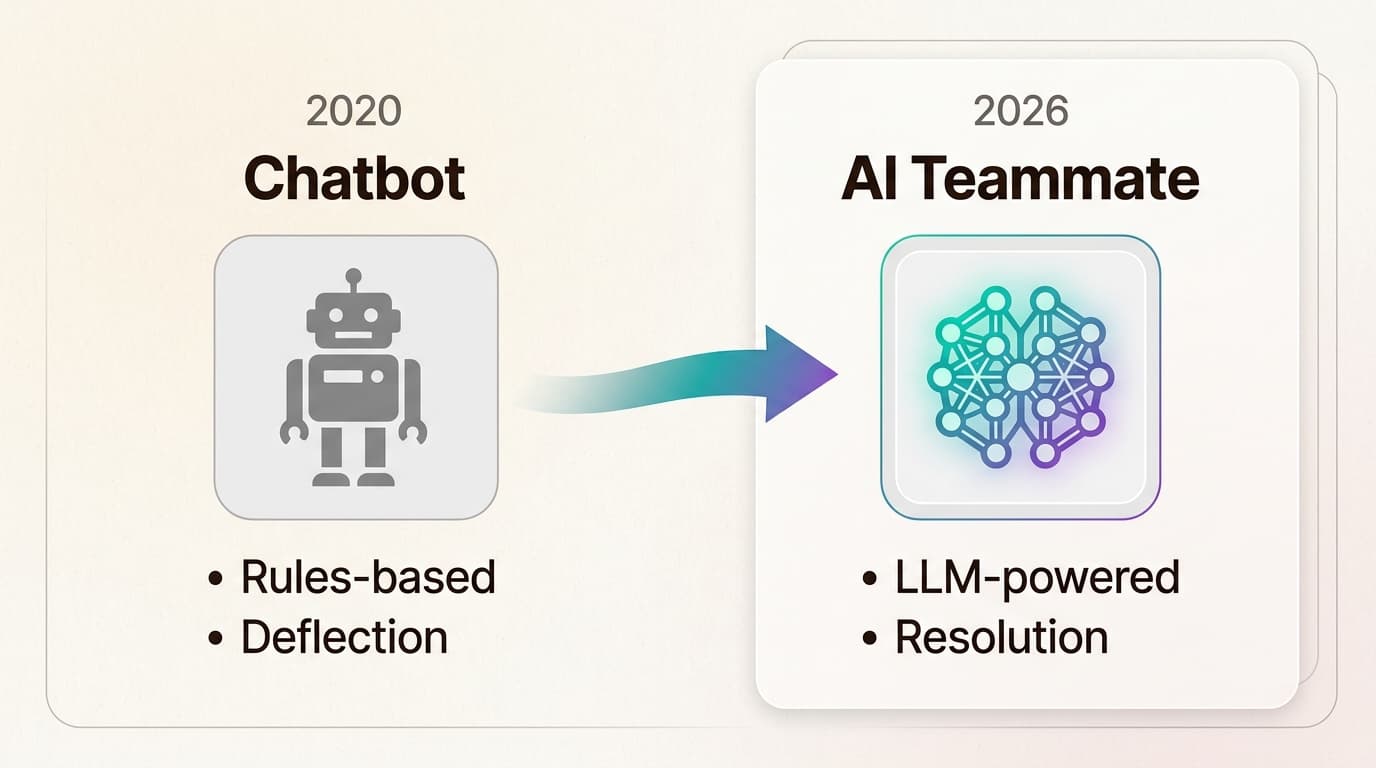
The definition of AI live chat has fundamentally changed over the last two years. We have moved entirely beyond the era of decision trees and keyword matching. In 2026, these platforms function as AI teammates that learn from your existing knowledge in minutes rather than weeks.
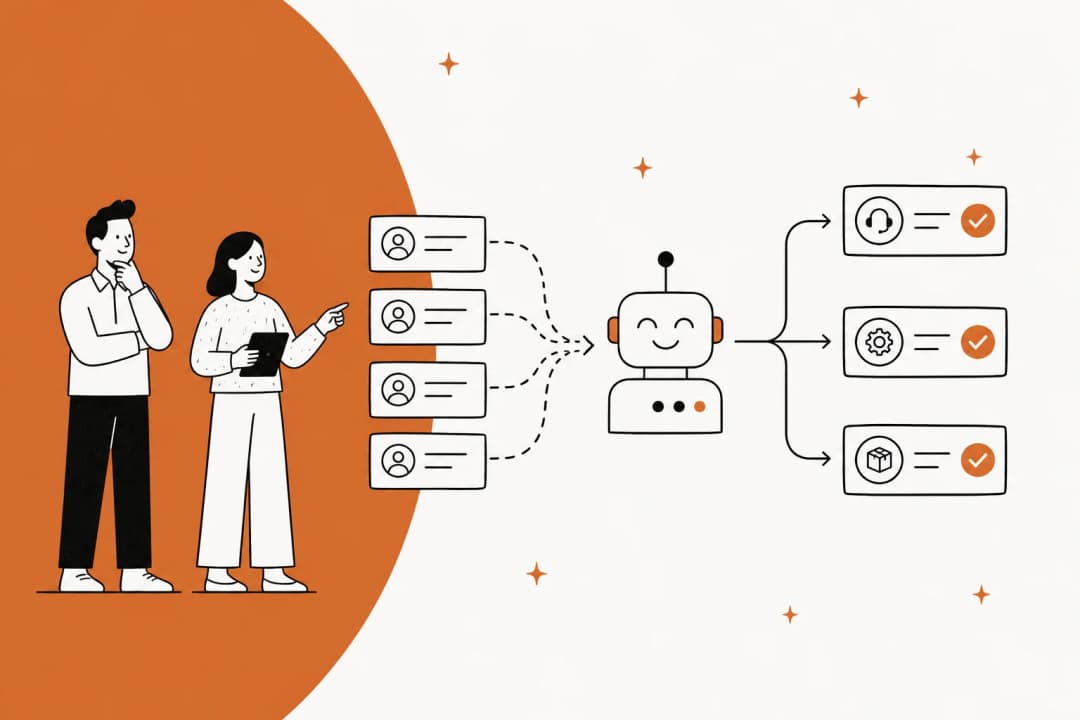
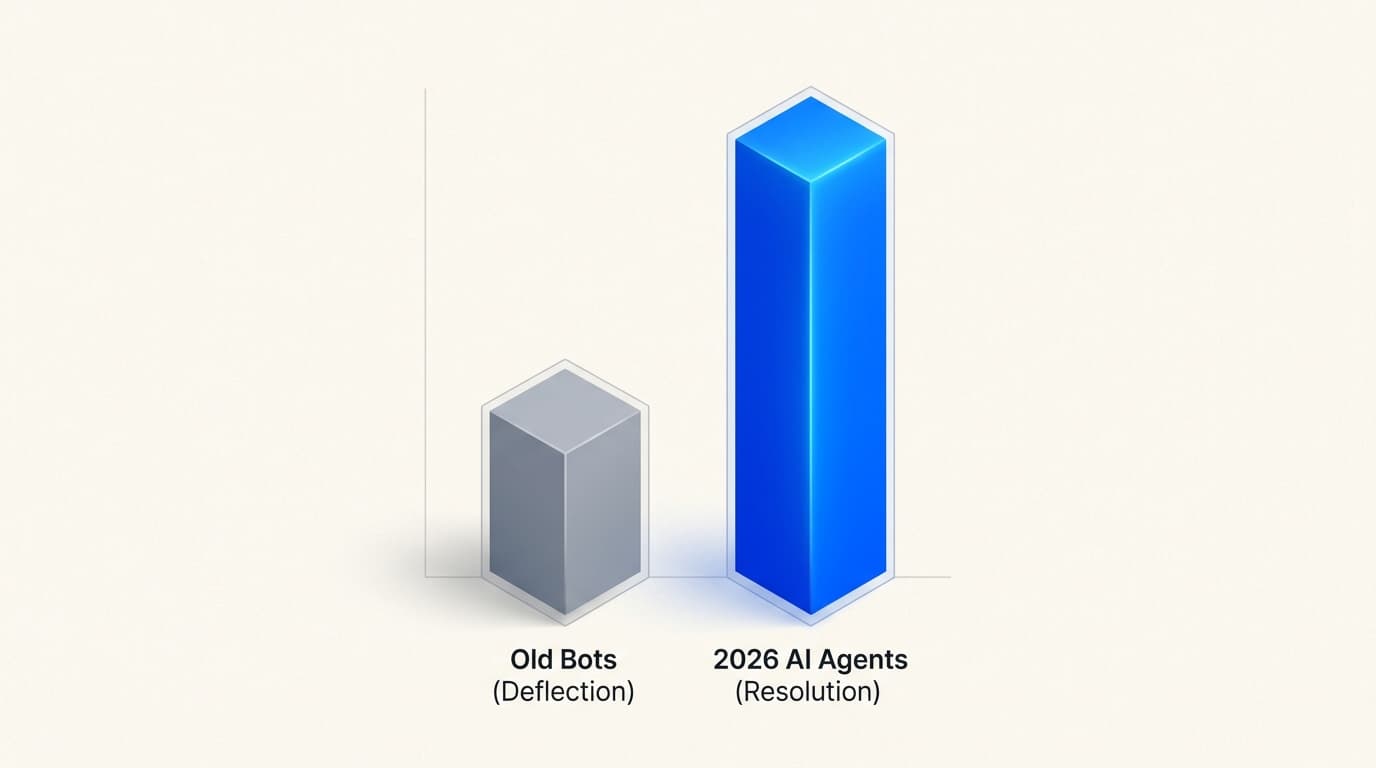
Traditional bots were deflectors. Their goal was to keep customers away from humans. Modern AI agents are resolvers. They are built on large language models (LLMs) that provide human-like conversational experiences while accessing real-time data to perform end-to-end actions. This means an AI can now handle a refund, track a complex shipment, or update a subscription plan directly within the chat window.
This shift to intent-based understanding allows the AI to grasp the "why" behind a customer's query, even if they use slang or unclear phrasing. When you invite an AI teammate into your stack, you aren't just adding a widget to your site; you're adding a member to your team that has perfect recall of every help doc and past ticket ever written.
How we evaluated the top AI support tools
To find the best AI live chat software for 2026, we looked past the marketing fluff and focused on four core performance metrics:
- Autonomous resolution rate: This is the ultimate metric. We measured the percentage of conversations the AI handled from start to finish without any human intervention.
- Setup and onboarding time: We prioritized tools that could learn from existing data like help centers and ticket history in minutes.
- Integration depth: The best tools don't just talk; they act. We looked for deep native integrations with Shopify, Jira, and major CRMs.
- Pricing transparency: We favored usage-based models that eliminate the "headcount tax" on growing teams.
7 best AI live chat software: The top picks for 2026
Before we dive into the details, here is how the top seven platforms compare at a glance:
| Tool | Best For | Starting Price | Automation Depth |
|---|---|---|---|
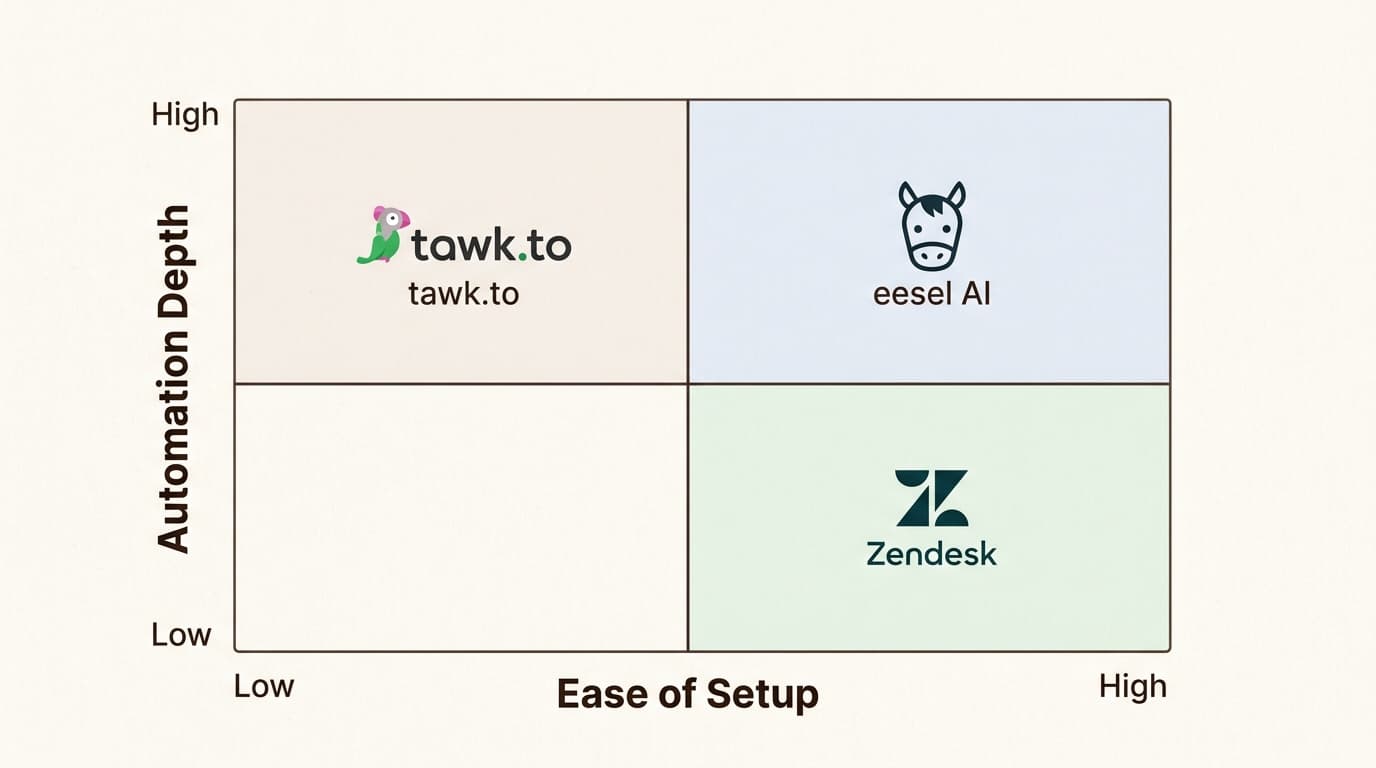
| eesel AI | High-accuracy teammates | $0.40/ticket | Full Resolution + Simulation |
| Zendesk | Enterprise ecosystems | $55/agent/mo | Advanced Routing + AI Agent |
| Gorgias | Ecommerce (Shopify) | $10/mo | Native Shopify Actions |
| Freshchat | Mid-market scale | $19/agent/mo | AI Agent + Copilot |
| HubSpot | Sales/Support alignment | $15/seat/mo | CRM-Integrated Chat |
| Tidio | Startups and SMBs | $29/mo | No-code Flow Builder |
| tawk.to | Budget-conscious teams | Free (Software) | FAQ-based AI Assist |
1. eesel AI
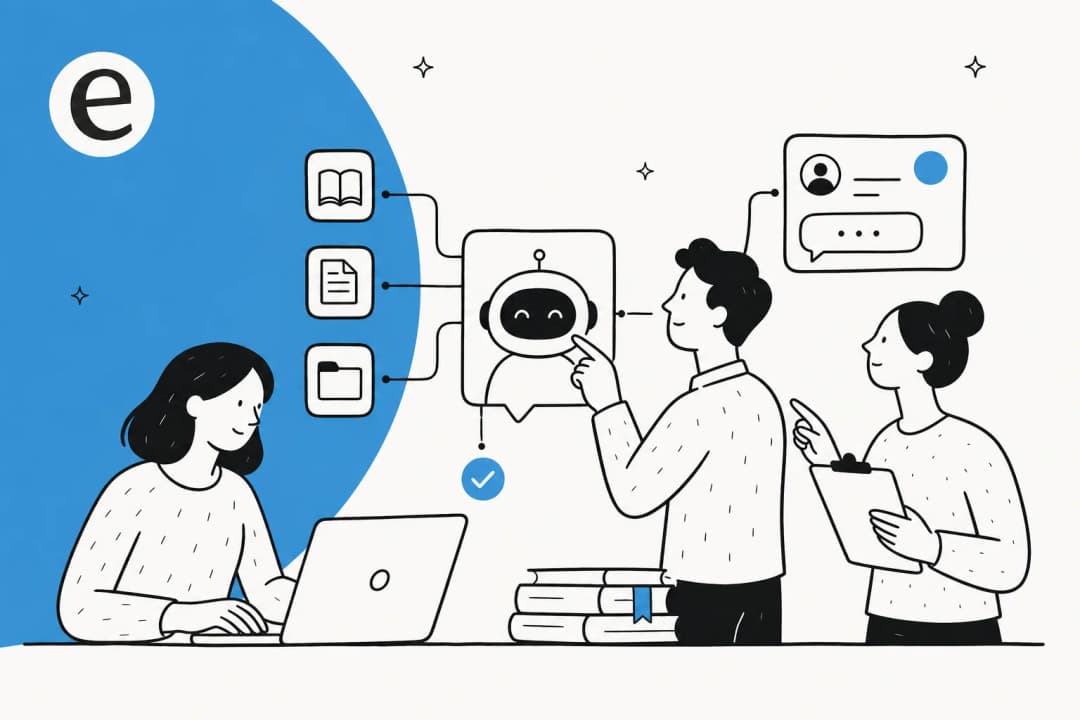
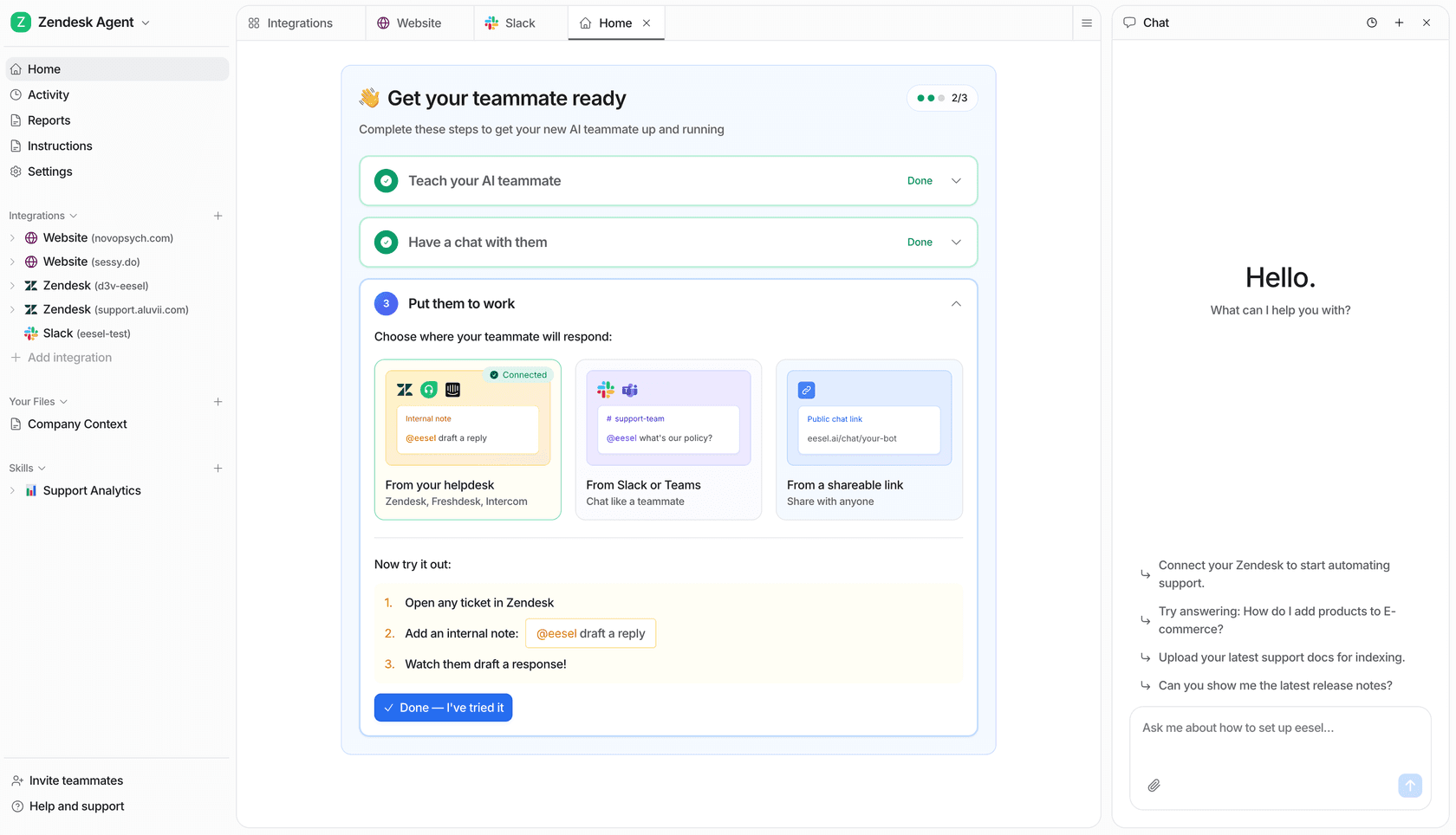
eesel AI is not a platform you have to build from scratch. Instead, we view it as an intelligent AI teammate that you invite to your existing helpdesk. Whether you use Zendesk, Freshdesk, or Gorgias, we plug in and start learning from your data immediately.
The key differentiator here is the "teammate" mental model. You don't spend weeks configuring decision trees. You onboard eesel the same way you would a human hire: by letting it read your past tickets, help articles, and macros. Within minutes, it has a 94% voice match and is ready to draft replies or resolve tickets autonomously.
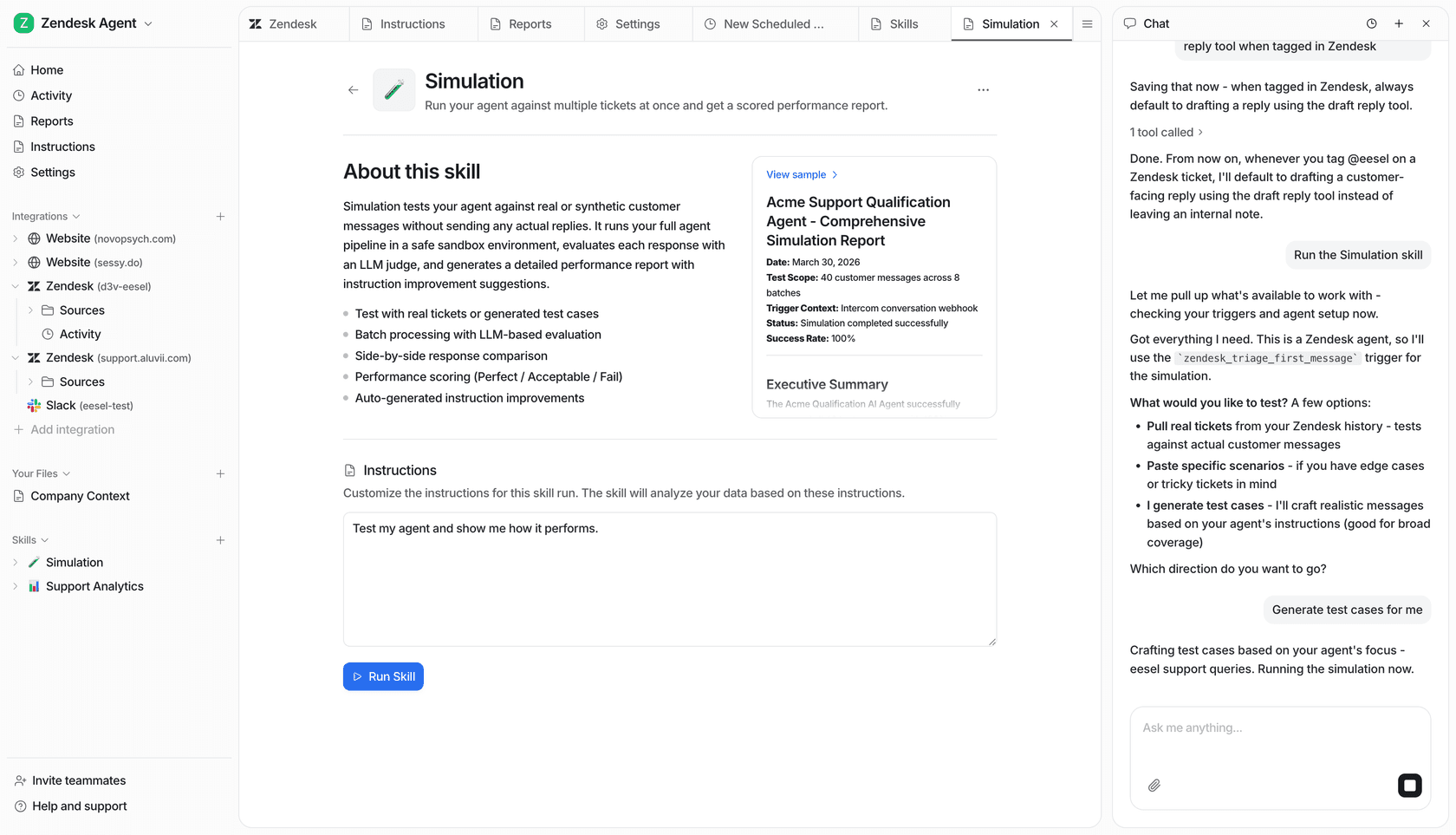
eesel AI Simulation Mode
One of the most unique features is our Simulation Mode. This allows you to run the AI against thousands of your past tickets before going live. You get a clear report on accuracy, showing exactly where the AI succeeded and where it needs more guidance.
Pros:
- Starts at $0.40 per resolved ticket with no monthly minimums
- $50 free trial with no credit card required
- Native integrations with 100+ sources including Slack and Notion
- Learns continuously from human agent corrections
Cons:
- Best results require an existing helpdesk for core ticketing management
Pricing:
| Plan | Price | Minimums | Free Trial |
|---|---|---|---|
| Standard | $0.40/ticket | $0 | $50 Credits |
| Enterprise | $1,000/mo | N/A | Custom |
2. Zendesk
Zendesk remains the heavy hitter for enterprise teams that need a complete support ecosystem. Their native AI agents are built directly into the Suite plans, offering a seamless experience for teams already invested in their routing and ticketing logic.
What makes Zendesk stand out is the sheer depth of its configuration. You can set up AI agents to detect specific customer intents, analyze sentiment, and even suggest macros to human agents in real-time.
Zendesk AI agent settings
The configuration panel is where you fine-tune how the AI interacts with your queues. It allows for highly granular control over which intents are handled automatically and which are escalated.
Pros:
- Robust omnichannel capabilities across social, voice, and chat
- Massive marketplace for third-party extensions
- Enterprise-grade security and compliance
Cons:
- Advanced features have a steep learning curve
- Pricing can become very expensive as you add AI capabilities
Pricing:
| Plan | Price (Annual) | Monthly Option | AI Agent Cost |
|---|---|---|---|
| Suite Team | $55/agent/mo | $69/agent/mo | $1.00/resolution |
| Suite Growth | $89/agent/mo | $115/agent/mo | $1.00/resolution |
| Suite Professional | $115/agent/mo | $149/agent/mo | $1.00/resolution |
3. Gorgias
If you are running a high-volume ecommerce store on Shopify or BigCommerce, Gorgias is likely your top choice. They have specialized their AI to handle the specific "Where is my order?" (WISMO) queries that plague online retailers.
The native Shopify automation means the AI can pull real-time shipment data, process returns, and even issue discount codes without a human ever touching the ticket.
Gorgias Shopify automation
The interface is designed for speed, showing Shopify order status rules directly alongside the chat automation settings.
Pros:
- Instant setup for Shopify and Magento users
- Built-in revenue tracking for chat-driven sales
- Excellent sentiment tagging for ecommerce workflows
Cons:
- Less flexible for non-ecommerce business models
- Usage-based pricing can scale rapidly during peak seasons
Pricing:
| Plan | Price/mo | Tickets Included | AI Agent Resolution |
|---|---|---|---|
| Starter | $10 | 50 | [not available] |
| Basic | $50 | 300 | $0.90/resolution |
| Pro | $300 | 2,000 | $0.90/resolution |
4. Freshchat
Freshchat is the conversational AI arm of the Freshworks suite. In 2026, their focus is on Freddy AI, which splits its time between acting as an autonomous agent for customers and a copilot for your human team members.
The Freddy AI agent builder is a no-code environment that makes it easy to visualize how the AI will handle different conversation paths.
Freshchat Freddy AI setup
The builder uses a clean, visual flow to help you map out how the AI should respond to various triggers and customer inputs.
Pros:
- Unified experience for Freshdesk and Freshworks users
- Strong multilingual support across 40+ languages
- Helpful AI insights for identifying support trends
Cons:
- Session-based pricing can be harder to predict than resolution-based models
- The interface can feel cluttered for smaller teams
Pricing:
| Plan | Price (Annual) | Monthly Option | Freddy AI Agent |
|---|---|---|---|
| Growth | $19/agent/mo | $23/agent/mo | $100 per 1k sessions |
| Pro | $49/agent/mo | $59/agent/mo | $100 per 1k sessions |
| Enterprise | $79/agent/mo | $95/agent/mo | $100 per 1k sessions |
5. HubSpot Service Hub
HubSpot has traditionally been known for marketing, but their Service Hub has become a serious contender in the AI live chat space. The Breeze AI agent is integrated directly with the HubSpot CRM, meaning the chat experience is always backed by a full view of the customer's history.
This is the best choice for sales-heavy teams that need to qualify leads, schedule meetings, and route tickets based on CRM deal stages.
Pros:
- Unified data across sales, marketing, and support
- Built-in meeting scheduler that actually works
- Easy to use for teams already inside the HubSpot ecosystem
Cons:
- Technical support features are not as deep as Zendesk or Gorgias
- High "platform cost" to unlock the best AI features
Pricing:
| Plan | Price/Seat/mo | Minimum Seats | AI Credits |
|---|---|---|---|
| Starter | $15 | 1 | 500 Credits |
| Professional | $90 | 3 | 3,000 Credits |
| Enterprise | $150 | 10 | 5,000 Credits |
6. Tidio
Tidio is built for startups that want user-friendly AI without the enterprise overhead. Their Lyro AI agent uses machine learning to scan your support documentation and answer questions conversationally.
They offer a range of pre-built templates specifically for cart abandonment and discount offers, making it a favorite for smaller ecommerce brands.
Pros:
- Very simple visual builder for custom chat flows
- See what customers are typing in real-time with "Live Typing"
- Affordable entry point for basic AI features
Cons:
- Advanced analytics and reporting are restricted to higher tiers
- Custom integrations require more effort than with Gorgias or eesel AI
Pricing:
| Plan | Base Price/mo | Seats Included | Lyro AI Conversations |
|---|---|---|---|
| Starter | $29 | 3 | 50 included |
| Growth | $59 | 5 | 50 included |
| Tidio+ | $499 | Unlimited | Custom |
7. tawk.to
tawk.to is unique in that their core software is 100% free. They make their money through add-ons and hired agent services. For AI, they offer the Apollo AI assistant which functions as a basic FAQ-based helper.
While it is the zero-cost leader, the AI is more of a writing assistant for human agents than a fully autonomous resolver like our AI Helpdesk Agent.
Pros:
- No cost for unlimited agents and unlimited chat volume
- Simple, one-click language translation for global teams
- Very easy to deploy on any website
Cons:
- AI capabilities are basic compared to competitors
- No native ecommerce actions like order edits or refunds
Pricing:
| Feature | Price |
|---|---|
| Live Chat Software | $0 |
| Remove Branding | $15/mo |
| AI Assist (Apollo) | $29/mo |
Key features to look for in an AI teammate
When you are deciding which AI teammate to invite to your workspace, don't just look at the chat widget. The real magic happens in the background. Look for these four pillars of modern AI support:
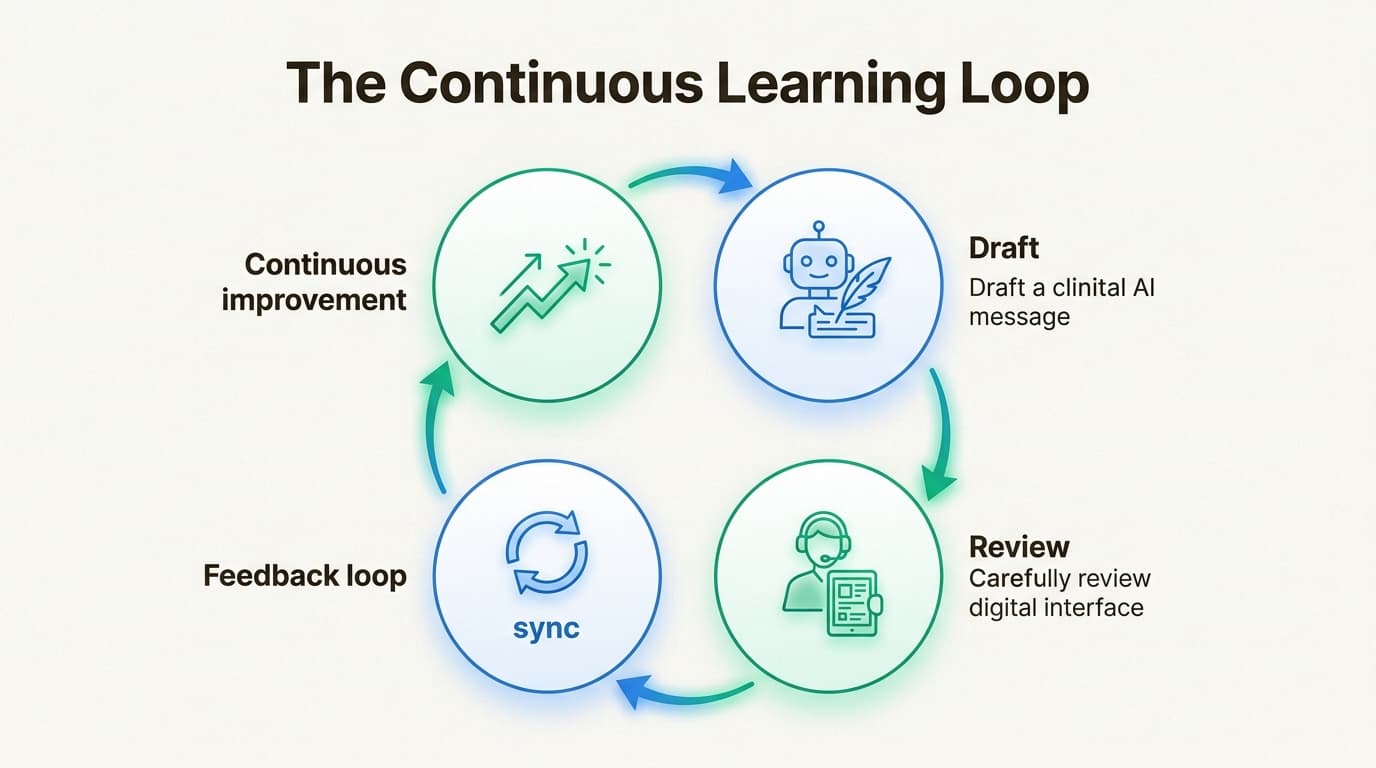
- Continuous learning: You want an AI that gets smarter every day. If a human agent corrects an AI draft, that feedback loop should immediately update the AI's future responses.
- Omnichannel persistence: Your AI should be omnichannel by default. If a customer starts a chat and then follows up via email, the AI must keep the context of the entire conversation.
- Guardrails and escalation: Trust is earned. You need fine-tuned control over exactly when the AI handles a ticket and when it passes the baton to a human.
- Transparent pricing: Avoid the "headcount tax." Usage-based pricing ensures you only pay for actual resolutions, allowing your team to scale without ballooning software costs.
Level up your customer support with eesel AI
The "bot" era is over. Support teams that win in 2026 are those that treat AI as a hireable member of the team. At eesel AI, we built our platform around this teammate mental model.
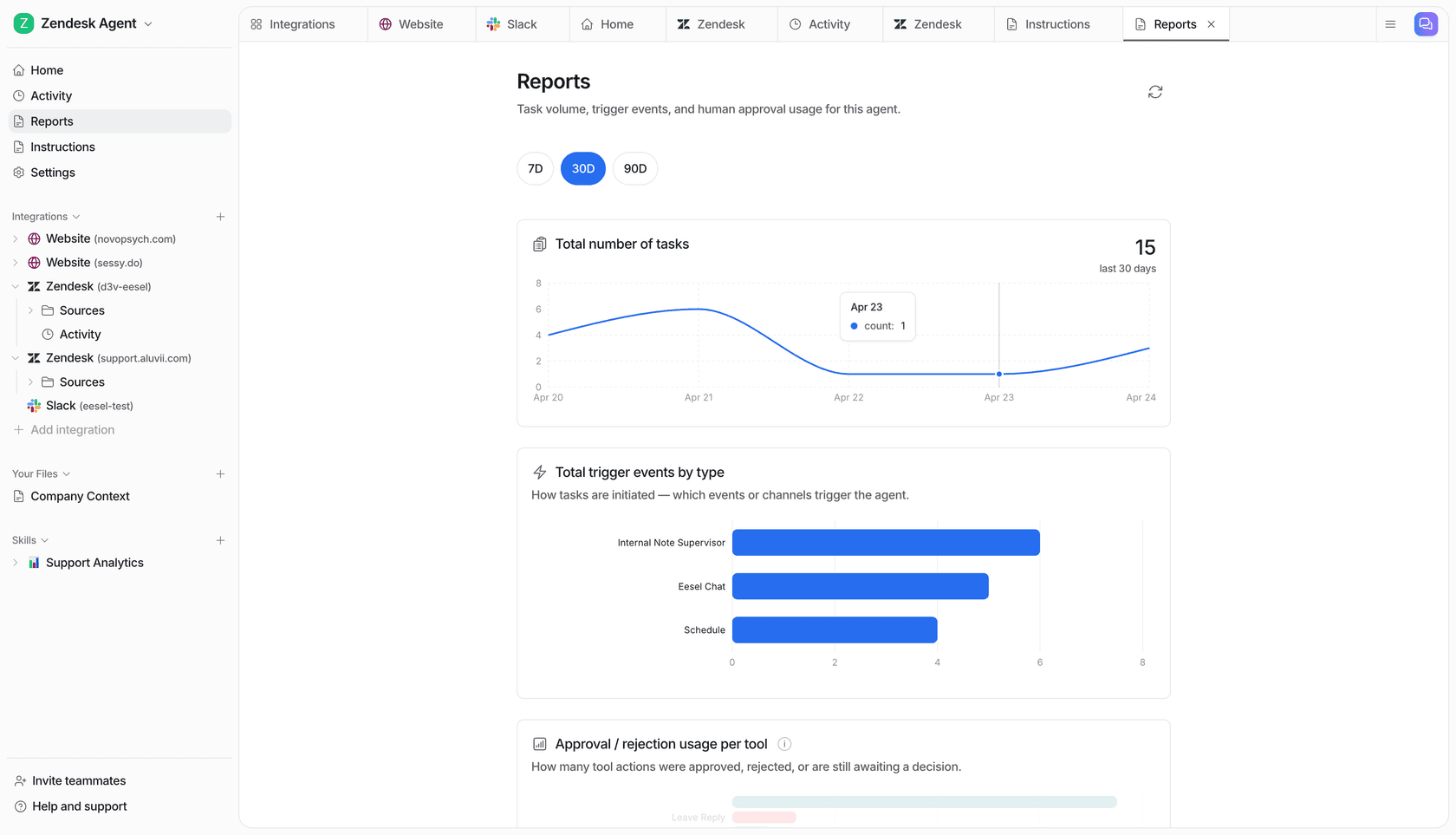
We don't want you to take our word for it. We want you to see the results yourself. You can run a risk-free simulation on your own past tickets today to see exactly how much volume our AI teammate can handle.
Bottom line? You can stop managing tools and start managing outcomes. Start your $50 free trial today and see how fast your new AI teammate can ramp up.