A practical guide to AI content integration

Stevia Putri

Katelin Teen
Last edited January 15, 2026
Expert Verified
It seems like everyone is using AI for content creation these days. But there’s a big difference between playing around with a chatbot and properly integrating AI into your content workflow. One is a cool party trick; the other is how you build a real growth engine.
Proper AI content integration isn't about copying and pasting a draft from one app to another. It’s about building a connected system where AI works with your brand voice, your data, and your tools to automate the whole content process, from brainstorming to a published article.
When you nail it, the results can be pretty wild. We used this strategy with our own eesel AI blog writer, and it helped us jump from about 700 to over 750,000 organic impressions per day in just three months.
So, how do you make that leap? This guide will walk you through what you need to know to build an efficient, integrated content machine.
What is AI content integration?
Simply put, AI content integration means plugging AI tools directly into your content management systems (CMS), marketing platforms, and other workflows. The idea is to automate, personalize, and improve content at a scale you just can't manage by hand.
This is much more than asking a chatbot to "write a blog post." It's about creating automated processes that handle the grunt work of research, drafting, and even creating images in one smooth flow. It’s like having an AI assistant that’s already part of your team.
A few key technologies make this possible:
- Generative AI: This is what creates the text, images, and outlines. It’s the part that does the actual "writing."
- Retrieval-Augmented Generation (RAG): This is a clever technique that lets advanced tools pull in current, specific information from the web or your company’s documents. It's what keeps the writing accurate and relevant, so you don't get generic, outdated content.
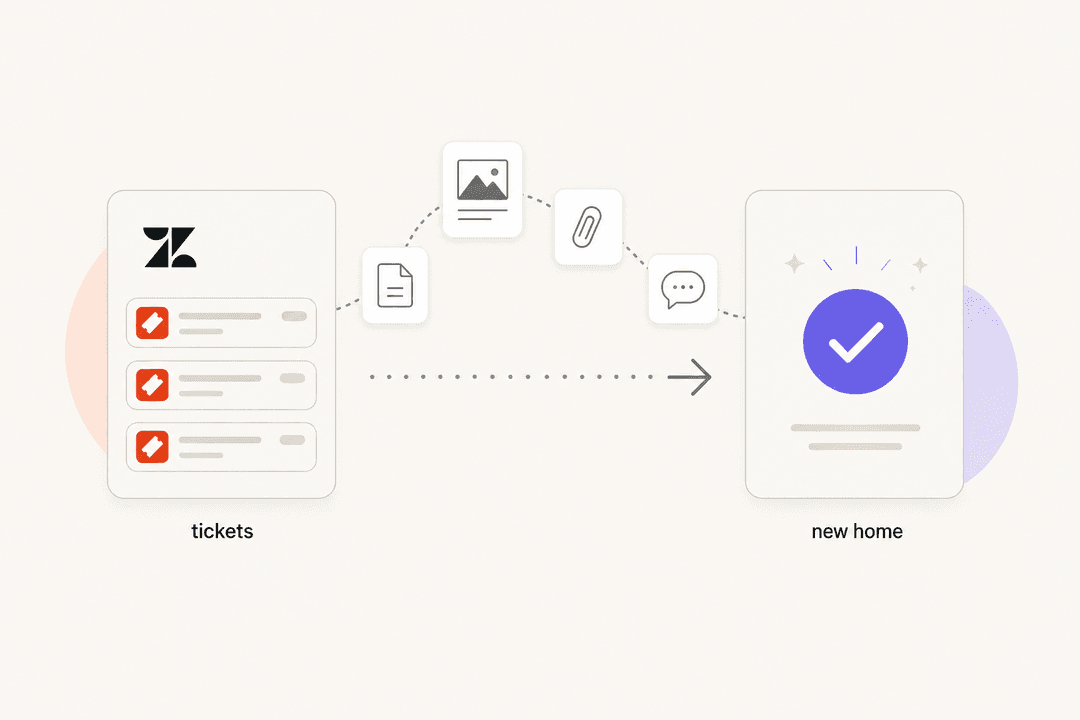
- API Integration: This is the glue that connects your systems. It lets your CMS, help desk, and AI platform communicate, share data, and trigger actions. For instance, eesel AI connects with platforms like Zendesk, Confluence, and Google Docs to learn from your company knowledge and produce on-brand content.
The strategic benefits of AI content integration
Beyond just saving time, a fully integrated AI content system can have a much bigger impact. It’s not only about speed; it’s about working smarter and more consistently.
Achieve true brand consistency
Keeping a consistent brand voice is hard, especially as you scale. An integrated AI can learn from your brand guidelines, past articles, and internal docs to ensure every piece of content sounds like it came from you. For example, platforms like eesel AI can learn from your website and support replies to match your team's tone perfectly.
Make data-driven decisions
Content strategy can sometimes feel like guesswork. Integrated AI tools can analyze search trends, what competitors are doing, and what users are looking for to give you a clear plan. Instead of wondering what to write next, you get solid direction on what will actually rank and connect with your audience.
Personalize content for better engagement
Imagine creating highly personalized content automatically. By connecting AI with your data sources, like a CRM or product catalog, you can do just that. This could mean generating tailored email campaigns, unique product descriptions for your e-commerce store, or landing pages that speak directly to each visitor.
Automate tedious tasks
Let's be honest, a lot of content work is repetitive. Integrated AI can handle the boring stuff like writing meta descriptions, tagging articles, and creating first drafts. This frees up your team to focus on the bigger picture and more creative work. As one eesel AI customer said, it "removes the manual work, and lets us focus on the more complex cases."
Common challenges in AI content integration and how to solve them
Of course, it’s not always a walk in the park. Many teams run into issues when they try to bring AI into their workflows. Here are a few common ones and how to get around them.
The generic "AI slop" problem
We've all seen it: content that sounds robotic, has no real depth, and basically shouts, "I was written by a cheap AI." This "AI slop" is the biggest risk when using basic tools.
Solution: Use a platform that understands context and is built for high-quality output. The eesel AI blog writer, for example, learns your brand voice from your website and does deep research on the topic to avoid shallow content. It's designed to sound human.
A fragmented workflow
For many teams, the default workflow is a mess of different apps: one for research, another for writing, a third for grammar, a fourth for images, and then finally the CMS. It’s an inefficient cycle of copying and pasting.
Solution: Find a single platform that handles the entire process. A good integration should give you a publish-ready post, complete with text, images, and charts, cutting out all those manual steps.
Data privacy and security concerns
Connecting an AI to your company’s private data can feel a bit scary. Where does that information go? Is it being used to train some other company's model? These are fair questions.
Solution: Go with platforms built with enterprise-level security. For example, eesel AI is fully GDPR and CCPA compliant and contractually guarantees that your data is never used to train third-party AI models.
The steep learning curve of complex tools
Many so-called "AI platforms" are just too complicated. They feel like they were made for developers, not marketers, and force you to become a "prompt engineer" just to get a decent article.
Solution: Choose intuitive tools designed for the task. An effective integration should be simple. You shouldn't need a manual; it should be as easy as giving it a keyword and your website to get a great piece of content.
An end-to-end approach to AI content integration: The eesel AI blog writer
The eesel AI blog writer was built from the start to be a true AI content integration tool, not just another text generator. It solves the problems we just covered by simplifying the whole process down to a single click.

All you do is provide a keyword and your website URL. A few minutes later, you have a complete, publish-ready blog post.
Here’s what sets it apart:
- Context-aware research: It doesn't just write; it does its homework. For a comparison post, it finds pricing data. For a product review, it looks up technical specs. This makes the content deep, specific, and genuinely useful.
- Automatic asset generation: You don't have to source visuals on your own. It includes AI-generated images, infographics, and data tables right in the post, solving the fragmented workflow problem.
- Authentic social proof: To add a human touch and credibility, it automatically finds relevant quotes from Reddit discussions and embeds helpful YouTube videos. Most other tools just don't do this.
- Built for modern search (SEO & AEO): It optimizes content for traditional search engines (SEO) and for AI answer engines like Google AI Overviews and Perplexity (AEO). This is important, as Gartner predicts search volume will drop 25% by 2026 because of AI chat.
This is the exact tool we used to grow our own organic impressions from 700 to 750,000 per day in three months by publishing over 1,000 optimized blogs. The best part? It's completely free to try.

How other platforms handle AI content integration
Different tools focus on various aspects of the content lifecycle. Here’s a look at how some popular platforms approach AI integration.
Copy.ai for GTM automation
Copy.ai calls itself a "GTM AI Platform" for sales and marketing teams. Its main strength is its Workflows feature, which automates multi-step tasks like prospecting and lead enrichment. Its primary focus is on automating complex go-to-market jobs.
Jasper's approach to marketing copy
Jasper is a versatile AI writing assistant that's popular with marketers. It has a bunch of templates for different formats, from social media posts to articles, and includes features like a collaborative Canvas editor and Brand IQ to help maintain brand voice. It's a solid choice for teams that need a wide variety of copy and like to build posts from different parts.
Surfer SEO for on-page optimization
Surfer SEO is an SEO tool first and foremost. It’s great at analyzing top-ranking pages for a keyword and giving you detailed, data-driven tips to optimize your content. It provides a "Content Score" to guide your writing, but it's built to improve content, not create it from scratch. It’s best for SEO specialists who want deep analysis to guide their writing process.
Here’s a quick breakdown of how they compare:
| Feature | eesel AI blog writer | Copy.ai | Jasper | Surfer SEO |
|---|---|---|---|---|
| Primary Focus | One-click, publish-ready blog posts | Go-to-market (GTM) task automation | Versatile marketing copy generation | On-page SEO analysis & optimization |
| Automatic Assets | Yes (Images, tables, infographics) | No | No | No |
| Media Embeds | Yes (YouTube videos, Reddit quotes) | No | No | No |
| Ease of Use | Single keyword input | Workflow builder required | Template-based, multi-step process | SEO brief with content scoring |
| Best For | Scaling high-quality blog content fast | Automating sales & marketing processes | Creating various types of marketing copy | Deeply optimizing content to rank |
Seeing a fully integrated workflow in action can help clarify how all these pieces fit together. The video below demonstrates a step-by-step process for using AI to automate content creation, from initial idea to final output, showcasing how a connected system can save time and improve consistency.
This video demonstrates a step-by-step process for using AI to automate content creation, from initial idea to final output, showcasing how a connected system can save time and improve consistency.
Best practices for a successful AI content integration
Ready to jump in? Here are a few things to keep in mind as you build out your AI-powered content strategy.
Start with a clear goal
Before you pick a tool, figure out what you're trying to accomplish. Do you want to publish more content? Improve SEO rankings? Personalize emails? Let your goal guide your choices.
Redefine roles: From writer to editor-in-chief
AI isn't here to replace your content team; it's a powerful collaborator. Teach your creators to think like editors. Their job shifts from staring at a blank page to guiding the AI, refining its output, and adding their own expertise. They’re there to turn a great first draft into an exceptional piece of content.
Always maintain human oversight
This one is critical. Never just "set it and forget it." Always have a human review, fact-check, and edit anything the AI generates. That human touch is what builds trust, ensures originality, and provides real value to your audience.
Measure, adapt, and scale your efforts
Keep an eye on the metrics that matter. How much time are you saving? How is your organic traffic growing? Are you ranking for your target keywords? Use this data to show the value of your AI efforts, tweak your strategy, and make the case for doing more.
Making AI content integration a core part of your engine
Successful AI content integration is about more than just writing faster. It’s about building a smarter, more efficient system that frees your team to do their best work.
The trick is to get past common issues like generic output and messy workflows by choosing a platform designed for an end-to-end process. The future of content is a partnership between human creativity and smart automation. When you get that balance right, you’re not just making content—you’re building a scalable engine for growth.
Ready to build your content engine? Generate your first publish-ready blog post for free with the eesel AI blog writer.
Frequently Asked Questions
Share this post

Article by
Stevia Putri
Stevia Putri is a marketing generalist at eesel AI, where she helps turn powerful AI tools into stories that resonate. She’s driven by curiosity, clarity, and the human side of technology.