Will marketing be replaced by AI? A realistic look at the future of your job

Kenneth Pangan
Written by

Kenneth Pangan

Reviewed by

Katelin Teen

Last edited January 27, 2026

Expert Verified

The question "will AI take my job?" is probably buzzing in the back of every marketer's mind. You're not alone. With reports saying that 78% of marketing roles are expected to change because of automation, it’s understandable to feel a little anxious.

The answer, however, isn’t a simple yes or no. This post is about giving you a realistic look at what’s actually going on.

The reality is, AI won't replace marketers, but it will definitely reshape what we do every day. Someone once said your job is more likely to be taken by a person who knows how to use AI than by AI itself, and that hits the nail on the head. The marketers who succeed will be the ones who treat AI as a collaborator, using it to handle the tedious work and free up time for the strategy and creative ideas that really matter.

The current state of AI in marketing

AI in marketing isn't some far-off concept; it's already here and has been for a while. If you've ever been impressed by Netflix's recommendations or used marketing automation platforms like HubSpot, Mailchimp, or Constant Contact, you've seen AI in action.

The 2024 State of Marketing AI Report found that AI adoption is speeding up, and many marketers feel they "couldn’t live without AI." It's become a standard part of the modern marketing toolkit.

So, what are they using it for? The report points to a few key areas: reducing time spent on repetitive tasks, getting more useful insights from data, and speeding up revenue growth.

The conversation has moved on. It's no longer about if we should use AI, but how we can best integrate it into our work. Being AI-literate isn't just a bonus skill anymore; it's quickly becoming a basic requirement for the job.

What AI excels at (and where humans still lead)

To get a handle on how our jobs are changing, we need to be clear about what AI is great at and where it isn't. Understanding these strengths and weaknesses is how we figure out where we fit in.

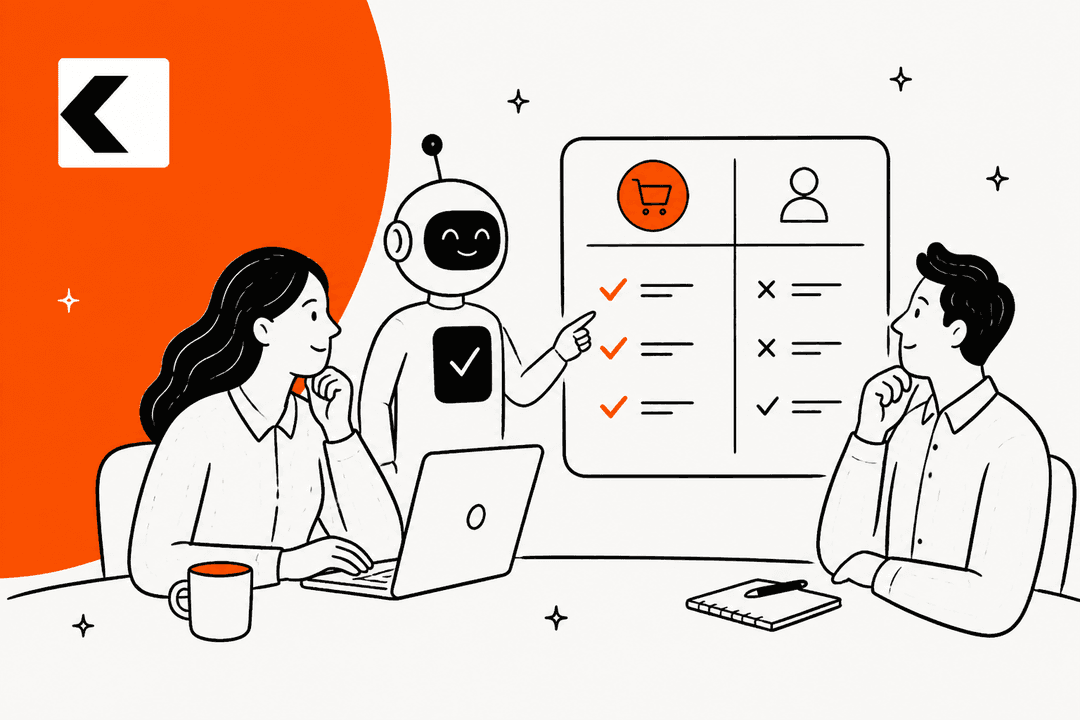
An infographic comparing AI and human strengths answers the question 'will marketing be replaced by AI?' by showing where each excels.

Where AI shines: Data, automation, and content at scale

AI is a powerhouse for data analysis and predictive analytics. No human can sift through millions of data points to spot trends, predict customer behavior, and personalize campaigns on the fly. AI handles this, powering hyper-targeted ads and accurate lead scores.

It's also built for task automation. Think about all the time-consuming, repetitive jobs on your plate, like scheduling social media posts, adjusting PPC bids, or segmenting email lists. AI can manage these tasks with precision, freeing you up for more important work.

And then there's content generation. The "blank page" struggle is a thing of the past. AI can produce high-quality drafts for blog posts, social media updates, and ad copy in minutes. For instance, the eesel AI blog writer can take a single keyword and turn it into a complete, SEO-optimized blog post. It even adds assets, finds social proof from Reddit, and includes external sources, handling everything from research to a publish-ready draft.

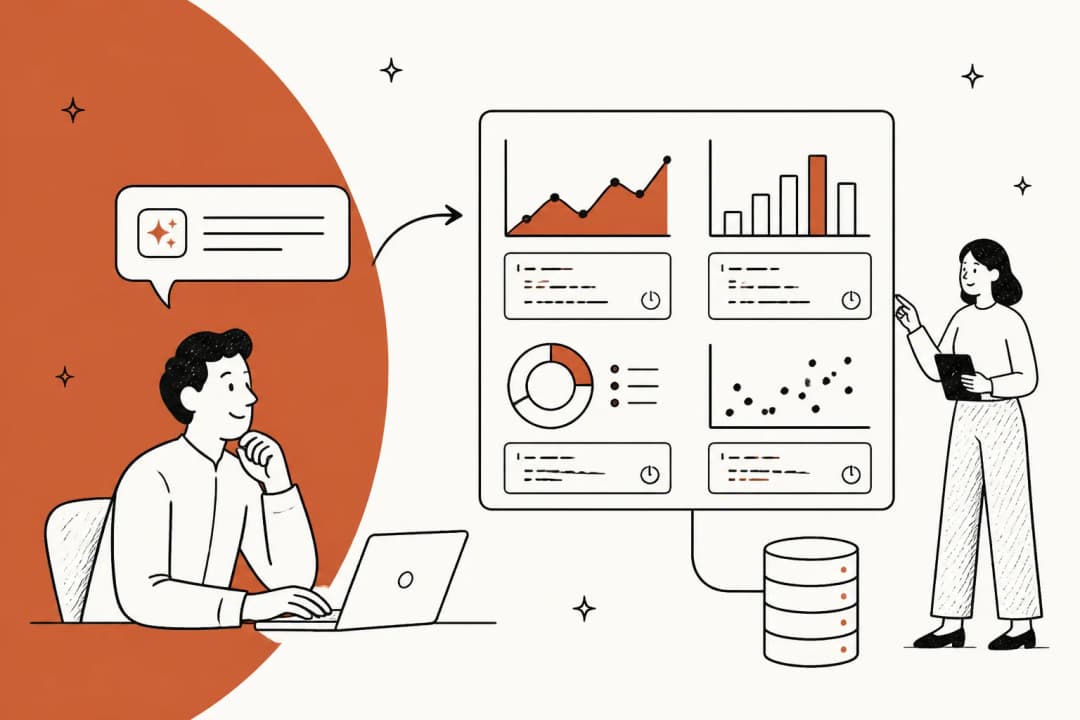
The eesel AI blog writer dashboard demonstrates how AI assists content creation, addressing concerns over whether marketing will be replaced by AI.

Where humans are irreplaceable: Strategy, empathy, and creativity

AI can process numbers, but it can't tell you if a marketing campaign is ethically sound. It doesn't have a gut feeling. A huge 83% of leaders agree that AI actually makes human skills like ethical judgment even more important.

It also lacks emotional intelligence and empathy. AI can simulate a conversation, but it can't feel genuine human emotion or build the authentic relationships that create lasting brand loyalty. That requires real empathy and the ability to build trust.

Finally, AI can't replicate strategic and creative thinking. It can give you options based on data, but it can't define your brand's creative vision from scratch. It can't navigate a complex PR crisis or make a tough call between a short-term win and long-term brand health. That takes human judgment, experience, and the ability to craft an original story that connects with people.

How AI is reshaping marketing roles

Let's get back to the main question. It's not about jobs disappearing; it's about roles changing. The day-to-day work is shifting from hands-on execution to high-level strategic oversight.

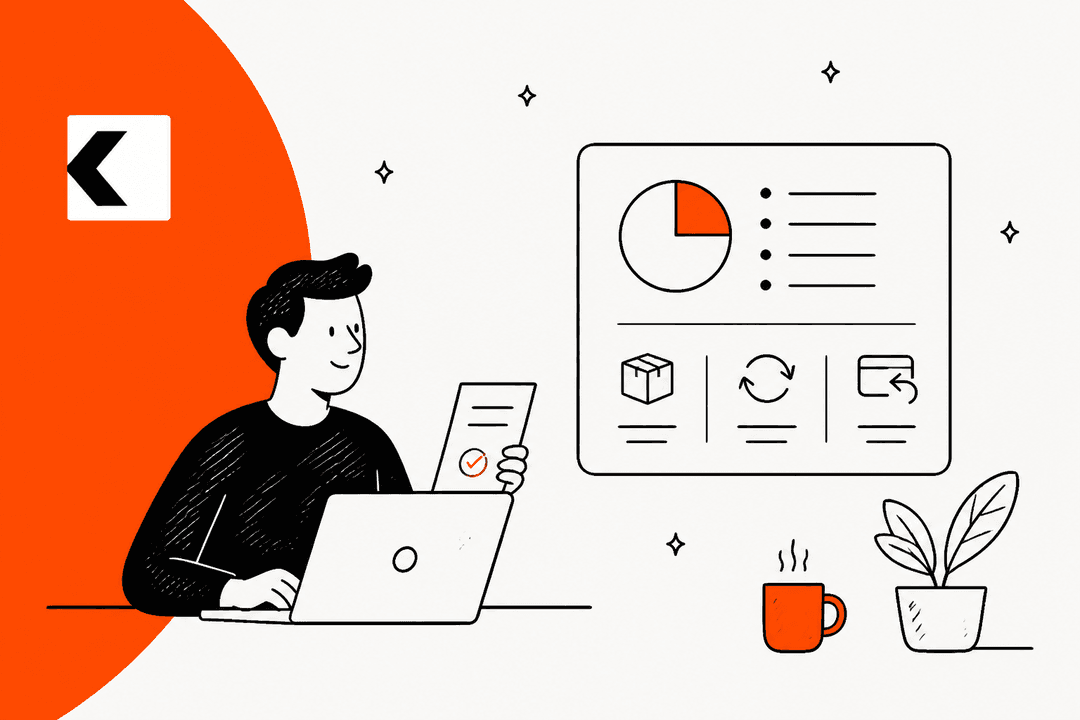
An infographic showing how marketing roles are evolving from execution to strategy, addressing the question 'will marketing be replaced by AI?'.

Roles at risk of automation: The shift from execution to oversight

Some roles are definitely more affected than others. If a job consists mostly of repetitive tasks, like manually scheduling social media posts or writing simple product descriptions, it's a prime candidate for automation. Research suggests that 47% of routine marketing tasks will be fully automated by 2027.

This doesn't mean the people in these roles are obsolete. It just means their focus is changing. Instead of doing the task, their job becomes about managing the AI system that does it.

For example, a junior copywriter might become an AI editor, taking AI-generated drafts and refining them to match the brand's voice and goals. A PPC specialist might spend less time manually adjusting bids and more time on big-picture campaign strategy and creative testing.

Roles that will thrive: The rise of the strategic AI collaborator

As some tasks are automated, new and more strategic roles are emerging. These are the jobs of the future for marketers who embrace AI.

  • AI Marketing Strategists: These are the people who connect marketing goals with technology. They design and implement AI-powered systems, ensuring every tool serves a clear business purpose.
  • Customer Experience Orchestrators: These marketers focus on the big picture. They design customer journeys that blend AI-driven personalization with genuine human interaction to create something special.
  • AI Content Specialists: This is the new type of content creator. They use AI tools for brainstorming and initial drafts but then apply their human expertise to ensure everything is accurate, on-brand, and strategically sound.

How to future-proof your marketing career

Feeling a bit more optimistic? Good. Now, let's talk about some practical steps you can take to not just survive, but thrive.

Develop practical AI fluency and management skills

First, stop thinking of AI as a competitor and start seeing it as a collaborator. Your value won't come from doing tasks AI can do faster; it'll come from your ability to manage AI tools to get incredible results. Start learning the basics of things like prompt engineering to get better outputs.

Be the person on your team who's always testing the latest tools. For instance, being the one to show how a tool like the eesel AI blog writer can produce a dozen publish-ready blog drafts in an afternoon makes you look like an innovator. It's the same tool we used at eesel to grow our organic traffic from 700 to 750,000 daily impressions.

Double down on uniquely human skills

Next, focus your professional development on the things AI just can't do. The World Economic Forum lists creative thinking as one of the top five most important skills for the future. Other key areas include:

  • Strategic thinking: Seeing the big picture and connecting marketing activities to business goals.
  • Emotional intelligence: Understanding customer psychology to build real relationships.
  • Change leadership: Guiding your team through uncertain times with a clear vision.
  • Brand storytelling: Weaving a compelling narrative that connects with your audience emotionally.

Embrace strategic thinking and business acumen

As AI handles more tactical work, the value of human marketers will shift even more toward high-level strategy. You need to think like a business owner, not just a marketer.

Pro Tip
Get comfortable interpreting AI-generated data and turning insights into business recommendations. Instead of just showing a chart, explain what the numbers mean for the company's bottom line to position yourself as a strategic partner, not just a tactical specialist.

Your marketing job isn't disappearing, it's upgrading

So, to answer the big question: the fear that marketing will be replaced by AI is mostly overblown. AI is a powerful force of change, but it’s a tool, not a replacement.

It’s here to handle the repetitive, data-heavy work, which gives us the opportunity to focus on what we do best: thinking strategically, being creative, and connecting with other humans.

To get a deeper perspective on how AI is reshaping the industry, this video from Eric Siu breaks down the specific changes and what the top 10% of marketers are doing to stay ahead. It offers a practical look at the skills that will define the next generation of marketing professionals.

A video from Leveling Up with Eric Siu that explores the question of whether marketing will be replaced by AI and how marketers can adapt.

The future of marketing isn't about human vs. machine. It's human + machine. The marketers who embrace this collaboration will become more efficient, effective, and valuable than ever before.

Ready to see how an AI teammate can upgrade your content workflow? Generate your first blog post for free with the eesel AI blog writer and experience the future of content creation for yourself.

Frequently Asked Questions

The realistic answer is no, but marketing roles will change significantly. AI is set to automate repetitive, data-driven tasks, which allows marketers to concentrate more on strategy, creativity, and building human connections. The key to thriving is learning how to use AI as a powerful tool in your workflow.
Tasks that are highly repetitive and analytical are most likely to be automated. This includes basic data entry, scheduling dozens of social media posts, running simple reports, and writing formulaic copy. The human role will shift from performing these tasks to managing the AI systems that do them.
It's an oversimplification because AI currently lacks essential human skills like emotional intelligence, ethical judgment, and true out-of-the-box creativity. AI can analyze data and follow patterns, but it can't build genuine customer relationships, navigate complex brand crises, or define a company's core story from scratch.
You should focus on developing skills that AI can't easily replicate. These include high-level strategic thinking, creative problem-solving, emotional intelligence for customer empathy, and compelling brand storytelling. Alongside these, building practical AI fluency—knowing how to manage and direct AI tools—is crucial for future success.
Content creation roles will likely evolve to be more editorial. Marketers will guide AI tools to generate initial drafts and then use their expertise to refine, fact-check, and align the content with the brand voice. Strategy roles will become even more critical, as they rely on the uniquely human ability to interpret complex data, understand market nuances, and make high-stakes business decisions that AI can inform but not make.

Share this post

Kenneth undefined

Article by

Kenneth Pangan

Writer and marketer for over ten years, Kenneth Pangan splits his time between history, politics, and art with plenty of interruptions from his dogs demanding attention.