
Ever watch a movie and get that feeling you know exactly what's going to happen next? The couple in the rom-com will have a huge fight and then make up in the rain. The hero in the action flick will defuse the bomb with one second to spare. That predictability isn’t lazy writing; it’s the power of genre at work.
Genre is the framework behind that feeling. It’s a set of expectations that guides both creators and their audiences. Understanding it isn't just for novelists or screenwriters. It’s a must-know for anyone creating content today, from blog posts to business reports, because it’s the key to giving your audience what they want.
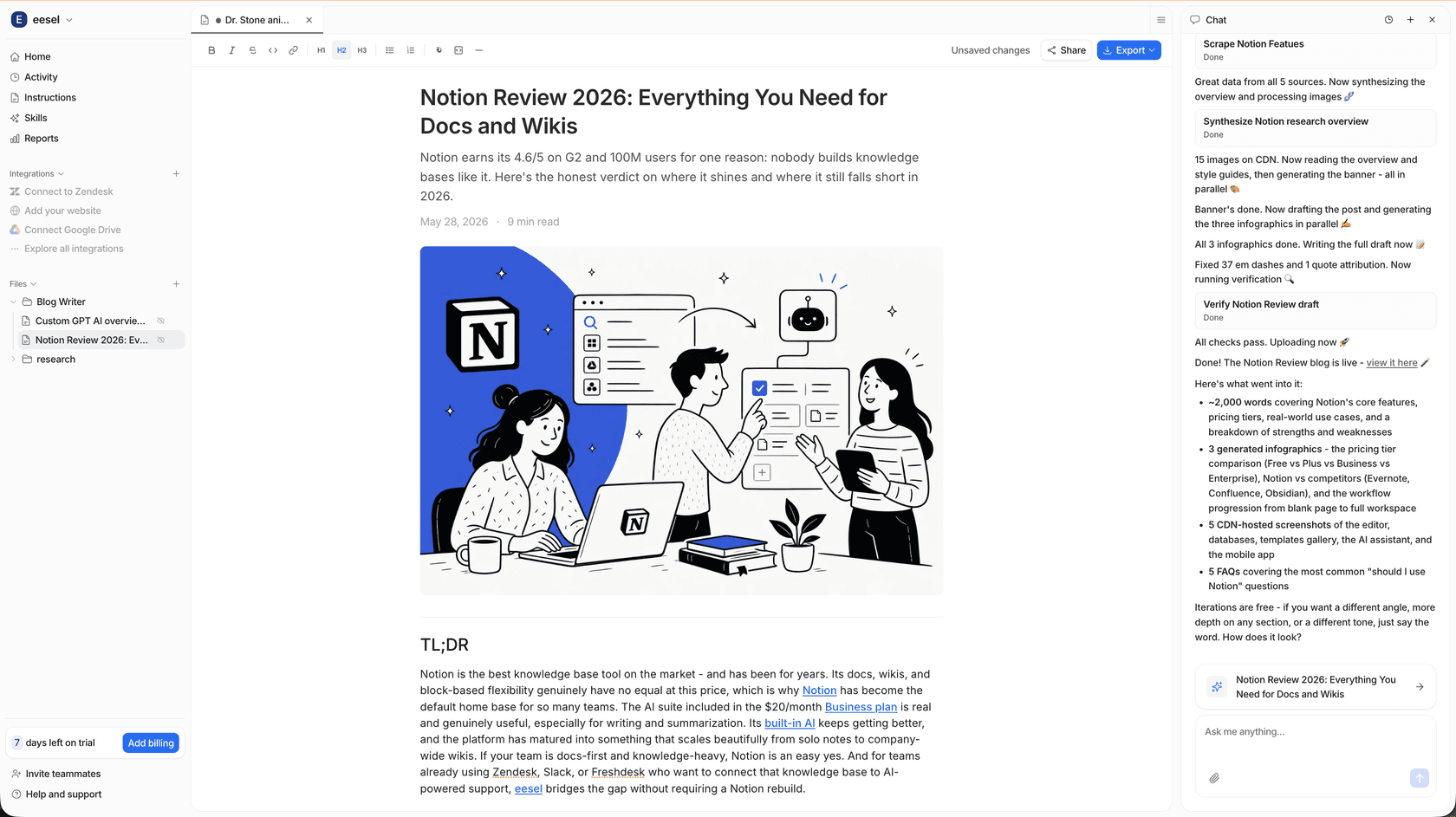
And you don't have to be a literary scholar to get it right. Modern tools like the eesel AI blog writer can help you master different content genres in an instant, so you can focus on creating stuff people actually want to read.
What is a genre in writing?
At its core, genre is just a category of communication defined by its style, form, and subject matter. It's a way of sorting things so we know what to expect. Oregon State University describes it as a way to define elements that repeat themselves in similar works.
Academics use the term "typified rhetorical action," which means features that show up again and again because audiences have come to expect them.
The main job of a genre is to set those expectations. When you pick up a thriller, you expect suspense and a few twists. When you Google a "how-to" guide for fixing a leaky faucet, you expect clear, numbered steps, not a poem about the existential sadness of dripping water. Meeting those expectations is what makes a piece of writing feel successful.
To really get it, it helps to know what genre isn't. People often mix it up with a couple of other terms.
- Genre vs. Medium: A medium is the way writing is delivered, while genre is the form of the writing itself. For example, email is a medium. But within that medium, you could write a formal business proposal, a heartfelt note, or a fiery customer complaint. Those are all different genres delivered through the same medium.
- Genre vs. Form: This one's a bit more subtle. Form usually refers to the physical structure of a work, while genre is more about its content and style. A story can be in the fantasy genre (with dragons and wizards) but take the form of a 400-page novel or a 10-page short story.
Think of it like this: The medium is the container, the form is the shape of the container, and the genre is what's inside. Here's a simple way to visualize the difference:
The core components of a genre
Genres aren't just random labels. They're defined by a specific mix of recurring elements that work together to create a familiar experience for the audience. Let’s break down the main ingredients.
Conventions and tropes
Conventions are the common plot points, character types, settings, and themes an audience automatically associates with a particular genre. They're the building blocks.
Take the classic detective mystery. It conventionally features a brilliant but flawed detective, a puzzling crime, a trail of clues, a few misleading "red herrings," and a final scene where the detective reveals the killer. Gothic novels like Frankenstein or Dracula use conventions like creepy strangers, isolated settings, and haunted castles to create a sense of dread.
Tropes are a little different. They're more specific, recognizable plot devices or clichés within a genre. The "locked-room mystery" is a popular trope in detective fiction. The "chosen one" is a common trope in fantasy. Tropes can feel tired if overused, but in the right hands, they’re an effective storytelling shortcut.
Audience expectations
Genre is basically a contract between you and the reader. By labeling your work as a "romance" or a "case study," you're making a promise about the kind of experience you're going to deliver.
A genre is a little box filled with stuff. If you get your sci-fi noir box, you get stuff like detectives, renegade androids, rain, darkness, backstabbing, long shadows, tons of other stuff. Writing genre means using a lot of stuff from the same box.

Meeting those expectations is key. If someone clicks on an article titled "The Ultimate Guide to SEO," they expect a comprehensive, actionable piece of content. If they get a vague, 300-word post with no real tips, they'll feel cheated and leave.
Of course, you can also deliberately play with these expectations to create a surprise, but you have to know the rules before you can break them. This "contract" is especially important for online content, where users are usually looking for a specific answer or solution.
Style, tone, and voice
Finally, the language itself is a huge part of what defines a genre. These three elements work together to shape the reader's experience.
- Style: This refers to the technical side of writing, like sentence structure and vocabulary. A scientific paper has a formal, precise style. A travel blog usually has a casual, conversational style.
- Tone: This is the author's attitude toward the subject. Is it humorous, serious, satirical, or inspirational? The tone of a company's annual report is going to be very different from the tone of a satirical article from The Onion.
- Voice: This is the unique personality that shines through in the writing. It's what makes one author's work feel distinct from another's, even in the same genre. A strong voice helps build a memorable brand and a loyal audience.
Common examples of writing genres
Alright, let's move from theory to some real-world examples. Genres can be broken down into countless subcategories, but most fall under a few major umbrellas.
The four major literary categories
Traditionally, all writing is sorted into one of these four high-level buckets. They form the foundation for pretty much every other subgenre.
- Fiction: Any work that's invented from the author's imagination. It's all about storytelling with made-up characters and events (e.g., The Hunger Games).
- Nonfiction: The opposite, works based on facts, real events, and real people. Its primary goal is to inform or persuade (e.g., a biography like I Am Malala).
- Poetry: A form of writing that uses the aesthetic and rhythmic qualities of language to evoke meaning and emotion, often in a more condensed way than prose.
- Drama: Stories written as scripts, intended to be performed by actors on a stage or screen.
Popular fiction subgenres
Within the massive category of fiction, there are dozens of subgenres, each with its own set of rules and fan expectations. Here are a few of the big ones:
- Science Fiction: Explores futuristic concepts, advanced technology, space exploration, and alternative realities.
- Fantasy: Contains magical or supernatural elements, creatures, and worlds that don't exist in reality.
- Horror: Aims to frighten or startle the reader through suspense and shocking events.
- Romance: Centers on the development of a romantic relationship, usually with an emotionally satisfying ending.
Practical nonfiction genres for business and content
Now for the genres most of us work with day-to-day. Businesses and content creators rely on a whole different set of nonfiction genres to attract, inform, and persuade their audience. These are specific types of content designed to achieve specific goals.
Here are some of the most common business writing genres:
- Reports & Whitepapers: In-depth, data-driven documents that analyze a complex issue. They're designed to establish your brand as an authority.
- How-To Guides: Practical, step-by-step instructions that help the user solve a specific problem. They're fantastic for driving traffic from people looking for solutions.
- Listicles: Articles structured as a list of resources, tips, or ideas. They're highly scannable and shareable, making them great for capturing attention.
- Case Studies: A narrative that tells the story of how a customer successfully used your product or service. It provides powerful social proof.
- Comparison Posts: An analysis of two or more products or services to help the reader make an informed decision.
The role of genre in content marketing
So why should a busy marketer or business owner care about literary terms? Because understanding genre is a secret weapon for growing your brand, driving traffic, and building a loyal audience. It’s not just theory; it’s a practical framework.
Fulfilling search intent
Every time someone types something into Google, they have a goal. That goal is called search intent, and it’s the "why" behind their search. Google’s job is to figure out that intent and deliver the most relevant result.
This is where genre comes in. When a user searches for "best project management tools," they're looking for options. They don't want a poem about teamwork. They expect a specific genre: a listicle or a comparison post that lays out the pros, cons, and pricing of different tools.
Writing in the correct genre is one of the most important factors for satisfying search intent. When your content’s genre matches what the user expects, they stick around longer, your bounce rate goes down, and you send strong signals to Google that your page is a helpful result. Over time, that leads to higher rankings.
Building a consistent and authoritative brand voice
Genre also plays a huge role in shaping your brand's identity. By consistently using certain content genres, you teach your audience what to expect from you.
If you always publish deep, data-driven reports, you build an identity as a thought leader. If you specialize in clear, friendly how-to guides, you become the go-to resource for practical help. This consistency builds trust and turns casual readers into loyal fans.
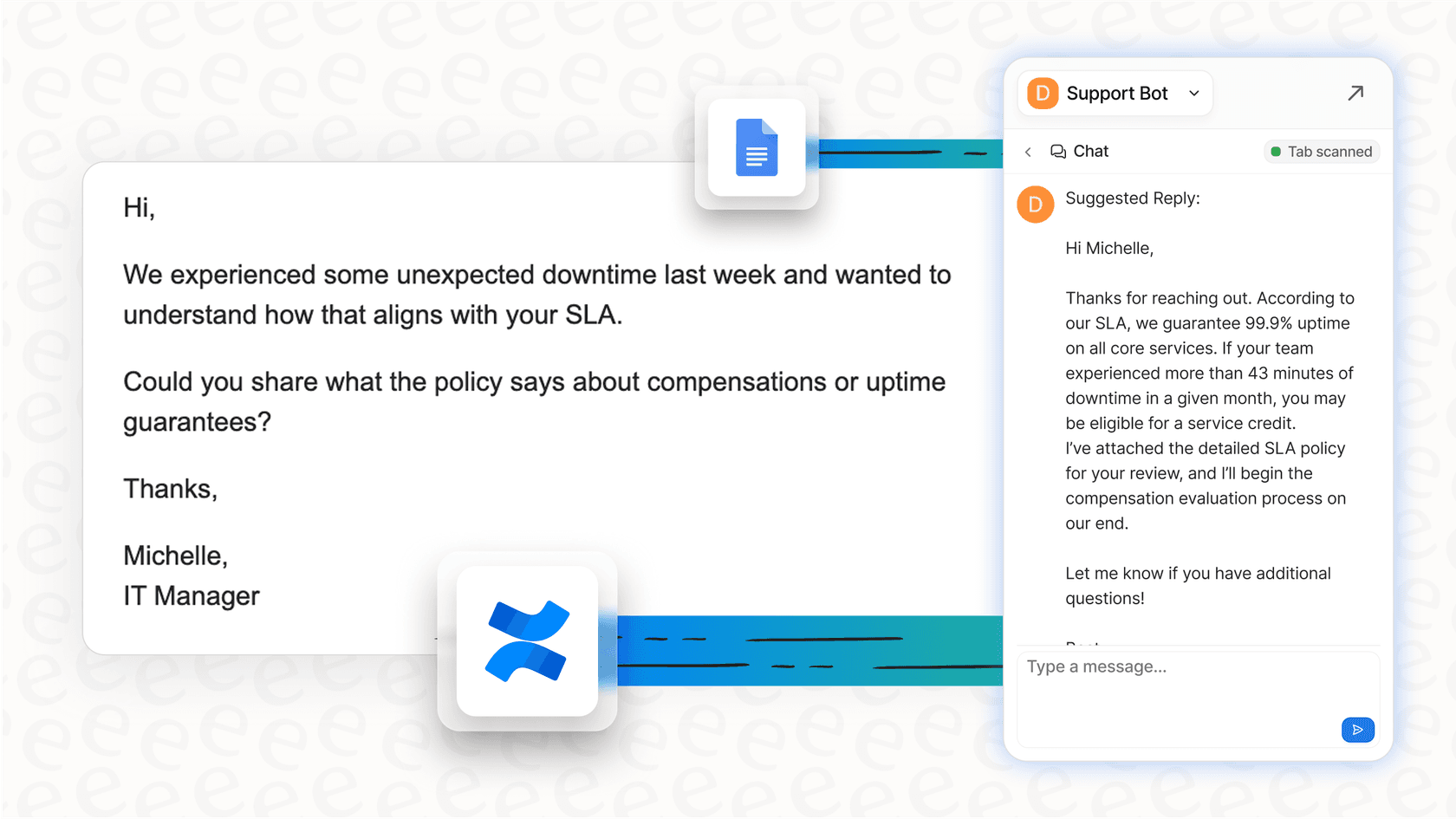
The best part is that modern tools can even learn your signature style. For instance, eesel AI can be trained on your company's past help desk tickets and documentation to match your unique tone and voice every single time.
Using AI for genre-specific content
Mastering the conventions and structure of every single content genre is a huge task. It takes time and effort to switch from writing a witty listicle to a formal case study.
This is where an AI tool designed to handle genre can make a huge difference. The eesel AI blog writer doesn't just spit out generic text. It builds a complete, publish-ready blog post that is perfectly tailored to a specific content type.
You just enter a keyword, select a blog type from a dropdown menu (like "Overview," "Listicle," or "How-To Guide"), and the AI handles the rest. This isn't just a theory; it's the exact tool we used at eesel to grow our blog impressions from 70k to over 750k in just three months.
It solves genre-specific challenges automatically:
- Automatic Assets: It knows a comparison post needs a comparison table and a how-to guide needs numbered steps, so it builds those elements right in.
- Authentic Social Proof: It understands that modern blogs need evidence, so it pulls in relevant quotes from Reddit and embeds YouTube videos to match that conversational style.
- Context-Aware Research: The AI adapts its research based on the genre you choose. For a comparison post, it looks for pricing and features. For a guide, it focuses on actionable steps. This ensures the final output matches what your audience is looking for.
Visual learners might find it helpful to see these concepts explained. The video below offers a great breakdown of what genre is and why it matters for all forms of writing, from literature to content marketing.
Create with the right genre
At the end of the day, genre isn't some dusty academic term you can ignore. It’s a powerful tool for creating effective content that connects with your audience and meets their expectations.
Understanding the principles of genre is the first step. But consistently executing on them is what truly drives results in content marketing and SEO. It’s the difference between an article that gets lost in the noise and one that ranks, resonates, and converts.
Why leave that to chance? Instead of trying to become an expert in a dozen different formats overnight, you can leverage a tool that already is.
Ready to create perfectly structured content for any genre? Try the eesel AI blog writer for free and turn your next keyword into a publish-ready masterpiece.