If you hang out on GitHub or the tech side of X (what we all still call Twitter), you've probably seen Clawd Bot pop up. It’s that open-source AI assistant that blew up almost overnight, grabbing over 60,000 stars on GitHub in just a few weeks. The promise was huge: a personal AI running on your own computer, controlling your apps, and basically being a real digital sidekick.
Before we dive in, let's sort out the name situation. It launched as Clawd Bot, ran into a little trademark issue with Anthropic (the folks behind Claude), and became Moltbot. Now, it's called OpenClaw. Since most people are still looking for it under the original name, we'll just call it "Clawd Bot" here.
So, what's the deal with it? This Clawd Bot review moves past the initial excitement to provide a balanced look at the tool. We will explore its innovative features while also examining the technical setup, operational costs, and important security considerations involved in its use.
What is Clawd Bot?
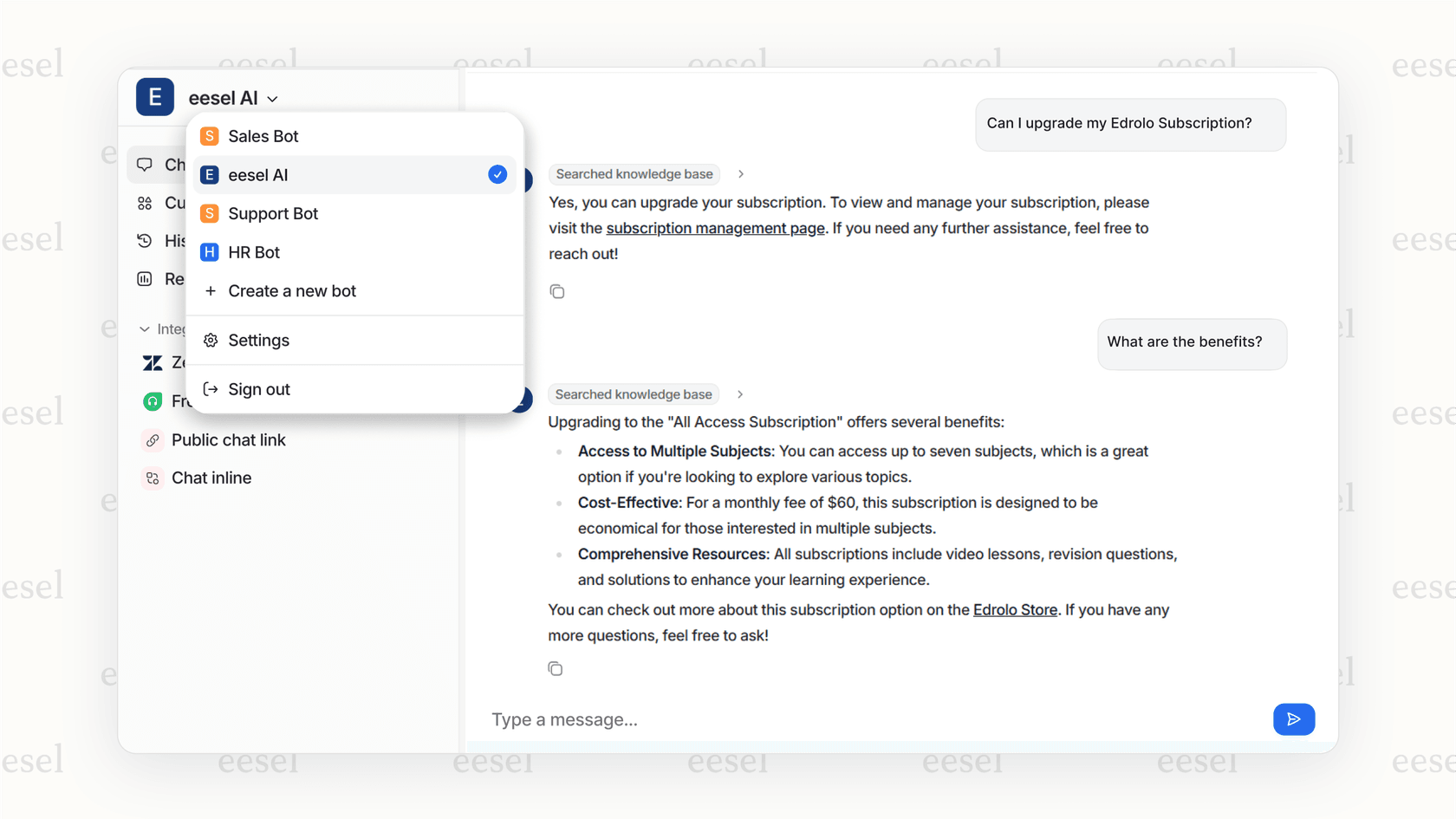
At its core, Clawd Bot is a self-hosted, open-source AI assistant. You can think of it as a go-between for your messaging apps (like WhatsApp, Telegram, or Slack) and a large language model (LLM) like Claude or GPT-4. The main difference is that the whole operation runs on your own computer.
This is what people mean when they talk about "agentic AI." It's not just a chatbot that sits there waiting for you to type something; it can actually do things on its own, on your hardware. This privacy-first setup is what got so many developers excited. Instead of your data going to some cloud service, you're in complete control of the code and the machine. It's the ultimate in customization and privacy.
However, this freedom also comes with responsibility. When you run your own AI agent, you're also on the hook for all the complexity and risk that comes with it. Released in late 2025 by creator Peter Steinberger, Clawd Bot is a really interesting peek at personal AI, but it's a completely different animal from the managed, cloud-based AI tools most businesses are used to.
Key features and architecture
- Persistent memory: Clawd Bot remembers who you are, what you like, and your past conversations. It saves this info in simple markdown files, like
SOUL.mdfor its personality andUSER.mdfor your details. This means you’re not starting over every single time you talk to it. - Proactive notifications: This isn't a passive bot. You can set it up to give you a morning weather and news update, follow up on a task, or send reminders using "Heartbeats" (which are basically scheduled tasks). It reaches out to you, which feels much more like a real assistant.
- Full computer access: This is one of its most powerful features, and also one that requires careful security management. It can control your web browser, execute commands in your terminal, and manage your files. It literally has the keys to your entire digital life.
- Extensible skills: You can teach Clawd Bot new tricks by adding "Skills," which are just instruction sets for certain tasks. It comes with 49 skills already bundled for apps like Apple Notes and GitHub. There’s also a community-run ClawHub where users share new skills they've built.
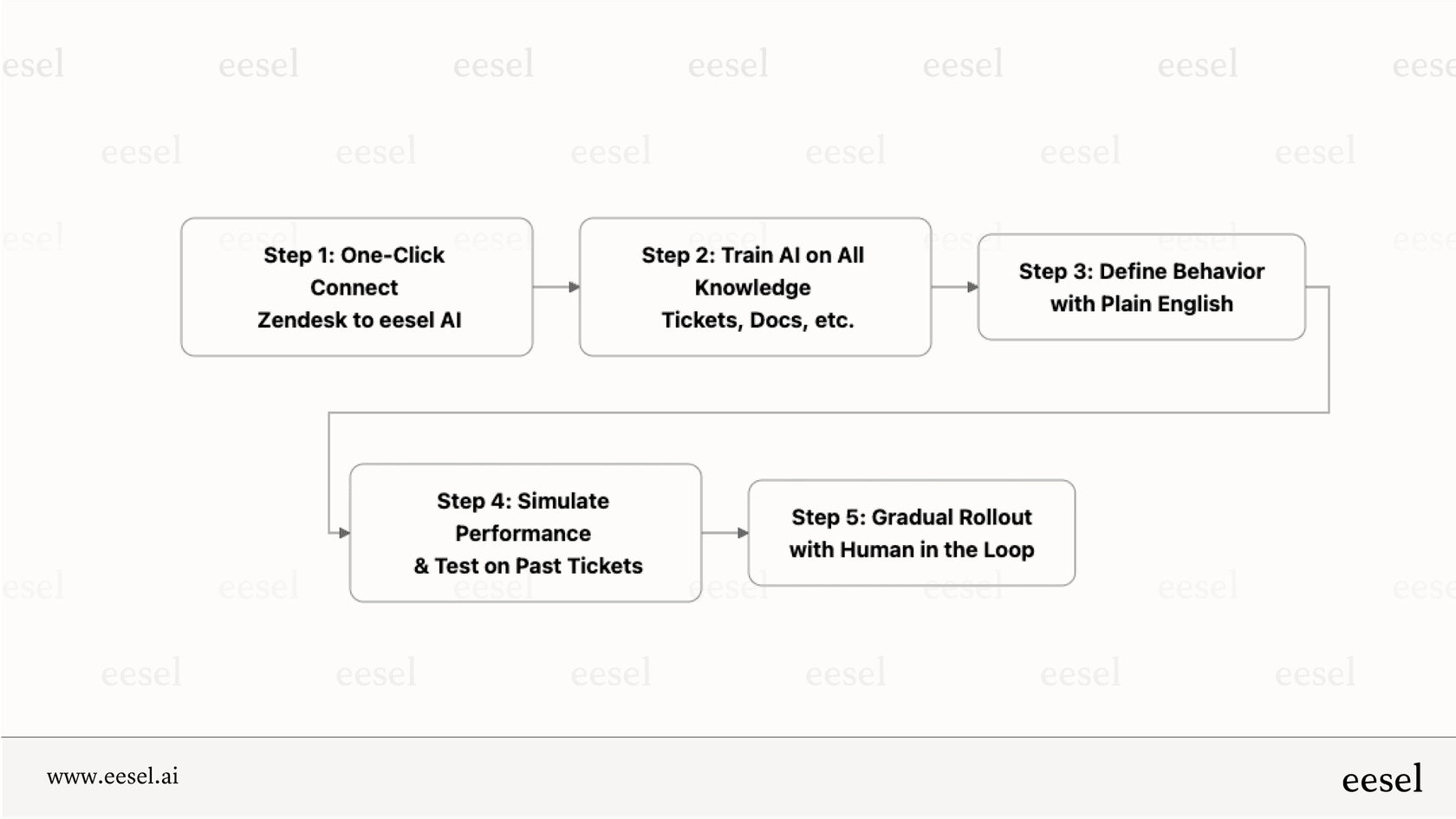
This developer-centric design is amazing for a tech-savvy person who loves to tinker. For business teams that require a secure, collaborative AI agent without the need for self-hosting, a managed platform can be a more suitable option. For instance, an AI teammate from eesel AI provides autonomous capabilities in a fully hosted and secure environment.
Practical considerations for business users
The day-to-day experience of using Clawd Bot presents practical challenges that can make it unsuitable for many business settings. It was built primarily by and for developers.
High technical barrier to entry
Getting Clawd Bot up and running is not like downloading an app from the App Store. You need to be comfortable with the command line (like the Terminal app on a Mac), be willing to run installer scripts you found on the internet, and know how to find and set up API keys for all the services you want to connect.
And then there's the hardware. You could run it on your laptop, but for it to be a real 24/7 assistant, it needs a computer that's always on. That usually means a dedicated machine like a Mac Mini or a cheap Virtual Private Server (VPS) from a service like Hetzner or DigitalOcean. Suddenly, you're not just a user, you're a system administrator who has to worry about server maintenance.For the life of me I can't get it to write any files or search anything online (I have brave search enabled + API key) or anything of value really. Clawdbot is basically just acting like any other locally run chatbot and not doing any of the agent stuff.

Security and privacy risks
By default, Clawd Bot operates with minimal built-in safety features. With full, unrestricted access to your computer's terminal, one misunderstood command could accidentally wipe your documents folder or leak sensitive files.
You can try to "sandbox" it with a technology called Docker to limit what it can access, but this feature is off by default and just adds another layer of technical know-how to the setup. For anyone who isn't an expert, this is a significant risk. In fact, security researchers quickly discovered hundreds of exposed Clawd Bot instances online that were leaking their private API keys, all because of simple setup mistakes.It's important that you're careful with Clowdbot, as there are already quite a few reviews showing how it can invade and hack all your information and endlessly consume tokens on the platforms you grant it access to through the API. I would suggest you read up on it and learn more before getting into that situation, and if you're evaluating other alternatives as you're doing, I think it's a product driven more by influencers than actually tested in real-world practice.
This level of risk is a critical consideration for any business handling company or customer data. In contrast, business-grade solutions like eesel AI are secure by design, with enterprise-level security like data encryption, SOC 2 Type II certified subprocessors, and a promise that your data is never used to train third-party models.
Project vs. product: Understanding its scope
When it comes down to it, Clawd Bot is an exciting project, but it functions more as an open-source project than a commercially supported product. You are 100% responsible for all maintenance, troubleshooting, and updates. If the Gateway program crashes at 3 AM or an update breaks a critical skill, you're the one who has to fix it.
It also lacks many features that are standard for business tools. There are no user roles, no permissions, no audit trails to track what the agent is doing, and no collaborative tools for things like managing a customer support queue. It was built for one person, not a team.
Platforms like eesel AI for customer service are designed to address these business needs. They are fully managed, reliable services built for the realities of business, offering uptime guarantees and features designed specifically for teams to work together.
The real cost: Beyond the free software
| Cost Component | Description | Estimated Monthly Cost |
|---|---|---|
| Software | Open-source MIT license. | $0 |
| Hardware | A cheap VPS or the electricity for an always-on home computer. | $5 - $20+ |
| AI Model API | The biggest and most volatile cost, based on token usage. | $30 - $750+ |
The API model cost is the most significant and unpredictable expense. The creator originally suggested using a personal Claude Max subscription to power the bot, but this almost certainly violates Anthropic's Terms of Service for automated use.
The proper way to power it is with direct API calls, and that gets expensive, quickly. People in the community estimate that moderate use with a good model can easily run $180-$240 per month. For heavy, truly "agentic" use where the bot is constantly thinking and acting, those costs can shoot up to $300-$750 per month or even higher, just for API fees.
This kind of variable pricing can make budgeting difficult for a business. This contrasts with the predictable plans offered by services like eesel AI, which are based on a clear metric (the number of AI interactions) and include all hosting, maintenance, and platform fees in one simple price.
To see Clawd Bot in action and get a visual walkthrough of its features and setup process, the following video provides a hands-on review. It offers a different perspective on the tool's capabilities and potential, complementing the analysis in this article.
Conclusion: A project for tinkerers, not teams
To wrap up this Clawd Bot review, there's no question it's an impressive piece of technology. It gives us a glimpse into a future of truly personal AI agents, offering skilled individuals a level of control and customization that you can't find anywhere else.
But it is not a business tool. It's a project for developers, hobbyists, and tech enthusiasts who enjoy tinkering and are okay with the risks. The high technical barrier, the serious security issues, the unpredictable and potentially huge costs, and the constant need for maintenance make it completely unsuitable for any professional setting that deals with sensitive data.
An alternative for business use cases