


Thinking about clearing out your closet to make some extra cash? You're in the right place. The online resale world is bigger than ever, but figuring out where to sell your stuff can feel like a job in itself. The right app can make the difference between a quick sale and a forgotten listing.
This guide will walk you through the best apps to sell clothes online. We’ll compare the fees, features, and who each platform is really for, so you can pick the perfect spot to list your clothes and actually get them sold.
What are the best apps to sell clothes online?
Simply put, these are apps that connect people who want to buy and sell secondhand clothes and accessories. They've become super popular because they're easy to use, tap into the push for more sustainable shopping, and can even become a decent side hustle.
Unlike dropping your stuff off at a consignment store like Buffalo Exchange, these apps put you in the driver’s seat. You control your own listings, set your prices, and talk directly to buyers. Many of them also have a social side. Take Poshmark’s "Posh Parties," for example, which are basically live shopping events that get a whole community of people browsing and buying.
A detailed look at the best apps to sell clothes online
Every app has its own vibe and attracts a different crowd. Getting to know their quirks is the first step to making a sale. Here’s a look at the most popular options, what they’re good for, and what it’s actually like to sell on them.
Poshmark: For fashion and community engagement
Poshmark is like a social club for fashion lovers. It’s the perfect place for on-trend, mid-to-high-end women’s clothing, accessories, and even home decor. If you have brand-name items from stores like Free People, Lululemon, or Coach, you’ll feel right at home here.
A big part of succeeding on Poshmark is getting involved in the community. That means sharing your listings often and joining "Posh Parties." The selling process itself is pretty straightforward. When something sells, Poshmark emails you a prepaid shipping label. If you don't have a printer, no worries, you can just show the shipping QR code at a USPS location, and they’ll print the label for you.
One heads-up: while it’s great for well-known brands, some sellers find that without an official authentication service, you might get some lowball offers on high-end luxury goods.
Depop: For trendy, vintage, and Y2K fashion

With its grid layout that feels a lot like Instagram, Depop is the spot for younger shoppers looking for streetwear, cool vintage pieces, and Y2K styles. If your closet is packed with graphic tees, thrifted finds, or anything with a unique, curated feel, Depop is probably for you.
The biggest news from Depop is that as of July 15, 2024, they scrapped their 10% selling fee for US sellers. This makes it a seriously attractive option. Now, you only pay a standard payment processing fee of 3.3% + $0.45 per sale. After a sale, your money is sent to your bank account either 10 business days later or 2 business days after the item is confirmed delivered. One little quirk to know is that even if you accept a buyer’s offer, they still have to manually go back and complete the payment, it doesn’t happen automatically.
Vinted: For everyday clothes with no selling fees
Want to keep 100% of your sale price? Vinted is the one you’re looking for. It’s completely free for sellers. Instead of taking a cut from you, Vinted charges the buyer a "Buyer Protection fee" on every purchase. This fee covers things like secure payments and a refund policy if an item gets lost, damaged, or isn’t what was described.
This fee structure makes Vinted a fantastic choice for getting the most money out of each item. The platform is good for all sorts of clothing but really shines with upmarket high-street brands like Zara, H&M, and Mango. Once you make a sale, you have to ship the item using a prepaid label within five business days.
eBay: For the widest reach and auction potential
You can't talk about selling online without mentioning the OG: eBay. It has a massive customer base, which makes it a solid choice for selling almost anything, from common brands to rare vintage pieces. You get two ways to sell: a fixed "Buy It Now" price or an auction, which can be great for driving up the price on items that are in high demand.
eBay does have a bit more of a learning curve than the newer apps. As one Redditor explained, "it definitely takes more brain power to learn than the other platforms but once you learn it, it's a piece of cake!" You get up to 250 free listings a month, and after that, it costs $0.35 to list an item. The final selling fee can be a little confusing because it changes by category, but for most clothes, it’s around 13.6% plus a small fee for each order.
A complete breakdown of platform fees
Okay, let's talk money. Fees can be a pain, so knowing exactly what you'll pay is super important because it directly affects how much you pocket. The way you get paid also changes from app to app. Some let you get your money instantly (for a fee), while others have a standard waiting time.
Here's a simple comparison, illustrated in the infographic below, to help you see how it all works.
| Platform | Listing Fee | Seller Commission | Payment Processing Fee | Payout Methods & Speed |
|---|---|---|---|---|
| Poshmark | Free | $2.95 for sales under $15; 20% for sales $15+ | Included in commission | Direct Deposit (2-3 business days), Check, Instant Transfer (~30 mins, fee applies), PayPal (fee), Venmo (fee) |
| Depop (US) | Free | None (as of July 15, 2024) | 3.3% + $0.45 | Direct Deposit to bank (2-10 working days) |
| Vinted | Free | None (Buyer pays a protection fee) | Included in Buyer Protection Fee | Vinted Wallet transfer to bank |
| eBay | First 250/month free, then $0.35 | Varies; ~13.6% for most clothing + $0.40 per order over $10 | Included in final value fee | Direct to bank or Payoneer (payouts initiated within 2 business days) |
| Mercari | Free | 10% (on item price + buyer-paid shipping) | None for seller (Buyer pays a 3.6% protection fee) | Direct Deposit (~5 business days, $0 fee), Instant Pay (~30 mins, $3 fee) |
Pro Tip: A quick reminder: don't forget about shipping supplies. While some apps give you discounted labels, things like boxes, mailers, and tape can add up. On Poshmark, for instance, you can order free USPS Ground Advantage packaging, but you have to avoid using their Priority Mail boxes or you might get hit with extra fees.
Seller protection and what happens when you scale
When a sale goes wrong (and it happens!), good seller protection can be a real lifesaver. Each platform has its own way of protecting you from lost packages or dishonest buyers, but the coverage varies. Poshmark has Posh Protect, Depop offers Depop Protection (up to $300) if you use their shipping labels, and Mercari gives you up to $200 in Shipping Protection. Vinted and eBay also have systems to hold payments and step in during disputes to keep sellers safe.
These protections are great when you're selling clothes here and there. But if your side hustle starts to grow and you consider launching your own store on a platform like Shopify, you’ll hit a new wall: customer support. Answering hundreds of questions about order status, returns, and products yourself just isn’t going to work.
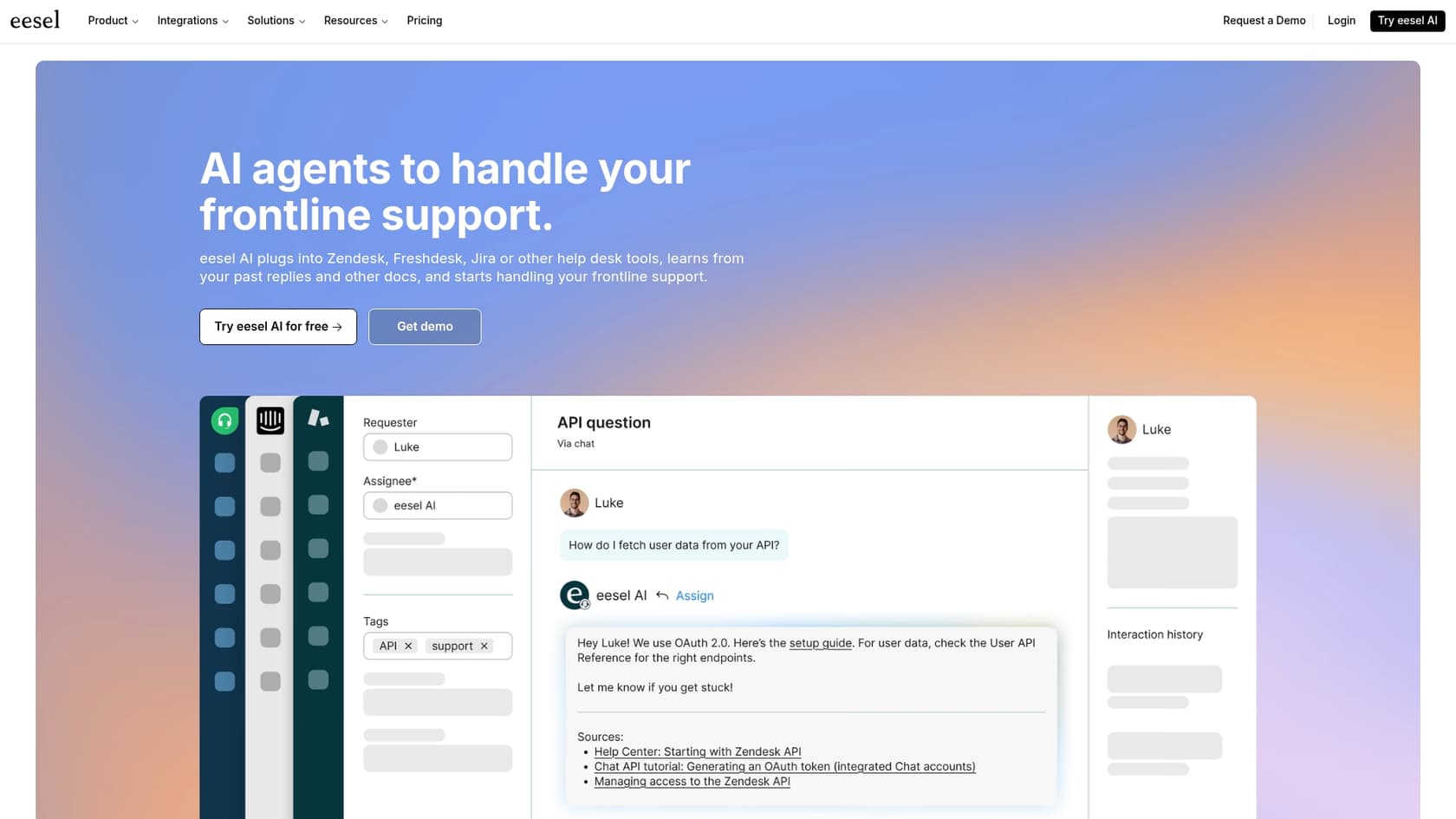
This is a problem tools like eesel AI are built to solve. E-commerce brands use eesel to set up an AI Agent that connects to their help desk and other tools. Thanks to its Shopify integration, eesel can automatically find order details, handle returns, and answer common customer questions 24/7. It takes care of the repetitive support tasks, so you can spend your time growing your business instead of being buried in your inbox.
Choosing the best apps to sell clothes online for you
So, what's the verdict? The best app to sell clothes online really comes down to what's in your closet and what you want to achieve.
Poshmark is your best bet for social selling with brand-name clothes. Depop is the place for unique and vintage fashion, especially with its new no-fee structure in the US. Vinted lets you keep the most profit by having the buyer cover fees, and eBay gives you access to the biggest audience out there.
Our advice? Pick one platform that feels like a good fit for your style to start, and don't be shy about listing your items on a couple of others to see what works best.
Ready to turn your resale hustle into a full-blown brand? See how eesel's AI solutions for e-commerce can help you automate your customer service and keep growing.
Frequently asked questions
I have a lot of vintage and unique items; which of the best apps to sell clothes online would you recommend for those types of goods?
Depop is generally considered the top choice for trendy, vintage, and Y2K fashion, thanks to its Instagram-like interface and community. It attracts a younger demographic actively seeking unique finds.
What are the main types of fees I should be aware of when using the best apps to sell clothes online?
You'll typically encounter listing fees (though many offer free listings), seller commission on sales, and payment processing fees. Vinted is unique as it charges buyers a "Buyer Protection fee" instead of sellers.
How does the shipping process generally work across the best apps to sell clothes online once an item is sold?
Most platforms, like Poshmark and Vinted, provide you with a prepaid shipping label to print or a QR code to use at the post office. You're typically responsible for packaging, though some apps like Poshmark offer tips on free USPS supplies.
Do the best apps to sell clothes online offer any kind of protection for sellers if a sale goes wrong?
Yes, all the major platforms have seller protection policies. Poshmark has Posh Protect, Depop offers Depop Protection up to $300 with their labels, and Mercari provides up to $200 in Shipping Protection. Vinted and eBay also have dispute resolution systems.
After I make a sale, how quickly can I expect to receive my money from the best apps to sell clothes online?
Payout speeds vary; some platforms like Poshmark and Mercari offer instant transfers for a fee, while standard direct deposits can take anywhere from 2-3 business days (Poshmark, eBay) to 2-10 working days (Depop).
Is it a good idea to list my items on more than one of the best apps to sell clothes online at the same time?
Absolutely! The blog suggests picking one platform to start, but also recommends listing your items on a couple of others to see what works best for your specific inventory. This strategy can broaden your reach and increase your chances of a quick sale.