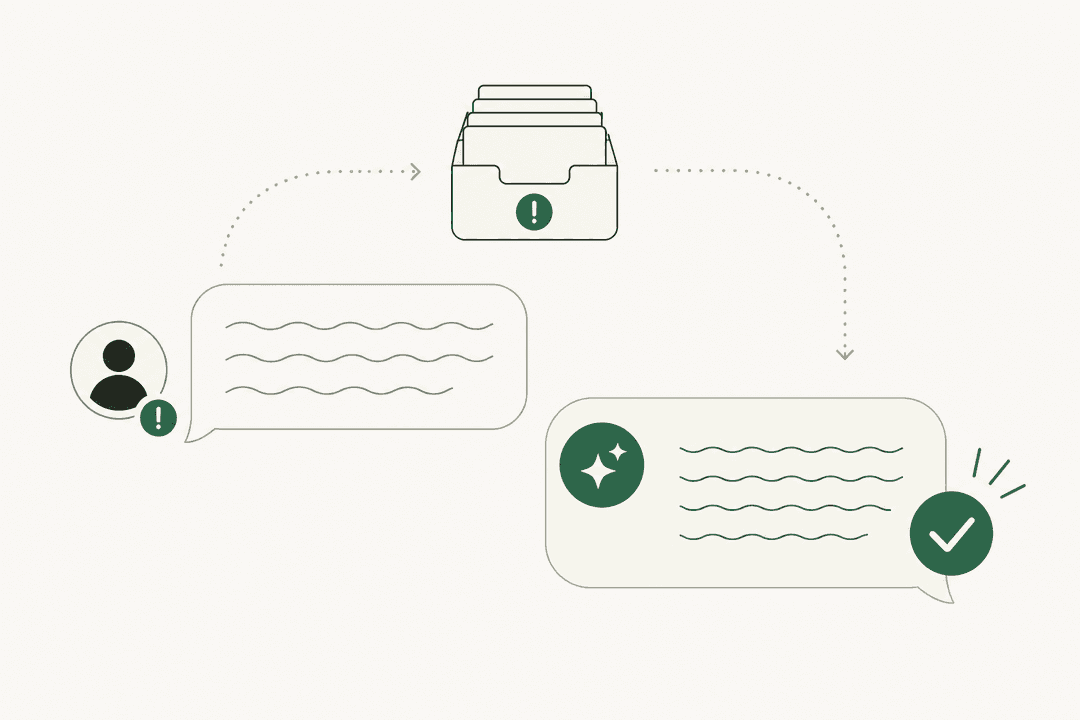
AI blog writer publishing schedule: A complete guide

Kenneth Pangan
Written by

Kenneth Pangan

Reviewed by

Stanley Nicholas

Last edited February 1, 2026

Expert Verified

Image alt text

Maintaining a consistent blog schedule is a common challenge for marketers. The process involves brainstorming, research, writing, finding visuals, editing, and publishing. This can cause schedules to slip and affect audience engagement and SEO performance.

What if you could automate the most tedious parts of that process? This is where AI is making a huge difference. Instead of manually juggling every task, an AI-powered system can help you plan, create, and schedule high-quality content at a scale that was previously out of reach.

Full-cycle platforms like the eesel AI blog writer are designed specifically for this. They can manage the entire content creation workflow, turning a single keyword into a complete, ready-to-publish blog post in just a few minutes. This shifts the process from a manual content calendar to an automated content engine.

The eesel AI blog writer dashboard, a tool for creating an automated AI blog writer publishing schedule.

What is an AI blog writer publishing schedule?

An AI blog writer publishing schedule is more than just a Google Calendar filled with topics. It's an intelligent system that uses AI to manage your content's entire lifecycle, from idea to publication.

With a traditional schedule, you manage each step manually. You find the keywords, outline the post, write the draft, source the images, and schedule it yourself. An AI-powered schedule, however, acts as a partner in the process. It can help you find trending topics, generate well-researched drafts, and even suggest the best times to publish to get the most eyes on your content.

An infographic comparing a manual content process with an AI blog writer publishing schedule.

This approach changes content creation from a time-consuming task into a proactive, data-driven operation. You can create a steady stream of relevant, optimized content that grows your organic presence without straining team resources. You get to focus on the big-picture strategy while the AI handles the day-to-day execution.

Core components of an AI publishing schedule workflow

To build an effective AI publishing schedule, you need to know where automation can help the most. A modern, AI-driven workflow comes down to three key parts.

A diagram showing the three key components of an AI blog writer publishing schedule: ideation, generation, and distribution.

Content ideation

Coming up with good blog topics is half the battle. Instead of guessing what your audience wants, AI tools can analyze search trends, check what your competitors are ranking for, and even pull ideas from forums like Reddit to find topics people are already discussing. This data-driven method means every article has a better shot at ranking and connecting with your audience.

Reddit
You didn’t include notion ai? It’s super handy for quick drafts and organizing ideas. I also really like writingmate lately, especially with how it handles multiple ai models.

Automated content generation

This is where you'll notice the biggest differences between AI tools. Basic AI writing assistants can generate simple text drafts, but they often sound generic and need significant editing. You're still left finding images, sourcing quotes, creating tables, and making sure the whole thing is structured for SEO.

More advanced platforms, on the other hand, can produce complete, publish-ready articles. They don't just write text; they build a logical structure, adopt your brand's voice, weave in keywords naturally, and generate all the necessary assets like images and infographics. This cuts down on the manual work and gets you much closer to a finished piece.

Scheduling and distribution

Once the content is ready, you need to get it out there. AI can help here, too, by analyzing your website traffic to suggest the best days and times to publish. Many platforms also integrate directly with your Content Management System (CMS), like WordPress. This allows you to review and queue up approved articles for automatic publishing, creating a consistent, hands-off process.

Evaluating AI publishing tools

Picking the right tool is the most important part of building a successful AI publishing schedule. The market is split into two camps: AI writing assistants that help with certain tasks, and full-cycle platforms that automate almost everything.

Challenges with single-task AI writers

Many popular AI tools function as effective assistants for specific tasks, though this can sometimes result in a workflow with multiple manual steps.

Tools like Jasper and Copy.ai are powerful options. Jasper is good at maintaining brand consistency with its Brand IQ feature and uses a step-by-step "Canvas" to help build articles. Copy.ai has branded itself as a broader go-to-market platform using AI "Workflows" for various marketing tasks, not just blogging. With these tools, the workflow often involves generating text and then manually moving it to a CMS to add assets like images and videos.

WordPress plugins like the AIOSEO AI Assistant bring content generation right into your editor. While this integrates content generation directly into the editor, it's helpful to consider the platform's credit system. The Basic plan offers 10,000 credits for $49.50 per year. For high-volume content strategies, this may require regular credit purchases.

This highlights the 'last mile' challenge. Many AI writers produce a text draft, leaving the user to handle tasks like sourcing images, finding relevant media, and formatting the post. This final stage can be as time-consuming as the initial writing.

The role of full-cycle platforms

Full-cycle platforms like the eesel AI blog writer are designed to manage the entire content creation process. They handle the entire process, from a keyword to a publish-ready post, delivering a media-rich, SEO-optimized article in minutes.

A full-cycle solution can include the following features:

  • From keyword to complete post: Just give it a topic or keyword, and the platform does the rest: deep research, writing, structuring, and creating assets.
  • Automatic assets and media: The platform generates relevant images, infographics, and tables for you. It even embeds relevant YouTube videos and finds real quotes from Reddit to add social proof and credibility.
  • Deep research with citations: The AI goes beyond surface-level info. It includes external links to credible sources, which helps build your article's authority.
  • Built-in SEO and AEO optimization: Every article is structured for traditional SEO. It's also optimized for AI Answer Engines, like Google's AI Overviews, to make sure your content remains visible as search technology changes.
    An infographic comparing single-task AI writers with full-cycle platforms for an AI blog writer publishing schedule.
    An infographic comparing single-task AI writers with full-cycle platforms for an AI blog writer publishing schedule.

For example, at eesel AI, we used our tool to grow blog impressions from 700 to 750,000 per day in three months by publishing over 1,000 optimized posts. It’s completely free to try, so you can see the quality of a fully automated post for yourself without any upfront commitment.

Best practices for an AI publishing schedule

Switching to an AI-powered workflow is about more than just a new tool; it's a new strategy. To get the best results, you need to combine automation with smart human oversight.

Define content goals

Before you start generating articles, take a moment to clarify what you're trying to achieve. Are you looking to drive top-of-funnel traffic? Generate leads? Establish your brand as an authority in a specific niche? A clear strategy ensures that every AI-generated article serves a specific, measurable purpose.

Blend AI and human expertise

The goal isn't to replace people but to make them more effective. Let AI handle about 80% of the work: the research, drafting, and asset creation. Then, have a human editor spend 20% of their time adding the final touches: unique perspectives, personal stories, and fact-checking any critical details. This hybrid approach gives you the speed of AI with the nuance of a human expert.

Review and calibrate your schedule

An AI publishing schedule isn't something you can just set and forget. You need a feedback loop. Regularly check your analytics to see which topics are performing well and driving traffic. Use these insights to tweak your keyword strategy and adjust your content plan accordingly.

Focus on search intent

In 2026, ranking well is all about satisfying user intent. It's not enough to just sprinkle keywords throughout an article. You need to understand the question behind the search query. Use AI to help you identify that intent, and then structure your content to provide the most helpful answer possible. This is crucial for both traditional SEO and AEO.

To see how these components come together in a real-world workflow, the following video demonstrates how you can use AI to automate the entire process, from writing to scheduling posts directly to your website.

A video explaining how to set up an automated AI blog writer publishing schedule.

Moving to an automated schedule

Switching from a manual process to an AI blog writer publishing schedule can significantly streamline your content marketing. It's about more than just writing faster; it's about building a scalable system that consistently produces high-quality, optimized content that delivers real business results.

The market includes tools ranging from AI writing assistants to full-cycle platforms. Platforms like the eesel AI blog writer represent a full-cycle approach, delivering articles with media, formatting, and optimization included.

By pairing these tools with human strategy, you can build a content engine that supports sustainable organic growth.

Frequently Asked Questions

The primary benefits are consistency, scale, and efficiency. An AI-powered schedule allows you to produce a steady stream of SEO-optimized content without extensive manual effort. This frees up your team to focus on strategy while the AI handles research, drafting, and asset creation, helping to grow organic traffic.
Evaluate whether a full-cycle platform or a specialized writing assistant better fits your workflow. A full-cycle tool handles the entire process, from research and generation to visuals and SEO. A platform like the eesel AI blog writer, which produces publish-ready posts, can save significant time compared to tools that only provide a text draft.
Yes, an AI publishing schedule is well-suited for [small teams](https://www.eesel.ai/blog/ai-blog-writer-for-small-business). It automates time-consuming aspects of content creation, enabling them to produce high-quality content at scale without a large budget or headcount.
A hybrid approach is often effective. The AI can handle about 80% of the work, such as drafting, research, and asset creation. A human editor can then spend the remaining 20% of the time reviewing, adding unique insights or anecdotes, and ensuring it aligns with the brand voice and strategy.
It helps by ensuring your content is consistently optimized from the start. AI tools can identify relevant keywords, structure articles with proper headings, and create content that matches search intent. Advanced tools also optimize for AI Answer Engines (AEO), making sure your content stays visible as search platforms like Google continue to evolve.

Share this post

Kenneth undefined

Article by

Kenneth Pangan

Writer and marketer for over ten years, Kenneth Pangan splits his time between history, politics, and art with plenty of interruptions from his dogs demanding attention.