

Disclosure: This article is published by eesel AI, a competitor of Sierra. We encourage you to read Sierra's own materials for their perspective.
You've probably heard about Sierra AI. With Bret Taylor (former co-CEO of Salesforce, chair of OpenAI's board) as co-founder, and $1.6 billion raised at a $15.8 billion valuation as of May 2026, it's hard to ignore. Sierra promises AI agents for customer service that feel empathetic and human, built for enterprises that want to automate frontline support at scale.
But does the reality match the promise? This review looks at what Sierra actually does, what real users say, and whether it's the right tool for your team.
What is Sierra AI?
Sierra AI is an Agent Operating System (Agent OS) for enterprise customer experience. Founded in late 2023 by Bret Taylor and Clay Bavor (an 18-year Google veteran), the platform lets companies build, deploy, and scale AI agents across chat, voice, SMS, WhatsApp, and email.
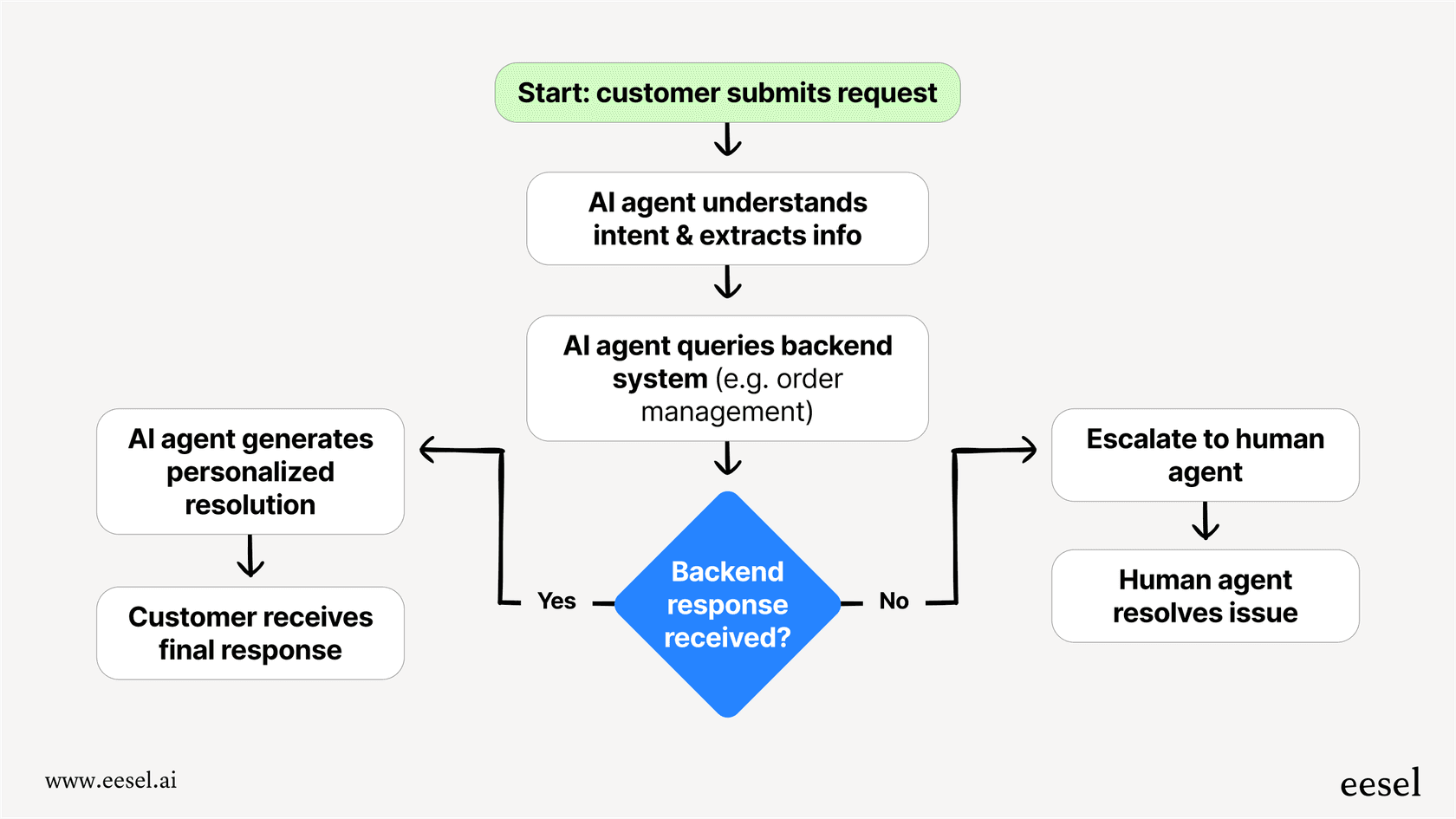
The core idea is that agents do more than answer questions: they process returns, update subscriptions, pull order status, and escalate to a human when needed. Sierra customers include WeightWatchers, SiriusXM, Rocket Mortgage, Casper, and Ramp, all running Sierra as a primary customer-facing channel.
Sierra hit $100M ARR in seven quarters after launch, then $150M ARR by February 2026. The growth rate reflects genuine enterprise adoption across financial services, retail, healthcare, and telecommunications.
What Sierra AI offers: a feature breakdown
Here's what the platform covers, based on Sierra's published product pages.
Empathetic, brand-aligned conversations
Sierra trains agents on your company's knowledge base, internal policies, and procedures to match your brand's tone. Sierra's Journeys builder lets non-technical teams describe customer experience goals in plain English; the platform generates the underlying instructions, guardrails, and tone guidelines from there.
The agents operate across multiple channels and run around-the-clock without shift scheduling. Minted's COO described their Sierra agent as creating "a better, faster experience that still feels personal and thoughtful."

Taking action through system integrations
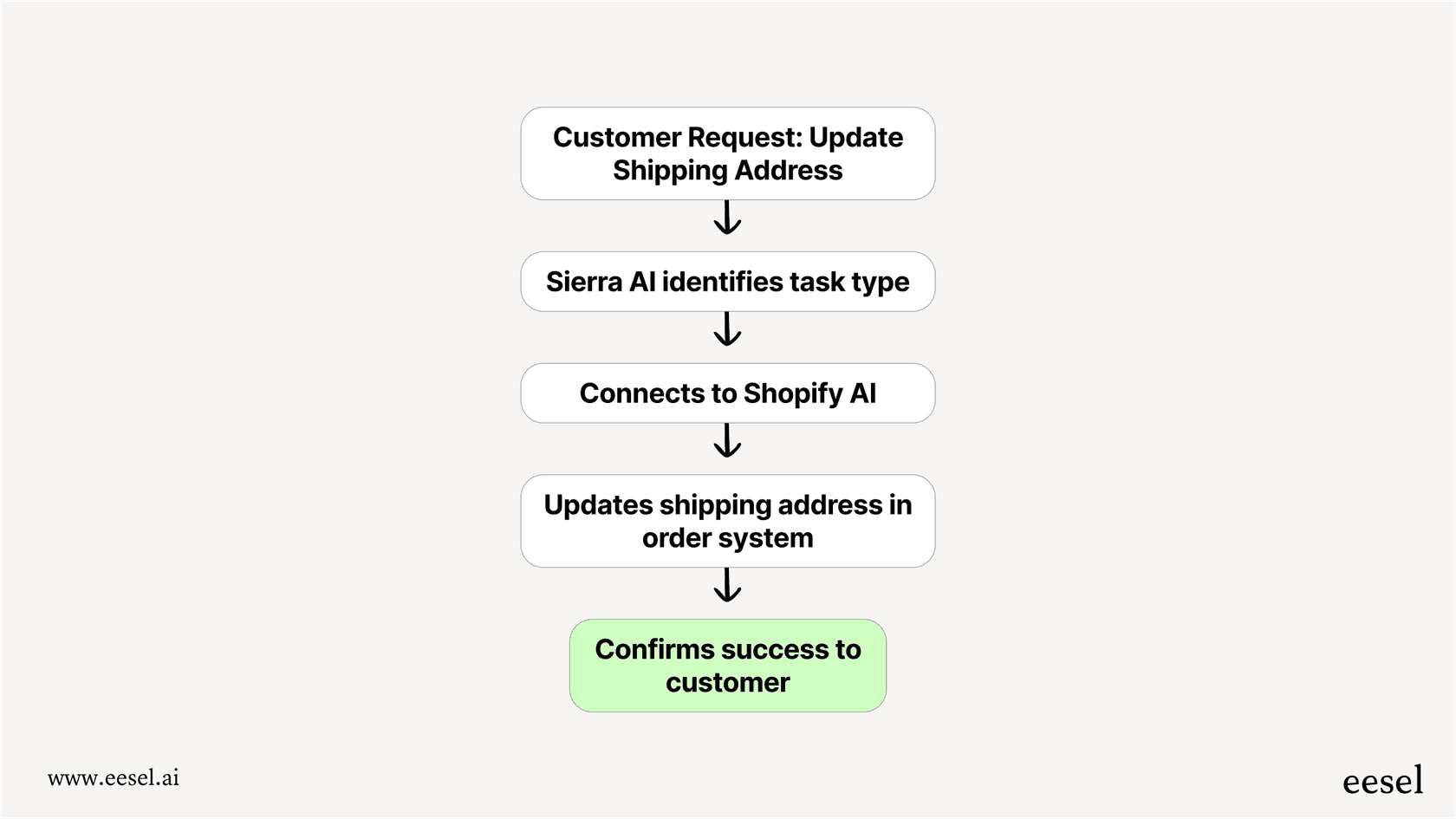
One of Sierra's main selling points is that agents connect to business systems to take real actions: updating CRM records, managing deliveries, processing returns. The Agent SDK lets developers write these customer journeys as code with full version control, while Agent Studio gives non-technical teams a no-code path.
This is powerful, but it comes with a tradeoff: wiring everything up is a substantial IT project. For teams that want to avoid a long implementation, a tool like eesel AI layers on top of the tools you already use, including Zendesk, Shopify, and Confluence, letting you automate support without replacing your existing stack.
Security, compliance, and supervision
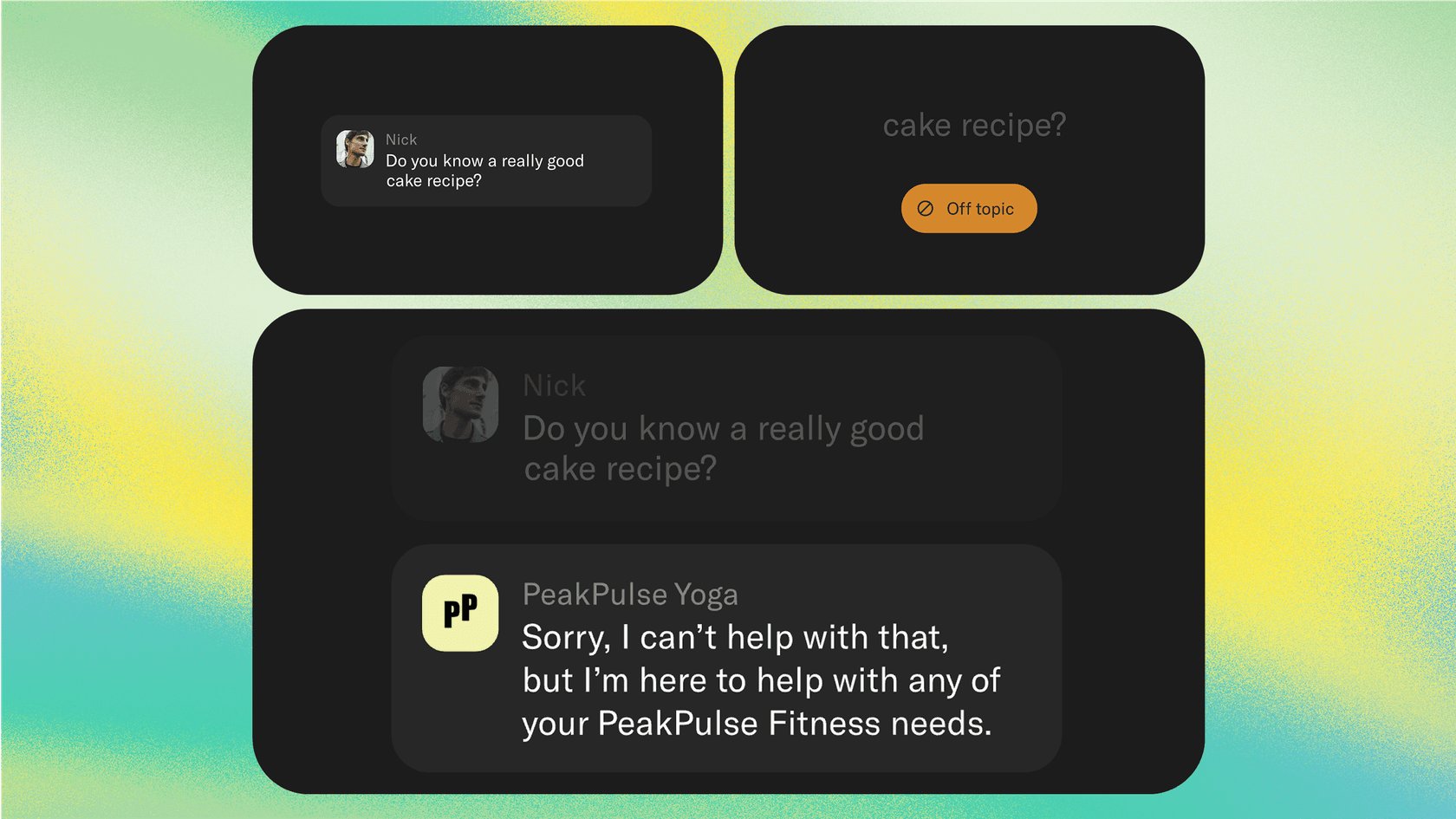
When you're letting an AI interact with your customers, security matters. Sierra compliance covers SOC 2, ISO 27001, HIPAA, GDPR, and EU AI Act, and does not use customer data to train general models. The platform includes conversation monitoring, audit trails, and guardrails to keep agents on-topic.
Sierra's Observability feature gives full visibility into agent reasoning on every conversation turn. These controls are standard requirements in regulated industries, and Sierra covers most of them.
Real user Sierra reviews: pros and cons
Here's what users actually say, sourced from G2 reviews and third-party aggregators.
What users like about Sierra AI
- Clean interface: Users on G2 describe the interface as clean and easy to navigate once familiar with the platform.
- Helpful implementation team: A consistent piece of positive feedback is for Sierra's CSM-guided setup process. The hands-on support makes getting started more manageable for teams facing a complex enterprise deployment.
- High volume handling: Users appreciate that the AI manages large numbers of simultaneous conversations without needing human involvement. Sierra's customer page cites Ramp at 90% case resolution and ADT handling 2 million inquiries per month.
- Strong resolution rates: Published case studies document 65-90%+ automation rates across Minted (65%+), Casper (74%), Chime (70%+), and Ramp (90%).
What users dislike about Sierra AI
- Steep learning curve: A recurring complaint on G2 is that the platform is confusing for new users, with initial complexity slowing productivity after implementation.
- Pricing opacity: Sierra pricing is not publicly disclosed. Reviewers on G2 cite cost uncertainty and difficulty assessing long-term value before committing.
- Limited self-service editing: According to third-party review analysis, many configuration changes require Sierra's team rather than self-service, which slows iteration.
- Occasional bugs and slowdowns: Some users have reported performance issues compared to more mature platforms.
- Context loss in long conversations: Reviewers aggregated by Quiq note that the AI can struggle to maintain context in extended multi-turn conversations, sometimes repeating itself or defaulting to generic answers.
What Sierra reviews say about pricing
Sierra pricing is not publicly disclosed. There is no pricing page, no self-serve tier, and no public pricing calculator. All contracts are custom-quoted through a direct sales process.
The model is described as outcome-based: you pay when the agent delivers a successful resolution, not per message or per seat. In practice, contracts blend a platform subscription with per-successful-outcome fees plus professional services.
| Plan tier | Pricing |
|---|---|
| All plans | Not publicly disclosed. Contact Sierra for a quote. |
This opacity is a consistent complaint in user reviews. For teams that need to budget before entering a sales cycle, or that want to run a quick pilot without a multi-month implementation, there are alternatives with transparent per-task pricing.
eesel AI publishes its pricing directly:
| Plan | Price |
|---|---|
| Helpdesk tasks | $0.40 each (support tickets, chat sessions) |
| Heavy tasks | $4.00 each (complex analyses, long-form content) |
| Light tasks | Free |
| Free trial | $50 in credits, no credit card required |
| Enterprise | $1,000/month + usage (SSO, HIPAA, dedicated engineer) |
You start small, and costs scale predictably with usage, with no minimum contract required to get going.
A flexible Sierra AI alternative: eesel AI
Given what users say about Sierra's pricing opacity, setup complexity, and limited self-service editing, it's clearly not the right fit for every team. If you want to extend your existing support tools rather than replace them, eesel AI takes a different approach.
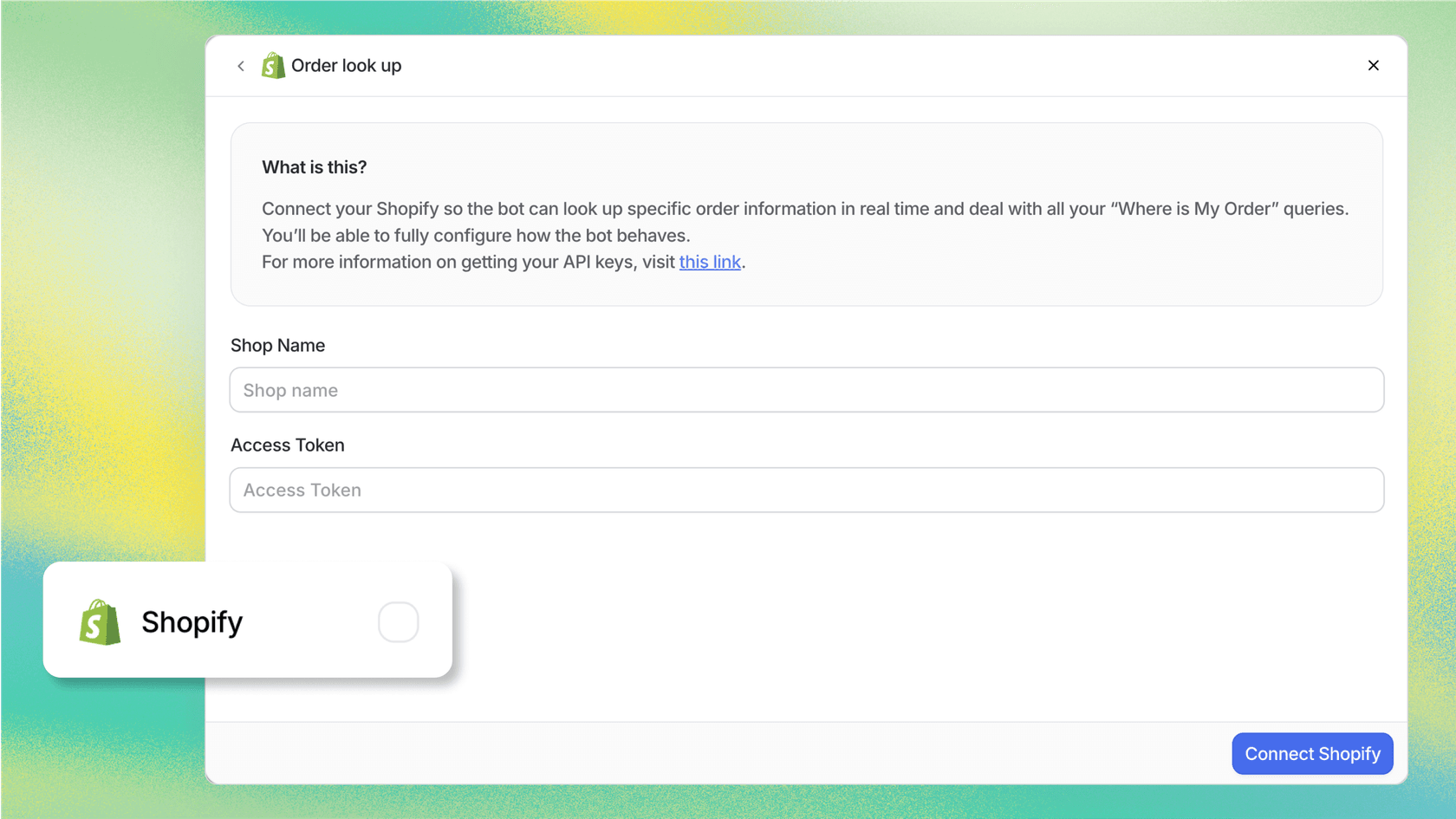
Rather than acting as a standalone platform, eesel AI layers on top of the stack you already have, including Zendesk, Freshdesk, Slack, and Confluence. Your team keeps its existing workflows; the AI adds capability on top.
Here's how it differs:
- Quick setup: With over 100 one-click integrations, you can have an AI agent running in minutes rather than months.
- Learns from your data: eesel AI trains on past tickets, help center articles, Google Docs, and product catalogs.
- Clear control: Plain-English prompts define how the AI behaves, and you can test it on past support tickets before going live.
- Transparent pricing: $0.40 per helpdesk task, $4.00 per heavy task, with $50 in free credits to start.
| Feature | Sierra AI | eesel AI |
|---|---|---|
| Approach | Platform replacement; full enterprise deployment | Layered; enhances your existing tools |
| Setup time | Months; guided implementation required | Minutes; self-serve with one-click integrations |
| Pricing | Not publicly disclosed | Per-task, transparent; $0.40/helpdesk task |
| Customization | Changes often require vendor involvement | Self-service via plain-English prompts |
| Key use case | Enterprise-grade standalone agent | AI agent, copilot, and triage for your existing help desk |
The final verdict: is Sierra AI the right call?
Sierra AI is a serious platform. With $1.6 billion raised and documented 65-90% resolution rates across enterprise customers, the product delivers for the right buyer. For large organizations with the budget, IT resources, and timeline for a comprehensive deployment, Sierra can provide the kind of deep system integration that lighter-weight tools cannot.
For most teams, though, the barriers are real: pricing that is not publicly disclosed and requires a full sales cycle to even get a number, a months-long implementation process, and limited self-service control once deployed. If your team already has a help desk you're happy with and wants to add AI without replacing it, there are faster and more transparent options available.
eesel AI lets you add AI agents, copilots, and triage to your existing tools without a long procurement process. Try eesel free (no credit card required, $50 in credits to start), or book a demo to see how it fits your workflow.

Frequently asked questions
Users on G2 and third-party review aggregators flag pricing opacity as a recurring concern, with reviewers questioning whether the high, undisclosed cost provides enough value compared to more transparently priced alternatives. If budget visibility matters to your team, it's worth reviewing tools like eesel AI, which publishes per-task pricing.
A frequent theme on G2 is that Sierra's platform has a steep learning curve for new users. Some reviewers note that initial complexity slows team productivity right after implementation, and that many configuration changes require involvement from Sierra's own team rather than self-service editing.
The consensus across G2 and analyst commentary is that Sierra is built for large enterprises with the budget and IT resources for a complex deployment. Smaller businesses looking for a quick-to-deploy solution may find it is not a good fit. A tool like eesel AI, which layers on top of existing helpdesks, is often a better starting point for mid-market teams.
A key limitation noted by users on G2 is the platform's relative rigidity compared to alternatives. Reviewers have said it does not always adapt well to specific team workflows, and that significant changes require vendor involvement rather than self-service configuration. AI agents that layer on top of your existing tools tend to offer more flexibility for teams with non-standard workflows.
Share this article

Article by
Kenneth Pangan
Writer and marketer for over ten years, Kenneth Pangan splits his time between history, politics, and art with plenty of interruptions from his dogs demanding attention.