Growing a SaaS company means making tough choices about where to invest your resources. Customer support is one of those areas that can make or break your business, yet building an in-house team takes time you might not have. This is where white-label SaaS support enters the picture.
But what does white-label actually mean in the context of Zendesk? And is it the right approach for your company? Let's break it down.

What is white-label SaaS support?
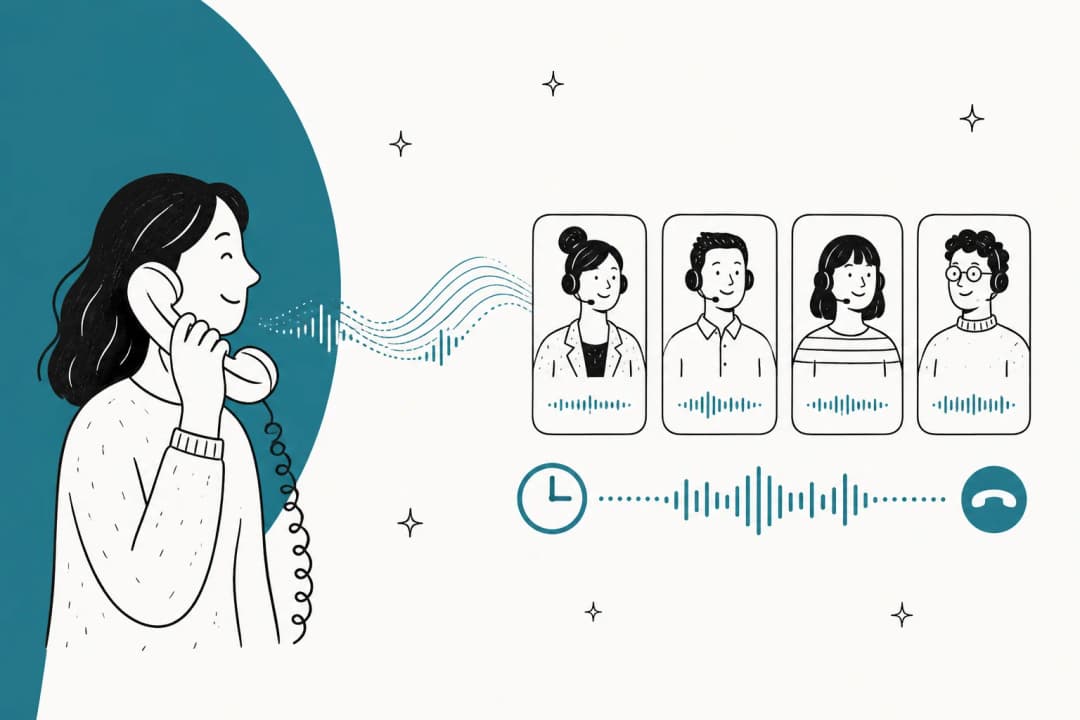
White-label SaaS support is when a third-party company provides customer support services under your brand name. Your customers interact with support agents who appear to be part of your internal team, even though they work for an external provider.
Here's the difference from traditional outsourcing: with white-label support, every touchpoint carries your branding. Email signatures show your domain. Chat widgets display your logo. The support portal matches your brand colors. From the customer's perspective, it's all you.
The appeal is straightforward. You get experienced support agents without the months of recruitment and training. You can offer 24/7 coverage across time zones without hiring night shifts. And you can scale up or down based on demand without worrying about headcount.
Common use cases for SaaS companies include:
- Handling overflow during rapid growth phases
- Providing multilingual support for international expansion
- Covering after-hours and weekend support
- Managing specialized technical tiers while your team focuses on product
Can you white-label Zendesk itself?
This is where things get interesting. Zendesk is a SaaS product itself, not a white-label platform. But it does offer customization options that let you brand the customer-facing parts of the experience.
Here's what you can customize:
Help center and knowledge base: Full control over themes, colors, logos, CSS, and custom domains. You can make your help center look like a seamless part of your website.
Email notifications: Complete control over templates, including custom HTML, branding, and messaging.
Web widget: Colors, launcher button, position on the page, and messaging can all match your brand.
Agent interface: Limited options here. You can change colors and add a custom favicon, but the core Zendesk interface remains recognizable.
The key limitation is that you cannot fully remove Zendesk branding from every touchpoint. The agent dashboard will still look like Zendesk, and some system-generated elements carry Zendesk identifiers.
For a deeper look at Zendesk's capabilities and limitations, check out our complete Zendesk review.
When SaaS companies choose white-label support
There are specific moments when white-label support makes strategic sense for a growing SaaS company.
Rapid growth exceeding internal capacity. When your user base doubles in six months but your support team can't scale that fast, white-label providers can fill the gap immediately.
Expansion into new markets. Entering regions where you don't have local staff? White-label partners often have multilingual teams ready to deploy.
24/7 coverage needs. Over 70% of customers now expect immediate service when they contact support. Building an in-house night shift is expensive. White-label providers already have the infrastructure.
Focus on core product. Every hour your engineering team spends on support is an hour not spent on product development. Outsourcing lets you protect that focus.
The cost equation matters too. Building an internal team means recruitment, training, benefits, management overhead, and office space. White-label support converts those fixed costs into variable ones tied to actual ticket volume.
The stakes are high. Research shows that 68% of customers leave a brand due to poor service experiences. In the SaaS world, where recurring revenue depends on retention, support quality directly impacts your bottom line.
For more on building a modern support stack, see our guide to the top AI tools for customer support in 2025.
The challenge with traditional white-label support
White-label support isn't a magic bullet. There are real challenges that SaaS companies face when going this route.
Quality control and brand consistency. External agents can struggle to capture your company's voice and tone. They might not understand your product's nuances, leading to responses that feel generic or off-brand.
Training time. Even experienced support agents need weeks or months to learn your product deeply. During that ramp-up period, quality can suffer.
Scalability constraints. While white-label providers can scale better than building internally, they still have limits. Sudden spikes (like a product launch or outage) can overwhelm their capacity too.
Limited iteration. Your product evolves constantly. New features, updated messaging, changed policies. Keeping an external team in sync takes ongoing effort and communication.
The "black box" problem. You lose visibility into how support is being handled. Are agents following your processes? Are customers getting consistent experiences? You often can't see the details until problems surface through customer complaints.
Data security. You're giving an external team access to customer data, internal systems, and potentially sensitive information. Compliance and security become more complex.
These challenges don't make white-label support a bad choice. But they explain why some companies are exploring alternatives.
How eesel AI offers a different approach
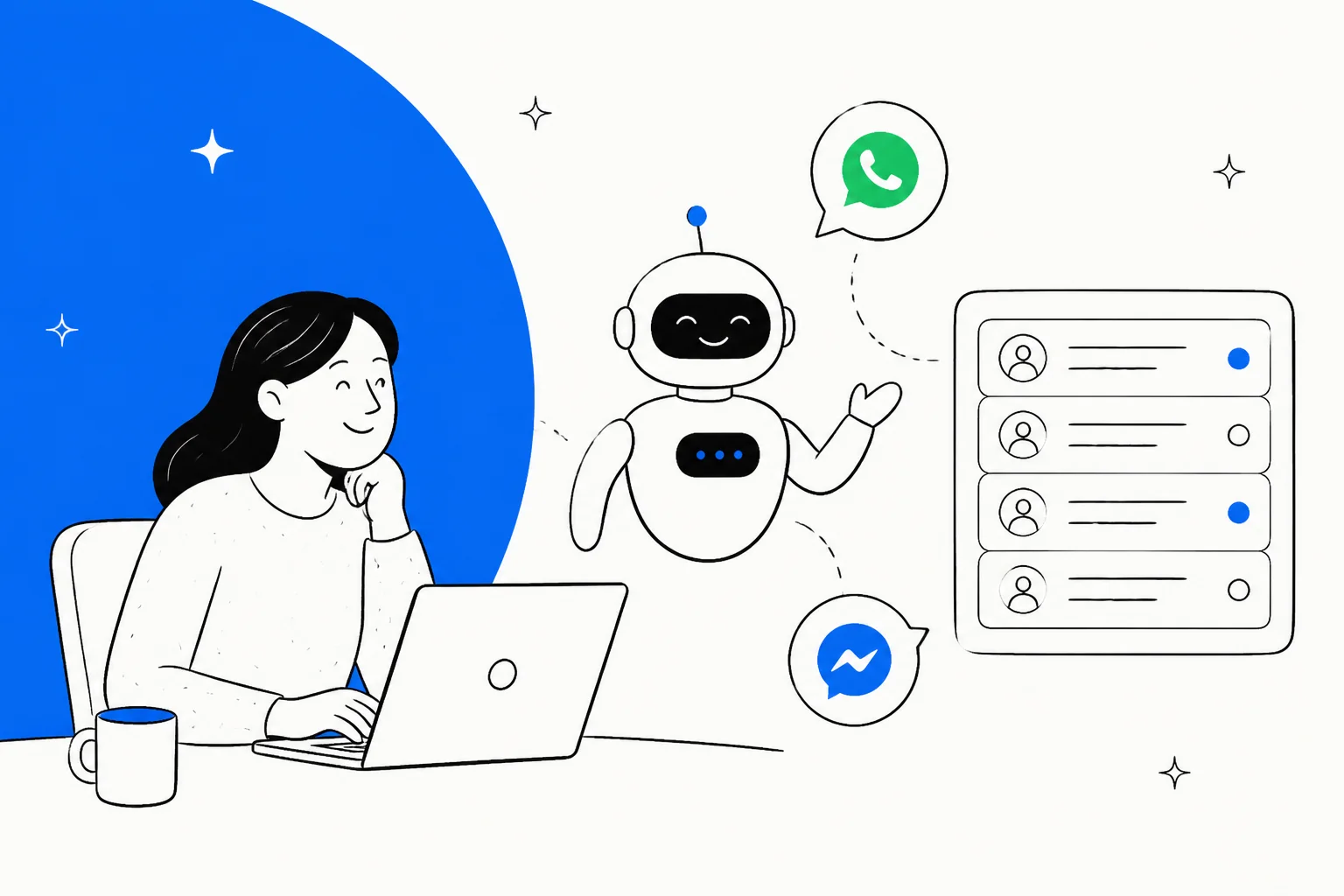
At eesel AI, we think about support differently. Instead of outsourcing to a team of humans, you can hire an AI teammate that works directly in your existing help desk, including Zendesk.

Here's what that means in practice.
You hire eesel, not configure a tool. Like any new team member, eesel learns your business over time. You don't need to write complex rules or decision trees. You teach eesel in plain English: "If a refund request is over 30 days, politely decline and offer store credit." "Always escalate billing disputes to a human."
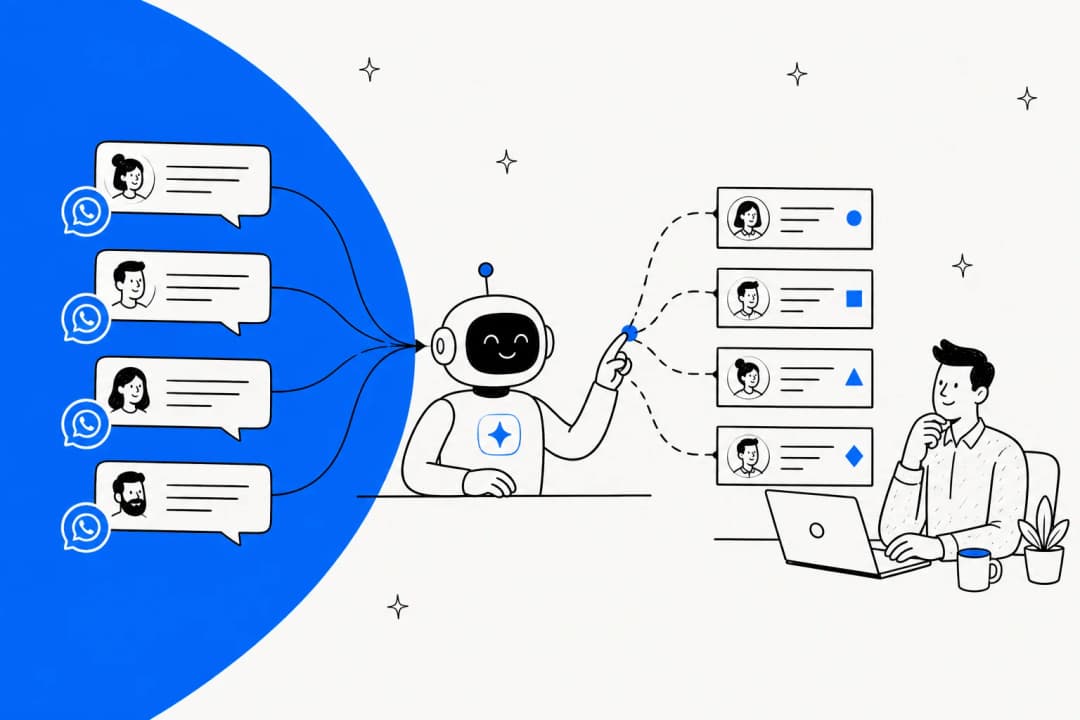
Instant knowledge absorption. Connect eesel to your help desk and it immediately learns from your past tickets, help center articles, macros, and connected documentation. What takes a human weeks to learn, eesel understands in minutes.
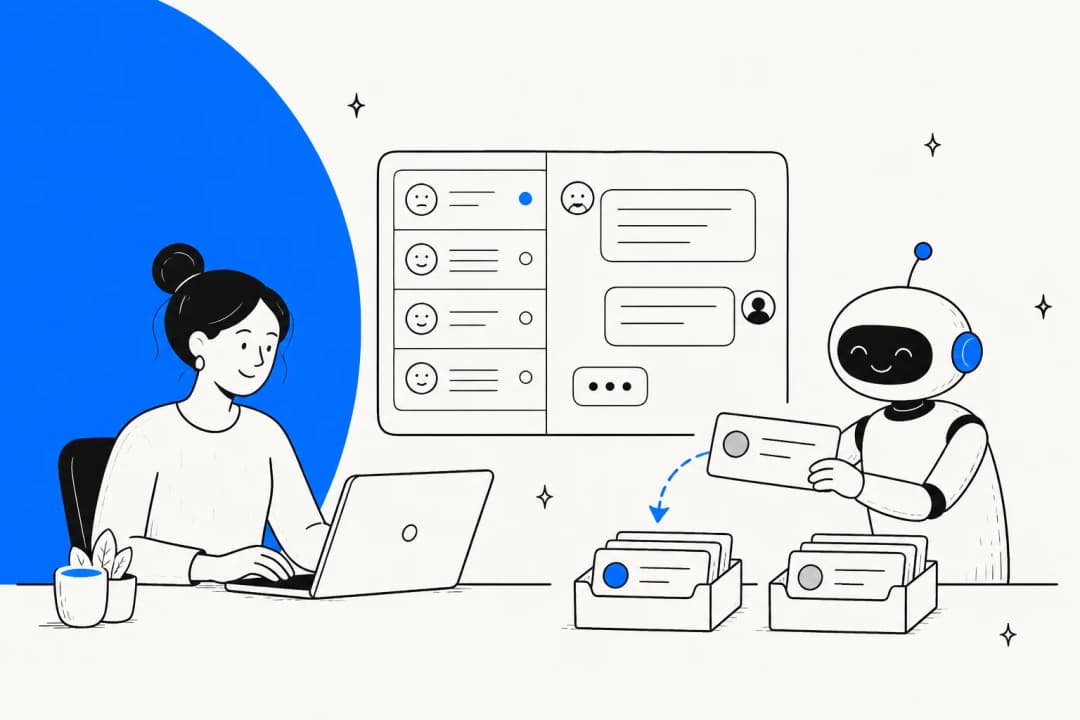
Guided autonomy. You start with eesel drafting replies for your team to review. Once you're confident in the quality, eesel can send responses directly. You control the pace based on actual performance, not vendor promises.
Continuous learning. When you correct a response, eesel learns from it. When you message eesel on Slack with a policy update, it incorporates that knowledge immediately. No retraining cycles or documentation uploads required.
Full visibility. Run simulations on thousands of past tickets before going live. See exactly how eesel would respond. Measure resolution rates. Identify gaps. You verify quality before customers ever see an AI-generated response.
Mature deployments using our AI Agent achieve up to 81% autonomous resolution. That's 8 out of 10 tickets handled end-to-end without human intervention, while maintaining your brand voice and quality standards.
For more on how AI is changing the support landscape, read our analysis of Zendesk AI and its limitations.
Choosing the right approach for your SaaS
So which path makes sense for your situation? Here's a simple framework.
White-label human support might be right if:
- You need complex empathy and relationship building (enterprise accounts with dedicated reps)
- Your product requires extensive troubleshooting that varies significantly case by case
- You have budget for ongoing management and quality oversight
An AI teammate like eesel AI might be right if:
- You have repetitive questions that follow predictable patterns
- You want to scale without linearly increasing headcount
- You need 24/7 coverage without night shift costs
- You value consistency and continuous improvement
Hybrid approaches work too. Many companies use AI for tier-1 support (password resets, common how-to questions) while reserving human agents for complex escalations and relationship management.
The decision ultimately comes down to your ticket volume, growth trajectory, and what kind of support experience you want to deliver.
For pricing that scales with your actual usage (not per-agent seats), see our pricing page.
Getting started with branded customer support
Whether you choose white-label human support or an AI teammate, here are some quick wins for immediate brand consistency:
- Audit your current support touchpoints for branding gaps
- Document your voice and tone guidelines (even simple ones help)
- Create templates for common responses that reflect your brand
- Set clear escalation rules so everyone knows when to involve humans
When evaluating options, look for trial periods or simulations that let you test quality before committing. Ask about training time, ongoing management requirements, and how the solution handles your specific use cases.

If you're curious about what an AI teammate could do for your support operations, you can try eesel AI and see how it learns from your existing data. No migration required. No complex setup. Just connect your help desk and see what's possible.
Frequently Asked Questions
Share this post

Article by
Stevia Putri
Stevia Putri is a marketing generalist at eesel AI, where she helps turn powerful AI tools into stories that resonate. She’s driven by curiosity, clarity, and the human side of technology.