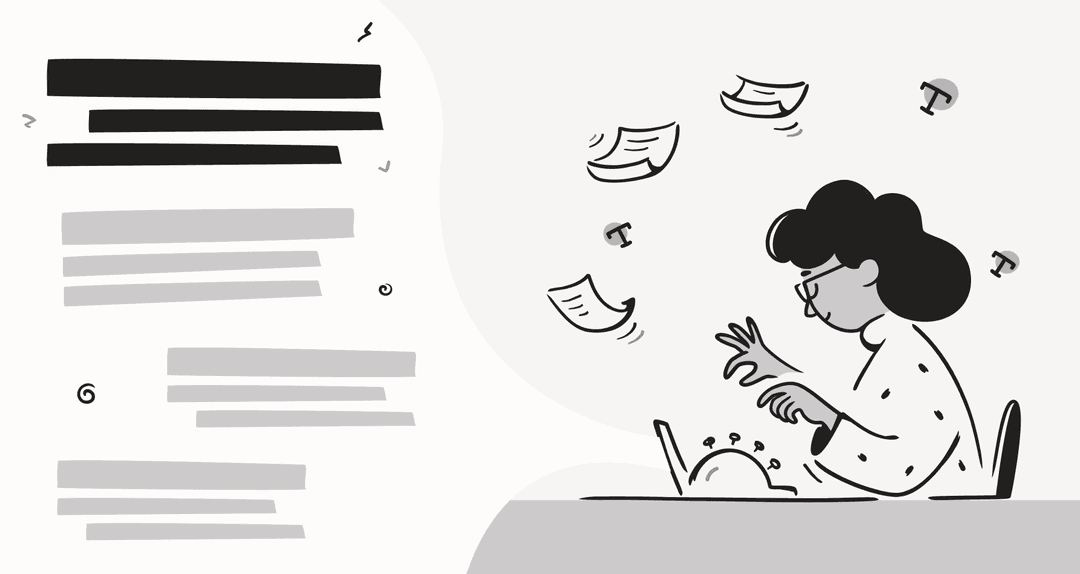
Let's be honest, AI can generate a lot of content, and fast. The problem is, a lot of it sounds... well, like a robot wrote it. It’s stiff, a little clunky, and has zero personality. You've seen it before: perfectly grammatical sentences that don't really say anything meaningful.
This is more than just a style problem. Robotic content is a huge turn-off for readers. It tanks engagement, makes your brand feel bland, and can even ding your SEO. Search engines are getting smarter, and they're rewarding content that's genuinely useful and written for people, not just algorithms.
What does it mean to 'humanize' AI content?
Here are the key things that human writing has, which AI often misses:
- Authenticity: This is your brand’s voice and unique point of view. It’s about sharing small stories, personal opinions, or even admitting you don’t have all the answers. It’s what makes your content yours.
- Clarity and Flow: Human writing isn't just a long string of similar sentences. It has a certain rhythm. Short, punchy sentences get mixed in with longer, more descriptive ones. The ideas connect logically, making the whole thing easy and enjoyable to follow.
- Emotional Connection: The best content makes you feel something. Whether it's through a bit of humor, an empathetic story, or a passionate take, connecting with your audience on an emotional level is how you build a loyal following.
- Credibility: This comes from sharing real-world examples, unique insights, and solid facts you've gathered yourself. It’s the classic "show, don't tell" approach to content, and it’s what builds trust with your readers.
The tell-tale signs of robotic AI content
Here are some of the most common signs that a robot was at the keyboard:
- Overly Formal Tone: AI tends to sound like a stuffy professor. It uses unnecessary phrases like "In the realm of," "It is of paramount importance to note," or starts every other sentence with "Furthermore." Real people just don't talk like that.
- Repetitive Sentence Structure: You'll often see paragraphs where every sentence follows the same pattern (e.g., Subject-Verb-Object) or is about the same length. This creates a monotonous rhythm that can put anyone to sleep.
- Lack of Personality: This is a big one. The content feels sterile because it doesn't have a point of view. There's no humor, no personal stories, no spice. It’s just a dry list of facts with no flavor.
- Vague Language and Fluff: AI is a master of writing sentences that sound impressive but are totally empty. Watch out for buzzwords and fluffy phrases like "unlocking the power of," "navigating the complex landscape of," or "a seamless integration of." They take up space but don't add any real information.
- Predictable Word Choices: Certain words are like catnip for AI models. If your draft is full of words like "meticulous," "delve," "ensure," "leverage," and "utmost," it probably needs a human edit.
Manual techniques for humanizing AI content
Here’s a simple process you can follow to manually humanize your content:
- Read it Aloud: This is the fastest and most effective trick in the book. If a sentence feels awkward to say, it will feel awkward to read. Reading your text out loud helps you catch clunky phrasing, unnatural rhythms, and sentences that drag on forever.
- Add Personal Experience: AI can't share stories from your life or career, but you can. Drop in short, relevant anecdotes to make your points more relatable. Start sentences with "In my experience..." or "Here's a mistake I made that you can avoid..." This builds an instant connection with the reader.
- Vary Sentence and Paragraph Length: Look for big, dense blocks of text and break them up. Mix short, direct sentences with longer, more detailed ones. This creates a more dynamic and interesting reading experience. A one-sentence paragraph can be really powerful when used at the right moment.
- Add "Imperfections": Perfect grammar isn't always the goal. Conversational writing often has little "imperfections" that make it feel more authentic. Use rhetorical questions to get your reader thinking. Throw in an idiom or two. If it fits your brand voice, even a little slang can make your content feel more grounded.
- Simplify the Language: AI loves to use complicated words when simple ones work just fine. Swap out jargon for simpler alternatives. Hunt down the passive voice ("The ball was thrown by him") and change it to the active voice ("He threw the ball"). It makes your writing more direct and energetic.
Using AI tools to humanize content
Manual editing is great for quality, but it's not always practical if you're trying to publish content regularly. It just doesn't scale. This is where specialized AI tools can help out.
However, not all humanizer tools are the same.
They generally fall into three categories: full-cycle content generators that create human-sounding content from the start, writing assistants that help you edit, and simple rewriters that just spin your text.I tried a ton of those tools, and most of them either: Turned my memo into word salad, orrrrr... Added weird errors on purpose (like a bad spy trying to fake a accent).

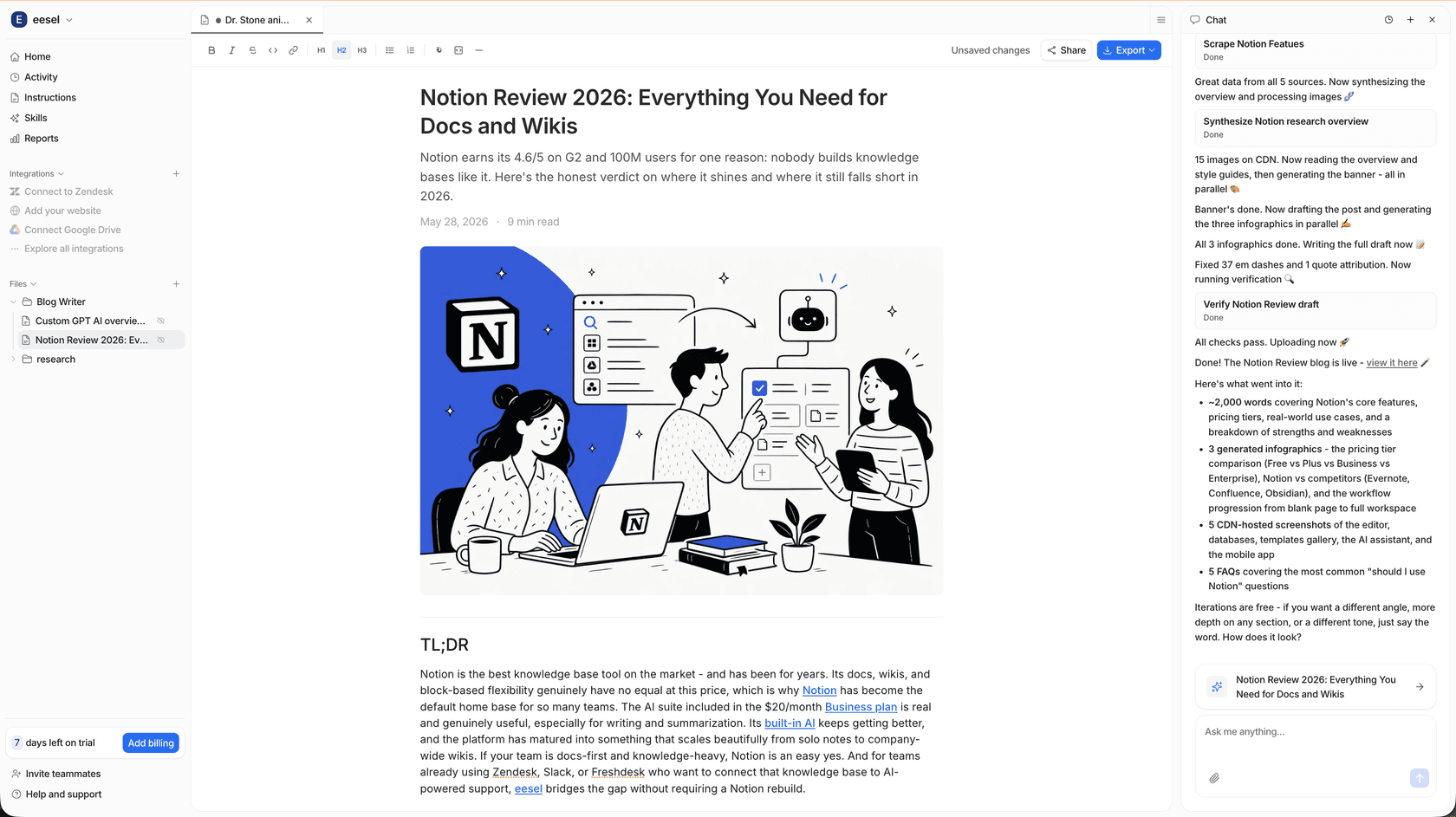
eesel AI blog writer: Generating human-first content
You just give it a topic and your brand context, and it generates a complete article that actually sounds like it came from your team.
Here’s what makes it different:
- Context-Aware Research: The eesel AI blog writer understands search intent. If you ask for a comparison post, it knows it needs to find pricing and feature lists. If you want a product review, it looks for technical specs. It does the research so the content is substantial, not just shallow filler.
- Complete Asset Generation: It doesn't just give you a wall of text. You get a fully structured post with AI-generated images, custom infographics, and data tables already included.
- Social Proof Integration: To add genuine human perspectives, it can embed relevant YouTube videos and even pull real, insightful quotes from Reddit forums on your topic.
- Proven Results: We don't just sell this tool; we built our own content strategy on it. It’s how we grew our blog from 70k to 750,000+ daily impressions in just three months.
You can generate your first blog free to see the quality for yourself. After that, paid plans give you 50 blogs for $99.
Assistants vs. rewriters: Other tools for refining text
While eesel AI focuses on end-to-end creation, other tools are designed for more specific tasks, like refining existing text. They can be useful, but it’s important to understand their limits.
- Description: QuillBot is a popular AI writing suite best known for its paraphrasing tool. It also has a "Humanizer" mode that aims to make text sound more natural.
- Best For: Quickly rephrasing a few sentences or polishing a short paragraph to improve its flow.
- Limitations: It's a text refiner, not a content generator. It can't research a topic or create a full blog post from a keyword. The free version has a 125-word limit for paraphrasing, so it's not great for long-form content.
- Pricing: A free plan is available. Premium plans start at $8.33 per month when billed annually.
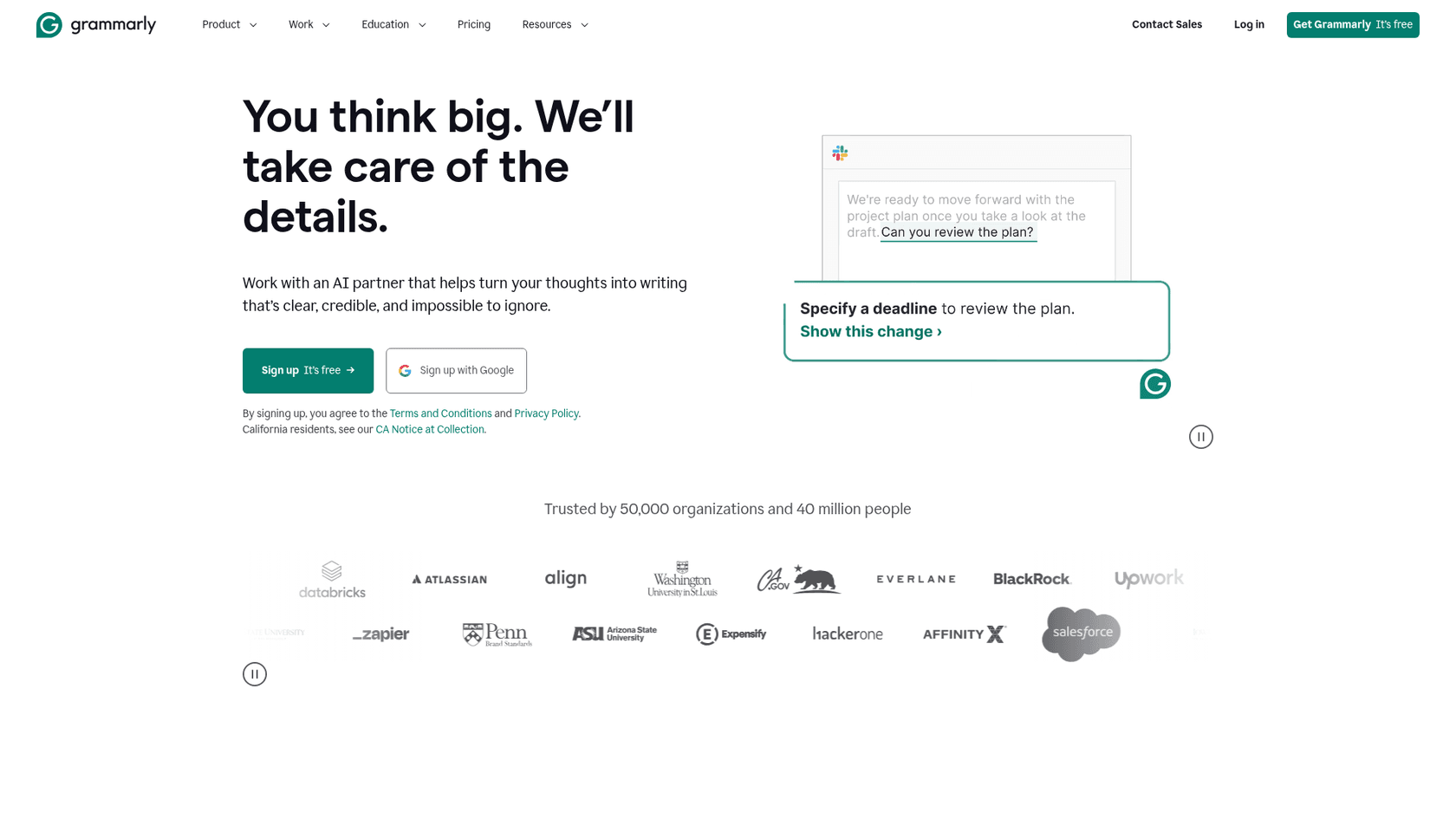
- Description: Grammarly is a powerful AI writing assistant that most people know for its grammar and spell-checking. It has expanded to include a "Humanizer" agent and other generative AI features to help you refine your writing.
- Best For: Acting as an editor. It’s excellent for catching grammatical errors, improving clarity, and adjusting the tone of an existing draft.
- Limitations: Like QuillBot, Grammarly is an editor, not a generator. It can't create assets, conduct deep research, or structure a full blog post for you. Its job is to improve text you've already written. The free plan has 100 AI prompts monthly to use its generative features.
- Pricing: A free version is available. Pro plans start at $12 per month when billed annually.
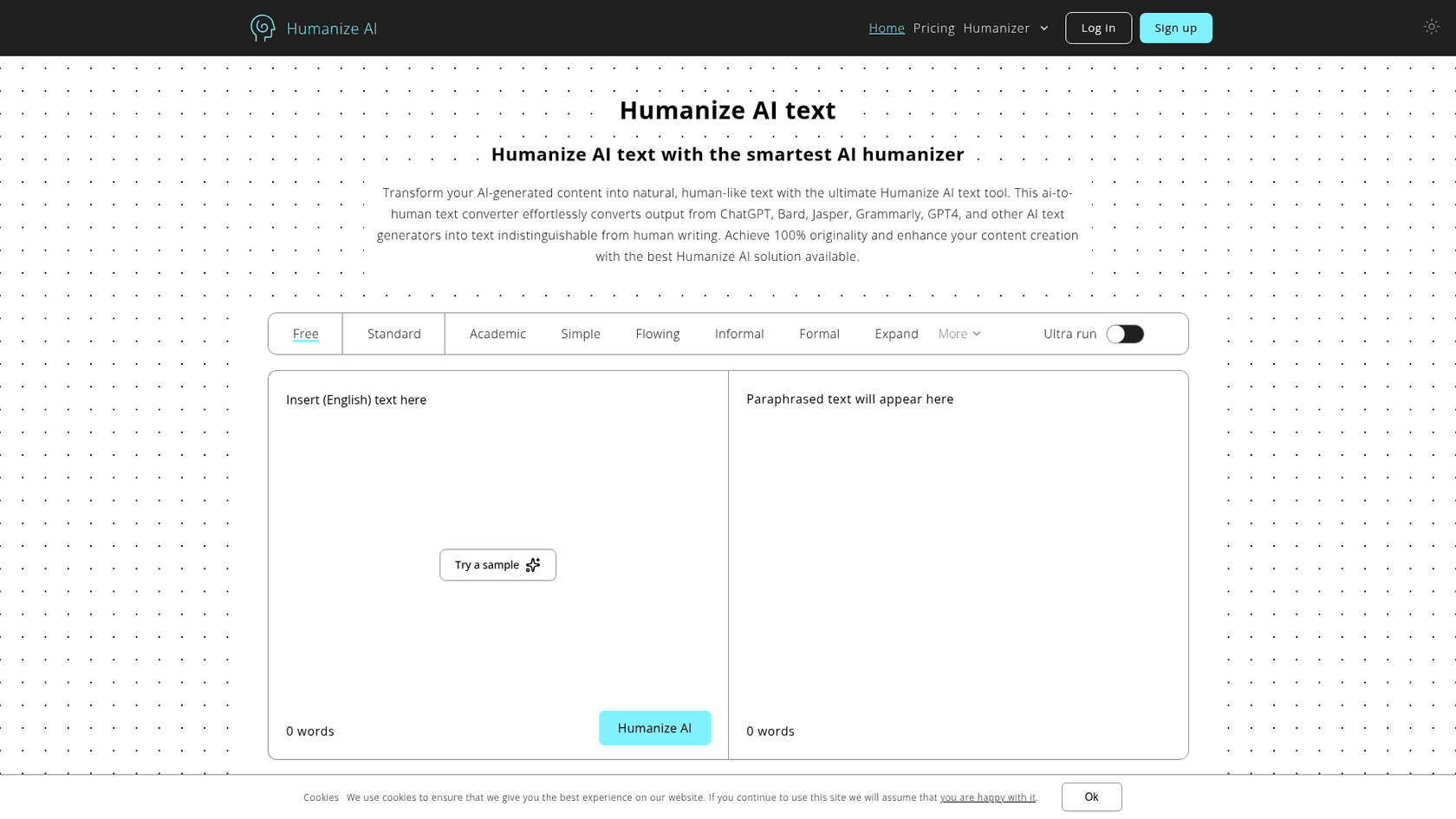
- Description: This is a straightforward tool with one main function: rewriting AI-generated text to make it sound more human and bypass AI detection software.
- Best For: Quick, simple rewrites of short text snippets when your main goal is to avoid AI detectors.
- Limitations: It’s a basic copy-paste rewriter. There are no features for adding brand context, optimizing for SEO, or generating assets. The free tier is capped at 300 words. Interestingly, their own ethics statement advises against using the tool to misrepresent academic work, highlighting that it's meant to improve clarity, not to cheat.
- Pricing: A limited free plan is available. Paid plans start at $9.99 per month.
For a more visual guide, here's a helpful video that walks through several practical prompts and techniques you can use to refine your AI-generated text and give it a more natural, human touch.
Ethical considerations when humanizing AI content
Using AI to help with your writing is a smart move, but it’s not a free pass to skip the hard work. With this new power comes a few key responsibilities to keep in mind.
- Transparency: In some situations, like academic papers or news articles, it's important to disclose when you've used AI to help you. Honesty builds trust. Hiding your process can feel deceptive if originality is expected.
- Avoiding Plagiarism: A humanizer tool might rephrase an idea, but that doesn't make it yours. If the core concept came from someone else's work, you still need to cite your source. As even tools like HumanizeAI.pro point out, these platforms are for improving your own writing, not for passing off others' ideas as original.
- Accountability: At the end of the day, you are the publisher. You are responsible for the accuracy, quality, and impact of your content. An AI tool is a helping hand, but you're still the one in charge. Always fact-check and edit anything before you hit "publish."
Your next step to genuinely human content
Creating content that sounds like it was written by a real person is essential if you want to connect with your audience and grow your brand. You can definitely get there with careful manual editing or by using AI assistants to polish your drafts.
But the real leap forward is to stop trying to fix robotic text and start creating human-first content from scratch. Stop wrestling with awkward drafts and endless editing. It’s time to use a tool that does the heavy lifting for you, from research to writing to creating assets.
Generate Your First Human-Sounding Blog for Free with eesel AI