Gemini vs Rytr: A practical guide to choosing your AI writing tool

Stevia Putri
Last edited January 26, 2026
Choosing the right AI writing tool can be challenging with so many options available. On one hand, you have large-scale tools like Google Gemini, a powerful assistant integrated into many common tools. On the other, you have specialized tools like Rytr, used by over 8 million writers for creating marketing copy quickly.
This guide provides a head-to-head comparison to help you see which tool fits your workflow and goals.
Sometimes, a drafting assistant isn't enough. While tools like Gemini and Rytr are effective for generating text, scaling high-quality SEO content often requires a more comprehensive solution. We'll also discuss how an AI content platform like the eesel AI blog writer handles the entire workflow, from a single keyword to a publish-ready post.
What is Google Gemini?
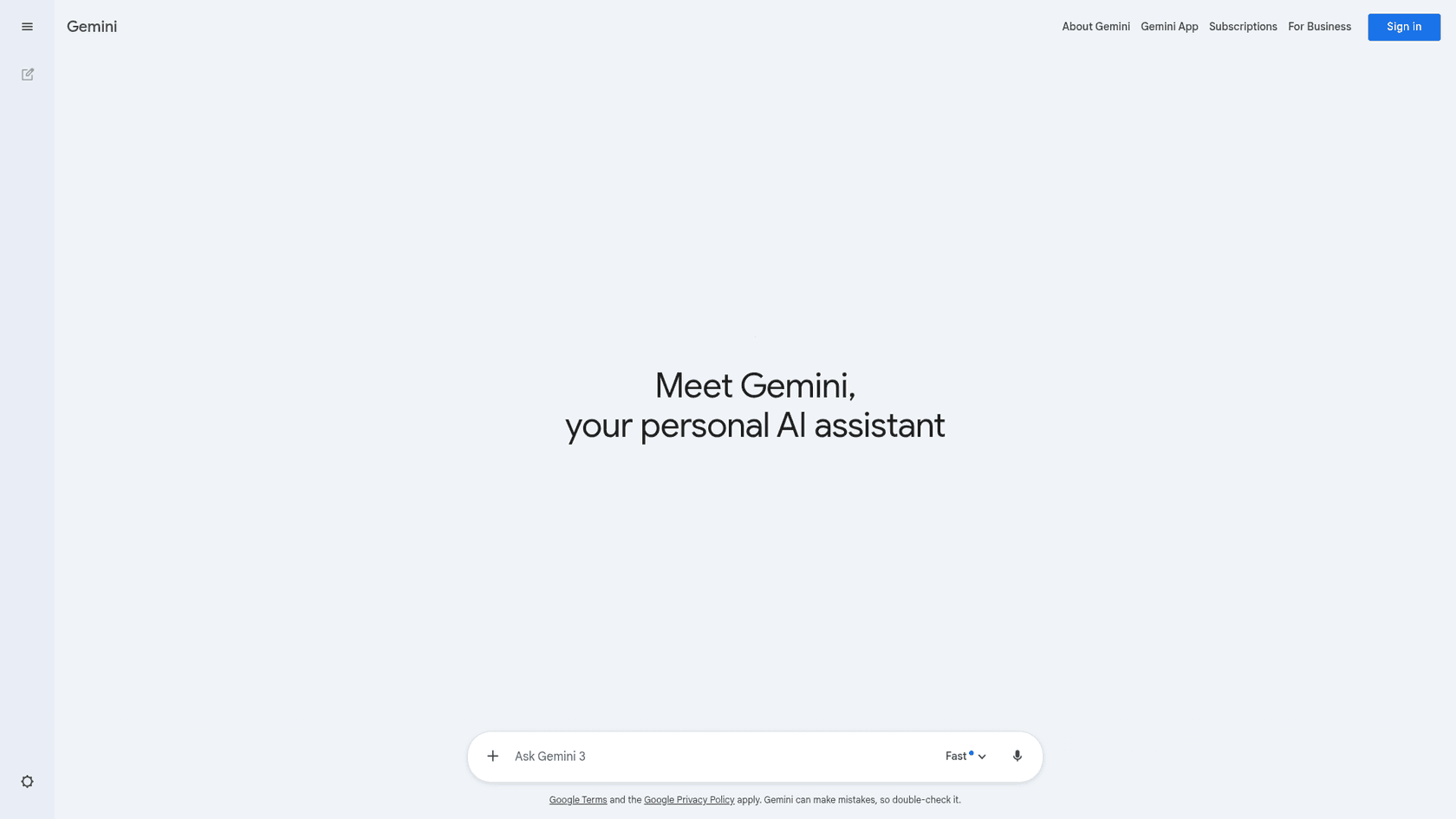
Google Gemini is Google's conversational AI assistant. It's a versatile tool deeply integrated across Google's product suite, from Gmail to Google Docs.
Its key strength is its multi-modal capability, meaning it can understand and process more than just text. You can provide it with images, videos, audio clips, and large PDFs for analysis. Powered by capable models like Gemini 3 Pro, Gemini is designed for complex tasks like deep research, data analysis, brainstorming complex ideas, and generating long-form drafts within the apps you already use.
What is Rytr?
Rytr is an AI writing assistant built specifically for creating short-form marketing and business content quickly.
Rytr uses a template-based approach. It offers over 40 use cases and more than 20 tones of voice, allowing users to generate content from email subject lines to social media posts. It focuses on speed, simplicity, and convenience, with a browser extension that allows for use across the web.
Gemini vs Rytr: Features and capabilities
Gemini's multi-modal power and deep integration
Because it can handle various input types, it can be a valuable research partner. For example, you could upload a 1,500-page research document and ask it for a summary, or show it an image and have it generate content based on what it sees.
Its native integration with Google Workspace is particularly useful for everyday productivity. You can summarize long email threads in Gmail, have it take notes for you in Google Meet, or use its "Help me write" feature to draft content in Google Docs. It also has advanced features like "Deep Research" for generating detailed reports and can even help with complex coding tasks, making it a general-purpose assistant.
Rytr's specialized templates and unique voice matching
Rytr focuses on streamlining the writing process for marketers and business owners. Its library of over 40 pre-built templates simplifies creating specific types of content. Need a product description? There's a template for that. A YouTube video script? It's got you covered.
One of its key features is "MyVoice," which can analyze a writing sample to mirror your unique tone. This is beneficial for maintaining brand consistency across all your copy. Additionally, its browser extension provides access to its tools directly in platforms like Slack, WordPress, or your email client, which adds to its convenience.
Feature comparison
Gemini is a powerful generalist. If you need a versatile research and productivity partner that integrates with the Google ecosystem, it’s a capable tool. Rytr, however, is a specialized tool focused on speed. If your role involves producing specific types of short-form copy quickly and consistently, Rytr is designed for that purpose.
| Feature | Google Gemini | Rytr |
|---|---|---|
| Primary Use Case | Research, analysis, long-form drafts, coding | Short-form marketing & business copy |
| Multi-modal Input | Yes (text, images, video, audio, PDFs) | No (text-only) |
| Templates / Use Cases | No (prompt-based) | Yes (40+ pre-built use cases) |
| Tone Adjustment | Via prompting | Built-in feature with 20+ presets |
| Custom Voice | No | Yes (via "MyVoice" feature) |
| Workspace Integration | Deep integration with Google Workspace | Standalone with browser extension |
| Plagiarism Checker | No | Yes (built-in, powered by Copyscape) |
Gemini vs Rytr: Content quality and ideal use cases
The quality of the content from either tool depends on the task. Gemini is suited for depth and research-heavy tasks, while Rytr is designed for writing clear, persuasive copy.
Gemini for research and long-form drafts
When you need to tackle a complex topic, Gemini is the stronger choice. Using models like Gemini 3 Pro, it can generate well-structured outlines and detailed first drafts that provide a solid starting point. Its advanced research features can pull together comprehensive reports, though, as with any AI, human oversight is recommended to verify facts.
Ideal use cases:
- Outlining a detailed whitepaper or report
- Summarizing long research documents or academic papers
- Drafting the initial version of a blog post
- Debugging code or explaining complex programming concepts
- Analyzing large datasets and identifying trends
Rytr for speed and short-form copy
Rytr is all about producing copy that's ready to use right away. For tasks like writing marketing emails or social media posts, users often report its output sounds more natural and persuasive for its intended tasks. While it's incredibly effective for these short-form tasks, its output may require human editing for more depth when writing about a nuanced subject.
Ideal use cases:
- Writing dozens of social media captions
- Generating different variations of ad copy for A/B testing
- Drafting engaging email newsletters
- Creating compelling product descriptions for e-commerce sites
- Crafting professional bios for LinkedIn or company websites
Gemini vs Rytr: Ease of use and workflow integration
How a tool fits into your daily routine is just as important as what it can do. Here, the two tools take very different approaches. Gemini integrates into the Google ecosystem, while Rytr is a simple, standalone tool designed for ease of use.
Gemini's seamless fit in the Google ecosystem
If you primarily use Google Workspace, using Gemini feels natural. There is no new application to learn. Using the "Help me write" feature in Gmail without leaving your inbox improves productivity. That said, getting the most out of its more advanced multi-modal and analytical features does involve a bit of a learning curve compared to a straightforward text generator.
Rytr's simple, intuitive interface
Rytr is designed to be intuitive. Its interface is clean, straightforward, and easy to navigate. The template-driven approach guides the user through the process: pick a use case, fill in details, and generate content. The browser extension further enhances convenience by bringing Rytr's functionality to you across different websites and apps.
Gemini vs Rytr: Pricing and plans
Both tools offer a free way to get started, but their paid plans are structured to serve very different types of users.
I’ve seen a bunch of lists of the best AI tools that focus on paid/subscription tools that are harder to experiment with without paying, and wanted to compile the best completely free tools I've found. Some of these still have paid/Pro plans, but all can be used completely free without a time limited trial and don't require a credit card to do so.

Google Gemini pricing
- Free Plan: Gives you access to a solid model that's perfectly capable for everyday questions and tasks.
- Google AI Pro Plan: For $19.99/month, you get access to more powerful models like Gemini 3 Pro, the Deep Research feature, Gemini integrated into Workspace apps (like Docs and Gmail), and a hefty 2 TB of Google One storage.
- Google AI Ultra Plan: At $249.99/month, this plan is for power users, offering top-tier access to all features, advanced agentic capabilities, and 30 TB of storage.
Rytr pricing
- Free Plan: Rytr offers a "free forever" plan that lets you generate up to 10,000 characters per month, which is suitable for light use.
- Saver Plan: For $9/month, your character limit jumps to 50,000 per month.
- Unlimited Plan: At $29/month, you get unlimited character generation, a dedicated account manager, and priority support. This is a valuable option for anyone creating content at a high volume.
| Aspect | Google Gemini | Rytr |
|---|---|---|
| Free Plan | Yes, with access to standard models | Yes, with a 10,000 character/month limit |
| Paid Tiers | AI Pro: $19.99/mo AI Ultra: $249.99/mo | Saver: $9/mo Unlimited: $29/mo |
| Key Paid Feature | Access to Gemini 3 Pro, Deep Research, 2TB+ storage | Unlimited character generation |
| Best Value For | Users deeply embedded in the Google ecosystem | High-volume short-form content creators |
The alternative for scaling SEO: eesel AI blog writer
From draft to publish-ready content
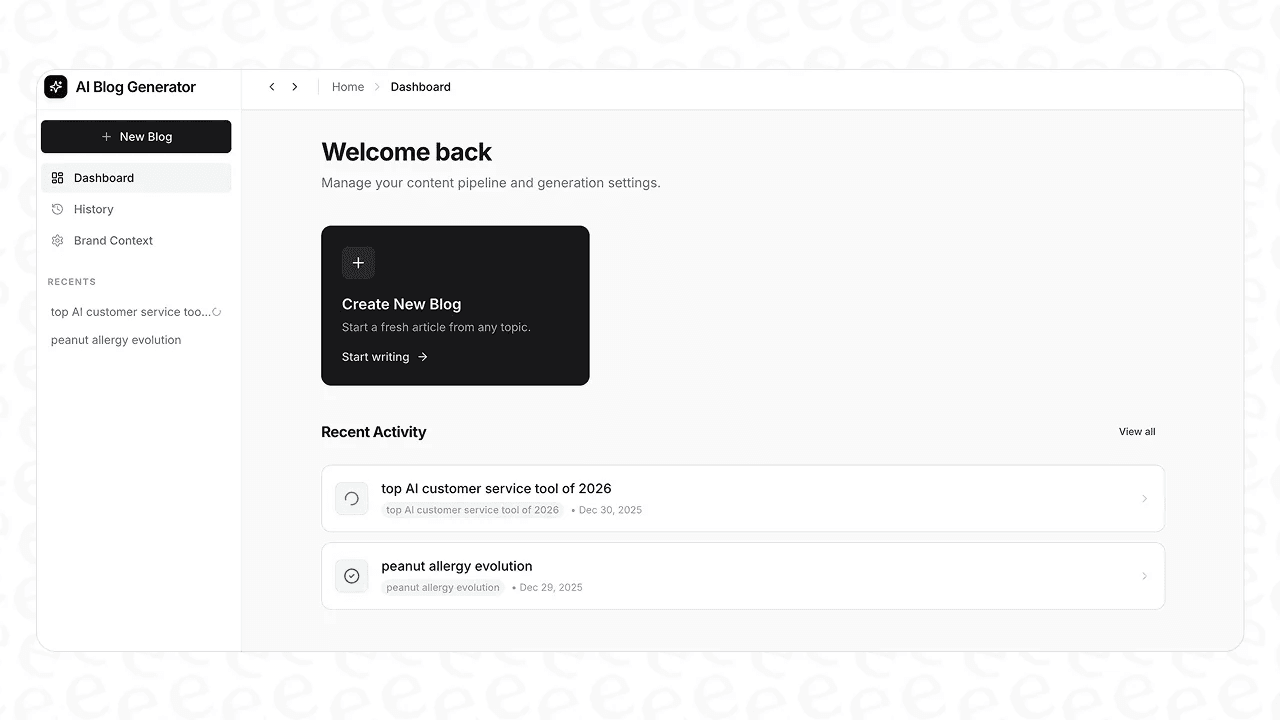
A key difference is that Gemini and Rytr primarily generate text drafts. The user is still responsible for research, finding images, formatting, SEO optimization, and assembling the final piece. In contrast, the eesel AI blog writer is designed to take a single keyword and generate a complete, publish-ready blog post.
It builds a full article with a proper structure, headings, SEO and AEO (AI Engine Optimization), AI-generated images and tables, and embeds relevant YouTube videos and Reddit quotes.
A workflow built for organic growth
It’s built for teams that need to publish optimized content consistently without manually assembling all the components.
To see how specialized AI writers like Rytr stack up against competitors in terms of features and value, it can be helpful to watch a direct comparison. The following video breaks down Rytr against another popular tool, Writesonic, offering insights into its strengths and weaknesses for content creation.
Gemini vs Rytr: Which one should you choose?
The choice between these two tools becomes clearer when you define your needs.
Choose Google Gemini if: You're looking for a powerful, multi-modal AI assistant to help with deep research, data analysis, and drafting content on complex subjects. It's the perfect choice if you're already living in the Google ecosystem.
Choose Rytr if: Your main goal is to generate a high volume of short-form marketing copy, emails, and social media content quickly and affordably. Its templates and voice-matching features are perfect for staying on-brand at scale.
For users whose goal is to scale their blog with complete, SEO-optimized articles that are ready to publish, an alternative like the eesel AI blog writer may be a suitable option. In that case, you can try eesel AI for free and generate your first complete post.

Frequently Asked Questions
Share this article

Article by
Stevia Putri
Stevia Putri is a marketing generalist at eesel AI, where she helps turn powerful AI tools into stories that resonate. She’s driven by curiosity, clarity, and the human side of technology.