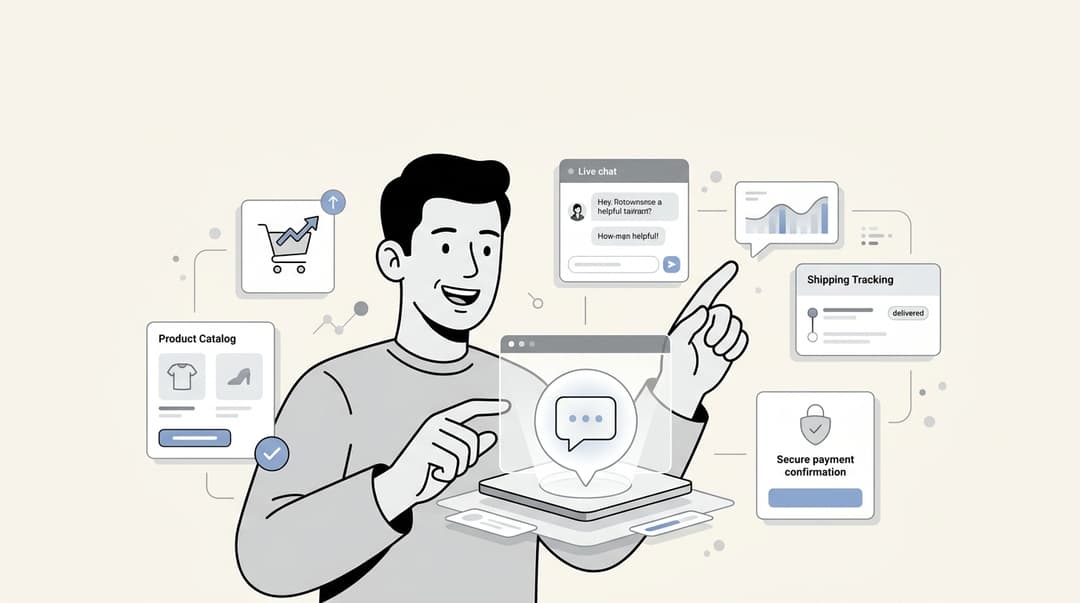
7 best AI chatbots for ecommerce in 2026: I tested the top-ranking agents

Stevia Putri
Last edited May 1, 2026
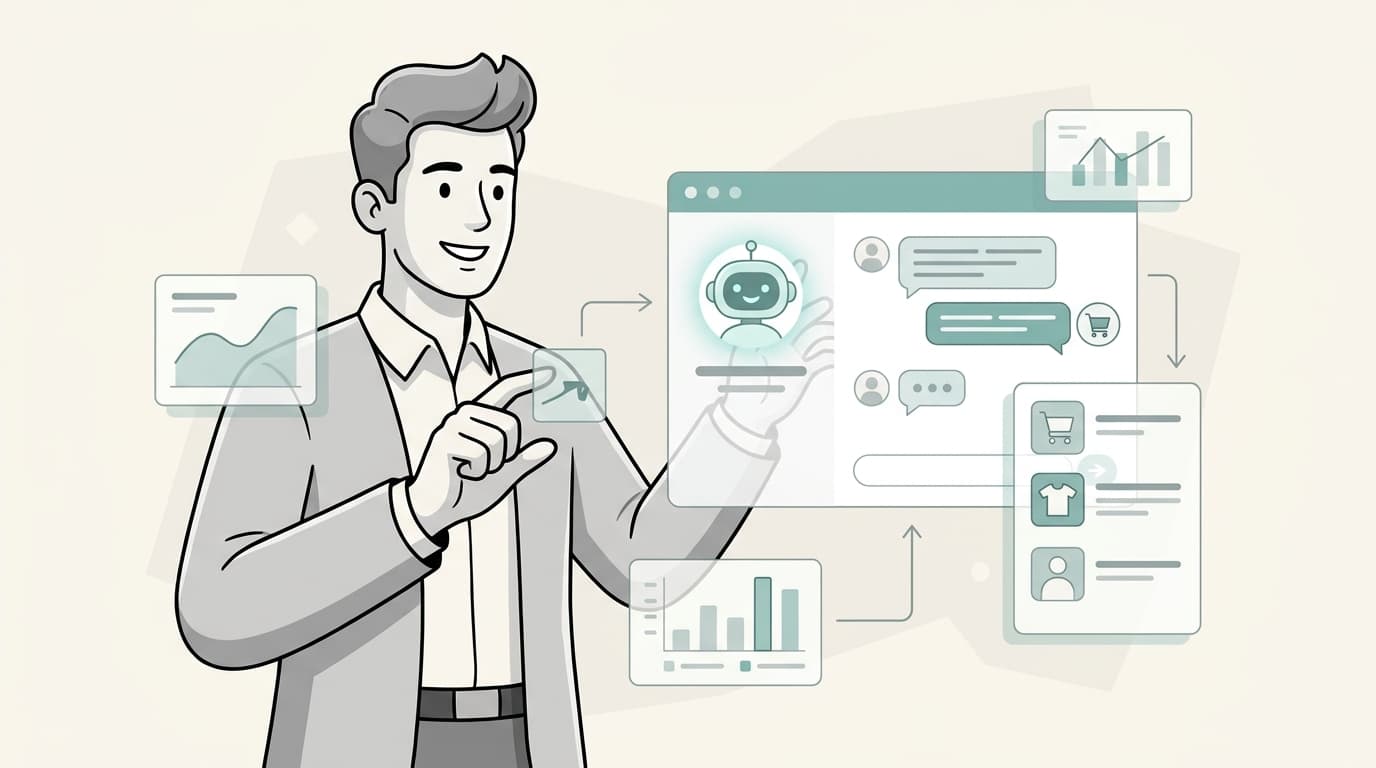
Most ecommerce chatbots in 2026 are still stuck in rule-based loops, but a new class of autonomous agents is resolving up to 81% of customer inquiries without human help. We tested 14 platforms against live Shopify and WooCommerce backlogs to find the seven that actually move the needle on conversions and support volume.
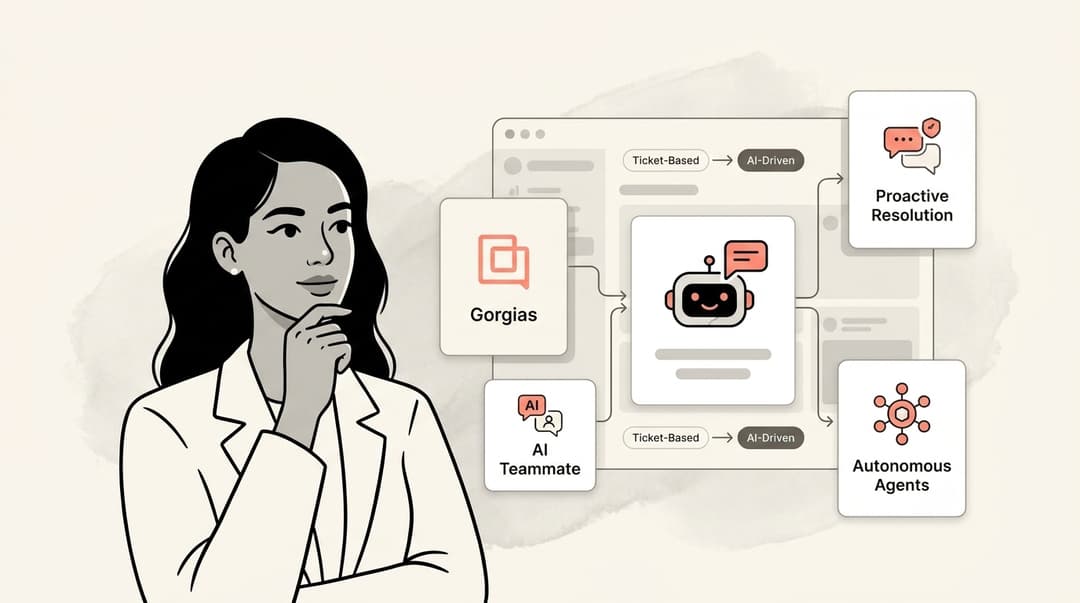
The shift we are seeing this year is not just about faster replies. It is about a fundamental change in how stores handle customer interactions. For a long time, a "chatbot" was something you spent weeks configuring with complex decision trees. If a customer went off-script, the bot broke. In 2026, the best ai chatbot for ecommerce options are built on a "teammate" model. They learn from your existing data and start working almost as quickly as a human hire would.
What is an AI chatbot for ecommerce in 2026?
In 2026, the definition of an ecommerce chatbot has evolved. We have moved past the era of rigid, rule-based systems that could only answer "where is my order?" if the customer typed that exact phrase. Today, we talk about autonomous AI agents or digital teammates.
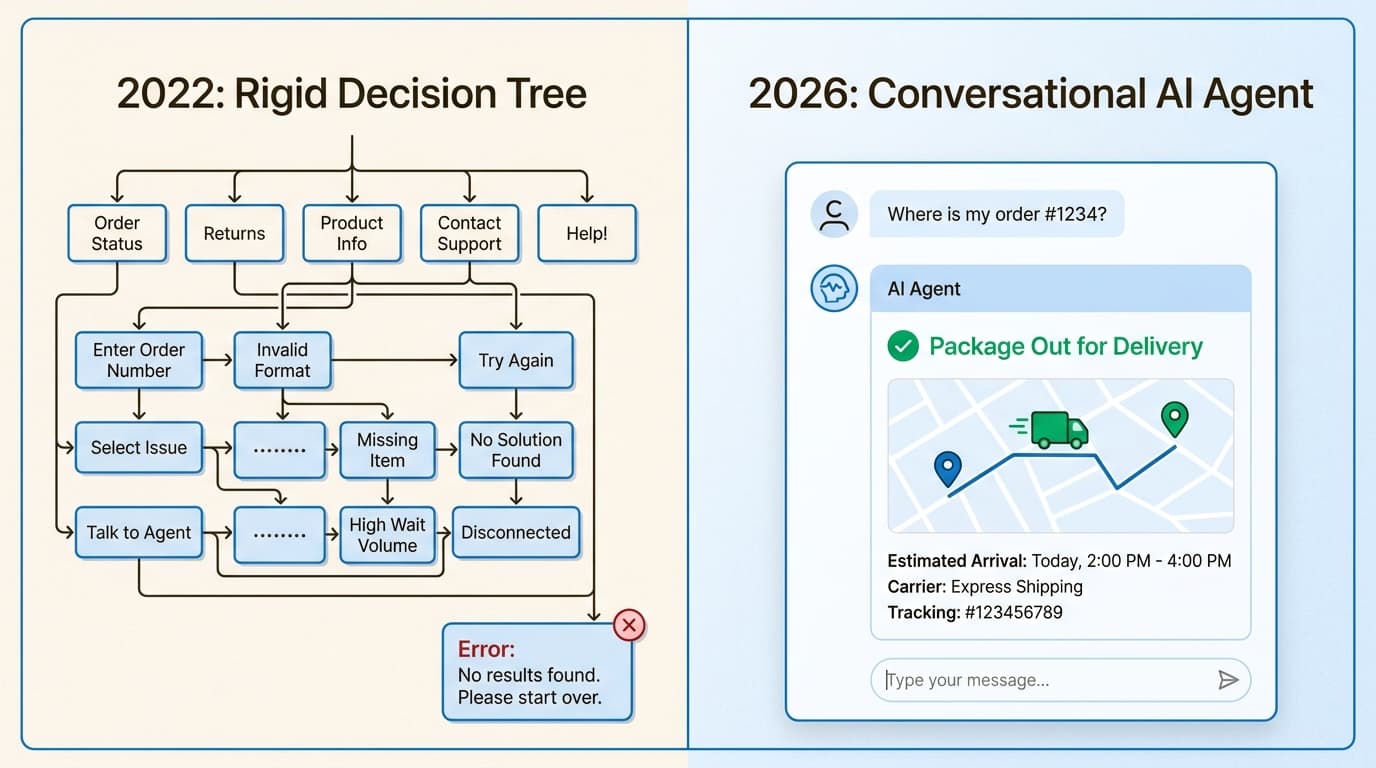
These systems are powered by large language models that understand context, nuance, and intent. Instead of you "building" a bot, you "onboard" a teammate. This teammate reads your help center articles, scans your past support tickets, and learns your brand voice. The goal is no longer just to deflect tickets to a FAQ page, but to resolve them start to finish.
A true ecommerce AI agent today handles more than just text. It integrates directly with your backend systems to take real actions. This includes processing returns, checking real-time inventory across multiple warehouses, and providing proactive product recommendations based on a shopper's browsing history. Whether you are using Shopify, WooCommerce, or Magento, the baseline expectation is that your AI should be able to "do" the work, not just talk about it.
Key criteria for choosing the best ai chatbot for ecommerce
When we evaluated the 14 platforms for this guide, we focused on four specific benchmarks that define success for online stores in 2026.

Autonomous resolution rate
This is the single most important metric. It measures how many customer inquiries the AI handles from start to finish without ever involving a human agent. A high-performing AI helpdesk agent should be hitting 70% to 80% resolution for common ecommerce queries. If the bot is just passing every second ticket to a human, it is not saving you time; it is just adding a layer of friction for the customer.
Learning speed and setup friction
Traditional chatbots used to take weeks or even months to "go live." In 2026, you should look for tools that reach productivity in minutes. The best systems can connect to your helpdesk (like Zendesk or Gorgias) and immediately begin absorbing your knowledge base and macros. You should be able to run simulations on past tickets to verify quality before the AI ever speaks to a real customer.
Ecommerce depth and actionability
Can the AI actually process a refund? Can it look up a tracking number in Shopify and tell the customer exactly where their package is? The "best ai chatbot for ecommerce" needs to have deep integrations with your tech stack. It should be able to trigger webhooks, update ticket fields, and interact with your ERP or warehouse management system via API.
Pricing transparency and fairness
We are seeing a major shift away from traditional per-seat pricing. For AI agents, the most logical model is usage-based. You should pay for the value the AI delivers, such as per resolved ticket or chat session. Avoid platforms that lock you into heavy monthly minimums or platform fees before you have even seen the AI resolve its first ticket.
Comparison of the top AI chatbots for ecommerce
| Tool | Key Strength | Shopify Native? | Pricing Model |
|---|---|---|---|
| eesel AI | Fastest setup and autonomous resolution | Yes | $0.40 per resolved ticket |
| Gorgias | Deep Shopify app ecosystem integration | Yes | Platform fee + resolution fee |
| Tidio | Simple visual builder for SMBs | Yes | Subscription + AI add-on |
| Zendesk AI | Enterprise scale and omnichannel support | Yes | Per-agent fee + AI add-on |
| Tolstoy | Video-first shopping and sales | Yes | Subscription-based |
| ChatBot.com | Versatile multi-platform automation | Yes | Subscription with chat limits |
| Engaige | High-quality NLP for scaling brands | Yes | Custom quote-based |
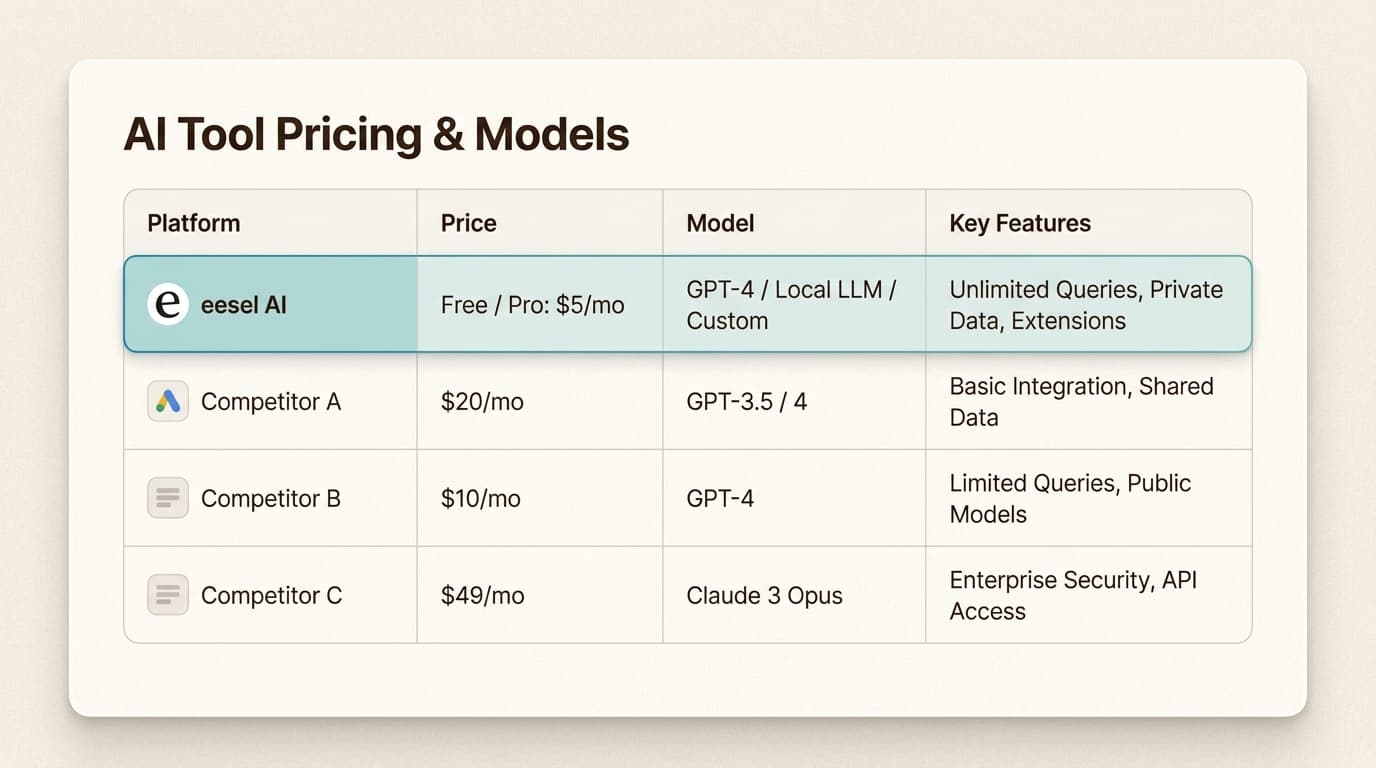
7 best AI chatbots for ecommerce in 2026
1. eesel AI
We position eesel AI as the "new hire" for your support team. You do not configure eesel AI; you hire it. It is built on a teammate mental model where the agent learns your business in minutes rather than weeks. By connecting to your existing helpdesk, help center, and internal docs, it absorbs your policies and tone immediately.
eesel AI is designed for autonomous resolution. While many tools act as a "copilot" for human agents, our focus is on resolving up to 81% of tickets end to end. This makes it a perfect fit for ecommerce brands that need to handle high volumes of "where is my order" and return requests without increasing headcount.
| Plan | Price | Key Features |
|---|---|---|
| Pay-as-you-go | $0.40 per ticket/chat | No monthly minimums, all features included |
| Free Trial | $50 free credits | Test on 125 tickets for free |
| Enterprise | $2,100/mo | SSO, HIPAA, DPA, dedicated manager |
Pros:
- Reaches 81% resolution rate in mature deployments.
- Setup is incredibly fast (productive in minutes).
- Security first approach with zero data retention for model training.
- Fair pricing with no monthly platform fees or per-seat charges.
Cons:
- Specialized in text-based support (chat/email) rather than video-centric sales tools.
2. Gorgias
Gorgias remains the heavyweight champion for Shopify-native brands. It was built from the ground up for ecommerce, meaning its integration with the Shopify ecosystem is deep and seamless. Their AI Automation Agent is particularly good at using your existing macros to power autonomous responses.
One of the standout features of Gorgias is its ability to handle sentiment analysis. It can categorize tickets based on the customer's mood, ensuring that a frustrated customer gets escalated to a human agent immediately while the AI handles routine tracking questions.
| Plan | Price | Key Limits |
|---|---|---|
| Starter | $10/mo | 50 tickets included |
| Basic | $60/mo | 300 tickets included |
| Pro | $360/mo | 2,000 tickets included |
| Automation Add-on | $30/mo | Base fee for AI features |
Pros:
- Incredible integration with Shopify, BigCommerce, and Magento.
- Deep access to order data and refund tools directly within the AI flow.
- Macro-powered AI ensures consistency with your existing support style.
Cons:
- High entry cost for smaller stores.
- Complexity in pricing (per-seat fees + platform fees + resolution fees).
3. Tidio
Tidio is the go-to choice for small and medium-sized businesses that want a plug-and-play solution. Its Lyro AI agent is a conversational AI that uses large language models to answer questions based strictly on your knowledge base, which helps prevent the "hallucinations" that some generic bots suffer from.
The visual chatbot builder in Tidio is one of the best in the market. It allows you to create rule-based backups for the AI, giving you granular control over the customer journey. It is a solid choice if you are just starting to experiment with automation.
| Plan | Price | Key Features |
|---|---|---|
| Free | $0 | 50 conversations included |
| Starter | $29/mo | 100 conversations, live chat |
| Growth | $59/mo | 1,000 conversations |
| Lyro AI Add-on | $39/mo | First 50 AI resolutions included |
Pros:
- Excellent visual builder for creating custom flows.
- Very low barrier to entry with a functional free tier.
- Easy to set up for basic order tracking and FAQ handling.
Cons:
- Can struggle with complex, multi-system API actions compared to more advanced agents.
- Resolution limits on the AI add-on can be restrictive for growing stores.
4. Zendesk AI
Zendesk AI is the enterprise standard for omnichannel automation. If you are a large brand handling hundreds of thousands of tickets across email, chat, social media, and phone, Zendesk provides the scale and reporting depth you need. Their "Advanced AI" add-on brings generative capabilities to their massive existing infrastructure.
The strength of Zendesk lies in its intent detection. It automatically classifies incoming tickets with high accuracy, allowing you to route complex billing issues to your best agents while the AI handles the routine stuff.
| Plan | Price | Key Focus |
|---|---|---|
| Suite Team | $69/agent/mo | Basic support features |
| Suite Professional | $149/agent/mo | Omnichannel and advanced reporting |
| Advanced AI Add-on | $50/agent/mo | Unlocks generative and intent features |
Pros:
- Massive scale and enterprise-grade security.
- Advanced reporting that helps you identify knowledge gaps.
- Omnichannel support is baked into the core of the product.
Cons:
- Steep learning curve and high setup time compared to "digital teammate" models.
- Expensive pricing structure that requires paying per human agent just to access the AI.
5. Tolstoy
Tolstoy represents the future of video-first AI commerce. While most chatbots are text-based, Tolstoy uses interactive video to guide customers. This is incredibly powerful for product discovery, virtual try-ons, and high-touch sales where seeing the product in action matters.
If your store sells fashion, beauty, or complex home goods, a video AI agent can boost conversions in a way that text simply cannot. It acts more like a virtual personal shopper than a support agent.
| Plan | Price | Key Features |
|---|---|---|
| Basic | $19/mo | Core video features |
| Pro | ~$100/mo | Advanced AI and integrations |
Pros:
- High engagement through interactive video content.
- Perfect for product discovery and "visual" support questions.
- Differentiates your store from the sea of text-only bots.
Cons:
- Not built for deep backend ticket resolution like returns or complex billing issues.
- Requires high-quality video assets to be effective.
6. ChatBot.com
ChatBot.com offers a versatile and user-friendly platform for building AI-driven customer journeys. Their one-click Shopify integration makes it easy to pull in product catalogs and order data. It is a well-rounded tool that balances rule-based logic with conversational AI.
The platform includes a great testing playground where you can simulate conversations before going live. This is useful for teams that want to fine-tune exactly how the AI responds to specific product questions.
| Plan | Price | Chat Limit |
|---|---|---|
| Starter | $52/mo | 1,000 chats |
| Team | $169/mo | 5,000 chats |
Pros:
- Broad range of integrations across multiple messaging apps.
- Visual drag-and-drop builder is intuitive for non-technical teams.
- Solid testing and simulation tools.
Cons:
- Pricing scales quickly as your chat volume grows.
- Can feel more like a traditional "bot" than an autonomous digital teammate.
7. Engaige
Engaige is a specialist in customer service automation for scaling brands. They focus heavily on natural language understanding, ensuring that the AI sounds human and handles complex multi-turn conversations without losing the thread.
Engaige is particularly strong for international brands because of its robust multi-language support. It can handle customer inquiries in dozens of languages while maintaining the same level of accuracy and brand voice.
| Plan | Price | Inclusions |
|---|---|---|
| Custom | Quote-based | Tailored for scaling brands |
Pros:
- Very high-quality natural language processing.
- Excellent for stores with a global customer base and multiple languages.
- Focuses on deep automation for professional support teams.
Cons:
- Lack of transparent, self-serve pricing for smaller stores.
- Higher barrier to entry for brands just starting with AI.
How to get the most out of your ecommerce AI agent
Hiring an AI teammate is the first step, but how you manage them determines your success. We have found that the most successful ecommerce brands in 2026 follow a specific rollout strategy.
Start with guidance
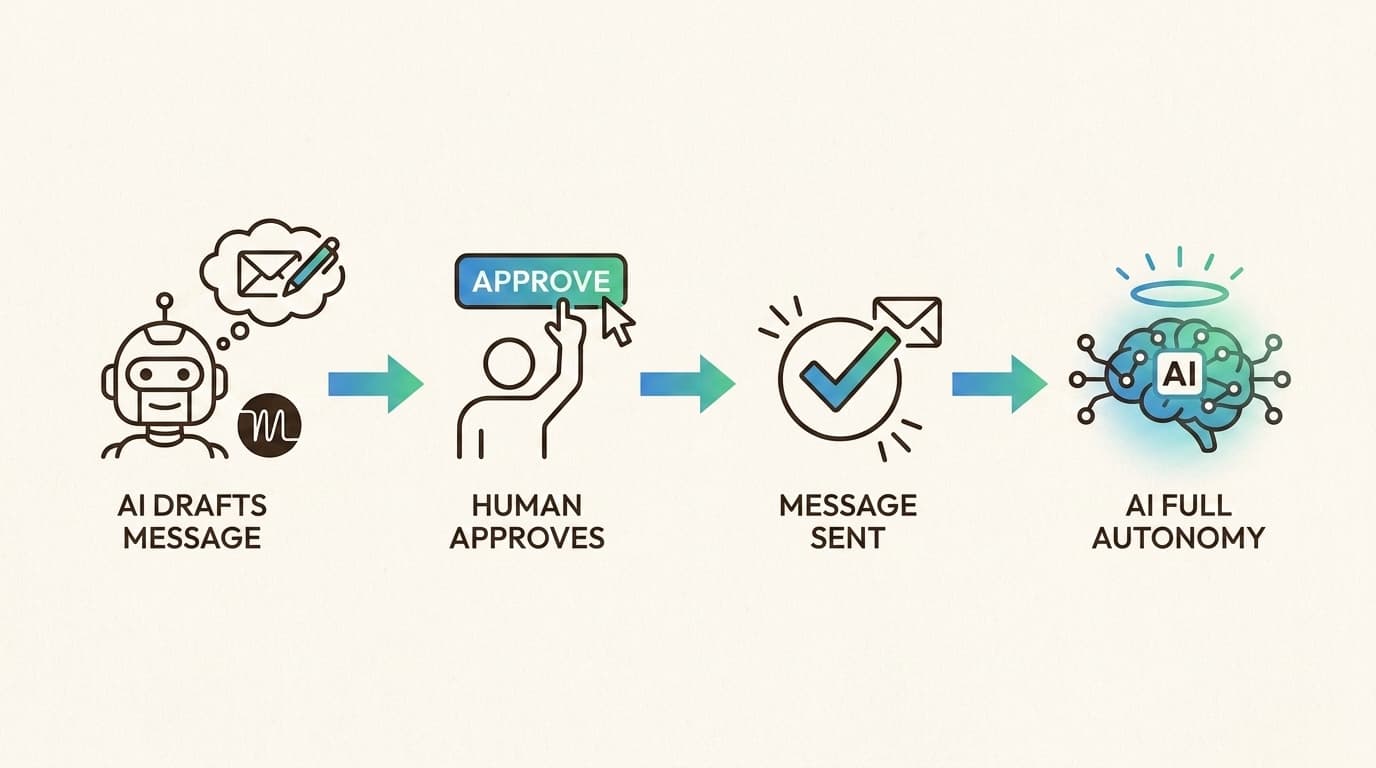
Just like a human hire, you should not give your AI agent full autonomy on day one. We recommend starting with "Copilot" mode, where the AI drafts replies but a human reviews them before they are sent. This allows you to verify that the AI understands your policies and matches your brand voice. Once you see a high level of accuracy, you can move to autonomous mode for specific ticket types like order tracking or return requests.
Feed it high-quality knowledge
Your AI is only as good as the information it can access. If your help center is outdated or your macros are messy, the AI will struggle. Make it a habit to update your internal documentation. Some advanced agents can even identify "knowledge gaps" for you, flagging when customers keep asking questions that your help center does not answer yet.
Use simulations frequently
Before launching a new policy or expanding the AI to a new channel, run simulations. The best platforms allow you to test the AI against a batch of your past tickets. This gives you a clear "accuracy score" and shows you exactly where the AI might need more instruction. It is the safest way to ensure your best ai chatbot for ecommerce investment delivers a positive ROI.
Start hiring your AI ecommerce teammate today
The ecommerce landscape of 2026 does not have room for slow support or rigid chatbots. Customers expect instant, accurate, and actionable responses. Whether you are looking for the deep Shopify integration of Gorgias, the video-first approach of Tolstoy, or the enterprise scale of Zendesk, there is an AI agent that fits your needs.
Our final verdict? For most scaling brands, eesel AI offers the best balance of speed, performance, and fairness. You can have a teammate up and running in minutes, and you only pay for the tickets they actually resolve. There are no heavy platform fees or complex configurations to manage.
Ready to see how an AI teammate can transform your store? Hire your first AI agent in minutes with our $50 free trial and start resolving tickets today.
{
  "internal_links_available": true,
  "in_house_brand_found": true,
  "external_links_available": true,
  "opening_hook_rendered": true,
  "opening_hook_label_free": true,
  "intro_avoids_restating_hook": true,
  "em_dash_count": 0,
  "tables_rendered_count": 9,
  "inline_citation_count": 18
}


Frequently Asked Questions
Share this article

Article by
Stevia Putri
Stevia Putri is a marketing generalist at eesel AI, where she helps turn powerful AI tools into stories that resonate. She’s driven by curiosity, clarity, and the human side of technology.