A practical guide to freelance blog writing

Stevia Putri
Last edited January 19, 2026
The appeal of freelance blog writing is pretty obvious. You get to set your own schedule, work from anywhere with decent Wi-Fi, and build something that's all yours. Sounds great, right?
The tricky part is actually breaking in. It’s a competitive field, and figuring out where to find clients, what to charge, and how to get work done efficiently can feel like a huge hurdle.
That's why we put this guide together. We're going to walk through finding good jobs, pricing your services confidently, and using modern tools to work smarter. The content world is evolving, and smart freelancers are using AI to stay ahead. A tool like the eesel AI blog writer isn't just for first drafts anymore; it’s a partner that helps you create deeply researched, publish-ready content much faster, letting you scale your business without cutting corners on quality.
What does freelance blog writing involve?
A freelance blog writer is a self-employed professional hired by companies to create blog content. It's a key part of their marketing strategy, helping them get traffic from Google, find new customers, and build a reputation in their industry.
But the job is a lot more than just typing. A single project usually involves:
- Deep-diving into research on topics you might not know much about at first.
- Understanding and applying SEO best practices to make sure the content ranks.
- Nailing a specific brand voice, whether it's casual and fun or formal and corporate.
- Finding and citing credible sources and data to support your claims.
- Sourcing images and sometimes uploading the final post to a CMS like WordPress.
You might work with all kinds of clients, from small startups and local shops to large SaaS companies and marketing agencies. No two days are exactly the same, which is part of the appeal.
Where to find freelance blog writing jobs
Finding a steady stream of good work is the biggest challenge for most new freelancers. The trick is knowing where to look and how each platform works differently. Let's break down the best places to find writing gigs.
Niche job boards
Instead of digging through thousands of general job postings, niche boards focus only on writing gigs. This usually means the quality of the clients and projects is much higher. As one Reddit discussion mentions, respected boards like ProBlogger are excellent places to find legitimate clients who appreciate good writing.
Freelance marketplaces like Upwork and Fiverr
Upwork and Fiverr are two of the biggest names in freelancing, but they serve different purposes.
Upwork is geared toward building long-term relationships. Writer Amy Suto, who has earned over $300,000 on the platform, calls it the "freeway of freelance writing" because of the constant stream of diverse projects.
- Key Feature: The fee structure rewards long-term work. It starts at 20% but drops to 10% and then 5% as your earnings with a single client grow.
- Best For: Freelancers looking to build a full-time career with stable, recurring clients.
Pro tip
Just be sure to watch out for scammers. As one user on the platform notes, they’re usually easy to spot if you know Upwork's guidelines. Big red flags include clients wanting to chat off-platform immediately or offering way too much money for a simple task.
Fiverr is more like a "boutique concept shop". It's designed for offering specific, "productized" services, like "one 500-word tech blog post" or "three SEO articles per week."
- Key Feature: It has a flat 20% commission on every order, which is straightforward but can take a big bite out of larger projects.
- Best For: Perfect for side hustles, one-off projects, or writers who offer a very specific, repeatable service.
Premium content platforms
Once you have some experience and a solid portfolio, platforms like Contently are the next level up. They connect established writers with large, enterprise-level brands. It’s more exclusive; Contently's marketplace has over 165,000 freelance creatives, but they are all vetted. These platforms typically pay much better, but you'll need a strong portfolio to get accepted.
Professional networking on LinkedIn
Honestly, many of the best gigs are never publicly posted. This is where networking plays a huge role. Start using LinkedIn to connect with marketing managers, heads of content, and founders at companies you admire. They often post about their writing needs directly. Make sure your LinkedIn profile is optimized with keywords like "freelance blog writer" and "content writer" so clients can find you through search.
How much to charge for freelance blog writing
Setting your rates is one of the most stressful parts of going freelance. You don't want to undercharge, but you also don't want to price yourself out of opportunities. Let's look at some data-backed benchmarks to help you price your services with more confidence.
Typical prices for commercial blog posts tend to range anywhere from $0.05/word, up to about $0.30/word. $0.08-0.15 is probably the most common. I do not recommend that writers work for anything less than $0.08/word at minimum.

Common pricing models explained
First, you need to decide how you'll charge. There are a few common models:
- Per Word: This is the most common model for blog posts. It's simple, and clients know exactly what they're paying for.
- Per Project: A flat fee for the entire article. This is a great option once you get good at estimating how long a project will take.
- Per Hour: Often used for editing, strategy, or consulting. It can be tricky for writing, because working faster means you earn less.
- Monthly Retainer: A fixed monthly fee for a set amount of work (e.g., four blog posts per month). Retainers are fantastic because they provide predictable, stable income.
Industry benchmarks for writing rates
Rates vary widely based on your experience, niche, and the complexity of the work. But you need a starting point. Here’s a table with data from credible sources to give you an idea of the market.
| Experience Level / Source | Typical Per-Word Rate | Notes |
|---|---|---|
| Entry Level (Upwork data) | $0.05 - $0.12 | Cited by Smart Blogger as a common starting range on marketplaces. |
| Experienced (Upwork data) | $0.12 - $0.50 | For writers with a solid portfolio and some niche expertise. |
| Work-for-Hire Blog Posts (EFA) | $0.20 - $0.30 | According to the Editorial Freelancers Association, this is a common median range. |
| Expert / Niche Specialist (Elna Cain) | $0.50 - $0.80+ | Top writer Elna Cain charges this for her SEO and digital marketing expertise. |
Factors that can increase your rates
Don't just stick to the base rates. You should charge more if the project involves:
- Niche Expertise: If you have professional experience in a complex field like finance, SaaS, or healthcare, that knowledge is valuable and commands higher pay.
- Research Intensity: A post that requires you to conduct interviews, analyze data, or dive into deep technical research takes more time and should be priced accordingly.
- SEO Strategy: If you're doing keyword research and building the optimization strategy, not just writing, that's an additional service.
- Additional Deliverables: If the job also includes creating social media copy, uploading to a CMS, or sourcing custom images, make sure you charge for that extra work.
How to scale your freelance writing business with tools
The highest-earning freelancers are more than just good writers; they're smart business owners. The right tools can save you a ton of time on the tedious stuff, freeing you up to focus on high-value work and take on more clients without burning out.
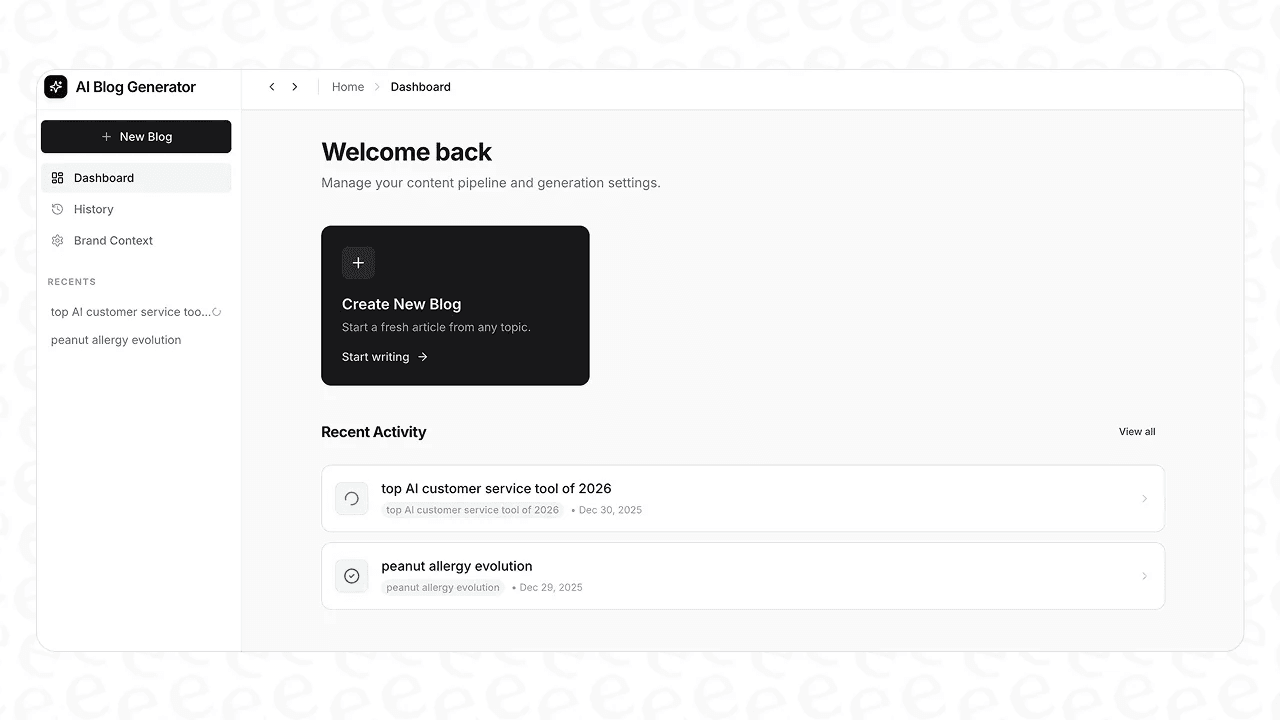
Generate publish-ready content with the eesel AI blog writer
The eesel AI blog writer is a key tool for any freelancer serious about scaling their business. It does more than just spit out a rough draft; it produces a comprehensive, high-quality article that needs minimal editing.
Its main function is simple: it turns a single keyword into a complete, SEO-optimized, and media-rich article. And it gets results. At eesel, we used this tool to grow our organic search impressions from 700 to 750,000 per day in just three months.
Here’s why it’s so useful for freelancers:
- Deep Research with Citations: The AI doesn't just make things up; it does the research. It automatically adds links to external sources and even suggests internal links, which builds credibility and saves you hours.
- Automatic Assets: Stop spending time hunting for stock photos or building tables. The tool generates relevant images, infographics, and charts right in the draft.
- Authentic Social Proof: For a more human touch, it automatically finds and embeds relevant YouTube videos and real quotes from Reddit discussions, adding a layer of authenticity that readers appreciate.
- A genuinely human tone: The output has been refined for over a year to sound natural and conversational, not like the generic AI content that’s all over the internet.
Other essential tools for your toolkit
While an AI writer handles the heavy lifting, a few other tools will complete your workflow:
- Grammar and Plagiarism: Grammarly is a must for catching typos, and Copyscape helps ensure your work is 100% original.
- Project Management: A simple tool like Trello or Notion is perfect for keeping track of assignments, deadlines, and client communication.
- Invoicing and Accounting: Tools like FreshBooks or Wave make it easy to send professional invoices and manage your finances.
Building your business beyond the first draft
Landing a gig and writing the article is just the start. If you want to build a sustainable business, there are a few more pieces to the puzzle.
A Strong Portfolio is Your Best Sales Tool Clients hire you based on what you can do, so you need to show them. If you don't have client work to feature yet, start your own blog or write a few guest posts for other sites to create samples. Your portfolio is your most important sales tool.
Mastering Client Onboarding and Management A smooth process makes you look professional and prevents headaches for everyone. According to Contently, a clear onboarding process is essential. This means signing a contract, sharing a style guide, and clarifying payment terms from day one.
The Power of Specialization It might feel backward at first, but niching down is one of the fastest ways to grow. When you specialize in an industry (like B2B SaaS or personal finance), you develop deep expertise. That expertise lets you charge higher rates and attracts better clients who are looking for an expert, not just another writer.
Watching how other successful freelancers have scaled their income can be incredibly motivating and insightful. Seeing the strategies they used to move from lower-paying gigs to high-value projects can provide a practical roadmap for your own career growth.
Building a freelance blog writing career really boils down to a few things: knowing where to find good clients, pricing your services with confidence, and using tech to work more efficiently. It’s a long game that’s all about continuous learning.
By mixing your writing talent with smart business habits, you can build a career that gives you the freedom you're looking for. And when you're ready to level up your workflow, the right tools can make a huge difference.
Want to speed up your writing process and deliver great articles to clients in a fraction of the time? Generate your first blog for free and see how it works.

Frequently Asked Questions
Share this article

Article by
Stevia Putri
Stevia Putri is a marketing generalist at eesel AI, where she helps turn powerful AI tools into stories that resonate. She’s driven by curiosity, clarity, and the human side of technology.