Dixa vs Gladly: Which conversational platform is right for you in 2026?

Stevia Putri
Last edited May 1, 2026
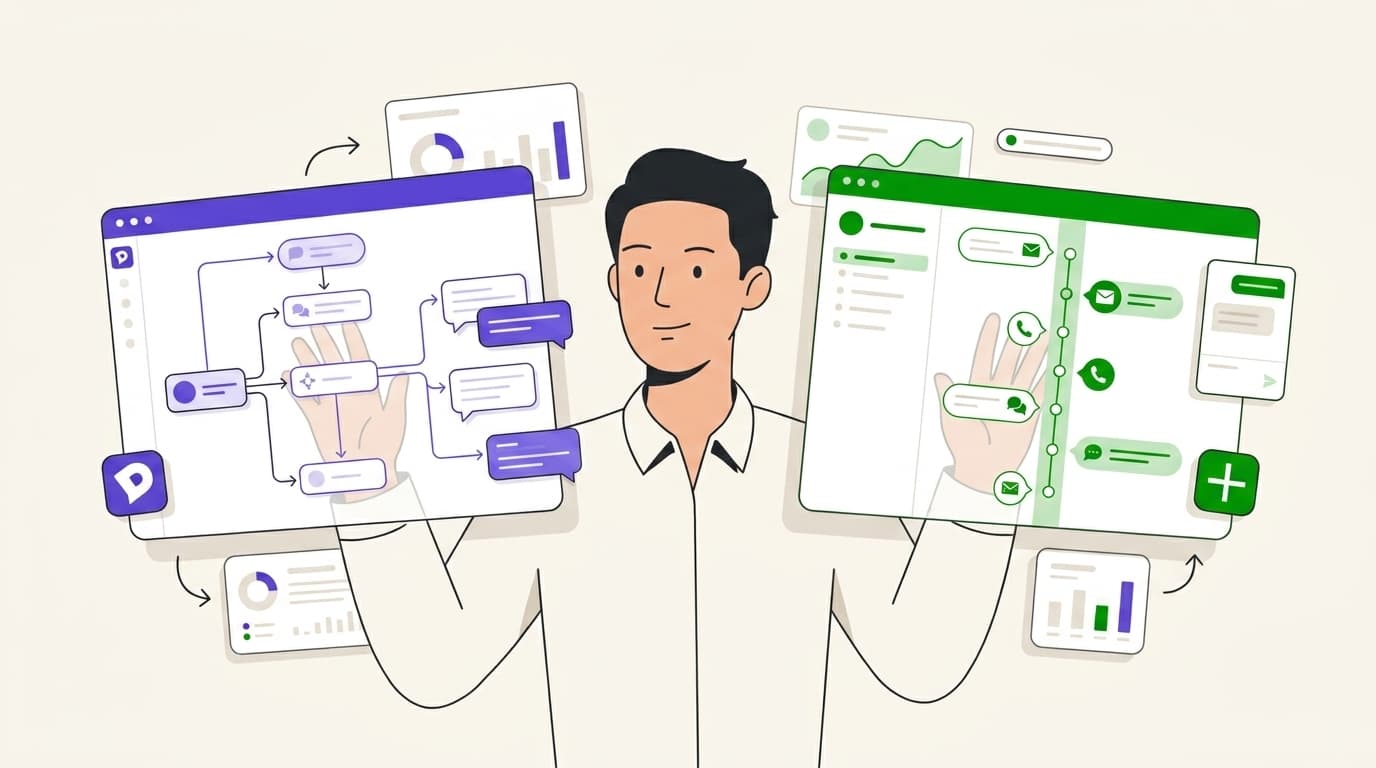
If your team handles over 1,000 tickets a month, Dixa wins on routing efficiency with its visual flow builder, reducing manual triage by up to 100%. For luxury retail brands prioritizing lifelong customer context, Gladly’s ticketless timeline remains the enterprise gold standard. Full breakdown and the agentic alternative below.
Choosing the right customer service platform in 2026 is no longer just about managing an inbox. It is about deciding how your team will scale alongside artificial intelligence. As customer expectations shift toward instant, personalized resolutions, the legacy "ticket" model is being replaced by continuous, conversational experiences. Both Dixa and Gladly have built their reputations on this shift, yet they approach the problem from different philosophical corners.
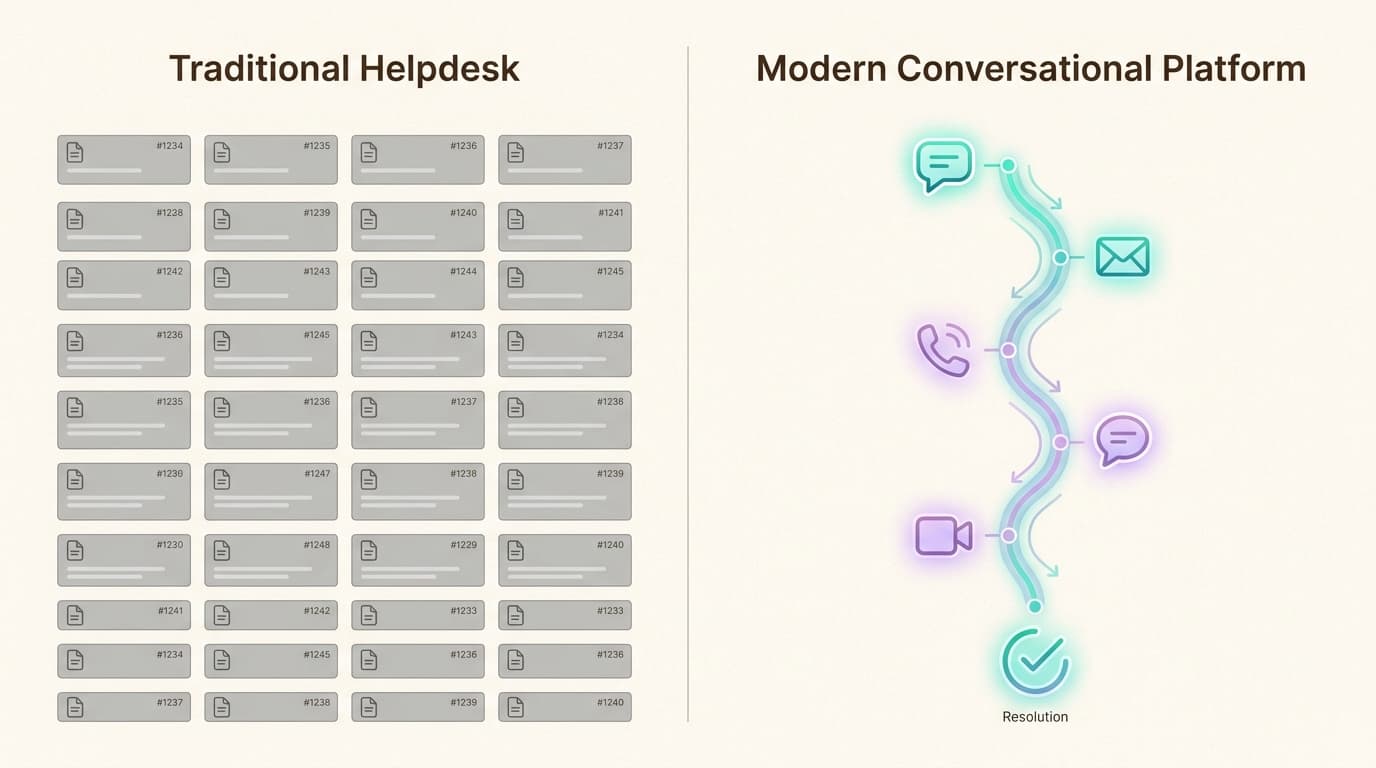
Dixa, born in Copenhagen, emphasizes the power of the "unified conversation" and intelligent, data-driven routing. It is designed for brands that need to manage high volumes across every conceivable channel without losing the personal touch. Gladly, headquartered in San Francisco, takes a different path by centering its entire architecture around the person rather than the case. It aims to eliminate the concept of a "ticket" altogether, giving agents a single, lifelong timeline for every customer.
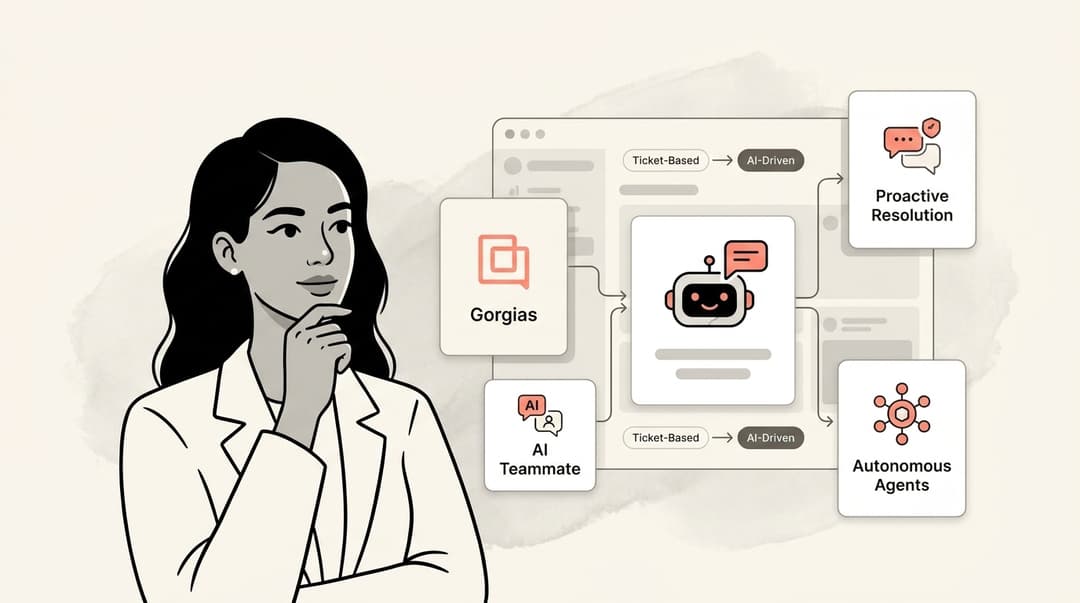
But as enterprise costs rise and seat-based licensing becomes a bottleneck for growth, many brands are looking for a third way. This is where eesel AI enters the conversation as a modern, agentic alternative. Instead of just giving you a platform to configure, we provide an AI teammate you hire to resolve frontline support autonomously, allowing your human agents to focus on the high-touch relationships that drive loyalty.
What are Dixa and Gladly?
To understand which platform fits your brand, you first have to look at their core identities. Both were built to solve the fragmentation of traditional helpdesks, but they cater to different operational styles.
Dixa is a conversational customer engagement platform founded in 2015. Its primary goal is to unify voice, email, chat, and social messaging into a single interface that empowers agents with full customer context. For Dixa, the "Smart Flow" is the heart of the operation. It uses a visual builder to route inquiries based on agent skills, customer priority, and real-time data. This makes it a favorite for mid-market ecommerce brands that need sophisticated, automated routing.
Gladly is a people-centered platform founded in 2014 that famously "eliminates tickets." In Gladly, a customer never has a "ticket number." Instead, they have a lifelong profile. Every SMS, phone call, and email they have ever sent is part of one continuous thread. This approach is purpose-built for B2C leaders in luxury retail and hospitality who prioritize the customer experience. Brands like Nordstrom and Crate & Barrel use Gladly to ensure agents recognize every customer as a "regular" from the start.
By 2026, both platforms have evolved into agentic AI powerhouses. They have introduced autonomous agents like Dixa Mim and Gladly Sidekick to handle routine tasks end-to-end. However, these enterprise solutions often come with high seat minimums and complex implementation cycles.
If you are looking for a faster approach, eesel AI offers a modern alternative. We don't ask you to switch your entire infrastructure. You simply hire our AI teammate, connect your existing tools, and let it start resolving up to 81% of your inquiries autonomously. It is the agentic resolution of a high-end platform without the enterprise overhead.
Dixa vs Gladly: Key feature comparison
When you put these two platforms side-by-side, the differences in their operational DNA become clear. While both offer omnichannel support, they prioritize different parts of the customer journey.
Conversation management
The biggest differentiator is how they organize work. Dixa uses a unified inbox that brings all channels into one place while maintaining a concept of discrete conversations. This allows for granular queue health monitoring and agent performance tracking.
Gladly uses a ticketless timeline. An agent opens a customer profile and sees every interaction from the last five years in one view. There is no "closing" a ticket; there is only the ongoing relationship. This is incredible for building rapport, though it can make tracking traditional metrics like "tickets resolved per hour" more challenging.
Intelligent routing
Dixa’s Smart Flow is a visual environment for building complex routing logic. You can route customers based on loyalty tier, language, or data pulled from your Shopify store. It is highly efficient for teams that need to reduce manual triage.
Gladly uses "People Match." Instead of just looking at who is next in the queue, Gladly looks at the relationship. If a customer spoke to Agent Sarah yesterday, People Match will try to route them back to Sarah today to maintain continuity.
AI capabilities
In 2026, the battle is fought on "Agentic AI." This is AI that takes action rather than just suggesting a help article.
- Dixa Mim: This is Dixa’s autonomous agent. It can resolve routine inquiries like refunds, tracking updates, and order changes end-to-end. It hands off to humans with full context when it hits a wall.
- Gladly Sidekick: Gladly’s version of the autonomous agent. It is designed for customer-led resolution, allowing shoppers to check order status or process returns without ever speaking to a human "Hero."
Operational analytics
Dixa is the clear winner for teams that live by data. Dixa Discover provides deep insights into queue health, agent performance, and even automated QA scoring for 100% of your conversations. Gladly is often noted by reviewers as being weaker on traditional operational analytics in favor of customer lifetime value metrics.
How we conducted this Dixa vs. Gladly comparison
To make this comparison useful, we evaluated each platform using a consistent set of criteria centered on the needs of modern ecommerce brands:
- AI Autonomy: We looked at how effectively each platform's AI agent can resolve inquiries without human intervention.
- Ease of Use: We evaluated the agent workspace and how quickly a new hire can get up to speed.
- Feature Set: We compared the depth of omnichannel support, routing logic, and built-in QA tools.
- Value for Money: We weighed the starting price and seat minimums against the features provided.
Pricing and value: Dixa vs Gladly vs eesel AI
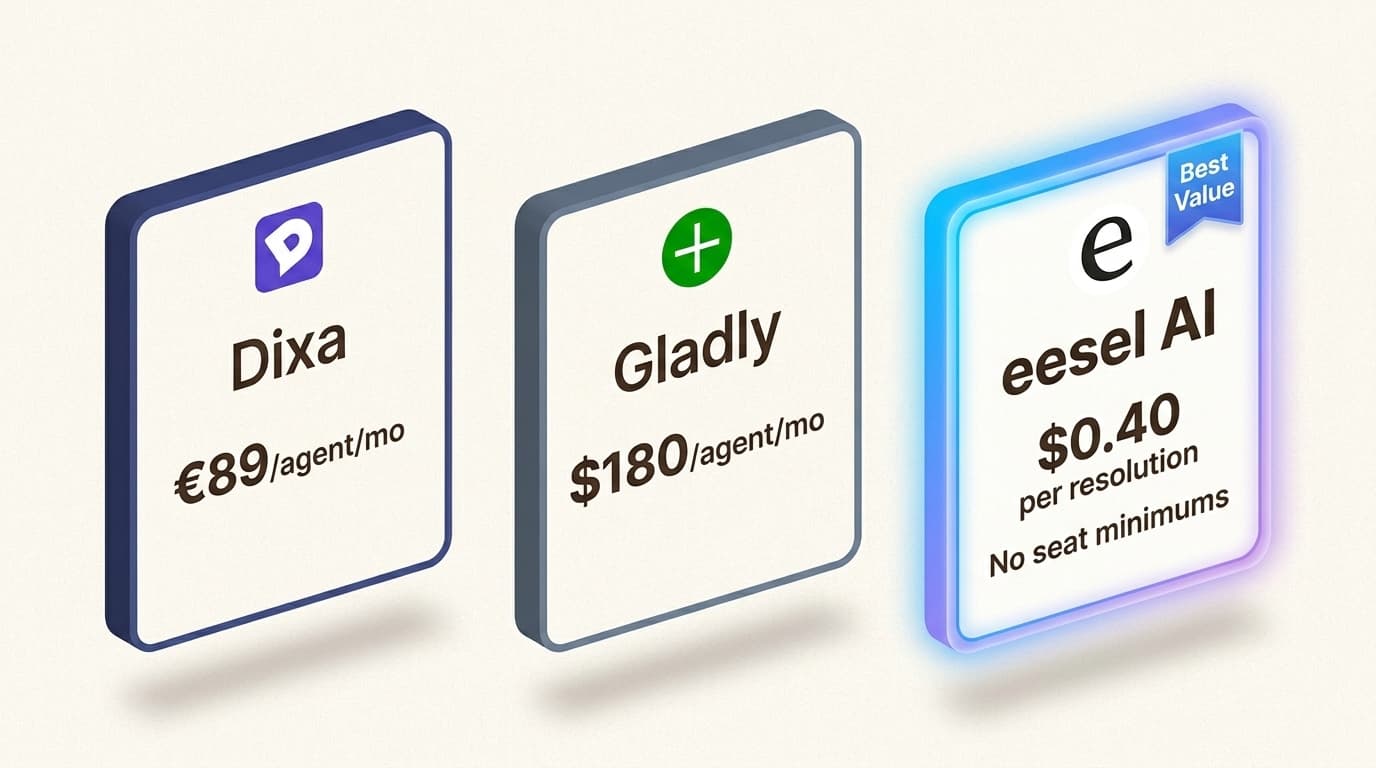
Pricing is often the deciding factor for growth-stage brands. Dixa is generally more accessible for mid-market teams, while Gladly is a premium enterprise investment. eesel AI takes a different approach by removing seat-based costs entirely.
Dixa pricing
Dixa requires annual billing and has a three-agent minimum.
| Plan | Monthly (Estimated) | Annual (Per Agent) | Key Inclusions |
|---|---|---|---|
| Growth | €111.25 | €89 | All channels, External KB, Native Integrations |
| Ultimate | €173.75 | €139 | Everything in Growth, Smart Flow, AI Intent Detection |
| Prime | €223.75 | €179 | Everything in Ultimate, SSO, Advanced Insights, Enterprise APIs |
(Note: Mim AI Agent and AI Co-Pilot are typically add-on costs.)
Gladly pricing
Gladly is strictly enterprise, requiring annual commitments and a minimum of 10 seats.
| Plan | Price (Per Hero) | Minimum Seats | Key Inclusions |
|---|---|---|---|
| Hero Package | $180/mo (Annual) | 10 | Voice, People Match, Hero AI |
| Superhero Package | $210/mo (Annual) | 45 | Everything in Hero, Custom Reporting, 99.9% SLA |
(Note: Gladly Sidekick is a usage-based add-on at approximately $0.60 per assisted conversation.)
eesel AI pricing
We believe you should pay for outcomes, not seats. Our pricing is designed to scale with your actual support volume, with no platform fees or seat minimums.
| Task Type | Examples | Price |
|---|---|---|
| Regular Task | Support tickets, chat sessions | $0.40 each |
| Heavy Task | Full blog post drafts | $4.00 each |
| Light Task | Dashboard questions, simple lookups | Free |
We offer a $50 free trial with all features unlocked so you can see the value before you pay a cent.
Regional support and compliance: Why geography matters
For European brands, Dixa has a massive home-field advantage. Headquartered in Copenhagen, they offer native EU data residency and a support team that understands GDPR natively. Their platform is built with European privacy standards as a foundation.
Gladly is very US-centric. While they are GDPR compliant, their focus is on the North American enterprise market. For global brands, this can lead to delays in support during European business hours or a lack of localized account management.
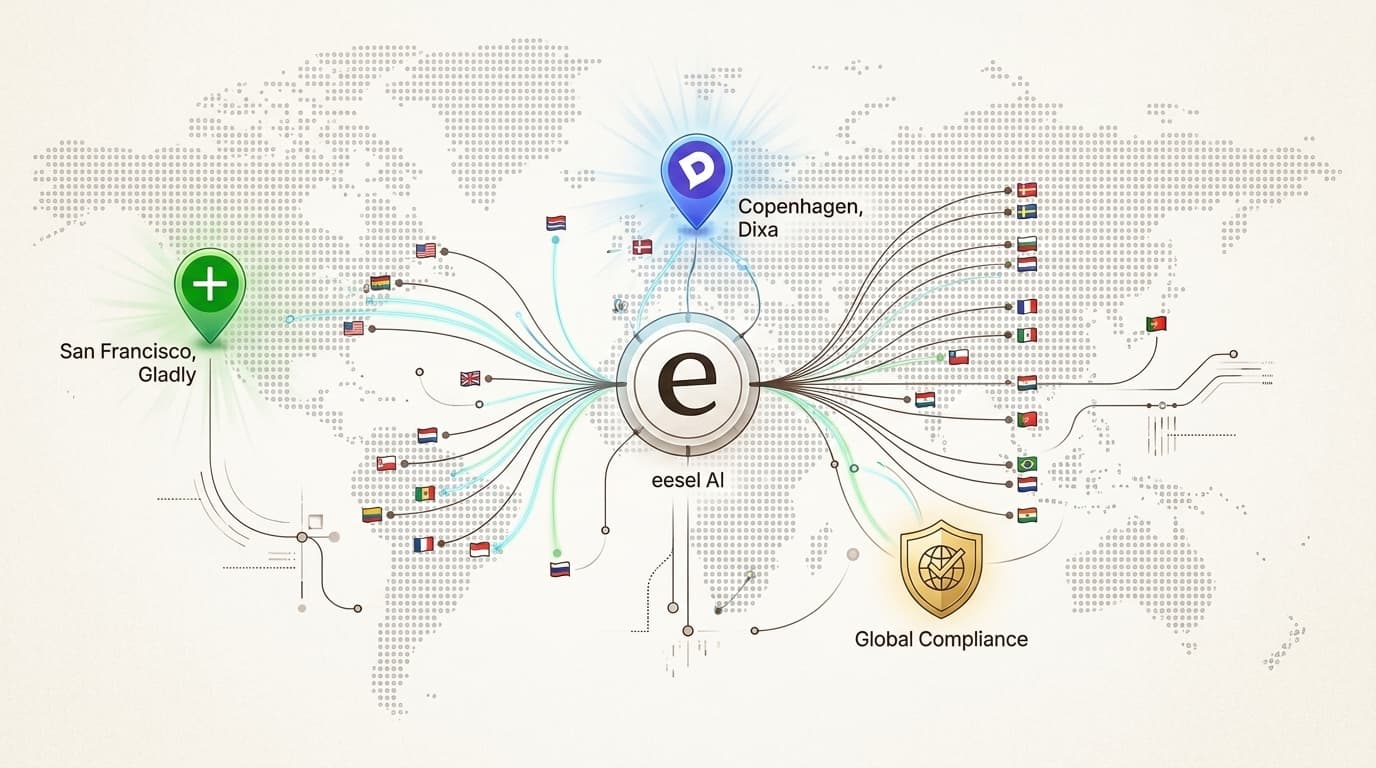
At eesel AI, we support over 80 languages and provide global compliance. Whether you are supporting customers in German, Japanese, or Portuguese, our AI teammate maintains your brand voice and follows your regional policies automatically.
eesel AI: The agentic alternative for growth brands
If you find Dixa’s routing too complex or Gladly’s price tag too high, we built eesel AI for you. We don't see ourselves as just another helpdesk. We are an AI teammate you hire and level up.
Instead of a 7-week implementation cycle, you can hire your eesel AI teammate in minutes. It connects to your existing helpdesk (Zendesk, Freshdesk, Gorgias, etc.) and immediately starts learning from your past tickets, help center articles, and macros.
eesel is resolving 73% of our tier 1 requests. Easy Zendesk implementation.
Why growth brands are switching to us:
- 81% autonomous resolution: Our AI handles frontline support end-to-end, including refunds and order updates, not just FAQs.
- No seat-based licensing: You only pay $0.40 per resolved ticket. If you have a slow month, you don't pay for idle seats.
- Pre-go-live testing: You can run our AI on thousands of past tickets to verify quality before your customers ever see a response.
- Multilingual from day one: Support your global customers in their native language without hiring a localized team.
Bottom line? We deliver the agentic power of Dixa Mim or Gladly Sidekick without forcing you to switch your entire software stack or sign a five-figure annual contract.
Final verdict: Should you choose Dixa, Gladly, or a new approach?
The right choice between Dixa and Gladly depends on your brand's philosophy and size.
You should choose Dixa if:
- You are a mid-market brand with a strong presence in Europe and need EU data residency.
- You require deep operational analytics and advanced visual routing for global teams.
- You want a unified workspace that streamlines high-volume channel management.
You should choose Gladly if:
- You are a luxury retail brand where long-term customer recognition is the priority.
- You want to replace tickets with a lifelong customer timeline to foster loyalty.
- You have the budget for a premium enterprise solution and a team of 10+ agents.
You should choose eesel AI if:
- You want to automate frontline support immediately without a complex setup.
- You prefer an outcome-based pricing model ($0.40 per ticket) over seat-based fees.
- You want to keep your current helpdesk but hire an AI teammate to handle the load.
Ready to see how an AI teammate can transform your support? Hire your eesel AI teammate today and start with $50 in free credit.

Frequently Asked Questions
Share this article

Article by
Stevia Putri
Stevia Putri is a marketing generalist at eesel AI, where she helps turn powerful AI tools into stories that resonate. She’s driven by curiosity, clarity, and the human side of technology.