7 essential blog writing techniques for explosive growth

Katelin Teen
Katelin Teen
Last edited January 20, 2026
The internet is absolutely swimming in content. Just hitting "publish" and hoping for the best isn't a strategy anymore. If you want your blog to stand out, you need a solid playbook. The right approach can be the difference between a blog that gets a handful of readers and one that builds a massive, engaged audience. At eesel, we leaned into these principles and saw our own blog grow from 700 to 750,000 daily impressions in just three months.
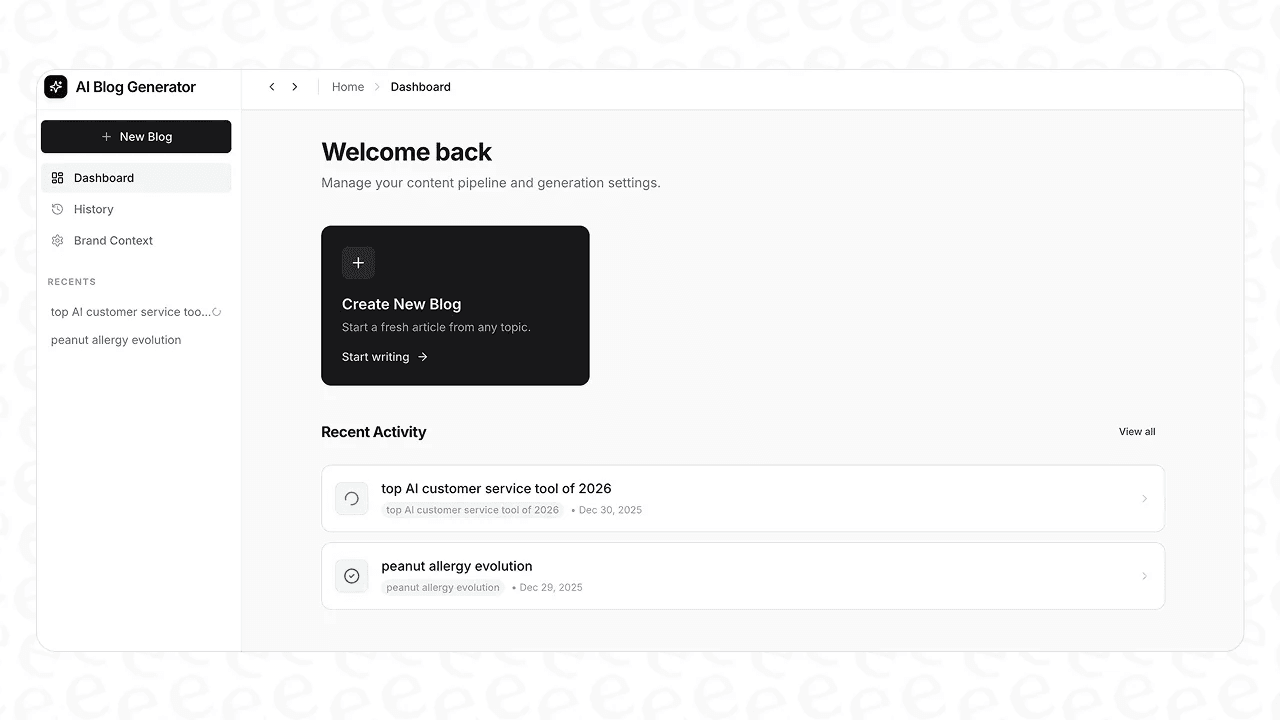
The good news is you don't have to do it all by hand. Modern tools like the eesel AI blog writer can help you apply these methods at scale, turning a single keyword into a publish-ready post that follows best practices right out of the gate.
What are blog writing techniques?
Blog writing techniques are the specific strategies and methods you use to structure, write, and optimize your content. It goes way beyond just good grammar and spelling. Think of it as the science behind the art of writing.
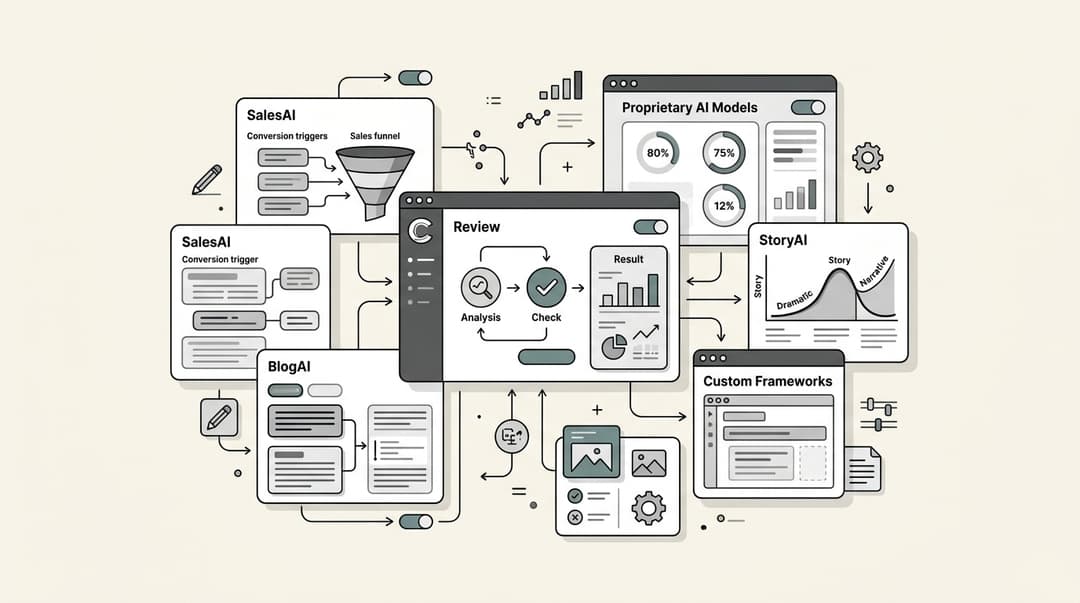
This covers everything from understanding reader psychology and SEO algorithms to storytelling and formatting. It’s about crafting headlines that actually grab attention, building outlines that satisfy search engines, using a tone of voice that connects with your readers, and making your posts incredibly easy to scan. To give you a clearer picture, here is a breakdown of the core components that make up effective blog writing.
The goal is pretty straightforward: get your content discovered, read, understood, and hopefully, acted upon. When you get these techniques right, you're not just publishing articles; you're building an engine for growth.
Our criteria for selecting these blog writing techniques
To cut through the noise, we didn't just pull random tips out of a hat. We chose these specific techniques based on four key criteria that directly affect a blog's performance:
- SEO Impact: Does the technique actually help you rank higher on Google and get more eyes on your content?
- Reader Engagement: Does it grab a reader's attention and keep them on the page instead of clicking away?
- Scalability: Can you apply this method consistently across hundreds of posts without a drop in quality?
- Authority Building: Does it help position your brand as a trustworthy, go-to source in your field?
Comparison of top blog writing techniques
Here’s a quick look at the techniques we’re about to break down and what they help you accomplish.
| Technique | Primary Goal | Key Benefit | Best For |
|---|---|---|---|
| The SEO-Driven Outline | Search Engine Ranking | Structures content for keywords and user intent. | Driving consistent organic traffic. |
| The Skyscraper Method | Content Superiority | Creates the definitive resource on a topic. | Building backlinks and authority. |
| The Readability First Approach | User Experience | Makes content easy to skim and digest. | Reducing bounce rates and increasing time-on-page. |
| The Conversational Voice | Building Connection | Fosters trust and makes content more engaging. | Creating a loyal, community-driven audience. |
| The Storytelling Method | Emotional Engagement | Makes abstract concepts relatable and memorable. | Explaining complex topics or case studies. |
| The Authority Hook | Grabbing Attention | Establishes credibility and hooks the reader instantly. | Thought leadership and high-value content. |
| The Actionable Conclusion | Driving Action | Guides the reader on what to do next. | Converting readers into subscribers or customers. |
The 7 best blog writing techniques
Alright, let's get into the details. Here's a deep dive into the techniques that will make the biggest difference to your content strategy.
1. The SEO-driven outline
This is the foundation of any blog post that you want to rank. The idea is to structure your entire post (your H2s, H3s, etc.) around a primary keyword and related secondary keywords. You're not just guessing what people want to know; you're using search intent research to build a blueprint that directly answers their questions.
It works because it sends clear signals to search engines about your content. When Google sees a well-structured article that thoroughly answers a user's query, it's much more likely to rank it. This is about giving both readers and algorithms exactly what they're looking for.
- Pros: Drives predictable, long-term organic traffic and gives you a clear structure that makes the actual writing process much faster.
- Cons: It can feel a bit restrictive if you're used to more free-form writing. If you're not careful, it can also lead to awkward keyword-stuffing. It also requires some familiarity with SEO tools.
- Tools to use: Tools like SEMrush's Content Outline Builder are great for creating SEO briefs. For a more all-in-one approach, the eesel AI blog writer automates this entire process. You give it a keyword, and it generates a complete, SEO-optimized outline and then writes the full draft for you.
2. The skyscraper method
Coined by SEO expert Brian Dean of Backlinko, this method is brilliantly simple in concept: find the top-ranking content for your target keyword, and then create something significantly better. It's about building the tallest "skyscraper" in the city so everyone pays attention to you.
How do you make it better? There are a few key ways:
- Make it longer and more comprehensive.
- Make it more up-to-date with the latest stats and information.
- Make it better designed and more visually appealing.
- Make it more thorough by covering angles your competitors missed.
- Pros: This is a powerful technique for building authority and earning high-quality backlinks from other sites that want to link to the best resource available.
- Cons: It's incredibly time-consuming and can be resource-intensive. There's also no guarantee you'll outrank pages that have been established for years.
- Tools to use: Your best friend here is a simple Google search to see what's already ranking. To speed things up, a platform like the eesel AI blog writer can do the heavy lifting. It performs deep research to generate a comprehensive article with automatic assets, giving you a massive head start on creating that superior piece of content.
3. The readability first approach
People don't read online; they skim. This technique is all about embracing that reality. You format your content for scanners by using short paragraphs, clear headings, bullet points, and bold text to highlight key ideas. It's worth remembering that over half of US adults read at an 8th-grade level or below, so clarity is essential.
Making your content easy to digest is a huge win for user experience. When people can find what they're looking for quickly, they stick around longer, which lowers your bounce rate and sends positive signals to Google.
- Pros: Greatly improves user experience, which can boost your SEO metrics like time-on-page.
- Cons: It can sometimes feel like you're oversimplifying complex topics. It also requires you to pay close attention to formatting, which can add time to your editing process.
- Tools to use: The Hemingway App is a classic for spotting complex sentences, and Grammarly's Tone Detector is great for making sure your writing feels right. Of course, the eesel AI blog writer is built with this in mind, automatically generating content in a highly readable format with short paragraphs, lists, and AI-generated images, saving you a ton of manual effort.
4. The conversational voice
It’s time to ditch the stiff, corporate jargon. This technique is all about writing like you're talking to a friend. Use words like "you" and "I," ask questions, and keep your language simple and direct. The goal is to build a real connection with the person on the other side of the screen.
When you sound like an actual human, people are more likely to trust you. It makes your content more engaging, easier to understand, and helps turn casual readers into a loyal community that wants to hear from you.
- Pros: Fosters trust and loyalty, making your content feel more personal and engaging.
- Cons: This tone might not be the right fit for very formal industries like law or finance. It can also be tough to keep the voice consistent if you have multiple writers on your team.
- Tools to use: A simple trick is to read your drafts out loud. If it sounds weird when you say it, it'll sound weird when they read it. To lock in consistency, you can set your voice preferences in the eesel AI blog writer, which has been refined over a year to produce a genuinely human, conversational tone every time.
5. The storytelling method
Humans are wired for stories. We remember them far better than we remember dry facts and figures. This technique involves weaving narratives, personal anecdotes, or customer case studies into your content to illustrate your points and make them stick.
A good story can take an abstract or complex topic and make it instantly relatable. It creates an emotional connection with your audience, which is incredibly powerful for building a memorable brand.
That was really helpful and is a an eye opener for how much I have to improve my practice.

- Pros: Makes your content way more engaging and memorable. It helps build a stronger emotional connection with your audience.
- Cons: It can be challenging to find a relevant story for every single blog post. If the story isn't told well, it can end up being more of a distraction than a benefit.
- Tools to use: Reddit is an absolute goldmine for finding real-world stories and opinions. One of the standout features of the eesel AI blog writer is that it can automatically find and embed relevant Reddit quotes, bringing authentic social proof and mini-stories directly into your content without you having to lift a finger.
6. The authority hook
You have about three seconds to convince someone to keep reading your article. The authority hook is all about making those seconds count. You start your post with a powerful statement, a surprising statistic, or a bold claim that immediately grabs the reader's attention and establishes your credibility.
This technique works because it pulls the reader in right away and primes them to trust the information you're about to share. It answers their subconscious question: "Why should I listen to you?"
- Pros: Can dramatically reduce your bounce rate by hooking the reader from the very first sentence.
- Cons: This is a high-stakes move. If you make a bold claim, the rest of your article absolutely must deliver the evidence to back it up. If you don't, you'll lose credibility fast.
- Tools to use: Spend some time researching industry reports from credible sources like Gartner, Forrester, or government agencies to find compelling data. You can then feed these specific data points into a tool like the eesel AI blog writer as part of your initial context to ensure your introduction is powerful and data-driven.
7. The actionable conclusion
So many blog posts just... end. They summarize what was said and then fade out. That's a missed opportunity. The actionable conclusion technique is about ending with a clear, compelling call to action (CTA). Instead of just recapping, you tell the reader exactly what they should do next.
This is critical for turning a reader into an engaged community member, a subscriber, or a customer. It takes the momentum you've built throughout the post and channels it toward a specific business goal.
- Pros: It's the key to converting readers and driving real business results from your content.
- Cons: An aggressive or irrelevant CTA can feel like a sleazy hard sell and turn readers off. The next step needs to feel natural and genuinely helpful.
- Tools to use: Email marketing platforms are great for creating the sign-up forms or landing pages for your CTA. When you're generating content, the eesel AI blog writer can be instructed to frame a powerful conclusion and CTA based on the goals you provide in the initial brief.
How to choose the right blog writing techniques for your content
You don't need to use every single one of these techniques in every post. The trick is to pick and choose based on your content's goal and your audience.
For example, if you're writing a top-of-funnel, data-heavy article designed to attract organic traffic, you'll want to prioritize the SEO-Driven Outline and the Readability First Approach.
On the other hand, if you're writing a bottom-of-funnel case study meant to convert leads into customers, you should lean heavily on the Storytelling Method and the Actionable Conclusion.
A good rule of thumb is to always start with a solid, readable, SEO-friendly structure. From there, you can layer on other techniques like a conversational voice or storytelling to match your brand's personality and the specific topic you're covering.
How the eesel AI blog writer automates these blog writing techniques
Implementing all these techniques consistently across every post can be a challenge. It takes a ton of time, skill, and expertise. AI content generation tools can help automate the process. The eesel AI blog writer, for instance, is a content engine designed to embody these best practices automatically.
Here’s how it works:
- It starts with an SEO-driven outline generated directly from your keyword.
- It writes in a conversational voice that has been refined to sound genuinely human.
- It automatically structures content using the readability first approach with short sentences, lists, and clear headings.
- It injects storytelling elements by finding and embedding real Reddit quotes.
- It creates automatic assets like data tables and AI-generated images to boost engagement and readability.
We don't just sell it; we live by it. This is the exact tool we used at eesel to grow from 700 to 750,000 daily impressions in just three months by scaling high-quality, fully optimized content.
For a visual walkthrough of how these techniques come together in a complete writing process, check out this step-by-step guide from Matt Diggity.
Mastering blog writing techniques to write smarter
Effective blog writing is a mix of science and art. It’s not about just getting words on a page; it's about being strategic. By applying these techniques, you can create content that not only ranks on search engines but also resonates deeply with your audience.
The key is to be intentional with your process. Build a system, don't just write.
Ready to see how easily you can put these techniques into practice? You can try the eesel AI blog writer for free and generate your first fully optimized, media-rich blog post in under five minutes.

Frequently Asked Questions
Share this article

Article by
Katelin Teen
Katelin is an operations specialist at eesel where she uses her psychology training and education experience to optimize B2B SaaS processes. Outside of work, she unwinds with story-driven games, writing, and keeping up with latest tech innovations.