AI helpdesk vs traditional helpdesk: Complete 2026 comparison

Stevia Putri
Written by

Stevia Putri

Last edited April 30, 2026

Expert Verified
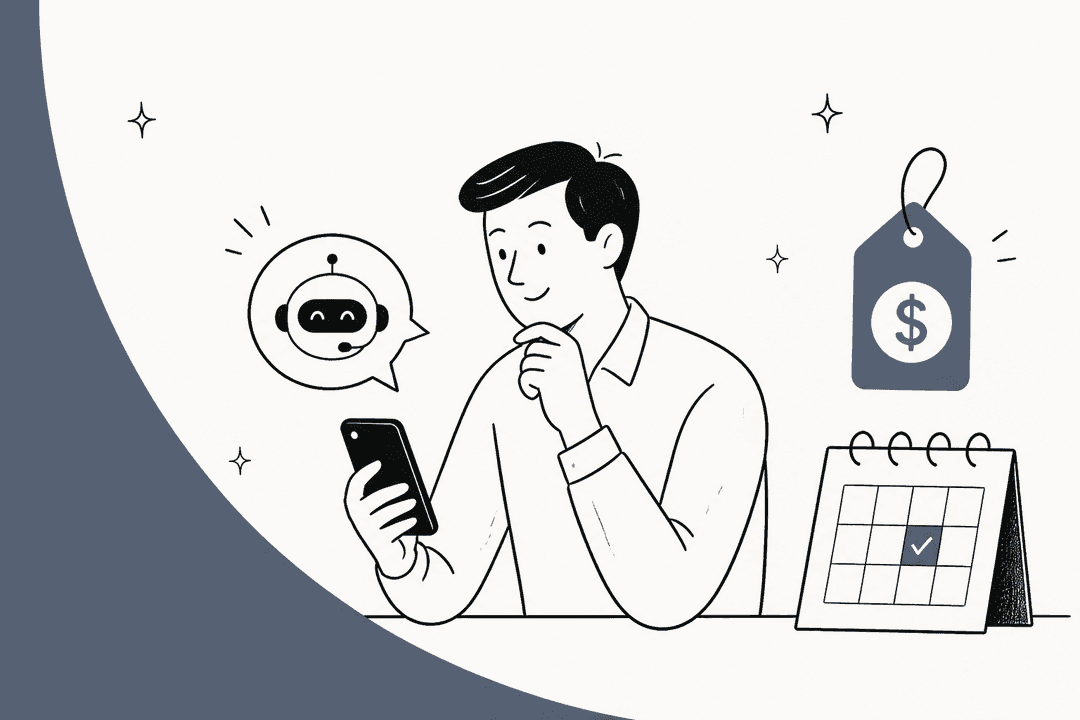
Banner image for AI helpdesk vs traditional helpdesk: Complete 2026 comparison

Traditional helpdesks cost $22 per interaction and carry a 40% misrouting rate, while AI-powered agents resolve Tier 1 issues for under $3 in seconds. The difference between a scaled support team and a burnout-prone one in 2026 often comes down to one fundamental architectural choice.

Choosing between a legacy system and a modern AI-first platform is no longer just about buying software. It is about how you scale your team. In 2026, the gap between traditional ticket-based workflows and autonomous agents has widened into a chasm. While legacy helpdesks struggle with linear scaling (where more tickets require more people), AI agents offer non-linear growth. You can handle a 10x spike in volume without hiring a single additional person.

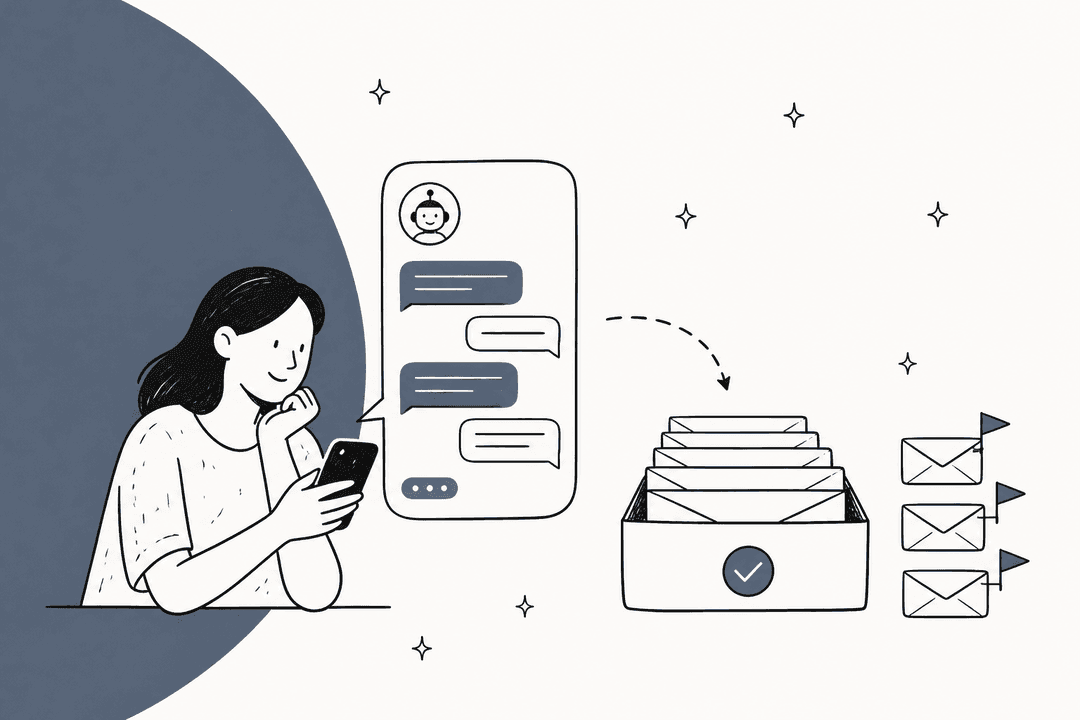
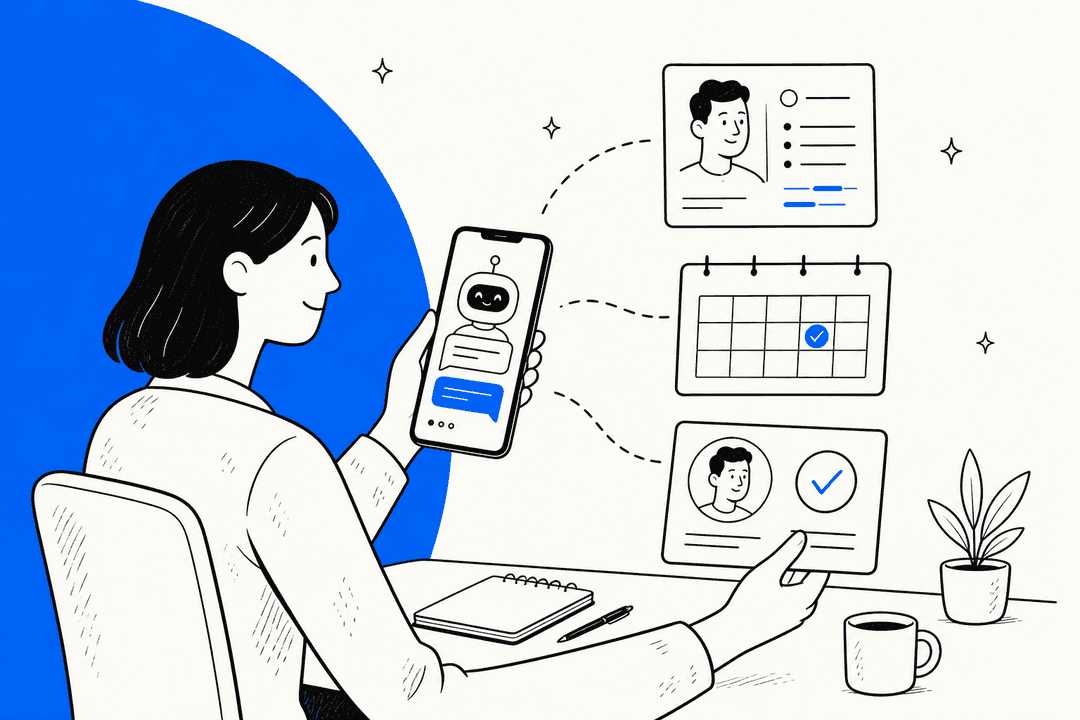
AI helpdesks transform support from manual document tracking into autonomous, intelligent resolution.

What is the difference in an AI helpdesk vs traditional helpdesk comparison?

A traditional helpdesk is essentially a digital filing cabinet. It is a system designed to track, organize, and store tickets so that human agents can manually resolve them. This model is human-dependent and scales linearly. If your company grows and your ticket volume doubles, you generally need to double your headcount to maintain the same response times. This reliance on human labor leads to bottlenecks, especially during peak seasons or product launches.

In contrast, an AI helpdesk is agentic and autonomous. Instead of just storing tickets for a human to find, it uses Retrieval-Augmented Generation (RAG) to understand the context of a query and resolve it independently. It does not just "suggest" an answer to an agent; it acts as the first responder. This represents a fundamental shift in architecture. In a traditional setup, humans are the primary handlers and AI is a secondary "nice-to-have" add-on. In a modern AI helpdesk, the AI agent handles the vast majority of Tier 1 requests, while humans are reserved for complex edge cases and high-value relationship management.

We have also seen a shift in how customers interact with these systems. Traditional helpdesks often forced users into rigid portals or long email chains. Today, AI agents live where your customers are. Whether it is a conversational interface in Slack, a WhatsApp thread, or a fast-loading chat widget, the experience feels like a conversation rather than a transaction.

Performance comparison: Speed, accuracy, and availability in the AI helpdesk vs traditional helpdesk debate

When we look at performance metrics, the data is staggering. The most immediate difference is in response times. A traditional helpdesk usually operates with a goal of responding within 5 to 60 minutes. In 2026, that is often considered too slow. AI-powered agents typically respond in under 30 seconds. This "instant gratification" significantly improves customer satisfaction scores (CSAT) because the user never feels like they are waiting in a queue.

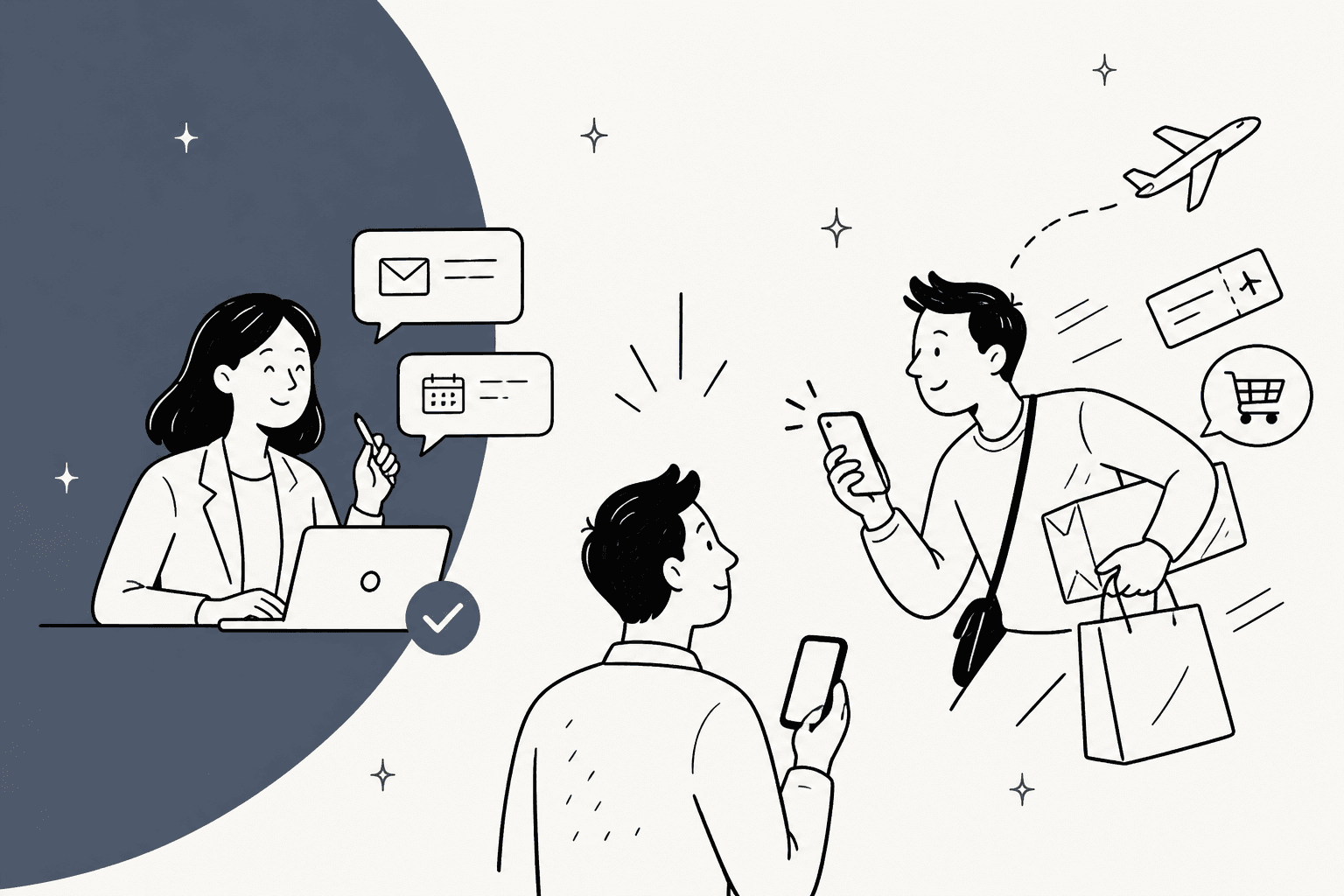
AI-powered agents deliver near-instant responses and significantly faster total resolution times.

The Mean Time to Resolution (MTTR) shows a similar pattern. Traditional support systems often see MTTRs of 30 hours or more, as tickets bounce between different departments or wait for an agent to come back from a break. AI helpdesks, by comparison, often achieve an MTTR of less than 15 hours. Because the AI can resolve the issue on the first touch, there is no "bouncing." The ticket starts and ends with the same agentic entity.

Accuracy is another area where the traditional model is losing ground. Human agents are prone to burnout, fatigue, and simple memory lapses. A case study from GE Healthcare showed an 87% improvement in accuracy after implementing AI-driven support. The AI does not get tired at 4:00 PM on a Friday. It has perfect recall of every help article, past ticket, and internal policy in your database.

MetricTraditional HelpdeskAI Helpdesk
Response Time5 - 60 Minutes< 30 Seconds
MTTR30+ Hours< 15 Hours
AvailabilityBusiness Hours (usually)24/7/365
ScalingLinear (More tickets = More staff)Non-linear (Scales with zero headcount)

Finally, there is the matter of availability. Traditional helpdesks require expensive "follow-the-sun" models or high overtime costs to provide 24/7 support. An AI agent is always on. It provides the same level of service at 3:00 AM on a holiday as it does on a Tuesday morning, and it does so without any additional staffing costs.

The AI helpdesk vs traditional helpdesk cost breakdown: Comparing per-ticket and implementation expenses

The financial argument for switching to an AI model is perhaps the most compelling. In 2026, the industry standard for a traditional human-led support interaction (via voice or email) sits between $17 and $22 per ticket. When you factor in the "hidden" costs of traditional support, such as recruitment, training cycles, office space, and the high cost of agent burnout, the true expense is even higher.

AI agents change the math. A typical AI-powered interaction costs around $3 across the broader market. However, we have taken a different approach to make this even more accessible. At eesel AI, our pricing is a flat $0.40 per ticket or chat session. We do not charge platform fees or monthly minimums. You only pay for what your AI teammate actually handles.

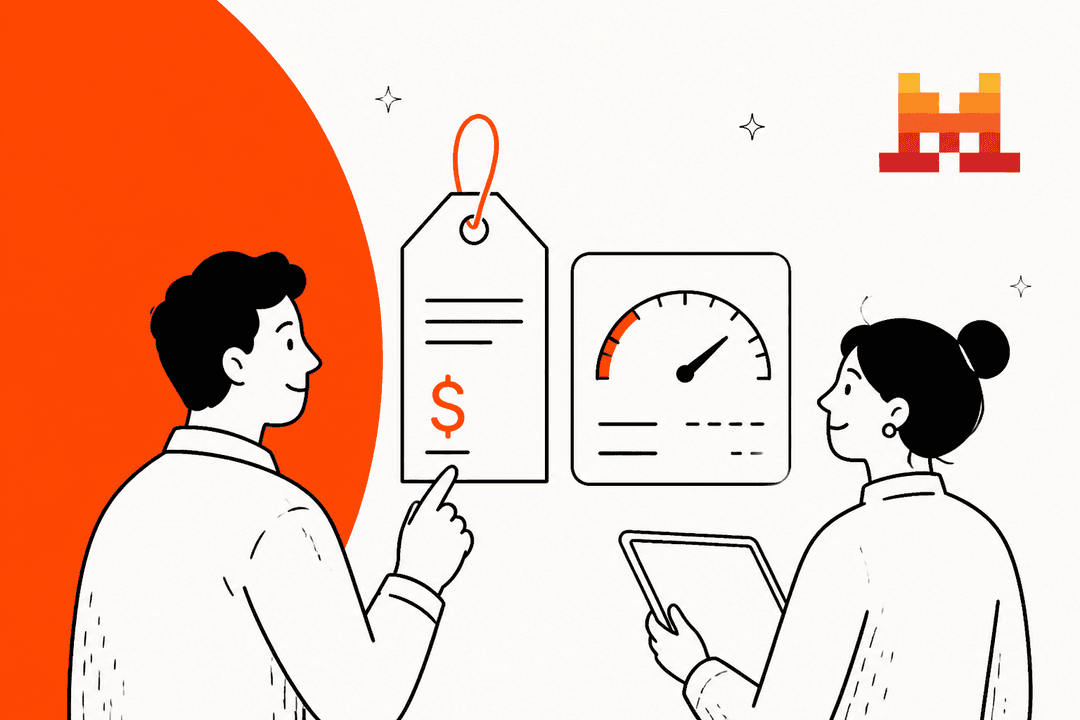
Unlike traditional models, AI support allows for massive volume spikes without a linear increase in costs.

Compare this to legacy competitors who have attempted to "bolt-on" AI features. Zendesk, for example, charges significant seat-based fees before you even get to the AI. Their Suite plans range from $55 to $169 per agent per month. On top of that, their AI "Automated Resolutions" cost between $1.50 and $2.00 each if you go beyond a small included allotment.

ModelPer-Ticket/Resolution CostPlatform/Seat Fees
Traditional (Human)$17.00 - $22.00High (Salaries + Benefits)
Zendesk AI$1.50 - $2.00$55 - $169/agent/mo
eesel AI$0.40$0.00 (No platform fees)

By removing the platform fee and the "per-seat" tax, we allow teams to start small. You can test the waters with a $50 free trial and only scale up once you see the ROI. This usage-based model ensures that your support costs perfectly align with your actual volume, protecting your margins during slow months and scaling effortlessly during peaks.

Key features of a modern AI helpdesk vs traditional helpdesk in 2026

The "magic" behind an AI helpdesk is not just a better chatbot. It is a suite of advanced technologies working in the background. One of the most important is intelligent intake and triage. Modern systems do not just wait for a keyword. They use intent detection to categorize tickets by urgency and sentiment. If a customer is frustrated about a billing error, the AI knows to prioritize that over a general feature request.

eesel AI helpdesk dashboard overview.

Another pillar is Retrieval-Augmented Generation (RAG). Traditional chatbots were often limited to a few hand-written FAQ responses. Modern AI helpdesks like ours sync with your entire knowledge base. They read your Confluence pages, Notion docs, and Google Drive files to find the exact answer to a specific question. They do not just point the user to a link; they synthesize the answer into a helpful response.

In 2026, we have also seen the rise of agentic automation. This means the AI can do more than just talk. It can execute workflows. For example, it can provision access to a tool, process a refund in your billing system, or update a shipping address in your CRM. It performs the actions that used to require a human agent to "alt-tab" between five different browser windows.

Finally, these systems benefit from continuous learning loops. Every time a human agent corrects a draft or provides feedback, the AI improves. It learns your specific brand voice, your unique policies, and the nuances of your product. Over time, the gap between what the AI can handle and what a human needs to handle continues to shrink.

When to stick with traditional human support

Despite the massive gains in AI capability, there are still times when a traditional human-led helpdesk is the right choice. AI is a tool for efficiency, but it is not a replacement for human judgment in high-stakes situations.

Complex emotional situations require deep empathy that AI simply cannot replicate. If a customer is going through a genuine crisis or a sensitive personal issue, they need to feel heard by another person. Similarly, novel technical issues that have never been documented before require creative problem-solving. AI is excellent at finding "known" answers, but it cannot invent a workaround for a bug that has existed for only ten minutes.

High-value relationship management is the third area where humans remain essential. If you are managing a multi-million dollar account, that customer expects a dedicated human partner who understands their long-term business goals.

The most successful teams in 2026 use a hybrid approach. They use AI as a teammate to handle the repetitive Tier 1 work, which frees up their human agents to focus on these high-impact interactions. This model reduces burnout because humans are no longer spending eight hours a day answering "how do I reset my password?" Instead, they are doing the creative, empathetic work they were hired for.

Why hiring an AI teammate beats configuring a chatbot

One of the biggest mistakes companies made in the early 2020s was treating AI like a software project. They spent months building complex decision trees and writing hundreds of rigid rules. The result was usually a "dumb" chatbot that frustrated customers and required constant maintenance.

Our philosophy is different. We believe you should hire your AI support team, not configure it. Like any new human hire, you point eesel AI at your documentation, your past tickets, and your wikis. It "onboards" itself by learning your business in minutes. There are no complex configuration screens or "if-this-then-that" builders. You just give it the sources, and it starts working.

eesel AI integrations page showing connected platforms.

This "hire" model is model-agnostic. We use the best Large Language Model (LLM) for the specific task at hand, whether it is research, drafting, or SEO optimization. This ensures you are always getting the most advanced performance without having to constantly update your own tech stack.

Best of all, eesel AI works inside the tools you already use. Whether your team lives in Zendesk, Slack, or Notion, our AI teammate integrates directly. You do not have to learn a new interface or change your workflow. You just get an extra set of hands that works 24/7.

eesel AI working seamlessly with Zendesk to resolve tickets

How to get started with our AI helpdesk vs traditional helpdesk solution

If you are still operating on a purely traditional model, the first step is to see what AI can do with your actual data. Most "demos" use perfect, sanitized examples. We prefer to show you the real thing.

You can start with a $50 free trial with no credit card required. The process is simple:

  1. Point eesel AI at your knowledge base. Connect your help center, public docs, or internal wikis. The AI will start learning your product and policies instantly.
  2. Invite eesel AI to your workspace. Whether you use Zendesk, HubSpot, or Gorgias, you can add eesel AI as an agent or a reviewer.
  3. Run a simulation. See how it would have handled your past tickets. This gives you a clear picture of its accuracy before it ever touches a live customer.
eesel AI dashboard showing connected Zendesk integration.

The transition from a traditional helpdesk to an AI-powered one does not have to happen overnight. You can start by letting the AI draft replies for your team to review. As trust builds and you see the $0.40 per ticket ROI in action, you can gradually give the AI more autonomy. In 2026, the question is not if you will adopt an AI helpdesk, but how much longer you can afford to wait.

Frequently Asked Questions

For small businesses, an AI helpdesk provides 24/7 support without the cost of a night shift. It allows you to scale your customer service as you grow without having to constantly hire and train new staff. At $0.40 per ticket, it is often more affordable than a single human seat on a legacy platform.
Most companies save over 80% on their per-ticket costs. Traditional tickets cost roughly $22 to resolve, while eesel AI handles the same interaction for $0.40. For a team handling 1,000 tickets a month, that is a saving of over $20,000.
Traditionally, yes, but eesel AI is designed to be 'hired' rather than configured. It onboards in minutes by reading your existing help docs and past tickets. You do not need to build complex workflows or decision trees.
Yes. While traditional helpdesks require hiring multilingual staff, eesel AI supports over 80 languages out of the box. It can understand a customer's query in one language and respond perfectly in the same language using your brand voice.
Customers are generally only frustrated by 'bad' AI that cannot solve their problems. Because eesel AI uses RAG to pull from your actual documentation, it provides accurate, instant resolutions. Most customers prefer an instant $0.40 resolution over waiting 24 hours for a $22 human response.
Human agents move to higher-value work. Instead of answering the same repetitive questions, they focus on complex technical issues, VIP relationship management, and empathetic support. This reduces burnout and makes the support role more strategic.

Share this article

Stevia Putri

Article by

Stevia Putri

Stevia Putri is a marketing generalist at eesel AI, where she helps turn powerful AI tools into stories that resonate. She’s driven by curiosity, clarity, and the human side of technology.

Ready to hire your AI teammate?

Set up in minutes. No credit card required.

Get started free