A CISO’s guide to using an AI blog writer for cybersecurity content

Kenneth Pangan

Stanley Nicholas
Last edited January 15, 2026
Expert Verified

Creating cybersecurity content presents unique challenges. You need to be technically flawless, stay ahead of the latest threats, and earn the trust of a sharp audience, including CISOs and IT managers who can quickly identify superficial content.
This is an area where generic AI writers may not be suitable. While they can write about many topics, they may produce content that lacks depth or contains inaccuracies when it comes to the specifics of cybersecurity. Technical inaccuracies can damage a brand's credibility.
That’s why a specialized AI blog writer for cybersecurity is becoming a valuable tool. It’s built to handle these specific challenges, combining AI speed with deep expertise. Tools like the eesel AI blog writer are designed to turn dense, technical topics into engaging, accurate content. We used it to grow from 70,000 to over 750,000 daily impressions in just three months.
What is a specialized AI blog writer for cybersecurity?
It is an AI platform trained specifically on cybersecurity topics. It is built to research, structure, and write about complex security subjects because it understands the industry's unique language and demands.
Unlike a general-purpose AI writer that can generate content on a wide range of subjects, a specialized tool understands the nuances. It knows the difference between a vulnerability and an exploit, ensuring correct usage of acronyms.
Here’s what a specialized tool can handle that a general one often cannot:
- Technical nuance: It correctly uses terms like Zero Trust, MITRE ATT&CK, and DevSecOps. It can also reference compliance frameworks like SOC 2 and ISO 27001 without getting the details wrong.
- Audience-specific tone: It knows how to write for different people in the security world, whether it's a high-level strategic post for a CISO or a hands-on technical guide for a security engineer.
- Data-driven insights: It can pull and integrate information from relevant sources, like threat intelligence reports, vulnerability databases, and other authoritative materials, to create content that’s useful.
Why a specialized AI blog writer for cybersecurity is transforming marketing
Using a specialized AI writer offers more than just time savings; it can significantly impact how cybersecurity companies create content and connect with their audience.
Keeping pace with the threat landscape
New vulnerabilities, attack methods, and threat actors appear frequently. Trying to keep up with human writers alone is a huge task. A specialized AI writer can generate timely analysis and response guides in minutes, not weeks. This allows you to be part of the conversation as it's happening, reinforcing your position as a relevant, authoritative voice.
Achieving technical accuracy at scale
Finding human writers with deep security knowledge can be challenging. When a writer without that background tackles a technical topic, inaccuracies can occur, which can affect brand reputation. An AI trained on credible cybersecurity sources helps ensure your content is consistent and accurate, reducing the risk of sharing incorrect information.
Winning at long-tail keyword SEO
Cybersecurity SEO often focuses on highly specific, technical keywords like "cloud native application protection platform best practices" or "zero trust architecture implementation steps." Creating in-depth content for these niche queries can be a significant undertaking. AI makes it possible to cover this ground efficiently, capturing traffic from people who know exactly what they're looking for.
Maintaining a consistent, authoritative brand voice
Your brand's voice is its personality. Whether you're publishing a whitepaper, a blog post, or a new landing page, it all needs to sound like it's coming from the same expert source. A specialized AI can be fine-tuned to your brand's specific tone, ensuring everything you publish reinforces your expertise and builds a stronger brand identity.
Key features of a top-tier AI blog writer for cybersecurity
When you start looking for a tool, you'll see that not all AI blog writers are the same, especially for a field as demanding as cybersecurity. Here are the must-have features you should look for.
Context-aware research engine
The tool should go beyond basic web scraping. It needs a research engine that pulls from authoritative sources like technical docs, threat reports, and academic papers. It should also understand the intent behind a keyword. For example, a "product comparison" blog needs technical specs and pricing, while a "how-to guide" needs actionable steps. An effective tool understands this and synthesizes the information accurately, often with citations to back up its claims.
Integrated asset and media generation
Cybersecurity concepts can be dense and abstract. Text-only content can be less effective. A great tool doesn't just write; it helps you explain. It should automatically create charts, tables, and infographics to break down complex frameworks or data. It should also be able to embed relevant YouTube videos and pull authentic social proof from forums like Reddit to bring in real-world perspectives and add another layer of credibility.

Built-in SEO and AEO optimization
SEO should be an integral part of the process. The platform should have it built-in from the start, handling things like proper heading structures, keyword placement, and metadata. But in 2026, that is the baseline. The tool also needs to be optimized for AI Answer Engines (AEO). This ensures your content is structured to appear in generative AI results from Google’s AI Overviews, ChatGPT, and Perplexity, which is where many people are finding answers.
A genuinely human-like, non-robotic tone
In cybersecurity, trust is paramount. Content that sounds robotic may fail to engage the audience. The output needs to be clear and avoid the generic, repetitive phrasing that can be present in some AI-generated articles. It should sound like an expert, but a human one.
Choosing the right AI blog writer for cybersecurity
There are a few options available, and they are built for different needs.
eesel AI blog writer

We built the eesel AI blog writer to address the limitations of general-purpose tools for creating technical content. We needed something that could handle complexity, research accurately, and produce content that was ready to publish.
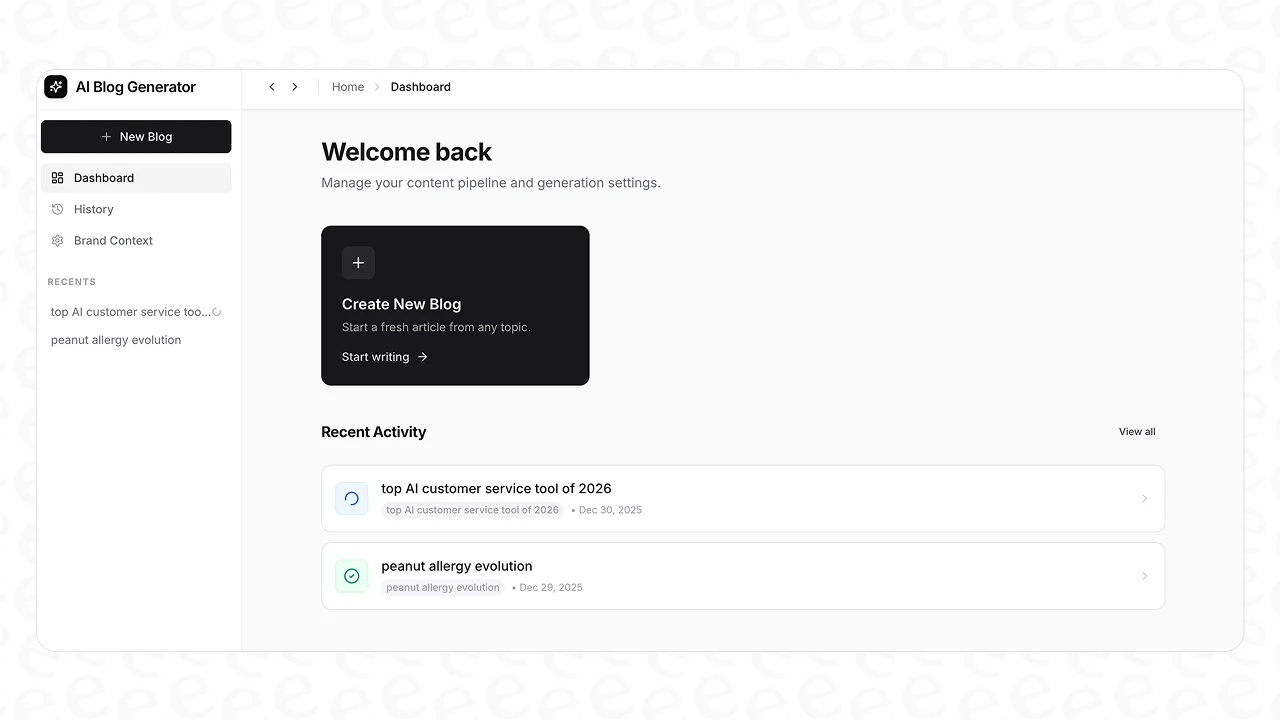
We used our own tool to grow our blog from 70,000 to over 750,000 daily impressions in just three months, publishing over 1,000 optimized posts in that time.
Key features relevant to cybersecurity content include:
- Automatic asset generation: It creates infographics, comparison tables, and images right in the draft to help explain complex frameworks like MITRE ATT&CK or compare different security solutions.
- Authentic social proof: It automatically finds and embeds real Reddit conversations and relevant YouTube videos. This adds a layer of human perspective to technical topics, which is great for building trust.
- Context-aware research: You provide a keyword, and it understands what kind of information is needed. It pulls from credible sources for threat analysis, compliance guides, or product reviews and includes citations.
- Pricing: The pricing model is straightforward. Our Early Bird plan is $99/month for 50 complete blog posts.
You can try it for free and see the quality of the content for yourself.
Other AI writing tools for technical content
Other AI writing tools are also available, each with its own strengths and considerations for technical content.
Jasper AI
- Strengths: Jasper is an AI content platform designed for marketing teams. Its "Brand IQ" feature helps ensure that all content, from blogs to social posts, has a consistent brand voice. It is also SOC 2 and GDPR compliant, which is a key consideration for security-conscious companies.
- Considerations for cybersecurity: As a general-purpose tool, it may require users to provide specific context and have a subject matter expert (SME) verify technical details for deep security topics.
- Pricing: The Pro plan starts at $59 per seat/month with annual payment. API access requires their custom-priced Business plan.
Surfer AI
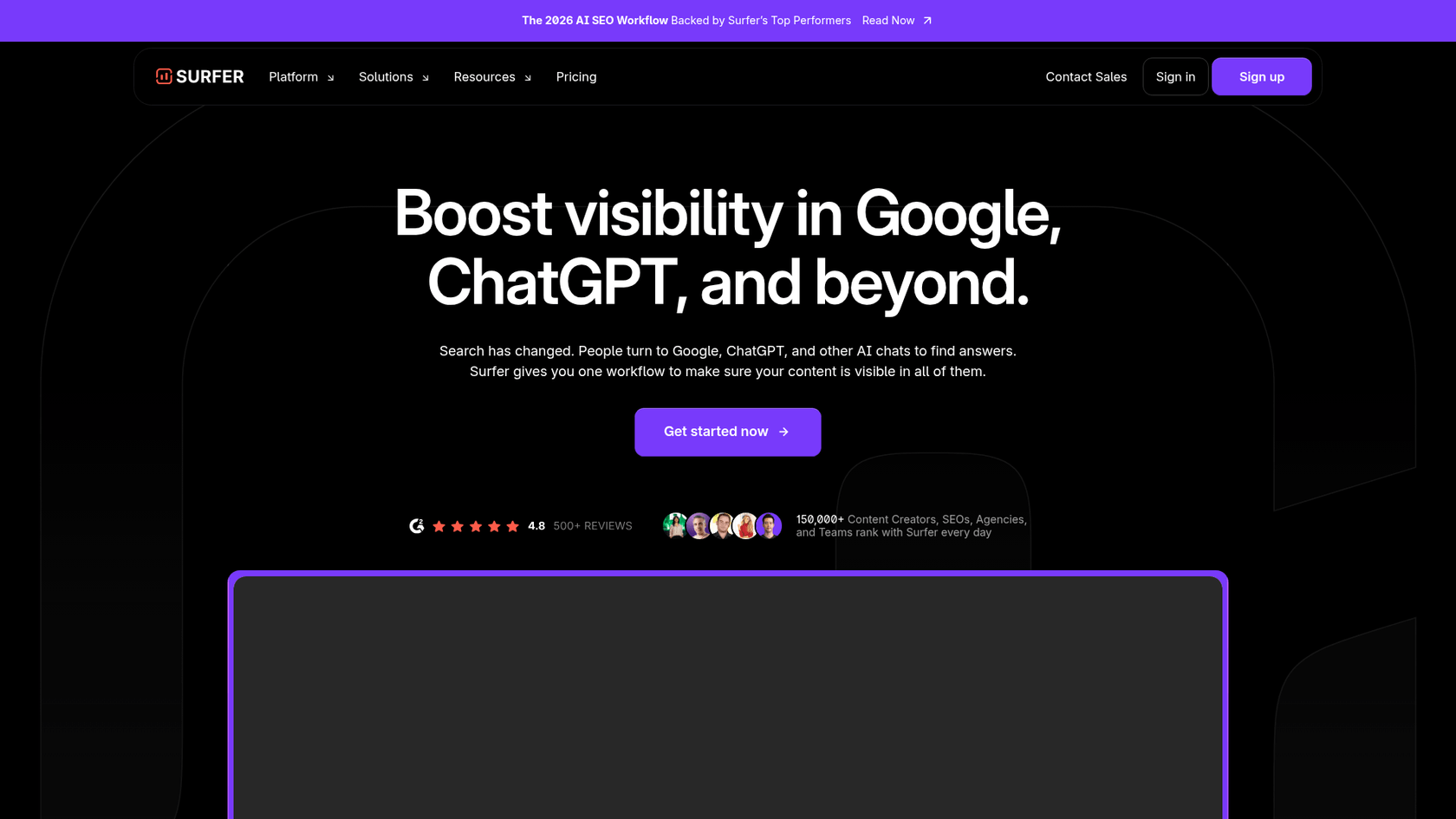
- Strengths: Surfer AI is a tool focused on on-page SEO. It excels at optimizing content to rank in Google and appear in AI chats. Its Content Score provides detailed, actionable feedback, and its AI can generate articles by analyzing top-ranking content.
- Considerations for cybersecurity: Surfer is primarily an SEO tool. Its approach of analyzing existing top results is effective for established topics, but it may be less suited for generating initial drafts on novel or highly technical cybersecurity subjects that require synthesis from primary sources like threat intelligence reports. It is often used for optimizing an existing draft.
- Pricing: The Essential plan starts at $79/month (billed annually) and includes 5 AI articles per month. Higher-tier plans are available for more credits.
How to implement an AI blog writer in your cybersecurity marketing strategy
Getting started with AI-driven content can be a straightforward process. Here’s a way to begin.
- Identify a strategic topic cluster: Start with one area where you want to build authority, like "Cloud Security" or "Incident Response." You can use a tool like Surfer's Topical Map to map out related sub-topics to cover.
- Pair AI with your SMEs (Subject Matter Experts): The AI writer can act as a research assistant for your in-house experts. Use the AI to generate a well-structured first draft. Then, have your SME review it, adding their unique insights and real-world examples. This hybrid approach combines the speed of AI with the credibility of a human expert.
- Establish a quality assurance checklist: Create a simple checklist for reviewing every AI-generated post before it goes live. This should include a check for technical accuracy, brand voice consistency, originality, and proper sourcing. It's a small step that ensures quality control at scale.
- Measure performance and refine: Once the content is published, monitor your analytics. See which topics, formats, and angles are resonating with your audience. Use these insights to refine your strategy and inform future content creation.
A four-step workflow diagram showing how to use an AI blog writer for cybersecurity, from topic identification to performance measurement.
For those looking to see how technical writing is approached by experts in the field, this video offers valuable lessons from a penetration tester on creating effective cybersecurity reports.
This video explains best practices for technical report writing, a key skill when using an AI blog writer for cybersecurity content.
In cybersecurity marketing, generic tools may not meet the specific content requirements. The complexity of the topics and the expertise of the audience require specialized content.
A specialized AI blog writer for cybersecurity is becoming a valuable tool for creating content that's accurate, timely, and can earn the trust of a technical audience. By combining AI's power with the insights of your human experts, you can scale your content strategy without compromising on quality.
Ready to scale your cybersecurity content? Generate your first blog post for free with the eesel AI blog writer.
Frequently Asked Questions

Share this post
Article by
Kenneth Pangan
Writer and marketer for over ten years, Kenneth Pangan splits his time between history, politics, and art with plenty of interruptions from his dogs demanding attention.