A comprehensive guide to SEO for plastic surgeons

Stevia Putri

Katelin Teen
Last edited January 27, 2026
The world of plastic surgery is incredibly competitive. Your skills in the operating room are undeniable, but they don't automatically make you visible online. A strong digital presence isn't just a bonus anymore; it's how patients find you. And they are definitely looking. One study found that about 57% of patients search online before even scheduling a meeting. They're searching for answers, expertise, and a surgeon they can trust.
If your practice isn't showing up on the first page of Google, you're missing out on a huge number of potential patients.
What is SEO for plastic surgeons?
Search Engine Optimization (SEO) in the context of a medical practice is the process of making your website more appealing to search engines like Google for the specific procedures you offer. The goal is to appear high in the search results when a potential patient types in something like "rhinoplasty specialist near me" or "best surgeon for a mommy makeover."
This is different from paid ads you see at the top of search results. SEO is about earning organic traffic: visitors who find you because Google views your site as a credible and relevant source of information.
The core pillars of successful SEO for plastic surgeons
Pillar 1: On-page and technical foundations
Before you can build authority, you need to make sure your website's foundation is solid. This is the behind-the-scenes work that helps Google find, understand, and rank your site.
- Procedure-specific pages: A common mistake is lumping all services onto one generic page. You need a unique, detailed page for every single procedure you offer. A page dedicated to "breast augmentation" will rank much better for that term than a general "cosmetic surgery" page ever could. It directly answers what the user is looking for and shows Google you're an expert on that topic.
- Website performance: In 2026, your website has to be fast and work well on mobile devices. Most of your potential patients are searching on their phones. If your site is slow or hard to use on a small screen, they'll leave. Google pays close attention to this with its Core Web Vitals, which are a direct ranking factor.
- Metadata optimization: Your title tag and meta description are the first things a potential patient sees in the search results. Think of them as your 160-character elevator pitch. They need to be interesting, include your target keyword (like "facelift surgeon in Miami"), and convince the searcher to click on your link instead of the others.
- Schema markup for healthcare: Don't let the term "schema markup" scare you off. It's just a bit of code you add to your website to help Google understand your content better. Using specific types like "MedicalProcedure", "Physician", and "LocalBusiness" from Schema.org, you can tell Google exactly what your page is about. This can lead to "rich snippets" in search results, like star ratings or FAQ dropdowns, which make your listing stand out and can increase click-through rates by up to 82%.
Pillar 2: Content marketing that builds trust
Your content is where you prove your E-E-A-T. It's how you build trust with potential patients and show Google that you're an expert. For a plastic surgery practice, quality content is everything.
In my experience, plastic surgery has a long, multi-touch buying cycle. New patients don’t usually convert after a single ad or visit. It’s common to see weeks or even months between first contact and booking, especially for higher-ticket procedures. Most patients go through several stages: researching outcomes, comparing surgeons, checking reviews, saving photos, and often coming back multiple times before committing.

- Why quality content is essential: Every article, blog post, and procedure page needs to be medically accurate, original, and focused on the patient's questions. To meet Google's guidelines, this content should be written or at least reviewed by a demonstrable expert (that's you). This isn't the place for generic filler content.
- Content types that attract patients: A good content strategy uses a mix of formats. You need detailed procedure pages that answer every possible question a patient might have. You also need blog posts that answer broader questions like "how long is recovery from a tummy tuck?" And, of course, before-and-after galleries are very powerful, just make sure you're following all HIPAA guidelines.
- The challenge of scaling expert content: Here's the bottleneck for most practices. You have the medical expertise, but you don't have the time to consistently write high-quality, SEO-friendly articles. It's a huge task that often gets pushed aside when you're busy with patients.
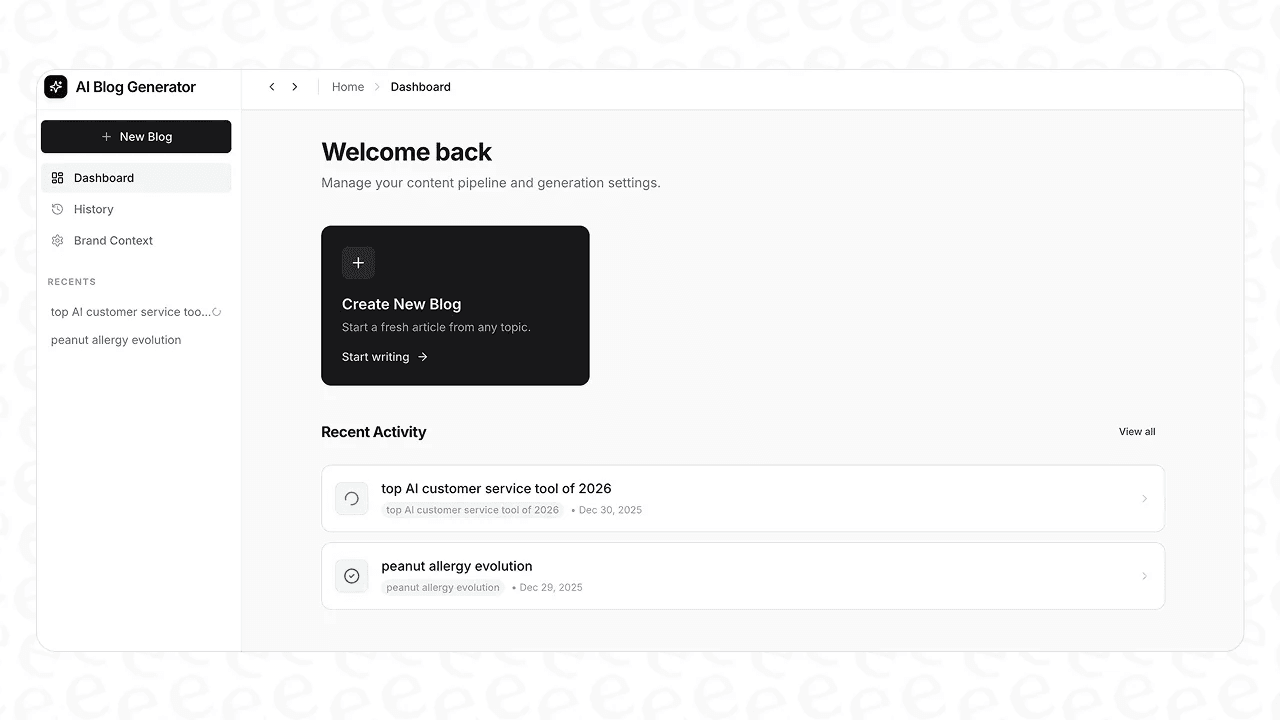
- How the eesel AI blog writer can help: This is where you can work smarter. A tool like the eesel AI blog writer is designed to address this problem. It performs deep research, provides citations, and can automatically embed relevant assets like YouTube videos to make your posts more engaging. It can also find authentic quotes from places like Reddit to add a human touch. This allows you to generate a publish-ready draft in minutes, helping you scale your content production without sacrificing your valuable time.
Pillar 3: Local signals and off-page tactics
For most plastic surgeons, patients are local. This means local SEO is incredibly important. It’s all about showing up when people search for your services in your specific city.
- Getting your Google Business Profile (GBP) right: Your Google Business Profile (GBP) is your most important tool for local SEO. It's the info box that appears in the map results and on the right side of the search page. You need to claim and fully optimize this profile. This includes:
Before you go down the rabbit hole of planning where to invest, I’d make sure you have the barebones in place first. This entails: - Creating a Google My Business listing for yourself - Creating a Bing Places for Business listing - Ensure you have complete profiles on the following directories: WebMD, Healthgrades, US News (Health), Doximity, Vitals, and Medical News Today. You’d be surprised how many patients can discover you simply through organic searches.
To see these concepts in action, the video below gives a great visual overview of what goes into a successful SEO strategy for a plastic surgery practice.
Choosing your approach
So, how do you get all this done? Different practices have different resources, so there's no single right answer. Here's a quick comparison of the common approaches.
| Feature | In-House SEO | Marketing Agency | AI-Powered Tools (like eesel AI) |
|---|---|---|---|
| Cost | Low to medium (salary) | High (monthly retainer) | Very low (subscription-based) |
| Time Investment | Very high | Low | Very low |
| Control | Full control over strategy | Limited control | Full control over content strategy |
| Scalability | Difficult to scale | Scalable with budget | Highly scalable content production |
| Best For | Practices with dedicated marketing staff | Practices with a large budget and no time | Practices wanting to scale expert content efficiently and affordably |
Final thoughts
A successful SEO strategy comes down to those three pillars: a solid technical foundation, high-quality content that shows your expertise, and strong local signals that connect you with patients in your area.
SEO isn't a quick fix; it's a long-term commitment to your practice's growth. When done right, it builds a steady stream of new patients who are actively looking for the services you provide.
The biggest hurdle for most surgeons is creating content. You're the expert, but your time is best spent with patients. Instead of letting your blog sit empty, see how AI can help you create medically accurate, patient-focused content that builds trust. You can generate your first blog post for free using the eesel AI blog writer and see the quality for yourself.

Frequently Asked Questions
Share this article

Article by
Stevia Putri
Stevia Putri is a marketing generalist at eesel AI, where she helps turn powerful AI tools into stories that resonate. She’s driven by curiosity, clarity, and the human side of technology.