Rytr vs NeuronWriter: Which AI content tool is right for you?

Amogh Sarda

Katelin Teen
Last edited January 18, 2026
Picking the right AI content tool can feel like a shot in the dark. The market is flooded with options, and two names you’ll see a lot are Rytr and NeuronWriter. They both help you get content made, but they approach the job from completely different angles.
Rytr is your creative partner, perfect for quickly generating drafts and brainstorming ideas. NeuronWriter, on the other hand, is the SEO expert, laser-focused on helping you create content that’s designed to rank high on search engines. So, which one actually makes sense for you?
This guide will lay it all out in a simple, head-to-head comparison. We’ll dive into their features, pricing, and who each tool is really built for. And if you’re looking for a tool that handles both the writing and the SEO work, stick around. We’ll introduce you to the eesel AI blog writer, an alternative that can turn a single keyword into a fully researched, ready-to-publish post in one go.
What is Rytr?
Rytr is a flexible AI writing assistant that’s all about speed and variety. Think of it as your go-to for getting words on the page, fast. Whether you need to generate social media captions, ad copy, product descriptions, or the first draft of a blog post, Rytr has a template for that.
Its main strength is breaking through writer's block. You give it a bit of context, choose a tone, and it produces content you can then expand on. For a lot of writers, it’s the perfect starting point.
Its clean interface and huge library of templates make it incredibly easy to get started right away.I used to write with Rytr, and it had sparked before I learned Surfer.

What is NeuronWriter?

NeuronWriter is a completely different animal. It’s a content optimization platform built from the ground up to help your content rank on Google. It’s not just about writing; it’s about writing with a clear SEO-driven purpose.
Here’s the gist of how it works: you give NeuronWriter your target keyword, and it analyzes the top-ranking pages for that search term. It then provides a data-backed blueprint for your article, including which terms to use (based on NLP analysis), how to structure your post, and what questions your audience is asking. It even scores your content in real-time as you write, so you can see how you’re measuring up against the competition. It competes with expensive tools like SurferSEO but usually at a much friendlier price.
Rytr vs NeuronWriter: A head-to-head comparison
So, Rytr is for quick drafting and NeuronWriter is for deep optimization. But let's dig into the details. The next few sections will break down exactly how they compare on key features, pricing, and who should ultimately use which tool.
Core features and functionality
Writing Assistance
- Rytr: This is where Rytr shines. It’s excellent at generating tons of different content types from scratch using its massive library of templates. Its strength lies in its versatility and speed for getting that first draft out the door. It also includes a plagiarism checker, which is a helpful feature for ensuring your content is original.
- NeuronWriter: The AI writing here is more of a supporting feature. The AI is designed to help you write within the SEO framework it creates. It’s less about freeform creative writing and more about helping you strategically place recommended keywords and structure your content based on what’s already ranking.
SEO and Content Optimization
- Rytr: Simply put, Rytr doesn't do SEO. It’s a writing assistant, not an optimization tool. You won't find SERP analysis, competitor-based keyword suggestions, or content scoring. You’d have to take your draft from Rytr and use a separate tool for any real optimization.
- NeuronWriter: This is NeuronWriter’s bread and butter. Its whole purpose is SEO. You get a full toolkit that includes deep SERP analysis, NLP-based term recommendations, a real-time content score, and even suggestions for schema markup to help you win rich snippets.
User Interface and Ease of Use
- Rytr: The interface is incredibly clean and intuitive. If you’ve used any modern web app, you’ll feel right at home. It’s made for anyone to pick up and start using in minutes with basically zero learning curve.
- NeuronWriter: Since it's packed with data, the interface is naturally more complex. There are more charts, scores, and recommendations to understand. It’s not impossible for a beginner, but it has a steeper learning curve, especially if you’re new to content optimization.
| Feature | Rytr | NeuronWriter |
|---|---|---|
| Primary Use Case | AI Writing Assistant | Content Optimization for SEO |
| Content Generation | High (Many templates) | Moderate (AI writer included) |
| SERP Analysis | No | Yes, in-depth |
| Content Scoring | No | Yes, comprehensive |
| Ease of Use | Very Easy | Moderate Learning Curve |
| Ideal User | General writers, marketers | SEOs, content marketers |
Pricing and plans
Note: Prices for these tools can change, so it’s always smart to check their official websites for the latest info.
Rytr's Pricing
Rytr usually offers a few simple tiers:
- Free Plan: Lets you generate a limited number of characters each month. It’s a great way to try it out and see if you like the results.
- Saver Plan: A step up that offers a much higher character limit for a small monthly fee. Good for casual users.
- Unlimited Plan: Just like it sounds, this gives you unlimited character generation and priority support, which is perfect for heavy users and small teams.
NeuronWriter's Pricing
NeuronWriter’s plans are based on usage, such as the number of articles you can analyze and the AI credits you receive.
- Bronze Plan: The entry-level option, offering a set number of projects and content analyses per month. Great for solo bloggers or small businesses just starting with SEO content.
- Silver & Gold Plans: These tiers raise the limits on projects, analyses, and AI credits, serving freelancers, agencies, and content teams that manage multiple websites.
Tools in this space can be pricey. As one user on Reddit mentioned about an alternative:
NeuronWriter often positions itself as a more affordable, yet powerful, alternative to these expensive tools.I've tried few others surfer which is easy 200-300$ / mo for basics.
Who should use Rytr vs. NeuronWriter?
So, who comes out on top for your needs? It all boils down to your main goal.
Choose Rytr if:
- You need to create a lot of short-form content quickly, like social media posts, ad copy, or product descriptions.
- Your biggest hurdle is staring at a blank page and just getting started.
- You're a solo creator, marketer, or small business owner who needs an all-around writing assistant without a heavy focus on technical SEO.
Choose NeuronWriter if:
- Your primary goal is to create long-form content that ranks for competitive keywords.
- You're an SEO specialist, content strategist, or part of an agency focused on growing organic traffic.
- You enjoy working with data and want clear, actionable steps to optimize your content based on top search results.
An alternative to consider: eesel AI blog writer
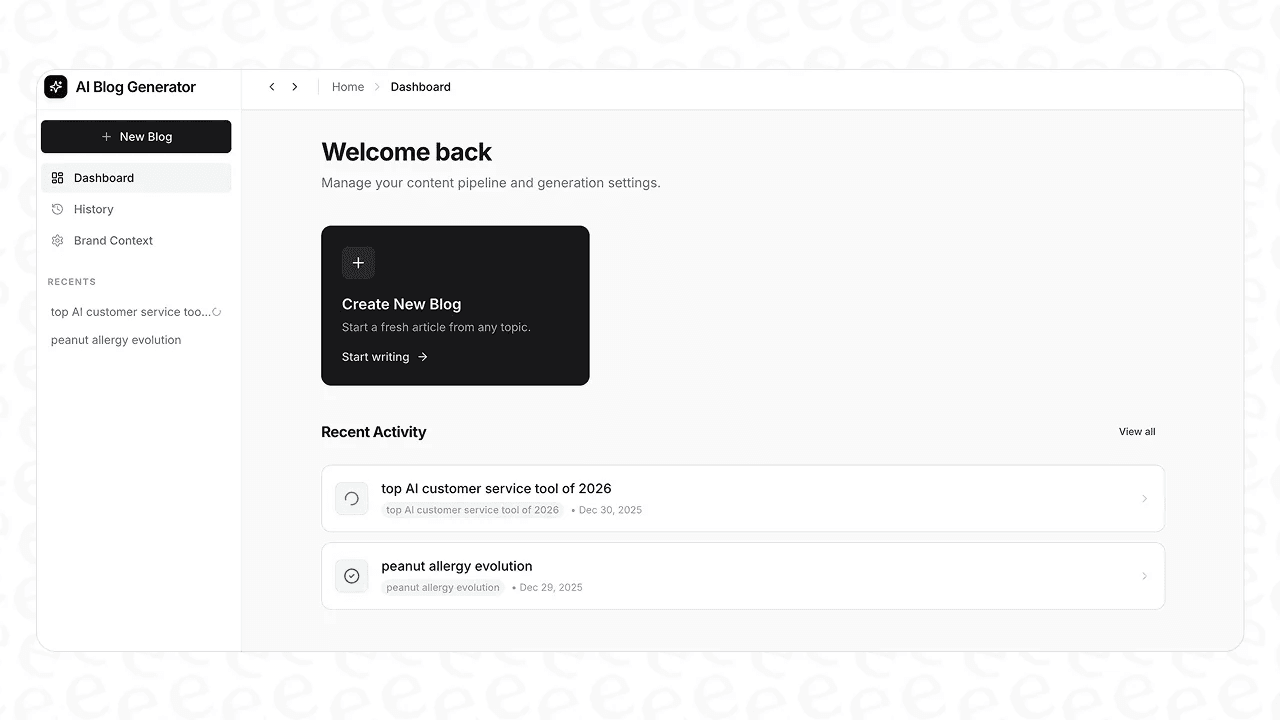
That’s where the eesel AI blog writer can be useful. It is designed to manage the workflow from a keyword to a publish-ready post in one step. It generates a complete blog post, including structure and content.
Here’s what makes it different:
- From Keyword to Complete Post: Just enter a topic, and it does the rest: deep research, structuring the article with headings, writing the content, and optimizing it for SEO.
- Automatic Assets Included: It automatically generates relevant assets like images, charts, and infographics to include in the post.
- Credibility with Social Proof: It can automatically find and embed relevant Reddit quotes and YouTube videos into an article. This feature can add authority and engagement to the content.
- SEO Results: The tool was developed and used internally, contributing to blog growth from 700 to 750,000 daily impressions in three months. It is designed to support organic growth strategies.
The tool is available to try for free, allowing users to generate a blog post and evaluate its output.
To see one of these tools in action, this video provides a detailed walkthrough of NeuronWriter's interface and optimization process.
Rytr vs. NeuronWriter: Which tool is right for you?
There is no single "winner" because Rytr and NeuronWriter serve different purposes. The right tool depends on your primary content challenge.
If your main challenge is creating initial drafts, Rytr is a suitable choice. It's an effective tool for fast content creation.
If your priority is optimizing content to rank in search engines, NeuronWriter is a strong option. It is a robust platform for content optimization.
However, if your goal is to publish complete blog posts at scale without using multiple tools, the eesel AI blog writer is an alternative to consider. It streamlines the process from keyword to a live post, which can help you focus more on strategy rather than production.

Frequently Asked Questions
Share this article

Article by
Amogh Sarda
CEO of eesel AI. Amogh Sarda is obsessed with making the ultimate AI for customer service teams. He lives in Sydney, Australia and has previously worked at Atlassian and Intercom. Outside of work he’s usually surfing or on stage doing improv.